How do healthcare professionals provide a clinical approach to recognizing trafficking to individuals seeking a safe environment?
Introduction
Around the world, there is a phenomenon that local media and organizations are paying more attention to and that many people should be aware of. This is known as trafficking, and it can encompass a wide range of activities, from forced labor in various industries to sex work. While most individuals of trafficking are usually young women or children, it can affect many individuals of all ages and backgrounds. Many survivors of trafficking are compelled to live with the psychological and physical injuries they sustained from the mistreatment they endured at the hands of their traffickers. This course aims to give medical professionals and others in allied fields an understanding of the realities of human trafficking, as well as the kinds of resources and interventions that can be used to help many individuals trafficking in this two-part series. Today’s article overviews trafficking and how it can impact the individual. In part two, we will discuss the roles and protocols of how healthcare professionals can identify trafficking while providing a safe and positive space for the individual. We discuss with certified associated medical providers who consolidate our patients’ information to assess and identify trafficking in the clinic. We also inform and guide patients while asking their associated medical provider intricate questions to integrate a customized treatment plan for their pain and provide them with a safe and positive space. Dr. Jimenez, D.C., includes this information as an academic service. Disclaimer.
The Definition of Trafficking
It can be challenging to define trafficking since it frequently coexists with other problems like forced marriage, sexual assault, domestic abuse, and forced labor. (Hume & Sidun, 2017) As the United Nations stated, trafficking encompasses the following activities: “as recruitment, transportation, transfer, harboring, or receipt of many individuals using the threat or use of force to achieve the consent of a person having control over another person, for exploitation.” (United Nations Human Rights Office of the High Commissioner, n.d.) The following components of this definition include:
Act: This is a reference to the different forms of human trafficking, including the hiring, transferring, receiving, and harboring of individuals.
Means: Coercion, force, fraud, kidnapping, deception, abuse of power or weakness, or providing cash or other rewards to someone in a position of authority over the victim are typically used to carry out trafficking.
Purpose: Traffickers engage in forced labor, prostitution, sexual exploitation, forced servitude, slavery, and even organ harvesting to further their financial interests.
While the terms are occasionally used synonymously, human trafficking and people smuggling are not the same. Human smuggling is the transportation of a person into the nation by illicit means; it is voluntary, as the person smuggled usually offers compensation to another individual or party to achieve this purpose (Lusk & Lucas, 2009).
The broad term of human trafficking in the Trafficking Victims Protection Act includes both labor trafficking and sex trafficking. Sex trafficking is when someone is under the age of 18 and is obtained, patronized, or solicited for a commercial sex act by deception, force, or compulsion. The forced, coerced, or fraudulent submission of an individual to slavery, debt bondage, involuntary servitude, or peonage is considered labor trafficking. According to the U.S. Congress, the TVPA does not require that trafficking take place if a person is physically moved from one location to another.
The Statistics Of Trafficking
Determining the actual extent of the problem is challenging due to the complexity of the human trafficking issue and the fact that both the offenders and the victims frequently go unnoticed. A few published estimates from academics, researchers, and organizations and agencies responsible for recording and monitoring occurrences of human trafficking are as follows:
According to estimates from the International Labour Organization, there are over 40 million victims of human trafficking worldwide. (International Labour Organization, n.d.)
Over 51,000 complaints of cases of human trafficking have been received by the National Human Trafficking Hotline since 2007 (National Human Trafficking Hotline, n.d.).
The number of persons thought to be trafficked in the United States varies greatly from year to year, with estimates ranging from 40,000 to 50,000. (Weizter, 2007)
In 2017, the United States Department of Justice obtained 1,045 convictions for offenses related to human trafficking, a 78% increase from 2015. (International Labour Organization, n.d.).
According to the International Labour Organization, over 15 million people are in forced marriages, 4.8 million people are victimized by sex trafficking, and forced labor trafficking claims the lives of almost 25 million people globally. (International Labour Organization, 2017)
In the US, Florida is the third-most popular destination for victims of human trafficking. In 2018, there were 767 reports of human trafficking incidents in Florida and close to 1,900 contacts with the National Human Trafficking Hotline. There was almost 70% of sex trafficking, 16.5% of labor trafficking, and 7.5% of both sex and labor trafficking combined. Of the victims, 56% were adults, and 69% were female (National Human Trafficking Hotline, n.d.).
Data Collection Challenges
The current ICD-10-CM abuse codes could not adequately distinguish victims of human trafficking from other abuse victims, even though an increasing number of caregivers are trained to recognize and record individuals of different forms of human trafficking. Clinicians couldn’t properly identify a condition or arrange the resources needed to administer treatment without the right codes. Additionally, this made it impossible to critically monitor the existence and recurrence of human labor or sexual exploitation.
June 2018 saw the publication of the first ICD-10-CM codes for categorizing abuse related to human trafficking, as requested by the American Heart Association’s Hospitals Against Violence program. The proposal for the modification came from the AHA’s Central Office on ICD-10, which collaborated with Catholic Health Initiatives, the Human Trafficking Initiative at Massachusetts General Hospital, and the Freedom Clinic. With effect from FY 2019, certain ICD-10-CM codes can be used to collect data on adult or child forced labor or sexual exploitation, whether it is proven or suspected. These new codes may be issued in addition to other current ICD-10-CM codes for abuse, neglect, and other maltreatment. These codes received support from different hospitals and health systems. Furthermore, there exist novel codes that can be utilized to record an individual’s past labor or sexual exploitation history, examine, rule out, and observe instances of exploitation, and identify multiple, repeating perpetrators of maltreatment and neglect through an external cause of code (Macias-Konstantopoulos, 2018).
The ICD-10-CM provides specific abuse codes for a range of abuse experiences, such as physical abuse of an older adult, sexual abuse of a child, and violence against a spouse or partner. Similar to how disease diagnosis codes are used, tracking the frequency and trends of particular abuse types, their relationships to other injuries and illnesses, and the kinds of resources that might be needed to stop the abuse are all made feasible by recording abuse using the relevant ICD-10-CM code. Adopting prevention strategies, creating best practices for treatment, introducing new services and payment methods, and establishing new financing and research fields are all made possible by using these codes as the primary diagnosis (Macias-Konstantopoulos, 2018).
Documenting particular types of violence and abuse alone does not give a full picture of the abuse experience. Every abuse experience is a result of a complex interaction between several variables, including the physical surroundings, social and familial dynamics, and personal risks and vulnerabilities. Healthcare professionals can respond to illnesses and injuries connected to abuse as well as underlying health-related social and mental requirements more effectively when these aspects are assessed, documented, and coded using ICD-10-CM Z codes. Similarly, applying ICD-10-CM S, T, V, W, X, and Y codes to record and classify external causes of morbidity as well as the nature, purpose, and mechanism of injury can help shed light on how abuse and violence are committed and pave the way for further preventative measures (Macias-Konstantopoulos, 2018).
Required Actions
Coders should be aware of and start using the ICD-10-CM codes for forced labor and sexual exploitation as they examine a patient’s medical records to determine which ICD-10-CM codes to include.
Hospitals and health systems should inform those who need to know—doctors, nurses, other medical professionals, and coding specialists, among others—about the significance of gathering data on forced labor and sexual exploitation of people.
By keeping track of verified and suspected cases within the healthcare system, hospitals, and health systems can better monitor victim requirements and find ways to enhance community health.This practice also offers an additional means of gathering data to help the systemic creation of a service and resource infrastructure, as well as attempts to prevent harm and inform public policy.
The accompanying chart illustrates the distinction between focused and comprehensive assessment, documentation, and coding of abuse. It also highlights how these differences may affect medical professionals’ reactions to cases and their comprehension of the kinds of resources that may be required to help victims of human trafficking (Macias-Konstantopoulos, 2018).
Beyond the Surface: Understanding the Effects of Personal Injury- Video
Common Misconceptions of Trafficking
There is a misconception that trafficking entails the kidnapping and crossing of national or international borders for various activities to individuals. This misconception fails to acknowledge that individual trafficking can be of any ethnicity, gender, or country and that it can happen almost anywhere and in any sector of the economy. A handful of the widespread myths about human trafficking are as follows:
Myth: Physical violence is a common part of trafficking. Traffickers frequently employ nonviolent tactics, such as deception, manipulation, intimidation, and deceit, to coerce their victims into exploitative circumstances, even while physical violence plays a role in many of their crimes.
Myth: Sexual exploitation is a necessary component of trafficking. It’s likely the most well-known type of trafficking, but commercial sexual exploitation of victims is also a frequent practice. However, experts think that labor trafficking is more commonplace throughout the world.
Myth: Only undocumented foreign nationals are victims of trafficking.The Polaris Project operates the National Human Trafficking Hotline, which has handled thousands of cases of trafficking involving foreign nationals who are lawfully employed or residing in the United States.
Myth: Only illicit or covert sectors are involved in trafficking. Trafficking has been documented concerning several legitimate industries, including manufacturing, restaurants, cleaning services, and construction.
Myth: Transporting a person across state or national borders is a part of trafficking. Human smuggling is the illicit movement of persons across state or national borders. There can be trafficking even when there is no cross-border travel. A person may even become a victim of trafficking in their own house or hometown.
Myth: Trafficking is always a part of the commercial sex trade. Any commercial sex with kids is invariably seen as human trafficking. Adult commercial sex is only classified as trafficking when the victim is coerced, compelled, or deceived into doing it against their will.
Common Forms of Trafficking
There are many forms of trafficking as many individuals that were trafficked are categorized into the following:
Sex Trafficking
Bonded Labor/Forced Labor
Child Labor
Child Conscription
The Impact & Consequences of Trafficking on Individuals
For someone who has never experienced human trafficking, it might be challenging to understand why so many victims choose to remain silent or show such a strong willingness to cooperate with their traffickers (Johnson, 2012). According to Baldwin, Fehrenbacher, and Eisenman (2015), the victim’s compliance and quiet are influenced by the following elements, which the quiet Compliance Model explains:
Coercion: Traffickers use violence, intimidation, and depriving the individual of basic needs to force them into obedience. Traffickers may employ psychological strategies, including isolation, degrading treatment, and induced tiredness in addition to physical force. As a result, the individual experiences a distorted sense of reality and feels helpless.
Collusion: The victim’s cooperation with their traffickers in trafficking or other illicit activities may result from a combination of factors, including fear, loneliness, total dependence, and even a sense of identification with the trafficker.
Contrition: The victims’ guilt and regret for their acts, despite the coerced collaboration, only serve to guarantee their quiet (Johnson, 2013).
Trafficking individuals are susceptible to a wide range of health issues, including chronic illnesses brought on by inadequate working conditions or malnourishment, unwanted pregnancies, severe injuries, and STDs. It’s crucial to remember that emotional issues are often experienced as physical illnesses or sensations in certain cultures. For instance, depression, stress, or anxiety may manifest as symptoms of exhaustion, headaches, or gastrointestinal issues (Greenbaum, 2018; Zimmerman, Hossain, & Fun, 2008).
Conclusion
It is important to recognize the signs of trafficking in individuals who have been dealing with these issues. In part 2 of this series, we will look at how healthcare workers are identified and what procedures to take when a patient is trafficked. This allows the individual to know they are in a safe and positive environment to get the help they deserve.
References
Baldwin, S. B., Fehrenbacher, A. E., & Eisenman, D. P. (2015). Psychological Coercion in Human Trafficking. Qualitative Health Research, 25(9), 1171-1181. https://doi.org/10.1177/1049732314557087
Greenbaum, V. J. (2017). Child sex trafficking in the United States: Challenges for the healthcare provider. PLoS Med, 14(11), e1002439. https://doi.org/10.1371/journal.pmed.1002439
Hume, D. L., & Sidun, N. M. (2017). Human Trafficking of Women and Girls: Characteristics, Commonalities, and Complexities. Women & Therapy, 40(1-2), 7-11. https://doi.org/10.1080/02703149.2016.1205904
Lusk, M., & Lucas, F. (2008). The challenge of human trafficking and contemporary slavery. Journal of Comparative Social Welfare, 25(1), 49–57. https://doi.org/10.1080/17486830802514049
Macias-Konstantopoulos, W. L. (2018). Diagnosis Codes for Human Trafficking Can Help Assess Incidence, Risk Factors, and Comorbid Illness and Injury. AMA J Ethics, 20(12), E1143-1151. https://doi.org/10.1001/amajethics.2018.1143
Parreñas, R. S., Hwang, M. C., & Lee, H. R. (2012). What Is Human Trafficking? A Review Essay. Signs: Journal of Women in Culture and Society, 37(4), 1015–1029. https://doi.org/10.1086/664472
Saiz Echezarreta, V., Alvarado, C., & Gómez-Lorenzini, P. (2018). Advocacy of trafficking campaigns: A controversy story. Comunicar, 26(55), 29–38. https://doi.org/10.3916/c55-2018-03
Weitzer, R. (2007). The Social Construction of Sex Trafficking: Ideology and Institutionalization of a Moral Crusade. Politics & Society, 35(3), 447-475. https://doi.org/10.1177/0032329207304319
Zimmerman, C., Hossain, M., Yun, K., Gajdadziev, V., Guzun, N., Tchomarova, M., Ciarrocchi, R. A., Johansson, A., Kefurtova, A., Scodanibbio, S., Motus, M. N., Roche, B., Morison, L., & Watts, C. (2008). The health of trafficked women: a survey of women entering posttrafficking services in Europe. Am J Public Health, 98(1), 55-59. https://doi.org/10.2105/AJPH.2006.108357
How do healthcare professionals provide a clinical approach to recognizing HIV for individuals in pain and providing relief?
Introduction
The human body has dealt with various environmental factors, injuries, and pathogens that can cause issues to the body system. As many individuals are always on the go from one location to another, being healthy is extremely important. Making time to make an appointment for a person’s health and well-being is extremely important, as many people have experienced comorbidities and overlapping risk profiles that are causing them pain. When individuals experience onset issues of fatigue, muscle and joint pain, or immune disorders, many healthcare professionals must assess the situation and ask the individuals when they experienced these overlapping risk profiles and how they affect their daily activities. One of the overlapping risk profiles that seems to affect the body is a viral infection known as Human Immunodeficiency Virus or HIV. This can get many healthcare professionals to come up with a personalized treatment plan to reduce these overlapping risk profiles and educate the individual on what to do to manage HIV symptoms. Today’s article looks at how HIV can impact a person, their symptoms, and non-surgical treatments to manage HIV. We discuss with certified associated medical providers who consolidate our patients’ information to assess the effects of HIV and its associated symptoms. We also inform and guide patients on how to be aware of the impact of HIV and ask their associated medical providers intricate questions to integrate a customized treatment plan to incorporate multiple non-surgical therapies to manage the symptoms. Dr. Jimenez, D.C., includes this information as an academic service. Disclaimer.
What Is HIV?
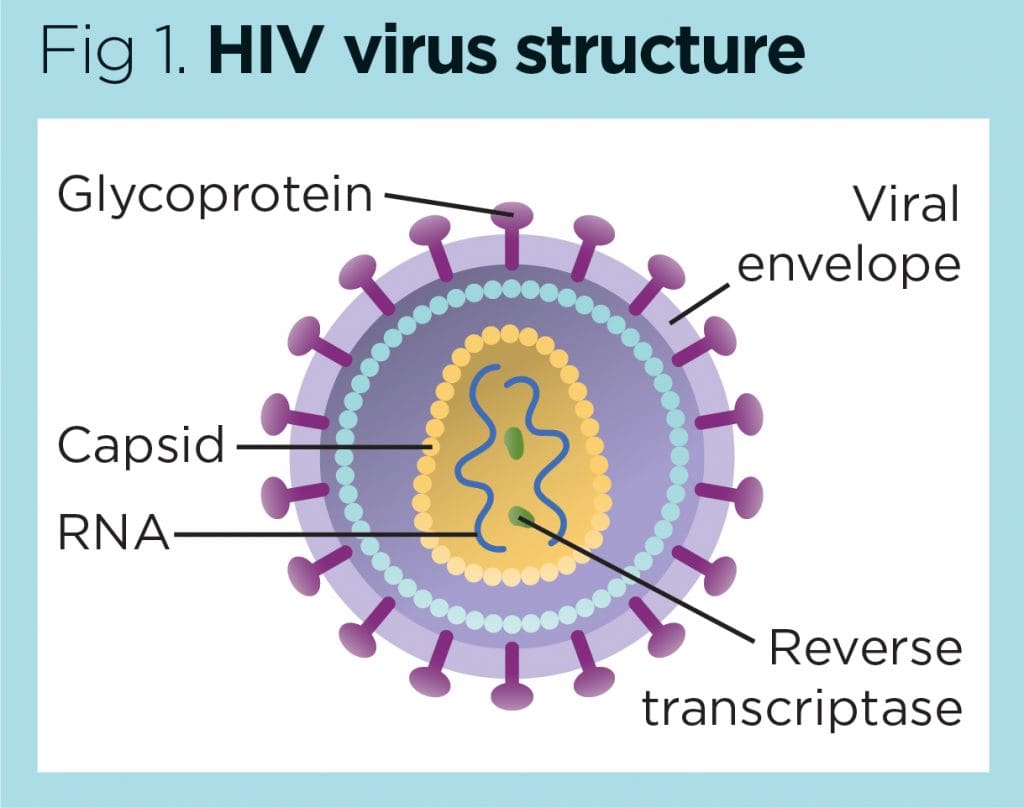
Do you constantly feel tired even after taking a good night’s rest? Do you feel your throat being sore without the flu symptoms? Or are you experiencing muscle and joint pain in different locations of your body? Worldwide, many individuals have often experienced these symptoms from a viral infection known as Human Immunodeficiency Virus or HIV. HIV belongs to the retroviridae family, which targets the body’s immune system, especially the CD4+ T cells. The CD4+T cells play an important role in the body’s immune response, but when HIV starts to deplete the receptors and terminate the host cells. (Masenga et al., 2023) This causes individuals to have acute stages of HIV and, if not treated immediately, can lead to the progression of severe stages. However, how do individuals contract HIV? Well, the most common mode is through unprotected sexual intercourse, sharing needles, or through maternal-infant exposure, which diminishes the T-helper cell population and, over time, can increasingly weaken the immune system. (van Heuvel et al., 2022) This causes many individuals to develop various symptoms from HIV that can vary, depending on the severity and the progression stages of the virus.
The Symptoms
Now, for the progression of HIV to infect the body’s immune system and cause various symptoms to affect the individual, many healthcare professionals have to look at the process of the host’s exosomes and their correlation role with HIV. The generational process of exosomes causes overlapping risk profiles with the viral assembly of HIV as exosomes can transport the virus from the infected cells to the uninfected cells of the body by helping it regulate the host’s immune response to the virus infection. (Chen et al., 2021) To that point, it can lead to the progression of several stages of HIV and its associated symptoms. When a person is dealing with an HIV infection in its acute stages, the symptoms can be mild and easily mistaken for a common viral infection. Some of the symptoms can include:
Muscle aches
Joint pain
Difficulty falling asleep
Fatigue
Neuropathy
Shortness of breath
Swollen glands
This is because the inflammatory cytokines from the immune system are heightened and influenced by HIV. When inflammatory cytokines become associated with HIV, symptoms have a huge impact on an individual’s life, causing them to be miserable. (Schnall et al., 2020) Additionally, when HIV is in a clinical latency stage, the virus is less active but can still replicate without exhibiting any symptoms in the body. However, when HIV progresses to its severe stage, it can lead to the development of AIDS. Luckily, treatment advancements to treat HIV from its acute stages can help manage the associated symptoms.
The Non-Surgical Approach To Wellness- Video
Non-Surgical Treatments For HIV
When it comes to treating HIV, non-surgical treatments can help manage its associated symptoms while dramatically improving the life expectancy and quality of life of the individual who is affected by the virus. For non-surgical treatments, the main goal is to diagnose HIV as early as possible and to assess the situation by coming up with new and innovative HIV testing initiatives to increase the frequency and prevention of HIV in both clinical and non-clinical settings. (Delaney & DiNenno, 2021) Below are some non-surgical treatments to manage HIV.
Antiretroviral Treatments
Now, some of the non-surgical treatments to manage HIV is by taking antiretroviral therapy. This allows the individual with HIV to be more mindful of taking antiretroviral medications daily, which then helps improve sustained viral suppression of HIV and provides effective strategies of therapeutic approaches to enhance antiretroviral activities. (Huerta, 2020) Additionally, the primary goal of antiretroviral therapy is to reduce the HIV load to an undetectable level, keep the immune system functioning, and prevent the progression development of AIDS.
Lifestyle Adjustments
While living with HIV today is vastly different from decades past, thanks to significant medical advancements. Many individuals can go to their healthcare providers for an early diagnosis and effective treatment to live long and healthy lives. Awareness, education, and staying proactive with health checks remain key in the fight against HIV and its progression. Additionally, proper nutrition, regular exercise, and mental health support are also crucial for people living with HIV, helping to boost the immune system and manage symptoms. At the same time, regular visits to a healthcare provider for blood tests are essential to monitor the effectiveness of ART and adjust the treatment regimen as needed to live a healthier life.
Delaney, K. P., & DiNenno, E. A. (2021). HIV Testing Strategies for Health Departments to End the Epidemic in the U.S. Am J Prev Med, 61(5 Suppl 1), S6-S15. https://doi.org/10.1016/j.amepre.2021.06.002
Masenga, S. K., Mweene, B. C., Luwaya, E., Muchaili, L., Chona, M., & Kirabo, A. (2023). HIV-Host Cell Interactions. Cells, 12(10). https://doi.org/10.3390/cells12101351
Schnall, R., Jia, H., & Reame, N. (2020). Association Between HIV Symptom Burden and Inflammatory Cytokines: An Analysis by Sex and Menopause Stage. J Womens Health (Larchmt), 29(1), 119-127. https://doi.org/10.1089/jwh.2019.7749
van Heuvel, Y., Schatz, S., Rosengarten, J. F., & Stitz, J. (2022). Infectious RNA: Human Immunodeficiency Virus (HIV) Biology, Therapeutic Intervention, and the Quest for a Vaccine. Toxins (Basel), 14(2). https://doi.org/10.3390/toxins14020138
How do healthcare professionals in a chiropractic clinic provide a clinical approach to recognizing impairment for individuals in pain?
Introduction
Any article you read about substance abuse among nurses will almost certainly repeat the claims made by the American Nurses Association, which states that, in line with the general public, 10% of nurses, or one in ten or about 300,000 Registered Nurses in the United States, are dependent on drugs of some kind. Impairment of any kind at work, particularly if it stems from substance misuse or usage, can have serious repercussions for the nurse and the nursing profession for several reasons. Preciseness, correctness, the capacity for critical thought, and observation are essential in the nursing profession. Because errors or accidents may occur, any inability to deliver these abilities puts patients, coworkers, and the nurse at risk. Additionally, people view nurses as trustworthy, dependable, and honest. Impairment can damage that perception, particularly if it is brought on by alcohol or drugs. In the following sections, we’ll examine impairment, its reasons, and your ethical and legal obligations if you believe a coworker is impaired. Today’s article focuses on the clinical approach to recognizing impairment in a clinical setting. We discuss with certified associated medical providers who consolidate our patients’ information to assess pain-like issues they are experiencing. We also inform and guide patients on various treatments and ask intricate questions to their associated medical providers to integrate a customized treatment plan. Dr. Jimenez, D.C., includes this information as an academic service. Disclaimer.
A Definition of Impairment
The fundamental definition of impairment is “The state of being decreased, weakened or harmed, especially mentally or physically” (“Impairment,” n.d.”) You’ll see that this is merely a description of a state of being and that no reason is given. This is a result of the abundance of possible reasons. While some causes might be simple to prove, others might not. Consequently, it is important to identify and consider the context and cause, if known, while talking about impairment. The impaired populace that surrounds us as nurses is: They are patients of ours. They are in a reduced, weakened, or damaged state, albeit they may be compromised by disease or injury. Similarly, you are compromised by illness if you have worked a shift with a bad cold. Symptoms of feeling slower, impaired thinking, andreviewing your work more frequently are examples of impairment in a clinical setting.
A disease or injury may have different consequences and affect how well you execute your job to varied degrees, but as the degree of impairment increases, so does the chance that you will make a mistake. The safety of both you and those around you, including your patients and coworkers, is inversely correlated with your degree of impairment. You, your patients, and your coworkers are less safe the more your performance is negatively impacted. Even though nurses know that the patients are vulnerable because they are compromised in some way. We also know that impairments can make it more likely for you to make mistakes. You are a responsible person and would never work if your impairment was severe enough to put your patients in danger. However, what if a coworker has a disability? Even worse, what if you think it was somehow self-inflicted? How do you proceed? Do you talk to them? Do you inform someone else about it? Do you hope nothing bad happens and ignore it?
Preserving patient safety is a top priority for nurses in their line of work. It is your responsibility to know what to do and how to do it if a colleague appears to be affected. But to achieve that, you must be able to spot potential impairment in both you and other people. Administrative and required reporting requirements must be known to you. You also need to be aware of the possible consequences for yourself if you do nothing.
Causes of Impairment
You might assume that we are discussing drug usage the moment you hear or read the phrase impairment in the workplace. However, there are other potential causes besides alcohol or drug abuse, and drawing the wrong conclusions can frequently have unanticipated results. You are not required to look into or determine what’s causing your colleague’s apparent disability. That is the task of others. You must identify impairment indicators and take the proper action. One of the things you should consider before reporting a coworker for drug addiction is whether or not you are witnessing real impairment. Everyone has occasional feelings of illness, irritability, or tension. Even if we might not be as effective as usual, nothing about our performance puts anyone at risk, and it doesn’t happen often. “Impairment in the healthcare system is defined as the inability or impending inability to practice, which is divided into two categories that can affect both the professional and the patient” (Baldisseri, 2007). This statement dismisses the previous scenario in which you might move more slowly than usual due to a severe cold.
Functional Medicine Influence Beyond Joints- Video
The Difference Between Impairment & A Bad Day
“Impairment is characterized by the inability to carry out the professional duties and responsibilities reasonably consistent with nursing standards.” Having a bad day can affect the individual’s mood and workflow. Sometimes, a faint impression that someone is not quite themselves leads to this discovery. Colleagues could experience unease or feel intimidated. Supervisors may notice a rise in the number of grievances lodged against an employee or by coworkers against that individual. Behavioral patterns suggest issues exist and can lead to the development of causing medical errors. Medical errors in healthcare organizations can create a serious health problem that can substantially threaten the patient’s safety. (Rodziewicz et al., 2024). Before examining these patterns, let’s consider some of the potential reasons other than drug or substance misuse that could be contributing to the decline in risky practices in nursing tasks.
Training & Education Deficits
A coworker’s risky activities could result from inadequate training, knowledge, or orientation to the current workplace. This is particularly valid for recently licensed nurses and nurses transitioning from one practice area to another. Nurses in refresher training may need to be more confident in how things have traditionally been done or need to be taught suggested modifications to policy or procedures. Refresher training may also encounter opposition or change and need to be successful. If the nurse is unwilling to acknowledge that their knowledge or abilities are not up to par, these educational deficiencies may appear as impairment. They might take much longer than other nurses to do jobs, among other indicators. Erroneous assumptions about which process is the most reasonable or accurate way to complete a task might lead to mistakes on the part of the nurse. Alternatively, they could be overly sensitive to criticism and try to maintain their composure by insisting they are competent.
Physical Illness
We have already discussed the issue of trying to work when you have a bad cold. For most of us, the experience of having a little illness or infection holding us back is probably known. Yet, increased chronic conditions could also lead to compromised performance days. Like many other ailments, diabetes, and arthritis can cause someone to feel less than 100% of themselves on certain days. It’s important to remember that you might not even be aware that your coworker has these ailments. For want of a better or more appropriate title to put this under, be sure the person you are about to accuse of abusing drugs is not pregnant before moving forward. Naturally, this is a partial list of all potential physical explanations. It’s merely a friendly reminder to consider the chance the incompetent nurse could be physically unwell.
Physical Injury
Like medical conditions, injuries can also hinder one’s ability to perform at work. Although it is more likely that there may be some overt signs of an injury—such as a limp or other unnatural movement, bandaged regions, or the use of a walking stick or other mechanical aid—this isn’t always the case. A person with a back strain or some different type of nerve entrapment could try to disguise their discomfort and their limits.
Stress & Fatigue
Since it is common for these causes to occur together or for one to manifest as a symptom of the other, they might be seen as a collective cause. They may also be the outcome of events outside the workplace, inside the workplace, or both. Someone who has recently gone through a divorce or someone who is the primary caregiver for a critically ill relative at home are two examples. Both scenarios are unpleasant, but what if these factors were secondary to financial difficulties? Both worrying about this and attempting to work more shifts due to their economic challenges may hurt their ability to sleep. Someone in these situations can easily get psychologically and physically fatigued very fast. Depending on their personality, it would also be unheard of for their colleagues to be unconscious of these difficulties. Alternatively, the cause might be as straightforward as stress at work, resulting in burnout and decreased motivation. Burnout and work dissatisfaction are, in fact, “common within the nursing profession” (Van Bogaert et al., 2017)
Mental Illness
Even though nurses like to think of themselves as resilient and unaffected by situations that others would see as weakness, the truth is that we are vulnerable to mental health issues like anxiety and depression, as well as drug use disorders, for many of the same reasons. In certain nursing specialties, we work with patients who are dying all the time—possibly even infant deaths—or we witness horrifying results from violent or accidental incidents. Circumstances like these may serve as antecedents to illnesses like Post Traumatic Stress Disorder (PTSD). Nurses are not superwomen or supermen—again, these are only a few examples. Healthcare professionals may be impacted if it impacts the broader public.
Substance Use
Substance addiction is perhaps the most chronic and damaging to the individual, the facility, and even the profession, even if it isn’t necessarily more common than the previously described causes of impairment. Substance abuse is not likely to go away on its own over time without assistance from coworkers and superiors, unlike medical conditions or injuries. This does not imply that interventions for other impairment causes are unnecessary or should be avoided. If you don’t act when something like low back pain is the cause of the impairment, you can end up addicted to painkillers in the first place. Included in the collection under this subject is disability brought on by the misuse or overuse of pharmaceuticals that have been prescribed to them or others. The impairment is frequently associated with the side effects of overuse or acute overdose. At the same time, it can also occasionally arise from adverse events associated with normal doses, such as nausea, sleepiness, or dizziness. The usage or misuse of “street drugs” or non-prescription substances like methamphetamine, ecstasy, or cannabis. The acute or chronic misuse or overuse of alcohol. The nurse may be severely intoxicated or experiencing a severe hangover, but both conditions would impede her abilities. Chronic use can also result in physical ailments or cognitive impairments that make it difficult for a nurse to perform at a high enough level. Since a nurse’s whole self-definition frequently centers around their work as a nurse, the entry of their abuse or addiction into their place of employment is often a sign of how far along their illness has evolved.
Because health workers identify with their line of work, evidence of disease sometimes points to a late stage of illness. Workplace issues are typically the last stage of a downhill spiral, and when a disease is discovered, coworkers are frequently astonished “(Washington State Department of Health, 2016, p.6). When the impairment is initially seen at work, coworkers and bosses may even deny or minimize the issue, offering justifications or avoiding confrontation in the hopes that the issue will magically disappear.
Unique Risk Factors For Nurses
The likelihood of having a drug use disorder is influenced by a variety of factors, including heredity, upbringing, parental and peer pressure, and so on. However, working as a nurse presents a few unique risk factors that are not present in other occupations. The main hour risk factors that nurses deal with in a healthcare facility are:
Drugs that are lawful to obtain by prescription are more likely to be used by nurses than by the general public, even though substance use disorders do not affect nurses more frequently than the general population. The explanation is that nurses handle these medications daily, even without a prescription. To this, we add our knowledge of medicine administration, usage, and dosage and work in a setting where the benefits of medication use are evident. This indicates that we are self-assured in our capacity to diagnose and treat ourselves and in our ability to handle these medications.
Stress
Some of the indications that all nurses are sometimes a part of the stress factors that have caused them to be impaired include:
Extended shifts
Heavy workload
Absence of personnel
Extremely urgent patients while retaining composure under intensely sentimental circumstances.
These are presumably well-known to all nurses and can occasionally be attributed to role strain. They are all a necessary component of a very demanding line of work. Work schedules alone have demonstrated a beneficial relationship with substance usage. Pain or insomnia following a demanding shift are common and often serve as the primary justification for taking medication to help with aches and pains, promote relaxation, or fall asleep.
Lack of Education
Here, the term “lack of education” does not mean ignorance of drugs. As we’ve already mentioned, there is no shortage of schooling there. No. In this context, ignorance of substance use problems and associated warning signs and symptoms is meant. Many times, healthcare professionals are unable to identify these symptoms and indicators in both themselves and other people. Even if they do identify them, stigmatization results from a lack of information about these disorders—especially if the sufferer is a fellow healthcare worker—because we tend to hold healthcare professionals—including ourselves—to higher standards than we do non-healthcare workers.
Recognizing The Signs
When a nurse is caught using drugs or alcohol at work, the ideal course of action these days is assistance and therapy rather than immediate termination. The idea is that the nurse will eventually be able to go back to work following treatment and rehabilitation. However, early intervention is a key component of this strategy. As we’ve already mentioned, substance use may need to continue for a while before signs of impairment at work become apparent. Therefore, in pursuing a successful result, time itself becomes a threat. It is appropriate to remind ourselves that substance abuse may not be the only explanation for the impairment as we examine some of the indicators that substance use may cause. For the sake of the patients’ and the staff’s safety, intervention is required regardless of the cause. Searching for behavioral changes or changes from a baseline rather than specific activities is perhaps more beneficial. After all, we all know that a nurse who is not incompetent but has always appeared messy or moves a little more slowly than others when completing tasks. Perhaps it’s just a personal preference, but if a nurse who used to appear well-groomed and productive suddenly starts to act sluggish and careless, there may be a deeper issue at hand.
On the other hand, it is also noteworthy if the nurse, who has always been sluggish and sloppy but has always stayed within acceptable parameters, suddenly became unacceptable or extremely slow and messy. However, the noticeable shift might be outside the condition of their attire. Even someone who is usually upbeat can seem depressed, nervous, or afraid. A typically quiet individual can appear animated, talkative, and gregarious. It’s also possible that the shy person isolates themselves more than usual, or the ordinarily talkative and active person becomes even more talkative and active than normal. Recall that the behavior is less important in many cases than the change in pointing out a problem. It is similar to checking for deviations from normal blood pressure or temperature as a sign of an issue. Additional indicators of a change to watch out for include:
Mood swings
Irritability
Drowsiness
Crying or inappropriate laughing
Suspicion or being extremely sensitive to criticism.
Inflexibility or excessive adherence to procedures when they are not required.
Bewilderment, or bad memory
When it comes to work performance, you could observe the following:
A rise in tardiness and absences, particularly when they follow a pattern.
Strange explanations for absences
Longer or more regular pauses
Uncharacteristic absences from the workplace,
Previously, ordinary tasks required more time.
Unusual or dubious “shortcuts” used in operations do not uphold the anticipated level of care.
When the quality or content of the charting becomes shoddy or unique, there are greater inaccuracies and negligence.
A rise in the nurse’s complaints or grievances.
Each of them points to a possible issue. They could be overtly apparent or strange enough to give you the impression that something is off. You may notice that they are using breath fresheners, mints, or chewing gum more frequently than they used to. They may mumble more than usual or exhibit more subtly stopped speech with longer silence while considering their response. “Were their pupils constricted (or dilated)?” or “Was that alcohol I smelled?” are some questions to ask yourself as you leave. As nurses, we may acquire hunches or intuition. Our innate ability to observe results from our extensive training and these instincts are frequently founded on observations we make unconsciously. Thus, please don’t ignore them. While you shouldn’t ignore them, you shouldn’t accept them as gospel.
Drug Diversion
Access to the drug of choice may be restricted for a nurse with a substance use disorder when they are not working. This could be for various reasons, such as the fact that their family is no longer prescribed that particular drug, their doctor or pharmacist becoming suspicious, or other reasons. They frequently attempt to supplement that access from the job in this kind of circumstance. And the nurse will need to be creative in hiding this behavior due to the precautions in place, particularly when it comes to banned substances.
Among the warning indicators to look out for are:
Regularly or eagerly offering to be a pharmaceutical nurse.
Patients continue to complain about discomfort even after receiving painkillers.
Documents reveal that the patient was given more painkillers than necessary for their condition.
There are more and more reports of drug spills and waste.
When this nurse performs medication rounds relative to other nurses, an abnormally high number of controlled drugs are administered.
Drug counts are inaccurate; If you have yet to witness a drug given or dispensed, the nurse may ask you to co-sign for it. This is a partial list, just like the others. As with the other lists, nurses are very wise due to our education, training, and experiences, so sometimes it’s just a gut instinct that warns you of a possible issue. However, as a general guideline, anything that feels off should be looked into further. Your obligations to your patients and your coworkers require this.
Interventions
The Florida Nurse Practice Act is broken when a nurse practices while intoxicated. Both illness and substance use are listed as potential causes of this impairment in the paragraph that defines this as a violation and could result in disciplinary action. It would also be illegal to fail to disclose a nurse’s impairment or to put a patient’s safety in peril by permitting them to work while impaired. It is preferable for everyone if there is no attempt to cover for the nurse or if the issue is ignored in the hopes that it will go away. As an employee, you should be fully conversant with the regulations and procedures each facility has likely designed for just these scenarios. These will have been created to guarantee compliance with all legal and regulatory obligations. It is never appropriate for you to approach a coworker who is impaired. Always ask a supervisor or nursing manager for assistance. The manager or supervisor will probably contact the impaired nurse first; however, having multiple people present during the intervention will:
Give the evidence given to the nurse more weight because she is likely to dispute impairment.
Present witnesses for incidents that might be needed in hearings or meetings later.
Provide strength to the message, emotional support, and uphold safety if the nurse exhibits agitation or aggression when contacted.
Never should the initial intervention be accusatory or involve attempting to identify the nurse’s issue.
It should be fact-based and provide written evidence of observations and concerns to make the nurse realize why you are requesting them to stop working now. The impairment and any subsequent intervention might be reported in one of two ways. The Florida State Board of Nursing is the first of them. More precisely, the Department of Health would receive the report, investigate the complaints, and take appropriate action. The second action would be to send the report to the Intervention Project for Nurses (IPN). The IPN was created in 1983 by legislative action to protect the public’s health and safety (Chan et al., 2019). It does this by offering close supervision to nurses who are deemed unsafe to practice because of impairments brought on by drug or alcohol abuse, misuse, or both, or because of a physical or mental illness that may impair the licensee’s capacity to practice safely and skillfully.
These alternative-to-discipline programs have been developed across the nation, and in Florida, they are part of the Integrated Patient Network (IPN) because of the recognition that a nurse with a substance use disorder should receive the same care and treatment as anyone else. Through its programs, nurses can obtain non-punitive treatment and rehabilitation. The IPN will assist the nurse’s successful return to practice if she consents to step away from the profession and finish the program while maintaining confidentiality—even from the Board of Nursing. The IPN will send the file to the Department of Health if a nurse accepts these terms but then changes their mind. Certain cases might be reported to the Department of Health and the IPN, where treatment AND disciplinary action might be started. The Department of Health’s participation might lead to the nurse’s license being suspended or revoked, making it more difficult for her to return to work. It is envisaged that by offering non-punitive routes, nurses will be encouraged to seek assistance before facing disciplinary action and may eventually be able to return to practice.
Conclusion
Because of the unique circumstances surrounding our education and training, the way we are perceived, and the fact that we perceive ourselves as somehow stronger than others, the issue of disability in the workplace for nurses is particularly complicated. In the past, if an employee was impaired at work, disciplinary action might have been taken because of the impairment itself or the mistakes made. This was particularly valid in cases where it was discovered that the nurse was intoxicated or impaired by another substance. You were out the door and never came back after that. You would also lose your license, preventing you from ever returning to work as a nurse. Thankfully, non-disciplinary initiatives have been sparked by recognizing that we are not immune to the same stressors as others. The idea behind these initiatives is to identify problems, including substance use disorders, early on so that the best possible outcome may be achieved for all parties.
Chan, C. W. H., Ng, N. H. Y., Chan, H. Y. L., Wong, M. M. H., & Chow, K. M. (2019). A systematic review of the effects of advance care planning facilitators training programs. BMC Health Serv Res, 19(1), 362. https://doi.org/10.1186/s12913-019-4192-0
Hakim, A. (2023). Investigating the challenges of clinical education from the viewpoint of nursing educators and students: A cross-sectional study. SAGE Open Med, 11, 20503121221143578. https://doi.org/10.1177/20503121221143578
Van Bogaert, P., Peremans, L., Van Heusden, D., Verspuy, M., Kureckova, V., Van de Cruys, Z., & Franck, E. (2017). Predictors of burnout, work engagement and nurse reported job outcomes and quality of care: a mixed method study. BMC Nurs, 16, 5. https://doi.org/10.1186/s12912-016-0200-4
IFM's Find A Practitioner tool is the largest referral network in Functional Medicine, created to help patients locate Functional Medicine practitioners anywhere in the world. IFM Certified Practitioners are listed first in the search results, given their extensive education in Functional Medicine