The digestive system in the body helps with the process of digesting food that the host consumes. The food being digested goes through a bio-transformation where it turns into nutrients and is stored in the intestines, liver, and gallbladder, where it turns into bile to be excreted out of the system to ensure a healthy functional gut system and body. But when disruptive factors like poor eating habits or gut issues start to affect the body and gallbladder, this causes many problems that can make an individual miserable. This affects their quality of life since they are dealing with painful issues in their bodies that overlap the primary source risk profiles. Today’s article looks at the gallbladder, how it functions with the body and parasympathetic nervous system, and how referred shoulder pain and gallbladder dysfunction are connected. We refer patients to certified providers specializing in gastroenterology and chiropractic treatments that help those with issues that affect their shoulders and gallbladder. We also guide our patients by referring to our associated medical providers based on their examination when it’s appropriate. We find that education is the solution to asking our providers insightful questions. Dr. Alex Jimenez DC provides this information as an educational service only. Disclaimer
What Is The Gallbladder?
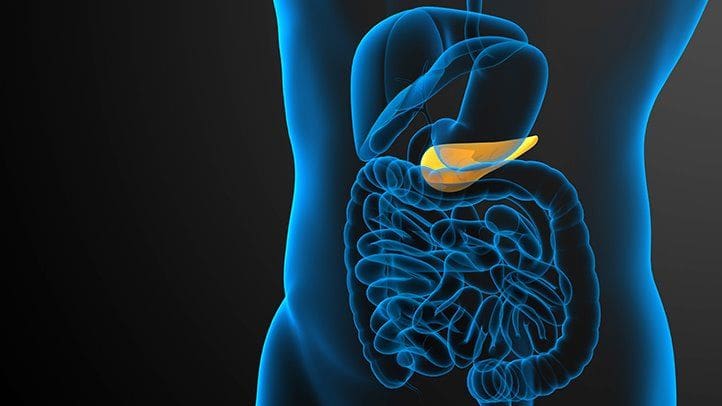
The digestive system comprises the mouth, the internal organs from the GI tract, the liver, the gallbladder, and the anus, where food is consumed, digested, and excreted out of the body to keep it healthy. The gallbladder is a small organ that store and releases bile at the appropriate time into the intestines to be mixed with the digested foods to be excreted out of the body. This pear-shaped organ inflates and deflates like a balloon when it stores and releases bile while having a casual relationship with the nerves and hormones that help regulate the gallbladder functioning properly. Studies reveal that the ganglia become the target of causing the hormone cholecystokinin and the parasympathetic nerve to up or downregulate the neurotransmission to the gallbladder. This causes the gallbladder to be functional in the body.
What Are Its Functions In The Parasympathetic Nervous System?
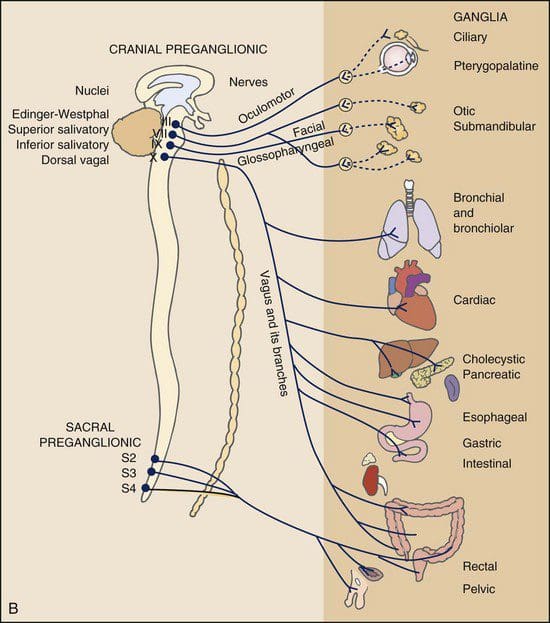
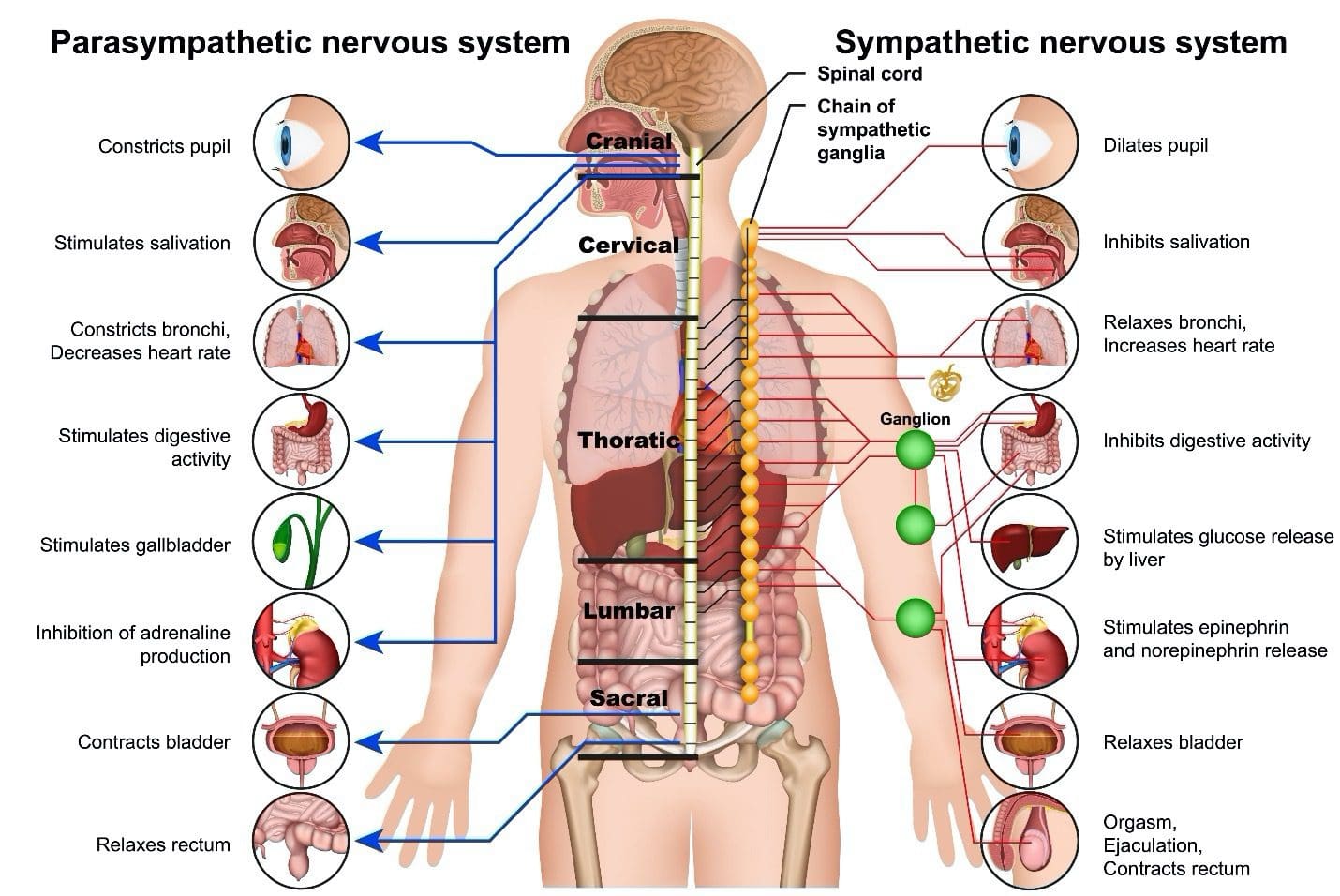
So what are the functions that the gallbladder provides to the body? For starters, the parasympathetic nervous system allows the body to rest and digest the consumed food to be turned into nutrients. The parasympathetic nervous system also provides gallbladder stimulation as studies reveal that the gallbladder receives innervation from the parasympathetic nervous system connected to the vagus nerve that transmits information to the spine and the brain. Keeping and releasing bile from this pear-shaped organ helps regulate the gastrointestinal tract. This causal relationship between the gallbladder and the parasympathetic nerve is essential because the body needs to know when to store and release bile from the gallbladder, or it might trigger some issues that can do more harm to the body and even affect the gallbladder itself.
Do You Have Shoulder Pain?- Video
Have you been experiencing gut issues causing a sharp or dull ache in your back or sides? How about questionable shoulder pain that seems to come out of nowhere? Or are your experiencing inflammation in your digestive system? Many of these symptoms are signs of visceral-somatic pain affecting the gallbladder. Visceral-somatic pain is defined when there is damage to the organ, and it starts to affect the muscles in a different location in the body. The video above gives an excellent example of visceral-somatic pain in the gallbladder and the shoulder. Now many people wonder how shoulder pain is the mediator of the gallbladder? Well, inflammation in the liver and gallbladder causes the nerve roots to be hypersensitive and compressed. This leads to overlapping profiles, triggering pain in the shoulder muscles and associated with upper mid-back pain.
Referred Shoulder Pain & Gallbladder Dysfunction
Now say the individual is experiencing shoulder pain; however, when they rotate their shoulder, there is no pain? Where is the source of shoulder pain localized, and what is causing the issue? And why is it correlating to the gallbladder? This is known as referred pain, where the source of pain is poorly localized when it is located elsewhere. Studies reveal that gallbladder dysfunctions like cholecystitis might be associated with acute thoracolumbar shoulder pain. So what does this mean? It means that any referred pain that is the causation of shoulder pain gives the impression that something is wrong with the gallbladder. This would provide much-needed information when individuals are being examined by their physicians.
Conclusion
The body needs the digestive system to help process food the host consumes and excretes for a healthy functioning system. The gallbladder stores and releases bile to the digested food. This ensures that the nutrients and bile are transported and passed out of the body. When disruptive factors cause gut issues and affect the gallbladder, it can correlate to different problems impacting the body. An example would be gallbladder issues associated with shoulder pain. This is referred to as pain, which is from an affected organ and associated with the muscle in a different location. This can make the individual feel miserable and wonder what is going on with their shoulders when it might be something associated with their gallbladder. Available treatments can provide better knowledge to determine the problem and how to alleviate the issues.
References
Carter, Chris T. “Acute Thoracolumbar Pain Due to Cholecystitis: A Case Study.” Chiropractic & Manual Therapies, BioMed Central, 18 Dec. 2015, https://www.ncbi.nlm.nih.gov/pmc/articles/PMC4683782/.
Jones, Mark W, et al. “Anatomy, Abdomen and Pelvis, Gallbladder.” In: StatPearls [Internet]. Treasure Island (FL), StatPearls Publishing, 8 Nov. 2021, https://www.ncbi.nlm.nih.gov/books/NBK459288/.
Mawe, Gary M., et al. “Nerves and Hormones Interact to Control Gallbladder Function.” Physiology, 1 Apr. 1998, https://journals.physiology.org/doi/full/10.1152/physiologyonline.1998.13.2.84.
Medical Professional, Cleveland Clinic. “Gallbladder: What Is It, Function, Location & Anatomy.” Cleveland Clinic, 28 July 2021, https://my.clevelandclinic.org/health/body/21690-gallbladder.
The body has many nerves that intertwine and branch out from the spinal cord in the central nervous system. These nerves provide many functions that the body needs to work correctly, from motor function on the arms, legs, and neck to sensory functions like perceiving how much light comes into the eyes, that sense of fullness in the gut system, and when something is touching the skin. The body needs these nerves for everyday function and when a person feels pain from accidents and injuries. When there are factors that cause nerve damage or even gut issues that are internally affecting the body, it can cause many symptoms and cause a person to feel gloomy. Today’s article looks at the parasympathetic nervous system, how it affects the gut microbiota, and how autonomic neuropathy disrupts the gut system in many individuals. Refer patients to certified, skilled providers specializing in gut treatments for individuals that suffer from autonomic neuropathy. We guide our patients by referring to our associated medical providers based on their examination when it’s appropriate. We find that education is critical for asking insightful questions to our providers. Dr. Alex Jimenez DC provides this information as an educational service only. Disclaimer
Can my insurance cover it? Yes, it may. If you are uncertain, here is the link to all the insurance providers we cover. If you have any questions or concerns, please call Dr. Jimenez at 915-850-0900.
What Is The Parasympathetic Nervous System?
Have you experienced gut issues affecting your body? How about feeling dizzy or faint when standing up? Does it seem difficult to adjust your eyesight from dark to light? Or have you experienced gut inflammation? These signs and symptoms are usually affected when the parasympathetic nerves are damaged and causing gut issues in the body. The parasympathetic nervous system. as research has defined it, conserves the body’s energy to be used for a later date while regulating bodily functions. These nerves help the body go into a “resting” condition that allows the body to work in a less stressful environment than the sympathetic nervous system, which drives the “fight or flight” response. The parasympathetic nerves also help with the GI tract, as additional research shows the parasympathetic nervous system helps exert excitatory and inhibitory GI control and motility in the intestines. The parasympathetic nerves and the gut microbiota are connected as they help influence the body’s homeostasis.
How Does It Affect The Gut Microbiota?
So the brain and the gut are connected to the body as they help send the information back and forth to provide the body’s homeostasis and immune function in preventing diseases. So for the parasympathetic nervous system and how it affects the gut microbiota, it’s all due to the vagus nerve that keeps the gut microbiota functioning and doing its job to support the body. Research studies have shown that the vagus nerve is the primary component of the parasympathetic nervous system. The vagus nerve helps with the bi-directional communication between the brain and the gut system by overseeing the crucial bodily functions. Some of the tasks that the parasympathetic nervous system does for the gut microbiota include:
Connect emotional and cognitive areas of the brain
An Overview On The Parasympathetic Nerves-Video
Feeling inflammatory effects inside your gut? How about feeling dizzy by just standing for a little bit? Do you have difficulty eating or have a loss of appetite? Many of these signs of parasympathetic nerves are affected, causing abnormalities in the gut microbiota. The video above explains what the parasympathetic nervous system does and how it plays its role in the entire body. The parasympathetic nervous system also has a partnership with the gut microbiota. Research studies mentioned that the interaction between the parasympathetic nervous system and the gut microbiome ensures the proper maintenance of homeostasis and cognitive functions for the body. The gut-brain axis helps promote optimal bodily function while ensuring that the motor-sensory parts are doing their jobs.
How Autonomic Neuropathy Affects The Gut System
Injuries affecting the gut microbiota and the parasympathetic nervous system can cause gut inflammation in the intestines and nerve damage to the nervous system. This is known as autonomic neuropathy, and research shows that this type of neuropathy causes body and gut issues like diabetes and gastrointestinal motility and contributes to other GI symptoms. Other research studies have found that autonomic neuropathy can alter the gut microbiota’s homeostasis regulation. When this happens, the body will start to have various symptoms affecting each organ and making them dysfunctional. The body will develop more symptoms when the gut microbiota becomes affected. These symptoms cause a decrease in vagal outflow or an increase in sympathetic activity, which will be associated with a slow decreased gastrointestinal motility.
Conclusion
The gut and nervous systems have a bi-directional communication that helps provide the body with proper immune support and metabolizing homeostasis for functionality. The nerves in the nervous system are branched out from the spinal cord and help offer many functions to the arms, organs, legs, and muscle tissues. The parasympathetic nerves in the nervous system help the body rest and digest the nutrients provided to the body. When the nerves or the gut suffer from damage, it can cause various problems that cause dysfunction to the motor-sensory functions of the body. When this happens, many individuals can find different treatments to restore body functions to the gut and the parasympathetic nerves and reduce the symptoms that come with it.
References
Breit, Sigrid, et al. “Vagus Nerve as Modulator of the Brain-Gut Axis in Psychiatric and Inflammatory Disorders.” Frontiers in Psychiatry, Frontiers Media S.A., 13 Mar. 2018, https://www.ncbi.nlm.nih.gov/pmc/articles/PMC5859128/.
Browning, Kirsteen N, and R Alberto Travagli. “Central Nervous System Control of Gastrointestinal Motility and Secretion and Modulation of Gastrointestinal Functions.” Comprehensive Physiology, U.S. National Library of Medicine, Oct. 2014, https://www.ncbi.nlm.nih.gov/pmc/articles/PMC4858318/.
Kornum, Ditte S, et al. “Assessment of Gastrointestinal Autonomic Dysfunction: Present and Future Perspectives.” Journal of Clinical Medicine, MDPI, 31 Mar. 2021, https://www.ncbi.nlm.nih.gov/pmc/articles/PMC8037288/.
Mayer, Emeran A. “Gut Feelings: The Emerging Biology of Gut-Brain Communication.” Nature Reviews. Neuroscience, U.S. National Library of Medicine, 13 July 2011, https://www.ncbi.nlm.nih.gov/pmc/articles/PMC3845678/.
Tindle, Jacob, and Prasanna Tadi. “Neuroanatomy, Parasympathetic Nervous System – Statpearls – NCBI Bookshelf.” In: StatPearls [Internet]. Treasure Island (FL), StatPearls Publishing, 5 Nov. 2021, https://www.ncbi.nlm.nih.gov/books/NBK553141/.
Tougas, G. “The Autonomic Nervous System in Functional Bowel Disorders.” Canadian Journal of Gastroenterology = Journal Canadien De Gastroenterologie, U.S. National Library of Medicine, Mar. 1999, https://pubmed.ncbi.nlm.nih.gov/10202203/.
IFM's Find A Practitioner tool is the largest referral network in Functional Medicine, created to help patients locate Functional Medicine practitioners anywhere in the world. IFM Certified Practitioners are listed first in the search results, given their extensive education in Functional Medicine