The musculoskeletal system allows the various muscle groups to surround the bones and joints through ligaments and muscle tissues that help with mobility and stabilizes the skeletal structure from pain. As the body ages naturally, the muscles, bones, and joints get affected as numerous factors begin to cause the body to be dysfunctional. Many of these factors could take a toll on the body and cause bone mass density loss, leading to osteoporosis. A person experiencing osteoporosis can generate overlapping risk profiles affecting the body’s muscles and joints, leading to painful symptoms. Today’s article looks at osteoporosis, how it affects the muscles and joints, and how numerous treatments can help reduce osteoporosis symptoms. We utilize information about our patients to certified medical providers using MET therapy to mitigate the effects of osteoporosis on the musculoskeletal system. We encourage patients by referring them to associated medical providers based on their diagnosis while supporting that education is a remarkable way to ask our providers the most interesting and essential questions at the patient’s acknowledgment. Dr. Alex Jimenez, D.C., comprises this information as an educational service. Disclaimer
What Is Osteoporosis?
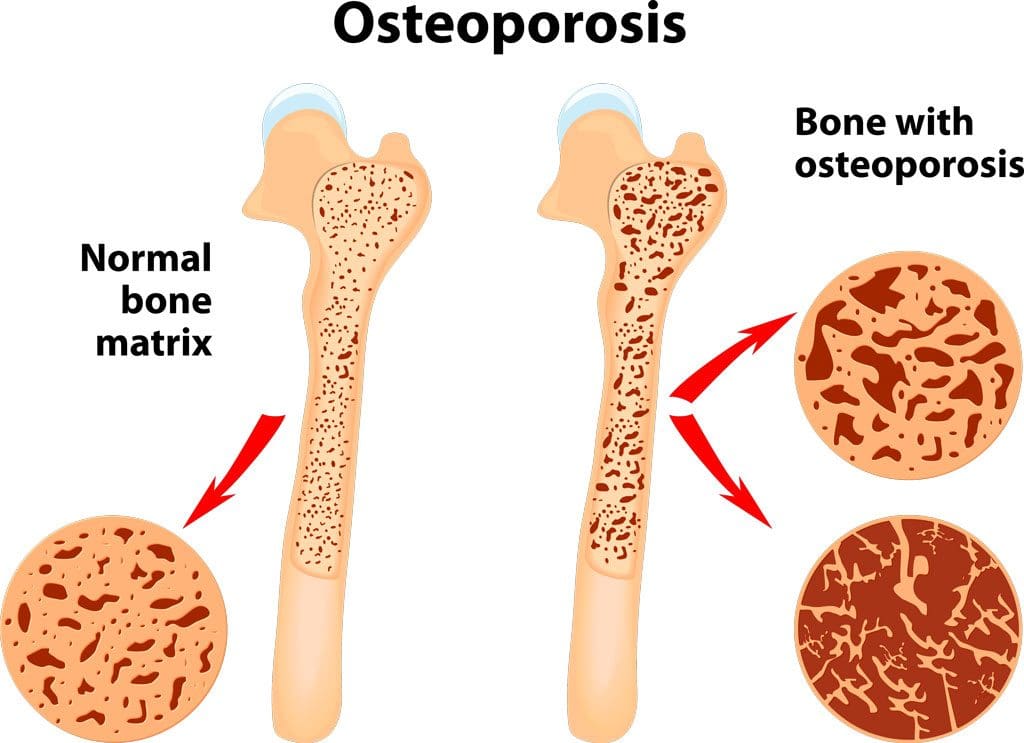
If you’ve been experiencing severe back or hip pain or struggling to breathe, you may be experiencing osteoporosis. This condition causes bones to become porous, making them brittle and weak, and it affects around 200 million people worldwide, with women being more commonly affected than men, as studies revealed. Many risk factors can cause bones to deteriorate quickly and become weaker, leading to an increased risk of fragility, fracture, and muscle and joint pain. Additional studies have revealed that some risk factors that can lead to osteoporosis development include:
Race
Ethnicity
Age
Sex
Metabolic syndrome
Osteoporosis can often go undetected for a long time, with individuals only noticing symptoms such as a forward-curved upper back or a broken bone.
Osteoporosis Affecting The Muscles & Joints
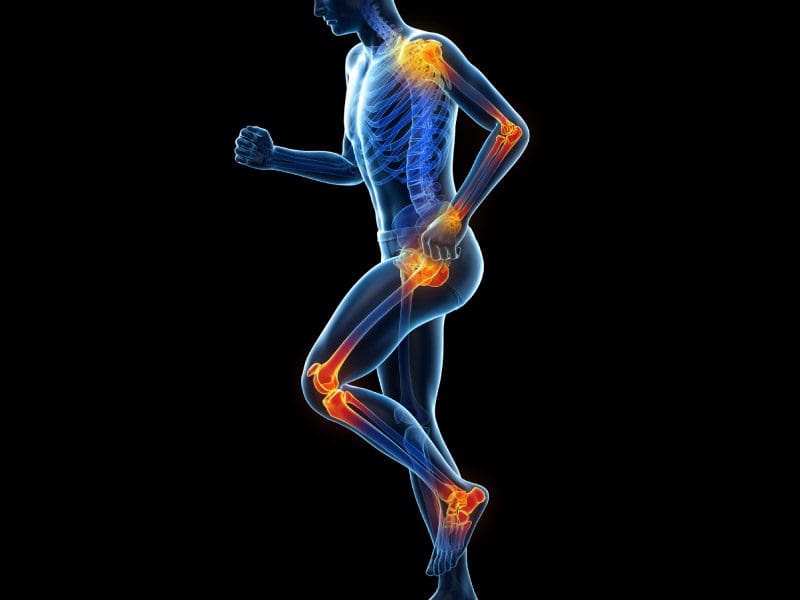
Osteoporosis can affect the body’s bones, muscles, and joints, especially major skeletal portions like the spine, hips, wrists, and shoulders. Studies have shown that individuals with or without trauma can experience symptoms like pain due to osteoporosis caused by hormone deficiency. “Clinical Applications of Neuromuscular Techniques” by Dr. Leon Chaitow, N.D., D.O., and Dr. Judith Walker DeLany, L.M.T., explain that bone density can decrease when bone resorption happens faster than bone formation. This decrease in bone density could lead to joint fractures and cause musculoskeletal disorders that affect a person’s stability and mobility, leading to complaints in the upper and lower body extremities.
An Overview Of Osteoporosis-Video
Are you experiencing pain in your arms or legs? Do your joints ache more than usual or do you have persistent back pain? These symptoms are often associated with osteoporosis, a chronic condition where bones become weak and brittle due to fractures or trauma. Osteoporosis can go undetected for an extended time, and when it affects bone density, it can also impact surrounding muscles and joints, leading to various musculoskeletal conditions. The video above explains osteoporosis, including risk factors and treatment options such as chiropractic care to reduce its effects.
Treatments To Reduce Osteoporosis Symptoms
If you risk developing osteoporosis, it’s best to consult your primary doctor for confirmation. Once confirmed, you have several options for your next steps, such as incorporating exercises, vitamins, minerals, and supplements for bone health, lifestyle changes, and utilizing treatments like MET therapy or chiropractic treatments. MET therapy can help restore bone density and promote a mindful approach to one’s body and lifestyle when combined with proper nutrition and exercise. Studies show that individuals with osteoporosis can use MET therapy to reduce pain and improve range of motion in affected joints. Pain specialists often use MET to stretch and shorten muscles to help restore the body to normal.
Conclusion
Osteoporosis is a chronic silent disease that affects the bones silently, causing pain and correlating with numerous factors that can increase its progression. When bones become porous, weak, and brittle, it can lead to pain-like symptoms in the musculoskeletal system. This can cause chronic issues that misalign the body, leading to mobility and stability problems. Fortunately, numerous ways exist to prevent and reduce the effects of osteoporosis. Some effective measures include incorporating vitamins and supplements for bone health, exercising for 30 minutes to an hour, and getting MET therapy to restore the body’s range of motion. These small changes can greatly impact an individual’s health and wellness journey.
References
Chaitow, Leon, and Judith Walker DeLany. Clinical Applications of Neuromuscular Techniques. Churchill Livingstone, 2003.
Porter, Joann L, and Matthew Varacallo. “Osteoporosis.” In: StatPearls [Internet]. Treasure Island (FL), 4 Sept. 2022, www.ncbi.nlm.nih.gov/books/NBK441901/.
Pouresmaeili, Farkhondeh, et al. “A Comprehensive Overview on Osteoporosis and Its Risk Factors.” Therapeutics and Clinical Risk Management, 6 Nov. 2018, www.ncbi.nlm.nih.gov/pmc/articles/PMC6225907/.
Sözen, Tümay, et al. “An Overview and Management of Osteoporosis.” European Journal of Rheumatology, Mar. 2017, www.ncbi.nlm.nih.gov/pmc/articles/PMC5335887/.
Thomas, Ewan, et al. “The Efficacy of Muscle Energy Techniques in Symptomatic and Asymptomatic Subjects: A Systematic Review.” Chiropractic & Manual Therapies, 27 Aug. 2019, www.ncbi.nlm.nih.gov/pmc/articles/PMC6710873/.
When it comes to our bodies, many functioning systems help the body regulate its temperature, provide mobility and stability when in motion, and protect the host from pathogens that enter inside to cause havoc. One of the systems that helps the body is the endocrine system, which produces many hormones to keep the body functioning properly. The thyroid, a small, butterfly-shaped organ at the base of the neck, produces the hormones in the body. The thyroid helps regulate hormone production; however, when pathogen factors affect the body’s hormonal production, it can lead to musculoskeletal pain and dysfunction. Today’s article examines how the thyroid produces hormones, how hormone imbalances are connected with musculoskeletal pain, and how MET therapy can help restore hormone imbalances from affecting the body in the future. We utilize information about our patients to certified medical providers using soft tissue therapies like MET to reduce musculoskeletal pain associated with hormonal imbalances. We encourage patients by referring them to associated medical providers based on their diagnosis while supporting the fact that education is a marvelous way to ask our providers the most interesting questions at the patient’s acknowledgment. Dr. Alex Jimenez, D.C., incorporates this information as an educational service. Disclaimer
How Does The Thyroid Produce Hormones?
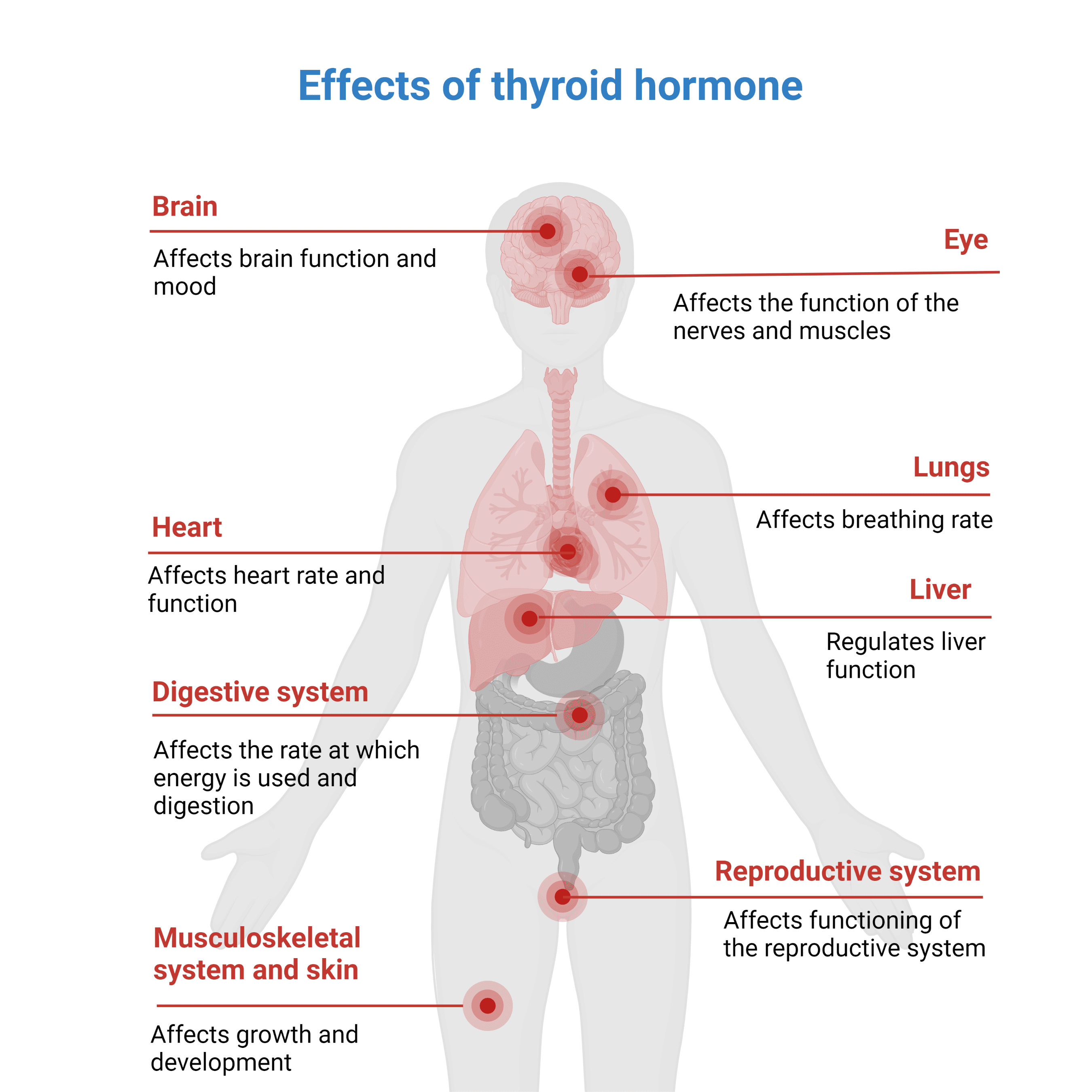
Do you feel muscle weakness or pain in certain parts of your body? Do you feel out of breath after walking for a short distance? Or do you feel sluggish throughout the entire day? When many individuals are dealing with these numerous issues, it could be due to their hormones being imbalanced from their thyroids. When it comes to the body, the endocrine system is the mastermind of producing different hormones for the body to help regulate all the biological processes. One of the vital organs of the endocrine system is the thyroid. Studies reveal that the thyroid is an endocrine gland located in the inferior anterior neck of the body and produces T4 and T3 hormones for the body to function properly. The thyroid hormones affect many of the vital organs and body tissues as they help with the following:
Cardio output and increased resting heart rate
Increases BMR (basal metabolic rate), heat production, and oxygen consumption
Stimulates resting respiratory rate and the nervous system
Plays a role in reproductive health and other endocrine organ function
Additional studies have revealed that thyroid hormones help control the body’s metabolism, growth, and other bodily functions while having a casual relationship with the HPT (hypothalamic-pituitary-thyroid) axis. What this relationship does is that it makes sure that the body is working properly in any environment. However, when unwanted pathogens start to affect thyroid hormone production, it can cause a hormone imbalance and lead to unwanted pain-like symptoms in the vital organs and musculoskeletal tissues.
Hormone Imbalances & Musculoskeletal Pain
When unwanted pathogens are associated with environmental factors affecting the body, it can lead to pain-like symptoms that can lead to musculoskeletal pain. In the book, “Clinical Applications of Neuromuscular Techniques,” written by Dr. Judith Walker DeLany, L.M.T., and Leon Chaitow, N.D., D.O., stated that there is a connection between hormonal imbalances and musculoskeletal pain as there are many environmental factors that can influence how much or how little hormone production is being produced from the thyroid. The book also mentions that some of the clinical signs of thyroid hormone deficiency include:
Dry skin and thinning hair
Unnatural fatigue
Unexplained weight increase
Aching muscles
Mental confusion
When the body is dealing with hormone imbalances associated with musculoskeletal pain, studies reveal that symptoms of fatigue, anxiety, irritability, and increased oxidative stress can cause the muscular tissues and ligaments to be weak and cause overlapping risk profiles when the body is in motion. To that point, hormone imbalances could lead to muscle and joint pain associated with myofascial trigger points and muscle shortness.
Finding Hormonal Harmony- Video
Have you been experiencing muscle or joint pain? Do you often feel anxious or irritable constantly? Or have you noticed that you are extremely sensitive to the cold? Many of these pain-like issues are signs and symptoms associated with hormone imbalances in the body and can lead to musculoskeletal pain. The body needs hormones to help regulate body temperature, control the body’s metabolism, and help stimulate the endocrine and body systems. Hormones are secreted from the thyroid and travel to the important muscles, organs, and tissues through the bloodstream to assist and help each body section function properly. When pathogens start to disrupt hormone production, the thyroid can overproduce or underproduce hormone secretion and cause many overlapping risk profiles to the body and musculoskeletal system. Fortunately, there are many ways to regulate hormones and reduce the effects of musculoskeletal pain. The video above explains that increasing certain vitamin intake, eating healthy, whole-nutritional foods, and getting adequate exercise and sleep can regulate hormone production and reduce the effects of musculoskeletal pain. These various treatments can be combined with therapy to help realign the body and restore it naturally.
MET Therapy Restoring Hormone Imbalances
Many available therapies can reduce the effects of hormonal imbalances associated with musculoskeletal pain. Treatments like MET (muscle energy techniques) allow many pain specialists to use soft tissue techniques to reduce pain-like symptoms and will enable the body to restore itself naturally. Research studies have revealed that soft tissue therapies like MET can reduce pain, improve body function, and reduce disability. MET therapy can be combined with nutritional foods, hormone therapies, and bodywork strategies that can help regulate hormone production in the thyroid. When a person starts to go to treatment for any ailments affecting their body, it allows these individuals to be more mindful of what is happening to their bodies and make small meaningful changes to their health and wellness.
Conclusion
When it comes to maintaining the body’s health and wellness, it’s important to ensure that unwanted pathogens don’t start affecting thyroid hormone production. The thyroid is a small gland located at the base of the neck that secretes out hormones to the rest of the body. When the thyroid over or under-produces hormones in the organs, muscles, and tissues, it can lead to pain-like symptoms that affect the body’s system and potentially lead to musculoskeletal disorders. Treatments like MET therapy combined with nutritional whole foods and exercises can reduce the effects of hormone imbalances associated with musculoskeletal disorders. This amazing combination allows the body to heal naturally and allows the individual to be pain-free.
References
Armstrong, Maggie, et al. “Physiology, Thyroid Function – Statpearls – NCBI Bookshelf.” In: StatPearls [Internet]. Treasure Island (FL), 13 Mar. 2023, www.ncbi.nlm.nih.gov/books/NBK537039/.
Chaitow, Leon, and Judith Walker DeLany. Clinical Applications of Neuromuscular Techniques. Churchill Livingstone, 2003.
Day, Joseph M, and Arthur J Nitz. “The Effect of Muscle Energy Techniques on Disability and Pain Scores in Individuals with Low Back Pain.” Journal of Sport Rehabilitation, May 2012, pubmed.ncbi.nlm.nih.gov/22622384/.
Shahid, Muhammad A, et al. “Physiology, Thyroid Hormone – StatPearls – NCBI Bookshelf.” In: StatPearls [Internet]. Treasure Island (FL), 8 May 2022, www.ncbi.nlm.nih.gov/books/NBK500006/.
VandeVord, Pamela J, et al. “Chronic Hormonal Imbalance and Adipose Redistribution Is Associated with Hypothalamic Neuropathology Following Blast Exposure.” Journal of Neurotrauma, 1 Jan. 2016, www.ncbi.nlm.nih.gov/pmc/articles/PMC4700394/.
Supplements To Ease Headaches: Individuals dealing with headaches or migraines should consider incorporating supplements to ease headaches’ severity and frequency. Nutrition and food habits affect all systems in the body. Although slower to take effect than medications, if a diet is used correctly to heal the body and maintain health, other treatments may not be necessary or require less. Many health providers understand that food is a medicine that can assist healing therapies like massage and chiropractic care, which makes the treatment more effective when used with dietary adjustments.
Supplements To Ease Headaches
An unhealthy lifestyle and diet are not the only contributing factor to headaches. Others include:
The goal of functional medicine is to help individuals reach their health and wellness goals that, include:
Regularly active lifestyle.
Optimal breathing patterns.
Quality sleep patterns.
Thorough hydration.
Healthy nutrition.
Improved digestive health.
Improved mental health.
Improved musculoskeletal health.
Pain Receptors – Headache
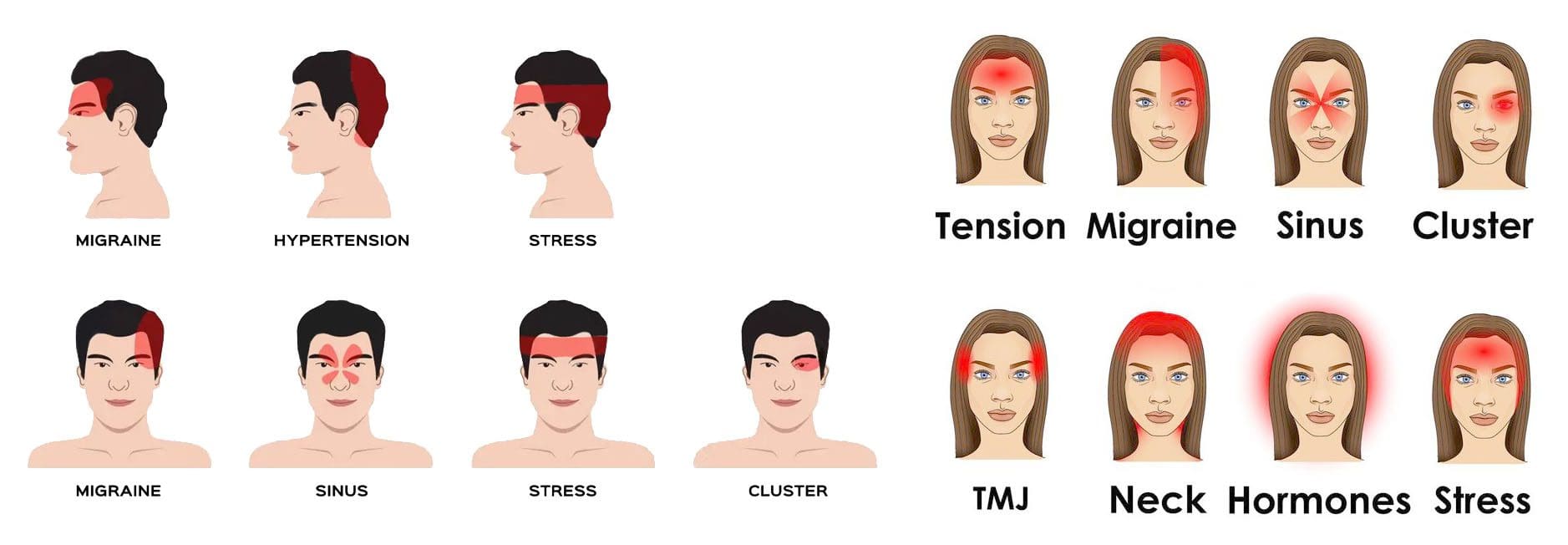
Pain and discomfort symptoms present when various head structures become inflamed or irritated. These structures include:
Nerves of the head and neck.
Muscles of the neck and head.
The skin of the head.
Arteries that lead to the brain.
Membranes of the ear, nose, and throat.
Sinuses that form part of the respiratory system.
The pain can also be referred, meaning that pain in one area can spread to nearby areas. An example is headache pain developed from neck stiffness and tightness.
Causes
Foods
Determining whether food sensitivities cause or contribute to headaches or migraines can be challenging. Nutritionists and dieticians recommend keeping a food journal to keep track of foods, snacks, drinks, alcohol intake, how the body reacts, and how the individual feels.
This process can help recognize foods or eating patterns that may contribute to headaches.
An integrative health practitioner can support this process and help identify sensitivities.
By eliminating and avoiding processed foods, headaches may be alleviated. This includes limited exposure to artificial colors, sweeteners, flavors, and other unnatural additives.
Foods naturally high in magnesium include legumes, almonds, broccoli, spinach, avocados, dried figs, and bananas.
Ginger Root
Ginger root is a natural remedy for nausea, diarrhea, upset stomach, and indigestion.
Ginger root extract can be taken in supplement form or fresh ginger added to meals and teas.
Coriander Seeds
Coriander syrup is effective against migraine pain.
A method to relieve a headache is to pour hot water over fresh seeds and inhale the steam.
To increase the effectiveness, place a towel over your head.
Celery or Celery Seed Oil
Celery can reduce inflammation and lower blood pressure.
However, pregnant women or individuals with kidney conditions, low blood pressure, taking thyroid medication, blood thinners, lithium, or diuretics should not use celery seed.
Peppermint and Lavender Essential Oils
Both have a natural numbing and cooling effect that helps relieve headache pain.
Peppermint oil has also been found to be a natural antibacterial, antiviral, antifungal, antiparasitic, and pain reliever.
Lavender oil can eliminate nervous tension, enhance blood circulation, and relieve pain.
Both are effective pain relief tools for headache and migraine sufferers.
Butterbur
This shrub grows in Europe, some parts of Asia, and North America.
A study found that individuals who consumed 75 mg of the extract twice daily reduced migraine attacks’ frequency.
Feverfew
A herb plant whose dried leaves have been found to relieve symptoms associated with headaches, migraines, menstrual cramps, asthma, dizziness, and arthritis.
Feverfew can be found in supplements.
It can alter the effects of certain prescription and non-prescription medications.
There is plenty of evidence to support the benefits of healthy nutrition. Combined with a healthy diet and lifestyle, these supplements can help relieve headaches. As with any supplement, talk to a doctor before starting a supplement regimen.
Chiropractic Care For Migraines
References
Ariyanfar, Shadi, et al. “Review on Headache Related to Dietary Supplements.” Current Pain and headache report vol. 26,3 (2022): 193-218. doi:10.1007/s11916-022-01019-9
Bryans, Roland, et al. “Evidence-based guidelines for the chiropractic treatment of adults with headache.” Journal of Manipulative and physiological therapeutics vol. 34,5 (2011): 274-89. doi:10.1016/j.jmpt.2011.04.008
Diener, H C et al. “The first placebo-controlled trial of a special butterbur root extract for the prevention of migraine: reanalysis of efficacy criteria.” European Neurology vol. 51,2 (2004): 89-97. doi:10.1159/000076535
Kajjari, Shweta, et al. “The Effects of Lavender Essential Oil and its Clinical Implications in Dentistry: A Review.” International Journal of clinical pediatric dentistry vol. 15,3 (2022): 385-388. doi:10.5005/jp-journals-10005-2378
Maier, Jeanette A et al. “Headaches and Magnesium: Mechanisms, Bioavailability, Therapeutic Efficacy and Potential Advantage of Magnesium Pidolate.” Nutrients vol. 12,9 2660. 31 Aug. 2020, doi:10.3390/nu12092660
Mansouri, Samaneh, et al. “Evaluating the effect of Coriandrum sativum syrup on being migraine-free using mixture models.” Medical Journal of the Islamic Republic of Iran vol. 34 44. 6 May. 2020, doi:10.34171/mjiri.34.44
Pareek, Anil, et al. “Feverfew (Tanacetum parthenium L.): A systematic review.” Pharmacognosy Reviews vol. 5,9 (2011): 103-10. doi:10.4103/0973-7847.79105
Skypala, Isabel J et al. “Sensitivity to food additives, vaso-active amines and salicylates: a review of the evidence.” Clinical and translational allergy vol. 5 34. 13 Oct. 2015, doi:10.1186/s13601-015-0078-3
Throughout the world, pain and stress are related to musculoskeletal disorders affecting joints and muscles. Many musculoskeletal disorders will have correlating symptoms with overlapping risk profiles that can make a person’s life difficult. Pain and stress have two forms: acute and chronic, which are associated with numerous everyday factors that a person goes through. Even though pain and stress can impact a person’s life, there are multiple ways to reduce these two by calming the mind and doing meditative breathing techniques to relax the body and clear the mind. What is truly amazing is that meditative breathing techniques can be combined with stretching techniques like MET (muscle energy techniques. Today’s article looks at how stress and pain affect the musculoskeletal system, the breathing connection for musculoskeletal pain, and how MET therapy is combined with breathing exercises. We utilize and provide valuable information about our patients to certified medical providers who use soft tissue stretching methods like MET to reduce musculoskeletal stress on the body. We encourage patients by referring them to our associated medical providers based on their findings. We support that education is a marvelous way to ask our providers the most interesting questions at the patient’s acknowledgment. Dr. Alex Jimenez, D.C., incorporates this information as an educational service. Disclaimer
Stress & Pain Affect The Musculoskeletal System
Have you been dealing with shoulder, neck, or back pain? What about feeling an overwhelming pressure that is causing you to stress out? Or do you feel muscle pain and joint stiffness affecting your daily routine? Many of these issues correspond with stress and pain from numerous factors associated with the musculoskeletal system. Research studies revealed that pain and stress are considered two sides of the same coin regarding the musculoskeletal system. Pain and stress are two distinguished symptoms that overlap each other when musculoskeletal disorders affect the body. Pain is a collection of emotional and sensory perceptions that work with musculoskeletal motor behavior. At the same time, stress is characterized by challenging emotional or physiological events that cause adaptive or maladaptive changes to regain homeostasis. With these two factors working together to affect the musculoskeletal system, the body may develop symptoms and cause the individual to be miserable.
The Breathing Connection For Musculoskeletal Pain & Stress
One of the major correspondents that work with pain and stress is anxiety. In “Clinical Applications of Neuromuscular Techniques,” authors Dr. Leon Chaitow, N.D., D.O., and Judith Walker DeLany, L.M.T., mentioned that anxiety aggravates all chronic pain and stress. However, there is a solution to reduce pain and stress in the musculoskeletal system. When pain and stress are combined with anxiety, it can cause breathing disorders and produce inflammatory cytokines and elevated cortisol levels to contribute. But incorporating some deep breathing techniques can help reduce stress and pain affecting the body. Research studies have revealed that slow deep breathing has been known to reduce the effects of musculoskeletal pain and help lower cortisol levels. Breathing techniques are popular in meditation and yoga practices. Deep breathing and mindfulness can help the body relax from everyday factors and calm the individual. Additional studies have mentioned that breathing exercise programs effectively improve lung function, reduce musculoskeletal pain associated with the back, and help improve a person’s quality of life.
The Natural Way To Heal- Video
Have you been dealing with musculoskeletal pain throughout your entire body? Do you feel constantly stressed throughout your whole life? Or have you felt anxious that it is making your muscles tense constantly? When many people feel constant stress and are in pain, it can lead to musculoskeletal disorders that can cause many individuals to be miserable. When this happens, overlapping risk profiles affect the musculoskeletal, organs, and nervous systems. At the same time, fortunately, numerous treatments can help reduce pain and stress that is affecting the body. Chiropractic care is non-invasive and can help many individuals be mindful of their bodies. The video above explains how chiropractic care can help realign the body from spinal subluxation and mitigate the effects of muscle pain and stress in the muscle fibers.
MET Therapy Combined With Breathing Exercises
When the body has been dealing with musculoskeletal pain on top of stress, it can cause the individual to be miserable and try to find some relief. Luckily there are available treatments that can help restore the body naturally and reduce the effects of stress and pain. Treatment like MET (muscle energy technique) and breathing exercises allow the muscles to relax and properly stretch to relieve muscle pain. Research studies have revealed that breathing exercises and MET therapy can reduce a person’s symptoms and help regain the muscle and joint range of motion. These two combined treatments can help many individuals dealing with musculoskeletal pain associated with stress to be more aware of what is affecting their bodies. They can help them along their health and wellness journey without medicine.
Conclusion
Overall, pain and stress are part of numerous conditions and disorders that can affect the musculoskeletal system and cause overlapping risk profiles that can cause the individual to be miserable. When pain and stress affect the body, it can cause the muscles, tissues, ligaments, joints, and organs to work harder than before and develop chronic musculoskeletal disorders. Fortunately, treatments like MET (muscle energy technique) and breathing exercises allow the body to relax and help reduce muscle pain symptoms affecting the body. When a person incorporates these treatments as part of their daily routine, they can become more aware of what is affecting their bodies and improve what is going on in their daily lives. This allows them to continue their health and wellness journey pain-free.
References
Abdallah, Chadi G, and Paul Geha. “Chronic Pain and Chronic Stress: Two Sides of the Same Coin?” Chronic Stress (Thousand Oaks, Calif.), U.S. National Library of Medicine, Feb. 2017, https://www.ncbi.nlm.nih.gov/pmc/articles/PMC5546756/.
Anderson, Barton E, and Kellie C Huxel Bliven. “The Use of Breathing Exercises in the Treatment of Chronic, Nonspecific Low Back Pain.” Journal of Sport Rehabilitation, U.S. National Library of Medicine, 24 Aug. 2016, https://pubmed.ncbi.nlm.nih.gov/27632818/.
Chaitow, Leon, and Judith Walker DeLany. Clinical Applications of Neuromuscular Techniques. Churchill Livingstone, 2003.
Joseph, Amira E, et al. “Effects of Slow Deep Breathing on Acute Clinical Pain in Adults: A Systematic Review and Meta-Analysis of Randomized Controlled Trials.” Journal of Evidence-Based Integrative Medicine, U.S. National Library of Medicine, 2022, https://www.ncbi.nlm.nih.gov/pmc/articles/PMC8891889/.
Zaccaro, Andrea, et al. “How Breath-Control Can Change Your Life: A Systematic Review on Psycho-Physiological Correlates of Slow Breathing.” Frontiers in Human Neuroscience, U.S. National Library of Medicine, 7 Sept. 2018, https://www.ncbi.nlm.nih.gov/pmc/articles/PMC6137615/.
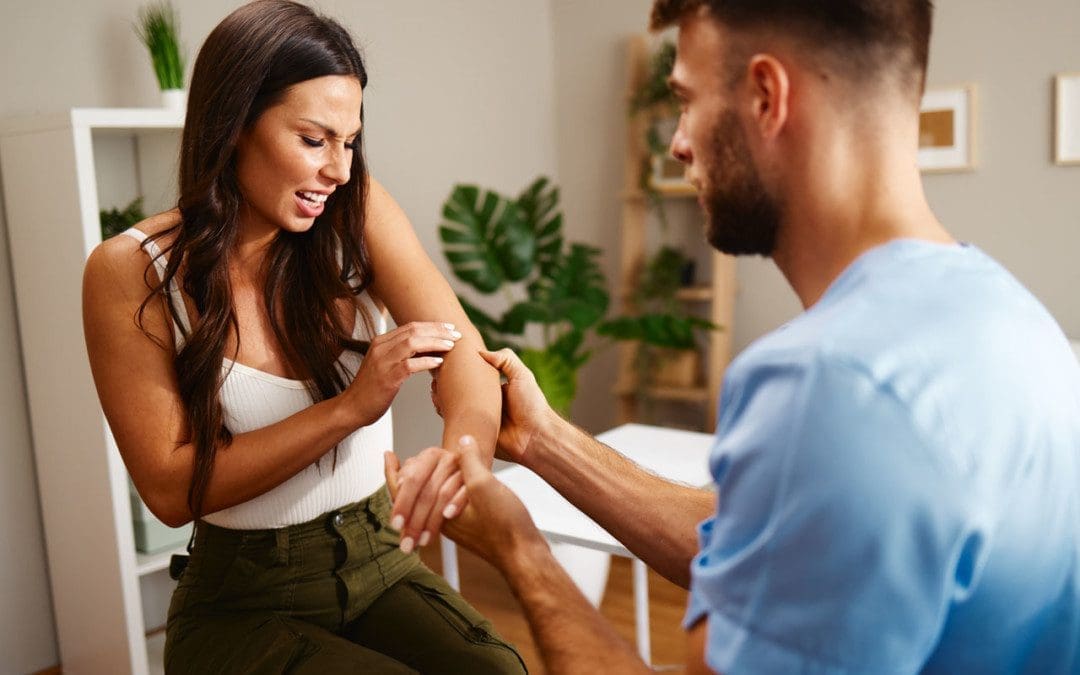
The function of the arm is to allow for movement of the wrist and hand. Various muscles initiate the arm’s actions, large muscles flex and extend, pronate and supinate, and the more sensitive muscles allow fine motor control. Lifting capacity and grip strength come from the arm muscles, making them essential for all types of activities. Because of the many functions and jobs the hands and arms do, added stress is placed on them. Arm discomfort symptoms, radiating pain, weakness, numbness, and tingling are common conditions. Chiropractic care can relieve injury symptoms and restore mobility and function.
Arm Discomfort Symptoms
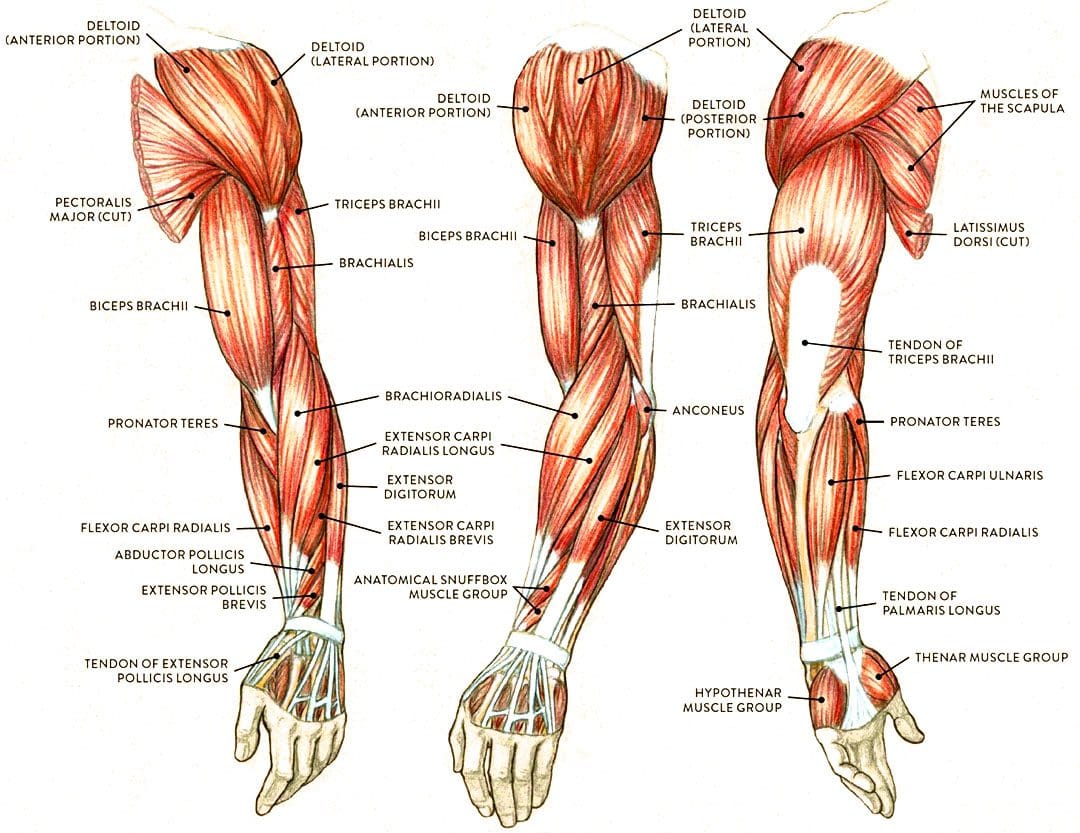
The muscles of the upper arm, the biceps, and the triceps, control the movement and positioning of the elbow joint, and the muscles of the forearm control the wrist and hand. There are 30 bones from the top of the arm to the tip of the finger that include:
The humerus in the upper arm.
Ulna and radius in the forearm.
Carpal bones in the wrist.
Metacarpals and phalanges make up the hand and fingers.
The joints allow movement between the bones and are stabilized by ligaments and joint capsules.
Symptoms
Discomfort or Radiation
Symptoms vary based on the severity of the injury but commonly include.
Numbness and tingling in the elbow, forearm, or hand can develop.
Pain sensations often radiate to other areas.
Causes
Individuals that work with their hands related to work, home tasks, sports, or hobby activities, such as construction workers, hair stylists, store cashiers, graphic artists, automotive technicians, carpenters, painters, butchers, and more, have an increased risk of injury and developing chronic conditions. Work that involves manually cutting, writing, typing, gripping, operating motorized tools, hair clippers, working with animals, etc., makes the arms susceptible to injury from the constant stress on the ligaments. Common overuse injuries affecting the upper extremity include:
Carpal Tunnel Syndrome and Cubital Tunnel Syndrome
These conditions involve the nerves of the forearm.
Prolonged or repetitive bending or flexing of the wrist or elbow can generate swelling pressure that compresses the nerve/s.
Symptoms include numbness, coldness, tingling, and/or weakness in the hand and fingers.
Tennis, Golfer, and Pitcher Elbow
These conditions involve the inflammation of the tendon structures surrounding the elbow joint.
Repeating the same motion over and over causes damage.
This leads to tenderness and pain inside and surrounding the elbow.
De Quervain’s syndrome affects tendon structure in the wrist.
Swelling near the base of the thumb.
Individuals have difficulty grasping objects.
This is common for landscapers, gardeners, and sports where constant gripping is involved.
Tendonitis
Tendons attach muscles and bones
The condition causes tendon inflammation, presenting pain in the area around single or multiple joints.
Common types include wrist tendonitis, pitcher’s shoulder, and swimmer’s shoulder.
Tendon Tears
Overuse and frequent stress from continuous motion can wear tendons to the point of partial or complete tearing.
Rotator cuff tears in the shoulder are often caused by overuse wearing down.
Chiropractic Treatment
Chiropractic and massage therapy can rehabilitate arm injuries, restore function and reduce arm discomfort symptoms. Treatment includes:
Ice or heat treatment.
Manual therapy – soft tissue massage and trigger point alleviation.
Joint mobilization.
Taping or bracing support.
Rehabilitation targeted exercises.
Work and sports modification training.
Training on upper extremity overuse, practicing caution, and knowing when to seek professional medical help.
Shoulder Pain Rehabilitation
References
Bass, Evelyn. “Tendinopathy: why the difference between tendinitis and tendinosis matters.” International Journal of therapeutic massage & Bodywork vol. 5,1 (2012): 14-7. doi:10.3822/ijtmb.v5i1.153
Cutts, S et al. “Tennis elbow: A clinical review article.” Journal of Orthopaedics vol. 17 203-207. 10 Aug. 2019, doi:10.1016/j.jor.2019.08.005
Hoe, Victor C W, et al. “Ergonomic design and training for preventing work-related musculoskeletal disorders of the upper limb and neck in adults.” The Cochrane Database of systematic reviews vol. 2012,8 CD008570. 15 Aug. 2012, doi:10.1002/14651858.CD008570.pub2
Konijnenberg, H S et al. “Conservative treatment for repetitive strain injury.” Scandinavian Journal of Work, Environment & Health vol. 27,5 (2001): 299-310. doi:10.5271/sjweh.618
Luger, Tessy, et al. “Work-break schedules for preventing musculoskeletal symptoms and disorders in healthy workers.” The Cochrane Database of systematic reviews vol. 7,7 CD012886. 23 Jul. 2019, doi:10.1002/14651858.CD012886.pub2
Pitzer, Michael E et al. “Elbow tendinopathy.” The Medical Clinics of North America vol. 98,4 (2014): 833-49, xiii. doi:10.1016/j.mcna.2014.04.002
Verhagen, Arianne P et al. “Conservative interventions for treating work-related complaints of the arm, neck or shoulder in adults.” The Cochrane Database of systematic reviews vol. 2013,12 CD008742. 12 Dec. 2013, doi:10.1002/14651858.CD008742.pub2
Zaremski, Jason L et al. “Sport Specialization and Overuse Injuries in Adolescent Throwing Athletes: A Narrative Review.” Journal of athletic training vol. 54,10 (2019): 1030-1039. doi:10.4085/1062-6050-333-18
When the body sustains an injury or a virus, the immune system springs into action by sending out cytokines to the affected area and causes a process known as inflammation. Inflammation in the body is good for eliminating numerous pathogens, damaged cellular structures, viruses, or infections. Inflammation causes the affected area to be warm to the touch and causes swelling that will decrease in the recovery state. However, inflammation in the body can be positive and negative depending on the severity of the injury. When inflammation is in its chronic form, it can cause muscle and tissue damage to the musculoskeletal system while being associated with other conditions in the body’s system, like the gastrointestinal, nervous, and reproductive systems. In today’s article, we will focus on how chronic inflammation affects the body’s muscles and how the MET technique can help relieve muscle inflammation in soft tissues. We utilize valuable information about our patients to certified medical providers who use methods like MET combined with manual stretching therapy to reduce inflammation associated with musculoskeletal conditions. We encourage patients by referring them to our associated medical providers based on their findings. We support that education is a marvelous way to ask our providers the most interesting questions at the patient’s acknowledgment. Dr. Alex Jimenez, D.C., incorporates this information as an educational service. Disclaimer
How Inflammation Works In The Body
Have you been experiencing pain in different muscle areas in your body? What about dealing with aches and pains in the morning? Or do your muscles feel tight and hurt more when you bend to pick up an object? Many of these issues affecting the musculoskeletal system are associated with inflammation. As stated earlier, inflammation can positively and negatively impact the body depending on the severity of the injury. Inflammation is a natural healing process for the body that is characterized by redness, swelling, and heat to the soft tissues so that they can be repaired within a few days to weeks. Studies reveal that when the body deals with various pathogenic factors, the immune system releases inflammatory cytokines to the pathogenic factor and starts to heal the affected area.
Inflammation helps the sprained muscle tissues heal naturally and can be healed within 2-3 days to a few weeks in its acute stage. However, when inflammation is in a chronic state of the body, it causes damage to not only the affected muscle and tissue areas but can even affect the surrounding ligaments, joints, and vital organs. A great example is when a person has a sprained ankle, the affected area swells up, becomes red, and is tender to the touch when its acute inflammation. For chronic inflammation, the body is in constant pain that can be slow and long, and it takes several months to years to heal. Another great example would be gut disorders associated with chronic muscle inflammation.
What Does Chronic Inflammation Do To The Body’s Muscles?
So what does chronic inflammation do to the body’s muscles, and how does it affect the surrounding structures? According to research studies, chronic inflammation has been associated with musculoskeletal disorders that can cause an impact in reducing muscle strength and muscle mass. When this happens, it can cause the muscles to weaken and generate the surrounding muscle groups to compensate by working harder. This leads to misalignment in the body and causes overlapping risk profiles in the various muscle groups. In “Clinical Applications of Neuromuscular Techniques,” Dr. Leon Chaitow, N.D., D.O., and Dr. Judith Walker DeLany, L.M.T., stated that numerous factors associated with inflammation could impact how a person sleeps, eat, and function throughout the day. The book also noted that when pathogens can disrupt the natural cycling between the defensive and repair modes of inflammation correlating with the immune system can be disrupted in ill health. A chronic inflammatory cytokine shift could lock the body into a pro-inflammatory state.
Reducing Inflammation In The Body- Video
Have you been dealing with constant inflammation in your muscles? Do you feel muscle weakness or strain when you are in motion? Or do other portions of your body starts to feel aches or pains? Many of these issues are associated with chronic inflammation affecting the musculoskeletal system. Inflammation is part of the immune system’s natural defense that sends cytokines to the affected area and starts the healing process. Inflammation has two patterns: acute and chronic. Acute inflammation is associated with sprains from a twisted ankle or wrist, a sore throat, or an infection. While at the same time, chronic inflammation is associated with muscle pain, sleep disorders, or rashes that affect the skin. When the body is suffering from chronic inflammation, it can be due to many overlapping factors that can cause the body to be in pain. Luckily numerous treatments can help the body and reduce the effects of inflammation. The video above explains how incorporating an anti-inflammatory diet and chiropractic care can help reduce chronic inflammation effects in the body.
The MET Technique & Muscle Inflammation
Regarding chronic muscle inflammation, the musculoskeletal system deals with numerous symptoms like pain, stiffness, and weakness associated with various pathological factors. Chronic inflammation can develop from insufficient sleep, eating high-cholesterol foods, not getting enough exercise, and being stressed, which can affect the body and its systems. Fortunately, numerous available treatments can reduce inflammation. Studies reveal that treatments like MET therapy can help reduce pain correlated with muscle inflammation and increase the range of motion to the joints. The body can reduce the effects of chronic inflammation and keep it under control when MET therapy is combined with an anti-inflammatory diet. Also, practicing mindfulness can help reduce the stress contributing to chronic inflammation, which can help relax the body and naturally heal itself. Making these small changes can benefit many individuals trying to be healthier.
Conclusion
When it comes to inflammation in the musculoskeletal system, it can lead to overlapping risk profiles that can cause the body to be misaligned and have many pain-like symptoms that can make a person’s life miserable. Since inflammation is part of the immune system’s natural response to fight off infections, incorporating anti-inflammatory diets and MET stretching can help reduce the effects of inflammation and help the body heal itself from the inside out.
References
Chaitow, Leon, and Judith Walker DeLany. Clinical Applications of Neuromuscular Techniques. Churchill Livingstone, 2003.
Chen, Linlin, et al. “Inflammatory Responses and Inflammation-Associated Diseases in Organs.” Oncotarget, U.S. National Library of Medicine, 14 Dec. 2017, https://www.ncbi.nlm.nih.gov/pmc/articles/PMC5805548/.
Thomas, Ewan, et al. “The Efficacy of Muscle Energy Techniques in Symptomatic and Asymptomatic Subjects: A Systematic Review.” Chiropractic & Manual Therapies, U.S. National Library of Medicine, 27 Aug. 2019, https://www.ncbi.nlm.nih.gov/pmc/articles/PMC6710873/.
Tuttle, Camilla S L, et al. “Markers of Inflammation and Their Association with Muscle Strength and Mass: A Systematic Review and Meta-Analysis.” Ageing Research Reviews, U.S. National Library of Medicine, 26 Sept. 2020, https://pubmed.ncbi.nlm.nih.gov/32992047/.
Pretty much everyone experiences a muscle cramp at some point. A muscle cramp is an involuntarily contracted muscle that does not relax, similar to a spasm, but a cramp lasts longer and is usually a forcible contraction. During a cramp, the muscles tighten without voluntary input from the brain and over-tighten. They can last anywhere from a few seconds to an hour or longer. They can be prevented through adequate nutrition and hydration, attention to safety when engaged in physical activity or exercise, and attention to posture and ergonomics. Injury Medical Chiropractic and Functional Medicine Clinic can develop personalized treatment plans for individuals experiencing musculoskeletal issues.
Muscle Cramp
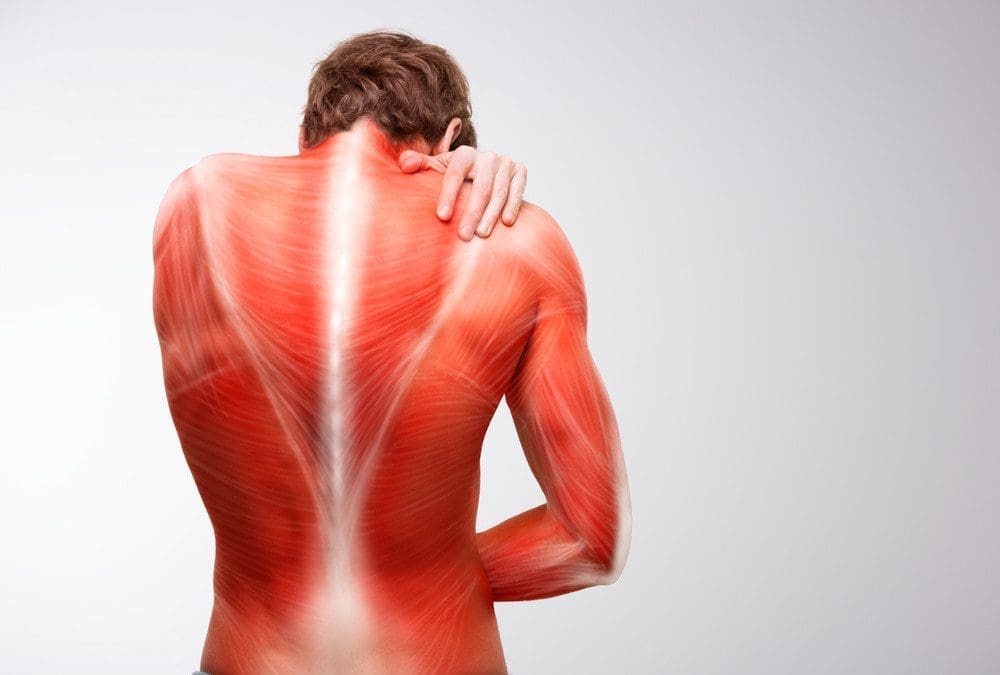
Muscle cramps can occur in any muscle. The cramp may involve a portion of a muscle, the entire muscle, or several muscles that function together. A muscle or a few tissue fibers that involuntarily contracts is in a spasm. If the spasm is forcefully sustained, it turns into a cramp. They can cause a noticeable and/or hardening of the involved muscle/s. They can be experienced as mild twitches or can be excruciatingly painful. Some can involve the simultaneous contraction of muscles that normally move body parts in opposite directions. It is not uncommon for a cramp to flare up multiple times until it finally stops.
Causes
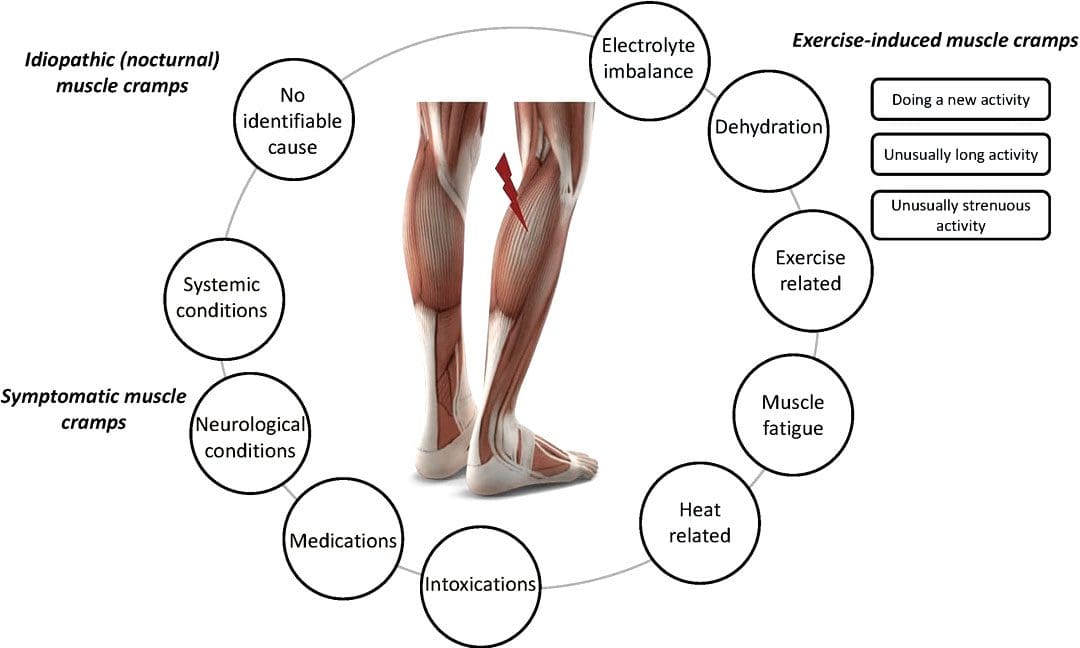
They can occur during physical activity, exercise, rest, or night, depending on the cause. There are various causes that, include:
Most times, they are not a cause for alarm; however, depending on the individual, their age, type of physical activity, and medical history, cramps could indicate a more serious underlying problem such as a thyroid disorder, liver cirrhosis, atherosclerosis, ALS, or a problem or condition of the spine or spinal nerves.
Muscles Involved
The muscles involved can indicate the mechanism and cause.
If the cramp is triggered by fatigue, a drop in muscle glycogen, dehydration, or an electrolyte imbalance, it’s most frequently to the calf muscles, feet, or back of the thigh/hamstring muscles.
This is typically due to a combination of fatigue and dehydration.
If it is triggered by nerve irritation, like a spinal disc injury, cramps tend to present in the forearm, hand, calf, and foot, depending on whether the disc injury is in the neck or lower back.
If there is a joint sprain in the neck, mid-back, or lower back, the cramp will present where the injury is and around the surrounding muscles.
A calf cramp happens when lying down because the foot points down, shortening the calf muscles.
A shortened muscle is more likely to go into spasm, especially if it is exhausted from activities and if the body is dehydrated, which is pretty common.
For two muscles that work together performing the same movement, called agonists, and the one muscle is weaker, the secondary muscle has to work harder, often going into a spasm or cramp from the added stress.
For example, if the buttock/gluteal muscles are weak, the hamstrings eventually spasm when exhausted.
Chiropractic
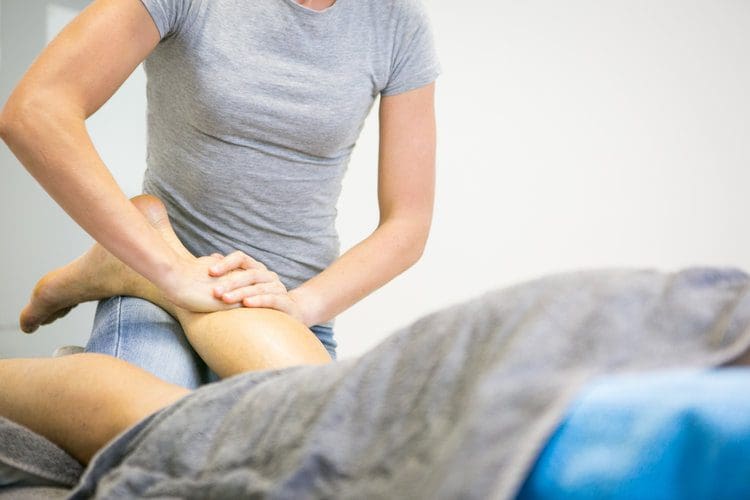
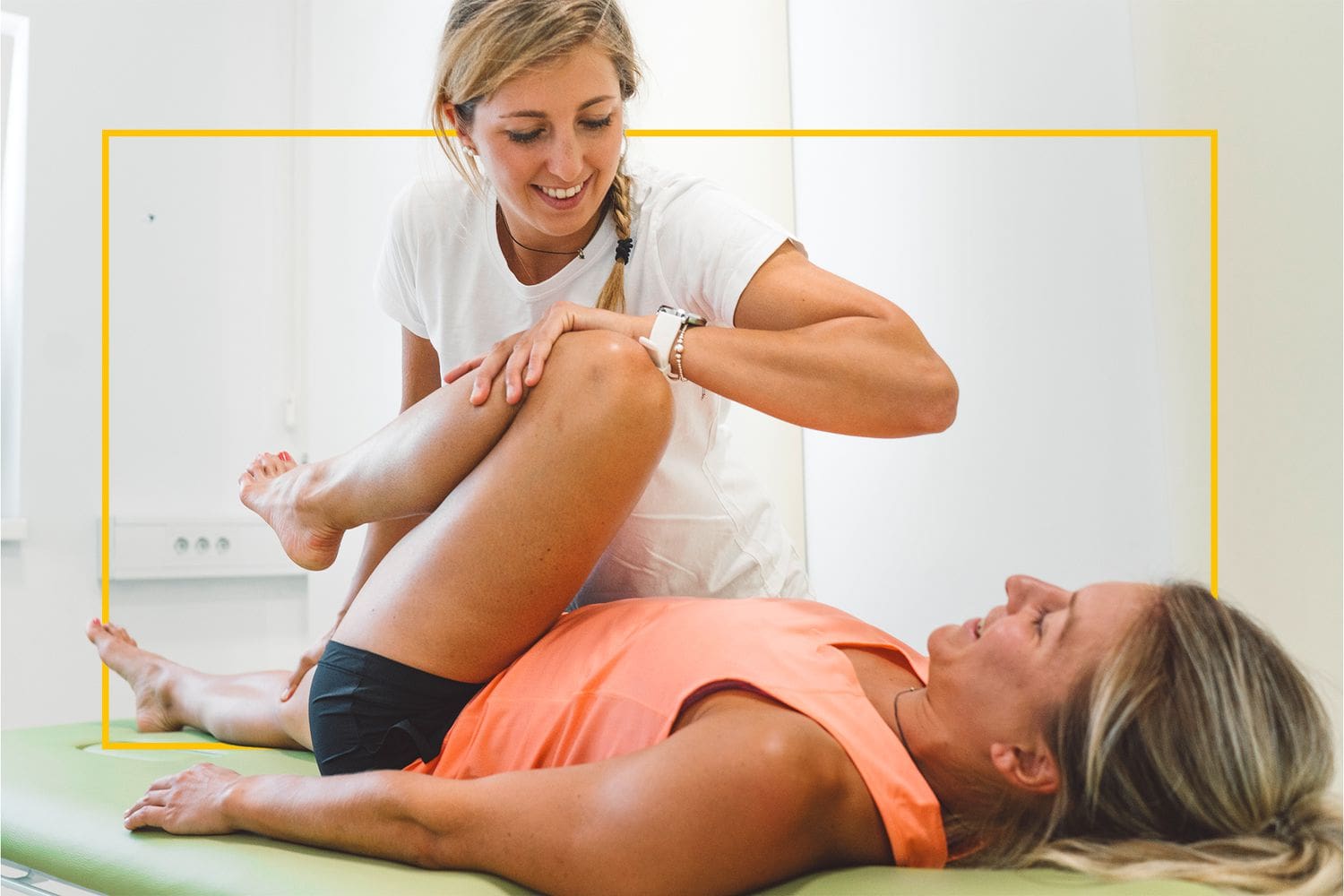
First, the cause needs to be identified through medical history and examination. There can be an underlying nerve irritation and interference, restricting the muscle or muscle group, which needs to be dealt with for the therapy to be effective. Chiropractic care, combined with therapeutic stretching and massage therapy, can:
Relieve muscle cramping
Improve blood circulation
Increase muscle movement
Improve musculoskeletal function
All help to diminish and prevent muscle cramping.
Adjustments will restore proper alignment and restore nerve communication. These treatments help to release toxins, loosen and relax the muscle tissues, and provide relief.
Say Goodbye to Pain With Chiropractic
References
Blyton, Fiona, et al. “Non-drug therapies for lower limb muscle cramps.” The Cochrane Database of systematic reviews vol. 1,1 CD008496. 18 Jan. 2012, doi:10.1002/14651858.CD008496.pub2
FIELDS, A. “Leg cramps.” California Medicine vol. 92,3 (1960): 204-6.
Garrison, Scott R et al. “Magnesium for skeletal muscle cramps.” The Cochrane Database of systematic reviews vol. 9,9 CD009402. 21 Sep. 2020, doi:10.1002/14651858.CD009402.pub3
Katzberg, Hans D. “Case Studies in Management of Muscle Cramps.” Neurologic clinics vol. 38,3 (2020): 679-696. doi:10.1016/j.ncl.2020.03.011
Miller, Kevin C et al. “An Evidence-Based Review of the Pathophysiology, Treatment, and Prevention of Exercise-Associated Muscle Cramps.” Journal of athletic training vol. 57,1 (2022): 5-15. doi:10.4085/1062-6050-0696.20
Miller, Timothy M, and Robert B Layzer. “Muscle cramps.” Muscle & nerve vol. 32,4 (2005): 431-42. doi:10.1002/mus.20341
IFM's Find A Practitioner tool is the largest referral network in Functional Medicine, created to help patients locate Functional Medicine practitioners anywhere in the world. IFM Certified Practitioners are listed first in the search results, given their extensive education in Functional Medicine