For individuals who may need to take pain medications to manage an injury or condition, can knowing the potential side effects help in treatment?
Medications For Pain Side Effects
Over-the-counter and prescription pain medications can help relieve physical discomfort and distress but can also cause side effects. Patients may not manifest side effects when using certain meds or experience mild, limited, severe, or intolerable effects. Pain medication side effects can include:
Allergic reactions
Upset stomach
Bruising
Dizziness
However, medication side effects don’t affect everyone in the same way.
Pain Relief
The patient and their healthcare provider can decide whether they risk developing side effects and which effects they are more predisposed to. Individuals may be susceptible to side effects from certain medications but are likely to tolerate others. For example, individuals with a history of ulcers may be recommended to avoid anti-inflammatories. For those who have trouble sleeping, it is recommended to avoid pain meds that are known to interfere with sleep.
Reading Labels and Asking Questions
When taking over-the-counter medications, read the label for side effects, then weigh the possible risks against the medicine’s benefits for pain relief. Ask a pharmacist or healthcare provider about anything that is not understood. Some side effects are medical emergencies, such as allergic reactions. Recognizing the signs of an allergic reaction and being prepared to call for emergency help if symptoms present. (American Academy of Allergy, Asthma & Immunology, 2024) These can include:
Itching
Hives
Rash
Mouth or facial swelling
Shortness of breath
If a healthcare provider prescribes medication, discuss the anticipated risks and benefits. The prescription will come with a label that lists the side effects associated with the drug.
Opioid Risks
Opioids are powerful prescription meds, usually used for severe, short-term use, like post-surgery pain or after a severe traumatic injury. Some effects of opioids include: (Plein L. M. and Rittner H. L. 2018) Common side effects include sedation, constipation, and nausea. Chronic use can lead to depression and/or sexual dysfunction. With narcotics, there is the risk of addiction that can change an individual’s life, as addiction can be difficult to overcome. One of the reasons the CDC published a guideline on opioid prescriptions was because of the number of overdoses and deaths.
The CDC recommends that practitioners not prescribe opioids as a first-line treatment for chronic back pain.
The CDC recommends that healthcare providers initially treat patients with chronic back or neck pain using non-pharmacological therapies or medications other than opioids.
Opioids should only be used if the expected benefits for pain and function are anticipated to outweigh the risks to the patient.
With more than half of regular opioid users experiencing back pain, they aren’t proven to help return individuals to work or normal life faster, nor did they improve functioning when used for the treatment of an acute episode. (Deyo R. A. Von Korff M. and Duhrkoop D. 2015) The effectiveness of opioids is about 30% for short-term relief and did not improve physical functioning.
Examples and Comparisons
Examples of common medications used to treat back pain.
Advil
Active Ingredient – Ibuprofen
Drug Class – NSAID
Over-the-counter or Prescribed – Available over-the-counter
Side Effects – GI-related symptoms and Reye’s Syndrome in children
Aleve and Other Generic Brands
Active Ingredient – Naproxen
Drug Class – NSAID
Over-the-counter or Prescribed – Available as both depending on strength.
Side Effects – GI-related symptoms, headaches
Tylenol and Other Generic Brands
Active Ingredient – Acetaminophen
Drug Class Analgesic – pain reliever
Over-the-counter or Prescribed – Available as both and can be prescribed with codeine.
Side Effects – Potential liver damage
Lyrica
Active Ingredient – Pregabalin
Drug Class – Anticonvulsant
Over-the-counter or Prescribed – Prescribed FDA-approved for shingles pain and neuropathy in diabetes. Other uses off-label.
Side Effects – Dizziness, drowsiness, swelling, weight gain.
Neurontin
Active Ingredient – Gabapentin
Drug Class – Anticonvulsant
Over-the-counter or Prescribed – Prescribed FDA-approved for shingles pain
Side Effects – Dizziness, drowsiness, allergic reaction, withdrawal, and seizures.
Injury Medical Chiropractic and Functional Medicine Clinic
Chiropractic therapy is among the more conservative treatment options and may be tried first. Injury Medical Chiropractic and Functional Medicine Clinic works with primary healthcare providers and specialists to develop an optimal health and wellness solution. We focus on what works for you to relieve pain, restore function, and prevent injury. Regarding musculoskeletal pain, specialists like chiropractors, acupuncturists, and massage therapists can help mitigate the pain through spinal adjustments that help the body realign itself.
Chronic Body Pain Recovery
References
American Academy of Allergy, Asthma & Immunology. (2024). Anaphylaxis Symptoms & Diagnosis. https://www.aaaai.org/conditions-treatments/allergies/anaphylaxis
Plein, L. M., & Rittner, H. L. (2018). Opioids and the immune system – friend or foe. British journal of pharmacology, 175(14), 2717–2725. https://doi.org/10.1111/bph.13750
Deyo, R. A., Von Korff, M., & Duhrkoop, D. (2015). Opioids for low back pain. BMJ (Clinical research ed.), 350, g6380. https://doi.org/10.1136/bmj.g6380
For individuals dealing with constipation issues, can using an osmotic laxative help treat and prevent constipation?
Osmotic Laxative
Osmotic laxatives can help treat or prevent constipation by increasing the amount of water in the colon, softening stools, and making them easier to pass. Some osmotic laxatives are used for bowel preparation to help clear the colon before a colonoscopy. They are available over the counter and by prescription and can contain different active ingredients, including polyethylene glycol/PEG, lactulose, sorbitol, magnesium citrate, and magnesium hydroxides.
How They Work
Constipation occurs when stools are irregular and hard to pass, as they are usually hard and dry. An osmotic laxative helps relieve constipation by increasing the amount of fluid in the intestines. They pull water from the colon’s wall to the inside, softening stools and making them easier to pass. The term osmotic refers to the movement of fluids through a membrane with the concentration equal on both sides. In individuals with constipation problems, the concentration of water in the colon’s wall and the inside of the colon/lumen is balanced but insufficient to compensate for hard, dry stools. This is especially true of those who don’t drink enough water. Osmotic laxatives alter the balance with substances like salts, sugars, and other organic compounds to encourage water movement into the lumen.
How Are They Different?
Most laxatives are generally used for the treatment of occasional constipation. Osmotic laxatives work differently because they are used to prevent or treat chronic constipation. Other types of laxatives include:
Emollient
These are made with a surfactant called docusate.
Surfactants are substances that draw and spread fats and water.
Docusate increases the passage of water and fats into stools to soften them.
Lubricant
These are made with oily substances, like mineral oil, that help the stool slide through the intestine.
Stimulant
These laxatives relieve constipation by causing the intestines to contract and push out the stools.
Osmotic Laxatives
The common osmotic laxatives are made with different active ingredients that include:
Polyethylene Glycol – PEG
This organic compound is derived from petroleum and can be safely ingested to manage constipation.
Available over the counter.
These include Miralax and GlycoLax.
Lactulose
This is a type of sugar that is not absorbed by the intestine.
Instead, the sugar sits and ferments in the intestines, producing fatty acids that pull water into the lumen.
Available by prescription, including Cephulac, Duphalac, Kristalose, and others.
Sorbitol
This is also a non-absorbable sugar with activation similar to lactulose.
Over-the-counter and prescription versions include Arlex and GeriCare.
Magnesium Citrate
Magnesium citrate is magnesium in salt form combined with citric acid.
The salts help pull water into the lumen.
Over-the-counter versions include Citrate of Magnesia, Citroma, and LiquiPrep.
Magnesium Hydroxide
This milder form of magnesium is sold under the brand Milk of Magnesia.
Milk of Magnesia is also an antacid and is available over the counter.
Potential Side Effects
As with all medications, there can be potential side effects. Most are relatively mild and resolve independently within a few days. Common side effects include:
Abdominal cramping
Bloating
Nausea
Diarrhea
Flatulence
Overusing laxatives can cause dehydration and the loss of electrolytes like sodium, calcium, potassium, minerals the body needs to regulate heartbeat, muscle contractions, and other essential functions. (Tropini, C. et al., 2018) Consult with a healthcare provider to ensure you use any laxative correctly, whether over-the-counter or prescription. For those thinking about using osmotic laxatives, be sure to follow the dosing instructions carefully, avoid complications, and use only when needed. Individuals with chronic constipation should see a healthcare provider so that they can identify the underlying cause. Diet, exercise, and increased fluid intake can sometimes improve the condition. Others may require treatments that extend beyond the use of laxatives.
Injury Medical Chiropractic and Functional Medicine Clinic works with primary healthcare providers and specialists to create personalized treatment programs. We passionately focus on treating patients’ injuries and chronic pain syndromes. Using an integrated approach to improve ability through flexibility, mobility, and agility programs tailored to the individual. Our providers use Functional Medicine, Acupuncture, Electro-Acupuncture, and Sports Medicine principles. Dr. Jimenez has teamed up with top surgeons, clinical specialists, medical researchers, and rehabilitation providers if other treatments are needed. Our goal is to relieve pain naturally by restoring health and function to the body.
Poop Testing: What? Why? and How?
References
Tropini, C., Moss, E. L., Merrill, B. D., Ng, K. M., Higginbottom, S. K., Casavant, E. P., Gonzalez, C. G., Fremin, B., Bouley, D. M., Elias, J. E., Bhatt, A. S., Huang, K. C., & Sonnenburg, J. L. (2018). Transient Osmotic Perturbation Causes Long-Term Alteration to the Gut Microbiota. Cell, 173(7), 1742–1754.e17. https://doi.org/10.1016/j.cell.2018.05.008
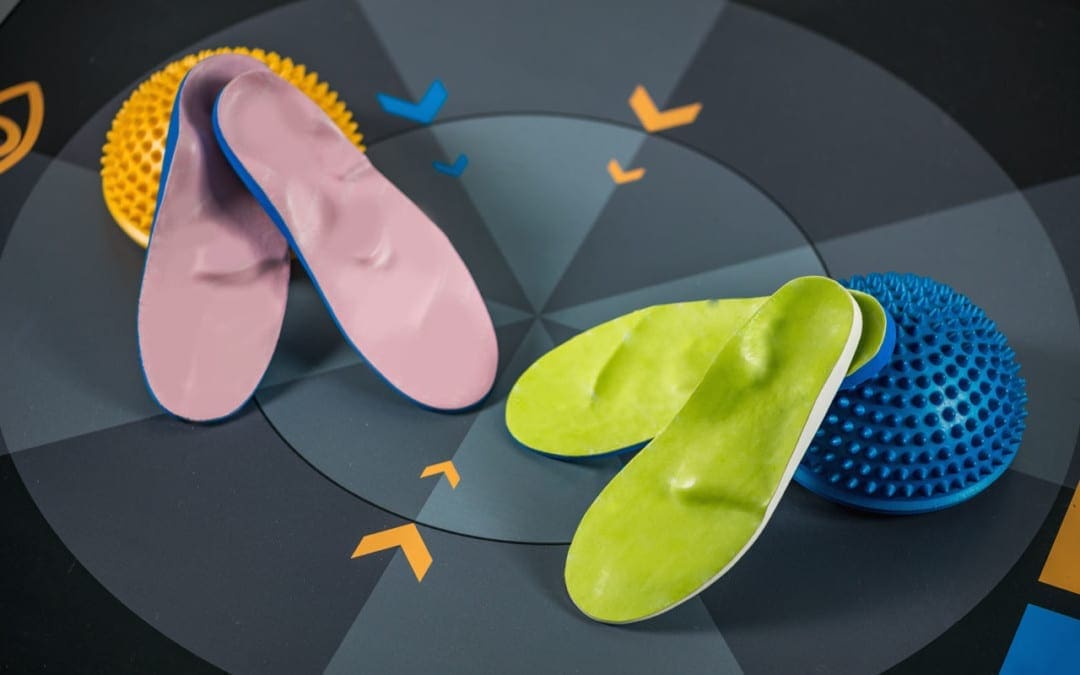
Over-the-counter or (OTC) orthotic insoles are foot supports that can be made from various materials which include:
Foam
Leather
Plastic
OTC insoles are designed to fit inside your shoe.
These have become popularized through T.V. commercials, fancy packaging and can be bought at pretty much any grocery/pharmacy store.
OTC’s can be marketed to:
Provide comfort�
Bring pain relief from common conditions:
Bunions
Plantar fasciitis
Arch support problems
OTC insoles are also available to fit in a variety of shoes:
High heels
Athletic shoes
Boots
That work with every individual’s lifestyle.
OTC insoles are dangerous and can cause more harm than help.
Many people do not realize their feet could be the cause of:
Knee
Hip
Back pain
This is why Chiropractors treat issues, such as plantar fasciitis by performing lower back adjustments and look to the feet when diagnosing and treating patients.
Patients must be cautioned against self-diagnosing and using OTC orthotics.
Custom made orthotic insoles are a great solution.
Here are the three bad things that OTC insoles can do to your body.
1. OTC Insoles Do Not Provide Support
Every person�s body is unique.
We are all different:
Heights
Weights
Have different body compositions
This also means that our feet are unique, with some of us even having two feet that completely different from one another. Because of our unique body composition, there is really no one-size-fits-all cure. When it comes to the feet, customization is the key. Ineffective support can lead to increased pain and discomfort.
The way to avoid ineffective support is to seek professional advice first.
You see the scanners inside the stores to help you find which insole is right for you, however, these are designed to sell, sell, sell.
Getting a foot scan by a medical professional that can assess your body and feet in person is the way to go.
They will talk with you, personally about treatment options and will help you find the best solution.
2. Make Physical Discomfort Worse & Cost You More Money because now you need Treatment
OTC insoles are typically made of inexpensive materials.
OTC insoles wear down faster and require constant replacement.
You could purchase the wrong type of OTC insole, which can create more pain and discomfort.� When experiencing pain or discomfort, our bodies are under stress. Stress also increases from financial burdens or seeking medical treatment which can be time-consuming and uncertain.
Self-diagnosing your issues while standing in a store can be dangerous, instead relieve your stress by seeking expert help.
Custom orthotics are also covered by some insurance providers.
3. The function of Your Foot/Ankle Worsens
Body function goes down when insoles are not properly prescribed or fitted.
The wrong insole can make a well-fitting shoe too tight for example.
Wrong insoles can redistribute body weight the wrong way to think that the foot pain is alleviated but then the ankles get sore or we can’t bend our feet.
Bad insoles can also make it difficult to run or walk.
Wearing the wrong insole can create new injuries.
Orthotics alter the way our bodies move and affect how we walk, stand, and absorb shock.
Selecting the right orthotic is essential to how our body functions every day.
Custom orthotics are designed specifically for an individual�s body:
Stabilize joints
Reduce pain
Prevent deformity
Create proper posture�
Improve foot function
Remember that it’s not possible to purchase� OTC insoles designed specifically for an individual.
But you can get custom fit orthotics to:
Relieve discomfort
Help your body operate properly
Save you stress and money
Proven Reduced Back Pain with *FOOT ORTHOTICS* | El Paso, Tx
Kent S. Greenawalt, President, and CEO of Foot Levelers discuss how custom foot orthotics can help reduce back pain, low back pain, and sciatica. In a recent research study published by the American Congress of Rehabilitation Medicine (ACRM), researchers demonstrated that Foot Levelers custom foot orthotics help considerably reduce back pain and several of its associated health issues. The research study also demonstrated that Foot Levelers custom foot orthotics and chiropractic care help tremendously reduce low back pain and sciatica. Foot Levelers custom foot orthotics and chiropractic care helped improve the patient’s overall health and wellness. Dr. Alex Jimenez is a chiropractor in El Paso, TX who can help provide these benefits through the utilization of chiropractic care and Foot Levelers custom foot orthotics, among other treatments.
What’s Afoot
If you have low back pain�or have had it, you are not alone. Experts estimate that around�80% of people�will experience some type of back problem at some point in their lives.�The Global Burden of Disease 2010�lists low back pain as the number one cause of disability worldwide. The good news is the majority of back pain is mechanical in origin or is not organic. This means that infection, cancer, fracture, inflammatory arthritis, and other serious conditions are not the cause. In fact, you may benefit by looking to your feet, knees,�and hips as the culprits.
NCBI Resources
Experienced chiropractors understand there are some other treatments in addition to chiropractic care that help aid pain management, increase mobility, and decrease healing time. Depending on the condition, individuals may experience a wide array of benefits from blending these treatments into their chiropractic treatment. One such treatment is orthotics or inserts. If life were a sandbox, chiropractic care and orthotics would be the best of friends. They treat muscle and skeletal conditions, as does chiropractic treatment.
IFM's Find A Practitioner tool is the largest referral network in Functional Medicine, created to help patients locate Functional Medicine practitioners anywhere in the world. IFM Certified Practitioners are listed first in the search results, given their extensive education in Functional Medicine