Can understanding how nociceptors function and their role in processing pain signals help individuals who are managing injuries and/or living with chronic pain conditions?
Nociceptors
Nociceptors are nerve endings that detect harmful stimuli, such as extreme temperatures, pressure, and chemicals, and signal pain. They are the body’s first defense against potentially damaging environmental inputs.
Nociceptors are in the skin, muscles, joints, bones, internal organs, deep tissues, and cornea.
They detect harmful stimuli and convert them into electrical signals.
These signals are sent to the brain’s higher centers.
The brain interprets the signals as pain, which prompts the body to avoid the harmful stimulus.
Nociceptors, often called pain receptors, are free nerve endings all over the body. They play a pivotal role in how the body feels and reacts to pain. The main purpose of a nociceptor is to respond to damage to the body by transmitting signals to the spinal cord and brain. (Purves D, Augustine GJ, Fitzpatrick D, et al., editors. 2001) If you bang your foot, the nociceptors on the skin are activated, sending a signal to the brain via the peripheral nerves to the spinal cord. Pain resulting from any cause is transmitted this way. Pain signals are complex, carrying information about the stimuli’s location and intensity. This causes the brain to fully process the pain and send communication back to block further pain signals.
Thermal nociceptors respond to extreme hot or cold temperatures.
For instance, when touching a hot stove, the nociceptors, which signal pain, are activated immediately, sometimes before you know what you’ve done.
Mechanical
Mechanical nociceptors respond to intense stretching or strain, such as pulling a hamstring or straining a tendon.
The muscles or tendons are stretched beyond their ability, stimulating nociceptors and sending pain signals to the brain.
Chemical
Chemical nociceptors respond to chemicals released from tissue damage.
For example, prostaglandins and substance P or external chemicals like topical capsaicin pain creams.
Silent
Silent nociceptors must be first activated by tissue inflammation before responding to a mechanical, thermal, or chemical stimulus.
Most visceral nociceptors are located on organs in the body.
Polymodal
Polymodal nociceptors respond to mechanical, thermal, and chemical stimuli.
Mechano-thermal
Mechano-thermal nociceptors respond to mechanical and thermal stimuli.
Pain Transmission
Nociceptors are also classified by how fast they transmit pain signals. Transmission speed is determined by the type of nerve fiber known as an axon a nociceptor has. There are two main types.
The first type is A fiber axon, fibers surrounded by a fatty, protective sheath called myelin.
Myelin allows nerve signals/action potentials to travel rapidly.
Because of the difference in transmission speed, the pain signals from the A fibers reach the spinal cord first. As a result, after an acute injury, an individual experiences pain in two phases, one from the A fibers and one from the C fibers. (Ngassapa D. N. 1996)
Pain Perception Phases
When an injury occurs, the stimulated nociceptors activate the A fibers, causing a person to experience sharp, prickling pain.
This is the first phase of pain, known as fast pain, because it is not especially intense but comes right after the stimulus.
During the second phase of pain, the C fibers are activated, causing an intense, burning pain that persists even after the stimulus has stopped.
The fact that the C fibers carry burning pain explains why there is a short delay before feeling the sensation.
The C fibers also carry aching, sore pain caused by organs within the body, such as a sore muscle or stomachache. (Ngassapa D. N. 1996)
Injury Medical Chiropractic and Functional Medicine Clinic
Injury Medical Chiropractic and Functional Medicine Clinic works with primary healthcare providers and specialists to build optimal health and wellness solutions. We focus on what works for you to relieve pain, restore function, prevent injury, and help mitigate issues through adjustments that help the body realign itself. They can also work with other medical professionals to integrate a treatment plan to resolve musculoskeletal problems.
From Injury To Recovery With Chiropractic Care
References
Purves D, A. G., Fitzpatrick D, et al., editors. (2001). Nociceptors. In Neuroscience. 2nd edition. (2nd ed.). Sunderland (MA): Sinauer Associates. https://www.ncbi.nlm.nih.gov/books/NBK10965/
University of Texas McGovern Medical School. (2020). Chapter 6: Pain Principles. https://nba.uth.tmc.edu/neuroscience/m/s2/chapter06.html
Ngassapa D. N. (1996). Comparison of functional characteristics of intradental A- and C-nerve fibres in dental pain. East African medical journal, 73(3), 207–209.
For individuals looking to improve their gut health, can learning about the supportive digestive organs help with how digestion works and how it can be affected by inflammatory bowel disease/IBD?
Supportive Digestive Organs
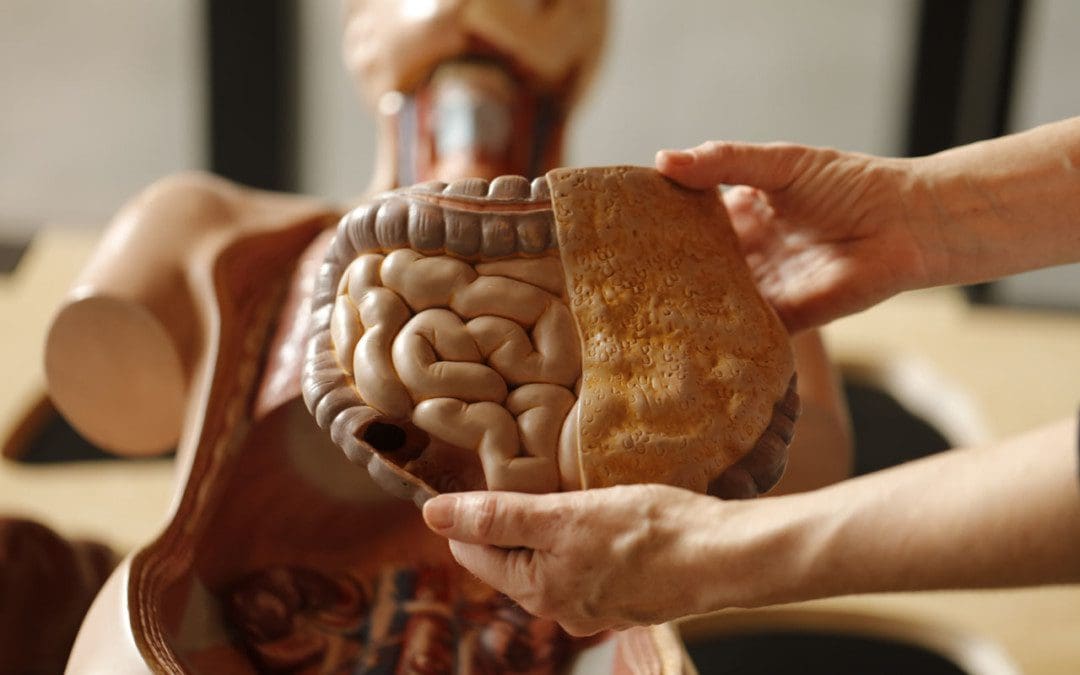
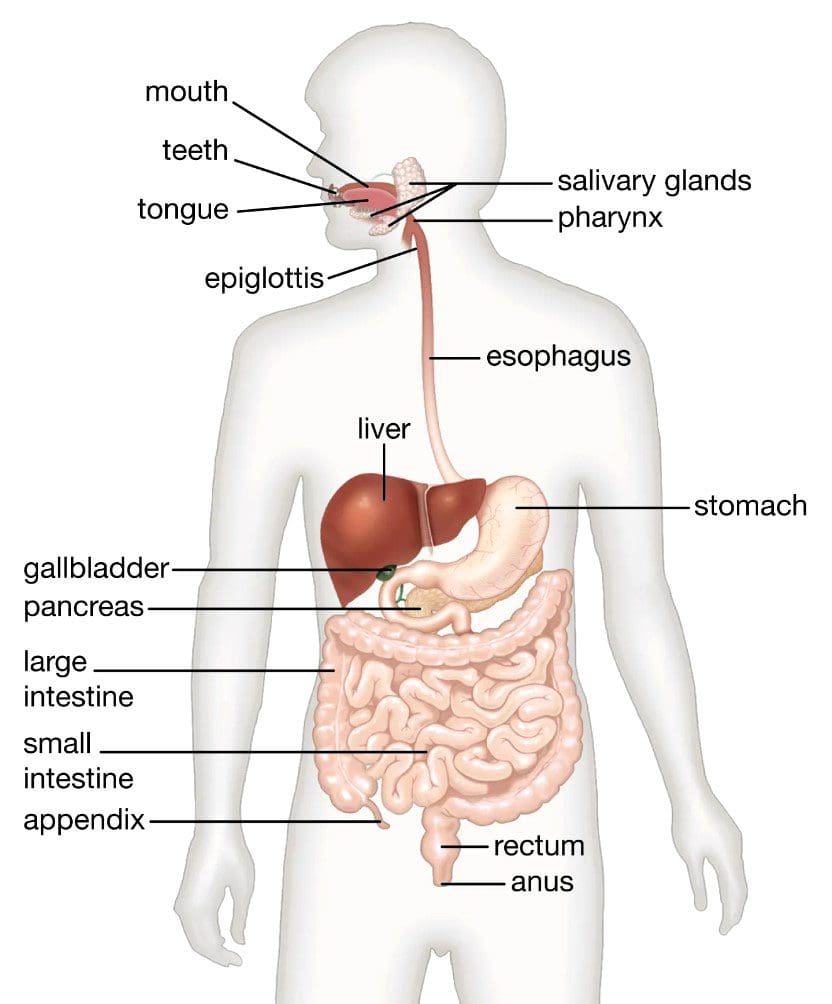
Most people are familiar with food movement from the mouth through the esophagus, stomach, small intestine, and large intestine. However, digestion begins in the mouth with the formation of saliva, and the supportive digestive organs provide the necessary fluids to digest food and used by the body. The digestive tract runs from the mouth to the anus in one long, continuous tube. Several supportive digestive organs assist digestion but are not considered part of the digestive tract, including the salivary glands, pancreas, liver, and gallbladder.
Salivary Glands
The salivary glands produce saliva passed through ducts and into the mouth. Saliva is a clear liquid containing various substances important for digestion and the beginning of the food breakdown process (National Institute of Diabetes and Digestive and Kidney Diseases, 2017). Saliva is important to digestion because it aids chewing, contains antibodies, and helps keep the mouth clean. Infections, mumps, obstructions, Sjogren’s syndrome, and cancer are diseases and conditions that can affect the salivary glands.
Pancreas
Behind the stomach is the pancreas, which is important to digestion because it is where digestive enzymes and hormones are produced. Digestive enzymes help break down food (National Institute of Diabetes and Digestive and Kidney Diseases, 2017). The pancreas also creates Insulin, a hormone that helps balance blood sugar levels. Individuals with Type 1 diabetes are unable to make insulin and need insulin shots to balance sugar levels. Individuals with Type 2 diabetes also need insulin because their body is either resistant to insulin or their pancreas does not respond correctly. (American Diabetes Association, 2024) Glucagon is another hormone produced in the pancreas to raise blood sugar when the levels are very low. For individuals who have diabetes, glucagon can increase blood sugar levels too high. Insulin and glucagon work together to regulate blood sugar. (American Diabetes Association, 2024) Some diseases and conditions affecting the pancreas include pancreatitis, cancer, and cystic fibrosis.
Liver
The liver is one of the largest organs. Its functions include creating bile, storing nutrients and glycogen, converting toxins into harmless substances, and/or enabling their removal. Bile is passed through ducts that run from the liver to the duodenum of the small intestine. Blood circulates through the digestive tract and liver, where vitamins and nutrients are processed and stored (Johns Hopkins Medicine, 2024). The liver is also the body’s detox organ, helping remove byproducts produced by alcohol and medications. The liver also helps break down old or damaged blood cells and produces substances to help with blood clotting. (Johns Hopkins Medicine, 2024) Diseases and conditions of the liver include cirrhosis, hepatitis, hemochromatosis, and cancer.
Gallbladder
The gallbladder is a much smaller organ located just under the liver. This supportive digestive organ stores bile after it is made in the liver. After eating, the small intestine releases a special hormone called cholecystokinin, which prompts the gallbladder to send bile through ducts and into the small intestine. Once in the small intestine, the bile breaks down the fat from the food. Conditions that can affect the gallbladder include gallstones. Surgery to remove the gallbladder, known as a cholecystectomy, is common. Some individuals may initially need to make adjustments to their diet after surgery. (Johns Hopkins Medicine, 2024)
Injury Medical Chiropractic and Functional Medicine Clinic works with primary healthcare providers and specialists to develop highly effective treatment plans through an integrated approach for each patient and restore health and function to the body through nutrition and wellness, functional medicine, acupuncture, Electroacupuncture, and integrated medicine protocols. If the individual needs other treatment, they will be referred to a clinic or physician best suited for them. Dr. Jimenez has teamed up with top surgeons, clinical specialists, medical researchers, nutritionists, and health coaches to provide the most effective clinical treatments.
Healthy Diet and Chiropractic
References
National Institute of Diabetes and Digestive and Kidney Diseases. Dis (2017). Your digestive system & how it works. Retrieved from https://www.niddk.nih.gov/health-information/digestive-diseases/digestive-system-how-it-works
American Diabetes Association. (2024). About diabetes: common terms. https://diabetes.org/about-diabetes/common-terms
Johns Hopkins Medicine. (2024). Liver: anatomy and functions. https://www.hopkinsmedicine.org/health/conditions-and-diseases/liver-anatomy-and-functions
Nowadays, individuals trying to avoid surgery have more therapy options. Can regenerative medicine help treat neuromusculoskeletal injuries?
Regenerative Medicine
Regenerative medicine utilizes the body’s raw cells and is used in cancer treatment and to reduce the risk of infections. (American Cancer Society. 2020) Researchers are looking for other ways to use these cells in medical therapies.
What are These Cells
Stem cells are unspecialized cells that can develop into any cell and in certain cases renew themselves an unlimited number of times. (National Institutes of Health. 2016)
Regenerative cell therapy uses these cells as a treatment for a disease or condition.
Regenerative cells are given to individuals to replace cells that have been destroyed or have died.
In the case of cancer, they may be used to help the body regain the ability to produce regenerative cells after treatment. (American Cancer Society. 2020)
For individuals with multiple myeloma and certain types of leukemia, regenerative cell therapy is used to eliminate cancer cells.
The therapy is called graft-versus-tumor effect/GvT, where a donor’s white blood cells/WBCs are used to eliminate the cancerous tumor. (American Cancer Society. 2020)
What They Can Treat
This is a new treatment that is still going through research. The Food and Drug Administration has only approved it for certain cancers and conditions that affect the blood and immune system. (Centers for Disease Control and Prevention. 2019) Regenerative cell therapy is FDA-approved to treat: (National Cancer Institute. 2015)
Leukemia
Lymphoma
Multiple myeloma
Neuroblastoma
It is also used to decrease the risk of infection after regenerative cell transplantation in individuals with blood cancers. (U.S. Food & Drug Administration. 2023)
Researchers are studying how these cells can treat other conditions. Clinical trials are analyzing how to use the therapy for neurodegenerative diseases like:
During regenerative cell therapy, the cells are given through an intravenous line. The three places where blood-forming cells can be obtained are bone marrow, the umbilical cord, and blood. Transplants can include: (American Cancer Society. 2020)
Autologous
The cells are taken from the individual who will be receiving the therapy.
Allogeneic
The cells are donated by another individual.
Syngeneic
The cells come from an identical twin, if there is one.
Safety
The therapy has shown to provide benefits but there are risks.
One risk is known as graft-versus-host disease – GVHD.
It occurs in one-third to half of allogeneic recipients.
This is where the body does not recognize the donor’s white blood cells and attacks them causing problems and symptoms throughout the body.
To treat GVHD medications are given to suppress the immune system to stop attacking the donor cells. (American Cancer Society. 2020)
The future of regenerative cell therapy is promising. Research is ongoing to find out how these cells can treat conditions and find new ways to treat and cure diseases.
Regenerative medicine has been researched for over twenty years for conditions like macular degeneration, glaucoma, stroke, and Alzheimer’s disease. (National Institutes of Health. 2022) This therapy is a new medical treatment that could be used in future therapies as part of a multidisciplinary approach to neuromusculoskeletal injuries and conditions.
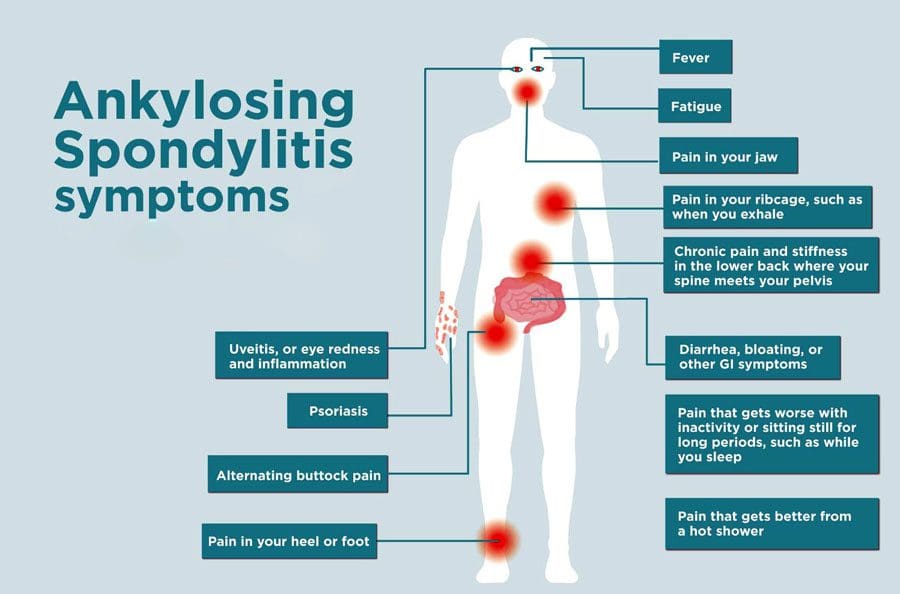
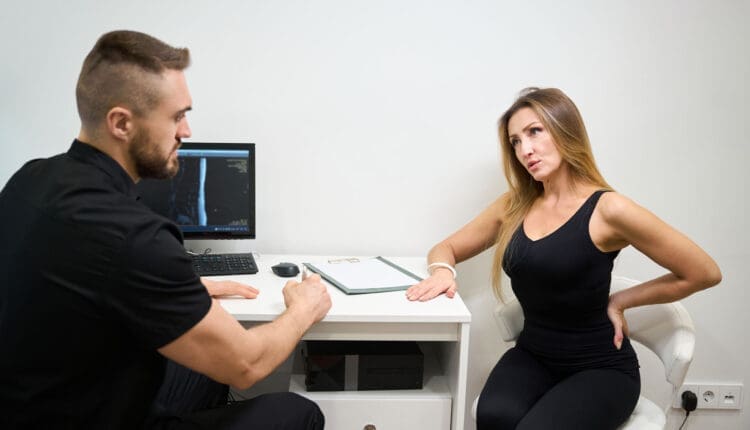
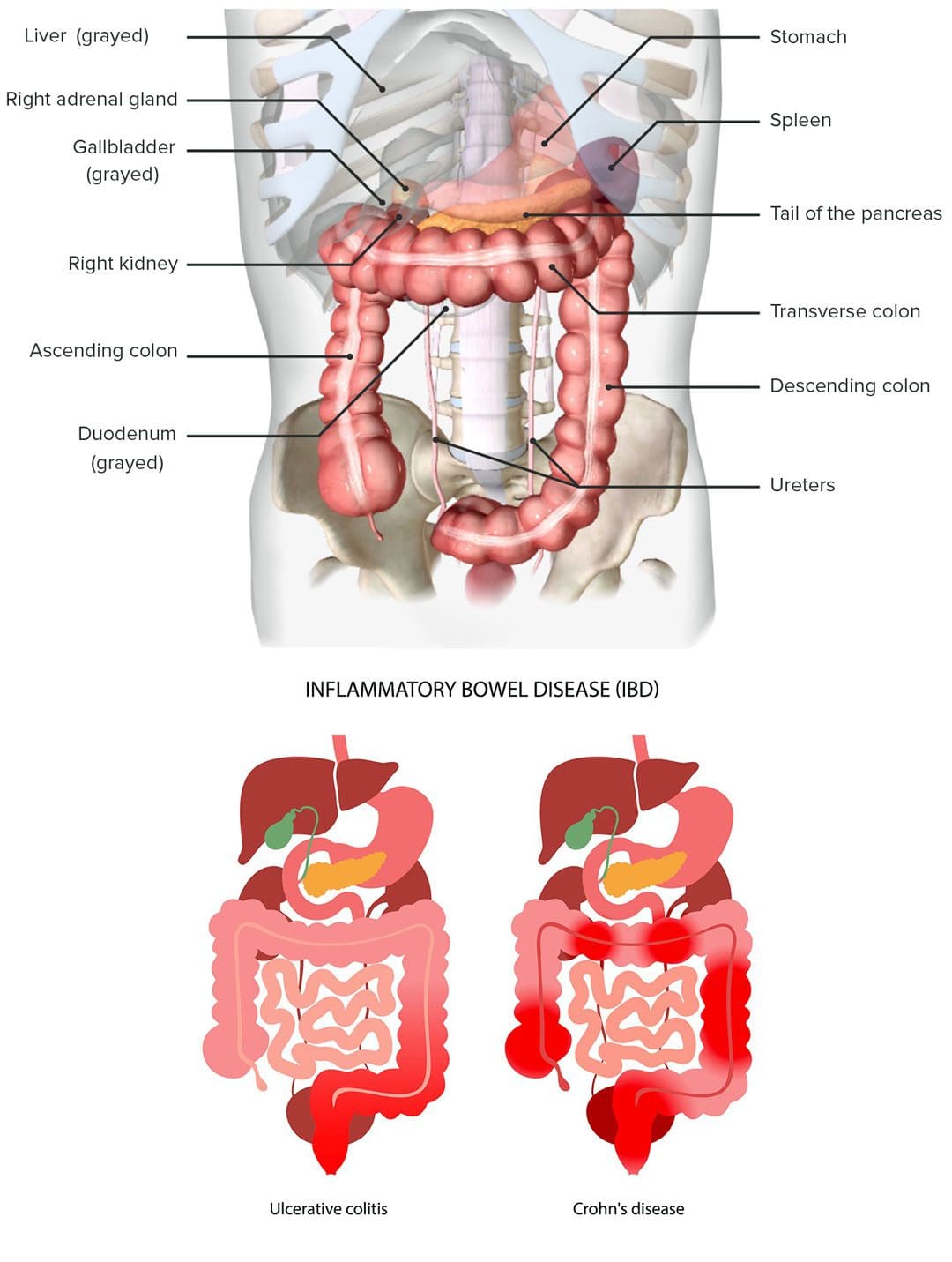
Inflammatory bowel disease, or IBD, causes inflammation of the digestive tract lining, which often involves the deeper layers. Gastrointestinal or GI problems of the stomach and intestines often include diarrhea, weight loss, rectal bleeding, fatigue, and back pain. The inflammation can reach the spine’s joints, causing stiffness, discomfort, and pain symptoms. Injury Medical Chiropractic and Functional Medicine Clinic can help manage symptoms and guide individuals on treatment options.
IBD Back Pain
IBD is a set of conditions associated with chronic or intermittent inflammation of the gastrointestinal tract. It includes Crohn’s disease – CD and ulcerative colitis – UC. Although there are genetic components that predispose individuals to IBD, environmental factors appear to contribute the most. Research shows that IBD is likely related to disturbances in the gut’s flora, which include:
Other environmental factors associated with IBD include the long-term use of birth control pills and nonsteroidal anti-inflammatory drugs/NSAIDs. Research theorizes that as the gut becomes inflamed, its normal integrity and structure become compromised and begin to leak out, causing an immune system overreaction response. This can cause non-gastrointestinal symptoms that include:
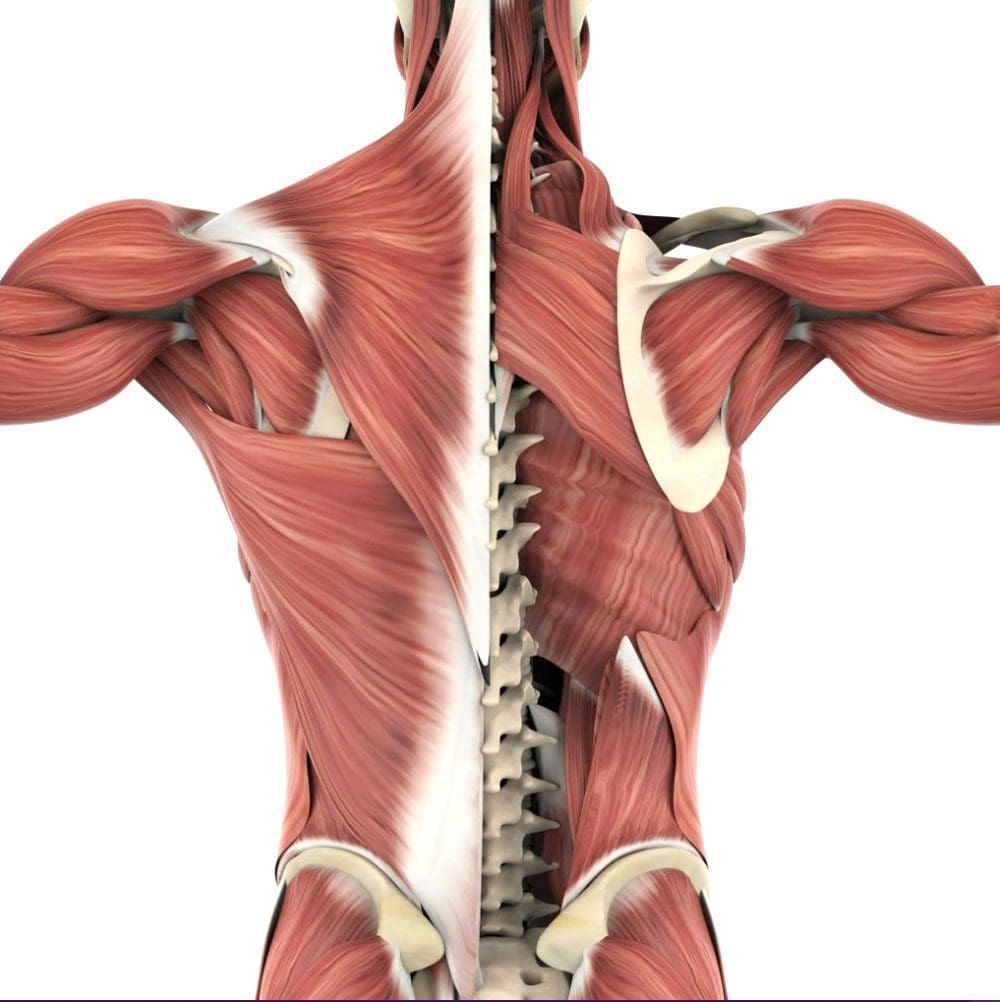
IBD can cause low back pain as the IBD can inflame the spine’s joints, especially the sacrum, as well as cause abdominal cramps and rectal sensations that radiate to the low back area. However, irritation, inflammation, or infection of any central, abdominal, or pelvic organs can cause low back pain.
Diagnosis
Diagnosis requires a physical examination of the colon – a sigmoidoscopy or a colonoscopy is used.
Both procedures take a biopsy of the intestinal tissues, which is studied to determine the extent and degree of inflammation.
Depending on the circumstances, an X-ray could be used to show the depth or extent of the condition.
Chiropractic Management
A chiropractor can help individuals decrease or completely alleviate musculoskeletal symptoms by realigning the spine and pelvis and massaging, releasing, and relaxing the muscles, which increases circulation and soothes inflammation. The reason why chiropractic care can effectively treat IBD is its ability to stabilize the internal systems. When the central nervous system and immune system communicate and function properly, this prevents the immune system from attacking the body’s tissue cells, preventing inflammation. The chiropractic whole-body approach can also help with recommendations regarding lifestyle changes and nutritional anti-inflammatory modifications.
Ulcerative Colitis
References
Centers for Disease Control and Prevention. “What Is Inflammatory Bowel Disease (IBD)?” 2022, https://www.cdc.gov/ibd/what-is-IBD.htm
Danese S, Fiocchi C. Etiopathogenesis of inflammatory bowel diseases. World J Gastroenterol. 2006;12(30):4807-4812. doi:10.3748/wjg.v12.i30.4807
Limsrivilai, Julajak et al. “Systemic Inflammatory Responses in Ulcerative Colitis Patients and Clostridium difficile Infection.” Digestive diseases and sciences vol. 63,7 (2018): 1801-1810. doi:10.1007/s10620-018-5044-1
van Erp, S J et al. “classifying Back Pain and Peripheral Joint Complaints in Inflammatory Bowel Disease Patients: A Prospective Longitudinal Follow-up Study.” Journal of Crohn’s & colitis vol. 10,2 (2016): 166-75. doi:10.1093/ecco-jcc/jjv195
Zeitz, Jonas, et al. “Pain in IBD Patients: Very Frequent and Frequently Insufficiently Taken into Account.” PloS one vol. 11,6 e0156666. 22 Jun. 2016, doi:10.1371/journal.pone.0156666
The body needs food for fuel, energy, growth, and repair. The digestive process breaks down food into a form the body can absorb and use for fuel. The broken-down food gets absorbed into the bloodstream from the small intestine, and the nutrients are carried to the cells throughout the body. Understanding how the organs work together to digest food can help with health goals and overall health.
The Digestive Process
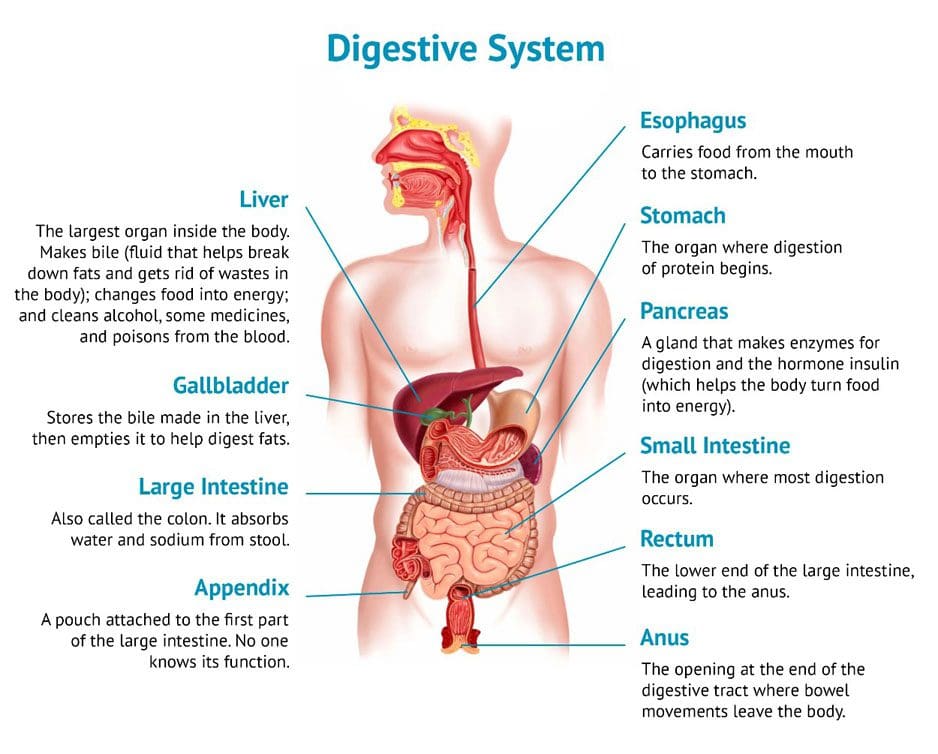
The organs of the digestive system are the following:
The digestive process starts with the anticipation of eating, stimulating the glands in the mouth to produce saliva. The digestive system’s primary functions include:
Mixing food
Moving food through the digestive tract – peristalsis
The chemical breakdown of food into smaller absorbable components.
The digestive system converts food into its simplest forms, which include:
Glucose – sugars
Amino acids – protein
Fatty acids – fats
Proper digestion extracts nutrients from food and liquids to maintain health and function properly. Nutrients include:
Carbohydrates
Proteins
Fats
Vitamins
Minerals
Water
Mouth and Esophagus
The food is ground up by the teeth and moistened with saliva to swallow easily.
Saliva also has a special chemical enzyme that starts breaking down carbohydrates into sugars.
Muscular contractions of the esophagus massage the food into the stomach.
Stomach
The food passes through a small muscle ring into the stomach.
It gets mixed with gastric chemicals.
The stomach churns the food to break it down further.
The food is then squeezed into the first part of the small intestine, the duodenum.
Small Intestine
Once in the duodenum, the food mixes with more digestive enzymes from the pancreas and bilefrom the liver.
The food passes into the lower parts of the small intestine, called the jejunum and the ileum.
Nutrients are absorbed from the ileum, lined with millions of villi or thread-like fingers that facilitate the absorption.
Each villus is connected to a mesh of capillaries, which is how nutrients get absorbed into the bloodstream.
Pancreas
The pancreas is one of the largest glands.
It secretes digestive juices and a hormone called insulin.
Insulin helps regulate the amount of sugar in the blood.
The liver has several different roles that include:
Breaks down fats using bile stored in the gallbladder.
Processes proteins and carbohydrates.
Filters and processes impurities, medications, and toxins.
Generates glucose for short-term energy from compounds like lactate and amino acids.
Large Intestine
A large reservoir of microbes and healthy bacteria live in the large intestine and play an important role in healthy digestion.
Once the nutrients have been absorbed, the waste is passed into the large intestine or bowel.
Water is removed, and the waste gets stored in the rectum.
It is then passed out of the body through the anus.
Digestive System Health
Ways to keep the digestive system and the digestive process healthy include:
Drink More Water
Water helps the food flow more easily through the digestive system.
Low amounts of water/dehydration are common causes of constipation.
Add More Fiber
Fiber is beneficial to digestion and helps with regular bowel movements.
Incorporate both soluble and insoluble fiber.
Soluble fiber dissolves in water.
As soluble fiber dissolves, it creates a gel that can improve digestion.
Soluble fiber may reduce blood cholesterol and sugar.
It helps your body improve blood glucose control, which can aid in reducing your risk for diabetes.
Insoluble fiber does not dissolve in water.
Insoluble fiber attracts water into the stool, making it softer and easier to pass with less strain on the bowels.
Insoluble fiber can help promote bowel health and regularity and supports insulin sensitivity which can help reduce the risk of diabetes.
Balanced Nutrition
Eat fruit and vegetables daily.
Choose whole grains over processed grains.
Avoid processed foods in general.
Choose poultry and fish more than red meat and limit processed meats.
Cut down on sugar.
Eat Foods with Probiotics or Use Probiotic Supplements
Probiotics are healthy bacteria that help combat unhealthy bacteria in the gut.
They also generate healthy substances that nourish the gut.
Consume probiotics after taking antibiotics that often kill all the bacteria in the gut.
Eat Mindfully and Chew Food Slowly
Chewing food thoroughly helps to ensure the body has enough saliva for digestion.
Chewing food thoroughly also makes it easier for nutritional absorption.
Eating slowly gives the body time to digest thoroughly.
It also allows the body to send cues that it is full.
How The Digestive System Works
References
GREENGARD, H. “Digestive system.” Annual review of physiology vol. 9 (1947): 191-224. doi:10.1146/annurev.ph.09.030147.001203
Hoyle, T. “The digestive system: linking theory and practice.” British journal of nursing (Mark Allen Publishing) vol. 6,22 (1997): 1285-91. doi:10.12968/bjon.1997.6.22.1285
Martinsen, Tom C et al. “The Phylogeny and Biological Function of Gastric Juice-Microbiological Consequences of Removing Gastric Acid.” International journal of molecular sciences vol. 20,23 6031. 29 Nov. 2019, doi:10.3390/ijms20236031
Ramsay, Philip T, and Aaron Carr. “Gastric acid and digestive physiology.” The Surgical clinics of North America vol. 91,5 (2011): 977-82. doi:10.1016/j.suc.2011.06.010
Around 60% of individuals have a condition caused by or complicated by chronic inflammation. The body reacts with acute inflammation, which is beneficial as the immune system fights off bacteria that could infect the injury. Examples could be getting a cut on the finger that swells for a day or so to repair the wound or catching a cold and coughing up mucus to expel the germs. However, acute inflammation only lasts as long as necessary; chronic inflammation can last for weeks, months, and years. Individuals can have chronic inflammation and not know the damage being done to arteries and organs until pain or other issues begin to present. There are a few anti-inflammatory diets, which are nutrition plans that can help reduce inflammation.
Anti-Inflammatory Diets
Health-promoting substances include vitamins, minerals, fiber, omega-3 fatty acids, flavan-3-ols in tea and cocoa, and anthocyanins in blueberries, strawberries, raspberries, and other red and purple plant foods. Certain chemicals in the body cause inflammation, and naturally-occurring chemicals in foods, can prevent and combat inflammation by providing essential nutrients.
Nordic Diet
This includes Denmark, Sweden, and Finland, which each have different cuisines, but traditionally, they share healthy foods that provide anti-inflammatory benefits, including:
Rye is a grain shown to help reduce blood sugar, the inflammatory marker C-reactive protein. Individuals that follow this way of eating have lower blood levels of C-reactive protein and other inflammation markers. A randomized study was done in various Nordic countries and lasted six to 24 weeks. One group was assigned a healthy Nordic diet while the other stayed on the country’s modern, less healthy diet. The studies found that individuals that practiced a healthy Nordic diet even for a short while improved inflammatory markers and lost weight.
Mexican Diet
Research has linked a traditional Mexican diet to lower inflammation. Staple foods of a traditional Mexican diet include:
Cheese
Corn tortillas
Fruits and vegetables, including hot peppers
Rice – brown and white
Legumes/Beans
Legumes/beans are linked to protection from inflammatory-related conditions that include:
Obesity
High blood pressure
High blood cholesterol
Type 2 diabetes
Cardiovascular disease
Legumes are high in fiber, which helps:
Reduce inflammation
Reduce unhealthy cholesterol
Reduce blood sugar spikes after a meal, which helps prevent type 2 diabetes and inflammation.
A National Cancer Institute study of post-menopausal women of Mexican descent living in the U.S. found that those following a more traditional Mexican diet averaged 23% lower C-reactive protein levels.
Nutritionist Health Coach and Chiropractic
In some instances, chronic inflammation can come from acute inflammation that does not turn off, which can happen when the body does not make enough chemical substances responsible for turning off the immune response. Blood tests for inflammation can include tests that detect the C-reactive protein and the erythrocyte sedimentation rate, which measures the speed red blood cells settle in a test tube that shows if more inflammatory compounds are present. A combined approach and team of medical professionals, including chiropractic, massage therapy, health coaching, and nutrition, can help relieve and prevent inflammation.
Nutritionist
Consulting a nutritionist is recommended to figure out and determine the best diet/nutrition plan for the individual.
A nutritionist may also suggest supplementation like vitamin D, magnesium, and fish oil supplements.
Body composition analysis breaks down the body elements of water, protein, minerals, and fat that can also discover inflammation markers.
Chiropractic
Chiropractic adjustments help reduce the production of cytokines or proteins that regulate the cells of the immune system. Overproduction of cytokines can cause a severe inflammatory response. Chiropractic’s purpose is to rebalance the body by realigning the vertebrae to reduce pressure on the nerves and promote a healthy nervous system. When the spine and other joints are correctly aligned, the nerves function correctly, returning the body’s biomechanics to normal.
InBody Results
References
Galbete C, Kröger J, Jannasch F, et al. Nordic diet, Mediterranean diet, and the risk of chronic diseases: the EPIC-Potsdam study. BMC Med. 2018;16(1):99.
Lankinen M, Uusitupa M, Schwab U. Nordic Diet and Inflammation-A Review of Observational and Intervention Studies. Nutrients. 2019;11(6):1369.
Ricker MA, Haas WC. Anti-Inflammatory Diet in Clinical Practice: A Review. Nutrition in Clinical Practice. 2017;32(3):318-325.
Santiago-Torres M, Tinker LF, Allison MA, et al. Development and Use of a Traditional Mexican Diet Score in Relation to Systemic Inflammation and Insulin Resistance among Women of Mexican Descent. J Nutr. 2015;145(12):2732-2740.
Valerino-Perea, Selene, et al. “Definition of the Traditional Mexican Diet and Its Role in Health: A Systematic Review.” Nutrients vol. 11,11 2803. 17 Nov. 2019, doi:10.3390/nu11112803
Yang, Yoon Jung, et al. “Dietary flavan-3-ols intake and metabolic syndrome risk in Korean adults.” Nutrition research and practice vol. 6,1 (2012): 68-77. doi:10.4162/nrp.2012.6.1.68
Ankylosing spondylitis/AS is a common type of arthritis that can cause damage to spinal structures, body parts, and organs. Ankylosing spondylitis causes inflammation in the spine’s ligaments and joints which can cause affected vertebrae to fuse, but other symptoms/complications are skin disorders. Ankylosing spondylitis flare-ups can present with skin disorders like rashes and the possible development of skin diseases like psoriasis.
Ankylosing Spondylitis
The inflammation causes back stiffness and pain that causes the spine to become inflexible and rigid. The vertebrae can fuse in extreme cases.
It is typically seen in the early adult population as back pain and hip pain.
Symptoms are more common in individuals between 17 and 45.
Men are more likely to be affected than women.
Genetics can play a role in this condition.
Doctors utilize multiple approaches to relieve symptoms and manage the condition through combined exercise, chiropractic, physical therapy, diet, and stress management to help improve quality of life.
Skin Disorders
A flare-up can present as a skin rash but can also affect the skin in other ways that include:
Rashes brought on by medication treatments.
Trouble healing from incisions after surgery.
Psoriasis
Psoriasis presents as red skin patches appearing anywhere on the body.
The most common areas are the scalp, palms, elbows, and knees.
The affected skin can itch, become tender, and can also sting and burn.
Some psoriasis outbreaks result in lesions or blisters.
Ankylosing Spondylitis vs. Psoriatic Arthritis
Ankylosing spondylitis and psoriatic arthritis are related and come under spondyloarthritis/SpA rheumatic disease.
Ankylosing spondylitis is typically localized to the spine, whereas psoriatic arthritis can affect almost any joint in the body and presents with tendinopathy.
Some individuals with AS can begin to develop psoriasis.
Medications can also help but can produce side effects.
Ankylosing spondylitis skin disorders present ongoing challenges. However, increasing treatment options are helping to minimize the condition’s impact on a better quality of life.
AS Causes, Symptoms, Diagnosis, Treatment
References
Meier, Katharina, et al. “Skin manifestations in spondyloarthritis.” Therapeutic advances in musculoskeletal disease vol. 12 1759720X20975915. 8 Dec. 2020, doi:10.1177/1759720X20975915
Myers, Elisha et al. “An Update on Narrowband Ultraviolet B Therapy for the Treatment of Skin Diseases.” Cureus vol. 13,11 e19182. 1 Nov. 2021, doi:10.7759/cureus.19182
National Institutes of Health. (n.d.) “Ankylosing spondylitis.” https://www.niams.nih.gov/health-topics/ankylosing-spondylitis
Ye, Chao, and Wenyuan Li. “Cutaneous vasculitis in a patient with ankylosing spondylitis: A case report.” Medicine vol. 98,3 (2019): e14121. doi:10.1097/MD.0000000000014121
IFM's Find A Practitioner tool is the largest referral network in Functional Medicine, created to help patients locate Functional Medicine practitioners anywhere in the world. IFM Certified Practitioners are listed first in the search results, given their extensive education in Functional Medicine





 IBD Back Pain