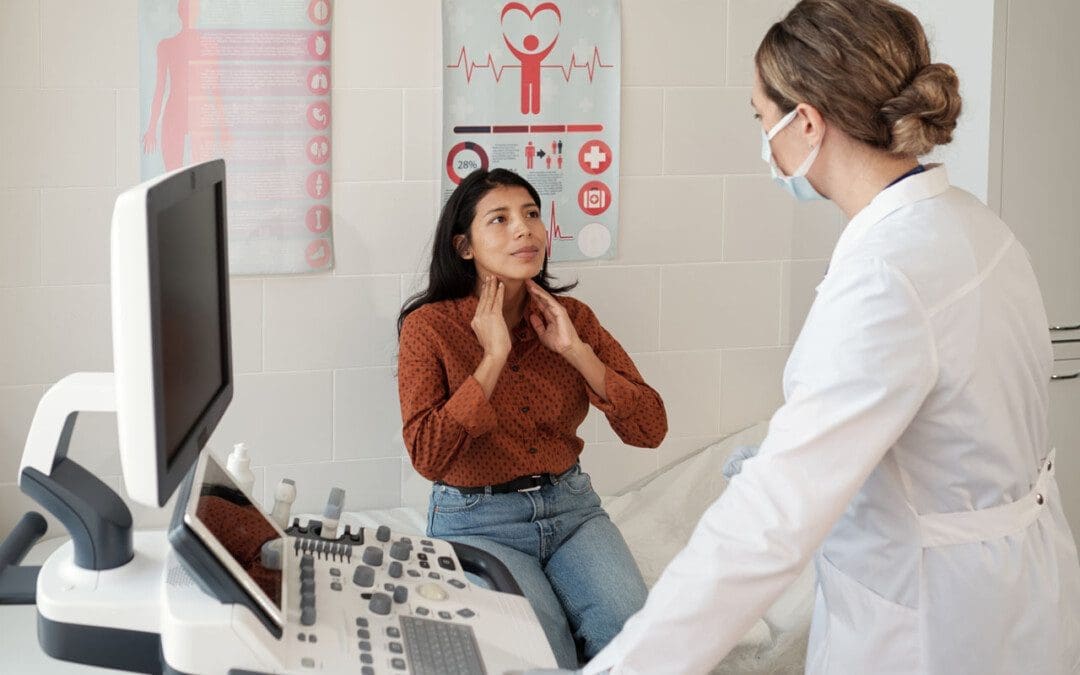
As research increases in regenerative medicine with the potential of being able to regrow thyroid tissue, could regeneration therapy eliminate the need for patients to take thyroid replacement hormones?
Thyroid Regenerative Therapy
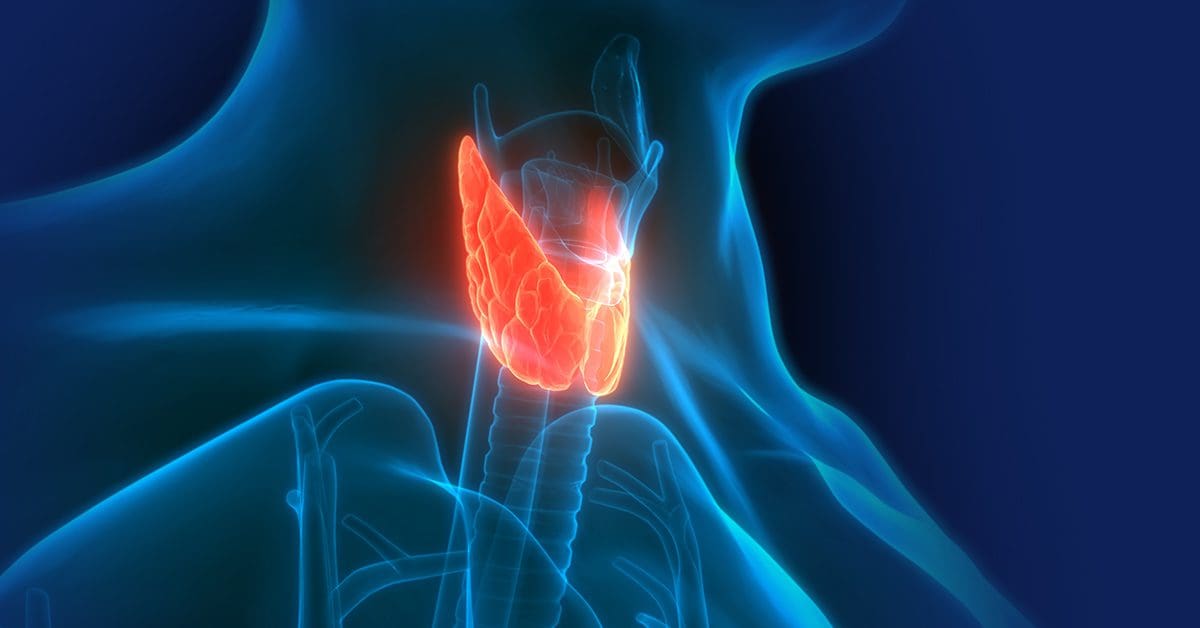
A great hope for regenerative therapy is the ability to grow healthy organs. One of the organs being looked at is the thyroid gland. The goal is to re-grow thyroid tissue in:
Individuals who had to have the gland removed because of thyroid cancer.
Individuals who were born without a fully developed gland.
As science advances and research has expanded from laboratory and animal experiments to test tube human thyroid cell studies, the use of stem cell therapy for this purpose is not there yet, as more extensive research is needed for human consideration.
Human Research
Research on the use of thyroid regenerative therapy for thyroid disease has not published studies in which stem cell therapy has been attempted in human thyroid patients.
The studies that have been done were conducted in mice, and any findings of this research cannot automatically be applied to humans. (H. P. Gaide Chevronnay, et al., 2016)
In human thyroid tissue in test tube studies, the stimulation of cells was achieved in a way that raised the question of making cancerous transformations more likely if it were to be attempted in humans. (Davies T.F., et al., 2011)
Recent Studies
Current research involves advances in embryonic stem cell – ESC and induced pluripotent stem cell – iPSC. (Will Sewell, Reigh-Yi Lin. 2014)
ESCs, also known as pluripotent stem cells, can increase any type of cell in the body.
They are harvested from embryos that were produced, but not implanted, during IVF procedures.
iPSCs are pluripotent cells that have been developed using a reprogramming process of adult cells.
Follicular cells are thyroid cells that make thyroid hormones – T4 and T3 and have been produced from the embryonic stem cells of mice.
In a study published in the journal Cell Stem Cell in 2015, these cells had the ability to grow and were also able to start making thyroid hormone within two weeks. (Anita A. Kurmann, et al., 2015)
After eight weeks, cells that were transplanted into mice that did not have thyroid glands had normal amounts of thyroid hormone.
New Thyroid Gland
Investigators at Mount Sinai Hospital induced human embryonic stem cells into thyroid cells.
They were looking at the possibility of creating a new-like thyroid gland in individuals who have had their thyroid surgically removed.
The future looks promising for the ability to regrow thyroid tissue and eliminate thyroid replacement hormone. However, far more research is needed for this to even be considered a possibility.
Cracking the Low Thyroid Code Assessment Guide
References
Gaide Chevronnay, H. P., Janssens, V., Van Der Smissen, P., Rocca, C. J., Liao, X. H., Refetoff, S., Pierreux, C. E., Cherqui, S., & Courtoy, P. J. (2016). Hematopoietic Stem Cells Transplantation Can Normalize Thyroid Function in a Cystinosis Mouse Model. Endocrinology, 157(4), 1363–1371. https://doi.org/10.1210/en.2015-1762
Davies, T. F., Latif, R., Minsky, N. C., & Ma, R. (2011). Clinical review: The emerging cell biology of thyroid stem cells. The Journal of clinical endocrinology and metabolism, 96(9), 2692–2702. https://doi.org/10.1210/jc.2011-1047
Sewell, W., & Lin, R. Y. (2014). Generation of thyroid follicular cells from pluripotent stem cells: potential for regenerative medicine. Frontiers in endocrinology, 5, 96. https://doi.org/10.3389/fendo.2014.00096
Kurmann, A. A., Serra, M., Hawkins, F., Rankin, S. A., Mori, M., Astapova, I., Ullas, S., Lin, S., Bilodeau, M., Rossant, J., Jean, J. C., Ikonomou, L., Deterding, R. R., Shannon, J. M., Zorn, A. M., Hollenberg, A. N., & Kotton, D. N. (2015). Regeneration of Thyroid Function by Transplantation of Differentiated Pluripotent Stem Cells. Cell stem cell, 17(5), 527–542. https://doi.org/10.1016/j.stem.2015.09.004
Tuttle, R. M., & Wondisford, F. E. (2014). Welcome to the 84th annual meeting of the American Thyroid Association. Thyroid : official journal of the American Thyroid Association, 24(10), 1439–1440. https://doi.org/10.1089/thy.2014.0429
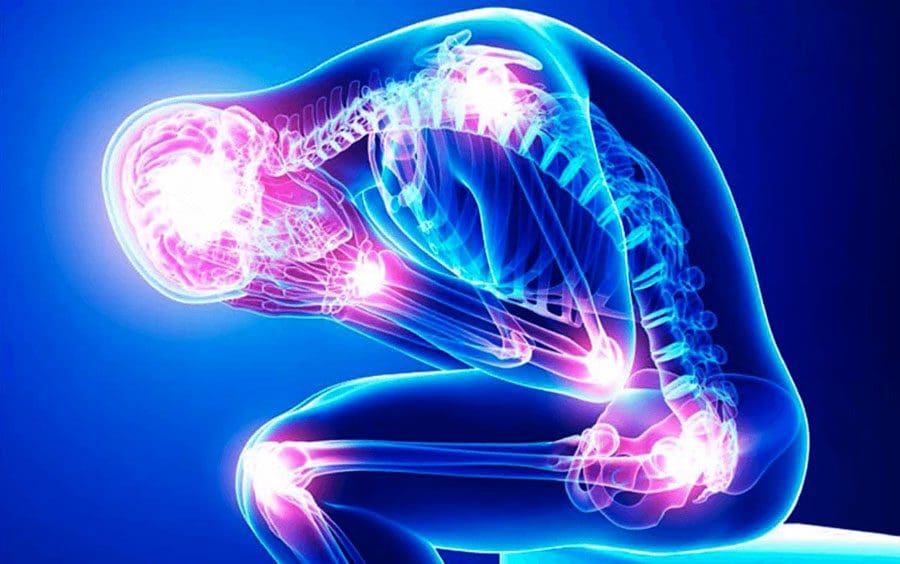
A viscerosomatic response or VSR is when the internal organs are going through some distress, illness, or injury, causing pain symptoms. An example is the right shoulder presenting with pain when the gall bladder is inflamed. The pain signals are transmitted through the spinal cord, and the muscles in the area could spasm, creating sensitivity or pain when touched. However, viscerosomatic pain is often not worsened or changed by bending, reaching, or twisting in different directions causing musculoskeletal/MSK pain. Without a thorough exam, it’s easy to confuse a VSR with an MSK or basic back ache. Individuals may sometimes feel visceral pain more through emotional symptoms like anger, anguish, or sadness than physical discomfort. Causation varies for everybody and can overlap with underlying conditions.
Causation
The visceral organs’ pain receptors are not as tightly packed or evenly spread out, which makes finding the pain’s source challenging to pinpoint. The most common causes include:
Inflammation
A process of the body’s white blood cells protecting the body from infections, bacteria, and viruses. In autoimmune diseases, the immune system reacts as if normal tissues are infected or have changed and attacks them causing damage. But in some conditions, like arthritis, the body’s immune system triggers inflammation despite no infections, bacteria, or viruses. When inflammation activates, chemicals from the body’s white blood cells enter the blood or tissues to protect the body raising the blood flow to the injured or infected area. Symptoms include:
Redness
Heat
Irritation
Chemicals can cause fluid to leak into the tissues.
Swelling
Pain
The symptoms depend on which organs are affected. Examples include:
Inflammation of the heart/myocarditis can cause shortness of breath and/or fluid buildup.
Inflammation of the tiny tubes in the respiratory system can cause shortness of breath.
Inflammation of the kidneys/nephritis can cause high blood pressure and/or kidney failure.
Circulatory Issues
Decreased blood circulation can strain areas of the body. The body pulls oxygen into the lungs that enter the blood. It travels throughout the body through blood vessels, veins, and arteries. If circulation becomes obstructed or gets stopped, a severe problem called ischemia can develop. This means areas of the body are not getting enough blood and enough oxygen. Ischemia usually originates from a buildup, blockage in the arteries, or a blood clot. Atherosclerosisis plaque, a hard, sticky substance made mostly of fat that collects in the arteries. It builds up slowly over time and can harden and narrow the arteries slowing down blood flow because the blood has less space to circulate.
Swelling/Stretching Organs
Swelling occurs when excess fluids are trapped in the body’s tissues, which can cause the affected organs to enlarge and stretch. Swelling can be internal or external. Internal swelling is usually caused by:
Menstrual cramps are throbbing, aching cramps experienced in the lower stomach just before and during a woman’s monthly period. They can range from mild to severe but are common and can strike right before and/or during the menstrual cycle. Some women can experience dysmenorrhea. Symptoms include:
Aching in the stomach
Pressure in the stomach
Constipation
Pain in the hips, low back, and inner thighs.
Severe cramp symptoms can include:
Upset stomach
Loose stools
Vomiting
Cysts and Tumors
Cysts and/or tumors in the pelvic or abdomen region can cause distress, irritation, inflammation, swelling, and pain viscerosomatic and musculoskeletal.
Chiropractic Causation Diagnosis
There is a connection between the spinal nerves and internal organ function. Internal organs connect to the brain through the spinal cord and nerve ganglia plexuses. The organs cannot function properly if the transmitted signals are interrupted or blocked. A chiropractor uses manual and mechanized manipulation to realign the spine. Chiropractic treatment diagnoses causation, restores joint function, eliminates pain, and prevents further injury, preventing degeneration and slowing disease processes in bone, muscle, and organs.
Spinal Decompression
References
Bath M, Owens J. Physiology, Viscerosomatic Reflexes. [Updated 2022 May 8]. In: StatPearls [Internet]. Treasure Island (FL): StatPearls Publishing; 2022 Jan-. Available from: https://www.ncbi.nlm.nih.gov/books/NBK559218/
Berrueta, Lisbeth, et al. “Stretching Impacts Inflammation Resolution in Connective Tissue.” Journal of cellular physiology vol. 231,7 (2016): 1621-7. doi:10.1002/jcp.25263
Carver AC, Foley KM. Types of Pain. In: Kufe DW, Pollock RE, Weichselbaum RR, et al., editors. Holland-Frei Cancer Medicine. 6th edition. Hamilton (ON): BC Decker; 2003. Available from: https://www.ncbi.nlm.nih.gov/books/NBK12991/
Sikandar, Shafaq, and Anthony H Dickenson. “Visceral pain: the ins and outs, the ups and downs.” Current opinion in supportive and palliative care vol. 6,1 (2012): 17-26. doi:10.1097/SPC.0b013e32834f6ec9
Back pain for no reason that is non-specific is also known as idiopathic, meaning there is no definitive cause like a herniated disc, vehicle accident/crash, falling accident, work, school, or sports injury. An aching sore back that came out of nowhere can be baffling. However, there are reasons for pain, including age, unhealthy posture, work occupation, muscle spasms, lifestyle habits, family medical history, and viscerosomatic reflexes.
Back Pain No Reason
Individuals will trace back their steps and often find that there was no heavy lifting of packages, overdoing it working out, or bending, twisting awkwardly, but the pain is present.
Age
Age is a primary cause of back pain. After the age of 20, the discs in the spine begin to dehydrate, shrink, and compress/flatten out. This can cause everyday activities to generate back strain and pain as the discs begin to slip, slide, and rub against each other. This is known as degenerative disc disease and is a process that continues as the body gets older.
Back Muscle Spasms
Muscle spasms are a common manifestation of back pain and occur when the muscles involuntarily contract. Spasms often happen from bending, heavy lifting, or other physical activities.
Lifestyle Factors
Lifestyle factors can be a causation factor for back pain that comes out of nowhere.
Smoking increases the risk as nicotine increases the wear and tear on the discs as well as other organs.
The smoke/nicotine causes the discs to age faster because it breaks down the collagen, an essential part of the discs.
Individuals that are out of shape, overweight, and/or obese are more likely to have back pain from the added weight.
Unhealthy Posture/Mechanics
Practicing unhealthy postures will no doubt begin to cause back or some type of pain from the strain and awkward positioning placed on the muscles being used. Strains, twists, pulls, or tears can occur if repeating the same motion.
Viscerosomatic Reflex
Viscera means organ, and somatic refers to the body or musculoskeletal system. A viscerosomatic reaction happens when a pain signal from an organ is transmitted via the spinal cord, where neurons and motor structures like the muscles, blood vessels, and skin are interconnected. The body’s organs can become distressed or suffer an infection/disease that causes signals to be sent that there is something wrong. However, the signal could be pain that materializes in the spine/back muscles but is not a spinal injury or condition.
Diagnosis and Treatment
The first step to successfully treating back pain is scheduling an appointment with a spine specialist or chiropractor. A series of specific questions will be asked to gain insight into the underlying cause of the pain. These include:
Location of the pain
Intensity of the pain
Frequency of the pain
Medical history
Diet habits
A careful examination is necessary for the doctor to identify the reasons in any individual patient. Once the physician has learned about the symptoms and history, they can determine a possible cause and create a personalized treatment/rehabilitation plan to get the body back to optimal health.
Decompression Patient Testimonials
References
Koes, B W et al. “Diagnosis and treatment of low back pain.” BMJ (Clinical research ed.) vol. 332,7555 (2006): 1430-4. doi:10.1136/bmj.332.7555.1430
Lankhorst, G J et al. “The natural history of idiopathic low back pain. A three-year follow-up study of spinal motion, pain and functional capacity.” Scandinavian journal of rehabilitation medicine vol. 17,1 (1985): 1-4.
Walker, Bruce F et al. “Combined chiropractic interventions for low-back pain.” The Cochrane database of systematic reviews vol. 2010,4 CD005427. 14 Apr. 2010, doi:10.1002/14651858.CD005427.pub2
IFM's Find A Practitioner tool is the largest referral network in Functional Medicine, created to help patients locate Functional Medicine practitioners anywhere in the world. IFM Certified Practitioners are listed first in the search results, given their extensive education in Functional Medicine