Neuropathy Presentation II:�El Paso, TX. Chiropractor, Dr. Alexander Jimenez�continues the overview with neuropathy part II. Continued are the most common neuropathies to be seen in practice. Because the human body is composed of many different kinds of nerves which perform different functions, nerve damage is classified into several types. Neuropathy can also be classified according to the location of the nerves being affected and according to the disease causing it. For instance, neuropathy caused by diabetes is called diabetic neuropathy. Furthermore, depending on which nerves are affected will depend on the symptoms that will manifest. The complications which follow neuropathy depends on the type of nerves that are damaged. According to Dr. Jimenez, different neuropathies can cause numbness and/or tingling sensations, increased pain or the loss of ability to feel pain, muscle weakness along with twitching and cramps, even dizziness and/or loss of bladder control function.
Sciatic Nerve Entrapment
Piriformis Syndrome
Peroneal Nerve Entrapment
Tarsal Tunnel Syndrome
Sciatic N. Piriformis Syndrome
Causes
Anatomic variation
Piriformis overuse/tension
Exam
Positive Lase?gue test possible
Doctor extends patient�s leg passively, while patient is lying supine positive test if maneuver is limited by pain
Tenderness and palpable tension in piriformis muscle which elicits symptoms
Sciatic N. Peroneal Nerve Entrapment
Peroneal or Fibular branch of Sciatic nerve entrapped at the fibular head
Tinel�s sign may be present at fibular head/neck
Usually affects common peroneal nerve, therefore motor and sensory symptoms can be seen
Weakness of ankle dorsiflexion and eversion (tibialis anterior m.)
Sensory disruption on the dorsum of the foot and lateral aspect of the calf
Sciatic N. Tarsal Tunnel Syndrome
Tibial nerve impinged in the tarsal tunnel
Sensory changes in the sole of the foot
Tinel�s sign may be present with percussion posterior to the medial malleolus
Radiculopathy
A mononeuropathy � located in one specific area
Neuropathy involving spinal nerve roots
Presents as changes in sensory and/or motor function affecting a single or a few nerve root level(s)
Nerve sheath tumors (schwannomas and neurofibromas)
Guillain-Barre? syndrome
Herpes Zoster (shingles)
Lyme disease
Cytomegalovirus
Myxedema/Thyroid disorder
Idiopathic neuritis
Narrowing Down Common Causes Of Radiculopathy
Disc Herniation
Most commonly affected nerve roots are C6, C7, L5 & S1
Spinal Stenosis
Lumbar stenosis may produce neurogenic claudication
Pain & weakness with ambulation
Cervical stenosis may present with mixed picture of radiculopathy and myelopathy due to long tract involvement
Trauma
May cause compression, trauma or avulsion of the nerve roots
Diabetes
More likely to cause a polyneuropathy, but mononeuropathy is possible
Herpes Zoster (Shingles)
Most often on the trunk, accompanied by vesicular lesions in a single dermatome
If pain persits past vesicular regression = post-herpetic neuralgia
Patient History Of Radiculopathy
The patient will often complain of burning pain or tingling that radiates or shoots down an affected area in a dermatomal pattern.
Sometimes patient will complain of motor weakness, however if onset is recent, there is often no motor involvement
Exam Of Radiculopathy
Most often hypoesthesia in the affected dermatome level
Best to evaluate for pain, as light touch can be difficult for these patient�s to distinguish
Fasciculations and/or atrophy may be seen if radiculopathy is chronic, due to lower motor neuron being impinged
Motor weakness may be seen in muscles innervated by the same root level
Orthopedic tests:
Straight-leg raise test (SLR)
Pain between 10-60 degrees likely indicates nerve root compression
Well-leg raise/Crossed straight-leg raise test (WLR)
If positive, 90% specificity for L/S nerve root compression
Valsalva Maneuver
Positive if increase in radicular symptoms
Spinal Percussion
Pain may indicate metastatic disease, abscess or osteomyelitis
Examinations: Merck Manual Professional
How To Test Reflexes
How To Do A Sensory Exam
How To Do A Motor Examination
Dermatomes
Testing Cervical Nerve Roots
Testing Lumbosacral Nerve Roots
Specific Radiculopathy Patterns
T1 radiculopathy can cause Horner�s syndrome
This is due to affect on cervical sympathetic ganglia
Ptosis, miosis, anhidrosis
Below L1, radiculopathies can cause Cauda Equina syndrome
Saddle anesthesia (sensory loss in S2-S5 distribution)
Urinary retention or overflow incontinence
Constipation, decreased rectal tone or fecal incontinence
Loss of erectile function
Must be referred for emergency care immediately to prevent permanent dysfunction
Other Patterns Of Neuropathy
Cape/Shawl distribution of symptoms
Intramedullary lesion
Syringomyelia
Intramedullary tumor
Central cord damage
Stocking and Glove Distribution of Symptoms
Diabetes mellitus
B12 deficiency
Alcoholism/hepatitis
HIV
Thyroid dysfunction/myxedema
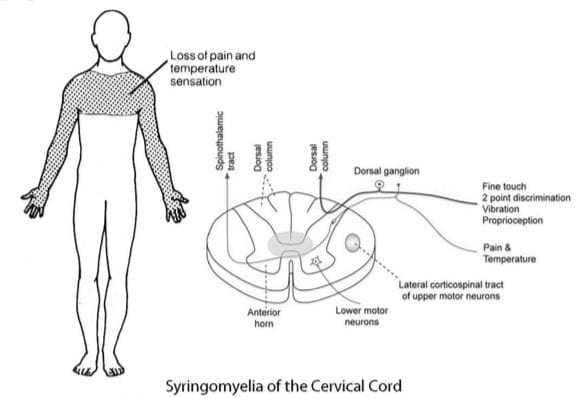
Cape/Shawl Pattern
Intramedullary lesion such as tumor, syringomyelia or hyperextension injury in patient with C/S spondylosis
Loss of pain and temp sensation in C/T dermatomes because of arrangement of lateral spinothalamic tract
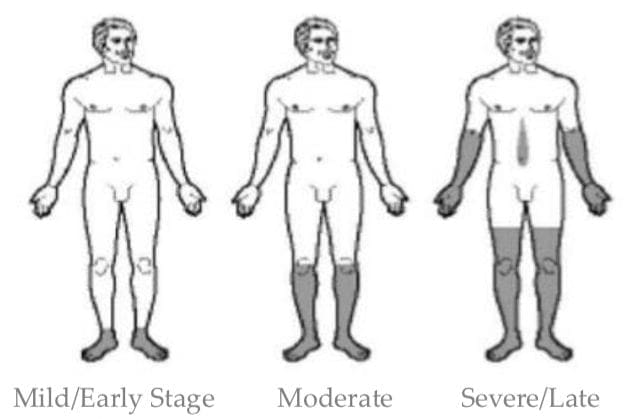
Stocking & Glove Pattern
Symmetrical polyneuropathy
Feet/legs usually affected first, followed by hands/arms
Vibration sensation in the smallest toes is usually the first thing lost and neuropathy progresses across foot to great toe and then upward through the ankle and leg, then hands, arms and finally trunk if sever
Most likely cause of this distribution is diabetes mellitus, but other possible causes include B12 deficiency, alcoholism, HIV, chemotherapy treatment, thyroid dysfunction and multiple other causes
Diabetic Neuropathy
Diabetic neuropathy often presents as a polyneuropathy but can also present as a mononeuropathy, usually with acute onset
Neuropathy Presentation: El Paso, TX. Chiropractor, Dr. Alexander Jimenez�presents an overview of neuropathy. These are the most common neuropathies to be seen in practice.�Neuropathy is a medical term used to characterize damage or injury to the nerves, which refers to the peripheral nerves as opposed to the central nervous system. The complications which follow neuropathy depends largely on the type of nerves that are affected. According to Dr. Alex Jimenez, different neuropathies can cause numbness and tingling sensations, increased pain or the loss of ability to feel pain, muscle weakness along with twitching and cramps, even dizziness and/or loss of control over bladder function.
Neuropathy
Three primary classifications based on location of symptoms:
If sensory disruption is limited to certain modalities, it implies CNS is involved
If all sensation is affected in the area, implies PNS is involved
Determine Pattern Of Symptoms
Mononeuropathy (focal)?
Mononeuropathy multiplex (multifocal)?
Polyneuropathy (generalized)?
Motor Exam
Determine if there is change to muscle strength
Determine if there is a change in muscle tone
Determine which muscles are affected
Determine if there has been a change in reflexes
This information can help determine the level(s) of involvement
Check For Autonomic�Signs
Auscultate heart
Palpate palms
Auscultate abdomen
Assess autonomic history
For example, is patient complaining about sweating more on one side than another? Complaining of stress levels?
Suggest ANS involvement
Exams: Merck Manual Professional Version
How To Test Reflexes
How To Do The Sensory Exam
How To Do The Motor Examination
Classification Of Nerve Injuries Resulting In Neuropathy
Neurapraxia – This is a transient episode of motor paralysis with little or no sensory or autonomic dysfunction; no disruption of the nerve or its sheath occurs; with removal of the compressing force, recovery should be complete
Axonotmesis – This is a more severe nerve injury, in which the axon is disrupted but the Schwann sheath is maintained; motor, sensory, and autonomic paralysis results; recovery can occur if the compressing force is removed in a timely fashion and if the axon regenerates
Neurotmesis – This is the most serious injury, in which both the nerve and its sheath are disrupted; although recovery may occur, it is always incomplete, secondary to loss of nerve continuity
Brachial Plexopathies
Erb�s Palsy
Klumke�s Palsy
Erb�s Palsy
AKA Erb�Duchenne palsy or Waiter’s tip palsy
Most common mechanism of injury in adults is a patient who fall forward while holding onto something behind them
Can also happen to an infant during childbirth ? Results from damage to C5-6 nerve roots in the brachial plexus
Dermatomal distribution of sensory disruption
Weakness or paralysis in deltoid, biceps, and brachialis muscles resulting in �waiter�s tip� position
Klumke�s Palsy
AKA Dejerine�Klumpke palsy
Happens to infants during childbirth if arm is pulled overhead
Can also happen to adults with overhead traction injuries
Results from damage to C8-T1 nerve roots in the brachial plexus
Dermatomal distribution of sensory disruption
Weakness or paralysis in wrist flexors and pronators as well as muscles of the hand
May produce Horner�s syndrome due to T1 involvement
Results in a �claw hand� appearance
Forearm supinated with wrist hyperextended, with finger flexion
Neuropathy is a medical term used to describe a collection of general diseases or malfunctions which affect the nerves. The causes of neuropathy, or nerve damage, can vary greatly among each individual and these may be caused by a number of different diseases, injuries, infections and even vitamin deficiency states. However, neuropathy can most commonly affect the nerves that control the motor and sensory nerves. Because the human body is composed of many different kinds of nerves which perform different functions, nerve damage is classified into several types. Neuropathy can also be classified according to the location of the nerves being affected and according to the disease causing it. For instance, neuropathy caused by diabetes is called diabetic neuropathy. Furthermore, depending on which nerves are affected will depend on the symptoms that will manifest as a result. Below we will discuss several specific types of neuropathies clinically treated by chiropractors, physical therapists and physical medicine doctors alike, as well as briefly describing their causes and their symptoms.
Brachial Plexopathies
Brachial plexopathy is a type of peripheral neuropathy, which affects the nerves that transmit messages from the brain and the spinal cord to the rest of the body. This kind of nerve damage occurs when harm affects the brachial plexus, a region found on each side of the neck where nerve roots from the spinal cord branch out into each arm’s nerves. Damage, injury or a condition that impacts these nerve roots can result in pain, decreased mobility and reduced sensation in the arm and shoulder. In some cases, no cause can be identified.
Erb’s Palsy
Erb’s Palsy, also known as�Erb�Duchenne palsy or Waiter’s tip palsy, is identified as a paralysis of the arm caused by damage or injury to the nerves in the neck which form part of the brachial plexus. The most common mechanism of injury in adults with Erb’s Palsy is a patient who fell forward while holding onto something behind them. Erb�Duchenne palsy can also happen to an infant during childbirth, most commonly, but not exclusively, from shoulder dystocia during a difficult birth. To be more precise, this type of brachial plexopathy results from damage to the C5-C6 nerve roots along the brachial plexus in the neck. Symptoms of Erb’s Palsy include dermatomal distribution of sensory disruption followed by weakness or paralysis in the deltoid, biceps, and brachialis muscles, leading to the �waiter�s tip� position associated with this type of neuropathy. While many infants can recover on their own from this type of brachial plexopathy, some may require rehabilitation.
Klumpke’s Palsy
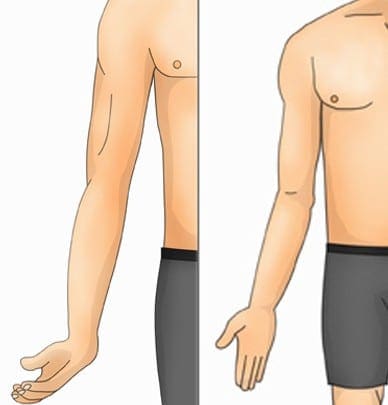
Klumpke’s Palsy, also known as Klumpke’s paralysis or�Dejerine�Klumpke palsy, is a partial palsy in the nerve roots of the brachial plexus located along the cervical spine, or neck. It is named after�Augusta D�jerine-Klumpke, an American-born French medical doctor acknowledged for her work in neuroanatomy. Klumpke’s Palsy is characterized as a form of paralysis involving the muscles of the forearm and hand, which occurs to�infants during childbirth if their arm is pulled overhead.�Dejerine�Klumpke palsy can also occur to adults with overhead traction injuries caused by harm to the C8-T1 nerve roots in the brachial plexus and upper thoracic region of the spine. Symptoms of Klumpke’s paralysis include dermatomal distribution of sensory disruption, weakness or paralysis, in the wrist flexors and pronators as well as in the muscles of the hand. This type of brachial plexopathy may often lead to Horner�s syndrome, a collection of symptoms which manifest when a set of nerves, known as the sympathetic trunk, are damaged or injured due to T1 involvement. This form of neuropathy is identified by resulting�in a �claw hand� appearance, where the forearm is supinated with the wrist hyperextended, together with finger flexion.
Entrapment Neuropathies
Entrapment neuropathy, also known as nerve compression syndrome or compression neuropathy, is best-known as nerve damage or a type of neuropathy caused by direct pressure on a nerve. Common symptoms include pain and discomfort, tingling or burning sensations, numbness and muscle weakness which affects only a particular part of the human body, depending on which nerve is affected. A nerve can become compressed as a result of a constant external force or due to a lesion, such as a tumor. Additionally, some conditions can make the nerves more susceptible to compression, including diabetes, where the nerves are rendered more sensitive to minor degrees of compression due to their already compromised supply of blood. Nerve damage caused by a single episode of harm can be considered an entrapment neuropathy, however, it is generally not classified under this group of compression neuropathy or nerve compression syndrome.
Thoracic Outlet Syndromes
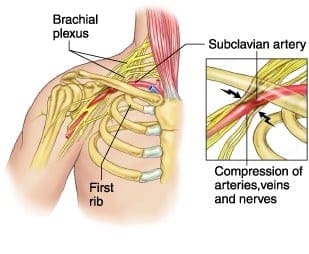
Thoracic outlet syndromes are a group of disorders which develop when the nerves or blood vessels between the collarbone and the thoracic outlet, located in the region of the first rib, are compressed. As a result, this can cause pain and discomfort in the neck and shoulders as well as numbness in the fingers. There are a number of types of thoracic outlet syndromes, including neurogenic, or neurological, thoracic outlet syndrome, specifically caused by the compression of the brachial plexus, vascular thoracic outlet syndrome, which is caused specifically by the compression of the veins, known as venous thoracic outlet syndrome, or arteries, known as arterial thoracic outlet syndrome, and nonspecific-type thoracic outlet syndrome, which is considered to be idiopathic and has been described to worsen with activity. Several healthcare professionals believe that nonspecific-type thoracic outlet syndrome doesn’t exist, while others claim it to be a common disorders. However, the majority of thoracic outlet syndromes are often classified as neurogenic.
Thoracic outlet syndromes are caused by the compression of the cervical rib, an extra “rib” in the seventh cervical vertebra, subclavius muscle tension, improper posture or�excessive thoracic kyphosis, physical trauma, repetitive activity, obesity and pregnancy. Thoracic outlet syndromes can vary depending on which structures are compressed. Thoracic outlet syndromes can be diagnosed using tests, such as the Adsons test, the Allen maneuver, the Costoclavicular maneuver, the Halstead maneuver, the�Reverse bakody maneuver, the Roos test, the Shoulder compression test and the Wright test. Thoracic outlet syndromes can cause permanent neurological damage if not diagnosed and treated early.
Median Nerve Entrapment
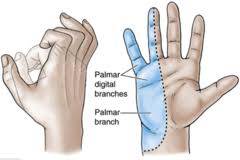
Median nerve entrapment or median nerve entrapment syndrome, is a mononeuropathy, a condition that impacts only a single nerve or nerve group outside the brain and spinal cord, which affects the movement of or sensation in the hand. Median nerve entrapment is caused by the compression of the median nerve found in the elbow or distally in the forearm or wrist. Symptoms include sensory disruption in the lateral portion of the palmar aspect of the hand and dorsal finger tips of the same fingers. In addition, motor fibers may also be affected in the forearm, if applicable, including the muscles of the thenar eminence, such as the abductor pollicis brevis, the opponens pollicis, and the flexor pollicis brevis. Other forms of median nerve entrapment syndromes include: pronator teres syndrome and carpal tunnel syndrome.
Pronator teres syndrome is characterized as the compression of the median nerve at the elbow. It is considered rare compared to carpal tunnel syndrome. Pronator teres syndrome is caused by repetitive movement, pronator teres muscle inflammation and thickened bicipital aponeurosis. Clinical findings for this type of neuropathy include, tenderness with palpation of the pronator teres muscle, pain with resisted pronation of the arm, flexor pollicus longus and flexor digitorum profundus involvement, otherwise, symptoms manifestations for pronator teres syndrome may appear similar to carpal tunnel syndrome but without positive wrist orthopedics.
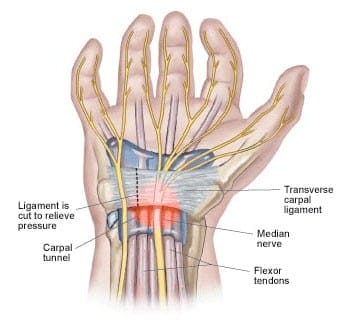
Carpal tunnel syndrome is characterized as the compression of the median nerve at the wrist. Carpal tunnel syndrome is identified by symptoms of pain and discomfort, tingling sensations in the thumb, index finger, middle finger and the thumb side of the ring fingers, and numbness. These can generally start gradually and may extend up the arm. Advanced instances of carpal tunnel syndrome may cause weakened grip strength where the muscles at the base of the thumb may waste away if left untreated for an extended period of time. In many cases, carpal tunnel syndrome may affect both hands or arms. Carpal tunnel syndrome is caused by repetitive movements, hypothyroidism, obesity, rheumatoid arthritis, diabetes and pregnancy. Orthopedic tests utilized to diagnose carpal tunnel syndrome include the use of the Tinel�s Sign, positive if tapping over the median nerve reproduces/exacerbates symptoms, the�Phalen�s Maneuver/Prayer Sign, performed by bringing the hands together, with wrists flexed, and is repeated in reverse with the wrists extended, for at least 60 seconds, and is considered positive if tests reproduce/exacerbate symptoms, and the�Wringing Test, if wringing a towel produces paresthesia.
Ulnar Nerve Entrapment
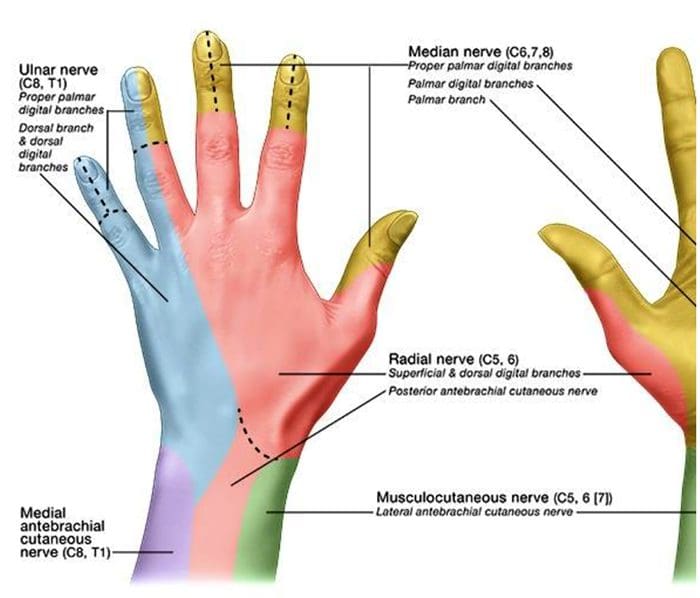
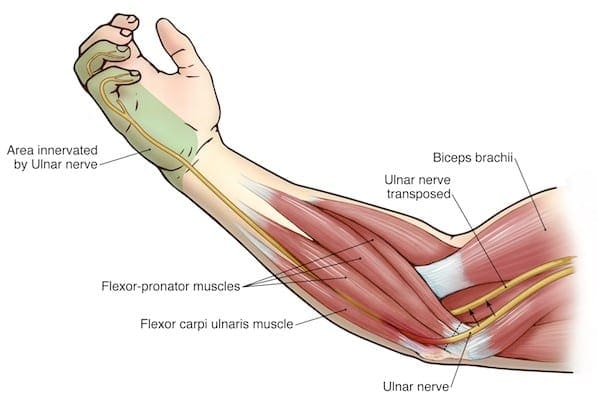
Ulnar nerve entrapment is a condition where the ulnar nerve itself becomes physically trapped or pinched, resulting in symptoms of pain, numbness and weakness which extends throughout the little finger, the ulnar half of the ring finger and throughout the intrinsic muscles of the hand. Symptoms or ulnar nerve entrapment ultimately involve sensory disruption in the medial two digits of the palmar and dorsal aspects of the hand. Symptoms of ulnar nerve entrapment may vary depending on the specific location of the ulnar nerve compression or impingement. These may also be classified as motor, sensory or both, depending on the location of the injury. If motor fibers are affected in the hand, all fingers, besides the thumb, may become weakened, described as general hand weakness. The most common location of ulnar nerve entrapment is within the cubital tunnel. Other forms of ulnar nerve entrapment include: cubital tunnel syndrome and tunnel of Guyon syndrome.
Cubital tunnel syndrome is identified by the compression or impingement of the ulnar nerve in the cubital tunnel at the elbow. It is considered to be the second most common entrapment neuropathy which affects the upper extremities, following carpal tunnel syndrome. Symptoms of cubital tunnel syndrome are characterized by pain and discomfort along the region of the ulnar nerve entrapment, along with sensory impairment, paresis and paresthesia.�Causes of cubital tunnel syndrome include, repetitive movements, hypothyroidism, obesity, diabetes, physical trauma or injury to the cubital tunnel, and prolonged sitting with pressure on bent elbow.
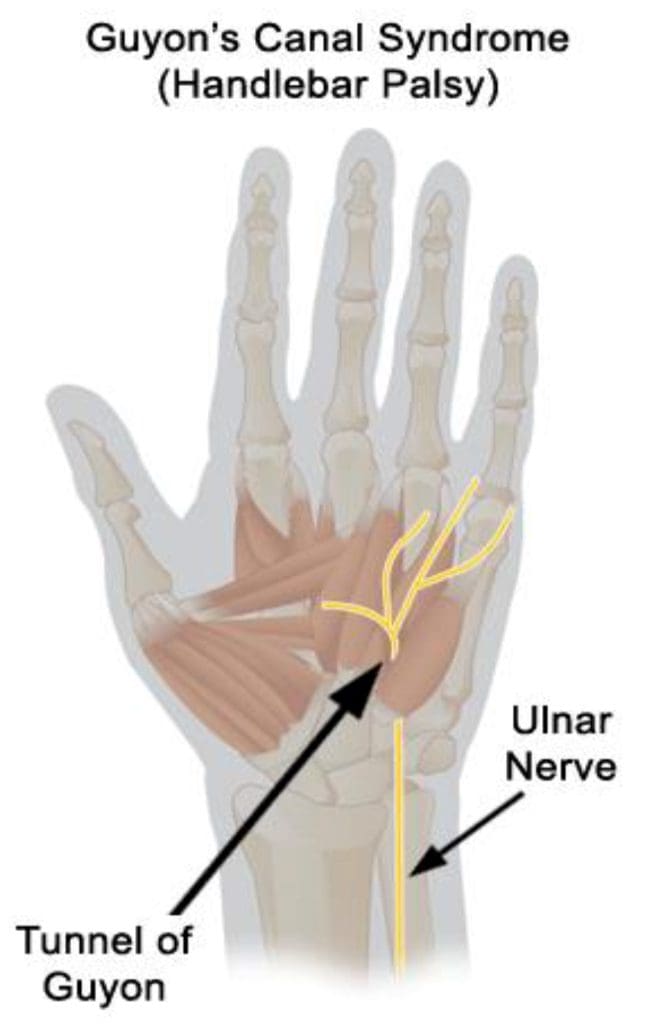
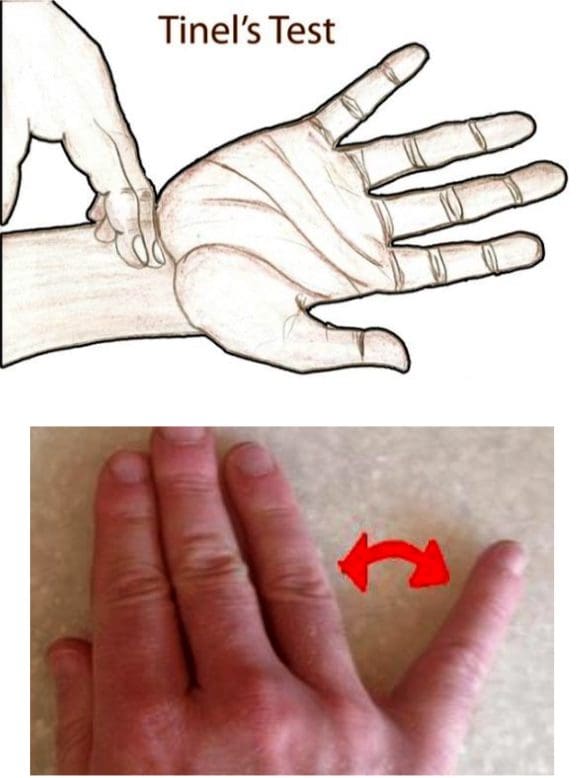
Tunnel of Guyon syndrome, or Guyon’s canal syndrome, is identified by the compression or impingement of the ulnar nerve at the wrist, particularly along an anatomical space in the wrist known as Guyon’s canal. Guyon’s canal syndrome may also be referred to as ulnar tunnel syndrome. Symptoms of tunnel of Guyon syndrome are similar to those of cubital tunnel syndrome with slight variations depending on the region of ulnar nerve entrapment.�Causes of tunnel of Guyon syndrome include, repetitive movements, long term crutch use, fracture of the hamate, a carpal bone, due to a ganglion cyst, hypothyroidism, obesity, rheumatoid arthritis and diabetes.�Orthopedic tests utilized to diagnose Guyon’s canal syndrome include the use of the�Tinel�s Sign, positive if test over the ulnar nerve at the wrist elicits symptoms, the Wartenberg Sign, positive if the 5th digit abducts when patient performs hard grip strength test or attempts to squeeze fingers together and reduced two-point discrimination in the hand.
Radial Nerve Entrapment
Radial nerve entrapment, also known as radial tunnel syndrome, is a condition caused by the compression of the radial nerve, which travels from the brachial plexus, to the hand and wrist. Healthcare professionals believe that radial tunnel syndrome occurs because the radial nerve becomes irritated or inflamed due to the friction caused by the impingement of the muscles in the forearm. Radial nerve entrapment manifests symptoms of sensory disruption in the lateral three and a half digits of the dorsal aspect of the hand. Motor�fibers may also be affected along the�posterior arm and extensor compartment of the forearm, and wrist drop may be seen. Other forms of radial tunnel syndrome include: spiral groove entrapment, where all radial nerve innervated muscles below entrapment are affected,�Saturday night palsy caused due to sleeping on your own arm and the brachioradialis & triceps reflexes are both diminished, supinator syndrome, caused by the compression at the arcade of Frohse with no change in reflexes. Posterior interosseous syndrome, or radial tunnel syndrome, also elicits no change in reflexes.
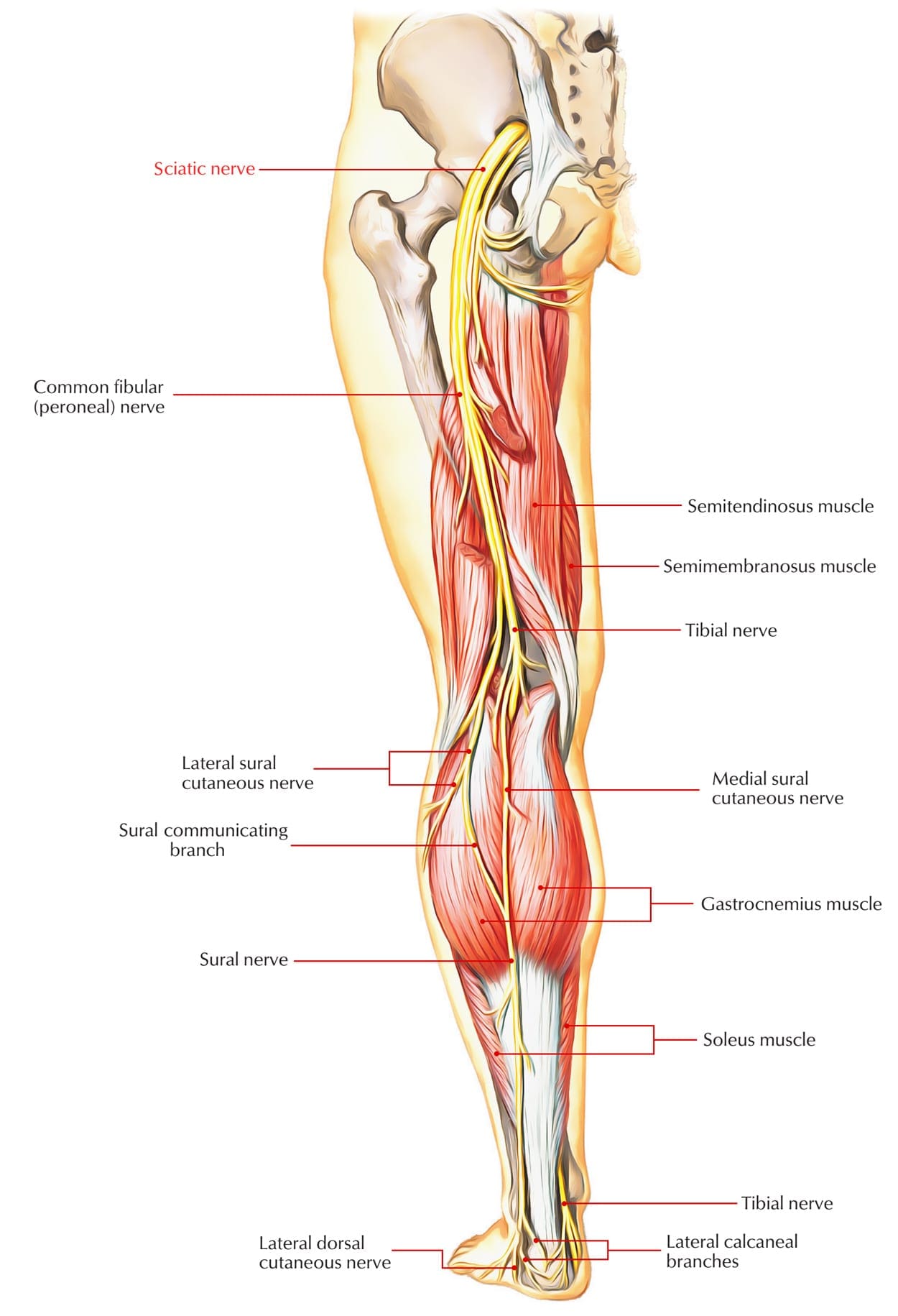
Sciatic Nerve Entrapment
Sciatic nerve entrapment is a condition caused by the compression of the sciatic nerve, the longest and largest nerve in the human body, which travels from the low back, down through the buttocks, thighs, legs and into the foot. The collection of symptoms which manifest as a result of sciatic nerve entrapment, including pain and discomfort, tingling and burning sensations, and numbness as well as weakness in the lower extremitites, is commonly known as sciatica. Sciatic nerve entrapment, or sciatica, can be caused by a variety of injuries and/or aggravated conditions which can lead to the compression of the sciatic nerve, including, but not limited to, disc herniation and spinal stenosis. However, symptoms of sciatic nerve entrapment may vary depending on the location of the compression of the sciatic nerve. Other conditions caused by the compression of the sciatic nerve include: piriformis syndrome, peroneal nerve entrapment and tarsal tunnel syndrome.
Piriformis syndrome is a condition which occurs due to the compression of the sciatic nerve as a result of the irritation or inflammation of the piriformis muscle. Symptoms of piriformis syndrome may include pain and discomfort, followed by numbness in the buttocks and down the leg. Symptoms may worsen with regular activities, such as sitting and running. Piriformis syndrome is caused by anatomic variation or due to piriformis overuse/tension. Piriformis syndrome diagnosis exams include, a positive Lase?gue test, where the healthcare professional�extends the patient�s leg passively, while the patient is lying supine,�test is positive if the maneuver is limited by pain, and through the use of tenderness and palpable tension in piriformis muscle which elicits symptoms.
Peroneal nerve entrapment is a condition which occurs when the peroneal or the fibular branch of the sciatic nerve are compressed at the fibular head. Tinel�s sign may be present at the fibular region of the head and/or neck. Peroneal nerve entrapment generally affects the common peroneal nerve, therefore, motor and sensory symptoms may manifest, including, weakness of the ankle dorsiflexion and eversion, or the tibialis anterior. Other symptoms of peroneal nerve entrapment may include sensory disruption on the dorsum of the foot and lateral aspect of the calf. Common peroneal nerve entrapement at the fibular head is the most common nerve entrapment syndrome in the lower extremities.
Tarsal tunnel syndrome, also known as posterior tibial neuralgia, is a condition caused by the compression of the tibial nerve as it travels through the tarsal tunnel, found along the region of the inner leg, posterior to the medial malleolus, or the bump on the inside of the ankle. Tarsal tunnel syndrome can manifest symptoms of pain and discomfort, burning or tingling sensations, and numbness along the big toe and the first three toes. However, symptoms may vary slightly depending on the area of compression, where the entire foot may manifest the symptoms previously described. Other symptoms associated with posterior tibial neuralgia include sensory changes in the sole of the foot. Tinel�s sign may be present with percussion posterior to the medial malleolus. The exact cause of tarsal tunnel syndrome may be difficult to determine and it is essential to receive a proper diagnosis to determine the source of the symptoms.
Radiculopathy
Radiculopathy is a mononeuropathy,�a condition that impacts only a single nerve or nerve group outside the brain and spinal cord, which affects the movement of or sensation in one specific area. It is often associated with neuropathy involving spinal nerve roots and presents as changes in sensory and/or motor function affecting a single or a few nerve root level(s). The most common types of radiculopathies include: sciatica and cervical radiculopathy. The most prevalent causes of radiculopathy include, disc herniation, osteophytes, spinal stenosis, trauma, diabetes, epidural abscess or metastasis, nerve sheath tumors, such as schwannomas and neurofibromas, Guillain-Barre? syndrome, Herpes Zoster, or shingles, Lyme disease, cytomegalovirus, myxedema and/or thyroid disorder, and idiopathic neuritis.
Narrowing down some of the most common causes of radiculopathy, symptoms can manifest due to disc herniation which most commonly affects the nerve roots along the C6, C7, L5 & S1 vertebrae of the spine, spinal stenosis and lumbar stenosis which may produce neurogenic claudication, and pain and weakness with ambulation. Cervical stenosis may present with mixed radiculopathy and myelopathy due to long tract involvement. Symptoms may also manifest due to trauma, because it may lead to compression, trauma or avulsion of the nerve roots, diabetes, which is most�likely to cause a polyneuropathy, but mononeuropathy is possible, and Herpes Zoster, or shingles, most often on the trunk, accompanied by vesicular lesions in a single dermatome. If pain persists past vesicular regression, radiculopathy may instead be considered post-herpetic neuralgia.
Patients with a history of radiculopathy will often complain of burning pain or tingling sensations which radiates or shoots down an affected area in a “dermatomal” pattern. Occasionally, patients will complain of motor weakness, however if onset is recent, there is often no motor involvement. The diagnosis of radiculopathy can depend on a variety of exams.�Most often, hypoesthesia may be present in the affected dermatome level. It’s recommended to�evaluate for pain, as light touch can be difficult for these patient�s to distinguish. Fasciculations and/or atrophy may be seen if radiculopathy is chronic, due to the lower motor neuron being compressed or impinged. Motor weakness may be seen in muscles innervated by the same root level. Orthopedic tests for the diagnosis of radiculopathy may include: the straight-leg raise test (SLR), where pain between 10 to 60 degrees likely indicates nerve root compression, the�Well-leg raise/Crossed straight-leg raise test (WLR), where if positive, 90 percent specificity for L/S nerve root compression may be present, the Valsalva Maneuver, where its considered positive if there is an increase in radicular symptoms, and spinal percussion, where pain may indicate metastatic disease, abscess or osteomyelitis.
Specific radiculopathy patterns may also develop as a result of different regions being affected. Radiculopathy along the T1 can cause Horner�s syndrome, a combination of symptoms caused by the disruption of a nerve pathway from the brain to the face and eye on one side of the body. This is due to its effect on cervical sympathetic ganglia, includind ptosis, miosis, anhidrosis. Radiculopathy below the L1, can cause Cauda Equina syndrome, a condition caused by damage or injury to the bundle of nerves found below the end of the spinal cord, known as the cauda equina. This type of radiculopathy may manifest symptoms of saddle anesthesia, sensory loss in the S2-S5 distribution, urinary retention or overflow incontinence, constipation, decreased rectal tone or fecal incontinence, and loss of erectile function. Individuals with these signs and symptoms must be referred for emergency care immediately to prevent permanent dysfunction.
Other patterns of neuropathy can include the cape/shawl distribution of symptoms, identified by an intramedullary lesion, such as syringomyeli, intramedullary tumor and central cord damage. Stocking and glove distribution of symptoms may manifest as a result of diabetes mellitus,�B12 deficiency, alcoholism and/or hepatitis,�HIV, and thyroid dysfunction and/or myxedema.
The cape/shawl pattern of neuropathy is characterized by symptoms occurring due to an intramedullary lesion, such as a tumor, syringomyelia or a hyperextension injury in patient with C/S spondylosis. It can also be characterized by loss of pain and temperature sensation in C/T dermatomes because of the arrangement of the lateral spinothalamic tract. The stocking and glove pattern may progress gradually depending on its specific stage. It can also be characterized as a symmetrical polyneuropathy, where the feet and legs are generally affected first, followed by the hands and arms. A vibration-like sensation in the smallest toes are also typically the first to go and the neuropathy symptoms may progress across the foot to the big toe and then upward through the ankle and leg, then hands, arms and finally to the trunk if the condition becomes severe. The most likely cause of this pattern may be attributed to diabetes mellitus, but other possible causes include, B12 deficiency, alcoholism, HIV, chemotherapy treatment, thyroid dysfunction and multiple other causes.
Diabetic Neuropathy
Diabetic neuropathy is medically defined as a collection of nerve damaging disorders associated with diabetes. These conditions are believed to occur as a result of a diabetic microvascular injury involving the small blood vessels, known as the vasa nervorum, which supply the nerves. Additionally, macrovascular conditions have also been considered to accumulate and cause diabetic neuropathy.�Diabetic neuropathy often presents as a polyneuropathy, or the simultaneous damage or disease of many peripheral nerves throughout the body, but it can also present as a mononeuropathy, usually with acute onset. Diabetic neuropathy most commonly affects the CN III, femoral and sciatic nerves. Diabetic neuropathy can affect all peripheral nerves, including the sensory neurons, motor neurons and, although rarely, the autonomic nervous system. As a result, diabetic neuropathy can affect all organs and systems, as these are all innervated. Diabetic neuropathy can manifest into a wide array of symptoms, including, but not limited to, pain, burning or tingling sensations, numbness, dizziness and trouble with balance.
Demyelinating Neuropathies
Demyelinating neuropathies can be individually defined by its two types: Acute inflammatory demyelinating polyneuropathy, best known as�Guillain-Barre? syndrome, or Chronic inflammatory demyelinating polyneuropathy.�Guillain-Barre? syndrome, abbreviated as AIDP, is identified as a rapid-onset muscle weakness caused when the immune system damages, harms or destroys the peripheral nervous system. Onset has been reported by around one to two weeks following viral infection with progressive weakness, loss of DTRs/areflexia, paresthesia in the hands and feet, more motor involvement than sensory, potential autonomic fiber involvement, elevated CSF protein, and EMG/NCV studies indicating demyelination.�Guillain-Barre? syndrome may require treatment with plasmapheresis or IV Ig therapy.�Chronic inflammatory demyelinating polyneuropathy, abbreviated as CIDP,�is identified as an acquired immune-mediated inflammatory disorder of the peripheral nervous system which appears similar to AIDP but does not follow infection. Symptoms must be present for at least 8 weeks for this diagnosis to be considered positive.�Anti-inflammatory treatments may help treat CIDP.
The scope of our information is limited to chiropractic as well as to spinal injuries and conditions. To discuss the subject matter, please feel free to ask Dr. Jimenez or contact us at 915-850-0900 .
Curated by Dr. Alex Jimenez
Additional Topics: Sciatica
Sciatica is medically referred to as a collection of symptoms, rather than a single injury and/or condition. Symptoms of sciatic nerve pain, or sciatica, can vary in frequency and intensity, however, it is most commonly described as a sudden, sharp (knife-like) or electrical pain that radiates from the low back down the buttocks, hips, thighs and legs into the foot. Other symptoms of sciatica may include, tingling or burning sensations, numbness and weakness along the length of the sciatic nerve. Sciatica most frequently affects individuals between the ages of 30 and 50 years. It may often develop as a result of the degeneration of the spine due to age, however, the compression and irritation of the sciatic nerve caused by a bulging or herniated disc, among other spinal health issues, may also cause sciatic nerve pain.
The vast array of symptoms caused by neuropathy, also known as peripheral neuropathy, reflect the fact that it may be caused by an equally broad range of ailments involving disease and damage to peripheral nerves.
Signs and Symptoms of Neuropathy
Depending on the reason and unique to each patient, signs and symptoms of neuropathy can include:�pain; tingling, burning or prickling sensations; increased sensitivity to touch; muscle weakness or wasting;�temporary or permanent numbness; paralysis; dysfunction in glands or organs; or impairment in urination and sexual functioning.
Such signs and symptoms are dependent on whether autonomic, sensory, or motor nerves, as well as a combination of them, are ultimately affected. Autonomic nerve damage can influence physiological functions like blood pressure or create gastrointestinal problems and issues. Damage or dysfunction in the sensory nerves may impact sensations and sense of equilibrium or balance, while harm to motor nerves may affect movement and reflexes. When both sensory and motor nerves are involved, the condition is known as sensorimotor polyneuropathy.
Diabetic Neuropathy Symptoms
Diabetic peripheral neuropathy, which affects between 12 and 50 percent of individuals with diabetes, is one of the most common types of neuropathy. Many times, symptoms include a gradual change in sensation, as well as pain and weakness in the feet and, although less commonly, the hands. As the neuropathy develops further, it can lead to a loss of sensation in the affected regions.
This lack of feeling raises the odds of harm to the affected areas, explains Matthew Villani, doctor of podiatric medicine at Central Florida Regional Hospital at Lake Mary. Without the pain to signal when there’s an issue, individuals with diabetic neuropathy may allow modest abrasions or blisters on their feet, for instance, to fester as sores or ulcers. “The ulcers can become infected since they are open wounds, which can also progress to bone infection. Unfortunately, it frequently requires amputations if it does progress to that point”, states Dr. Matthew Villani.
Chemotherapy-Associated Neuropathy Symptoms
Cancer patients may suffer with neuropathy induced by chemotherapy as well as by other drugs and/or medications used to treat the disease. Symptoms can include intense pain, impaired movement, changes in heart rate and blood pressure, issues with balance, difficulty breathing, paralysis, and even organ failure. After chemotherapy is done, the symptoms frequently abate swiftly, but occasionally they last more, or these may not go away at all.
HIV- and AIDS-Associated Neuropathy Symptoms
Individuals being treated for HIV or AIDS can develop neuropathy from effects of the virus and the drugs and/or medications used to treat it as well. Common symptoms include stiffness, burning, prickling, tingling, and loss of feeling in the toes and soles of their feet. Sometimes the nerves in the fingers, hands, and wrists are also affected. The drugs Videx (didanosine), Hivid (zalcitabine), and Zerit (stavudine) have been most commonly associated with neuropathic symptoms.
Inflammation-Associated Neuropathy Symptoms
Inflammation caused by infections, like herpes zoster (also known as shingles), Lyme disease, or hepatitis B and hepatitis C, may lead to neuropathy, as may inflammation caused by autoimmune disorders, such as vasculitis, sarcoidosis, or autoimmune disease. In such situations, the signs and symptoms generally include burning and tingling sensations or numbness.
Other Causes of Neuropathy Symptoms
Additional causes of neuropathy and associated signs and symptoms include metabolic disorders, such as hypoglycemia or kidney failure; autoimmune disorders, such as rheumatoid arthritis, lupus, Sjogren’s syndrome, and Guillain-Barr� syndrome; toxicity; hereditary disorders, such as Charcot-Marie-Tooth disorder; hormonal disorders; alcoholism; vitamin deficiencies; physical trauma or injury; compression; and repetitive stress. In addition, many individuals may experience idiopathic neuropathy signs and symptoms, meaning that healthcare professionals may not know the reason for their neuropathy.
Dr. Alex Jimenez’s Insight
Neuropathy can be caused by a variety of injuries and/or aggravated conditions, often manifesting into a plethora of associated signs and symptoms. While every type of neuropathy, such as diabetic neuropathy or autoimmune disease-associated neuropathy, develops its own unique group of signs and symptoms, many patients will often report common complaints. Individuals with neuropathy generally describe their pain as stabbing, burning or tingling in character. If you experience unusual or abnormal tingling or burning sensations, weakness and/or pain in your hands and feet, it’s essential to seek immediate medical attention in order to receive a proper diagnosis of the cause of your specific signs and symptoms. Early diagnosis may help prevent further nerve injury.
What are the Common Signs and Symptoms of Neuropathy?
“Although there’s a wide array of signs and symptoms associated with neuropathy, the type of pain that people encounter may be common in many aspects of the disorder”, notes Vernon Williams, MD, a sports neurologist and director of the Center for Sports Neurology and Pain Medicine at Cedars-Sini Kerlan-Jobe Institute in Los Angeles. “The character and quality of neuropathic pain will often be pain that is burning or electric in character.” Furthermore, he describes that the pain will frequently be associated with different symptoms, like paresthesia, or a lack of normal sensation associated with pain; allodynia, or a painful reaction to a stimulus that wouldn’t normally trigger pain signals; and hyperalgesia, or a striking or severe pain in response to a stimulus that normally causes moderate pain.
How is Neuropathy Diagnosed?
If you think you’re having any of the above neuropathy signs and symptoms, consult a healthcare professional. A number of tests can be done to diagnose neuropathy. “There are certain patterns of complaints that indicate neuropathy,” stated Dr. Williams, “so taking down a patient’s history which includes a description of these complaints is an important first step.”
“After that, your healthcare professional can perform a physical evaluation, including checking motor and sensory function, assessing deep tendon reflexes, as well as looking for signs and symptoms like allodynia and hyperalgesia,” Williams says. “Then we can even perform electrodiagnostic testing; the most common being electromyography and nerve conduction testing, where we can stimulate nerves and document responses, calculate the rate at which signals are being transmitted and see whether there are some areas where nerves are not transmitting signals normally,” Williams continues.
With needle tests, Williams states, “We can put modest needles into human muscles, and, according to what we see and listen together with all the needle in the muscle, we get details about the way the nerves supplying those muscle tissues are functioning. There are a number of unique tests that could be handy to identifying neuropathy, in addition to localizing where the abnormality is the most likely to be coming from”, concluded Dr.�Vernon Williams.
Often, blood tests may test for elevated blood glucose to see whether your neuropathy signs and symptoms could possibly be associated to type 2 diabetes, nutritional deficiencies, toxic elements, hereditary disorders, and evidence of an abnormal immune response. Your healthcare professional may also do a nerve biopsy, which normally involves removing a small segment of a sensory nerve to search for abnormalities, or even a skin biopsy to see if there’s a reduction in nerve endings.
To give yourself the best chance of an accurate diagnosis as well as relief from your neuropathy signs and symptoms, be prepared to describe everything you are experiencing in detail, even when you experience them, how long an episode persists, and the amount of pain, discomfort or loss of sensation or movement you experience. The more specific you are on the signs and symptoms you’re experiencing, the easier it’ll be for your doctor to understand what’s happening. The scope of our information is limited to chiropractic as well as to spinal injuries and conditions. To discuss the subject matter, please feel free to ask Dr. Jimenez or contact us at 915-850-0900 .
Curated by Dr. Alex Jimenez
Additional Topics: Sciatica
Sciatica is medically referred to as a collection of symptoms, rather than a single injury and/or condition. Symptoms of sciatic nerve pain, or sciatica, can vary in frequency and intensity, however, it is most commonly described as a sudden, sharp (knife-like) or electrical pain that radiates from the low back down the buttocks, hips, thighs and legs into the foot. Other symptoms of sciatica may include, tingling or burning sensations, numbness and weakness along the length of the sciatic nerve. Sciatica most frequently affects individuals between the ages of 30 and 50 years. It may often develop as a result of the degeneration of the spine due to age, however, the compression and irritation of the sciatic nerve caused by a bulging or herniated disc, among other spinal health issues, may also cause sciatic nerve pain.
Neuropathy affects about 8 percent of individuals over the age of 55. Your nervous system is composed of 2 parts: the central nervous system and the peripheral nervous system. The nerves of your peripheral nervous system transmit messages between your central nervous system, that is your brain and spinal cord, along with the rest of the body.
These nerves regulate a massive range of functions throughout the body, such as voluntary muscle movement, involving the motor nerves, involuntary organ action, through the autonomic nerves, and also the perception of stimuli, involving the sensory nerves. Peripheral neuropathy, which is often simply referred to as “neuropathy,” is a state that happens when your nerves become damaged or injured, often times simply disrupted. It’s estimated that neuropathy affects roughly 2.4 percent of the general populace and approximately 8 percent of people older than age 55. However, this quote doesn’t include people affected by neuropathy caused by physical trauma to the nerves.
Types of Neuropathy
Neuropathy can affect any of the three types of peripheral nerves:
Sensory nerves, which transmit messages from the sensory organs, such as the eyes, nose, etc., to your brain;
Motor nerves, which track the conscious movement of your muscles; and
Autonomic nerves, which regulate the involuntary functions of your own body.
Sometimes, neuropathy will only impact one nerve. This is medically referred to as mononeuropathy and instances of it include:
Ulnar neuropathy, which affects the elbow;
Radial neuropathy, which affects the arms;
Peroneal neuropathy, which affects the knees;
Femoral neuropathy, which affects the thighs; and
Cervical neuropathy, which affects the neck.
Sometimes, two or more isolated nerves in separate regions of the body can become damaged, injured or disrupted, resulting in mononeuritis multiplex neuropathy. Most often, however, multiple peripheral nerves malfunction at the same time, a condition called polyneuropathy. According to the National Institute for Neurological Disorders and Stroke, or the NINDS, there are over 100 kinds of peripheral neuropathies.
Dr. Alex Jimenez’s Insight
Neuropathy is medically defined as a disease or dysfunction of one or more peripheral nerves, accompanied by common symptoms of pain, weakness and numbness. The peripheral nerves are in charge of transmitting messages from the central nervous system, the brain and the spinal cord, to the rest of the body. Neuropathy can affect a wide array of nerves. It is also associated with numerous underlying medical conditions and it has been reported to affect approximately 20 million individuals in the United States alone. While physical trauma, infection or exposure to toxins can cause neuropathy, diabetes has been considered to be the most common cause for neuropathy.
Causes of Neuropathy
Neuropathies are often inherited from birth or they develop later in life. The most frequent inherited neuropathy is the neurological disease Charcot-Marie-Tooth disease, which affects 1 in 2,500 people in the USA. Although�healthcare professionals are sometimes not able to pinpoint the exact reason for an acquired neuropathy, medically referred to as idiopathic neuropathy, there are many known causes for them, including: systemic diseases, physical trauma, infectious diseases and autoimmune disorders.
A systemic disease is one which affects the whole body. The most frequent systemic cause behind peripheral neuropathy is diabetes, which can lead to chronically high blood glucose levels that harm nerves.
A number of other systemic issues can cause neuropathy, including:
Kidney disorders, which permit high levels of nerve-damaging toxic chemicals to flow in the blood;
Toxins from exposure to heavy metals, including arsenic, lead, mercury, and thallium;
Certain drugs and/or medications, including anti-cancer medications, anticonvulsants, antivirals, and antibiotics;
Chemical imbalances because of liver ailments;
Hormonal diseases, including hyperthyroidism, which disturbs metabolic processes, potentially inducing cells and body parts to exert pressure on the nerves;
Deficiencies in vitamins, such as E, B1 (thiamine), B6 (pyridoxine), B12, and niacin, that can be vital for healthy nerves;
Alcohol abuse, which induces vitamin deficiencies and might also directly harm nerves;
Cancers and tumors that exert damaging pressure on nerve fibers and pathways;
Chronic inflammation, which can damage protective tissues around nerves, which makes them more vulnerable to compression or vulnerable to getting inflamed and swollen; and
Blood diseases and blood vessel damage, which may damage or injure nerve tissue by decreasing the available oxygen supply.
Additionally, if a nerve suffers from isolated bodily injury, it can become damaged, resulting in neuropathy. Nerves may suffer a direct blow that severs, crushes, compresses, or stretching them, even to the point of detaching them from the spinal cord. Common causes for these injuries are automobile accidents, falls, and sports injuries.
Nerve damage can also arise from powerful pressure on a nerve, like from broken bones and poorly fitted casts. Prolonged pressure on a nerve can also cause neuropathy, as in carpal tunnel syndrome, which occurs when the median nerve at the wrist becomes pinched. Also, persistent physical stress could inflame muscles, tendons, and ligaments, placing substantial pressure on the nerves.
Numerous infections from bacteria and viruses can lead to neuropathy by attacking nerve tissues directly or indirectly, for instance:
HIV
Shingles
Epstein-Barr virus
Lyme disease
Diphtheria
Leprosy
In addition, various autoimmune disorders, in which the body’s immune system attacks and destroys body tissue that is healthy, may result in nerve damage, including:
Peripheral neuropathy may result in several complications, as a result of disease or its symptoms. Numbness from the ailment can allow you to be less vulnerable to temperatures and pain, making you more likely to suffer from burns and serious wounds. The lack of sensations in the feet, for instance, can make you more prone to developing infections from minor traumatic accidents, particularly for diabetics, who heal more slowly than other people, including foot ulcers and gangrene.
Furthermore, muscle atrophy may cause you to develop particular physical disfigurements, such as pes cavus, a condition marked by an abnormally high foot arch, and claw-like deformities in the feet and palms. The scope of our information is limited to chiropractic as well as to spinal injuries and conditions. To discuss the subject matter, please feel free to ask Dr. Jimenez or contact us at 915-850-0900 .
Curated by Dr. Alex Jimenez
Additional Topics: Sciatica
Sciatica is medically referred to as a collection of symptoms, rather than a single injury and/or condition. Symptoms of sciatic nerve pain, or sciatica, can vary in frequency and intensity, however, it is most commonly described as a sudden, sharp (knife-like) or electrical pain that radiates from the low back down the buttocks, hips, thighs and legs into the foot. Other symptoms of sciatica may include, tingling or burning sensations, numbness and weakness along the length of the sciatic nerve. Sciatica most frequently affects individuals between the ages of 30 and 50 years. It may often develop as a result of the degeneration of the spine due to age, however, the compression and irritation of the sciatic nerve caused by a bulging or herniated disc, among other spinal health issues, may also cause sciatic nerve pain.
A research study published in the Journal of the American Medical Association in September 2015 demonstrated that nearly 50 percent of adults in the United States may have pre-diabetes or diabetes.
Approximately 9 out of 10 people may have undiagnosed pre-diabetes while 1 out of every 4 people may have undiagnosed diabetes. Statistics from the Center for Disease Control also revealed that about 30 percent of all individuals with pre-diabetes will develop type 2 diabetes within 5 years.
While these statistics have become dangerously alarming in the United States, the increasing issue of pre-diabetes and diabetes cases in adults has been growing throughout the world. Over the last decade, for instance, Great Britain has seen a drastic rise in both pre-diabetes and diabetes cases as well. According to a BBC News report, approximately more than one-third of British adults have been diagnosed with pre-diabetes, as compared to a 2003 report, where only 11.6 percent of British adults had been diagnosed with pre-diabetes. By 2011, the amount of individuals diagnosed with the conditions had almost tripled to about 35.3 percent.
Pre-diabetes is medically characterized as having a fasting blood sugar of 100-125 mg/dl or a hemoglobin A1C of 5.7-6.4 percent. Researchers medically defined diabetes as having a fasting blood sugar greater than 126 mg/dl or a hemoglobin A1C > 6.5 percent, a measure of long term glucose control.
Health Complications Related to Diabetes
A majority of the complications associated with pre-diabetes and diabetes can develop gradually over time. Individual�s who�ve had the condition for an extended period of time, and who also maintain less control of their blood sugar levels, may have a higher risk of suffering other complications commonly associated with type 2 diabetes. If these issues are not treated accordingly, they could eventually lead to disabling or even life-threatening complications.
Common complications associated with pre-diabetes and diabetes include:
Skin and tissue infections: Damage to blood vessels and nerves can affect the proper circulation and blood flow to the skin. This can result in the death of skin cells which may lead to a variety of changes in the skin as well as in other important structures of the body.
Foot damage: The Improper blood flow and circulation as well as damage to the nerves in the feet can increase the risk of experiencing a variety of foot issues. If left untreated, these foot complications, such as cuts and blisters, can develop into serious infections which can often heal poorly. Severe infections may ultimately require toe, foot or leg amputations.
Eye damage or retinopathy: Diabetes can damage the blood vessels of the retina which can potentially lead to blindness. This complication of the condition also increases the risk of other serious vision conditions, such as the development of cataracts and glaucoma.
Kidney damage or nephropathy: The kidneys are made up of millions of tiny blood vessel clusters, known as glomeruli, which function by filtering waste from the blood. Type 2 diabetes can damage these blood vessel clusters, affecting their normal function to properly filter the blood. Severe damage to the glomeruli can lead to kidney disease or kidney failure which may require dialysis or a kidney transplant.
Peripheral neuropathy or nerve damage: Increased blood sugar levels can injure the walls of the capillaries, tiny blood vessels which nourish the nerves, particularly those found in the legs. Peripheral neuropathy can cause pain, tingling and burning sensations and numbness along the upper and lower extremities. If this type of nerve damage is left untreated, the symptoms mentioned above may worsen, resulting in loss of strength and balance as well as the complete loss of feeling in the affected limbs. A majority of people with advanced stages of peripheral neuropathy experience chronic symptoms of pain and they may be unable to walk without the help of a cane or walker. Some people may need to use a wheelchair. Nerve damage can also affect the nerves of the digestive system, causing nausea, vomiting, diarrhea or constipation. For men, peripheral neuropathy may lead to erectile dysfunction.
Cardiovascular disease: Pre-diabetes and diabetes also dramatically increases the risk of developing a variety of cardiovascular problems, including coronary artery disease with chest pain or angina, heart attack, stroke and narrowing of arteries, or atherosclerosis. Individuals with diabetes are more likely to experience heart disease or stroke.
Hearing impairment: Individuals with diabetes have double the risk of experiencing hearing loss and other auditory complications than adults without the condition.
Alzheimer�s disease: According to various research studies, type 2 diabetes has been linked to the development of Vascular Dementia and Alzheimer�s disease.
Risk Factors Leading to Diabetes
Pre-diabetes and type 2 diabetes can develop due to a variety of risk factors. Knowing these factors can help individuals be more aware of their chances of developing the condition in order to help them take the necessary precautions to prevent diabetes from developing.
Several risk factors contributing to pre-diabetes and diabetes include:
Weight: Excess weight and obesity can cause the development of insulin resistance, one of the most common reasons behind pre-diabetes and diabetes in adults.
Inactivity: Sedentary individuals who engage in less exercise and physical activity can be at greater risk of developing the condition. Physical activity and exercise helps control weight, utilizes glucose as energy and improves insulin sensitivity.
Family history: A person�s risk of developing pre-diabetes or diabetes can increase if a parent or sibling has the condition. Although Type 2 Diabetes is not hereditary, it can develop due to lifestyle habits. Your family history can help predict the probability of developing diabetes.
Race: Research published in JAMA revealed that African-Americans, Hispanics, American Indians and Asian-Americans are at higher risk for developing Type 2 Diabetes.
Age: The risk of developing pre-diabetes and diabetes does increase with age. This is generally believed to be due to inactivity associated with aging, loss of muscle mass and weight gain. However, pre-diabetes and diabetes has also dramatically increased among children, adolescents and younger adults over the past several years.
Gestational diabetes: A woman who developed gestational diabetes while pregnant, may have an increased risk of developing pre-diabetes and type 2 diabetes. If you gave birth to a baby weighing more than 9 pounds, 4 kilograms, you may also be at risk of developing diabetes.
Polycystic ovary syndrome or PCOS: For women, having polycystic ovary syndrome, a common condition characterized by irregular menstrual periods, excess hair growth and obesity, can also increase the risk of developing diabetes.
High blood pressure: Having blood pressure of over 140/90 mm Hg, or millimeters of mercury, has been associated to an increased risk of type 2 diabetes.
High cholesterol and triglyceride levels: Individuals with low levels of high-density lipoprotein, HDL or good cholesterol, their risk of developing pre-diabetes or diabetes is generally higher. Triglycerides are another type of fat carried in the blood. People with high levels of triglycerides can be at risk of developing type 2 diabetes. Consulting a doctor at this point is important as they can inform you on what your cholesterol and triglyceride levels are.
Preventing Diabetes
Diabetes has become one of the most common diseases of the 21st century, most of which can lead to peripheral neuropathy. Although there are many factors behind this type of nerve damage, such as the use of medications and drugs, approximately 66 percent of all people with diabetes will develop peripheral neuropathy over time.
Fortunately, you can avoid developing pre-diabetes, diabetes and ultimately, peripheral neuropathy, by making some simple lifestyle changes. While changing the regular diet you are used to can be challenging, taking such a task slowly can help ease the daunting change. For instance, you can try changing one thing about your diet today. Whether it involves giving up soda or skipping sweets after dinner, this small change can be effortless for many. Now try doing this for 30 days. It will be difficult at first but it will get progressively easier.
For people who already developed diabetes as well as some of the common complications associated with the condition, keep in mind that both type 2 diabetes and peripheral neuropathy can be reversed with the right lifestyle changes as well. By addressing your diet and other lifestyle habits, such as the amount of exercise you participate in and how much sleep you get, the condition and its complications can be tremendously improved. In one 10-year long study of 70,000 diabetes-free women, researchers found that women who either slept less than five hours a night or more than nine hours each night were 34 percent more likely to develop diabetes than women who slept seven to eight hours each night.
In addition, getting the appropriate amount of vitamin D on a daily basis can also help improve diabetes. Evidence demonstrated that vitamin D can be extremely beneficial for both type 1 and type 2 diabetes. Taking vitamin D supplements if you�re not spending the necessary amount of time out in the sun can in turn help provide the required nutrients and minerals.
In conclusion, diabetes is considered to be one of the most prevalent conditions today, where nearly up to 50 percent of people have been diagnosed with type 2 diabetes. Many factors can often increase the risk of developing the condition but diabetes can be prevented as well as reversed. If you�ve been diagnosed with diabetes or you suspect you may have the condition, make sure to seek professional care to receive proper diagnosis and treatment.
For more information, please feel free to ask Dr. Jimenez or contact us at 915-850-0900 .
By Dr. Alex Jimenez
Additional Topics: What is Chiropractic?
Chiropractic care is an well-known, alternative treatment option utilized to prevent, diagnose and treat a variety of injuries and conditions associated with the spine, primarily subluxations or spinal misalignments. Chiropractic focuses on restoring and maintaining the overall health and wellness of the musculoskeletal and nervous systems. Through the use of spinal adjustments and manual manipulations, a chiropractor, or doctor of chiropractic, can carefully re-align the spine, improving a patient’s strength, mobility and flexibility.
Inning accordance with Mayo clinic discomfort research has resulted in discoveries that alpha lipoic acid may operate in relieving uncomfortable symptoms. Much can be done to ease the symptoms of diabetic neuropathy and avoid further damage.
Exactly what is Alpha Lipoic Acid?
It’s a naturally occurring fatty acid in our bodies. It’s likewise known as lipoic acid, thioctic acid or abbreviated as ALA however shouldn’t be puzzled with alpha linolenic acid.
Alpha lipoic acid is found in a lot of foods especially in animal internal organs such as the liver, heart and kidney. Due to the fact that it is covalently bound, the naturally happening type is not readily available so that extracting it from natural sources yields poor outcomes.
The chemical structure of alpha lipoic acid shows 2 thiol or sulfur groups. When lowered the result is called dihydrolipoic acid and when in an oxidized type alpha lipoic acid.
Functions of Alpha Lipoic Acid in the Body
It is a fat and as such it is used by the body to produce energy for the body’s functions. It transforms glucose into energy.
It is one potent antioxidant. This particular is significant in neuropathy. It’s both water and fat soluble if compared to the majority of antioxidants. Being so, it quickly permeates nerve cells and secures the integrity of nerve cells from oxidative damage. It scavengers for radicals and secures the integrity of the afferent neuron. Another one of its considerable function is its capability to renew vitamin C and glutathione when these antioxidants remain in low supply. Glutathione is another vital anti-oxidant that eliminates hazardous toxins. They cooperate together to safeguard the harmful impacts of complimentary radicals and protect the integrity of cells from oxidative damage.
Research on Alpha Lipoic Acid and Neuropathy
Initial studies suggest that it might assist in diabetic neuropathy. In one of the biggest research studies, 181 people took 600 mg, 1200 mg or 1800 mg of alpha lipoic acid or a placebo. After 5 weeks, those who took in the supplement have actually shown enhanced signs. A 600 mg daily dose was best endured which likewise provided the finest advantages.
Research carried out by the Linus Pauling Institute has actually shown the following evidence relating to the function of alpha lipoic acid in diabetes and in diabetic neuropathy:
� improves glucose usage in type 2 Diabetes mellitus by boosting insulin sensitivity. The result of 3 various research studies as reported by the institute suggested that the optimum reliable dose is 600 mg/ day. The R-isomer of ALA may be more reliable in enhancing insulin sensitivity than the L-isomer.
� by some mechanism it increases glucose uptake in fat and muscle cells
� enhances the function and conduction of neurons in diabetes
� A neuropathic complication defined by lowered heart rate variability was “considerably enhanced” by treatment of 800 mg daily of the racemic kind.
� Beneficial effects are related primarily to its antioxidant homes. As an antioxidant, alpha lipoic acid scavenges reactive oxygen and nitrogen species that can cause damage to DNA, proteins and lipids in cell membranes. Alpha lipoic acid and dihydrolipoic acid likewise hinder copper and iron moderated oxidative damage.
� may help in diabetic end-stage renal illness on hemodialysis.
� Research study show a considerable enhancement in electrophysiological tests of nerve conduction after 2 years of treatment with 1200/mg or 600/mg than those on placebo.
� Apart from its helpful role in diabetes, it helps in metabolic syndrome, halts Alzheimer’s development and age-related cognitive dysfunction and lots of others.
Recommended Alpha Lipoic Acid Dose
As you age the capacity of your body to produce alpha lipoic acid reduces and you can gain from its numerous benefits.
The Linus Pauling institute suggests the R-isomer of 200-400 mg daily for healthy individuals.
For diabetic neuropathy, the optimum recommended dose is 600 – 1,800 mg/ day of the R-isomer.
For cardiovascular autonomic neuropathy a suggested oral dosage of 800/day of the R-isomer likewise is suggested.
Bottom Line
If you decide to supplement your anti-diabetic medication with alpha lipoic acid in the hope of treating your diabetic neuropathy ask your physicians’ suggestion specifically if you are taking other medications to lower blood sugar levels.
This antioxidant can assist in your diabetes management. However, it’s essential to remember that management of diabetes is a lifelong dedication. Keep in mind of your diet, workout day-to-day and monitor your blood sugar levels regularly. Take your anti-diabetic medications or insulin as directed by your doctor.
Once they have actually begun, diligently observing these things can prevent complications and stop them in their tracks.
The chemical structure of alpha lipoic acid shows 2 thiol or sulfur groups. When decreased the outcome is called dihydrolipoic acid and when in an oxidized type alpha lipoic acid. In one of the biggest research studies, 181 individuals took 600 mg, 1200 mg or 1800 mg of alpha lipoic acid or a placebo. As an antioxidant, alpha lipoic acid scavenges reactive oxygen and nitrogen species that can cause damage to DNA, proteins and lipids in cell membranes. Alpha lipoic acid and dihydrolipoic acid also inhibit copper and iron mediated oxidative damage.
You have actually been feeling that tingling at your toes for more than a couple of weeks now. At night, a sharp jabbing discomfort at your feet wakes you up. You have trouble in strolling due to discomfort.
Peripheral Neuritis (pronounced/ new.righ’t is/).
Peripheral neuritis is the most common type of neuropathy (pronounced/ new.rop’ uth-ee/) occurring among diabetics. It affects your toes, feet and later your arms and hands. As you lose your capacity to feel any pain in your extremities serious problems set in.
The manifestations of other types of neuropathy depend upon what types of nerves are impacted. Apart from peripheral neuritis other types of diabetic neuropathy are autonomic (pronounced/ aw” tuh.nom’ ick/) neuropathy, radiculoplexus (pronounced/ ra.dick” yoo.lo.pleck’ sus/) neuropathy and mononeuropathy (noticable/ mon” o-new. rop’ uth-ee/).
Autonomic Neuropathy
Autonomic neuropathy affects the nerves controlling the functions of your body organs. Your free nerve system is responsible in the functioning of your heart, lungs, stomach, intestines, sex organs, bladder and eyes. When the nerves of your bladder are impacted you’ll experience urinary incontinence. On the other hand, when your stomach nerves are included you’ll feel sluggish stomach clearing described as gastroparesis with queasiness, loss of cravings and throwing up. Irregularity or unchecked diarrhea can also be symptoms.
When the nerves of sex organs are included, males suffer impotence while women sexual troubles.
The nerves of your heart can be impacted too and your body will have trouble in getting used to high blood pressure and heart rate. You’ll feel a quick heart rate at rest. You’ll go through an unexpected drop in blood pressure from a sitting to a standing position that can cause faintness or lightheadedness.
If your eye nerves are impacted, you’ll have difficulty adjusting from light to dark. Dangerously, your body may not identify low blood sugar levels.
Radiculoplexus Neuropathy
Radiculoplexus neuropathy is likewise called as diabetic amyotrophy (pronounced/ am” eye.ot’ ruh.fee/), femoral neuropathy or proximal neuropathy. It affects the nerves in your thighs, butts, hips or legs. The signs appear all of a sudden and seriously. The muscles affected become weak then atrophy and you’ll have to struggle increasing from a sitting position. , if your abdomen is impacted swelling happens.. Gradually, weight reduction ensues.
Mononeuropathy
Other signs consist of pain in your foot, shin and front of thigh; trouble focusing your eyes, double vision and discomfort behind your eye; chest or abdominal pain. Compression neuropathy can take place such as in carpal tunnel syndrome.
Why Neuropathy Occurs
Diabetic neuropathy gradually occurs from years of uncontrolled blood sugar level levels that damage the nerves. Sometimes, cigarette smoking and alcohol abuse add to the advancement of neuropathy. Medical professionals say a hereditary personality is to blame and in some cases the cause is totally unidentified.
Management of Neuropathy
Inning accordance with the Mayo clinic the goals in the management of neuropathy is to slow the development of the condition, to ease pain, manage other issues that might occur and to restore the function of the body location impacted.
The best way to slow development is to tighten control of your blood sugar levels. Display your blood sugar level levels daily. Your blood glucose levels should be in between 70- 130 mg/dl prior to meals and no less that 180 mg/dl two hours after meals. Undergo Hemoglobin A1C screening every three months and your values should not be more than 7 percent.
Take your anti-diabetic medications as prescribed by your health care supplier. Couple this with the best diet, workout and healthy way of life habits.
To relieve discomfort, your physician will recommend medications such as anti-seizure medication, anti-depressants, topical anesthetics or opioids which have actually been revealed to work well.
Antispasmodics can ease incontinence. Taking in smaller sized but regular meals can ease gastrointestinal problems. The occurrence of low blood pressure on standing can be avoided by standing gradually and drinking additional fluids.
Medications can bring back functions of organs such as in erectile dysfunction. When they aren’t reliable guys can resort to vacuuming. In females, lubrications can assist.
Alternative Treatment.
Alternative treatments work well too such as transcutaneous electrical nerve acupuncture, stimulation and biofeedback. Scientific research studies had shown that they can assist in reducing signs and slowing the progress of neuropathy.
The best method to prevent diabetic neuropathy is to keep typical blood glucose levels daily. Continue your diabetic medications or insulin as advised by your physician, pay attention to your diet plan, weave in exercise in your day-to-day regimen and maintain healthy way of life practices.
The symptoms of other types of neuropathy depend upon exactly what types of nerves are affected. Apart from peripheral neuritis other types of diabetic neuropathy are free (pronounced/ aw” tuh.nom’ ick/) neuropathy, radiculoplexus (noticable/ ra.dick” yoo.lo.pleck’ sus/) neuropathy and mononeuropathy (noticable/ mon” o-new. Autonomic neuropathy impacts the nerves controlling the functions of your body organs. Radiculoplexus neuropathy is likewise called as diabetic amyotrophy (pronounced/ am” eye.ot’ ruh.fee/), femoral neuropathy or proximal neuropathy. Diabetic neuropathy gradually ensues from years of unchecked blood sugar levels that ruin the nerves.
Exactly what you might not understand is that there are nutritional supplements and vitamins you can take to assist control your blood sugar. And numerous of these supplements go to the website can also assist with the impacts of diabetic neuropathy – one of the chief factors to amputations in diabetic clients.
The number of medical studies that reveal adding crucial nutrients to the health care routines of diabetic neuropathy patients is growing continuously.
Given, these dietary supplements will not fill in correct diet, controlling your blood glucose and a sound exercise strategy, but they can certainly improve the efficiency of all of these pieces of the diabetic neuropathy puzzle.
What You Must Look For in Nutritional Supplements
As a client with diabetic neuropathy, your requirements in nutritional supplements are various than those of other people. While lots of companies utilize the convenience of their once-a-day multivitamin as a selling point, a tablet you take only when a day is only going to be truly effective for the 2 hours after take it. You need more than that for the signs of your diabetic neuropathy.
To get the complete impact for treating your diabetic neuropathy, you have to preserve a stable healing level of these vitamins and nutrients throughout the day to assist keep your blood sugar under control.
Pick supplements that you take at last three times a day to keep the levels consistent in your blood stream.
And look for dietary supplements that come from an FDA authorized producer to make sure that what you’re taking is pharmaceutical grade.
Which Vitamin Supplements You Should Take
There is a lot information on the marketplace now about nutritional supplements and vitamins. Do not go out there and purchase vitamins without being prepared. Do your research study and talk to a professional like your favorite clinician to make sure you’re taking the ideal vitamins for your specific diabetic neuropathy signs. We have a very particular protocol in our centers.
Here’s a fast cheat sheet of the Top 12 vitamins and nutrients for diabetic neuropathy treatment to assist you determine a few of the important supplements that can assist your diabetic neuropathy and exactly what they do:
Thiamin (Vitamin B1) – assists preserve healthy oxygen levels in the blood stream which suggests that you less possibility of nerve damage due to bad oxygen levels reaching the nerves. The Recommended Daily Allowance (RDA) of thiamine for the average individual is 1.0 to 2.4 mg per day however diabetic neuropathy patients need to take in the series of 60 mg daily in equally divided dosages.
Riboflavin (Vitamin B2) – works in mix with Vitamin B6 to help your body use glucose effectively. The RDA is 1.2 to 1.6 mg each day however restorative levels need to be around 60 mg each day.
Vitamin B6 – in addition to folic acid and B12, it helps avoid nerve damage and heart attacks. It can likewise help avoid diabetic blindness and/or vision loss. Restorative levels should be at least 60 mg each day but be extremely mindful with your dosage. Some toxicity has actually been reported with incredibly high levels of B6.
Vitamin B12 – works with folic acid to assist prevent stroke and loss of limbs due to diabetic neuropathy. It likewise helps ease neuropathy pain.
Biotin – when taken in mix with chromium, biotin (a B vitamin) assists insulin work better, keeps the pancreas working well, and decreases blood sugar levels.
Chromium – when taken with biotin, assists insulin work better, keeps the pancreas working well and reduces blood sugar level levels.
Copper – helps secure the cells in the pancreas that make insulin healthy, helps avoid diabetes related damage to capillary and nerves and lowers blood glucose levels.
Folic Acid – deal with B12 to help avoid strokes and loss of limbs due to diabetic neuropathy.
Magnesium – helps alleviate diabetic neuropathy discomfort and helps insulin work more successfully.
Manganese – helps avoid damage to capillary and nerves.
Selenium – in some cases called an insulin copy cat, selenium helps take blood sugar level into the cells. Selenium protects versus capillary and nerve damage from elevated blood sugar level levels, two of the contributing consider diabetic neuropathy.
Zinc – assists blood glucose enter the cells and insulin work more efficiently.
These supplements, when utilized effectively and under the care and supervision of your very own clinician, can help enhance your diabetic neuropathy signs and reduce the opportunities of permanent nerve damage and eventual amputation.
Take note – These Supplements Will Not Take The Place Of Consuming Properly & Exercising
They operate in mix with a healthier lifestyle, not in location of it.
And never ever self prescribe vitamins supplements and nutrients. Deal with your clinician to get here at the levels you need for your particular diabetic neuropathy and blood glucose control concerns. As with numerous other things, too much of an excellent thing can do more damage than good if not appropriately managed and monitored by a specialist.
And never ever self recommend vitamins supplements and nutrients. Work with you NeuropathyDR � clinician to reach the levels you require for your specific diabetic neuropathy and blood sugar control problems. Just like lots of other things, too much of a good thing can do more harm than great if not effectively regulated and monitored by an expert.
Exactly what you might not realize is that there are dietary supplements and vitamins you can take to assist manage your blood sugar. And many of these supplements can also assist with the results of diabetic neuropathy – one of the chief contributors to amputations in diabetic patients.
Vitamin B6 – along with folic acid and B12, it assists avoid nerve damage and heart attacks. It can likewise help prevent diabetic loss of sight and/or vision loss. Work with your clinician to get here at the levels you need for your particular diabetic neuropathy and blood sugar control problems.
IFM's Find A Practitioner tool is the largest referral network in Functional Medicine, created to help patients locate Functional Medicine practitioners anywhere in the world. IFM Certified Practitioners are listed first in the search results, given their extensive education in Functional Medicine

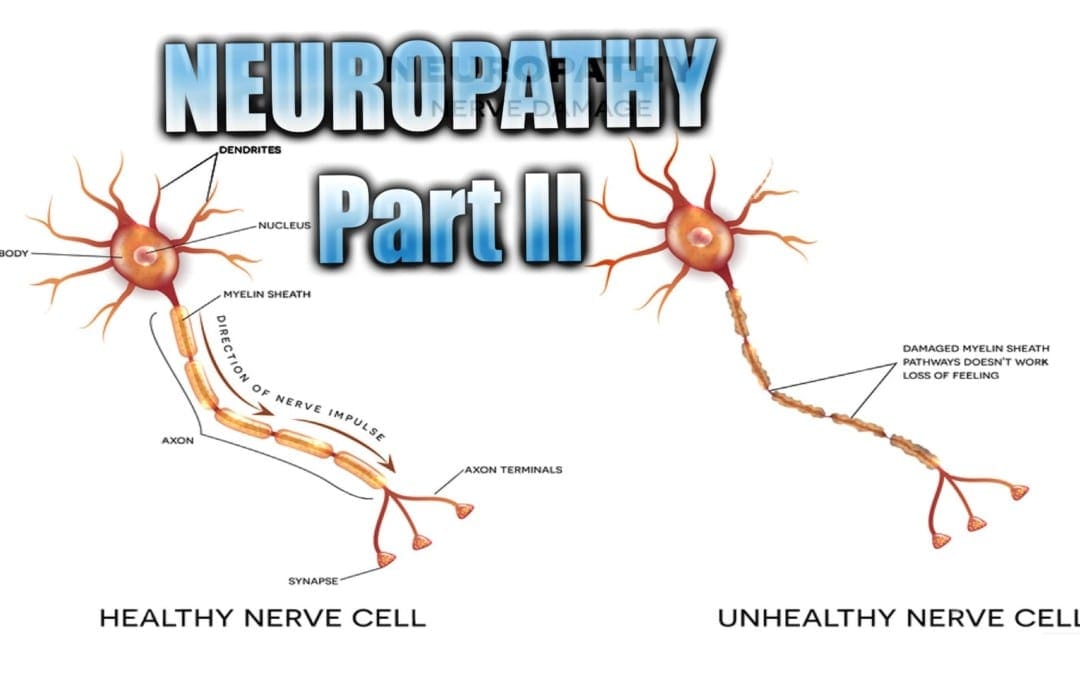
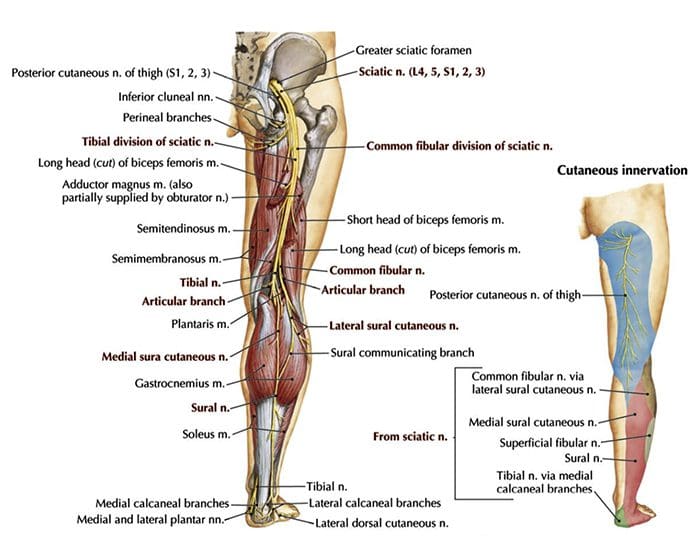
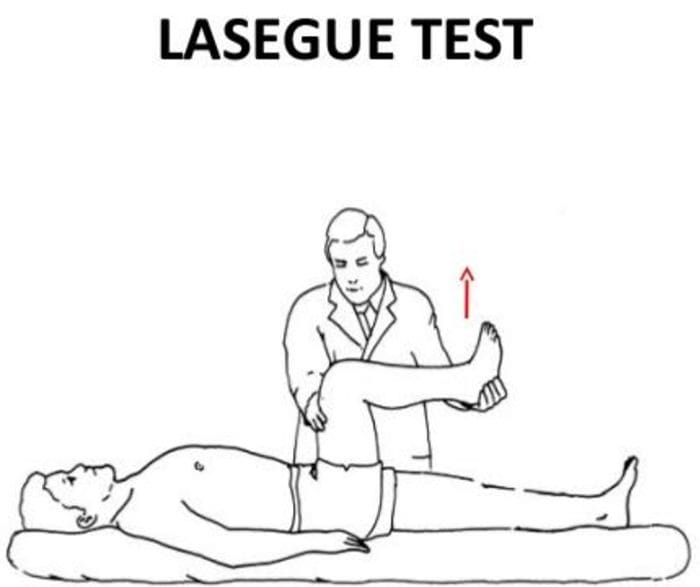 Causes
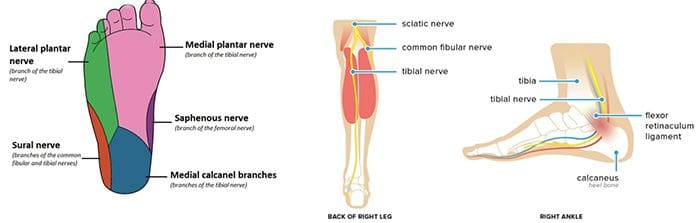 Radiculopathy
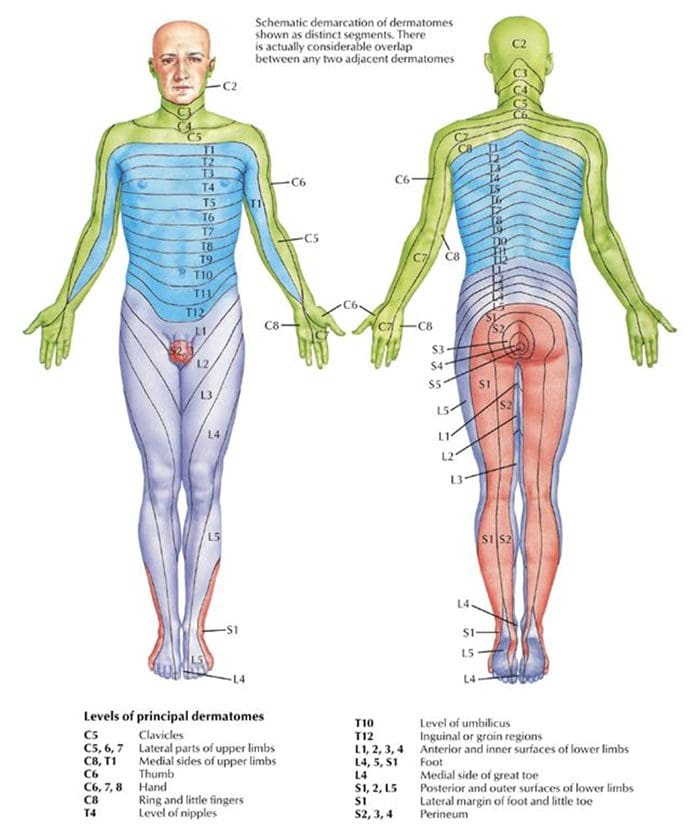 Testing Cervical Nerve Roots
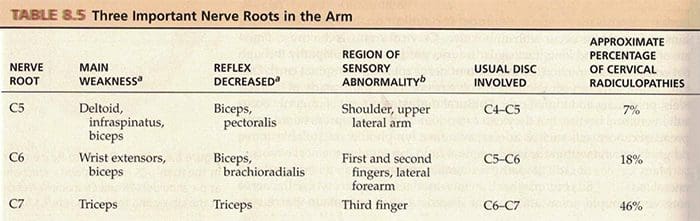 Testing Lumbosacral Nerve Roots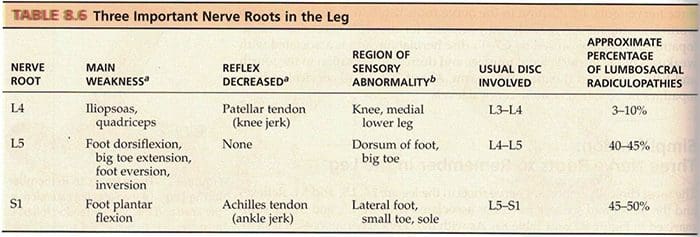
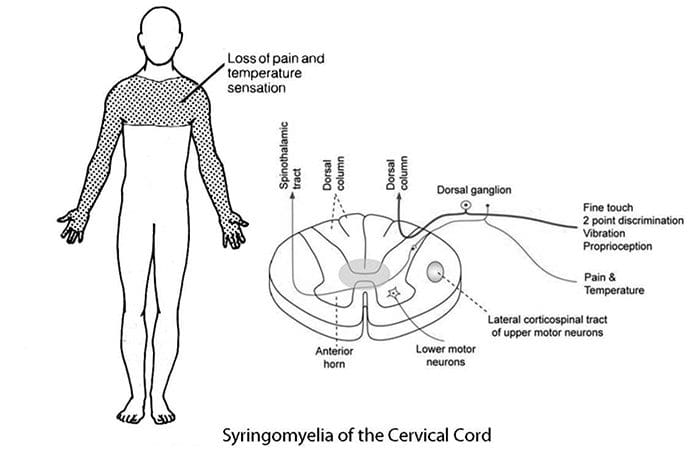
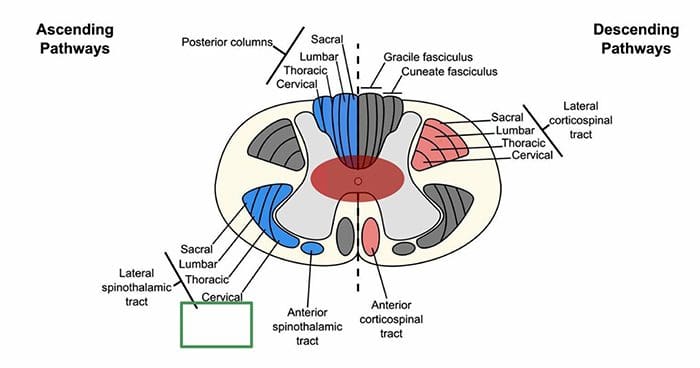 Stocking & Glove Pattern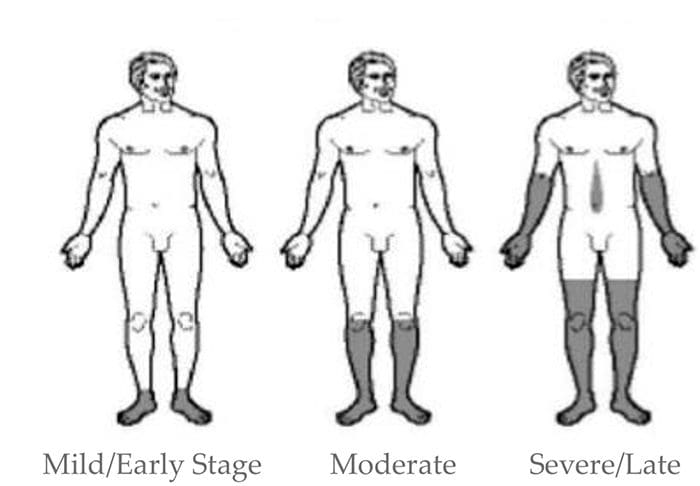
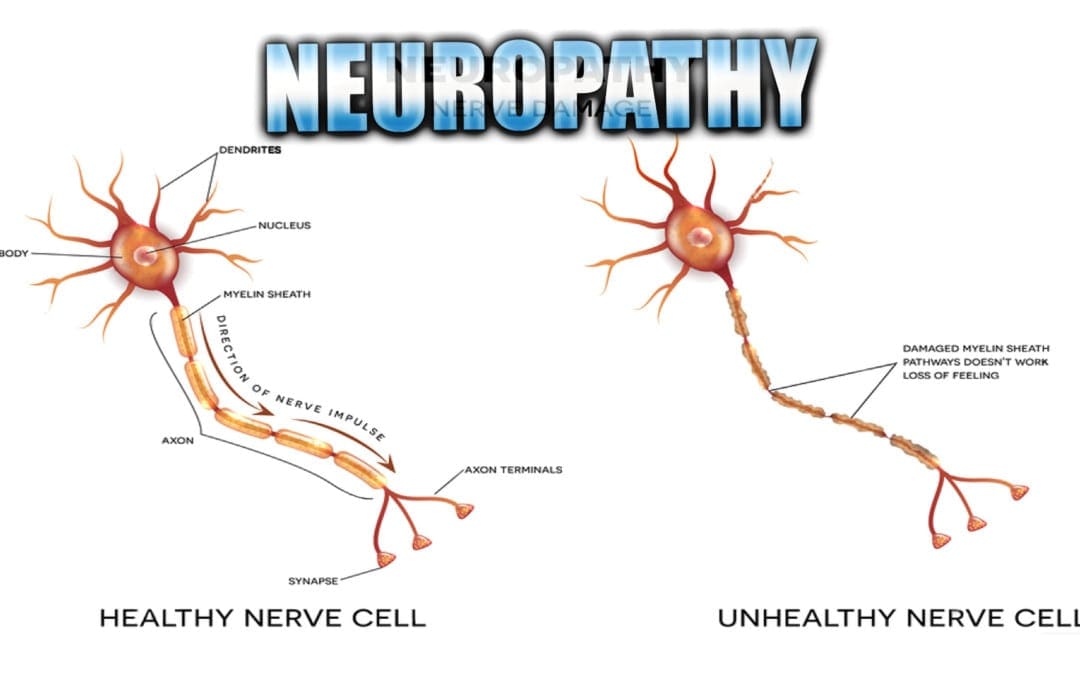
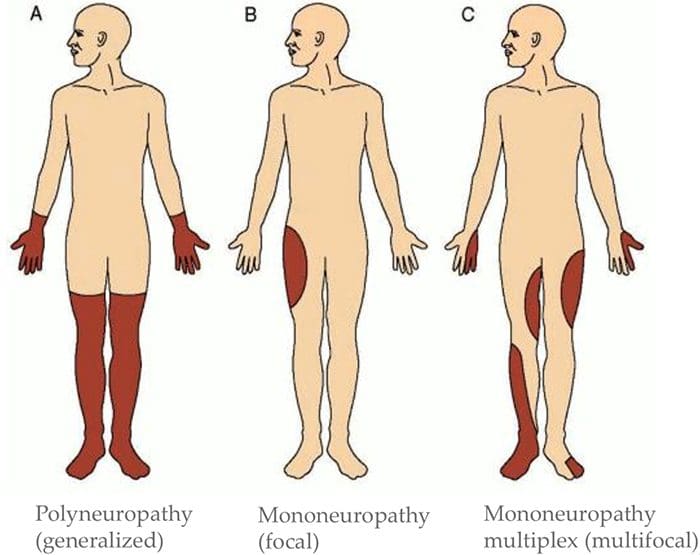
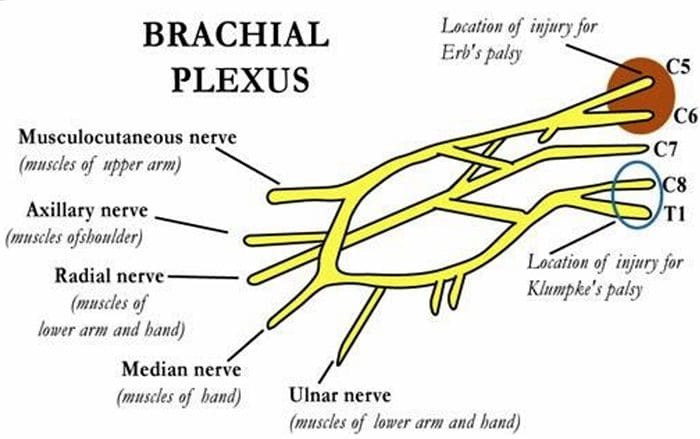 Erb�s Palsy
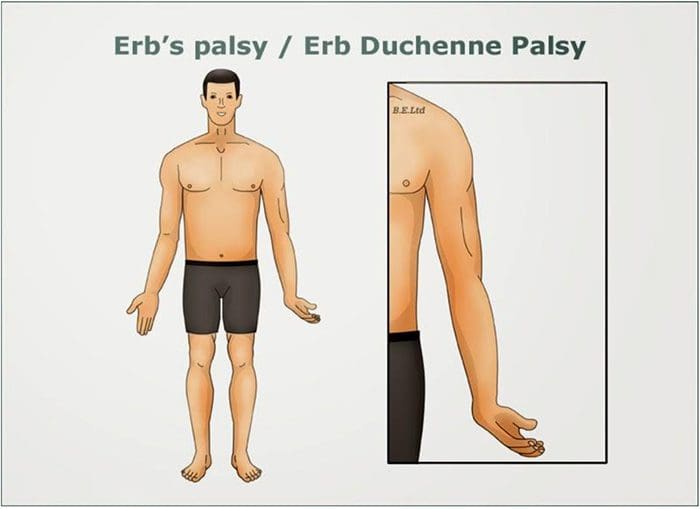 Klumke�s Palsy
 Entrapment Neuropathies
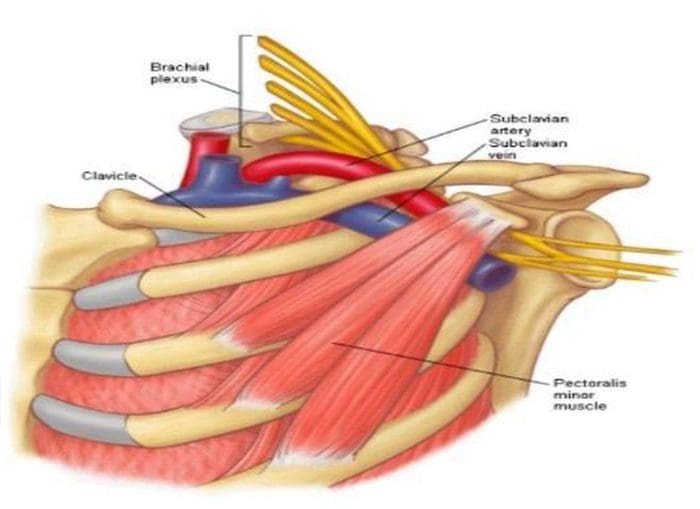
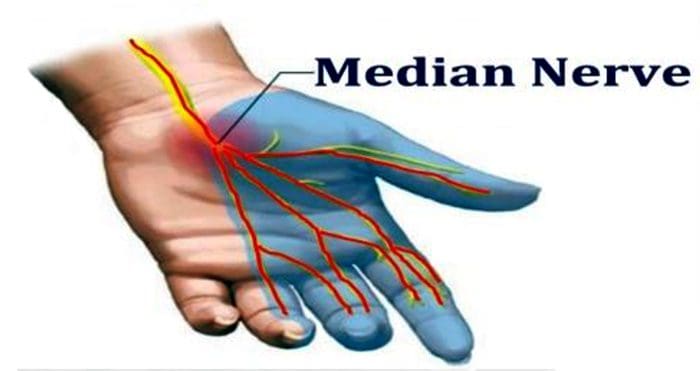 Median N. Pronator Teres Syndrome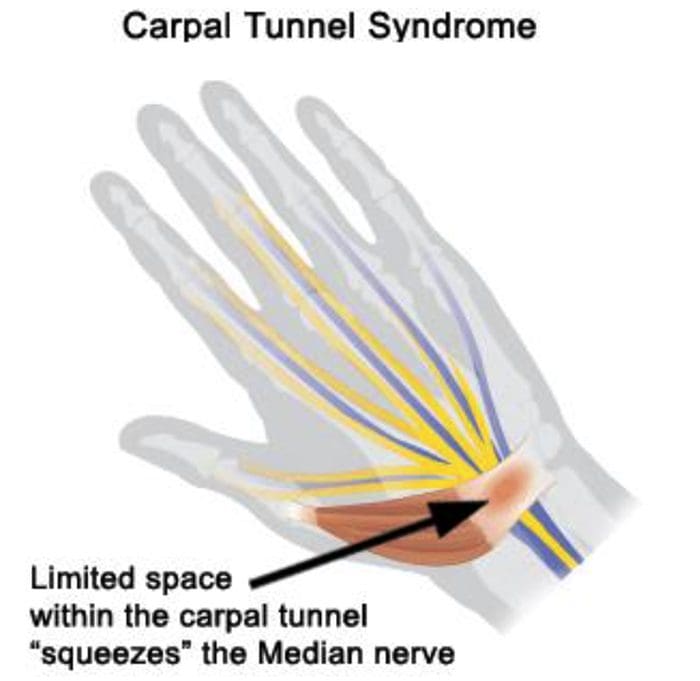
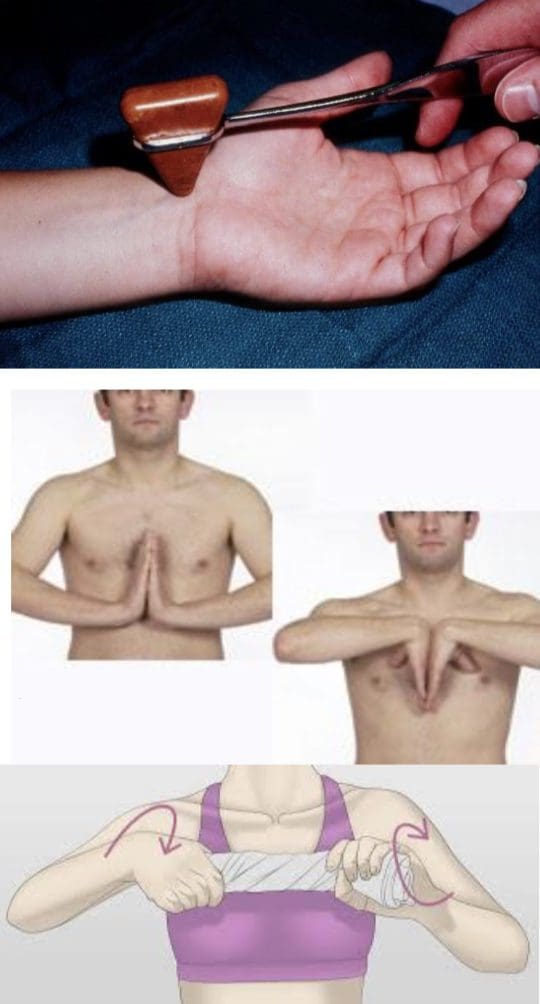 Tinel�s Sign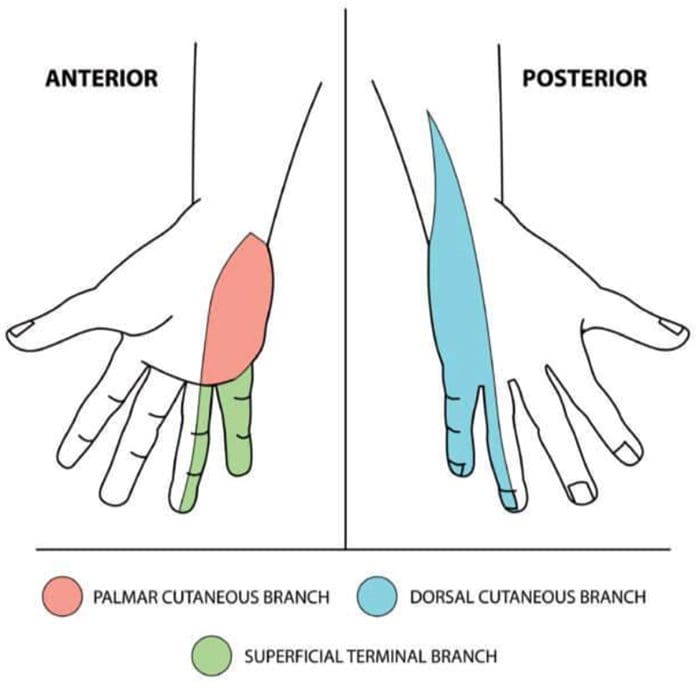
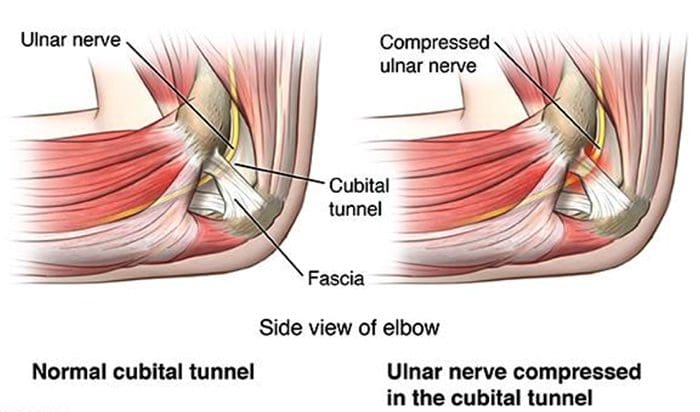 Etiology