

Nerve Interference Chiropractic Back Clinic
The neuromusculoskeletal system refers to the nerves, muscles, and bones. Nerve messages flow through the nervous system to coordinate and control every bodily function. Nerve interference causes an imbalance in this system, compromising body function. Uncoordinated or reduced nerve function over time can result in an unhealthy state or disease development. Complex or puzzling symptoms can include:
- Tiredness
- Unhealthy sleep quality
- Stiffness
- Neck discomfort
- Back discomfort
- Sharp pain
- Irregular digestion
- Nausea
- GERD
- Neuropathy related issues
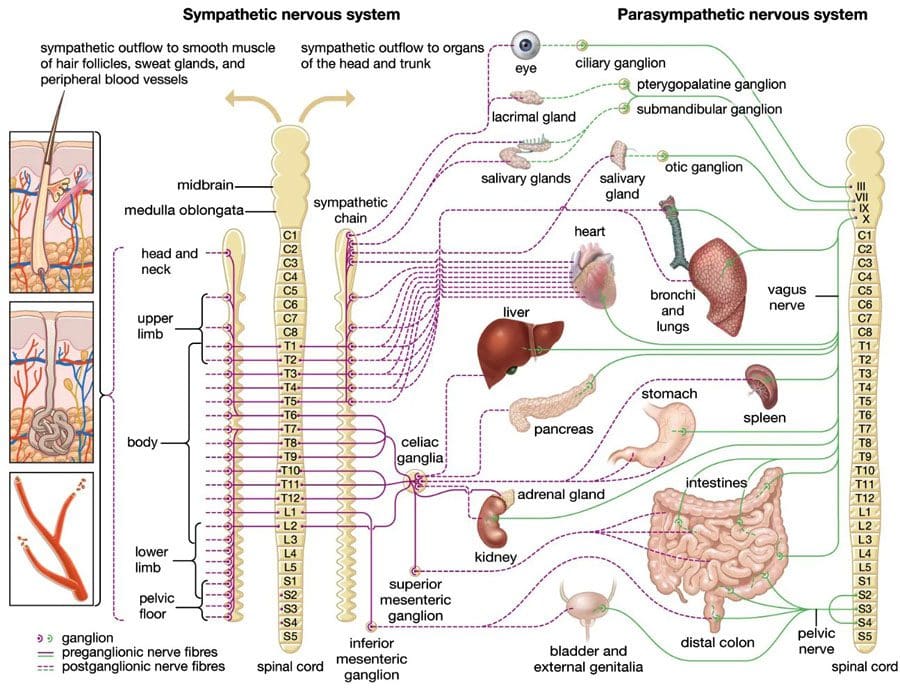
Nerve Interference
The nerves in the body are linked to the spinal cord, and when the spinal joints shift out of position, they can compress or kink the nerves, causing malfunction. Even a minor misalignment can create nerve, joint, and muscle tightness that travels throughout the body. This causes imbalances in nearly every other bodily system, forcing it to change in negative ways and typically becomes worse with time. Injuries from slips and falls, playing sports, accidents, unhealthy ergonomics, and repetitive/overuse motions can cause nerve injuries. Nerve dysfunction or damage can irritate the nerves causing nerve irritation that leads to nerve interference. Nerve damage can cause numbness, tingling, discomfort, and pain.
Dizziness and Mental Fog
- Nerve interference can cause brain fog, sluggishness, dizziness, and anxiety.
- If the brain and nervous system’s communication is disrupted by damage or injury to the nerves, mental ability may become confused and muddled.
Negatively Affect Sleep
- Nerve interference can produce discomfort all over the body, causing sleep problems.
- During restorative sleep, nerve interference can interrupt memory and cognitive function.
Stomach Issues
- The enteric nervous system is a component of the digestive system.
- Damage to the system can affect digestion phases.
- Gastrointestinal symptoms like indigestion, acid reflux, constipation, diarrhea, GERD, and nausea can present suddenly.
Back Pain
- Back discomfort and pain can be caused by nerve issues.
- Nerve pain can be aching, pinching, throbbing, or stabbing in the upper, middle, and lower back areas.
Numbness
- Nerve signals can get mixed up or sent to the wrong areas.
- Nerve interference reduces nerve energy circulation, causing tingling and numbing sensations in different body regions.
Recovery Problems
- Pain could result from a past injury making injuries more difficult to heal.
- Nerve interference can cause the body to become stiff, immobile, and numb, depleting the body’s energy.
- Nerve energy transmission is required so the body can react to its surroundings and function correctly.
Chiropractic
Nerve blockage can be cleared through functional chiropractic medicine.
- The nerve/s that are blocked or restricted are worked on through therapeutic percussive massage, manual adjustments, decompression, and stretching exercises.
- Therapeutic deep tissue stimulation with or without heat is applied directly to the nerve region to increase circulation.
- Proper function of nerves is restored and allows for increased blood circulation that provides increased oxygenated nutrients expediting the healing process.
- Discomfort and pain are relieved.
- Range of motion increases.
- Restoration of muscle function and joint stability.
- Tissue repair improves through treatment and nutrition.
Spinal Decompression Therapy
References
Crawford, J P. “Chiropractic intervention in the treatment of joint and soft tissue disorders.” Canadian journal of applied physiology = Revue canadienne de physiologie appliquee vol. 24,3 (1999): 279-89. doi:10.1139/h99-023
Gu, Xiaosong, et al. “Neural tissue engineering options for peripheral nerve regeneration.” Biomaterials vol. 35,24 (2014): 6143-56. doi:10.1016/j.biomaterials.2014.04.064
Mackinnon, Susan E. “Pathophysiology of nerve compression.” Hand clinics vol. 18,2 (2002): 231-41. doi:10.1016/s0749-0712(01)00012-9
Norton, Charles E et al. “Role of perivascular nerve and sensory neurotransmitter dysfunction in inflammatory bowel disease.” American journal of physiology. Heart and circulatory physiology vol. 320,5 (2021): H1887-H1902. doi:10.1152/ajpheart.00037.2021
T Francio, Vinicius. “Chiropractic care for foot drop due to peroneal nerve neuropathy.” Journal of bodywork and movement therapies vol. 18,2 (2014): 200-3. doi:10.1016/j.jbmt.2013.08.004







