
Eucalyptus Tea: Aromatic and Soothing Herbal Beverage
How is eucalyptus tea made, and what are its health benefits?
Eucalyptus Tea
Eucalyptus tea is an herbal tea made from the leaves of the Australian eucalyptus tree. It is drunk as a hot tea and is commonly used to treat cold and flu symptoms. It can also be combined with other teas as a tonic. Researchers have been studying its benefits.
Eucalyptus Tree
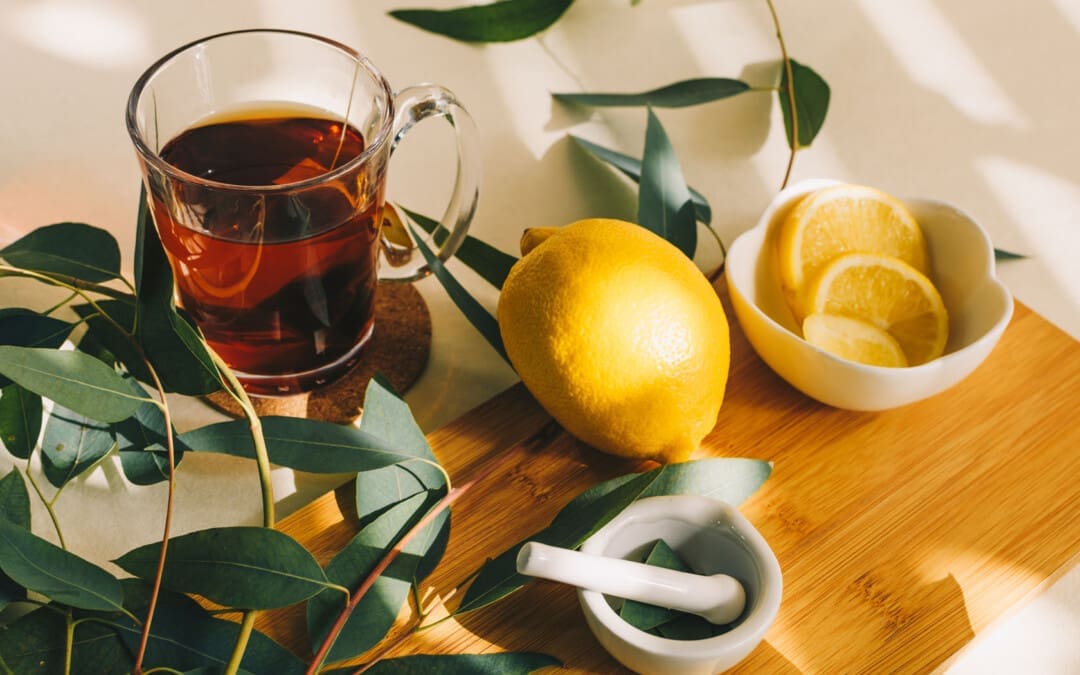
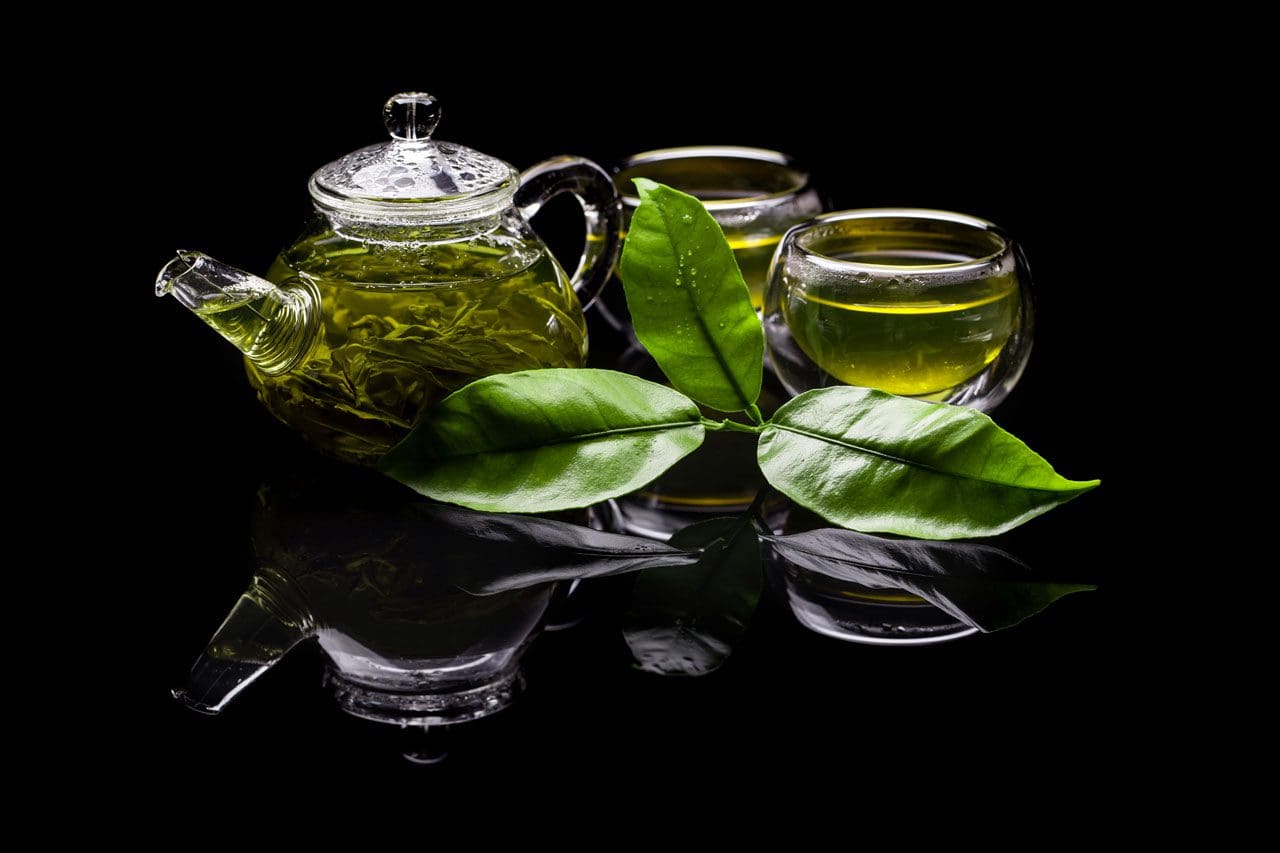
There are different varieties of eucalyptus trees. The blue gum or Australian fever tree is a fast-growing tree that produces long grey-greenish leaves whose glands contain essential oil to prepare eucalyptus tea and oil. Eucalyptus tea is made from crushed leaves of the tree, not from the oil. The hot drink is sometimes called eucalyptus leaves tea to avoid confusion. The tea has a pale green color and a strong scent that can be described as woody or piney and clean or fresh. The smell is familiar to many because many lip balms and skin creams are made with eucalyptus.
Making The Tea
Eucalyptus or loose-leaf tea bags can be purchased in grocery stores, health markets, and online. Follow the instructions provided on the box. Eucalyptus leaves can be prepared for tea at home, but it must be prepared with leaves and not with eucalyptus oil, as using the oil can produce harmful side effects.
Home Preparation
- To make the tea, use one dried eucalyptus leaf (around a teaspoon).
- Add the crushed leaf to the bottom of an eight-ounce teacup.
- Heat water to 194-205 Fahrenheit if using a temperature-controlled teapot.
- Or bring water to a boil and let it sit for a minute to reduce the temperature.
- Pour six ounces of water over the tea leaves.
- Let the leaves steep for as long as desired, up to 10 minutes.
- Breathe in the vapors while the tea is steeping.
- Strain loose leaves from the cup before drinking.
Adding honey to the tea will increase sugar, sweetness, and calories. However, if you drink the tea to soothe a sore throat, the honey can also help ease symptoms. (Allan G. M. and Arroll B. 2014) The tea can also be blended with peppermint and chamomile (manzanilla) to increase its soothing properties.
Caffeine
Eucalyptus tea is not a traditional tea and is not made from Camellia sinensis plant leaves, like black or green tea. It is brewed from just the leaves of the eucalyptus tree, which do not contain any caffeine, making the tea completely caffeine-free. However, the vapors can be described as bright and refreshing.
Health Benefits
Most scientific research on eucalyptus’s health benefits uses the oil rather than the tea. The oil is much more concentrated, so drinking the tea is unlikely to provide the same benefits. However, according to a study, the leaves contain flavonoids and tannins that provide antioxidant and anti-inflammatory properties. (Panche A. N., Diwan A. D., and Chandra S. R. 2016)
Eucalyptus tea is commonly used as an inhalant to relieve cold or flu symptoms. Its vapors are often described as healing because inhaling them helps open up congested airways. However, there isn’t enough evidence to recommend using eucalyptus for cold. (American Lung Association, 2024) In addition to treatment for the common cold, eucalyptus has gained a variety of other health benefits, including (Dhakad A. K. et al., 2018)
- Headache relief
- Asthma treatment
- Bronchitis treatment
- Diabetes treatment
- Reduce dental plaque and bad breath
- Help treat liver and gallbladder problems
- Prevent insect bites
- Eliminate head lice
Toothpaste, mouthwash, bath products, and body creams made with eucalyptus are commonly found in stores.
Side Effects
Eucalyptus leaves are generally safe when consumed in the small amounts found in foods. However, there isn’t enough information to determine whether supplements containing larger amounts of eucalyptus leaf are safe when taken by mouth. Consulting with a healthcare provider before using this or any other herbal treatment is always recommended.
Injury Medical Chiropractic and Functional Medicine Clinic
Injury Medical Chiropractic and Functional Medicine Clinic focuses on and treats injuries and chronic pain syndromes through personalized care plans that improve ability through flexibility, mobility, and agility programs to relieve pain. Our providers use an integrated approach to create customized care plans for each patient and restore health and function to the body through nutrition and wellness, functional medicine, acupuncture, Electroacupuncture, and sports medicine protocols. If the individual needs other treatment, they will be referred to a clinic or physician best suited for them. Dr. Jimenez has teamed up with top surgeons, clinical specialists, medical researchers, nutritionists, and health coaches to provide the most effective clinical treatments.
Assessing Patients in a Chiropractic Setting
References
Allan, G. M., & Arroll, B. (2014). Prevention and treatment of the common cold: making sense of the evidence. CMAJ : Canadian Medical Association journal = journal de l’Association medicale canadienne, 186(3), 190–199. https://doi.org/10.1503/cmaj.121442
Panche, A. N., Diwan, A. D., & Chandra, S. R. (2016). Flavonoids: an overview. Journal of nutritional science, 5, e47. https://doi.org/10.1017/jns.2016.41
American Lung Association. (2024). Facts About the Common Cold. https://www.lung.org/lung-health-diseases/lung-disease-lookup/facts-about-the-common-cold
Dhakad, A. K., Pandey, V. V., Beg, S., Rawat, J. M., & Singh, A. (2018). Biological, medicinal and toxicological significance of Eucalyptus leaf essential oil: a review. Journal of the science of food and agriculture, 98(3), 833–848. https://doi.org/10.1002/jsfa.8600







