Can various stretches can help relieve individuals with plantar fasciitis to reduce foot pain and restore gait function?
Introduction
As human beings, we are constantly on the move, and our feet are the ones that take a toll after a long day. The feet have various muscles, ligaments, tendons, and soft tissues that help protect the joints and provide stability. The feet are part of the lower-body extremities that aid in mobility and upper-body strength. When many individuals are constantly on their feet, the muscles and ligaments become overworked and can develop into pain-like issues. Most of the time, it is just muscle aches and pain; however, when repetitive motions start to cause more problems in the feet, they can lead to microtears in the foot’s fascia. This, in turn, can lead to the development of plantar fasciitis, affecting a person’s gait ability. Today’s article looks at how plantar fasciitis affects gait and how various stretches can help alleviate symptoms. We discuss with certified associated medical providers who consolidate our patients’ information to assess plantar fasciitis and its associated comorbidities. We also inform and guide patients on various stretches for plantar fasciitis and ask their associated medical providers detailed questions to develop a customized treatment plan that incorporates multiple stretches to reduce the pain-like symptoms associated with it. Dr. Jimenez, D.C., includes this information as an academic service. Disclaimer.
How Plantar Fasciitis Affects Gait Function
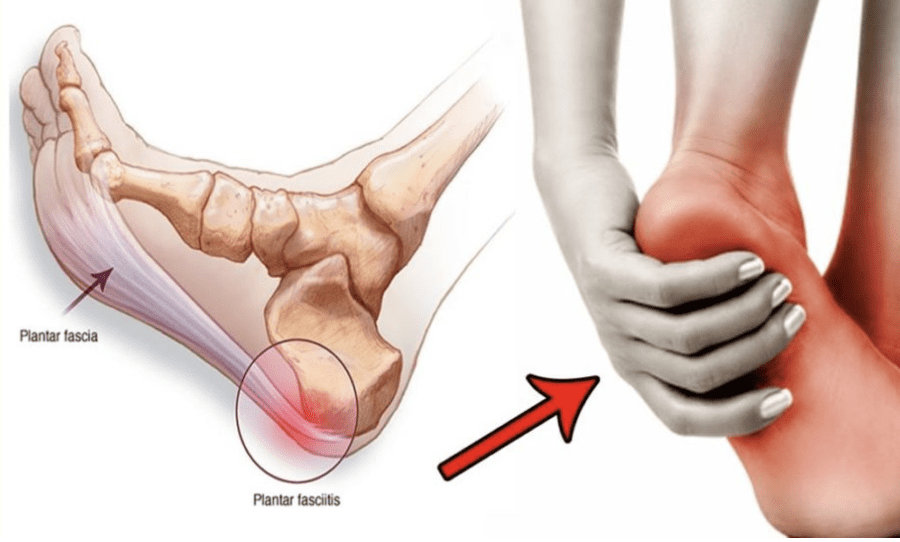
Do you feel like you are walking crookedly from one location to another? Do you feel a stabbing pain when you take your first steps? Or do you feel constant pain in your feet while you are resting? As stated earlier, many individuals are constantly on their feet and have experienced pain that can affect their quality of life. Since the feet are part of the lower body, a person experiencing significant heel pain can develop a chronic musculoskeletal condition known as plantar fasciitis. The plantar fascia plays a major role in the human body, as it supports the foot’s normal biomechanics, maintains the arch, and absorbs shock during walking. (Buchanan et al., 2024) When a person repeatedly moves their feet, it can lead to plantar fasciitis. Plantar fasciitis is a common musculoskeletal disease that causes chronic degenerative changes in the plantar fascia. This musculoskeletal disease is also associated with mechanical factors, such as repetitive stress and weight-bearing, that can lead to microtears in muscle fibers. (Tseng et al., 2023) That point causes many individuals to have gait issues and other comorbidities.
Some risk factors for plantar fasciitis include decreased plantarflexion ROM and increased tensile load, which can lead to gait issues in many individuals. (Hamstra-Wright et al., 2021) Since many individuals rely on walking and are experiencing pain from plantar fasciitis, not only is their gait affected, but the surrounding leg muscles are also affected. Pain symptoms such as intrinsic muscle weakness, reduced muscle strength in the legs and dorsiflexion, leg length discrepancy, and arch deformity can increase the risk of developing plantar fasciitis. (Khammas et al., 2023) This can cause many individuals to have gait dysfunction since the pain can be unbearable. Additionally, when people deal with plantar fasciitis, they shift their weight to one side of their body to reduce pain and allow their secondary muscles to take on the excess load. Luckily, there are ways to minimize the pain-like effects of plantar fasciitis and help restore a person’s gait function.
Effective Stretches To Alleviate Plantar Fasciitis
When it comes to managing plantar fasciitis, many individuals seek various treatments to reduce pain-like symptoms that cause gait dysfunction. Many individuals seek non-surgical and surgical treatments to identify the right solution for their plantar fasciitis. Depending on the severity of foot pain, the main objective is to reduce tissue compressive load and provide a personalized treatment plan to educate and treat plantar fasciitis. (Morrissey et al., 2021) One of the best ways to reduce pain from plantar fasciitis is to incorporate various stretches. Various stretches for plantar fasciitis can be effective, as they can help relieve pain and enhance strength in the foot’s extrinsic and intrinsic muscles. (Boonchum et al., 2020) Below are some stretches that many people dealing with plantar fasciitis can do at home to relieve the pain.
Towel Stretch
This simple stretch is perfect for the morning, especially before taking your first steps.
How to do it:
Sit alongside the bed with your legs straight in front of you.
Loop a towel around the ball of the feet and hold each end with your hands.
Pull the towel towards you, keeping your knees straight, until you feel a stretch along the bottom of your foot and calf.
Hold the position for 15 to 30 seconds.
Repeat 2-3 times for each foot.
Calf Stretches
Tight calf muscles can exacerbate plantar fasciitis. Stretching your calves can relieve the pressure on your plantar fascia.
How to do it:
Stand near a wall with one foot back and one foot in front of you.
Keep your back heel on the ground and bend your front knee until you feel a stretch in the back leg’s calf muscle.
Hold for about 30 seconds and switch.
Repeat 2-3 times for each leg.
Plantar Fascia Stretch
Directly stretching the plantar fascia can help alleviate pain and improve foot function.
How to do it:
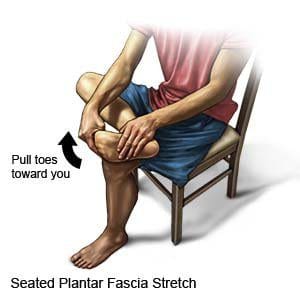
Sit with your affected foot and place it over the opposite side.
Use your hand to pull your toes back towards the shin until you feel a stretch along the arch of your foot.
Hold the stretch for at least 15 seconds and repeat the stretch three times.
Achilles Tendon Stretch
This stretch helps both the calf muscles and the plantar fascia.
How to do it:
Stand with your affected foot behind you.
Keep your heel down and bend your knee slightly.
Hold the position for 15-20 seconds, then relax.
Repeat 2-3 times for each leg.
Marble Pickup
Strengthening the muscles around your foot can also support the healing process.
How to do it:
Sit in a chair
Then place 20 marbles and a bowl on the floor in front of your feet.
Use your toes to pick up one marble at a time and place it into a bowl.
Repeat until you have all the marbles in the bowl.
References
Boonchum, H., Bovonsunthonchai, S., Sinsurin, K., & Kunanusornchai, W. (2020). Effect of a home-based stretching exercise on multi-segmental foot motion and clinical outcomes in patients with plantar fasciitis. J Musculoskelet Neuronal Interact, 20(3), 411-420. https://www.ncbi.nlm.nih.gov/pubmed/32877978
Hamstra-Wright, K. L., Huxel Bliven, K. C., Bay, R. C., & Aydemir, B. (2021). Risk Factors for Plantar Fasciitis in Physically Active Individuals: A Systematic Review and Meta-analysis. Sports Health, 13(3), 296-303. https://doi.org/10.1177/1941738120970976
Khammas, A. S. A., Mahmud, R., Hassan, H. A., Ibrahim, I., & Mohammed, S. S. (2023). An assessment of plantar fascia with ultrasound findings in patients with plantar fasciitis: a systematic review. J Ultrasound, 26(1), 13-38. https://doi.org/10.1007/s40477-022-00712-0
Morrissey, D., Cotchett, M., Said J’Bari, A., Prior, T., Griffiths, I. B., Rathleff, M. S., Gulle, H., Vicenzino, B., & Barton, C. J. (2021). Management of plantar heel pain: a best practice guide informed by a systematic review, expert clinical reasoning and patient values. Br J Sports Med, 55(19), 1106-1118. https://doi.org/10.1136/bjsports-2019-101970
Tseng, W. C., Chen, Y. C., Lee, T. M., & Chen, W. S. (2023). Plantar Fasciitis: An Updated Review. J Med Ultrasound, 31(4), 268-274. https://doi.org/10.4103/jmu.jmu_2_23
Everyone worldwide knows that feet are important. The feet allow many individuals to run, walk, or jog for long periods without feeling pain for a moderate amount of time. To that point, the various muscles and tendons surrounding the foot provide full body flexion, extension, and stability. Even though it is very easy to get in the recommended amount of steps into being healthy, around 75% of individuals will have foot pain that can impact their ability to walk. One of the most common foot pains is plantar fasciitis, which can become a painful foot condition if it is not treated as soon as possible. Today’s article looks at plantar fasciitis, its symptoms, how trigger points correlate, and treatments for it. We refer patients to certified providers incorporating techniques and therapies for individuals dealing with plantar fasciitis. By locating where the trigger points are coming from, many pain specialists can develop a treatment plan to reduce the effects that plantar fasciitis is causing on the feet. We encourage and appreciate each patient by referring them to associated medical providers based on their diagnosis when it is appropriate. We understand that education is a terrific way when asking our providers intricated questions at the patient’s request and understanding. Dr. Jimenez, D.C., only utilizes this information as an educational service. Disclaimer
What Is Plantar Fasciitis?
Have you been dealing with constant heel pain? Do you feel pain shooting up your leg when you step or walk? Or do you feel a stabbing ache in your heel? Many of these pain issue people are dealing with correlate with plantar fasciitis. Studies reveal that plantar fasciitis results from degenerative irritation on the plantar fascia and its ligaments. This causes the muscle ligaments to become inflamed, swollen, and weak, which then causes the bottom of the foot or heel to hurt when a person is walking or standing. To that point, when there is a repetitive strain on the feet, it causes microtears in the plantar fascia. The plantar fascia in the foot plays an important role as it comprises three segments that support the medial arch and shock absorption when stepping down. As one of the most common causes of heel pain, the residual pain from plantar fasciitis tends to be a sharp, stabbing sensation. Plantar fasciitis is more prominent in middle-aged people. Still, anyone at any age can develop plantar fasciitis, especially if they have labor jobs requiring them to be constantly on their feet.
Symptoms Of Plantar Fasciitis
Since around 2 million Americans could potentially develop plantar fasciitis, it is important to know that when a person has been on their feet constantly, there will be inflammation along the tissues in the feet. Many individuals with a busy lifestyle that requires them to be on their feet frequently would often ignore the pain or discomfort. Some of the symptoms that plantar fasciitis causes include the following:
Pain on the bottom of the heel
Pain in the arch
Pain that is usually worse when waking up
Pain that increases over months
Swelling on the bottom of the heel
However, when the pain becomes overbearing, many people would often think they have sore feet or low back pain from being overly tired from work, under constant stress, or over-exerting their bodies. When this happens, many would think the pain would go away in a few days after resting for a short period.
Trigger Points Associated With Plantar Fasciitis
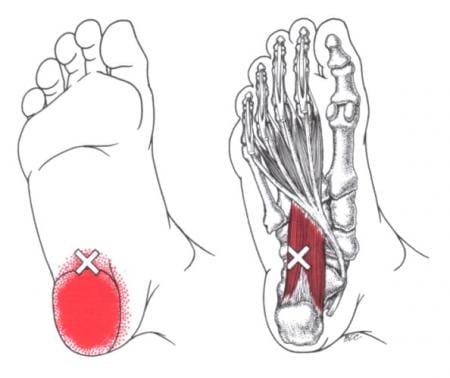
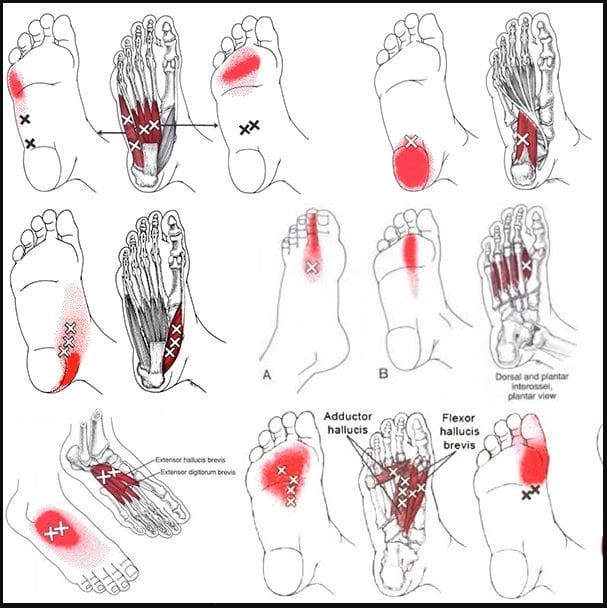
Now many individuals would often think that plantar fasciitis just only affects the heels, however, it can affect any part of the structure of the foot since all the surrounding muscle tissues are at risk of inflammation. When people start to ignore the pain and discomfort that plantar fasciitis is causing on the feet, it can overlap and develop trigger points in other areas of the body:
Ankles
Knees
Hips
Lower back
Studies reveal that trigger points or myofascial pain syndrome are hard, discrete, small nodules that are along the taut musculoskeletal band that causes numerous issues like inflammation, hypersensitivity, and pain to the affected muscle groups in the body. According to “Myofascial Pain and Dysfunction” written by Dr. Travell, M.D., it mentions that when the deep intrinsic muscles that work with the plantar fascia are affected by trigger points, would cause symptoms of numbness and the feeling of swelling in the foot. This causes many people to have limited mobility and have intense pain when walking, which can negatively impact their lifestyle.
An Overview Of Plantar Fasciitis- Video
Have you been dealing with aching feet? Do you feel a sharp, radiating pain in your feet? Or do you have difficulty walking? Many often think they are dealing with sore feet or other issues causing them pain. Around 75% of Americans often have foot pain affecting their ability to walk, and one of them is plantar fasciitis. The video above explains plantar fasciitis and how it can affect the feet. When the plantar fascia tendons become overused, it causes micro-tears in the muscle ligaments. When added compressive force starts to push against the heel boner, it can lead to a pathological state whereby the plantar fascia degenerates and creates dysfunction and pain. When this happens, it can lead to other conditions like trigger point pain along the muscle fibers in the foot. The pain and tenderness caused by trigger points in the plantar muscles may mask as plantar fasciitis. To that point, when plantar fasciitis becomes an issue and causes the individual to be in immense pain, it can become problematic. As luck would have it, treatments are available to reduce the pain from plantar fasciitis.
Treatments For Plantar Fasciitis
When treating plantar fasciitis, many available treatments can reduce the inflammatory effects in the heel and prevent trigger points from coming back. One of the available treatments is chiropractic care. Chiropractic care is an alternative treatment option to prevent, diagnose, and treat numerous injuries and conditions associated with the spine, primarily subluxations or spinal misalignments. Chiropractic focuses on restoring and maintaining the overall health and wellness of the musculoskeletal and nervous systems through spinal manipulation and adjustments. A chiropractor can carefully re-align the spine, improving a patient’s strength, mobility, and flexibility. Regarding plantar fasciitis, chiropractic care can work with other treatments, including physical therapy, massage, and even injections, to manage the pain and treat the condition. Even though plantar fasciitis takes several months to heal, chiropractic care can involve a precise technique that involves adjustments to the feet, ankles, and spinal alignment. This provides several benefits, which include the following:
Reduces Stress in the Plantar Fascia
Promotes Healing
Provides Effective Pain Management
Reduces the Risk of Further Injury
Conclusion
As many individuals worldwide are on their feet constantly, foot pain can hinder one’s ability to move. One of the most common foot pain is plantar fasciitis which can correlate with trigger points along the various muscles of the foot. Plantar fasciitis results from degenerative irritation on the plantar fascia and its ligaments, which causes sharp, stabbing pain on the heel. When this happens, it can cause the heel to be inflamed, swollen, and weak. To that point, it causes instability and pain when walking. However, plantar fasciitis can be treated when it is caught early through various treatments like chiropractic care. Chiropractic care can reduce the stress in the plantar fascia and help reduce the risk of further injuries. Combined with other therapies, many people can function normally and regain their walking ability without pain.
References
Buchanan, Benjamin K, and Donald Kushner. “Plantar Fasciitis – StatPearls – NCBI Bookshelf.” In: StatPearls [Internet]. Treasure Island (FL), StatPearls Publishing, 30 May 2022, https://www.ncbi.nlm.nih.gov/books/NBK431073/.
Petrofsky, Jerrold, et al. “Local Heating of Trigger Points Reduces Neck and Plantar Fascia Pain.” Journal of Back and Musculoskeletal Rehabilitation, U.S. National Library of Medicine, 2020, https://pubmed.ncbi.nlm.nih.gov/31594202/.
Shah, Jay P, et al. “Myofascial Trigger Points Then and Now: A Historical and Scientific Perspective.” PM & R : the Journal of Injury, Function, and Rehabilitation, U.S. National Library of Medicine, July 2015, https://www.ncbi.nlm.nih.gov/pmc/articles/PMC4508225/.
Travell, J. G., et al. Myofascial Pain and Dysfunction: The Trigger Point Manual: Vol. 2:the Lower Extremities. Williams & Wilkins, 1999.
The various muscles and tendons surrounding the foot play an important role as they provide stability to the lower parts of the body and allow the individual to move and flex their feet. These various muscles and tendons help support the ankles and allow leg movement. Many people will be on their feet constantly as the world moves and sometimes have to deal with various issues affecting their walking ability. As the body naturally ages, many people will shuffle their feet around, which causes strain on the foot muscles and can affect the calves and legs over time. To that point, it can lead to foot pain and other conditions that can affect the individual. Other issues that can affect the feet and their muscles could be incorrect footwear, how they are standing, or how they walk. When this happens, conditions like plantar fasciitis and trigger point pain can affect the feet differently. Today’s article focuses on the superficial intrinsic foot muscles, how trigger points and plantar fasciitis correlate with foot pain, and how to strengthen the foot muscles. We refer patients to certified providers incorporating techniques and therapies in the lower body extremities of trigger points affecting the feet. This helps many people with trigger point pain symptoms associated with plantar fasciitis along the intrinsic foot muscles. We encourage and appreciate each patient by referring them to associated medical providers based on their diagnosis when it is appropriate. We understand that education is a terrific way to ask our providers intricated questions at the patient’s request and understanding. Dr. Alex Jimenez, D.C., only utilizes this information as an educational service. Disclaimer
The Superficial Intrinsic Foot Muscles
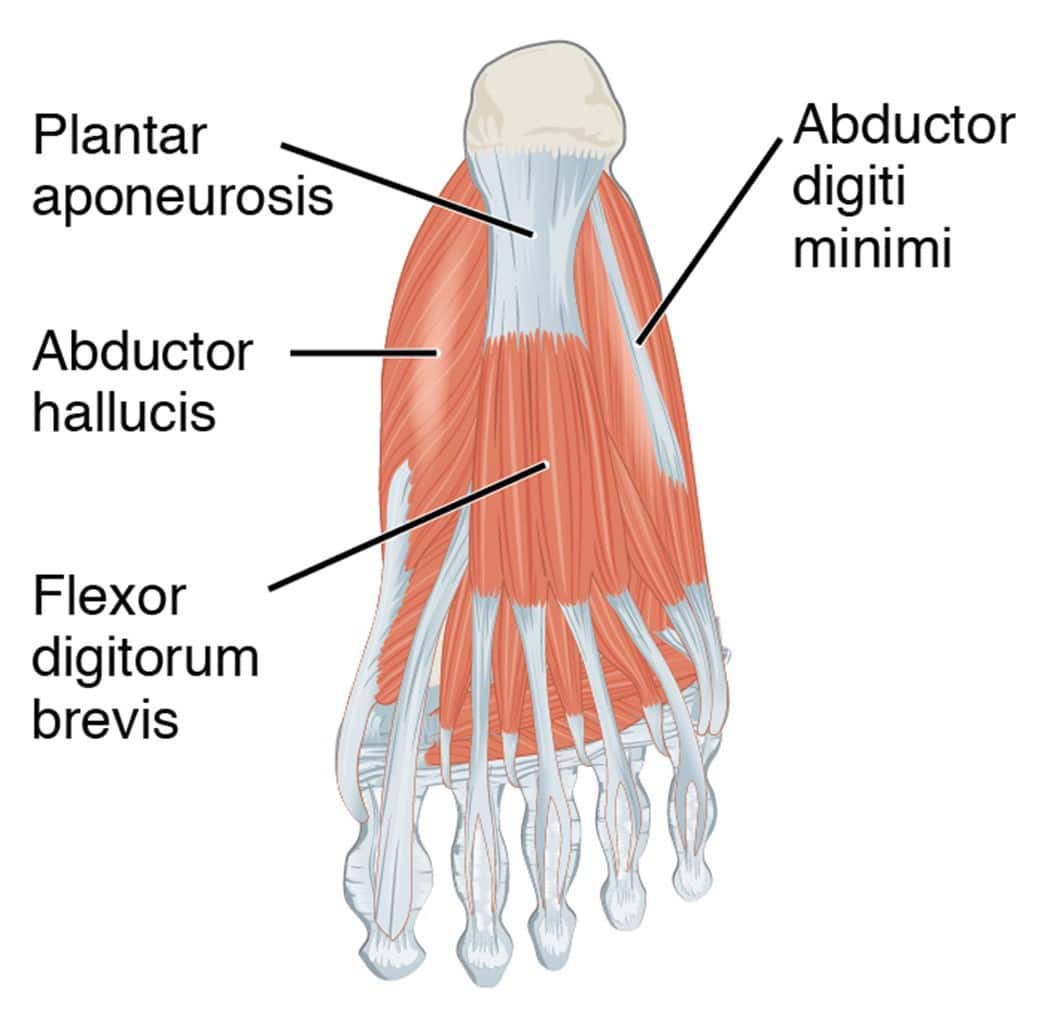
As stated earlier, the foot has various muscles and tendons that allow stability to the ankles and allow movement when a person is walking. The foot has two muscle groups: the extrinsic and intrinsic muscles. Today, we will look at the intrinsic foot muscles and their importance to the foot. Studies reveal that the intrinsic foot muscles are highly important as they are contained to the foot and contribute to supporting the medial longitudinal arch. The intrinsic foot muscles are superficial and help keep the toes straight while providing flexion and extension when in motion. The foot has about 29 muscles, including 10 surrounding the foot and ankle, while the other 19 are intrinsic and provide the roles for gait and posture. The 19 intrinsic muscles have the following:
Abductor Hallucis
Quadratus Plantae
Flexor Hallucis Brevis
Flexor Digitorum Brevis
Abductor Digiti Minimi
Flexor Digiti Minimi
The Interossei Muscles
The Lumbricals
These muscles allow individuals to walk, run, or jog without pain. However, when the intrinsic muscles become impaired, studies reveal that intrinsic foot muscle function could be linked to various foot conditions that affect a person’s walking ability.
How Does Foot Pain Correlate With Plantar Fasciitis & Trigger Points?
Studies reveal that foot pain can cause an unpleasant sensory and emotional experience. Many factors can affect how a person walks, leading to various issues affecting the mobility of the lower extremities. When multiple problems affect a person’s walking, the intrinsic muscle and other muscles surrounding the ankle and foot could become strained and overlap with other foot conditions. Coexisting muscle impairments could affect the alignment, motion, load distribution, and muscle performance that involves the legs when foot pain affects the intrinsic foot muscles. When these impairments cause foot pain, it can correlate with trigger points and conditions like plantar fasciitis, affecting a person’s walking ability. But how does foot pain connect with plantar fasciitis and trigger points?
According to Dr. Travell, M.D.’s book “Myofascial Pain and Dysfunction,” when tension starts to overload the foot, the intrinsic muscles develop tiny nodules in the muscle fibers and reduce the muscle strength of the medial arch. To that point, it can collapse and cause the foot to create inflammation associated with repetitive actions that cause plantar fasciitis in the feet. When this happens, it can affect a person’s ability to walk, run, and stand and affect the lower extremities’ mobility. If not treated right away, it can cause muscle and joint pain in the hips, legs, knees, and lower back.
An Overview Of The Intrinsic Foot Muscles-Video
Have you been dealing with issues on your feet? Do you find it difficult to step down or walk? Or have you been rubbing your feet constantly to reduce the soreness in your feet? Many of these issues correlate with trigger points affecting the intrinsic foot muscles that could cause foot issues like plantar fasciitis. The foot has various muscles, like the intrinsic muscles, that allow gait and stability to the body. Multiple factors affecting the intrinsic foot muscles can lead to instability, muscle strain, tendon stress, and muscle and joint pain. This can affect how a person moves throughout the day and their quality of life. The video above explains where each muscle is, which ones are extrinsic and intrinsic, and how each muscle helps with foot function. When various issues begin to affect the foot and cause mobility issues, multiple techniques are available to help strengthen the foot muscles and prevent future problems from affecting the feet.
Strengthening The Foot Muscles
Regarding trigger point pain affecting the intrinsic foot muscles, various techniques can reduce the pain-like symptoms of trigger points and prevent foot issues like plantar fasciitis from re-occurring. Studies reveal that light, non-weight-bearing exercises like cycling and swimming can minimize muscle overload on the foot. Other ways to strengthen the intrinsic foot muscles are by stretching the toe flexors to help improve stability and prevent hypermobility in the foot. Different techniques to reduce trigger points in the foot’s muscle fibers include using a cylindrical or spherical object and rolling under the arches to massage and loosen stiff muscles. Many of these techniques could help restore foot functionality and stability while reducing future issues like plantar fasciitis in the feet. To that point, people should be allowed to walk pain-free again.
Conclusion
The foot has 29 muscles, including ten extrinsic muscles surrounding the foot and ankle and 29 intrinsic muscles on the foot. The intrinsic muscles are highly important for foot functionality as they are superficial and contribute to supporting the medial longitudinal arch. The intrinsic foot muscles also help keep the toes straight and allow flexion and extension when in motion. These muscles also help a person walk and stabilize the ankle. When various factors affect a person’s walking ability, it can lead to muscle strain and tendon stress to the foot, developing trigger points in the intrinsic muscle fibers and causing pain. This could cause foot conditions like plantar fasciitis and other co-existing muscle impairments that can affect the lower extremities’ mobility while causing muscle and joint pain in the hips, legs, knees, and lower back. Luckily, available techniques can help massage, stretch, and strengthen the intrinsic foot muscles while reducing trigger points and preventing their associated symptoms from recurring. To that point, these techniques can allow many individuals to walk without feeling pain.
References
Card, Ryan K, and Bruno Bordoni. “Anatomy, Bony Pelvis and Lower Limb, Foot Muscles.” In: StatPearls [Internet]. Treasure Island (FL), StatPearls Publishing, 27 Feb. 2022, https://www.ncbi.nlm.nih.gov/books/NBK539705/.
Gooding, Thomas M, et al. “Intrinsic Foot Muscle Activation during Specific Exercises: A T2 Time Magnetic Resonance Imaging Study.” Journal of Athletic Training, U.S. National Library of Medicine, Aug. 2016, https://www.ncbi.nlm.nih.gov/pmc/articles/PMC5094843/.
Hawke, Fiona, and Joshua Burns. “Understanding the Nature and Mechanism of Foot Pain.” Journal of Foot and Ankle Research, U.S. National Library of Medicine, 14 Jan. 2009, https://www.ncbi.nlm.nih.gov/pmc/articles/PMC2631512/.
Hayter, Matt. “Why Do We Need the Intrinsic Muscles of the Foot? [Guide 2022].” Dynamic Podiatry, 2022, https://foothealthguy.com/hammer-toes-causes-and-treatment/
Lim, Ang Tee, et al. “Management of Plantar Fasciitis in the Outpatient Setting.” Singapore Medical Journal, U.S. National Library of Medicine, Apr. 2016, https://www.ncbi.nlm.nih.gov/pmc/articles/PMC4853481/.
Soysa, Achini, et al. “Importance and Challenges of Measuring Intrinsic Foot Muscle Strength.” Journal of Foot and Ankle Research, U.S. National Library of Medicine, 26 Nov. 2012, https://www.ncbi.nlm.nih.gov/pmc/articles/PMC3544647/.
Travell, J. G., et al. Myofascial Pain and Dysfunction: The Trigger Point Manual: Vol. 2:the Lower Extremities. Williams & Wilkins, 1999.
Of course, I’m prone to injuries and Dr. Alex Jimenez has been helping me. I’ve known him for about six years and every time something comes up, either it’s a small injury or a major one, he’s always been there and he’s always helped me get back to my feet to start playing sports again really fast.
Madison Hill
Ankle pain refers to any type of pain or discomfort in the ankle. This pain could generally be due to an injury, such as a sprain, or due to another health issue. As stated by the National University of Health Sciences, or NUHS, an ankle sprain is one of the most frequent causes of foot pain, making up 85 percent of all ankle injuries. A sprain occurs when the ligaments tear or are overstretched.
Most ankle sprains are lateral sprains, which occur when the foot rolls, causing the ankle to twist toward the ground. This action rips or stretches the ligaments, which connect two bones or cartilages and holds a joint together. A sprained ankle often swells and lumps for a temporary amount of time. However, it might take a couple of weeks to get a severe injury like this to�heal completely.
Once healed, the sprained ankle is occasionally permanently weaker and less stable compared to the other ankle. According to a paper released by the American Academy of Family Physicians, or AAFP, the highest risk for ankle sprains includes a previous ankle sprain. Although, ankle sprains are not the only cause of foot pain. Below, we will discuss several common causes of foot and ankle pain as well as their treatment.
Causes of Ankle and Foot Pain
The ankle is a hinge joint formed by the assembly of three bones: the tibia, the fibula, and the talus. The bony knobs on both sides are called the malleoli. Overall, the ankle is an intricate structure. These constructions provide support for walking and standing. Also, stability is provided by the ligaments on the surface of the ankle. Additionally, some tendons also attach to the muscles of the ankle.
Ankle pain may be brought on by various ailments, such as sprain, strain, arthritis, gout, and tendinitis, among others. These kinds of injuries can occur on both sides of the joint. There can be pain and discomfort as well as swelling. A sprain is considered to be the most frequent cause of foot pain. As�mentioned above, a sprain is generally caused when the ankle rolls or twists so the ankle moves toward the ground, tearing or overstretching the ligaments of the ankle that hold the bones together.
An x-ray is typically done to rule out a fracture. The remedy for an ankle strain or sprain generally includes restricting the total amount of weight-bearing on the ankle, getting rest and applying ice. Drugs and/or medications can reduce symptoms. Chiropractic care can also help diagnose and treat ankle sprains and strains. Ankle and foot pain may also be due to:
Arthritis, specifically osteoarthritis,
Gout
Tendinitis
Nerve injury or disease, such as sciatica
Blocked blood vessels
Infection from the joint
While ankle strains and sprains are the most common form of foot pain, arthritis can also frequently lead to ankle pain. Arthritis is the inflammation of the joints, although multiple kinds of arthritis may lead to pain in the joints. Foot pain can be caused by three common forms of arthritis: osteoarthritis, rheumatoid arthritis, and post-traumatic arthritis.
Osteoarthritis is a degenerative condition where the cartilage slowly begins to wear away. Osteoarthritis�causes the natural wear and tear of the joints associated with age. Older adults are more inclined to develop osteoarthritis. In most cases, an individual’s pain and discomfort, including swelling and�stiffness, among other symptoms may worsen over time.
Rheumatoid arthritis is a chronic autoimmune disease. This health issue may severely impact the foot and ankle joints. With rheumatoid arthritis, the human body’s immune cells attack the synovium covering the foot joints. Joint deformity is common with rheumatoid arthritis. A fungal or bacterial infection causes septic arthritis. If the septic arthritis is among the ankle regions, this may result in foot pain.
Following an injury, post-traumatic arthritis can develop from trauma or damage to the ankle or foot. Previous fractures and dislocations are the most common ailments that may lead to post-traumatic arthritis. Like gout, which we will discuss further below, the joints begin to wear away, although it may take several years for this to happen after the injury.
Gout occurs when uric acid accumulates in the human body. This higher than average concentration of uric acid, which is generally a by-product of the human body’s normal breakdown of older cells, can deposit crystals in the joints, causing sharp pain. Pseudogout is a similar illness where calcium deposits build up in the joints. Indicators of gout and pseudogout include soreness, swelling, and redness.
Tendinitis is a swelling of the tendon. In the ankle, it may frequently involve the anterior tibial tendon or the Achilles tendon. Tendinitis can result from an overuse injury or disorders like rheumatoid arthritis and ankylosing spondylitis. All types of tendinitis trigger pain, inflammation, and tenderness. Drugs and/or medications, applying ice and immobilizing the region are often the first line of treatment for tendinitis. Chiropractic care can also be helpful in the treatment of tendinitis. Casting may be required if the patient’s tendinitis is severe or advanced.
�
Foot pain can commonly occur due to ankle injuries. In the United States alone, approximately 2 million acute ankle sprains occur every year, one of the most prevalent causes of ankle pain. Chiropractic care is a popular alternative treatment option which can help treat a variety of health issues, including foot and ankle pain.
Dr. Alex Jimenez D.C., C.C.S.T.
Chiropractic Care for Foot and Ankle Pain
Chiropractors utilize a mixture of treatment techniques and methods to ease ankle and foot pain. Chiropractic care is a safe and effective, alternative treatment option which focuses on the diagnosis, treatment, and prevention of a variety of injuries and conditions associated with the musculoskeletal and nervous system, including foot and ankle pain.
Soft tissue and joint mobilizations are done to restore proper mechanics and muscle activation. Manual therapy may be used to improve the mobility of the ankle and foot along with reducing pain. Furthermore, a chiropractor may recommend a series of lifestyle modifications to help promote a faster recovery process. Exercises are targeted to the areas that were affected. Balance training might also be implemented.
Some treatment modalities that chiropractors utilize to treat injuries to the foot and ankle include ultrasound, electrical stimulation, heat and ice treatment, and massage. These treatment methods increase circulation to enhance recovery, decrease inflammation, reduce pain and improve mobility. When you visit a healthcare professional, a full evaluation is done, goals are discussed along with an individualized treatment program which is intended to target your specific treatment requirements.
Home Treatment for Ankle and Foot Pain
For immediate at-home treatment of foot and ankle pain, the RICE system is generally recommended. The RICE treatment includes:
Rest: Avoid putting weight on the ankle. Try to move as little as possible for the first couple of days. If you have to walk or run, consider using a cane or crutches.
Ice: Begin by putting a bag of ice in your ankle for a minimum of 20 minutes at a time. Repeat this three to five times every day for three days. This�treatment helps decrease pain. Give yourself about 90 minutes between sessions.
Compression: Wrap your injured foot with an elastic bandage, such as an ACE bandage. Don’t wrap it too tightly to where your feet turn blue or your ankle becomes numb.
Elevation: Whenever possible, keep your ankle raised over heart level on a pile of pillows or another type of support arrangement to promote healing.
It’s possible to take over-the-counter drugs and/or medications, such as acetaminophen or ibuprofen, to relieve swelling and pain, however, these are often only offer temporary relief from the symptoms. Make sure to talk to a certified and qualified healthcare professional regarding any home treatment options to prevent further injury and symptoms.
If�you are suffering from foot pain or ankle pain, do not delay anymore. Chiropractors can help patients who suffer from foot, and ankle pain and they can help you, too. The scope of our information is limited to chiropractic as well as to spinal injuries and conditions. To discuss the subject matter, please feel free to ask Dr. Jimenez or contact us at�915-850-0900�.
Curated by Dr. Alex Jimenez
Additional Topics: Acute Back Pain
Back pain�is one of the most prevalent causes of disability and missed days at work worldwide. Back pain is attributed�to the second most common reason for doctor office visits, outnumbered only by upper-respiratory infections. Approximately 80 percent of the population will experience back pain at least once throughout their life. The spine is a complex structure made up of bones, joints, ligaments, and muscles, among other soft tissues. Because of this, injuries and/or aggravated conditions, such as�herniated discs, can eventually lead to symptoms of back pain. Sports injuries or automobile accident injuries are often the most frequent cause of back pain, however, sometimes the simplest of movements can have painful results. Fortunately, alternative treatment options, such as chiropractic care, can help ease back pain through the use of spinal adjustments and manual manipulations, ultimately improving pain relief.
IFM's Find A Practitioner tool is the largest referral network in Functional Medicine, created to help patients locate Functional Medicine practitioners anywhere in the world. IFM Certified Practitioners are listed first in the search results, given their extensive education in Functional Medicine