The Global Health Index results are in, and Italians rank first as the world’s healthiest people, according to Bloomberg.
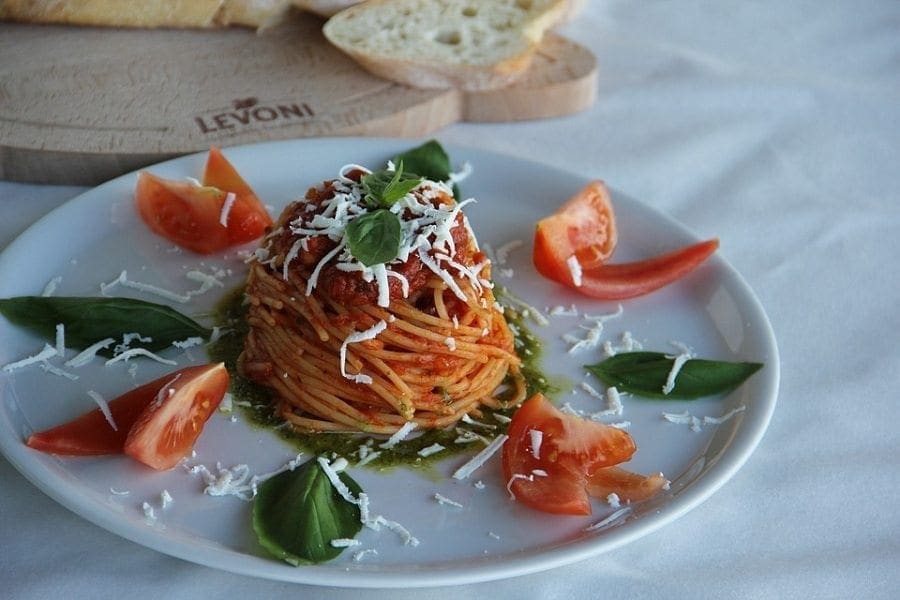
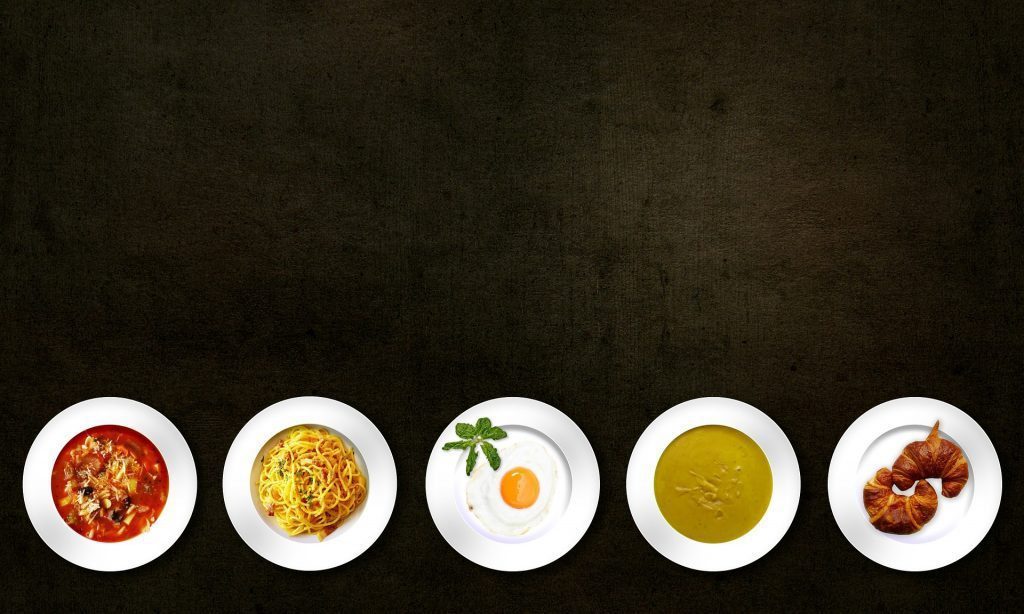
The secret to their longevity�seems to reside in their approach to nutrition, as a Mediterranean diet�based on pasta, bread, cheese, lean meat, and wine has them living well into their 80s.
The Italians’ high consumption of fresh vegetables and fruits, which make it to the plate every day, also accounts for the nation’s vigorous health and low mortality rates. Another magical ingredient found in abundance in Italian cuisine in olive oil, which has great benefits for cardiovascular health.
Surprisingly enough, although studies have shown a balanced diet can make us happy, Italy didn’t fare so well in the United Nations’ World Happiness Report�for 2017, where the country only managed to rank in at No. 48 out of 155.
The Italians’ unhappy disposition may be caused by their stagnant economy and high youth unemployment rate. Nevertheless, the stress of financial struggles doesn’t seem to affect their longevity.
US Came In At No. 34 Because Of Obesity
The Global Health Index, calculated each year by Bloomberg, assessed population health in 163 countries. The index�bases its ranking on a “health score” that evaluates life expectancy�at different ages, mortality rates due to illness or injury, and survival contingency at critical times.
Each country also received penalty points determined by unhealthy factors – such as smoking, overweight and obesity, and improper childhood nutrition – as well as environmental conditions, for instance pollution�and limited access to potable water.
The overall calculations led to a “health grade.” Italy scored the highest, with a grade of 93.11. The second ranking position was claimed by Iceland with a health grade of 91.21, while third place went to Switzerland, which scored a total of 90.75 points. Singapore and Australia also made it to the top five, managing to accumulate 90.23 and 89.24 points respectively.
At the opposite pole stand Slovakia (65.10), Barbados (64.14), Oman (62.89), and Panama (62.39), while Albania ranked at the bottom of the index, with 62.01 points.
The United States managed to score a total of 73.05 points, ranking in at No. 34. According�to Bloomberg, the nation’s “ranking for prevalence of overweight people�is 67.3 – tipping the scale as one of the world’s heaviest nations.” The country’s health score was also affected by maternal mortality rates, which – although curtailing worldwide – are increasing in the United States.
� 2017 Tech Times, All rights reserved. Do not reproduce without permission.
6 Food Habits That Keep Italians In Shape, Despite Pizzas & Pasta
You must be wondering how a diet of pizzas, pasta among other indulgent items boasts of being one of the healthiest in the world.� Well, there are certain secrets about the Italian diet that are both, unique and relatable–some of which, have been revealed over the years.Recently voted as the healthiest country on earth by the Bloomberg Global Health Index, Italy apparently has a lot to thank its cuisine for.
But wait, aren’t food items like cheese-laden pizzas contributing towards making nations like America overweight? Not really.�A post shared by Best Food, Chef And Restaurant (@italian_food) on Italian lifestyle is dominated by fresh produce, adequate exercise, authentic cuisine, beneficial oils like canola and olive, besides occasional glasses of red wine. Please pay attention.
The keyword here is, ‘authentic’.Also Read: Italy is World’s Healthiest Country; India doesn’t feature in top 50The skewed form of Italian food served around the world (including in India) barely does justice to its original form. For example, by adding processed meat to a pizza instead of the vegetables Italians use, you’re piling on calories for yourself–the calories Italians choose to ignore.So, here are some things Italians do differently than the rest of the world and ensure their delicious doesn’t make them gain weight.1. According to Mayo Clinic, the
Mediterranean diet comprises of using natural herbs and spices instead of salt for adding flavour.�A post shared by Best Food, Chef And Restaurant (@italian_food). Red meat is a rarity, whereas fish and poultry is consumed at least twice a week.3. Italians also believe in consuming healthy amounts of red wine that contains its fair share of benefits.4. Butter is replaced by oils like Canola and Olive.5. Many Italians replace dessert with fresh fruits.6. Besides laying emphasis on homemade food, Italians are huge fans of fresh vegetables, whole grains, legumes and nuts–each of which are packed with health benefits.Researches over the years have shown how resorting to the Mediterranean diet might actually keep you away from cholesterol and subsequently, heart diseases. Also linked with a reduced risk of Parkinson’s and Alzheimer’s diseases, the diet is believed to alter the risk of breast cancer among women.
Food writer and author of The Goodness of Nuts & Seeds, Natalie Seldon has this advice for refreshing your diet this spring�
EAT THE RAINBOW
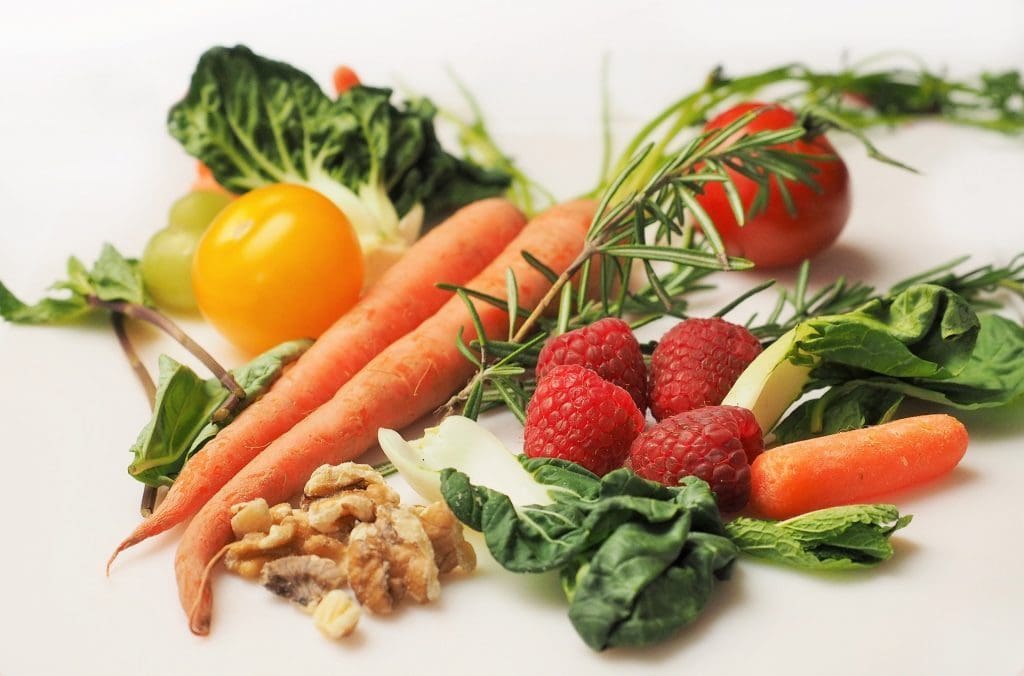
Sweep away the dull winter with spring�s colourful fruits and vegetables; a great way to load up on fibre, vitamins and other disease-fighting compounds. The pigments that give fruits and vegetables their colour are vital antioxidants. Include three or more colours in each meal; scramble eggs with spinach and red pepper, add strawberries and apricots to green salads, brighten up sandwiches with shredded carrot and rocket, and blend blueberries, peaches and banana into smoothies.
SLOW EATING
Make a commitment to regularly preparing fresh food and eating it at the table � cute placemats and all. Firstly, you�re worth it. Secondly, your body will thank you. Eating in front of the TV significantly increases your calorie intake, plus nutritional research evidence shows that eating out, or relying on ready-meals are almost always more likely to provide higher mounts of salt, unhealthy fats and calories than a meal you prepare yourself. Plus, once you have the store cupboard essentials, you�ll actually save money prepping at home. Bonus!
GET YOUR CRUNCH ON
Nourish yourself by including one of the hottest health trends of 2017, nuts and seeds to your diet. These versatile little guys pack a powerful nutritional punch, being high in healthy fats, fi bre and calcium, whilst providing an abundance of antioxidants and minerals. And just to help matters, their gratifying versatility and moreish richness lend themselves to a myriad of both�savoury and sweet dishes, allowing us to conjure up all kinds of culinary magic on any given day. My new book The Goodness of Nuts & Seeds is full of simple and delicious recipe ideas. (Available now via Amazon, most book stockists and Chic et Tralala, Hollybush, Sevenoaks).
VEG FOCUS
It�s official, the healthiest diets in the world have one very important thing in common � they�re all based on plant foods rather than meat. Overwhelming evidence from studies around the world proves that plant foods are your most powerful allies in protecting against several lifestyle-related diseases such as diabetes, obesity and heart disease. Veganism has surged by 35% and is gaining serious momentum. Eating a diet high in veggies, beans, fruits and healthy oils, as well as fish and whole grains � aka the Mediterranean diet � is good for your brain as well as your bod. Shift towards a plant based diet by swapping legumes, meaty veg and tofu for animal products a few meals per week, or try meat-free Monday.
GO GREEN
Using fresh herbs is a great way to add extra flavour to your meals along with getting plenty of health benefits. For example coriander helps remove heavy metals from the body, parsley is rich in immune boosting vitamin C, and rosemary and sage are excellent memory enhancers. Fill your cupboards with healthy alternatives and buy seasonal produce as they are more likely to be even more nutrient dense, as well as more affordable.
FRESH START
Start your day off right with a glass of water and a freshly squeezed lemon or lime. This is a fantastic way to improve your digestion, alkalize your body, and boost your vitamin C levels to support healthy immune function and radiant skin.
EAT YOUR WORDS
To change the way you think about food and bring the joy back into eating, you need to rethink the way you talk about it. Referring to any food as �good� or �bad� has no place in a healthy, balanced approach to eating. As a food writer, I know many people struggle to make peace with eating certain foods as we are programmed by the world around us to use powerful language to describe a range of food we eat. Indeed, an interesting change happens when you remove these negative connotations � you don�t feel the need to hastily shovel food in, or go back for seconds before your conscience catches up with you. You actually enjoy these foods even more, and therefore require them less. Win win!
It�s easy to get a quick sugar fix from foods that might be lying around (hello, blueberry muffins in the office kitchenette). Chances are, though, that you’re already eating way too much sugar; the average person takes in 22 teaspoons of�sugar daily�more than three times the amount suggested by the American Heart Association. A growing body of research links the sweet stuff to high cholesterol and blood pressure, increased risk for cancer, diabetes, and heart disease, and�of course�excess weight gain. Plus, a sweet treat can cause a blood sugar spike and crash, leaving you feeling sluggish, moody, and hungry (again).
Reach For A Piece Of Fruit Instead
You’ll be satisfied�we promise. �When you craving something cold, creamy and sweet, think healthier options like frozen bananas, grapes, organic fruit purees, or homemade frozen yogurt pops,� suggests Natalia Levey, certified health and nutrition coach and author of Cravings Boss. Low-fat Greek or plain yogurt with some fruit on top is another nutrient-packed option. �The yogurt provides calcium which is good for your bones and the berries are packed with immune boosting antioxidants,� says Keri Gans, RD, New York City-based nutritionist and author of The Small Change Diet
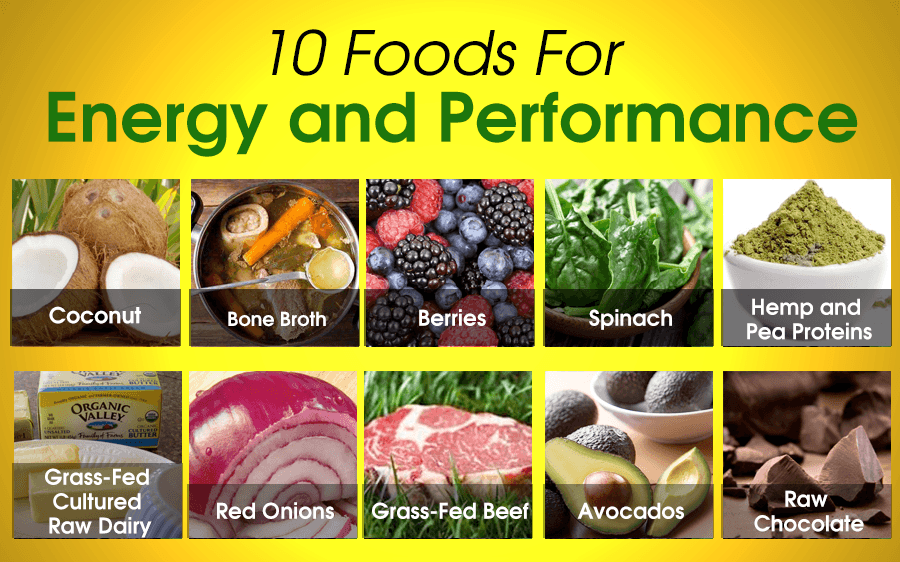
High level performers are always looking for strategies that will give them an edge in their field of endeavor. Athletes want to run a split second faster and jump an inch higher while business executives want to have sharper mental clarity and improved working efficiency. Specific meal timing and superfood strategies have been shown to optimize performance and recovery.
We all want to perform at our peak no matter whether we are a teacher, stay at home mom, doctor or athlete. It is also integral that we recover fast and effectively. The goal is peak performance and quick and effective recovery so we can get up the next day and do it all over again.
Optimize Your Performance:
Performance in any field depends upon high level mental activity and often kinesthetic activity whether that be running or jumping or eye-hand coordination. The keys for healthy function include good fats, anti-oxidants and clean protein sources.
Providing lots of clean healthy foods and meal timing properly can make a huge difference in your overall energy and daily performance. Use the principles in this article to help guide you in preparing your body for great energy and daily performance in your daily life.
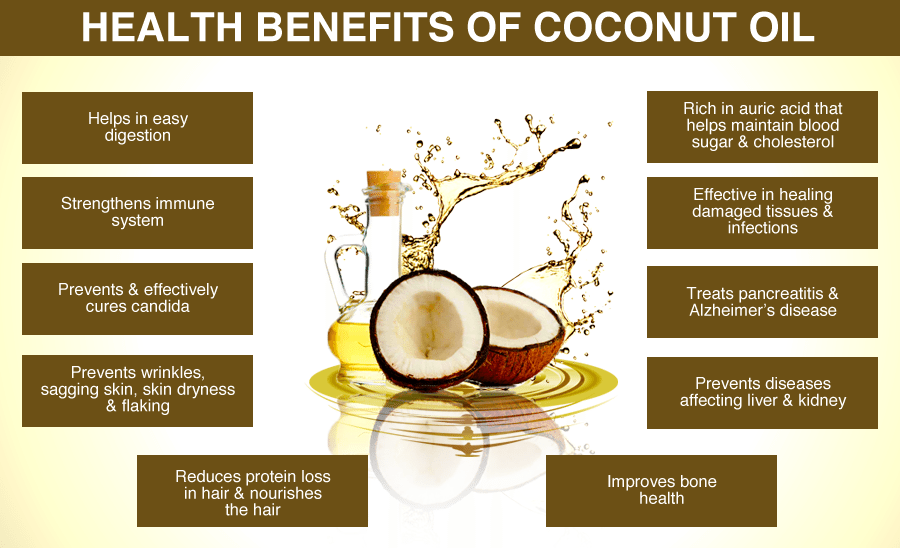
Coconut:
This superfood is loaded with medium chain triglycerides (MCT�s) that break down for energy very easily. Unlike most fat sources which consist of long chain fatty acids these MCT�s do not depend upon bile and instead go right to the liver and are metabolized immediately for energy.
Muscle cells are also able to store MCT�s and use them immediately for energy during exercise sessions.
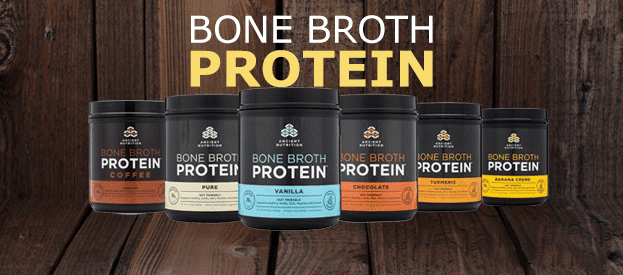
Bone Broth Protein:
Bone broth contains a wide variety of valuable nutrients including collagen, gelatin, hyaluronic acid, chondroitin sulfate, glycosamino glycans, proline, glycine, calcium, phosphorus, magnesium and potassium. These all help with the development of healthy joints, bones, ligaments and tendons as well as hair and skin.
These nutrients are considered beauty foods because they help the body with proper structural alignment and beautiful skin and hair. They also help to prevent against injuries by strengthening joints, tendons and ligaments. Additionally, bone broth is great for the immune system.
If you are unable to make your own bone broth, than you can try our Bone Broth Protein which comes with the same benefits as homemade broth, but it�s even more versatile in so many recipes. Bone Broth Protein begins as a true bone broth liquid. It�s then dehydrated, making it into a concentrated source of high-quality, tasty powder.
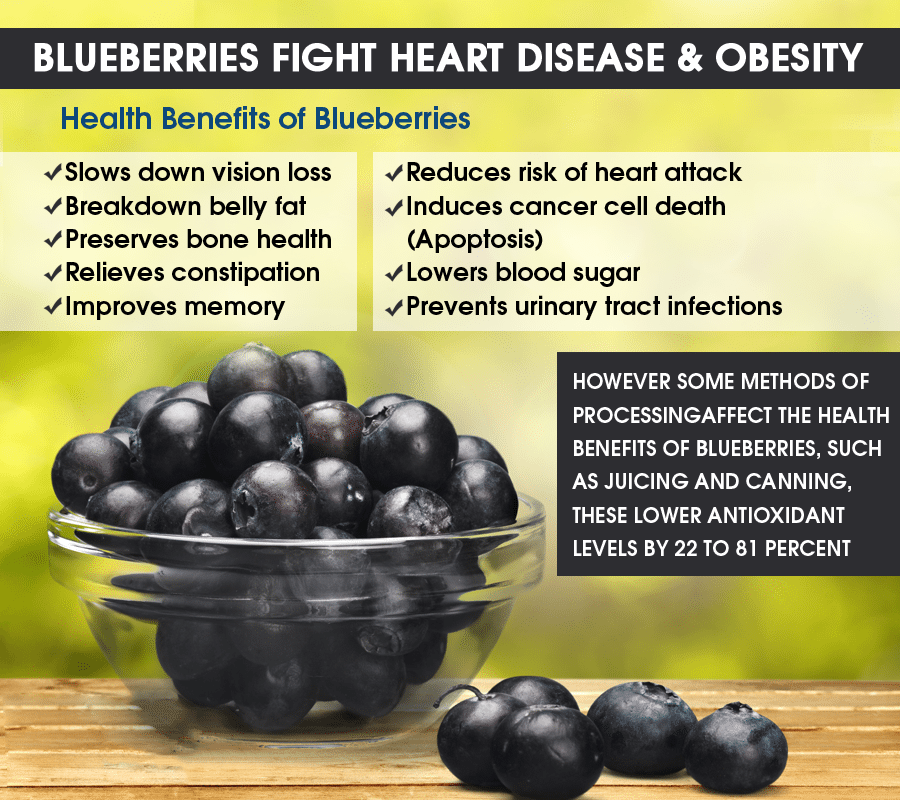
Berries:
Berries are loaded with anti-oxidants and are low in sugar. Berries contain unique phytonutrients called anthocyanin�s that give them their strong pigments and allow them to handle intense sunlight. Consuming these anthocyanin�s helps our bodies adapt to stress effectively.
Be sure to get your berries organic as the thin skin makes them susceptible to pesticides and they are highly contaminated with dangerous pesticides when produced on conventional farms.
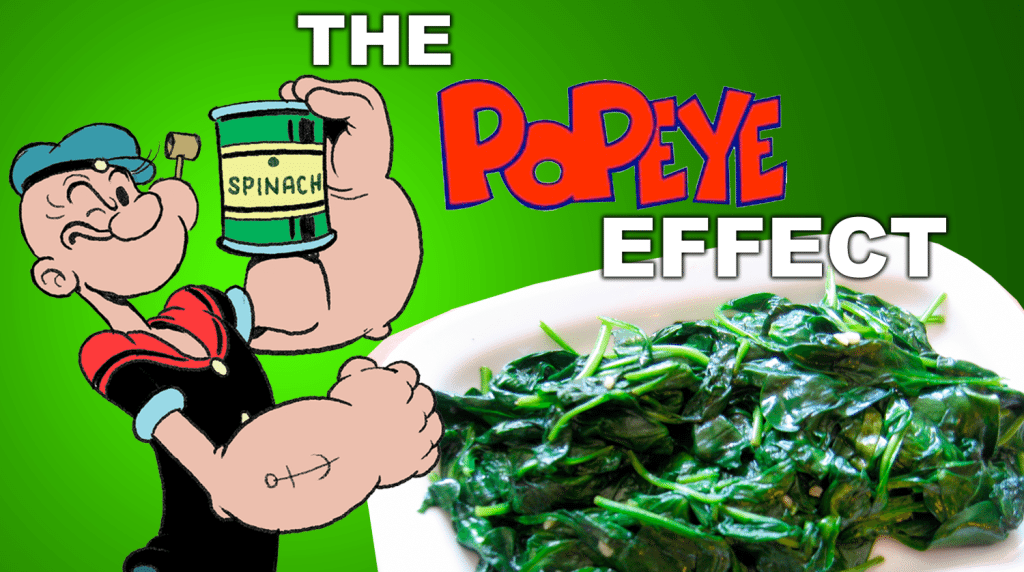
Spinach:
This superfood is loaded with blood purifying chlorophyll and the anti-oxidants lutein and zeaxanthin. Spinach also contains its own plant based steroids called phyoecdysteroids that boost the bodies ability to adapt to stress. Phytoecdysteroids are similar to insect molting hormones and have been shown to dramatically increase glucose metabolism.
This keeps blood sugar levels stable and minimizes the need for the critical fat-storage hormone insulin. Additionally, phytoecdysteroids increase human muscle tissue growth rates by 20% when applied in a culture medium.
Rice & Pea Proteins
For sensitive cases where people have pronounced sensitivities I prefer to use either a brown rice or pea protein. Pea protein appears to be the most hypoallergenic of all protein powders and has a 98% absorption rate. This combination of 1% brown rice and 99% pea protein has a great blend of branched chain amino acids, lysine and arginine for lean body tissue development and good circulation
Pea & brown rice protein has also been shown to be very easy on the digestive system and the protein is fairly quickly assimilated into muscle tissue. This is important because slower digesting and assimilating proteins have a greater chance of producing gas and making one feel bloated. Most plant proteins have poor assimilation rates but pea, brown rice and hemp proteins are the rare exceptions.
These are loaded with sulfur containing amino acids like methionine and cysteine which are critical for glutathione production. They are also a rich vegetarian source of branched chain amino acids. They contain essential fatty acids and edestin and albumin which are similar to the makeup of human blood and these help with critical functions like DNA repair.
Grass-Fed Butter:
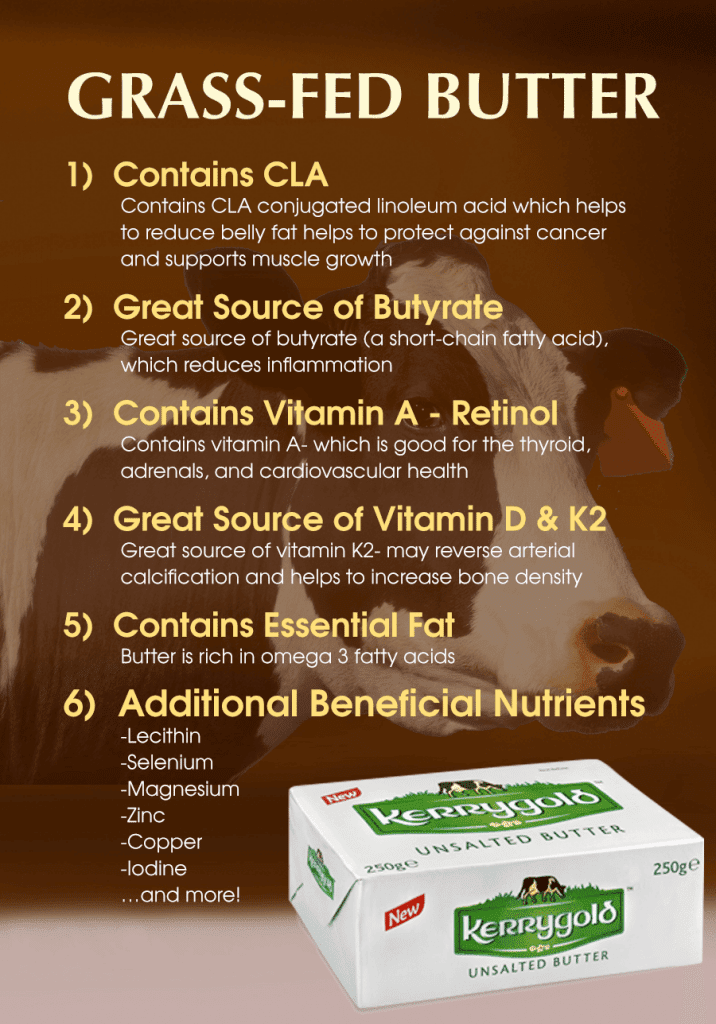
Dairy from grass-fed cows is extraordinarily rich in essential fats and critical nutrients like vitamin K2 and magnesium. The best foods from this group include grass-fed butter and ghee which are loaded with anti-inflammatory fats and anti-oxidants.
Grass-fed butter and ghee are also rich in conjugated linoleic acid, which helps burn fat and is anti-carcinogenic. It is the best food source of the anti-inflammatory short chain fatty acid butyrate. Finally, it is full of choline which supports healthy brain and neurotransmitter production. I use butter and ghee generously each day. Look for Kerry Gold grass-fed butter.
Red Onions:
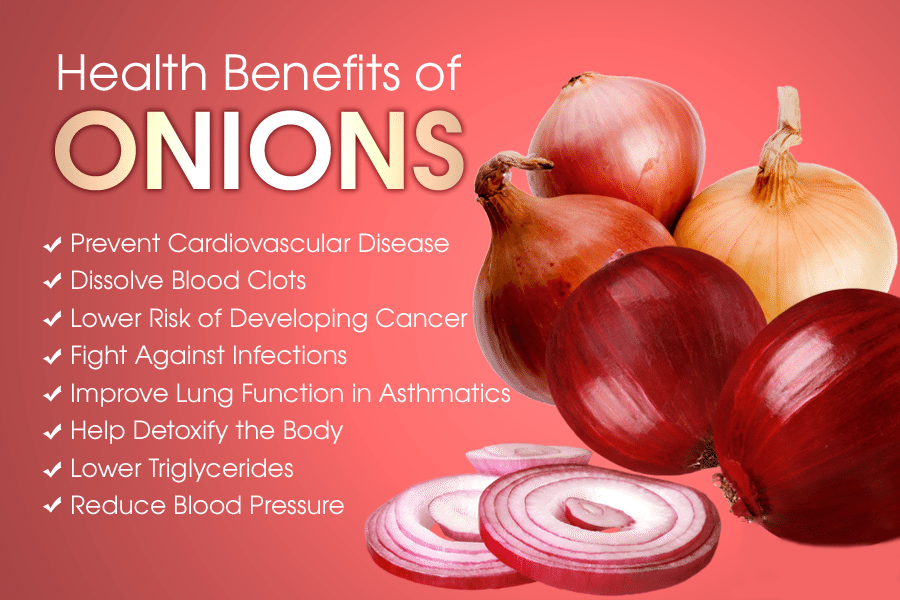
These are loaded with the flavonoid anti-oxidant quercetin. They also contain sulfur containing amino acids that boost cysteine and glutathione production within the body. They also have chromium which helps to regulate blood sugar levels.
Grass-Fed Beef:
Cows that are fed a 100% green diet are loaded with anti-oxidants like carnosine and essential fatty acids. Because cows have multiple stomachs and are able to fully digest grass (humans cannot) we are getting the benefits of this fully digested super-greens in a high protein food.
A fantastic source for grass-fed beef and pastured poultry is US Wellness Meats.
Avocados:
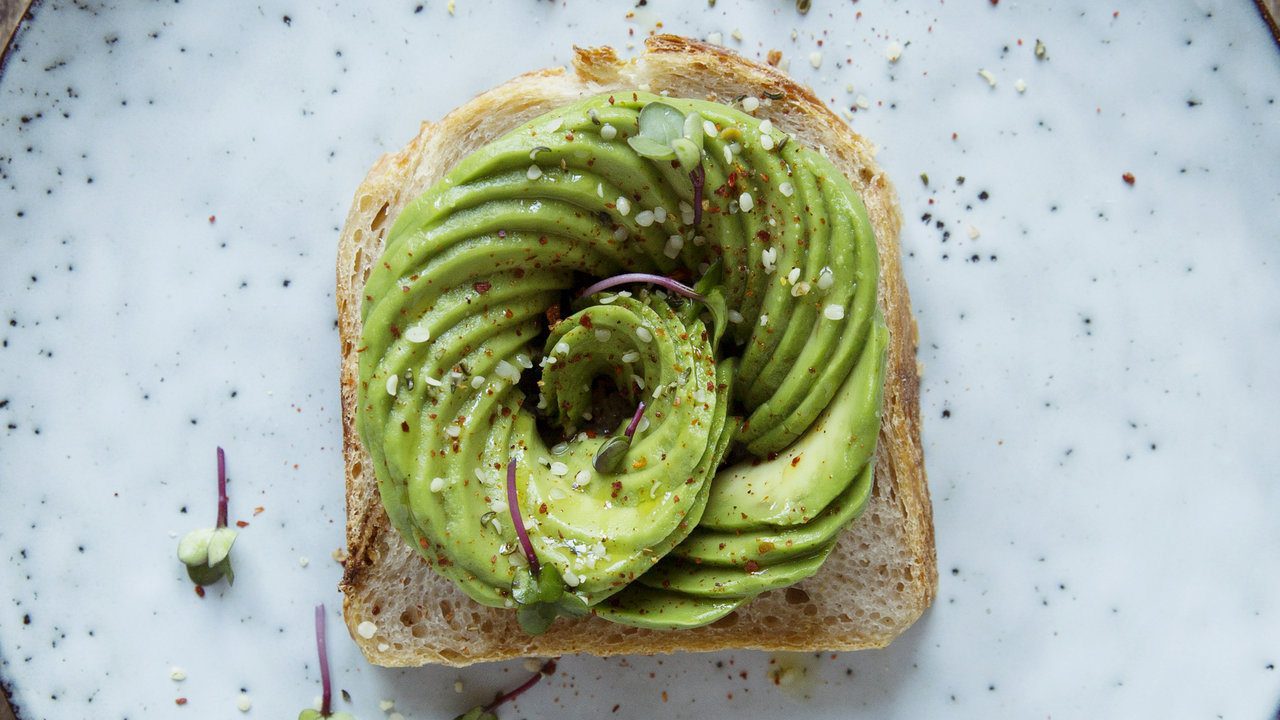
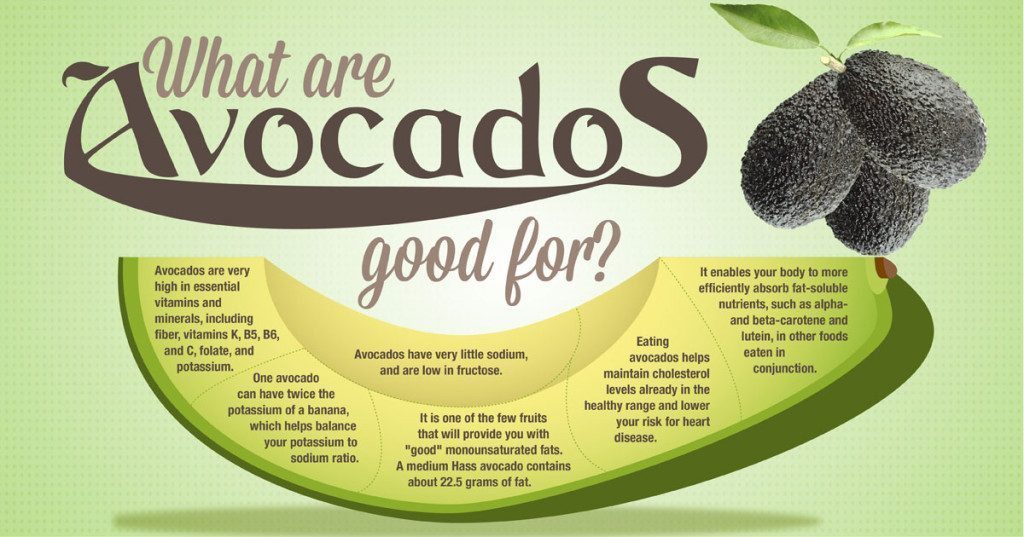
Avocados are loaded with good fats and carotenoid anti-oxidants like lutein and zeaxanthin. It is very easy on the digestive system and helps support optimal hormone function, muscle development and exercise recovery.
Raw Chocolate:
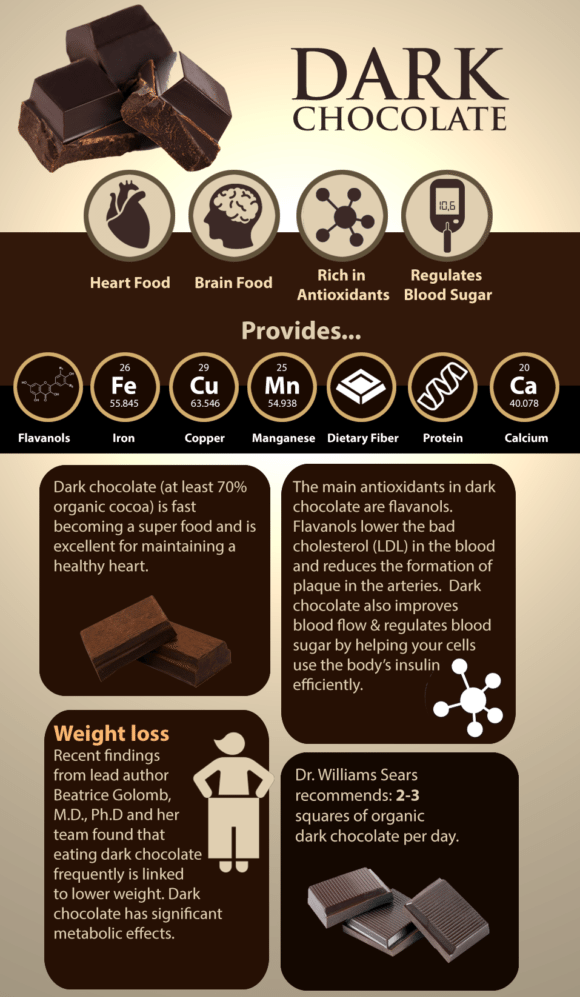
This is rich in good fats and polyphenol anti-oxidants for fuel and recovery. Chocolate contains theobromine which is a natural cardiovascular stimulant that helps improve circulation throughout the body.
Proper Meal Timing:
It is best to eat light before our times of performance to keep as much energy focused on the specific performance rather than on digestion. Instead of food, turn to water, as optimal hydration correlates very strongly with great performance. I try to stay super hydrated throughout the day and notice that as my water intake drops, my energy and mental acuity declines.
After the performance we want to have our largest meal to replenish our system with nutrients. Ideally, you have your largest meal at the end of your day as opposed to the beginning of your day. This helps your body to recover from the stresses of the day. You are in a relaxed position at this point, as you no longer have to work hard and perform, so it allows you to digest and absorb the nutrients you need more effectively.
This helps to take stress off of your gut lining and improves the integrity of your digestive system. When you eat in a hurry or have a large meal before a stressful event or a busy day, you compromise your digestive system and cause more inflammation in the body.
These ideas and much more I teach in our Navigating the Ketogenic diet program. Opt-in here for more details and a FREE video training series I give you on advanced strategies to improve your performance.
Fat Burning Foods Video
Food: Diet and Nutrition for a Healthy Back
As most patients are well aware, good nutrition and a balanced diet are important components of overall health. What may surprise people with back problems is that diet, nutrition and maintaining a healthy weight also play a major role in the back – including preventing many problems and healing from injuries.
The bones, muscles and other structures in the spine need good nutrition and vitamins so that they are strong enough to support the body and to perform their other functions. Using these nutritional guidelines, patients can integrate back-friendly vitamins and nutrients into their diets.
Eating a balanced diet that includes the right amount and variety of vitamins and nutrients will reduce back problems by nourishing the bones, muscles, discs and other structures in the spine. Particular importance is given to calcium, which can be obtained through a variety of healthy food choices as well as nutritional supplements.
While a healthy diet calls for many vitamins and nutrients, this partial list highlights a number of healthy choices that can be directly beneficial for helping back patients.
Role of Vitamin or Nutrient Food Sources
Vitamin A:
An antioxidant that assists the immune system in fighting off diseases. It is good for the back because it helps repair tissue and in the formation of bone. It also helps the body use protein effectively.
Additionally, the body can convert beta-carotene into vitamin A. Beta-carotene can be found in dark green leafy vegetables and most orange vegetables and fruits.
It’s important not to get more then the recommended daily allowance of vitamin A, as too much can promote bone fractures. Beta-carotene does not increase the risk of fracture.
Vitamin A can be found in beef, calf and chicken liver; dairy products like milk, butter, cheese and eggs; orange fruits such as apricots, nectarines and cantaloupe; orange or green vegetables such as carrots, sweet potatoes and spinach.
Vitamin B12:
Necessary for healthy bone marrow and for the body – and the spine – to grow and function normally. Vitamin B12 can be found in meat products, such as liver, fish, red meat and poultry; dairy products, such as milk, yogurt and cheese; and eggs.
Vitamin C:
Necessary for the development of collagen, which is an important part of the process that allows cells to be able to form into tissue. This is extremely important for healing problems caused by injured tendons, ligaments and vertebral discs, as well as for keeping bones and other tissues strong.
Vitamin C can be found in fruits, such as strawberries, kiwi fruit and citrus fruits (e.g. oranges, guavas, grapefruits) and tomatoes; many vegetables, such as broccoli, spinach, red and green peppers, sweet potatoes and white potatoes.
Vitamin D:
Improves calcium absorption, which is important for the development of strong and healthy bones. Adequate calcium absorption is particularly important to help prevent development of osteoporosis, a disorder characterized by weak and brittle bones in the spine that can results in painful vertebral fractures. Vitamin D is naturally occurring in egg yolks and fish oils; also found in most brands of fortified milk in the US; can also be obtained by spending time in the sunlight.
Vitamin K:
Needed for the bones to properly use calcium. The combination of vitamin K and calcium works to help bones throughout the body stay strong and healthy. Vitamin K is found in liver, pork, green leafy vegetables such as spinach, kale and broccoli, and dairy products.
Iron:
Needed for cells to remain healthy as it helps them receive oxygen and get rid of carbon dioxide. It also aids in the production of myoglobin, an important element of healthy muscles that are needed to support the spine. Iron is found in meat products such as liver, pork, fish, shellfish, red meat and poultry; lentils, beans, soy, eggs, grains, and green leafy vegetables such as spinach, kale and broccoli.
Magnesium:
Important for the relaxing and contracting of muscles. It also helps maintain muscle tone and bone density, which in turn can help prevent back problems. Further, it assists in the body’s use of protein. Magnesium is found in whole grains and whole-grain breads, beans, seeds, nuts, potatoes, avocados, bananas, kiwi fruit, shrimp, and green leafy vegetables such as spinach, kale and broccoli.
Calcium:
Essential for bone health and helps maintain the necessary level of bone mass throughout the lifespan and especially in old age. Adequate calcium intake is particularly important to help prevent development of osteoporosis, which results in weak and brittle bones in the spine that can results in painful vertebral fractures. Calcium is found in dairy products such as yogurt, cheese and especially milk; dark green leafy vegetables such as spinach, broccoli and kale; tofu, peanuts, peas, black beans and baked beans; some types of fish (salmon and sardines); a variety of other foods such as sesame seeds, blackstrap molasses, corn tortillas, almonds and brown sugar.
Specific meal timing and superfood strategies have been shown to optimize performance and recovery. As most patients are well aware, good nutrition and a balanced diet are important components of overall health. What may surprise people with back problems is that diet, nutrition and maintaining a healthy weight also play a major role in�spine health.�For Answers to any questions you may have please call Dr. Jimenez at�915-850-0900
IFM's Find A Practitioner tool is the largest referral network in Functional Medicine, created to help patients locate Functional Medicine practitioners anywhere in the world. IFM Certified Practitioners are listed first in the search results, given their extensive education in Functional Medicine