Benefits of Resistant Starch: the Definitive Guide
For individuals with digestive and other health issues, could resistant starch provide health benefits?
Resistant Starch
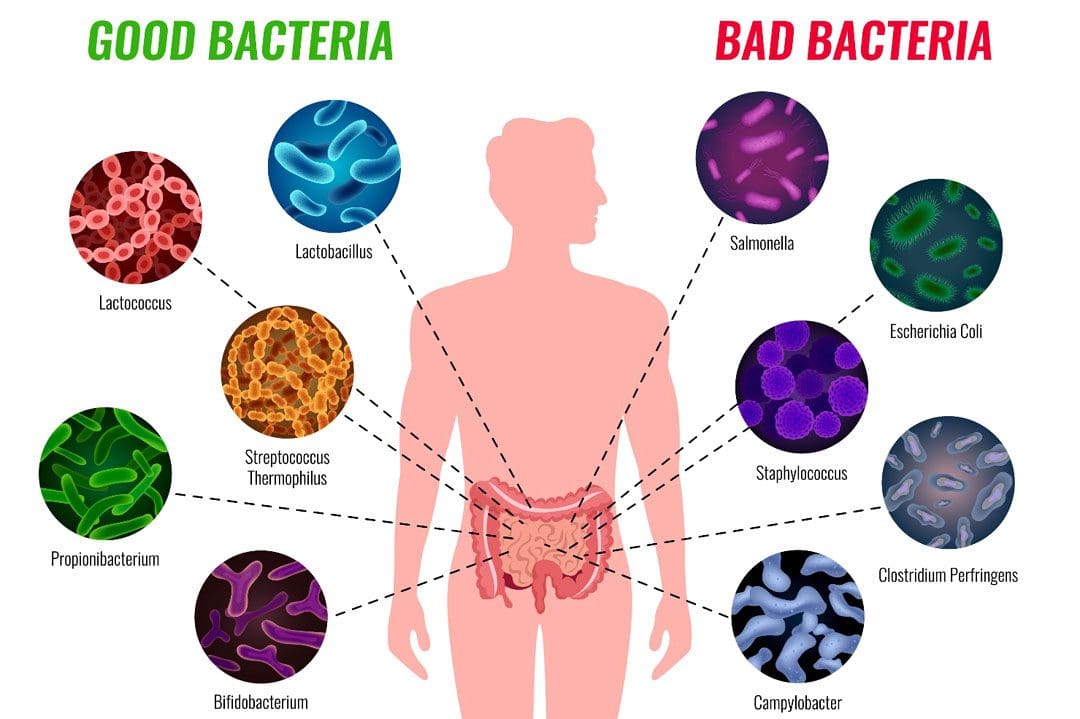
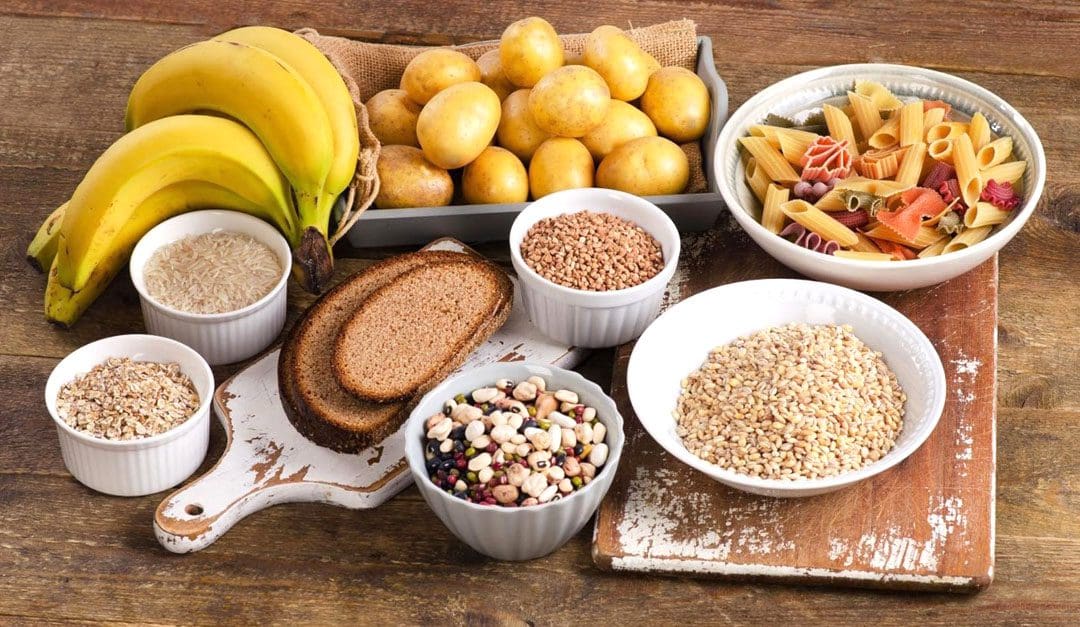
Typical starchy foods are simple starches that are rapidly digested. This sends their sugars into the bloodstream, contributing to weight gain and increasing the risk of diabetes and heart disease. (Erik E. J. G. Aller, et al., 2011) Resistant starch is a food component that is a type resistant to digestion. This means that it passes into the large intestine and interacts with the gut flora. Foods that contain resistant starch pass through the stomach and small intestine without being absorbed. In the large intestine, they are fermented by the gut bacteria which releases substances that are beneficial to health.
Health Benefits
Studies on the health benefits are ongoing. Scientists are researching how it can help with weight management and colon health:
Weight Management
Research is beginning to show indications that foods with resistant starch can help with weight loss and the ability to help offset the diseases associated with weight gain that include: (Janine A. Higgins. 2014)
- High cholesterol
- Diabetes
- Metabolic syndrome
- Cardiovascular disease
Colon Health
In addition, researchers are finding preliminary evidence indicating that resistant starch might possibly help with: (Diane F. Birt, et al., 2013)
- A prebiotic that encourages a healthy balance of gut flora.
- Inflammatory bowel disease symptom improvement.
- Prevention of colon cancer.
- Protection against diverticulitis.
However, more research is needed.
Consumption Amount
Estimates on how much should be consumed range from a minimum of 6 grams to a maximum of 30 grams. It is estimated that most individuals consume less than 5 grams per day, (Mary M. Murphy, et al., 2008). As individuals increase their intake, it is recommended to do so slowly, to minimize unwanted gas and bloating.
Bananas
- Bananas are a healthy source of resistant starch.
- They have the maximum amount when they are unripe.
- The resistant starch content reduces as the banana ripens.
- If green/unripe bananas are not appealing, making a smoothie can help with the taste.
Potatoes
- Potatoes have their highest level of resistant starch when raw.
- However, individuals can maximize their intake by allowing the potatoes to cool before eating.
Rice
- Levels of resistant starch depend on whether the rice is white or brown.
- Similar to potatoes, intake can be maximized from rice by allowing the rice to cool.
Oats
- Cooking oats in water, as most are accustomed to making oatmeal, diminishes the resistant starch content.
- Rolled or steel-cut oats are recommended as dependable sources of resistant starch.
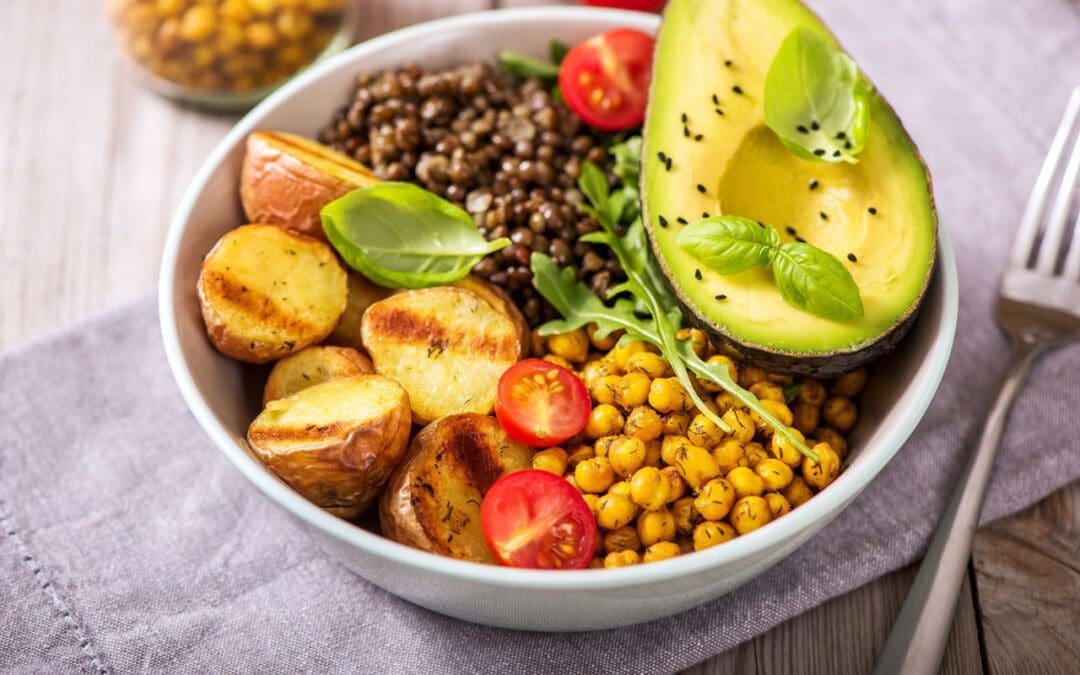
Chickpeas
- Chickpeas, also known as garbanzo beans, are nutritional powerhouses.
- They are a healthy source of dietary fiber, along with many vitamins and minerals, and resistant starch.
- Cooked and/or canned chickpeas contain high levels of resistant starch.
- They go with salads or as a side dish or snack.
- For individuals with IBS, well-rinsed canned chickpeas are considered to be low in FODMAPs or carbohydrates that can contribute to symptoms. (Anamaria Cozma-Petruţ, et al., 2017)
- It is recommended to keep the serving size to a 1/4 cup.
Lentils
- Lentils serve as a healthy source of plant-based protein.
- Cooked they can provide resistant starch.
- They can be prepared in soups or side dishes.
- From a can, they can be IBS-friendly by being well-rinsed and limited to a 1/2 cup serving.
Bread
- Various breads offer varying levels of resistant starch.
- Pumpernickel bread contains high levels.
- Breadsticks and pizza crusts have high levels.
- Individuals with IBS may be reactive to the FODMAP fructan or the gluten protein.
- Other recommended high-resistant starch options are corn tortillas or artisanal sourdough bread that is traditionally prepared.
Green Peas
- Green peas, even when cooked, are a healthy source of resistant starch.
- They can be prepared in soups or as a side dish.
- However, green peas have been found to be high in the FODMAP GOS and could be problematic for individuals with IBS. (Anamaria Cozma-Petruţ, et al., 2017)
Beans
- Most types of cooked and/or canned beans are recommended sources of resistant starch.
- The highest levels are found in white and kidney beans.
- They can be served in soups, as a side dish, or mixed with rice.
- Beans are a high-FODMAP food and could contribute to digestive symptoms in individuals with IBS.
Body In Balance: Chiropractic Fitness and Nutrition
References
Aller, E. E., Abete, I., Astrup, A., Martinez, J. A., & van Baak, M. A. (2011). Starches, sugars and obesity. Nutrients, 3(3), 341–369. https://doi.org/10.3390/nu3030341
Higgins J. A. (2014). Resistant starch and energy balance: impact on weight loss and maintenance. Critical reviews in food science and nutrition, 54(9), 1158–1166. https://doi.org/10.1080/10408398.2011.629352
Birt, D. F., Boylston, T., Hendrich, S., Jane, J. L., Hollis, J., Li, L., McClelland, J., Moore, S., Phillips, G. J., Rowling, M., Schalinske, K., Scott, M. P., & Whitley, E. M. (2013). Resistant starch: promise for improving human health. Advances in nutrition (Bethesda, Md.), 4(6), 587–601. https://doi.org/10.3945/an.113.004325
Murphy, M. M., Douglass, J. S., & Birkett, A. (2008). Resistant starch intakes in the United States. Journal of the American Dietetic Association, 108(1), 67–78. https://doi.org/10.1016/j.jada.2007.10.012
Cozma-Petruţ, A., Loghin, F., Miere, D., & Dumitraşcu, D. L. (2017). Diet in irritable bowel syndrome: What to recommend, not what to forbid to patients!. World journal of gastroenterology, 23(21), 3771–3783. https://doi.org/10.3748/wjg.v23.i21.3771