Toe Flexors & Trigger Points
Introduction
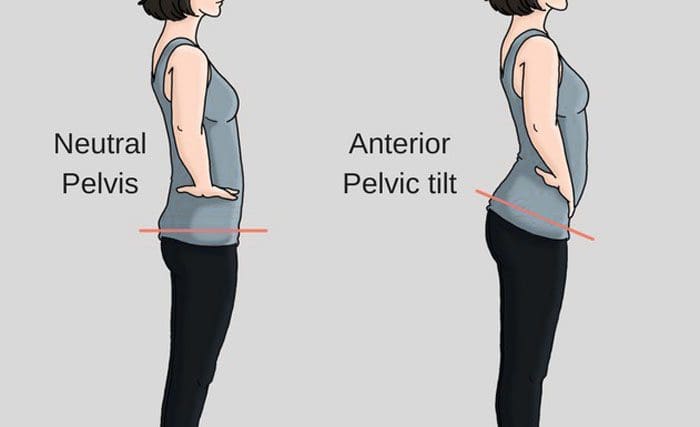
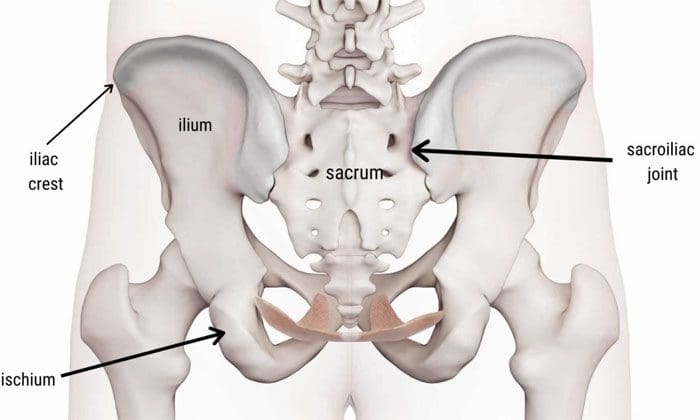
Regarding different destinations, our feet allow the legs and the lower body to move forward and stabilize the upper extremities from putting so much weight on the body itself. The lower portion of the body contains the hips, pelvis, legs, and feet. Within each section of the lower body, various muscles surround the joints and skeletal features of the lower half. For the hips, multiple muscles and tendons help support hip mobility and pelvic function. The legs work with the thigh as numerous muscles and tendons help the legs have more power to move. The lower portion of the legs works with the knee to allow extension and flexion to move as well. And finally, the ankles and feet work with various muscles to enable movement to the toes. The different muscles in the toes help stabilize the foot from causing issues to the ankles. However, when multiple injuries or factors begin to affect the muscles in the toes, it can lead to myofascial pain syndrome or trigger points to affect not only the toes but the entire portion of the legs and travel up to the hips.
Today’s article looks at the flexor muscles of the toes, how calf pain is associated with trigger points affecting the toes, and how different treatments and stretches can alleviate trigger points along the toe flexor muscles. We refer patients to certified providers that incorporate various techniques and therapies in the lower body extremities pertaining to trigger points affecting the legs, calves, and feet. This helps many people with pain symptoms along the flexor toe muscles, causing pain when doing everyday actions like stepping or walking. We encourage and appreciate each patient by referring them to associated medical providers based on their diagnosis when it is appropriate. We understand that education is a terrific way when asking our providers intricated questions at the patient’s request and understanding. Dr. Alex Jimenez, D.C., only utilizes this information as an educational service. Disclaimer
The Flexor Muscles Of The Toes
Have you been dealing with stability issues that are affecting the way you are standing? How about coping with unquestionable calf or foot pain? Do you feel aches in your big toe? Many of these issues affecting the feet are correlated with the flexor muscles in the toes. The flexor muscles are the flexor digitorum longus and the flexor hallucis longus. These muscles are located in the calf region of the lower leg and travel downwards to the ankle, forming the tendons for the feet and toes. Research studies reveal that the flexor digitorum longus muscle is a thin muscle located in the tibia’s deep posterior muscles and provides operational support to the four different sections of the toes and allows flexion. While other research studies reveal that the flexor hallucis longus muscle is a deep posterior muscle located in the fibula and provides flexion to the great toe while serving to plantarflex and inversion to the foot.
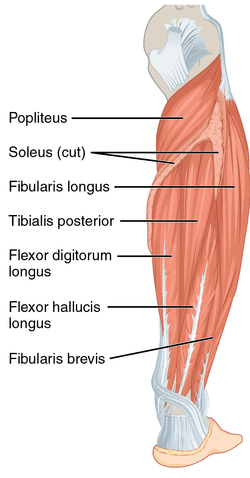
Now the flexor muscles work together to allow stability to the foot when a person is walking. Additional studies have shown that the flexor muscles are active as many people push off from the heel to allow movement to the toes and feet when stepping on the ground. This action enables the flexor muscles to contract and exerts much energy to allow the feet to move. However, when the body begins to age naturally, or various issues affect the lower body extremities, it can lead to multiple problems affecting a person’s mobility.
Calf Pain Associated With Trigger Points Affecting The Toes
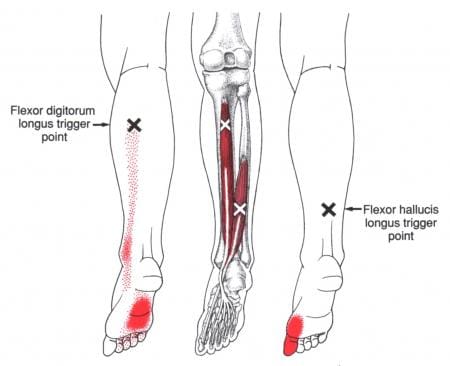
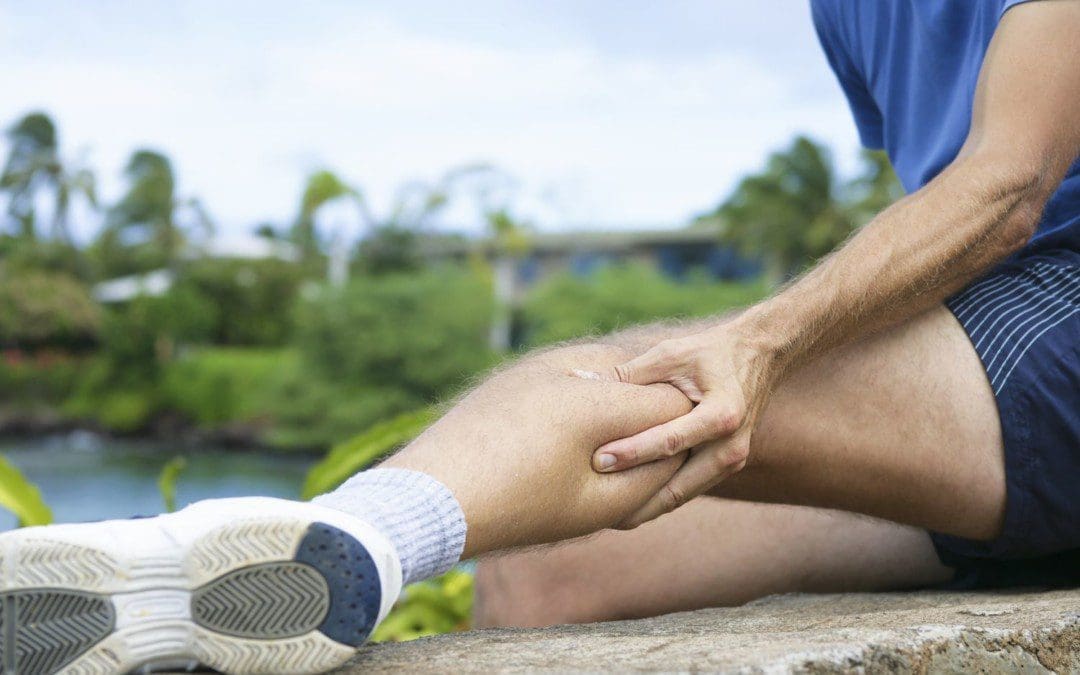
As the body ages naturally, a person’s mobility will eventually begin to decline as they shuffle in their steps instead of picking up their feet to move. Studies reveal that when older adults start to age naturally, they tend to have a decreased foot posture that enables them to have a more pronated foot than a supinated foot. When this happens, it can reduce mobility in their legs while also causing stress to the flexor muscles and have a high occurrence in lower extremity injuries like patellofemoral pain or tendon dysfunction. Stress in the flexor muscles can lead to the potential development of trigger points along the flexor muscles, which can correlate to calf pain. Dr. Janet Travell, M.D.’s book, “Myofascial Pain and Dysfunction,” mentioned that trigger points along the toe flexor muscles could potentially cause impaired mobility and strain to the foot. Since the flexor muscles are located in the calves, many individuals that incorporate running, jogging, or walking as part of their daily lives can be affected. To that point, if a person is walking on uneven ground, it can cause the foot to be hyper-pronated and lead to calf pain. At the same time, trigger points in the flexor muscles can cause symptoms of muscle spasms and cramps which can become overlapping risk profiles for ankle and foot pain.
Treating Trigger Points Along The Flexor Muscles- Video
Have you been dealing with unexplainable muscle spasms in your calves? Do you feel unstable when walking for a long time? Or do you notice you shuffle instead of picking up your feet? Many of these issues are correlated with trigger points affecting the flexor muscles of the toes that are causing pain to the calves and feet. When it comes to trigger points along the flexor muscles of the toes, studies show that it can develop a “trigger toe” where the flexor hallucis muscle that is providing flexion to the great toe, is in pain which leads to foot issues like plantar fasciitis or ankle pain. Fortunately, all is still possible as there are different stretches and treatments to reduce trigger points associated with the toe flexor muscles. The video above explains where the flexor muscles are located in the calve region of the leg and demonstrates how to stretch the flexor muscle to prevent trigger points from returning.
Different Stretches & Treatments For Toe Flexor Muscles

When relieving foot and calf pain associated with trigger points affecting the flexor muscles, there are different stretches and treatments to reduce pain-like symptoms associated with trigger points. Studies reveal that incorporating various muscle-strengthening exercises that target the calves could improve postural balance on the feet. Or find the right footwear to prevent trigger points from appearing in the future. Other stretches like toe grasping and flexing the foot allow many pain specialists to locate where the trigger points affect the flexor muscles and develop a treatment plan to reduce the effects of trigger points along the toe flexor muscles. Some of the treatments include chiropractic care. Now, doesn’t chiropractic care only incorporate spinal adjustments on the back? Yes, it does, but it can also alleviate other issues. As stated earlier, the feet provide stability to the lower body extremities. When problems affect a person’s balance can cause limited mobility to the hips, affect the legs and feet over time, and develop trigger points along the way. With chiropractic care, chiropractors can restore hip mobility through mechanical and manual manipulation of the spine and can help loosen the stiff joints and muscles that are causing pain. Chiropractors can pinpoint where the trigger points are located and find ways to reduce the pain in the affected muscle.
Conclusion
The flexor muscles of the toes, the flexor digitorum longus, and the flexor hallucis longus allow stability and flexion to the toes. The flexor muscles are located in the calve region and enable the individual to walk without complications. When issues or injuries start to affect the feet, they could develop into overlapping issues that affect the flexor muscles and causes symptoms of instability in a person’s balance. If not treated right away, it could develop trigger points in the calf region and cause pain to the flexor muscles. Trigger points in the flexor muscles can cause stress on the flexor muscles, which then leads to foot issues like patellofemoral pain or tendon dysfunction. To that point cause impaired mobility and muscle strain on the foot. Luckily there are treatments and various stretches to reduce trigger points from developing further and improve stability in the body. To that point, allow the individual to walk without any foot pain.
References
Fowles, J V, and N M Newman. “A Case of ‘Trigger Toe.’” Canadian Journal of Surgery. Journal Canadien De Chirurgie, U.S. National Library of Medicine, July 1984, https://pubmed.ncbi.nlm.nih.gov/6744145/.
Goldmann, Jan-Peter, and Gert-Peter Brüggemann. “The Potential of Human Toe Flexor Muscles to Produce Force.” Journal of Anatomy, U.S. National Library of Medicine, Aug. 2012, https://www.ncbi.nlm.nih.gov/pmc/articles/PMC3406365/.
Grujičić, Roberto. “Flexor Digitorum Longus Muscle.” Kenhub, Kenhub, 5 Dec. 2022, https://www.kenhub.com/en/library/anatomy/flexor-digitorum-longus-muscle.
Kusagawa, Yuki, et al. “Toe Flexor Strength Is Associated with Mobility in Older Adults with Pronated and Supinated Feet but Not with Neutral Feet.” Journal of Foot and Ankle Research, U.S. National Library of Medicine, 11 Sept. 2020, https://www.ncbi.nlm.nih.gov/pmc/articles/PMC7488436/.
Murdock, Christopher J, et al. “Anatomy, Bony Pelvis and Lower Limb, Calf Flexor Hallucis Longus Muscle …” In: StatPearls [Internet]. Treasure Island (FL), StatPearls Publishing, 25 Aug. 2022, https://www.ncbi.nlm.nih.gov/books/NBK539776/.
Quinlan, Shayan, et al. “The Evidence for Improving Balance by Strengthening the Toe Flexor Muscles: A Systematic Review.” Gait & Posture, U.S. National Library of Medicine, Sept. 2020, https://pubmed.ncbi.nlm.nih.gov/32679464/.
Travell, J. G., et al. Myofascial Pain and Dysfunction: The Trigger Point Manual: Vol. 2:the Lower Extremities. Williams & Wilkins, 1999.