Looking healthy and being physically fit can get anyone’s attention and for those being a part of a summertime social event, such as a wedding, being the center of attention is enough motivation to maintain overall wellness.
During this wedding season, engaging in the proper form of exercise and performing a variety of physical activities can help tone up some of the most difficult areas of the body. For women looking to increase or maintain the physical condition of their buttocks, Nike trainer and Chisel Club founder Lauren Williams demonstrates the top five exercises for sculpting your booty.
1.Step ups with knee drive: From standing, step onto a bench on your right foot, bringing your left knee into your chest. Step down and repeat on opposite side.
2.Single-leg squat to bench: Sit down on a step with your right leg extended in front of your body. From sitting, lift up to stand on your left leg, then lower back down keeping your right leg extended the whole time. Repeat on opposite side, with your left leg extended out in front of you. Stand up onto your right leg, lower back down.
3.Circle side lunges with dumbbell: Stand tall with legs in a wide straddle stance. Hold dumbbells in front of your chest, with elbows at at 90-degree angle. Hold the weights here as you sink into a side lunge on the right leg, staying low as you move through a squat and shift into a side lunge on the left side. Stand up, return to center, and repeat the circle in the other direction.
4.Split stance single-legdeadlift: From standing, place your right leg a few inches behind your left leg and raise your heel so your weight is on the ball of your right foot. Holding a dumbbell in each hand, lower the upper body toward the floor with the arms extending down, so the dumbbells almost touch the ground. Raise the upper body back up to stand and repeat movement with the left leg back and the right leg forward.
5.All-four rainbow leg raises: From all fours, raise your left leg off the ground and extend it out behind you. Tap the left toes to the ground on the right side of your body, then tap the toes on the ground on the left side of your body, as if you�re drawing a semicircle with your leg. Repeat movement on the right leg.
Maintaining as well as improving your body’s overall health and wellness doesn’t just enhance your physical look, you can also benefit from an improved physical conditioning. Before attempting any of the above exercises, however, be sure to consult a healthcare professional and make sure these are proper for you.
If you have an injury or condition which may be aggravated as a result of these injuries, your medical specialist can recommend a different variety to these exercises to avoid further complications.
For more information, please feel free to ask Dr. Jimenez or contact us at 915-850-0900 .
Chiropractic and Athletic Performance
Many athletes who are injured performing their specific sport or physical activity, frequently seek treatment from chiropractors. Chiropractic care focuses on the prevention, diagnosis and treatment of injuries and conditions affecting the musculoskeletal and nervous system. While chiropractic is a safe and effective form of conservative care for a variety of ailments, chiropractic can also be utilized to enhance athletic performance.
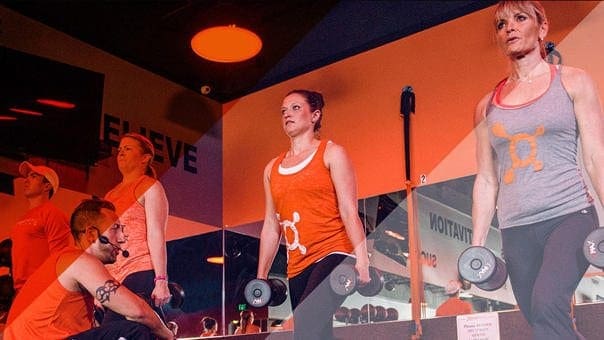
So many buzzy new workouts, so little time. But we promise, Orangetheory Fitness deserves a spot near the top of your list of sweat tests this year for its smart system and crazy calorie burn.
While it’s not brand new�Orangetheory is close to celebrating its sixth anniversary with more than 330 studios in 28 states, and more overseas�the company only recently opened in big cities like New York and Los Angeles. And it has quickly become a known name (and color) in even the most competitive fitness-focused metropolises. (According to Google, it was one of the 10 Biggest Workout Trends of 2015.)
The model is smart and simple: Enthusiastic, experienced instructors plus a heart-rate monitored cardio and strength session equals max results in just an hour. Here’s everything a first-timer should know before joining the “orange nation.”
The hour blends the perks of traditional workout classes (think good music and an energetic leader) and the one-on-one benefits of small-group personal training.
The instructors remember every client’s name, make an effort to cheer you on and give you constructive feedback during class, and urge everyone to work within their personal fitness level. This means you won’t be overwhelmed by confusing choreography, annoyed by close quarters, or trampled by the stampede rushing to grab the last medicine ball. Everyone goes to work within their own station, complete with various sets of weights, TRX straps, a step, and more.
Being Early is a Must
You’ll receive a welcome email or text message a day or two before your scheduled class, and the message will instruct you to arrive 30 minutes before the start time. Even if you’re experienced using just about any gym tool and have tried every workout under the sun, that half hour is crucial at Orangetheory.
You need about 10 minutes to introduce yourself at the front desk and fill out paperwork. Then, the trainer will chat with you about the types of workouts you do and your fitness goals (as a top-tier trainer should). Are you an Olympic rower? It doesn’t matter; your instructor will want to check out and assist with your form on the WaterRower and also give you a rundown of class lingo (you’ll hear terms like “base push” and “all out” throughout the hour).
You don’t have to memorize everything; there are television screens around the studio that show both a graphic of the move and number of reps per set while you’re doing strength on the floor and treadmill signs hanging on the mirror to guide your speed choices.
High-intensity interval training focuses on working at an all-out effort for shorter intervals of time in order to shoot your heart rate up, followed by brief periods of active recovery. Studies have continuously shown that HIIT is an extremely efficient way to maximize calorie burn.
Before you start class, a staffer will provide a heart-rate monitor that you strap right beneath your bust, directly on your skin. The goal is to work in your “orange zone”�which is 84-91% of your max heart rate�for 12 to 20 minutes during the class. How do you know where you stand? There’s an overhead screen that displays a chart with everybody’s name, vitals, and progression between the five “zones” (grey, blue, green, orange and red) in real time. This is both good and bad (depending on how much you like a competitive atmosphere): it means if you start slacking off, everyone in class will know it.
The major pro, however: Wearing the monitor makes you much more in tune with just how hard you’re working at any given time, and your results are emailed to you after class so you can see how you did and track improvement over time.
The instructors switch up the routine every time, offering a unique challenge every time you show up. In general, though, you can expect the 55-minute session to involve a combination of treadmill, indoor rowing, and strength training (with weights, body-weight exercises, or possibly TRX moves).
With folks rowing, running, jumping around on the floor, and screens holding your cue cards all around, it may feel as if there’s a lot going on in the room. But just focus on your movement and form during your first class; the trainer can walk you through your results afterward�then help you set new goals for when you return for round two.
For more information, please feel free to ask Dr. Jimenez or contact us at 915-850-0900 .
Additional Topics: Preventing Sports Injuries
A variety of athletes, including running athletes, commonly seek chiropractic care to diagnose and treat numerous sports injuries. Chiropractic focuses on the treatment of injuries and conditions related to the musculoskeletal and nervous system, making it an ideal care option for athletes. Recent research has demonstrated that chiropractic care can additionally help prevent a variety of sports injuries in athletes.
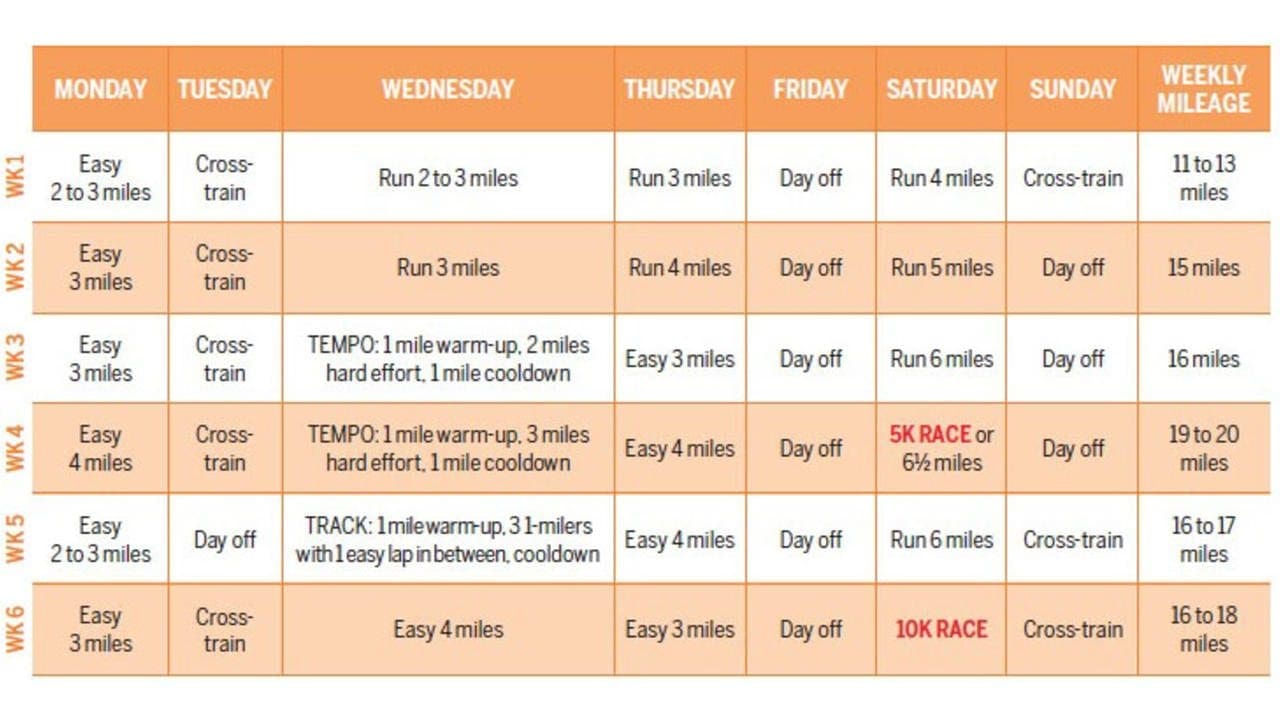
Thinking of training for a 10K race? This plan is perfect for you if you’ve already mastered a 5K race and you’re a “sometimes” runner who is able to do at least three miles without stopping a couple of days a week, most weeks. The goal for this 10K training plan, which was developed by developed by running coach Paula Harkin, co-owner of Portland Running Company in Oregon, will be to increase your endurance, run for an hour straight, and tackle a 10K by the end of 6 weeks.
The 10K training plan: This program incorporates a combo of tempo (effort of 7 or 8 on a scale of 1 to 10), and longer runs (effort of 5 or 6 ) to build endurance. “Combining these workouts will help you get faster while also making sure you can cover the distance,” says Harkin. Do a combination of running and cross-training on alternate days. As the weeks pass, alternate between building up the speed bursts and balancing out the recovery time. Focus on covering the distance, not your pace. Kick off with an easy 2 to 3 mile run. Over 6 weeks, try to work up to running 6 miles.
How to train smarter for your 10K race
1. Make three the magic number. If you’re used to running twice a week, says Jonathan Cane, an exercise physiologist and co-founder of City Coach Multisport in New York City, “three times is your sweet spot�. You’ll get a big bump in both speed and endurance, but it’s not so much more that you’ll risk getting injured.” And if weight loss is a goal, remember that adding just one extra day of running helps you burn an additional 300 to 400 calories, depending on your pace and size.
2. It’s OK to hit the treadmill. Some running purists say there’s no substitute for the outdoors, but all things being equal, “your heart and lungs don’t really know the difference between the road and the treadmill,” says Cane. So if it’s late in the day, raining or just not a good time to go outside but you really want to keep up your training, feel free to hit the “on” button. To compensate for a lack of wind resistance and natural terrain changes, keep the treadmill deck set at a 1% incline.
3. Turn down the music. Yes, pumping JT through your earbuds can power you up that hill, but don’t forget to tune in to how your body feels. “At this stage, you know you can already run for a while,” says Cane. “But it’s important to be aware of cues: how heavy you are breathing, or if you have a small twinge in your knee and need to slow down. It helps keep you from getting injured and makes you more aware of when you can bump up your pace or give a little more effort.”
For more information, please feel free to ask Dr. Jimenez or contact us at 915-850-0900 .
Chiropractic and Athletic Performance
Many athletes who are injured performing their specific sport or physical activity, frequently seek treatment from chiropractors. Chiropractic care focuses on the prevention, diagnosis and treatment of injuries and conditions affecting the musculoskeletal and nervous system. While chiropractic is a safe and effective form of conservative care for a variety of ailments, chiropractic can also be utilized to enhance athletic performance.
If you’ve been thinking of running a 5K, you should: Running just might be the most convenient workout going. You don’t need to be a skilled athlete, and there’s no fancy equipment involved; just lace up your sneaks and go. It’s also one of the most efficient ways to blast fat and burn calories��about 600 an hour.
Sure, walking has its benefits, but research shows that running kicks its butt when it comes to shedding pounds. One study of 47,000 runners and walkers, from the Lawrence Berkeley National Laboratory in Berkeley, Calif., found that the runners burned more calories and had a far greater decrease in BMI over a six-year period. The joggers who started out heaviest (those with a BMI over 28) lost up to 90 percent more weight than the walkers did.
Dropping pounds and toning up are hardly the only benefits of this killer cardio workout: You’ll also reduce your risk of heart disease and diabetes, boost your mood, temper stress, and build muscle, especially in the lower body and core. You don’t even need to dedicate a lot of time to reap these rewards; do 20 to 30 minutes, three to four days a week, and you’ll see significant improvement.
Ready to hit the road? Here’s a 5K training plan for beginning joggers. And it’s smart to add in one day of cross-training (think cycling or swimming) to rev up calorie burn and help prevent injury. Soon enough, you’ll feel as if you were born to run.
This is the 5K training plan for you if: You’re new to running and generally don’t work out consistently.
Your goal: By the end of 8 weeks, be able to run for 20 minutes straight��and build up to a 5K challenge.
The 5K training plan: This eight-week, three-days-a-week plan by Nike+ Run Club coach Julia Lucas mixes walking with running to help prevent injury and overexertion. OK running for longer? Shorten or discard the walking time.�Your ideal pace? One where you can carry on a conversation, but still feel like you’re doing a brisk walk.
How to train for your 5K smarter:�
1. Start off on the right foot.�Making a small investment in gear now will save you loads of aggravation later��you’ll feel more comfortable and avoid aches. “A good pair of�running shoes�can help ward off injuries like knee pain,” says Susan Paul, an exercise physiologist and training program director at Orlando Track Shack Fitness Club in Orlando, Florida.�Get a gait analysis at your local running store (it’s usually free) to help determine your ideal shoe type.
2. Stop side stitches.�Beginners are often plagued by this cramp, which strikes like a boxer’s body blow and happens when an overworked diaphragm begins to spasm. To ease the pain, slow down and forcefully exhale each time your opposite foot strikes (so if the stitch is on your right side, breathe out when your left foot comes down). It also helps to massage the area with two fingers. And don’t eat too much before you head out; a full stomach can be a culprit.
3. Think tortoise, not hare.�“The biggest mistake most new runners make is they start out way too fast,” says Paul. “It takes time for your body to get used to the demands of running. You have to condition your muscles, ligaments, tendons and bones, not just your heart and lungs.” No matter how tempted you are to push yourself, don’t. Slow and steady wins the calorie-burn race!
For more information, please feel free to ask Dr. Jimenez or contact us at 915-850-0900 .�
Chiropractic and Athletic Performance
Many athletes who are injured performing their specific sport or physical activity, frequently seek treatment from chiropractors. Chiropractic care focuses on the prevention, diagnosis and treatment of injuries and conditions affecting the musculoskeletal and nervous system. While chiropractic is a safe and effective form of conservative care for a variety of ailments, chiropractic can also be utilized to enhance athletic performance.
There�s no question that high intensity exercise burns mega-calories in minimum time. But when that high intensity comes in the form of running, jumping, and sprinting, you�re only as strong as your weakest link�and for many that means your hips and knees, which are more vulnerable to injury as impact levels rise. �Stress and impact are amplified with high intensity training routines and sudden force can cause damage to joint cushions, tendons, and muscles,� says Nicholas DiNubile, MD, orthopedic surgeon and best-selling author of the FrameWork series of books. �This is especially true as we age, or if you�ve had previous injuries, as your musculoskeletal frame is not as durable or limber.”
The good news is you can raise your heart rate and rev your metabolism to burn calories and fry fat without the jarring impact. Here are 10 relatively gentle workouts your joints (and your waistline) will love. Note: Just because a workout is low impact doesn�t mean it�s zero risk. You can further minimize your chances of pulling a muscle or straining a joint by starting your exercise sessions slowly so you can warm up your muscles and lubricate your joints before turning up your efforts.
For years, companies have been hawking vibration as a form of exercise�from those fat-jiggling waist belts in the �80s to the vibrating platforms found in many gyms today. Now, a new study in mice suggests there might be some truth to the idea that a vibrating machine may be able to deliver some of the same benefits as actual physical activity.
The new research, published in the journal Endocrinology, found that mice with diabetes and obesity had similar improvements in muscle mass and insulin sensitivity over 12 weeks when they were assigned to either 45 minutes of daily treadmill walking or 20 minutes of daily whole-body vibration. Both groups gained less weight and improved more in overall health than sedentary mice that received neither intervention.
How Vibration Exercise Works
Whole-body vibration consists of a person (or, in the study�s case, a mouse) sitting, standing or lying on a platform. The platform�s vibrations send tiny shockwaves through the body, causing muscles to contract and relax multiple times per second.
The obese mice in the study also had low bone density, a common side effect of excess weight in both animals and humans. While treadmill exercise did improve this measure over 12 weeks, the vibration technique did not. Both interventions did, however, increase levels of a protein involved in bone formation, suggesting that longer-term treatments could potentially help prevent future bone loss.
Vibration is not a cure-all for the problems associated with sedentary life, say the study authors, and results seen in mice don�t necessarily translate to humans. Before vibration-based treatments can be widely recommended, these results would need to be replicated in clinical trials. (A 2009 study found that vibration platforms helped obese people lose body fat, but other metabolic benefits have been less studied in people.)
The authors also point out that the study was designed to test the benefits of vibration on obese, unhealthy mice for whom regular exercise is difficult. Young, healthy mice, who were also included in the study, did not reap the same benefits from the whole-body vibration.
Lead author Meghan McGee-Lawrence, assistant professor of cellular biology and anatomy at Augusta University, says that vibration therapy might be an effective way to help people who are extremely overweight or have other limitations that keep them from regular physical activity.
�If you are able to exercise, we�d still recommend exercise as a first choice option,� says McGee-Lawrence. But for people who find it difficult to work out in a traditional way, �our study suggests it may be possible to obtain some of the same beneficial effects of exercise in a different, less strenuous way.�
For vibration to have these benefits, though, a lot of things have to be just right. �The frequency and magnitude of the stimulus, and how long it�s applied, need to be optimized to achieve the outcome you desire,� says McGee-Lawrence. It is possible to have too much of a good thing, she adds. Exposure to higher-level vibration in occupational settings, for example, can actually have a harmful effect on bone.
Pete McCall, an exercise physiologist with the American Council on Exercise, says that benefits of whole-body vibration are �100% legit.� Vibration platforms can be used for exercise warm-ups, cool-downs or for certain moves like squats, planks and Pilates poses.
�When you�re on one of these platforms, the oscillations add gravity and force, which are really important for building strength,� he says. For people who are too overweight or too out of shape to exercise safely and comfortably, he adds, vibration training can �introduce exercise to the body in a relatively low-stress environment.�
�Standing on a vibrating platform for 5, 10, 15 minutes can actually make cells stronger, maybe help them lose a little weight, and get them better prepared to eventually start exercising,� he says.
The American Council on Exercise warns that whole-body vibration machines may affect pacemakers and other electronic implants, and that pregnant women and anyone with a history of seizures, tumors or thrombosis should not use them.
For generally healthy people, McCall stresses that they should be used as a supplement to moderate-to-vigorous physical activity, not a replacement. �There�s no additional demand for oxygen, so the lungs and heart don�t have to work any harder,� he points out. �It�s not going to give you the important cardiovascular benefits that real exercise will.�
For more information, please feel free to ask Dr. Jimenez or contact us at 915-850-0900 .
Whole Body Wellness
Overall health and wellness can be achieved by following a proper nutrition and engaging in regular exercise and/or physical activities. While these are some of the most common ways to ensure whole body health and wellness, visiting a qualified and experienced healthcare professional can also grant your body additional benefits. Chiropractic care, for instance, is a safe and effective alternative treatment option utilized by people to maintain well-being.
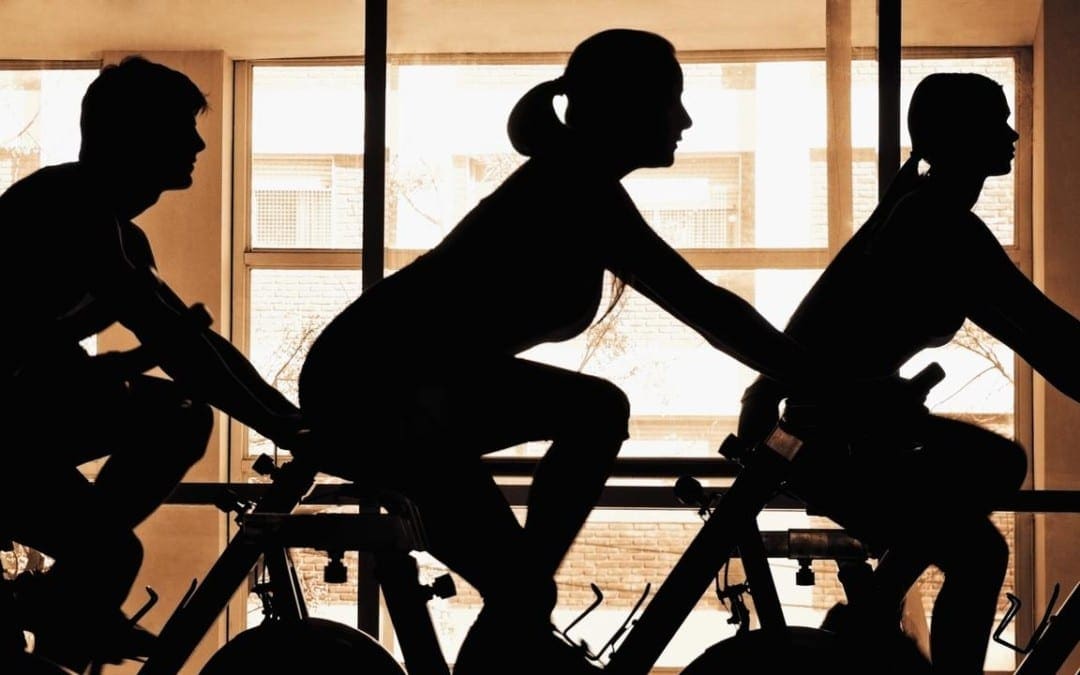
Spinning might look about the same as outdoor cycling or riding a stationary bike, but in many ways, it�s a far more intense workout�and one of the easiest to overdo.
First, there aren�t many (if any) breaks in spin class. �When you�re biking outside, you have to be aware of road dangers like water and cars, so you have to slow down at times,� says Dr. Maureen Brogan, an assistant professor of medicine at New York Medical College who has conducted research into spinning. Especially if you�re a novice road rider, it�s going to take some time before you�re comfortable enough on two wheels to really push yourself hard for long distances. That�s not the case on a spinning bike, where newbies can hop on and ride hard from the start.
Popular spinning studios like Flywheel and SoulCycle have their riders clip their feet into the stationary bikes. As long as the wheels turn, legs keep pumping. Combine this always-working aspect with the thumping music, enthusiastic instructors and energetic group atmosphere of most spinning studios, and it�s easy to get intense exercise and burn calories by the bucketful.
�The muscles you use on a spinning bike, the gluteus maximus and the quadriceps, are some of the largest in your body, so you�re using a lot of energy,� Brogan says�600 calories an hour, and sometimes more.
Spinning: High-Intensity Workout
This puts spinning near the top of the list when it comes to high-intensity workouts. A study from Sweden found that one hour of spinning was enough to trigger the release of blood chemicals associated with heart stress or changes. While that may sound like a bad thing, these blood chemicals�or biomarkers�signal the heart is getting a good workout. �These kinds of findings have also been seen with prolonged exertion such as marathons,� says study author Dr. Smita Dutta Roy of Sahlgrenska University Hospital in Sweden. While more research is needed to tease out the risks or benefits associated with exercise of this intensity, she says that some of the biomarker shifts her team observed could lead to blood vessel repair and renewal.
It can also help improve body composition, decrease fat mass and lower blood pressure and cholesterol, says Jinger Gottschall, an associate professor of kinesiology at Penn State University. Some of her research has shown that high-intensity spinning can increase fitness levels even in trained athletes. �In every study we�ve done, we�ve seen increases in heart and lung capacity,� she says. She calls spinning �the optimal cardio workout,� and says you can get all the intensity of a treadmill or stair-climber without the impact.
The low-impact nature of spinning makes it great exercise for older adults or people recovering from orthopedic injuries, she adds. �Because you can adjust the resistance and moderate the pace and intensity of your ride, it opens the door for many people to participate,� she says.
But it�s also easy for people who are new to spinning to overexert themselves. �If you�re not used to vigorous exercise, or to exercising the large lower-body muscles involved in spinning, you can overdo it,� Brogan says. She�s a kidney expert by training, and some of her research has linked spinning to rhabdomyolysis, a condition in which muscles break down to the point that they release a protein that can poison the kidneys. �People have swollen legs or trouble walking, and sometimes they take aspirin or NSAIDs for the muscle pain, which is the last thing they should do because those can also damage the kidneys,� she says. Problems like this can set in a day or two after spin class, she says.
While overexertion is possible with any form of exercise, she says the risks during spinning may be higher�especially when you consider that some spinners lose up to a liter of water during an hour-long session.
Even for trained athletes, there�s some evidence that spinning too often may lead to trouble. A study in the Journal of Strength and Conditioning Research concluded that spinning may push some people past the threshold at which the exercise is beneficial. �If indoor cycling were used as an everyday training activity, it is possible that the overall intensity would be too high and possibly contribute to developing nonfunctional overreaching,� the authors of that study write. (�Nonfunctional overreaching� is sports science lingo for a workout that�s so strenuous it leads to fatigue and performance declines, rather than fitness improvements.)
Overall, spinning is exceptional exercise. But if you�re new to it, you need to ease in and give your muscles time to adapt to its intensity. Even if you�re an experienced athlete, pushing yourself to your limit the first or second time you get on a spinning bike may be risky, Brogan says. Even once you�ve found your spinning legs, daily sessions may still be overkill.
But if you�re looking for a high-intensity workout a few days a week�and especially if running or other forms of vigorous aerobic exercise hurt your joints�spinning may be the ideal way to keep your heart and body in shape.
For more information, please feel free to ask Dr. Jimenez or contact us at 915-850-0900 .
Whole Body Wellness
Overall health and wellness can be achieved by following a proper nutrition and engaging in regular exercise and/or physical activities. While these are some of the most common ways to ensure whole body health and wellness, visiting a qualified and experienced healthcare professional can also grant your body additional benefits. Chiropractic care, for instance, is a safe and effective alternative treatment option utilized by people to maintain well-being.
IFM's Find A Practitioner tool is the largest referral network in Functional Medicine, created to help patients locate Functional Medicine practitioners anywhere in the world. IFM Certified Practitioners are listed first in the search results, given their extensive education in Functional Medicine