Sleep Better with a Mattress Designed for Arthritis
Getting a good night’s sleep can be difficult for individuals suffering from arthritis. Can finding a mattress that fits an individual’s needs help relieve aches and pains and provide restful sleep?
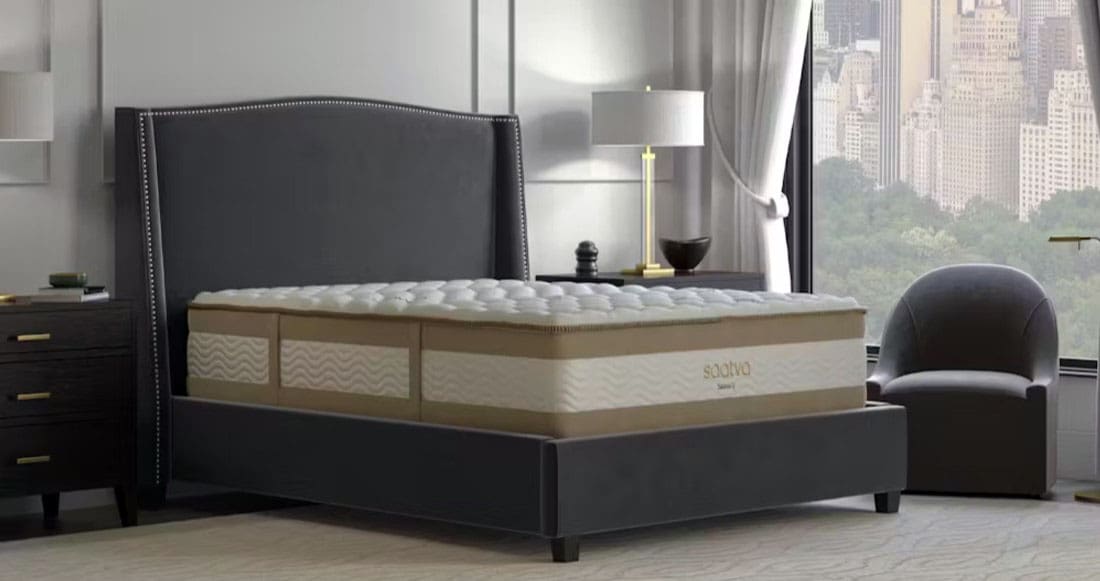
Mattress For Arthritis
Quality sleep can be difficult for those managing arthritis. Joint pain, stiffness, and tenderness can make falling and staying asleep feel impossible. A mattress for arthritis should be firm, provide comfortable support, and relieve joint pressure. (Sleep Foundation, 2024)
How Mattresses Affect Arthritis?
- Not adequate support or cushioning can exacerbate arthritis pain and stiffness.
- Individuals not sleeping well at night can experience significant physical and mental fatigue, increase the risk of injury, and perceive a higher level of pain.
- Zoned mattresses provide targeted pressure relief to areas of arthritis pain, like the neck and lower back.
- Mattresses that don’t support the body are more likely to disrupt sleep and exacerbate nighttime and daytime pain symptoms.
- The body needs time to recover and repair during sleep, so the right mattress for arthritis will allow sound rest throughout the night.
- A joint-supporting mattress can alleviate pain and stiffness.
What to Look For Mattress Types
Mattresses fall into three basic categories.
Foam or Latex
- These mattresses are often recommended for individuals with chronic pain because they conform to the body and alleviate pressure points without being too firm that they aggravate existing injuries or inflammation.
- Not all foam is the same; some mattresses are too soft to support someone with arthritis.
- Latex is a more reliable material for support and durability, but it’s also more expensive than memory foam.
Innerspring
- Innerspring mattresses are often long-lasting and provide firm support.
- However, they are not recommended for individuals with arthritis because they can be hard on joints and pressure points.
- The innerspring system doesn’t mold or conform to the body, so getting and staying comfortable can be difficult, if not impossible.
- They’re not as heat-retaining as foam mattresses so that hot sleepers may prefer them.
Hybrid
- A hybrid mattress typically consists of individually wrapped springs topped with one or more layers of memory foam.
- Hybrid mattresses are often recommended for arthritis patients because they meet the expert-recommended balance between support and cushioning.
Firmness Levels
Mattress firmness is rated on a scale of 1 to 10, with firmer mattresses scoring higher, often 6 or 7 and above. However, no one firmness rating works for all individuals with arthritis. Finding the right firmness for arthritis symptoms is highly individualized. For some, a super firm sleep surface can aggravate symptoms. In determining what firmness number is needed, consider weight. For example, a person weighing 400 pounds will have a different experience on a soft mattress than a person weighing 150 pounds. Typically, larger bodies need a firmer mattress to avoid sinking too far into the mattress’s core. Petite individuals may be perfectly supported on a mattress rated 5 or 6 for firmness, but taller or heavier individuals should look for a mattress rated seven or eight.
Support and Pressure Relief
Individuals will want to look for a mattress that targets specific areas for relieving aches and pains, such as the shoulders, hips, and lower back. Foam helps relieve pressure points in the body without feeling too soft, which is helpful when managing joint pain. There is debate over whether latex or memory foam is better for relieving sensitive pressure points. A Journal of Chiropractic Medicine study suggests that latex foam may outperform traditional memory foam as it reduces body pressure and evenly distributes weight along pressure points. (Low F. Z. et al., 2017)
Motion Transfer
Motion transfer refers to a mattress’s ability to isolate body movement. It’s helpful to consider how much you and your partner are affected by each other’s movement throughout the night. This may not be necessary for individuals who don’t sleep with a partner. So, if you or a partner disrupt sleep throughout the night, a mattress with better motion absorption is recommended.
Sleep Position Can Affect Arthritis and Joint Pain
Mattress manufacturers often design mattresses to accommodate back, side, or stomach sleepers, as different sleeping positions usually require different types of support. One study suggests that sleeping-related pain can be reduced in those with lower back pain when they choose the right sleeping surface for their preferred sleep position. (Jacobson B. H. et al., 2010) Therefore, purchasing a mattress for the preferred position is important.
Durability
A mattress’s expected lifespan depends on the materials it’s made from. A mattress that immediately loses some of its features and benefits won’t last very long. This is why it is recommended to know how long the trial period is for the mattress and keep track of its performance. Count on at least six to seven years, but latex and hybrid mattresses can last longer.
Trial Period
Considering the trial period on the mattress is important when buying online. Determining if it’s right for your body can take a little while as it takes a while to break in a new mattress, so look for a longer trial period to see and feel if it is the right choice. (Mattress Firm, 2023) Most online mattress retailers offer at least a 100-day trial period, while some offer 365 days to send it back. However long the trial period, looking into the terms and conditions of any return policy is recommended. A company can say you can return it if it doesn’t meet expectations; however, restrictions or exclusions may apply to your purchase.
Injury Medical Chiropractic and Functional Medicine Clinic
Injury Medical Chiropractic and Functional Medicine Clinic works with primary healthcare providers and specialists to develop an optimal health and wellness solution. We focus on what works for you to relieve pain, restore function, prevent injury, and help mitigate the pain through spinal adjustments that help the body realign itself. They can also work with other medical professionals to integrate a treatment plan to resolve musculoskeletal issues.
Fighting Inflammation Naturally
References
Sleep Foundation. Noyed D. (2024). How to Choose a Mattress. https://www.sleepfoundation.org/mattress-information/how-to-choose-a-mattress
Low, F. Z., Chua, M. C., Lim, P. Y., & Yeow, C. H. (2017). Effects of Mattress Material on Body Pressure Profiles in Different Sleeping Postures. Journal of Chiropractic Medicine, 16(1), 1–9. https://doi.org/10.1016/j.jcm.2016.09.002
Jacobson, B. H., Boolani, A., Dunklee, G., Shepardson, A., & Acharya, H. (2010). Effect of prescribed sleep surfaces on back pain and sleep quality in patients diagnosed with low back and shoulder pain. Applied ergonomics, 42(1), 91–97. https://doi.org/10.1016/j.apergo.2010.05.004
Mattress Firm. (2023). Breaking In a New Mattress: Tips for a Comfortable Night’s Sleep. Mattress Firm Blog. https://www.mattressfirm.com/blog/sleep-tips/break-in-a-new-mattress