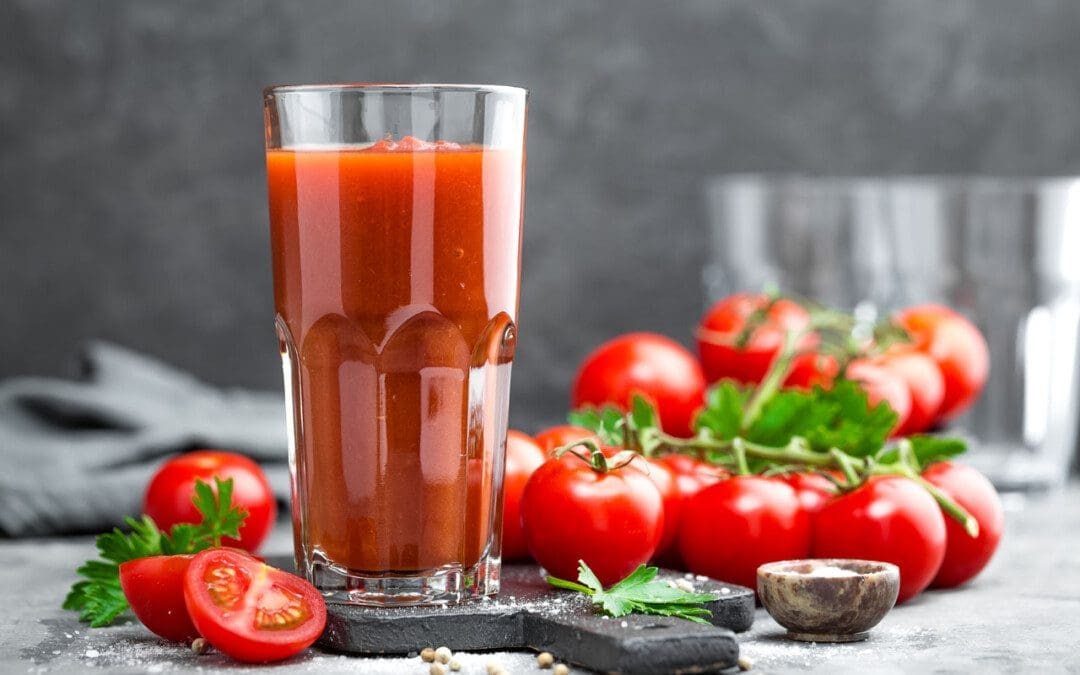
Discovering the Nutritional Benefits of Tomatoes
Tomatoes are low-calorie and nutrient-dense, what health benefits can individuals gain from their consumption?
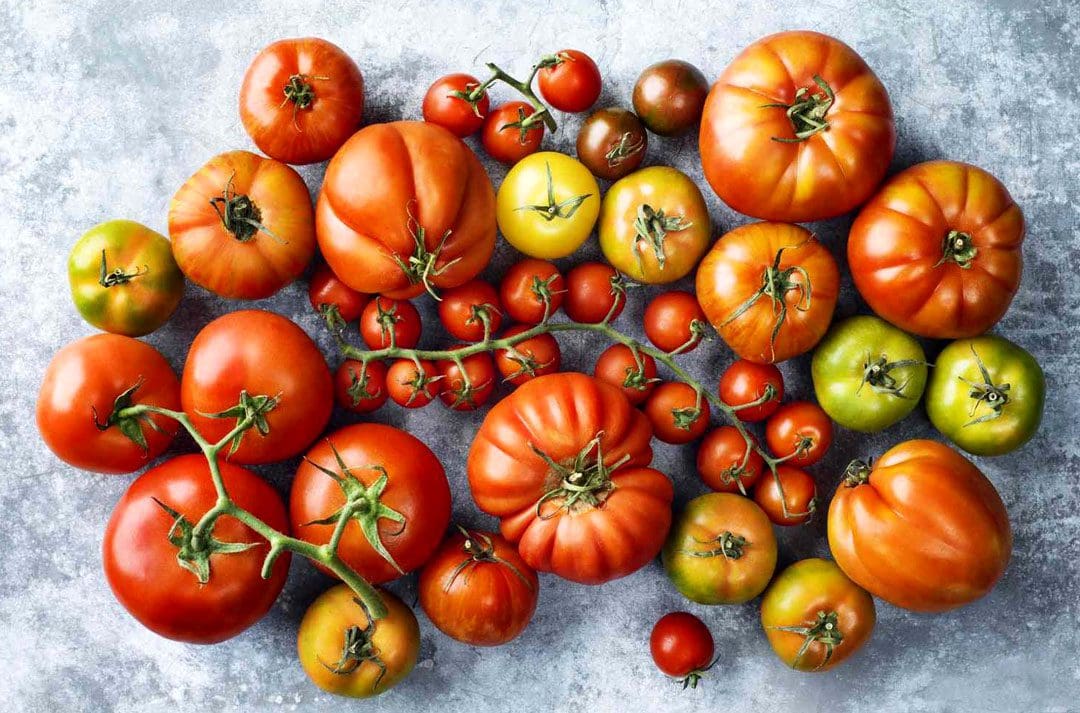
Tomato Benefits
All varieties of tomatoes offer nutrients, including potassium and vitamin C, making them part of a balanced diet.
- Raw tomatoes contain vitamin C, which brightens skin and fights inflammation.
- Cooking tomatoes releases more antioxidants which are vital in small quantities such as lycopene, for maintaining heart health and preventing certain cancers.
- Other benefits contribute to heart, prostate, and cognitive/brain health.
Various tomato recipes and products can offer a balance of nutrients. Variety is key and this applies to all fruits and vegetables. Try them raw, cooked, and steamed, as the different methods can offer different benefits.
Cooked and Raw Tomatoes
Tomatoes are low in calories and rich in nutrients. A raw, medium-sized tomato contains roughly 22 calories and less than 1 gram of fat. It is low sodium and low glycemic, with just 6 milligrams of sodium and 3 grams of sugar. They are an excellent source of hydration as a raw tomato contains about half a cup of water.
Nutritional Information
A medium tomato includes the following nutrients: (USDA: FoodData Central. 2018)
- Protein – 1.1 grams
- Fiber – 1.5 grams
- Calcium – 12 milligrams
- Magnesium – 13.5 milligrams
- Phosphorus – 29.5 milligrams
- Potassium – 292 milligrams
- Vitamin C – 17 milligrams
- Choline – 8.2 milligrams
- Lycopene – 3.2 milligrams
Certain Antioxidants
- Tomatoes contain several essential vitamins and minerals that support the immune system and the bones and blood.
- Antioxidants help combat free radicals and unstable molecules that damage the body’s cells. (Edward J. Collins, et al., 2022)
- Antioxidants like lycopene, lutein, and zeaxanthin, are better absorbed with cooked tomatoes.
- Raw tomatoes contain small amounts of vitamins A and K, fluoride, folate, and beta-carotene.
Heart Health
- Tomatoes provide a healthy serving of potassium.
- Potassium and sodium are both vital for heart function.
- Potassium is essential for relaxing the blood vessels.
- One medium tomato contains around the same amount as a banana.
- The heart needs these electrolytes to contract and expand.
- Most individuals with high blood pressure can benefit from high potassium, fiber, and lycopene levels.
- Studies have linked lycopene to lower heart disease risk and mortality. (Bo Song, et al., 2017)
Exercise Recovery
- Electrolytes are essential for basic cell function.
- Potassium, sodium, magnesium, and fluoride can help decrease muscle soreness and exercise fatigue after physical activity or workouts.
- The anti-inflammatory properties come from the vitamin C.
- Eating tomatoes before or after physical activity can help replenish magnesium which is essential for muscle contraction. (Edward J. Collins, et al., 2022)
Protection Against Dementia
- Potassium provides power to the heart and has a role in body nerve function.
- One recent study found that individuals who consumed more potassium and less sodium had improved cognitive function. (Xiaona Na, et al., 2022)
- Another study analyzed how carotenoids/antioxidants that affect the color of vegetables affect long-term brain health.
- Researchers found that individuals with increased blood levels of lutein and zeaxanthin, which are both present in cooked tomatoes had a lower rate of dementia. (May A. Beydoun, et al., 2022)
- Lutein and zeaxanthin are also known for protecting eye health as the body ages.
Help Prevent Prostate Cancer
- Cooking tomatoes compromises the vitamin C content, but increases the availability of several antioxidants that can protect against cancer growth.
- Especially for men, lycopene is beneficial to help reduce prostate-related issues.
- Studies have found that men who eat tomatoes, including raw, sauce, and on pizza have a lower risk of developing prostate cancer due to the total amount of lycopene absorbed, which is optimized in cooked tomatoes. (Joe L. Rowles 3rd, et al., 2018)
- Lycopene and other plant pigments/carotenoids are believed to protect against cancer because of their antioxidant properties. (Edward J. Collins, et al., 2022)
- Lycopene and other antioxidants in tomatoes can also benefit male fertility by improving sperm count and sperm motility. (Yu Yamamoto, et al., 2017)
Balance Blood Sugar
- Tomatoes can help manage blood sugar in individuals with diabetes.
- They have fiber that helps regulate blood sugar and bowel movements.
- Fiber naturally slows digestion to keep the body fuller and longer and does not negatively impact blood sugar levels.
- This is especially important given that 95% of the U.S. population does not consume the appropriate amount of fiber. (Diane Quagliani, Patricia Felt-Gunderson. 2016)
Healthy Skin, Hair, and Nails
- Tomatoes contain chlorogenic acid, a compound that can encourage collagen production.
- Vitamin C and A in raw tomatoes can help the appearance of skin, hair, and nails.
The Healing Diet to Combat Inflammation
References
USDA: FoodData Central. Tomatoes, red, ripe, raw, year-round average.
Collins, E. J., Bowyer, C., Tsouza, A., & Chopra, M. (2022). Tomatoes: An Extensive Review of the Associated Health Impacts of Tomatoes and Factors That Can Affect Their Cultivation. Biology, 11(2), 239. https://doi.org/10.3390/biology11020239
Song, B., Liu, K., Gao, Y., Zhao, L., Fang, H., Li, Y., Pei, L., & Xu, Y. (2017). Lycopene and risk of cardiovascular diseases: A meta-analysis of observational studies. Molecular nutrition & food research, 61(9), 10.1002/mnfr.201601009. https://doi.org/10.1002/mnfr.201601009
Na X, Xi M, Zhou Y, et al. Association of dietary sodium, potassium, sodium/potassium, and salt with objective and subjective cognitive function among the elderly in China: a prospective cohort study. (2022). Glob Transit. 4:28-39. doi:10.1016/j.glt.2022.10.002
Beydoun, M. A., Beydoun, H. A., Fanelli-Kuczmarski, M. T., Weiss, J., Hossain, S., Canas, J. A., Evans, M. K., & Zonderman, A. B. (2022). Association of Serum Antioxidant Vitamins and Carotenoids With Incident Alzheimer Disease and All-Cause Dementia Among US Adults. Neurology, 98(21), e2150–e2162. https://doi.org/10.1212/WNL.0000000000200289
Rowles, J. L., 3rd, Ranard, K. M., Applegate, C. C., Jeon, S., An, R., & Erdman, J. W., Jr (2018). Processed and raw tomato consumption and risk of prostate cancer: a systematic review and dose-response meta-analysis. Prostate cancer and prostatic diseases, 21(3), 319–336. https://doi.org/10.1038/s41391-017-0005-x
Yamamoto, Y., Aizawa, K., Mieno, M., Karamatsu, M., Hirano, Y., Furui, K., Miyashita, T., Yamazaki, K., Inakuma, T., Sato, I., Suganuma, H., & Iwamoto, T. (2017). The effects of tomato juice on male infertility. Asia Pacific journal of clinical nutrition, 26(1), 65–71. https://doi.org/10.6133/apjcn.102015.17
Quagliani, D., & Felt-Gunderson, P. (2016). Closing America’s Fiber Intake Gap: Communication Strategies From a Food and Fiber Summit. American journal of lifestyle medicine, 11(1), 80–85. https://doi.org/10.1177/1559827615588079