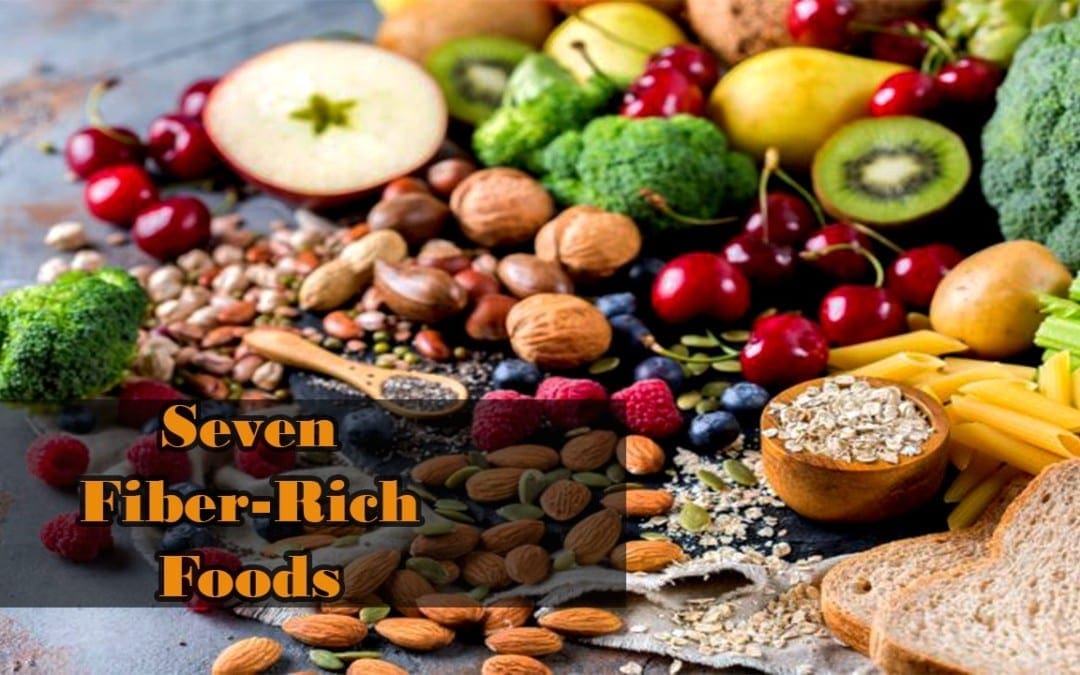
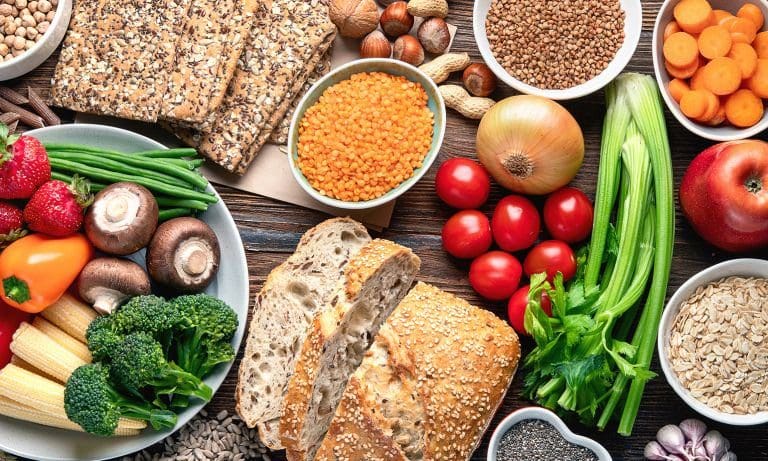
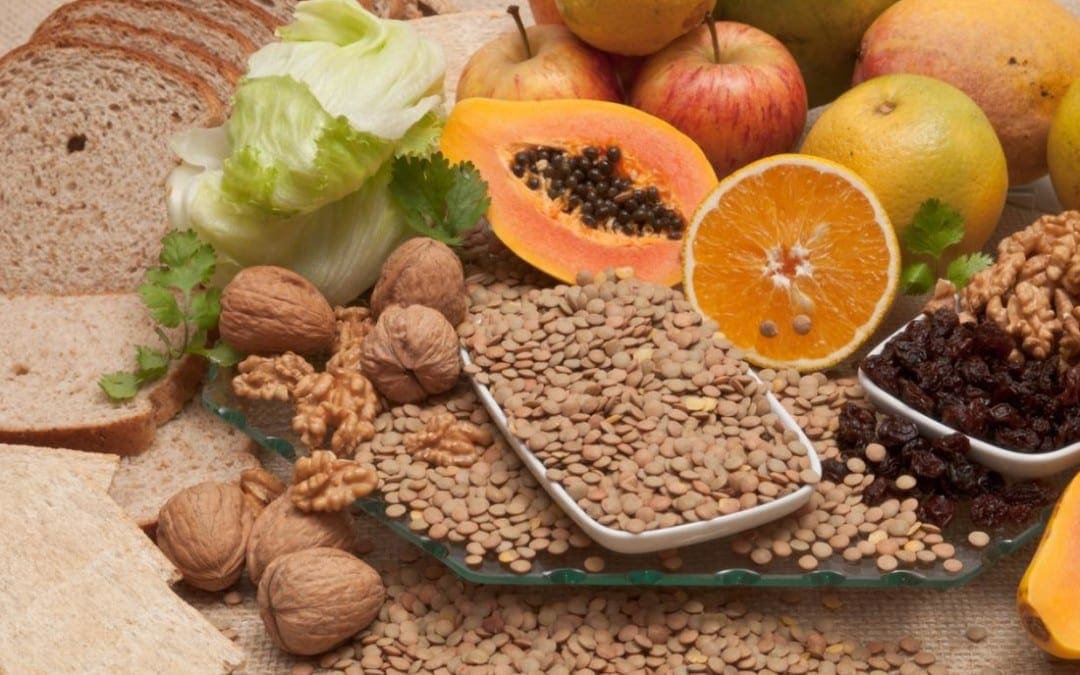
If you are experiencing any of these situations, then you might not have been consuming enough fiber. Why not try incorporating these seven high-fiber foods in your diet.
The Importance of Fiber
Surprisingly everyone knows that a healthy diet plays a critical role in the overall human health. With a healthy diet, anyone can feel better, have more energy, and can maintain a healthy weight. However, sometimes people do get carried away with carbohydrates, proteins, and fats but often forget the most important nutrient that the body needs, which is fiber. Even though there are multiple studies and evidence that are linked to dietary fibers and how they have a variety of health benefits, studies have shown that most Americans are still falling short by taking the recommended amount for daily fiber intake. For males, they should be consumed at least 38 grams, and for females, they should at least consume 25 grams of fiber.
Throughout the years, fiber has been traditionally known to be considered as a mere roughage that can simply add volumes to digested foods, and the science has been proven and revealed that fiber does play a significant role in the body. Studies have shown that fiber nourishes the gut microbiomes, therefore aiding the digestion and improving the overall gut health. There have been more studies that have been shown that fiber has been linked with disease prevention, while also reducing the risk factors of a variety of conditions that can affect the body like knee arthritis, food allergies, and even type 2 diabetes.
Since fiber is essential to the body than most people realized, it can help people obtain the minimum in their diets. Since it is critical to a person’s overall health and wellness, there are many ways that fiber can do more than just help the gut system. Fiber can help the body in more ways than the gut. Here is the list of the top 7 fiber-laden foods that can do so much more for the body than being a bulking item for a healthy food diet.
Chia seeds
In the natural health community, chia seeds are very popular. These seeds are highly nutritious and can be added to a variety of foods like smoothies, healthy puddings, and salads, just to name a few. Research shows that chia seeds are probably one of the best sources for dietary fibers in the world. Chia seeds pack a whopping 34 grams per 100 grams and contain high amounts of soluble fibers. Research even shows that when chia seeds absorb water and form a gel-like substance, the contents can expand in the stomach, therefore increasing the feeling of a person being full and, of course, helping them eat less.
Studies have been shown that chia seeds can help individuals suppress their appetites. Chia seeds are beneficial to patients who have type 2 diabetes by managing their body weight, control their visceral obesity, and help to prevent obesity-related risk factors from entering the body while maintaining good glycemic control as well. Another study has found that chia seeds are excellent in reducing blood pressure. The study mentioned that when individuals consume chia seeds, its contents can help the individual�s body by improving the major and emerging cardiovascular risk factors in their body, thus preventing type 2 diabetes. All in all, chia seeds are an excellent source of fiber for anyone who may have diabetes or is trying to maintain a healthy weight.
Almonds
Almonds are another source of fiber that is widely popular like the chia seeds, but they are a highly underrated nut.� Almonds are rich with nutrients that the body needs as they contained magnesium, manganese, vitamin E, protein, and healthy fats that are excellent for the body. The almond nut itself has about 12.5 grams of fiber per 100 grams in each nut. Almonds are pretty remarkable due to improving gut health due to its sizable fiber contents.
Studies have found that when people consume almonds, their oxidative stress is reduced. The study explained that almonds are a good source of antioxidant nutrients that can diminish the biomarkers of oxidative stress in individuals and even enhanced the antioxidant defenses. There are more and more studies about almonds and their amazing properties like lowering the bad LDL cholesterol, hunger reduction, and even aiding in weight loss for the body.
Flax Seeds
Surprisingly, flax seeds are continuing to be one of the leading sources of dietary fibers with 27.3 grams of fiber out of every 100 grams of the seed. Studies have found out that flax seeds not only have fiber, but it contains high amounts of protein and omega-3 fatty acids as well. While other studies showed that flax seeds have a plethora of health benefits from improving gut health, reducing hunger cravings to preventing diarrhea and constipation that can happen to the body.
Popcorn
Popcorn is not only a great snack to munch on when a person is watching tv or enjoying a movie in the theaters, but it is an excellent source of fiber. What is interesting about this popular snack is that it can be air-popped and contains about 14.5g/100g per serving of fiber. Studies have found that air-popped popcorn can be as filling as a bag of potato chips while also helping with weight management.
Oats
The best way to incorporate fiber into a healthy diet is to have oats as part of a healthy breakfast. Research shows that oats have a high fiber count, and they contain beta-glucan, which can aid the regulation of blood sugar and cholesterol in the body. Not only that, but oats have amazing health benefits that can help prevent LDL oxidation and surprisingly, reduce the risk of childhood asthma. By incorporating oats into a healthy diet, can even make a person feel full in a good way and can be used in smoothies, overnight oatmeal, while also be served hot or cold.
Dark Chocolate
Consuming chocolate can be a bad thing for anyone who is watching their sweet intake; however, dark chocolate is one of those perfect delicacies that does not harm a person’s health. For dark chocolate to have the fiber content, it has to be at least 70 to 95% of cocoa content, and then the fiber content would be 10g per 100 grams. Studies have shown that dark chocolate has chock-full of health benefits from reducing insulin resistance to improving brain health.
Chickpeas
Most people would look at chickpeas and see that this legume plant has protein contents, but it can be a great source of fiber. Studies have shown that chickpeas have about 7.6g/100grams of fiber that can promote the feeling of being full and can prevent a person from eating junk food. Some of the health benefits that chickpeas can provide can range from weight loss from improving the body’s bowel function. Not only that, but chickpeas can be used in salads, soups, dips, and possibly desserts.
Conclusion
With these seven high fibers being incorporated into a person’s diet, the body can benefit the fiber-rich food’s properties and start healing in the process. By eating these fiber-rich foods, not only will the gut feel better and can make a person feel full but can help the body prevent harmful pathogens that enter the body, thus causing ailments that the body does not need. By incorporating fiber into the body, the benefits can dampen the harmful effects and can bring back a person�s overall wellness and health altogether. Some products are here to help the body and provide support to the gastrointestinal system with phytonutrients, metabolic precursors, and enzymatic cofactors.
The scope of our information is limited to chiropractic, musculoskeletal, and nervous health issues or functional medicine articles, topics, and discussions. We use functional health protocols to treat injuries or disorders of the musculoskeletal system. Our office has made a reasonable attempt to provide supportive citations and has identified the relevant research study or studies supporting our posts. We also make copies of supporting research studies available to the board and or the public upon request. To further discuss the subject matter above, please feel free to ask Dr. Alex Jimenez or contact us at 915-850-0900.
References:
Team, Biotics Education. �7 High-Fiber Foods That Do More than Help Your Gut.� Biotics Research Blog, 17 Mar. 2020, blog.bioticsresearch.com/7-high-fiber-foods-that-do-more-than-help-your-gut.
Alfredo, V�zquez-Ovando, et al. �Physicochemical Properties of a Fibrous Fraction from Chia (Salvia Hispanica L.).� LWT – Food Science and Technology, Academic Press, 23 May 2008, www.sciencedirect.com/science/article/pii/S0023643808001345.
Chen, Chung-Yen, et al. �Avenanthramides and Phenolic Acids from Oats Are Bioavailable and Act Synergistically with Vitamin C to Enhance Hamster and Human LDL Resistance to Oxidation.� The Journal of Nutrition, U.S. National Library of Medicine, June 2004, www.ncbi.nlm.nih.gov/pubmed/15173412.
Francis, S T, et al. �The Effect of Flavanol-Rich Cocoa on the FMRI Response to a Cognitive Task in Healthy Young People.� Journal of Cardiovascular Pharmacology, U.S. National Library of Medicine, 2006, www.ncbi.nlm.nih.gov/pubmed/16794461.
Grassi, Davide, et al. “Blood Pressure Is Reduced, and Insulin Sensitivity Increased in Glucose-Intolerant, Hypertensive Subjects after 15 Days of Consuming High-Polyphenol Dark Chocolate.” The Journal of Nutrition, U.S. National Library of Medicine, Sept. 2008, www.ncbi.nlm.nih.gov/pubmed/18716168.
Hanif Palla, Amber, and Anwarul-Hassan Gilani. �Dual Effectiveness of Flaxseed in Constipation and Diarrhea: Possible Mechanism.� Journal of Ethnopharmacology, U.S. National Library of Medicine, 1 July 2015, www.ncbi.nlm.nih.gov/pubmed/25889554.
Kim, Shana J, et al. �Effects of Dietary Pulse Consumption on Body Weight: a Systematic Review and Meta-Analysis of Randomized Controlled Trials.� The American Journal of Clinical Nutrition, U.S. National Library of Medicine, May 2016, www.ncbi.nlm.nih.gov/pubmed/27030531.
Li, Ning, et al. �Almond Consumption Reduces Oxidative DNA Damage and Lipid Peroxidation in Male Smokers.� The Journal of Nutrition, U.S. National Library of Medicine, Dec. 2007, www.ncbi.nlm.nih.gov/pubmed/18029489.
Murty, Catherine M, et al. �Chickpea Supplementation in an Australian Diet Affects Food Choice, Satiety and Bowel Health.� Appetite, U.S. National Library of Medicine, Apr. 2010, www.ncbi.nlm.nih.gov/pubmed/19945492.
Nguyen, Von, et al. �Popcorn Is More Satiating than Potato Chips in Normal-Weight Adults.� Nutrition Journal, BioMed Central, 14 Sept. 2012, www.ncbi.nlm.nih.gov/pubmed/22978828.
Nwaru, Bright I, et al. �Timing of Infant Feeding in Relation to Childhood Asthma and Allergic Diseases.� The Journal of Allergy and Clinical Immunology, U.S. National Library of Medicine, Jan. 2013, www.ncbi.nlm.nih.gov/pubmed/23182171.
Oliva, M E, et al. �Dietary Salba (Salvia Hispanica L) Seed Rich in ?-Linolenic Acid Improves Adipose Tissue Dysfunction and the Altered Skeletal Muscle Glucose and Lipid Metabolism in Dyslipidemic Insulin-Resistant Rats.� Prostaglandins, Leukotrienes, and Essential Fatty Acids, U.S. National Library of Medicine, Oct. 2013, www.ncbi.nlm.nih.gov/pubmed/24120122.
Vuksan, V, et al. �Salba-Chia (Salvia Hispanica L.) in the Treatment of Overweight and Obese Patients with Type 2 Diabetes: A Double-Blind Randomized Controlled Trial.� Nutrition, Metabolism, and Cardiovascular Diseases: NMCD, U.S. National Library of Medicine, Feb. 2017, www.ncbi.nlm.nih.gov/pubmed/28089080.
Vuksan, Vladimir, et al. �Supplementation of Conventional Therapy with the Novel Grain Salba (Salvia Hispanica L.) Improves Major and Emerging Cardiovascular Risk Factors in Type 2 Diabetes: Results of a Randomized Controlled Trial.� Diabetes Care, U.S. National Library of Medicine, Nov. 2007, www.ncbi.nlm.nih.gov/pubmed/17686832.
Wanders, A J, et al. �Effects of Dietary Fibre on Subjective Appetite, Energy Intake and Body Weight: a Systematic Review of Randomized Controlled Trials.� Obesity Reviews: an Official Journal of the International Association for the Study of Obesity, U.S. National Library of Medicine, Sept. 2011, www.ncbi.nlm.nih.gov/pubmed/21676152.
Whitehead, Anne, et al. �Cholesterol-Lowering Effects of Oat ?-Glucan: a Meta-Analysis of Randomized Controlled Trials.� The American Journal of Clinical Nutrition, American Society for Nutrition, Dec. 2014, www.ncbi.nlm.nih.gov/pubmed/25411276.
The University offers a wide variety of medical professions for functional and integrative medicine. Their goal is to inform individuals who want to make a difference in the functional medical fields with knowledgeable information that they can provide.
The increased risk of cardiovascular disease has been frequently attributed to an improper diet and nutrition. Foods high in saturated and trans fats, for example, can substantially raise the levels of “bad cholesterol” in the body, which may then lead to high blood pressure and cardiovascular disease. While vitamin and mineral deficiencies as well as the improper intake of other important compounds, like amino acids, have been linked to CVD, several research studies have found that fiber can have a tremendous influence in the risk of cardiovascular disease.
How does fiber help lower the risk of cardiovascular disease?
Abnormal levels of cholesterol, medically recognized as LDL and HDL cholesterol, can develop into fatty deposits within the blood vessels. Over time, these deposits can make it difficult for enough blood to circulate through the arteries. The�heart may not get as much oxygen-rich blood as it needs, which then increases the risk of cardiovascular. But, can fiber prevent cardiovascular disease? Before covering how fiber can improve the risk of developing cardiovascular disease, we must first understand what fiber is and what role it plays in the human body.
Many different definitions of fiber have been created to-date. In an attempt to create a single definition of fiber that everyone can utilize, the Nutrition and Food Board constructed a panel that came up with the following definitions:
Dietary fiber consists of non-digestible carbohydrates and lignin that are intrinsic and intact in plants. This includes plant non-starch polysaccharides (by way of example, cellulose, pectin, gums, hemicellulose, and fibers inside oat and wheat bran), oligosaccharides, lignin, and several forms of resistant starch.
Functional fiber consists of isolated, non-digestible carbohydrates which are beneficial in humans. These include non-digestible plant (for instance, resistant starch, pectin, and gums), chitin, chitosan, or commercially generated (by way of example, resistant starch, polydextrose, inulin, and indigestible dextrins) carbohydrates.
Total fiber is the sum of dietary fiber and functional fiber. It’s not important to differentiate between which types of the fibers you are getting in your daily dietary and nutritional program. Your total fiber intake is what matters.
Whichever definition is the most suitable to each individual, remember that fiber is an essential part of everyone’s diet. While fiber does fall under the category of carbohydrates, in comparison, it does not provide the same number of calories, nor is it processed the way that other sources of carbohydrates are. Fiber, however, can be further classified as soluble or insoluble.
Soluble Fiber
Soluble fibers have the ability to swell and hold water.
When eaten as part of a diet low in saturated and trans fats, soluble fiber has been associated with an increased diet quality as well as the reduced risk of developing cardiovascular disease.
Soluble fiber modestly reduces LDL (“bad”) cholesterol past levels attained by a diet low in saturated fats and trans fats alone.
Oats have a larger proportion of soluble fiber compared to any other grain.
Insoluble Fiber
Insoluble fiber has been associated with decreased and slower progression of cardiovascular disease in high-risk individuals.
Most other grains, rye, rice, and wheat are composed of insoluble fiber.
Legumes, beans, and peas can also be excellent sources of both soluble and insoluble fiber. Certain fruits and vegetables are better sources of both insoluble and soluble fiber compared to others. Many processed oat bran and wheat bran products (for instance, muffins, chips, waffles) could be made out of refined grains, perhaps not the entire grain. They can be high in sodium, added sugars and saturated fat. Make sure to read labels carefully.
Fiber for Preventing Cardiovascular Disease
In order to help decrease the risk of cardiovascular disease, many health care professionals recommend adhering to a high-fiber diet to improve your overall heart health. Studies have produced evidence to support this. At a Harvard study of over 40,000 health professionals, it was found that a high total dietary fiber intake was linked to a 40 percent lower risk of coronary heart disease, or CHD, compared to a low-fiber intake. Another study of over 31,000 California Seventh-day Adventists found a 44 percent reduced risk of nonfatal coronary heart disease and an 11 percent reduced risk of fatal coronary heart disease for those who ate whole-wheat bread compared with those who ate white bread.
Another predictor of cardiovascular disease is blood sugar, along with LDL and HDL cholesterol levels. It seems that soluble fiber reduces the absorption of cholesterol into the intestines by binding with bile (which includes cholesterol) and dietary cholesterol so that the body excretes it. Bran fiber intervention trials in which fiber supplementation was combined with a low-fat diet and the oat bean shows that reductions in cholesterol levels ranged from 8 to 26 percent. Other studies have revealed that 5 to 10 grams of fiber per day decreases LDL cholesterol by about 5 percent. Each of these advantages will happen no matter of the fluctuations in dietary fat consumption. In a trial with low fat and low fat plus high fiber groups, the group consuming high fiber exhibited a greater average reduction (13%) in total cholesterol concentration than the low fat (9%) and the usual diet (7%) groups.
The clinical trials with many sorts of fiber are inconsistent, however, when it comes to decreasing high blood pressure. Soluble fiber, guar gum guava, psyllium and oat bran can decrease blood pressure and lower the need for medication in hypertensive subjects locations and subjects. The typical reduction in BP is about 7.5/5.5 mmHg on 40 to 50 g/d of a mixed fiber. There is development in sodium loss, improvement in insulin sensitivity, endothelial function and decrease in the sympathetic nervous system activity.
Finding the Right Fiber Intake
The daily consumption of fiber from the typical American is about 5 to 14 grams every day. The American Heart Association, or the AHA, recommends that to an adequate intake of fiber should be based on the individual’s gender and age. The daily value for fiber is 25 grams of fiber each day for a 2,000 calorie diet. The AHA recommends getting fiber from foods rather than from fiber supplements.
Serving Size
In accordance with the American Heart Association, the next count as 1 ounce-equivalent (or 1 serving) of whole grains:
1 slice whole-grain bread (such as 100% whole-wheat bread)
1 cup ready-to-eat, whole-grain cereal
1?2 cup cooked whole-grain cereal, brown rice, or whole-wheat pasta
5 whole-grain crackers
3 cups unsalted, air-popped popcorn
1 6-inch whole-wheat tortilla
Fiber should be a part of a balanced diet and nutrition. Following the best dietary and nutritional plans can help improve overall heart health, substantially helping to decrease the risk of cardiovascular disease. Fiber can help reduce the levels of “bad cholesterol” in the body, balancing overall blood cholesterol to improve blood circulation and prevent CVD complications. The scope of our information is limited to chiropractic and spinal injuries and conditions. To discuss the subject matter, please feel free to ask Dr. Jimenez or contact us at 915-850-0900 .
By Dr. Alex Jimenez
Additional Topics: Wellness
Overall health and wellness are essential towards maintaining the proper mental and physical balance in the body. From eating a balanced nutrition as well as exercising and participating in physical activities, to sleeping a healthy amount of time on a regular basis, following the best health and wellness tips can ultimately help maintain overall well-being. Eating plenty of fruits and vegetables can go a long way towards helping people become healthy.
Doctor of Chiropractic, Dr. Alexander Jimenez takes a look at the latest diet drink with fiber.
COCA-COLA
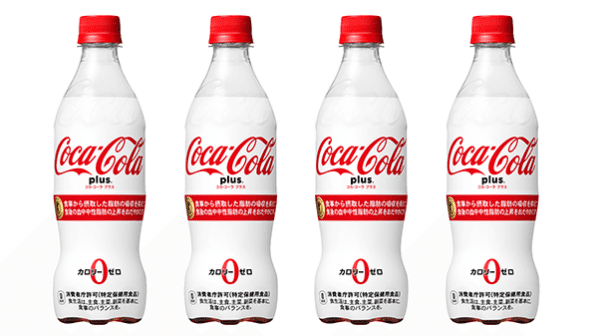
Coca-Cola recently unveiled a new pop with the ingredient that�s sure to drop easily with its customers: dietary fiber.
The beverage firm introduced the product, which will be called Coca-Cola Plus. The soda is exclusively sold in Japan and features five grams of indigestible dextrin (which is a form of dietary fiber).
According to an announcement from Coke in February, the product is an integral part of Coca-Cola Japan�s Food of Specified Health Use (FOSHU) beverages. FOSHU beverages are intended to appeal to Japan�s health conscious consumers who are 40 and older. Coke, which has had a popular FOSHU tea beverage in the marketplace since 2014, said it took over a decade to research and develop Coke Plus, which was recently accepted by the Japanese government. If its � � claims that are healthy will actually do that much to help consumers, yet, individuals aren�t too certain.
�Drinking one Coca-Cola Plus per day with food may help suppress fat absorption after eating,� the firm asserted in a press release, and help moderate the levels of triglycerides in the blood.
Companies adding dietary fiber to its drinks is nothing new. Pepsi added beverages in its Japanese market a few years ago and dietary fiber and made similar claims about fat absorption and triglycerides that Coke did in the statement above.
�Unless Pepsi can provide data from controlled studies in humans to the contrary, their claim should be thought of as bogus and deceptive,� Walter Willett, Fredrick John Stare Professor of Epidemiology and Nutrition and chair of the Department of Nutrition at Harvard School of Public Health, told Time in 2012.
HuffPost reached out to Miriam E. Nelson, Ph.D, one of the state�s leading nutritionists and director of the Sustainability Institute at the University of New Hampshire, to talk about the inclusion of dietary fiber to pop.
�There isn’t any evidence that supplying fiber, scattering it in here or there, that that fiber has an entire health benefit, so that�s an important difference,� Nelson told HuffPost. �The evidence for dietary fiber having a health-promoting impact is with eating a routine of foods (such as fruits and vegetables and whole grains) that supply that fiber.�
Nelson said that adding the fiber won�t do anything harmful to the customer, but just adding the fiber by itself won�t have the well-being aspects a fiber-rich diet would offer. But she did find one part �disturbing� about the fiber claims.
“The companies are trying to add a positive halo or health attribute within a product which doesn�t have some health benefits,� Nelson said. If it�s a sugar-sweetened beverage afterward it truly has a lot of health benefits that are negative, so it�s trying to counterbalance that. That�s the disturbing part, since I believe they�re trying to link with the consumer and develop a health aspect where there isn�t one.�
If You Need To Incorporate More Fiber Into Your Daily Diet, Do It With Whole Grains, Fruits & Veggies
As the body ages, changes in the gastrointestinal tract occur, reducing the absorption of nutrients and slowing down intestinal motility. As a result, malabsorption, nutrient deficiency and constipation are relatively common health problems that affect elderly people of both genders.
A high-fiber diet helps to stimulate intestinal motility and prevent constipation. There is also evidence dietary fiber helps to lower cholesterol levels and regulate blood glucose levels. Ask your doctor about the benefits of adding more fiber to your diet.
Dietary fiber is common in plant foods such as fruits, vegetable and legumes. Although dietary fiber cannot be digested or absorbed, it still contributes to health in a variety of ways. Dietary fiber comes in two types: soluble and insoluble fiber. Soluble fiber dissolves in water and becomes gel-like, causing it to stick to bile, toxins and other debris and drag them from your body. Insoluble fiber attracts water like a sponge and acts to clean your intestines, increase intestinal motility and stimulate regular bowel movements. Constipation is more common in the elderly due to reduced intestinal peristalsis or rhythmic contractions, inactive lifestyles and diets low in fiber.
The Institute of Medicine of the National Academies recommends that total fiber intake for adults older than 50 should be at least 30 grams per day for men and 21 grams for women. Because insoluble fiber absorbs water, you need to drink plenty of water, too, or a high-fiber diet can lead to constipation and compound existing problems with bowel movements. Elderly people sometimes have difficulty regulating fluid levels because their thirst mechanism may be suppressed, so a conscious effort to drink a total of eight to 10 glasses of water is a good idea. Purified water, fresh juice, herbal tea and other non-caffeinated liquids are best.
Most whole grains, vegetables, fruits and legumes are sources of insoluble and soluble fiber. For example, multi-grain bread, wheat germ, brown rice, broccoli, spinach, celery, carrots, zucchini, apples, pears, most berries, chickpeas, lentils and virtually all beans are especially good sources of dietary fiber. Furthermore, psyllium is a high-fiber compound you can mix into water or fruit juice. Nut and seeds contain fiber also, but you may find it difficult to properly chew them if you have dental problems or dentures. Consequently, softer sources of fiber, such as beans and whole-grain bread, are not only easier to chew, but are usually much more affordable.
In addition to combating constipation, dietary fiber may help reduce high cholesterol and regulate blood sugar levels, thus lowering your risk of heart disease and type-2 diabetes, according to the book �Human Metabolism: Functional Diversity and Integration.� High-fiber diets also make you feel full for longer periods of time, which may help you reduce your calorie consumption and lose excess weight.
As previously discussed, with age, the body begins to change, especially the digestive system, where it’s normal function slows down, requiring additional care to optimize health. Fiber is an essential part of our diet, and for seniors, an intake of the proper amount of fiber can ensure the digestive system is functioning to its fullest.
For more information, please feel free to ask Dr. Jimenez or contact us at 915-850-0900 .�
IFM's Find A Practitioner tool is the largest referral network in Functional Medicine, created to help patients locate Functional Medicine practitioners anywhere in the world. IFM Certified Practitioners are listed first in the search results, given their extensive education in Functional Medicine