Everyone worldwide knows that feet are important. The feet allow many individuals to run, walk, or jog for long periods without feeling pain for a moderate amount of time. To that point, the various muscles and tendons surrounding the foot provide full body flexion, extension, and stability. Even though it is very easy to get in the recommended amount of steps into being healthy, around 75% of individuals will have foot pain that can impact their ability to walk. One of the most common foot pains is plantar fasciitis, which can become a painful foot condition if it is not treated as soon as possible. Today’s article looks at plantar fasciitis, its symptoms, how trigger points correlate, and treatments for it. We refer patients to certified providers incorporating techniques and therapies for individuals dealing with plantar fasciitis. By locating where the trigger points are coming from, many pain specialists can develop a treatment plan to reduce the effects that plantar fasciitis is causing on the feet. We encourage and appreciate each patient by referring them to associated medical providers based on their diagnosis when it is appropriate. We understand that education is a terrific way when asking our providers intricated questions at the patient’s request and understanding. Dr. Jimenez, D.C., only utilizes this information as an educational service. Disclaimer
What Is Plantar Fasciitis?
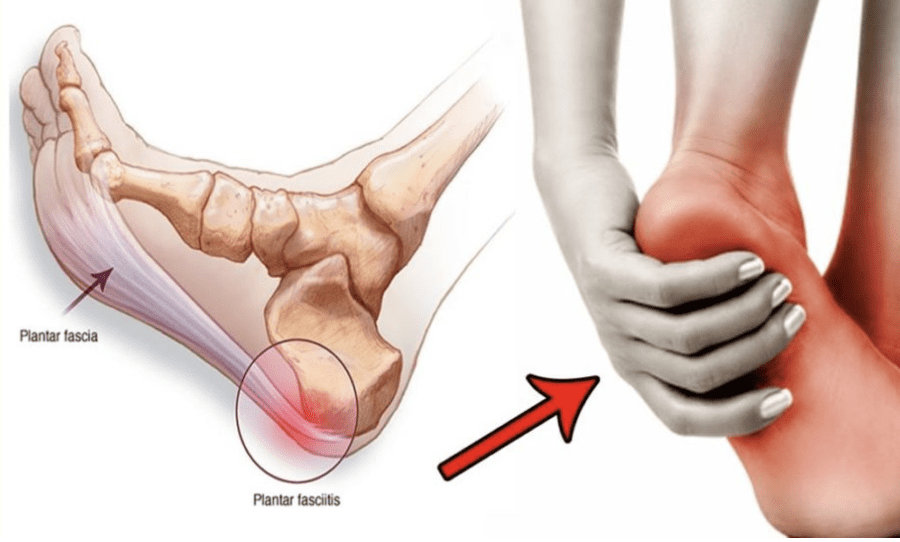
Have you been dealing with constant heel pain? Do you feel pain shooting up your leg when you step or walk? Or do you feel a stabbing ache in your heel? Many of these pain issue people are dealing with correlate with plantar fasciitis. Studies reveal that plantar fasciitis results from degenerative irritation on the plantar fascia and its ligaments. This causes the muscle ligaments to become inflamed, swollen, and weak, which then causes the bottom of the foot or heel to hurt when a person is walking or standing. To that point, when there is a repetitive strain on the feet, it causes microtears in the plantar fascia. The plantar fascia in the foot plays an important role as it comprises three segments that support the medial arch and shock absorption when stepping down. As one of the most common causes of heel pain, the residual pain from plantar fasciitis tends to be a sharp, stabbing sensation. Plantar fasciitis is more prominent in middle-aged people. Still, anyone at any age can develop plantar fasciitis, especially if they have labor jobs requiring them to be constantly on their feet.
Symptoms Of Plantar Fasciitis
Since around 2 million Americans could potentially develop plantar fasciitis, it is important to know that when a person has been on their feet constantly, there will be inflammation along the tissues in the feet. Many individuals with a busy lifestyle that requires them to be on their feet frequently would often ignore the pain or discomfort. Some of the symptoms that plantar fasciitis causes include the following:
Pain on the bottom of the heel
Pain in the arch
Pain that is usually worse when waking up
Pain that increases over months
Swelling on the bottom of the heel
However, when the pain becomes overbearing, many people would often think they have sore feet or low back pain from being overly tired from work, under constant stress, or over-exerting their bodies. When this happens, many would think the pain would go away in a few days after resting for a short period.
Trigger Points Associated With Plantar Fasciitis
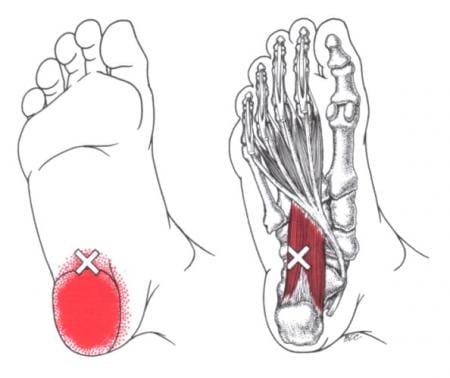
Now many individuals would often think that plantar fasciitis just only affects the heels, however, it can affect any part of the structure of the foot since all the surrounding muscle tissues are at risk of inflammation. When people start to ignore the pain and discomfort that plantar fasciitis is causing on the feet, it can overlap and develop trigger points in other areas of the body:
Ankles
Knees
Hips
Lower back
Studies reveal that trigger points or myofascial pain syndrome are hard, discrete, small nodules that are along the taut musculoskeletal band that causes numerous issues like inflammation, hypersensitivity, and pain to the affected muscle groups in the body. According to “Myofascial Pain and Dysfunction” written by Dr. Travell, M.D., it mentions that when the deep intrinsic muscles that work with the plantar fascia are affected by trigger points, would cause symptoms of numbness and the feeling of swelling in the foot. This causes many people to have limited mobility and have intense pain when walking, which can negatively impact their lifestyle.
An Overview Of Plantar Fasciitis- Video
Have you been dealing with aching feet? Do you feel a sharp, radiating pain in your feet? Or do you have difficulty walking? Many often think they are dealing with sore feet or other issues causing them pain. Around 75% of Americans often have foot pain affecting their ability to walk, and one of them is plantar fasciitis. The video above explains plantar fasciitis and how it can affect the feet. When the plantar fascia tendons become overused, it causes micro-tears in the muscle ligaments. When added compressive force starts to push against the heel boner, it can lead to a pathological state whereby the plantar fascia degenerates and creates dysfunction and pain. When this happens, it can lead to other conditions like trigger point pain along the muscle fibers in the foot. The pain and tenderness caused by trigger points in the plantar muscles may mask as plantar fasciitis. To that point, when plantar fasciitis becomes an issue and causes the individual to be in immense pain, it can become problematic. As luck would have it, treatments are available to reduce the pain from plantar fasciitis.
Treatments For Plantar Fasciitis
When treating plantar fasciitis, many available treatments can reduce the inflammatory effects in the heel and prevent trigger points from coming back. One of the available treatments is chiropractic care. Chiropractic care is an alternative treatment option to prevent, diagnose, and treat numerous injuries and conditions associated with the spine, primarily subluxations or spinal misalignments. Chiropractic focuses on restoring and maintaining the overall health and wellness of the musculoskeletal and nervous systems through spinal manipulation and adjustments. A chiropractor can carefully re-align the spine, improving a patient’s strength, mobility, and flexibility. Regarding plantar fasciitis, chiropractic care can work with other treatments, including physical therapy, massage, and even injections, to manage the pain and treat the condition. Even though plantar fasciitis takes several months to heal, chiropractic care can involve a precise technique that involves adjustments to the feet, ankles, and spinal alignment. This provides several benefits, which include the following:
Reduces Stress in the Plantar Fascia
Promotes Healing
Provides Effective Pain Management
Reduces the Risk of Further Injury
Conclusion
As many individuals worldwide are on their feet constantly, foot pain can hinder one’s ability to move. One of the most common foot pain is plantar fasciitis which can correlate with trigger points along the various muscles of the foot. Plantar fasciitis results from degenerative irritation on the plantar fascia and its ligaments, which causes sharp, stabbing pain on the heel. When this happens, it can cause the heel to be inflamed, swollen, and weak. To that point, it causes instability and pain when walking. However, plantar fasciitis can be treated when it is caught early through various treatments like chiropractic care. Chiropractic care can reduce the stress in the plantar fascia and help reduce the risk of further injuries. Combined with other therapies, many people can function normally and regain their walking ability without pain.
References
Buchanan, Benjamin K, and Donald Kushner. “Plantar Fasciitis – StatPearls – NCBI Bookshelf.” In: StatPearls [Internet]. Treasure Island (FL), StatPearls Publishing, 30 May 2022, https://www.ncbi.nlm.nih.gov/books/NBK431073/.
Petrofsky, Jerrold, et al. “Local Heating of Trigger Points Reduces Neck and Plantar Fascia Pain.” Journal of Back and Musculoskeletal Rehabilitation, U.S. National Library of Medicine, 2020, https://pubmed.ncbi.nlm.nih.gov/31594202/.
Shah, Jay P, et al. “Myofascial Trigger Points Then and Now: A Historical and Scientific Perspective.” PM & R : the Journal of Injury, Function, and Rehabilitation, U.S. National Library of Medicine, July 2015, https://www.ncbi.nlm.nih.gov/pmc/articles/PMC4508225/.
Travell, J. G., et al. Myofascial Pain and Dysfunction: The Trigger Point Manual: Vol. 2:the Lower Extremities. Williams & Wilkins, 1999.
The ankles and the lower legs have a casual relationship by allowing movement to the foot that causes an up-and-down motion. The lower leg has various muscles and tendons that surround the shin bone and allows the feet to take the body from one location to another. The peroneal muscles in the legs allow ankle stability to ensure that the weight from the host’s body doesn’t cause overload to the legs and ankles. However, factors like obesity, trauma, or overexerting can cause the peroneal muscles to be inflamed and develop issues like weak ankles or trigger points that can cause referred pain to the ankles and affect how a person walks. Today’s article examines the peroneal muscles, how weak ankles correlate with trigger points, and ways to strengthen the ankles while managing trigger points. We refer patients to certified providers that incorporate various techniques in the lower body extremities, like lower leg and ankle pain therapies correlating to trigger points, to aid many people dealing with pain symptoms along the peroneal muscles, causing weak ankles. We encourage and appreciate each patient by referring them to associated medical providers based on their diagnosis when it is appropriate. We understand that education is an excellent way when asking our providers intricated questions at the patient’s request and understanding. Dr. Alex Jimenez, D.C., only utilizes this information as an educational service. Disclaimer
The Peroneal Muscles On The Ankles
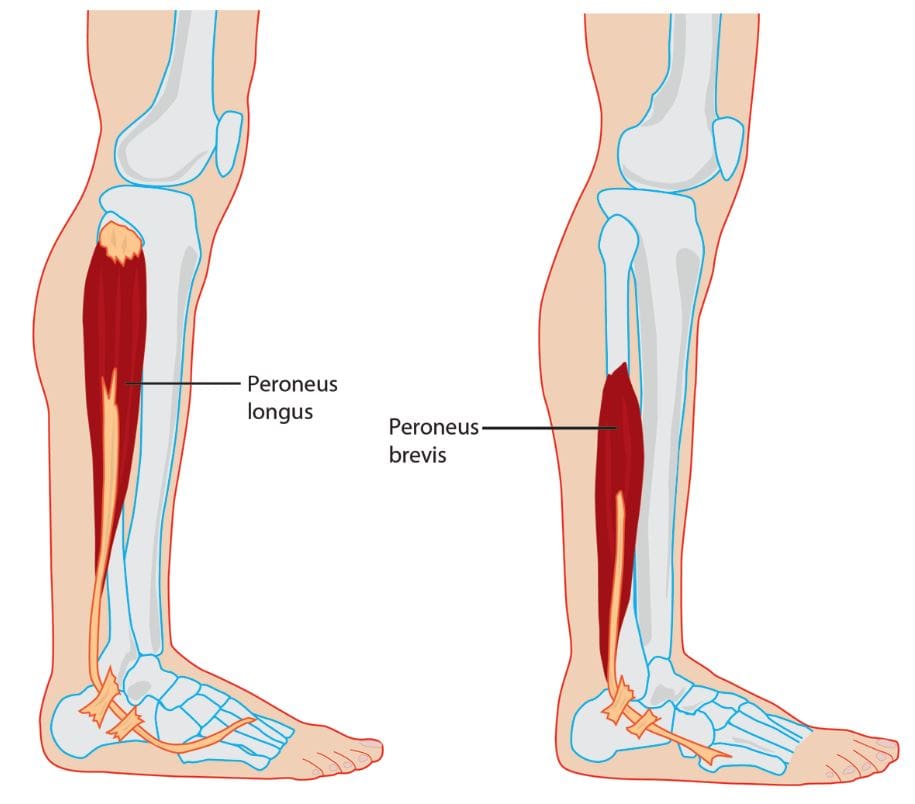
Have you been experiencing pain when walking around constantly? What about feeling a sharp or dull ache in the back or side of your legs? Or do you feel like falling when you are just standing around? Many people experiencing these issues on their legs and ankles could be dealing with trigger points along the peroneal muscles in the ankles. The peroneal muscles consist of two muscles in the lateral compartment of the lower legs: the peroneus longus and peroneus brevis. The peroneus longus is an important long muscle in the lower legs as it is at the top of the fibula and then runs down the outer leg while connecting to the foot. One of the primary functions of the peroneus longus is allowing plantarflex and evert the foot at the ankle. This means that the peroneus longus helps provide motor strength and range of motion to the ankles.
The peroneus brevis is one of the shorter peroneal muscles in the legs that go down to the ankles and provides assistance to allow eversion to the foot and plantarflexion to the ankles. This shorter muscle is important since the ankle joint is relatively mobile and needs stability from the surrounding ligaments and muscles. These two muscles work together for ankle stability when walking and positioning when the body is moving. Studies reveal that depending on a person’s environment, the peroneal muscles allow support and stability to the ankle in various positions. A good example is if the foot is placed in a sloped position, the peroneal muscles and the surrounding ligaments help stabilize the ankle so it won’t induce pain, causing the individual not to fall over.
Weak Ankles & Trigger Points
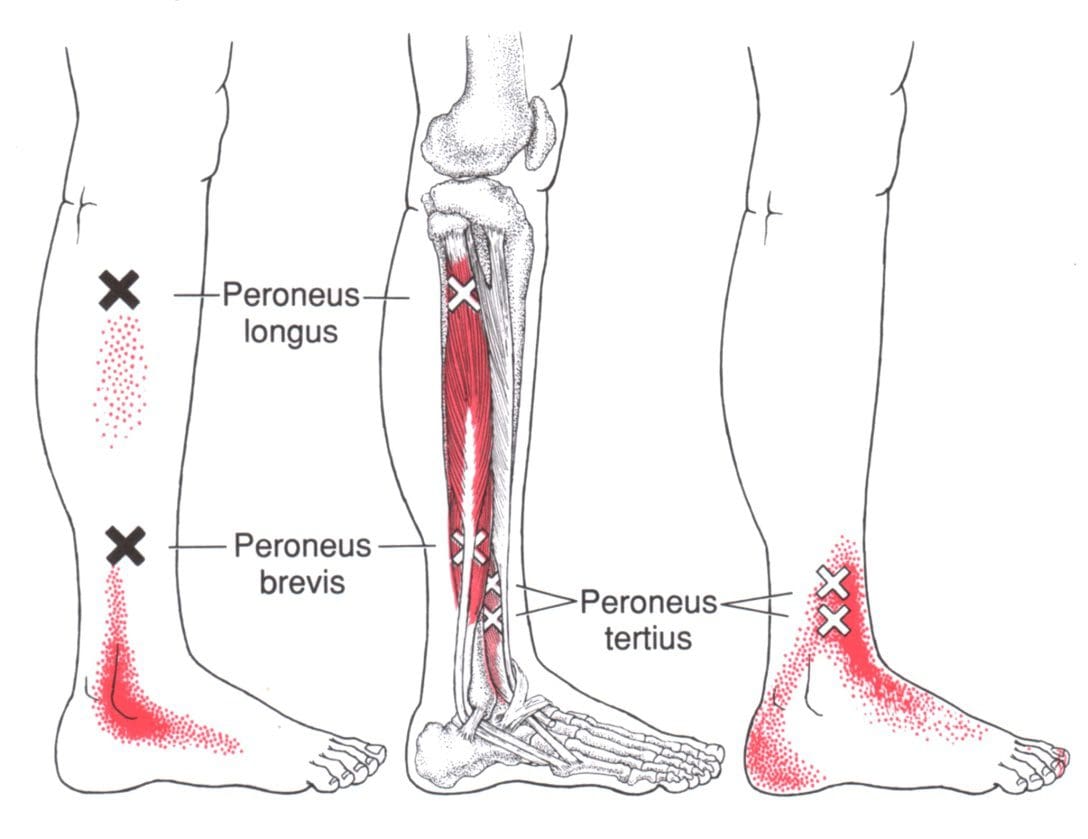
When factors like obesity, trauma, or injuries begin to affect the lower half of the body, it can cause instability in the legs and cause the surrounding muscles, tendons, and ligaments to be overstretched, take on more of an overload to the legs, or suffer from a muscle or tendon tear. These factors are associated with various issues that can invoke pain along with developing trigger points along the lower legs. When there are issues in the peroneal muscles, it can lead to muscle weakness in the ankles or “weak ankles,” which causes instability in the body and causes the individual to sprain their ankles. Studies reveal that when the peroneal tendons have a tear in the lower extremities, it can lead to lateral ankle pain that is often missed when examined. However, to that point, if the incision has been left untreated, it can lead to persistent ankle pain, instability, and ankle dysfunction. In “Myofascial Pain and Dysfunction,” written by Dr. Janet G. Travell, M.D., stated that when individuals suffer from weak ankles or have an ankle sprain, active trigger points can cause pain and tenderness to the ankles and cause the person to become unstable. If left untreated, it can cause them to lose balance and have foot drop and ankle fractures to their foot. The book also mentioned that any ruptures in the tendons and muscles might cause lateral compartment syndrome. When there is instability in the ankles, many people resort to using mobility aids like a cane or a walker to be mobile to compensate for the function lost in their feet.
Trigger Point Therapy On The Peroneal Muscles- Video
Do you feel the pain from the bottom of your feet to your ankles? Does it hurt to walk around for a short period? Or have you sprained your ankle, and there is a dull ache when you try to rotate? Some ankle issues are associated with trigger points affecting the peroneal muscles. The peroneal muscles help the lower legs by allowing eversion to the foot and plantarflexion to the ankles. The two muscles that make up the peroneal muscles are the peroneus longus and the peroneus brevis, and they, along with the other tendons and ligaments, help with ankle stability. Since the ankle is a mobile joint, it can succumb to sprains, tears, and instability in the body, allowing trigger points to develop and causing even more issues. The great news is that there are ways to manage trigger points along the peroneal muscles and reduce ankle instability. The video above shows where the peroneal muscles are located on the leg, where the trigger points are, and how to use K-tape to help support the ankle and prevent more injuries on this moveable joint.
Strengthening The Ankles & Managing Trigger Points
Instability in the ankles can be a bummer to many individuals that are on the move, but when it comes to treatment, it can prevent future injuries from re-occurring. Studies reveal that when pain specialists incorporate joint mobilization techniques and dry needling therapy into their patients, it can allow them to reduce the pain and disability to the ankles, thus managing the trigger points along the peroneal muscles. Another way many people can reduce pain in their peroneal muscles is by incorporating stretches and exercises to strengthen their ankles. This allows the peroneal muscles to be loose and gently stretched while slowly strengthening the ankles in a semi-lock position. When people utilize these techniques on their legs and ankles, it can bring mobility and stability back to the body without fear of falling or causing more issues in the ankles.
Conclusion
As one of the most mobile skeletal joints in the lower body, the ankles work together with the legs to provide mobility and stability to the body. The lower legs have various muscles, tendons, and ligaments that travel down and help support the legs and ankles. One of the muscles that provide that support is the peroneal muscle. The peroneal muscles consist of two muscles known as the peroneus longus and peroneus brevis help with eversion to the foot and allow plantarflexion to the ankle. When a person has sprained their ankle, it causes the peroneal muscle to become overstretched and develop trigger points. The great news is that trigger points are treatable, and various treatments can reduce pain in the affected muscle. This allows stability and mobility back to the ankles and improves the body’s functionality.
References
Abd-Rasid, A F, and M Y Bajuri. “Isolated Peroneus Longus Tear – Commonly Missed Diagnosis of Lateral Ankle Pain: A Case Report.” Malaysian Orthopaedic Journal, U.S. National Library of Medicine, July 2020, https://www.ncbi.nlm.nih.gov/pmc/articles/PMC7513650/.
Basit, Hajira, et al. “Anatomy, Bony Pelvis and Lower Limb, Foot Peroneus Brevis Muscle.” In: StatPearls [Internet]. Treasure Island (FL), StatPearls Publishing, 8 Feb. 2022, https://www.ncbi.nlm.nih.gov/books/NBK535427/.
Lezak, Bradley, and Matthew Varacallo. “Anatomy, Bony Pelvis and Lower Limb, Calf Peroneus Longus Muscle.” In: StatPearls [Internet]. Treasure Island (FL), StatPearls Publishing, 25 Aug. 2022, https://www.ncbi.nlm.nih.gov/books/NBK546650/.
Salom-Moreno, Jaime, et al. “Trigger Point Dry Needling and Proprioceptive Exercises for the Management of Chronic Ankle Instability: A Randomized Clinical Trial.” Evidence-Based Complementary and Alternative Medicine : ECAM, U.S. National Library of Medicine, 2015, https://www.ncbi.nlm.nih.gov/pmc/articles/PMC4430654/.
Travell, J. G., et al. Myofascial Pain and Dysfunction: The Trigger Point Manual: Vol. 2:the Lower Extremities. Williams & Wilkins, 1999.
IFM's Find A Practitioner tool is the largest referral network in Functional Medicine, created to help patients locate Functional Medicine practitioners anywhere in the world. IFM Certified Practitioners are listed first in the search results, given their extensive education in Functional Medicine