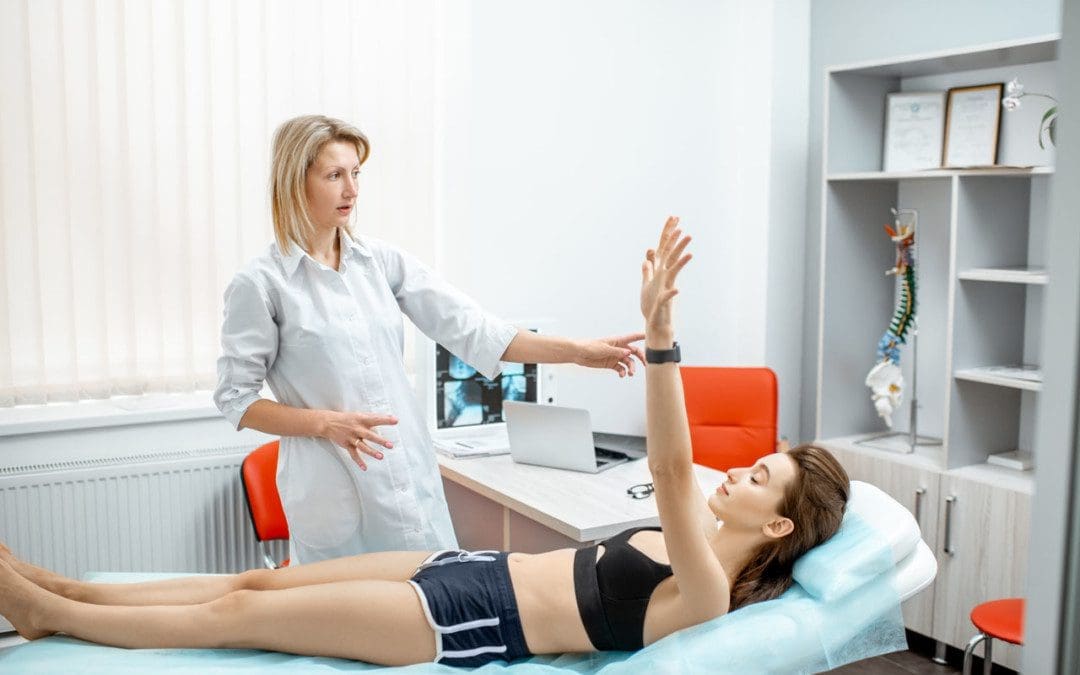
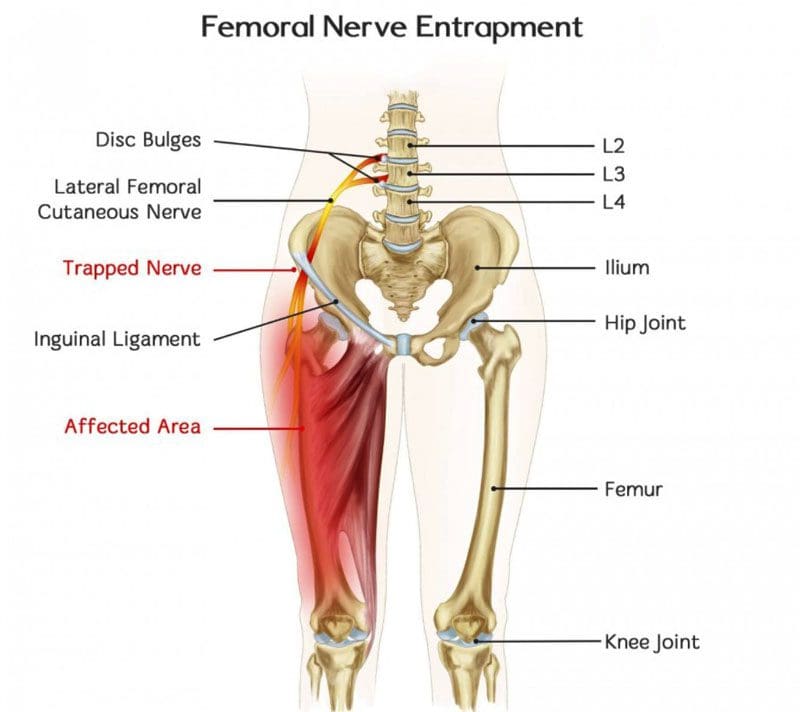
A nerve injury is often caused by a sudden traumatic event, like a slip and fall, personal or work injury, an automobile accident, or a sports injury. Overall stresses of the body from poor posture and being overweight can also lead to nerve pain over time, known as cumulative trauma. Where ligaments and bones are not aligned correctly, nerve pain and damage can occur. When nerve pain presents, there is pressure being placed on that nerve/s. Nerve pain symptoms include burning, tingling, or numbness-type sensations in the tissues controlled by that nerve. Orthopedic and neurologic testing will determine what specific nerve is affected. Chiropractic adjustments realign the spine and relieve the pressure on the nerve, thus eliminating the pain and correcting the problem.
Nerve Injury
Too much pressure from surrounding tissues compresses and irritates the nerve and interrupts its ability to function correctly. Pinched nerves are most vulnerable at points in the body where they pass through narrow spaces and have little to no soft tissue protection. Symptoms include:
Pins and Needles Sensation
Numbness
Pain
Weakness
A pinched nerve can decrease the range of motion and cause muscle spasms. If left untreated, a nerve injury can leave an individual with chronic pain and lead to permanent nerve damage.
Tingling and Numbness
Tingling and numbness are unusual or unpleasant physical sensations, most commonly experienced in the arms, hands, fingers, legs, feet, and toes. Tingling and numbness come in two forms:
To determine the appropriate course of treatment, a doctor of chiropractic must diagnose the cause of the nerve injury. Depending on the nature or severity of the sensation, the examination will include:
Muscle tests
Range-of-motion tests
Neurological tests
Orthopedic tests
The chiropractor will palpate the effective areas and order imaging tests like X-rays if necessary. If further testing is needed to diagnose the source of the nerve injury, the doctor may order an MRI or CT scan. Once the underlying condition is diagnosed, a chiropractor will develop a treatment plan to eliminate irritation, correct misalignments causing pressure, and restore proper nerve function. Treatment plans vary from case to case but can include:
Therapeutic Massage
Body adjustments
Spinal manipulation
Heat and Ice
The objective is to relieve/release the pressure on the nerves. Chiropractic adjustments help reposition the muscles and nerves. Deep-tissue massage helps to release tension and eliminate toxins that worsen the sensations. Treatment improves circulation and relieves pressure on the neural pathways necessary to restore normal neural signaling between the body and the brain.
Body Composition
Why The Brain Needs Sugar
The brain needs half of all the body’s energy supply because of its complex nerve cell system. The brain requires glucose for brain cell energy. Because neurons can’t store energy, they need a continuous fuel supply to function correctly from the bloodstream. The ability to think, learn and recall information is closely associated with glucose levels. When blood glucose levels are low, the ability to think is inhibited as the production of chemical messengers/neurotransmitters, are reduced, disrupting communication between the neurons. Natural sugar can boost brain health because it requires glucose for functioning. Sugar is released slowly into the bloodstream when taken naturally from sources like apples and bananas, keeping the energy levels steady, without craving more sugar.
References
Ameh, Victor, and Steve Crane. “Nerve injury following shoulder dislocation: the emergency physician’s perspective.” European journal of emergency medicine: official journal of the European Society for Emergency Medicine vol. 13,4 (2006): 233-5. doi:10.1097/01.mej.0000206190.62201.ad
Nichols, J S, and K O Lillehei. “Nerve injury associated with acute vascular trauma.” The Surgical clinics of North America vol. 68,4 (1988): 837-52. doi:10.1016/s0039-6109(16)44589-5
Ruggiero, S L. “Trigeminal nerve injury and repair.” The New York state dental journal vol. 62,8 (1996): 36-40.
Welch, J A. “Peripheral nerve injury.” Seminars in veterinary medicine and surgery (small animal) vol. 11,4 (1996): 273-84. doi:10.1016/s1096-2867(96)80020-x
WOODHALL, B. “Peripheral nerve injury.” The Surgical clinics of North America (1954): 1147-65. doi:10.1016/s0039-6109(16)34299-2
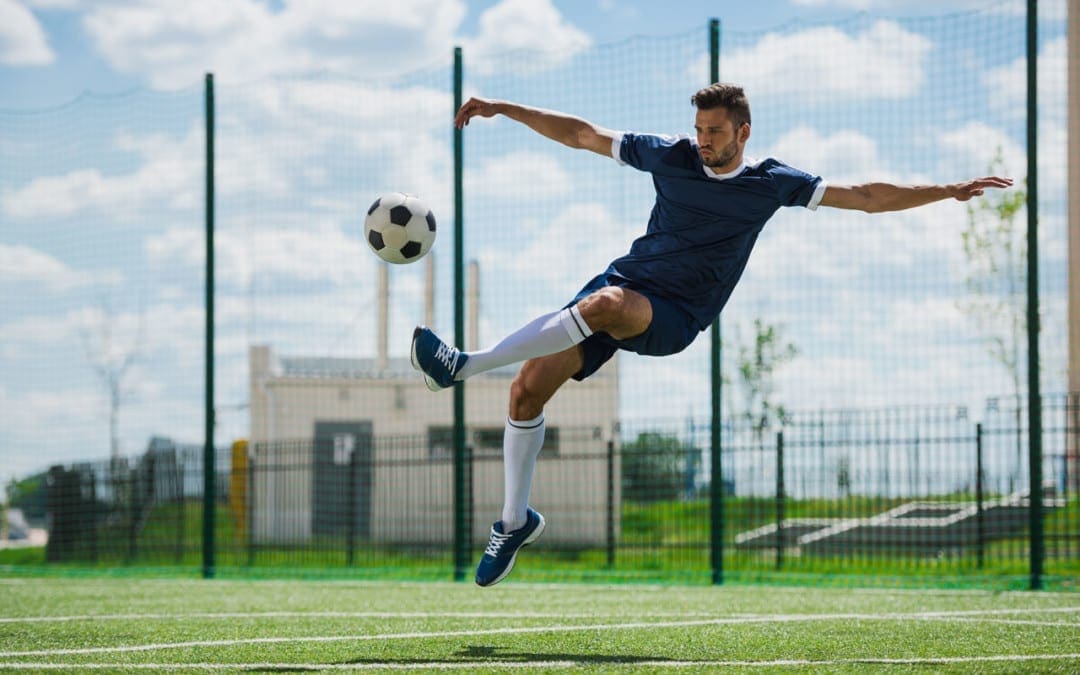
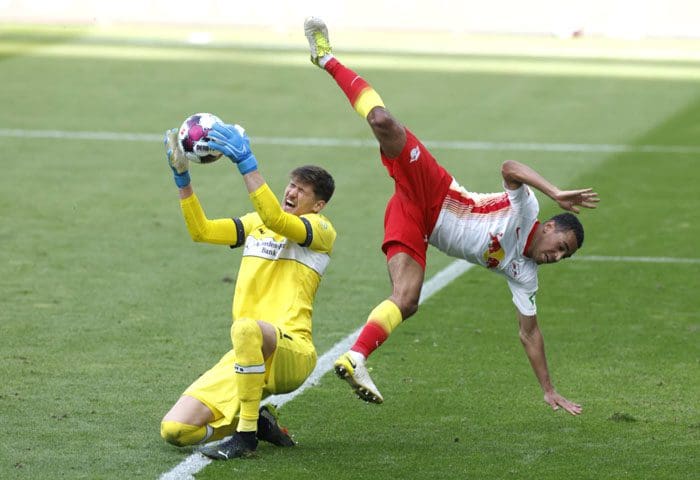
Although many soccer injuries involve the legs and lower extremities, other body areas are susceptible to injury/s as well. Acute or cumulative is how soccer injuries are generally described. Acute injuries are traumatic. They are usually caused by a slip, trip, and fall, getting hit, and crashing into other players. Cumulative injuries involve repetitive stress on a muscle, joint, or connective tissue. This triggers progressive aches, pain, and physical impairment that gets worse with time. Understanding how and why they happen is the first step in injury prevention. The more common injuries experienced among soccer athletes include.
Concussion
This is a form of mild traumatic brain injury mTBI caused by a sudden hit/impact to the head. Players are trained to head the ball; however, concussions can happen if not ready for impact or heading at an awkward position.
Ankle Sprains
Ankle sprains are when there is stretching and tearing of ligament/s that surround the ankle joint.
Lateral ankle sprains or outside of the ankle can happen when a player kicks the ball with the top of the foot.
A medial ankle sprain or inside of the ankle can happen when the toes are turned out when the foot is flexed up.
Achilles Tendonitis
This is a chronic injury that occurs from overuse with pain in the back of the ankle. Players are constantly performing repetitive and sudden movements that, over time, can cause this type of injury.
Achilles Tendon Rupture
A rupture involves a partial or complete tear of the Achilles tendon. Often players say with a popping sound. This happens when players perform fast, explosive movements. Rapid stopping, starting, shifting, jumping can all contribute.
Groin Pull/Strain
This is a type of strain that happens when the inner thigh muscles are stretched beyond their limit. As a result, a player can pull the groin when kicking and/or resistance from an opponent trying to take the ball or kick in the opposite direction.
Hamstring Injury
These injuries involve the three back muscles of the thigh and can vary from minor strains to complete ruptures/tears. This comes from running, sprinting, jumping, and stopping, leading to these types of injuries.
Iliotibial Band Syndrome
This is an overuse/repetitive injury that involves a tendon known as the IT band. This is the connective tissue that runs along the outside of the thigh. Constant running can create friction as the band gets pulled along the outside of the knee, which can cause tendonitis.
Plantar Fasciitis
This causes foot pain caused by inflammation of the tissue bands that run from the heel to the toes. Several factors can cause the condition. This could be players using inappropriate or not correctly fitting shoes, shoes that do not provide proper arch support or playing on a hard surface.
Calf Muscle Pull
This is when one of the muscles of the lower leg gets pulled from the Achilles tendon. Again, quick and spontaneous sprinting, running, or jumping is usually the cause.
Knee Injuries
The most common soccer injuries are those that involve the knee. This is because of the stopping and shifting directions quickly and suddenly. The explosive, spontaneous movements place extreme stress on the knees and the supporting ligaments. When the stress goes beyond the ligament’s limits, it can cause a sprain or tear in the joint. When there is an injury to the knee/s, it is diagnosed using a grading scale.
Grade 1 Mild sprain
Grade 2 Partial tear
Grade 3 Complete tear
Runner’s Knee
Patellofemoral pain syndrome, also known as runner’s knee, is a condition where the cartilage under the kneecap gets damaged from an injury or overuse. This happens when there is a misalignment in the knee and/or strained tendons.
ACL Injury
The anterior cruciate ligament or ACL is at the front of the knee. These are the most common knee injuries. This is because the ligaments are less retractable than muscles or tendons. And those in the knees are highly vulnerable to damage.
Cruciate Ligament Injury
This type of injury does not always cause pain but often causes a popping sound when it happens. Pain and swelling develop within 24 hours. This is followed by the loss of range of motion and tenderness around and along the joint.
Meniscus Injury
The Meniscus involves a C-shaped piece of cartilage that cushions the space between the femur and the shin bone. These tears are painful and are often the result of twisting, pivoting, decelerating, or quick/rapid impact.
Shin Splints
The term describes a variety of painful symptoms that develop in the front of the lower leg. This often happens from over/intense training, or the training gets changed. Players can also develop shin splints from training while not using appropriate shoes.
Stress Fractures
These types of fractures are usually the result of overuse or repeated impact on a bone. The result is severe bruising or a slight crack in the bone.
Tendonitis
When tendons get inflamed, it is referred to as tendonitis. This comes with repetitive overuse but can also develop from a traumatic injury that causes micro-tears in the muscle fibers.
Soccer Injuries Prevention
Many of these injuries result from overuse, overtraining, improper conditioning, and/or not warming up properly. Here are few tips to help reduce the risk.
Warm-up for at least 30 minutes before playing
Pay special attention to stretching the:
Groin
Hips
Hamstrings
Achilles’ tendons
Quadriceps
Wear protective gear
This includes:
Mouthguards
Shin guards
Kinesio tape
Ankle supports
Eye protection
Ensure they are correctly sized and maintained.
Check the field
Check for anything that could cause injury/s. This includes:
Holes
Puddles
Broken glass
Stones
Debris
Avoid playing in bad weather
Or immediately after heavy rain when the field is especially slick and muddy.
Allow enough time to heal after an injury.
This also goes for minor soccer injuries. Trying too fast to get back increases the risk of worsening the injury, re-injury, and/or creating new injuries.
Utilize carb-loading to help them increase energy storage for long runs, bike rides, swims, etc. When timed effectively, carb-loading has been shown to increase muscle glycogen, leading to improved performance.
Bodybuilders and fitness athletes
Use carbo-loading to build size and mass before competitions. The timing and efficacy of carb-loading vary from person to person. Make sure to experiment before the next big competition.
References
Fairchild, Timothy J et al. “Rapid carbohydrate loading after a short bout of near maximal-intensity exercise.” Medicine and science in sports and exercise vol. 34,6 (2002): 980-6. doi:10.1097/00005768-200206000-00012
Kilic O, Kemler E, Gouttebarge V. The “sequence of prevention” for musculoskeletal injuries among adult recreational footballers: A systematic review of the scientific literature. Phys Ther Sport. 2018;32:308-322. doi:10.1016/j.ptsp.2018.01.007
Lingsma H, Maas A. Heading in soccer: More than a subconcussive event?. Neurology. 2017;88(9):822-823. doi:10.1212/WNL.0000000000003679
Pfirrmann D, Herbst M, Ingelfinger P, Simon P, Tug S. Analysis of Injury Incidences in Male Professional Adult and Elite Youth Soccer Players: A Systematic Review. J Athl Train. 2016;51(5):410–424. doi:10.4085/1062-6050-51.6.03
IFM's Find A Practitioner tool is the largest referral network in Functional Medicine, created to help patients locate Functional Medicine practitioners anywhere in the world. IFM Certified Practitioners are listed first in the search results, given their extensive education in Functional Medicine