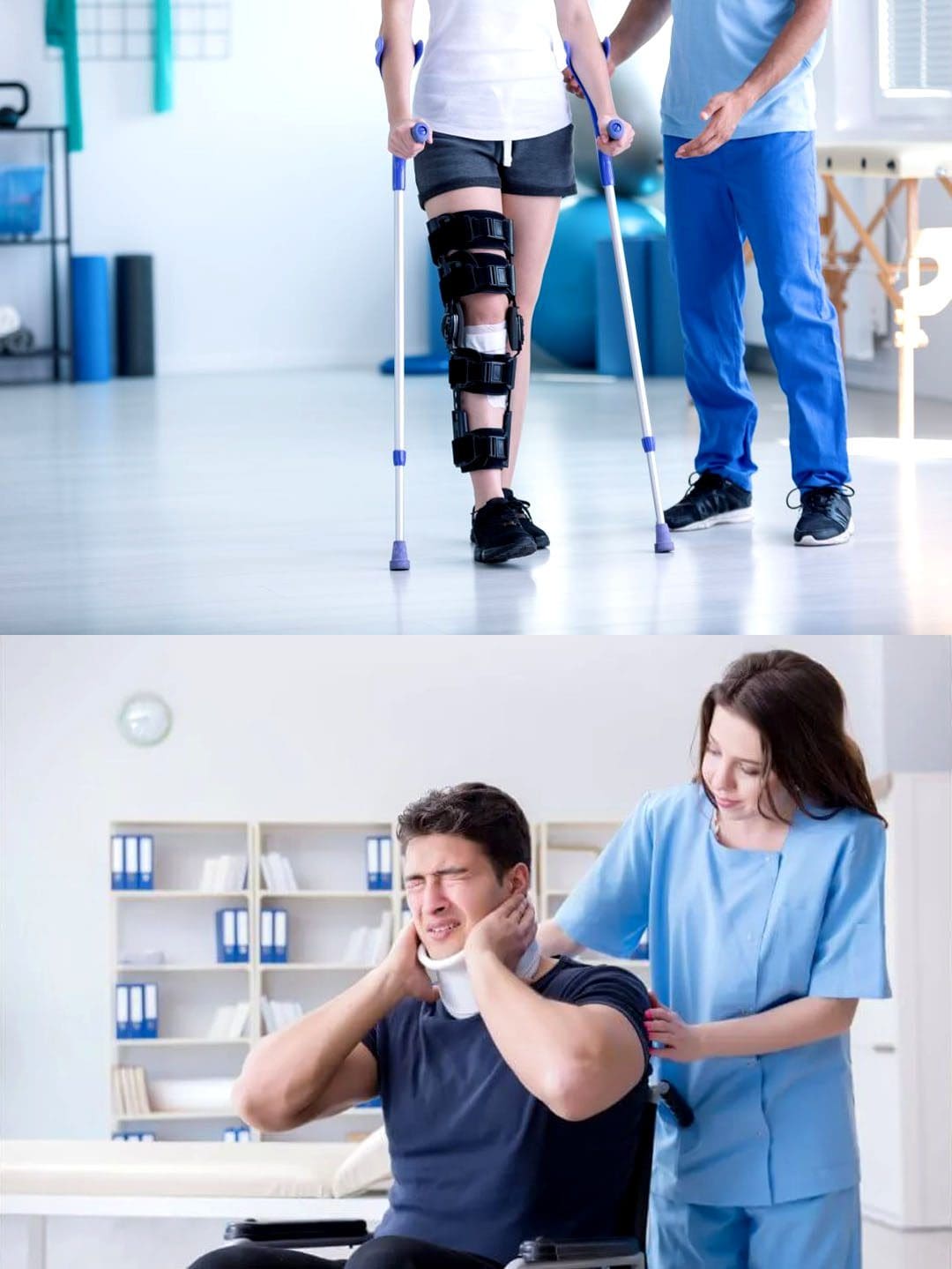
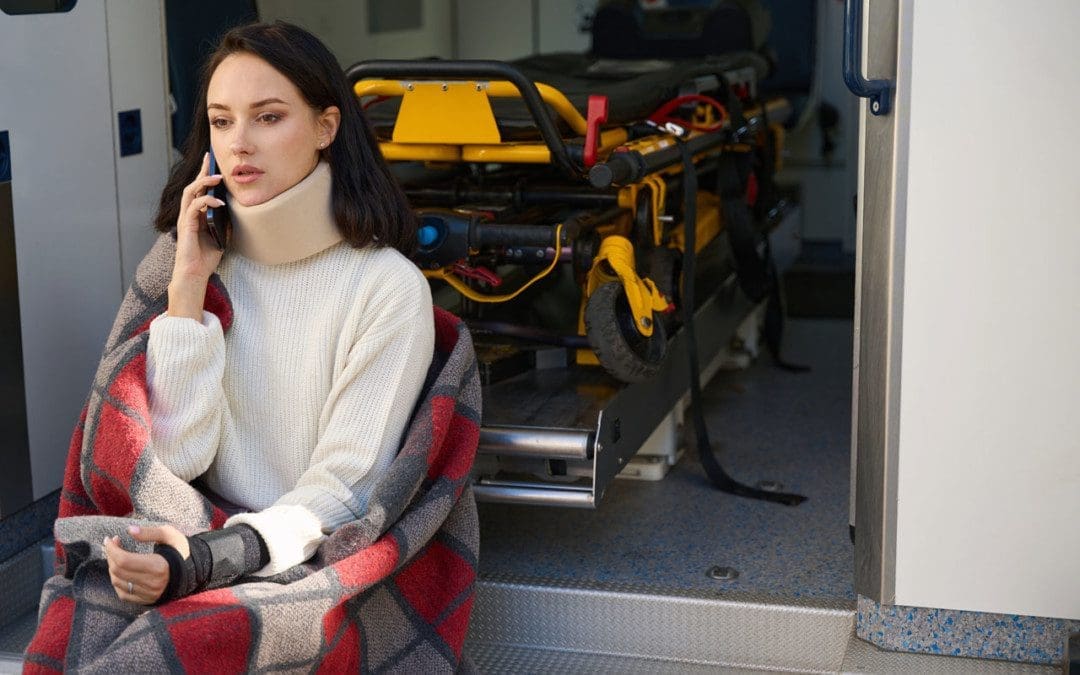
Injuries after a motorcycle crash include contusions, skin abrasions, soft tissue injuries to tendons, ligaments, and muscles, sprains, strains and tears, facial and jaw fractures, traumatic brain injury, broken bones, misalignment, neck and back injuries, and biker’s arm. The Injury Medical Chiropractic and Functional Medicine Team can develop a comprehensive view of the sustained injuries to create a personalized treatment plan to reduce inflammation, increase flexibility, correct misalignments, rehabilitate the body, relax, stretch, and strengthen the musculoskeletal system, and restore mobility and function.
Motorcycle Crash Injuries
Motorcycle crash injuries are not easy to recover from. Acute soft tissue injuries caused by sudden trauma are common, as well as herniated discs, pelvis, and spinal misalignments that can have a cascading effect on the rest of the body.
Pelvic Misalignment
The pelvis comprises the pubic joint in the front and two sacroiliac joints in the back.
The sacroiliac joints work to connect the pelvis to the spine.
The pelvis also connects various muscles, including the pelvic floor and hip.
When the hip sustains a crash/collision impact or the impact causes the individual to fall on their hip, the hip or pelvis can become misaligned. Pelvic misalignment is one of the leading causes of severe back problems and pain. To realign the pelvis, a chiropractor will develop a physical therapy program that will include the following:
Therapeutic massage to relax the muscles and increase blood circulation.
Directed stretching of tight and overactive muscles.
Strengthening or reactivating weak and inhibited muscles.
Exercises to train proper pelvis positioning awareness.
Neck Injuries
In addition to whiplash, spinal misalignment to the vertebrae in the neck can occur. A chiropractor can help restore the range of motion. The treatment team will develop a therapy program in addition to chiropractic. The primary focus is to improve the flexibility and strength of the neck. The common types of physical therapy include:
Massage.
Neck stretches.
Back strengthening.
Core strengthening.
Leg and Foot Injuries
Extremity injuries frequently occur, particularly to the feet and legs, and include:
Sprains.
Strains.
Muscle tears.
Road Rash.
Bone fractures.
The therapy team will build a treatment plan that works through each system up the foot, knee, and hip. This plan will help heal soft tissue injuries by applying techniques like massage therapy and at-home exercises.
Rider’s Arm
Motorcyclists may extend their hands out to protect themselves from the impact when falling. This position can lead to injuries that affect the shoulders, arms, wrists, and hands. The physical therapy team can help heal soft tissue injuries and increase mobility using mobilization. Chiropractic can restrengthen damaged shoulder muscles, support torn ligaments, and treat tissue damage.
This hands-on technique involves easing a joint or muscle through normal movement patterns to release and relax stiffness and increase mobility.
Manual adjustments, deep tissue massage, exercise, and hot/cold therapy help restore health and mobility and expedite recovery.
Injury Rehabilitation
References
Dischinger, Patricia C et al. “Injury patterns and severity among hospitalized motorcyclists: a comparison of younger and older riders.” Annual proceedings. Association for the Advancement of Automotive Medicine vol. 50 (2006): 237-49.
Mirza, M A, and K E Korber. “Isolated rupture of the anterior tibialis tendon associated with a fracture of the tibial shaft: a case report.” Orthopedics vol. 7,8 (1984): 1329-32. doi:10.3928/0147-7447-19840801-16
Petit, Logan, et al. “A review of common motorcycle collision mechanisms of injury.” EFORT open reviews vol. 5,9 544-548. 30 Sep. 2020, doi:10.1302/2058-5241.5.190090
Sander, A L et al. “Mediokarpale Instabilitäten der Handwurzel” [Mediocarpal instability of the wrist]. Der Unfallchirurg vol. 121,5 (2018): 365-372. doi:10.1007/s00113-018-0476-9
Tyler, Timothy F et al. “Rehabilitation of soft tissue injuries of the hip and pelvis.” International journal of sports physical therapy vol. 9,6 (2014): 785-97.
Vera Ching, Claudia, et al. “Traumatic tracheal injury after a motorcycle accident.” BMJ case reports vol. 13,9 e238895. 14 Sep. 2020, doi:10.1136/bcr-2020-238895
The NHTSA records show that rear-end collisions are the most common and make up 30% of all traffic accidents, crashes, and collisions. Rear-end collisions can come out of nowhere. One moment a driver is waiting at a stop or light, and suddenly they are catapulted forward by the intense force of another vehicle/s resulting in serious and sustaining injuries that can impact an individual’s physical capabilities. Rear-end collision injuries most commonly affect the neck and back. This is because of the excessive force and intense shifting and whipping the body goes through. Chiropractic care, massage, and decompression therapy can realign the body, relax the muscles, release compressed nerves, expedite recovery, and restore mobility and function.
Rear-End Collision Injuries
Rear-end collision injuries can range from mild to serious, and what seems like a minor pull can result in a severe injury. The most common injuries include:
Pre-existing conditions such as degenerative disc disease can worsen.
Collision Types
A rear-end collision can occur in several ways. The most common types include:
Tailgating
When drivers in the rear follow another motorist too closely, and the lead motorist slows down or has to stop quickly, the rear driver hits the vehicle because there was not enough adequate time and distance to stop.
Slow Speed Collisions
Slow-speed/low-impact collisions or fender benders can result in spinal injuries and concussions.
They can also lead to facial and head injuries from sudden airbag deployment.
Vehicle Pile-Ups
A single rear-end collision on a busy street or interstate highway can cause a chain reaction of multiple-vehicle collisions.
These accidents can cause devastating injuries.
Causes
Causes that can take attention away from the road include:
Speeding
Distracted driving – Talking or texting.
Tailgating
Looking at something like an accident while driving by.
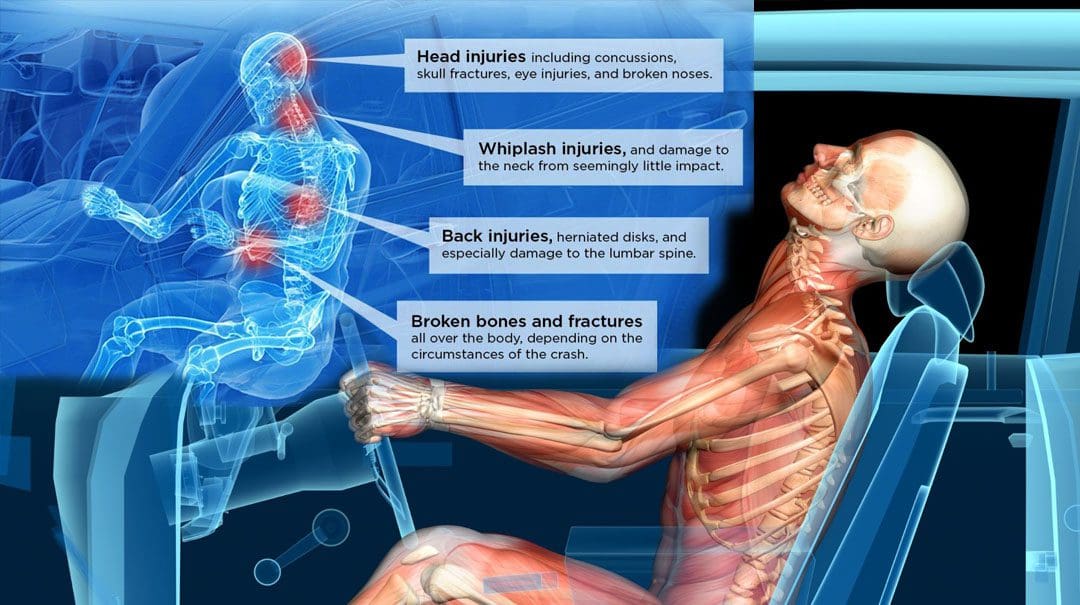
Symptoms of rear-end collision injuries may not immediately present following an accident. It can take 24 to 48 hours for discomfort symptoms to come on and sometimes longer. The adrenaline rush allows the individual not to experience the physical symptoms, which is why individuals think they’re fine when they are not. Ignoring signs increases the risk of permanent injury. A herniated disc, for example, left untreated, can lead to permanent nerve damage. Chiropractic treatment for rear-end collisions is one of the most effective options available. A chiropractor manipulates the spine to realign the spinal cord, allowing the body to decrease inflammatory cytokine production, which reduces the inflammatory response. Specific techniques and various tools can realign individual vertebrae, restore joint flexibility, and break up the scar tissue so the areas can heal faster.
The Spine In A Rear-End Auto Accident
References
Chen, Feng, et al. “Investigation on the Injury Severity of Drivers in Rear-End Collisions Between Cars Using a Random Parameters Bivariate Ordered Probit Model.” International journal of environmental research and public health vol. 16,14 2632. 23 Jul. 2019, doi:10.3390/ijerph16142632
Davis, C G. “Rear-end impacts: vehicle and occupant response.” Journal of manipulative and physiological therapeutics vol. 21,9 (1998): 629-39.
Dies, Stephen, and J Walter Strapp. “Chiropractic treatment of patients in motor vehicle accidents: a statistical analysis.” The Journal of the Canadian Chiropractic Association vol. 36,3 (1992): 139–145.
Garmoe, W. “Rear-end collisions.” Archives of physical medicine and rehabilitation vol. 79,8 (1998): 1024-5. doi:10.1016/s0003-9993(98)90106-x
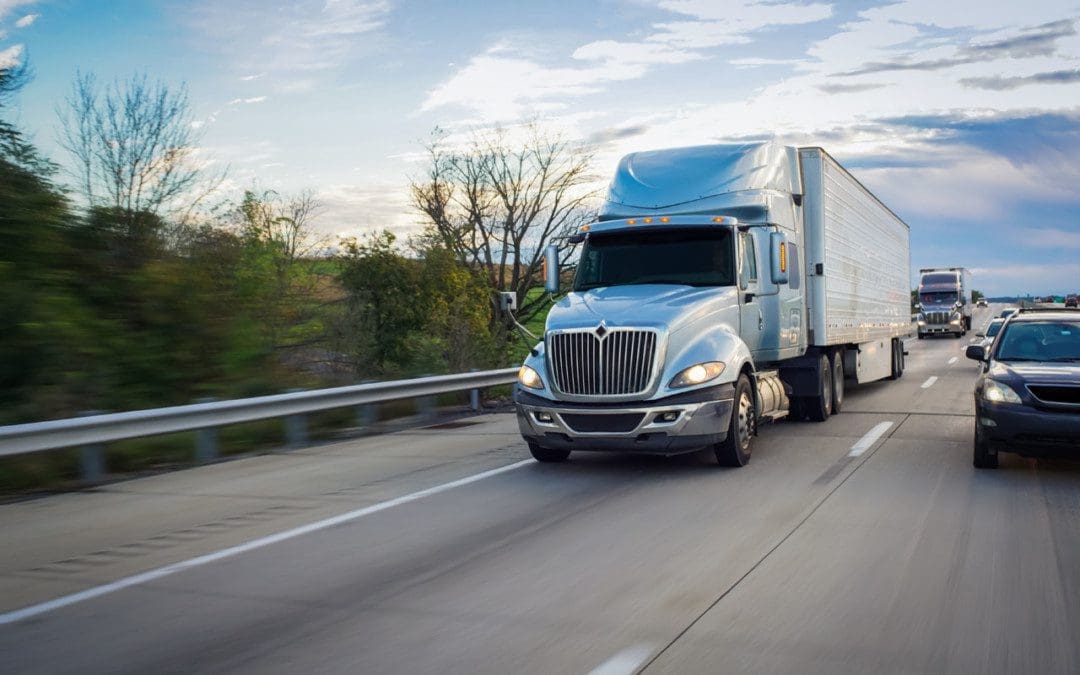
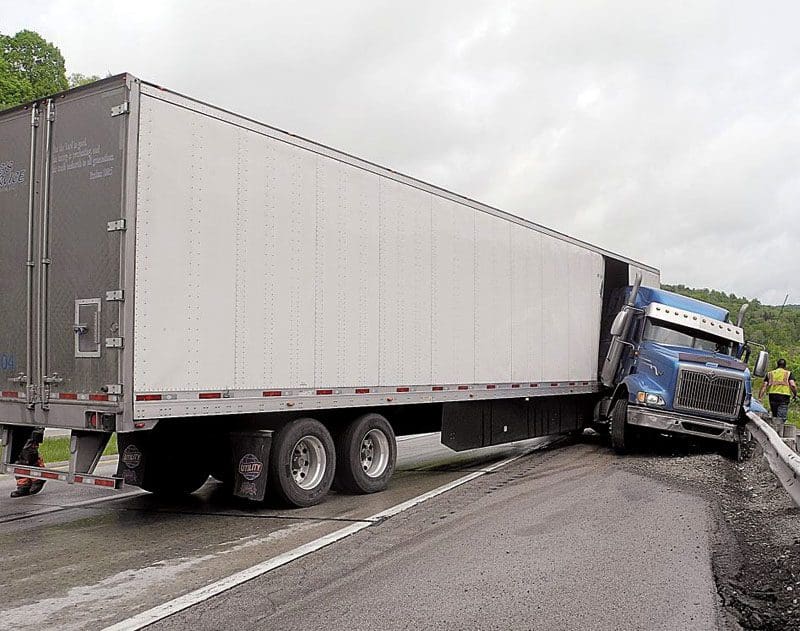
Tractor-trailer semi-trucks are a vital part of our transportation/supply system. However, weather, drivers that are not careful and/or well-trained can cause dangerous and sometimes fatal accidents. One type of accident resulting from truck driver negligence is the jackknife accident. Jackknife accidents are extremely catastrophic because they can involve numerous vehicles. Almost all of them involve life-altering or fatal injuries. Here’s what to know about these violent truck crashes.
Jackknife Collision
A jackknife occurs when the trailer of semi-truck swings to one side at a 90-degree angle and uncontrollably overtakes other lanes of traffic.The term comes from the look of the tractor-trailer after the crash resembling a jackknife or the letter L. When a jackknife wreck happens, the trailer and cab can hit and crush other vehicles in its path. It can also block numerous lanes leading to additional collisions. Jackknife crashes can also be considered rollover crashes when the truck slides and rolls over onto its side, although not all rollovers end in a jackknife.
Causes
Jackknife collisions are often either the cause of driver negligence or inclement weather, other distracted drivers, truck maintenance, or a combination. These include the following:
Excessive Speed
If a truck driver is speeding, the trailer can slide sideways and jackknife when forced to stop too quickly.
The average tractor-trailer weighs about 80,000 pounds.
The average length of a trailer is between 70 – 80 feet.
Tractor-trailer trucks need 40% more time to brake.
Weather Conditions
If drivers do not take it slow enough, bad weather or road conditions can also cause a jackknife.
Ice, snow, rain, loose gravel, or loose asphalt can cause trailers to bounce and slide.
Hazardous road conditions, as accumulated oil can cause slipperiness.
Improper Following Distance
Truck drivers that do not provide an adequate following distance to allow for a safe stopping distance can cause the trailer to slide sideways and jackknife when having to slam on the brakes.
Drivers who do not exercise caution as they enter and properly maneuver down hills or curves can end up shifting out of position and possibly topple over.
Driver Operator Fatigue
Many tractor-trailer accidents/crashes happen when drivers have logged too many hours without proper rest.
When the body is tired, response time suffers.
If a driver is groggy, they lack the cognizance to maneuver out of a dangerous situation.
Inexperienced or Untrained Operators
Driving a truck is a demanding job that requires several skill sets and experience.
Truck companies try to lower costs by using inexperienced drivers that don’t have the training or experience for long hauls or driving on busy/dangerous highways and interstates.
Load Balance
Safe truck driving ensures the trailer’s cargo is loaded correctly and the weight is equally distributed.
When the load is unbalanced, it can shift, causing the trailer to tilt or tip.
Unbalanced loads are a common factor in rollover crashes.
Lack of Maintenance
Drivers or companies that ignore:
Routine maintenance
Alignment checks
Brake pad replacement
All can lead to accidents and crashes.
Research shows that jackknife crashes can cause widespread damage, as they usually spread across multiple lanes of traffic. Because of this, there is the danger of secondary crashes or vehicles not initially involved in the crash, running into the tractor, trailer, or scattered wreckage and debris.
18 Wheeler Accident Chiropractic Treatment
Analysis An Effective Tool In Physical Therapy Rehabilitation
Body composition is essential for understanding an individual’s physiological makeup and guiding a personalized treatment plan to target specific areas. InBody is non-invasive and convenient, making it ideal for rehabilitation practices. The InBody test provides comprehensive results that can educate and engage individuals in tracking their progress throughout their physical therapy. In less than 60 seconds, the InBody Test provides easy-to-understand, accurate, and objective measurements. Chiropractors and physical therapists use the InBody for:
Monitoring changes to determine the efficacy of exercise programs.
Guiding recommendations to ensure long-term success.
References
Girotto, Edmarlon et al. “Working conditions, and sleepiness while driving among truck drivers.” Traffic injury prevention vol. 20,5 (2019): 504-509. doi:10.1080/15389588.2019.1609670
Gray, Garry. “A bird’s eye view of driving safety culture: Truck drivers’ perceptions of unsafe driving behaviors near their trucks.” Work (Reading, Mass.) vol. 64,2 (2019): 187-194. doi:10.3233/WOR-192985
Smith, Joyce A et al. “Spine and spinal cord injury in motor vehicle crashes a function of change in velocity and energy dissipation on impact with respect to the direction of the crash.” The Journal of trauma vol. 59,1 (2005): 117-31. doi:10.1097/01.ta.0000171534.75347.52
Stavrinos, Despina et al. “Commercial Truck Driver Health and Safety: Exploring Distracted Driving Performance and Self-Reported Driving Skill.” Workplace health & safety vol. 64,8 (2016): 369-76. doi:10.1177/2165079915620202
Stein, H S, and I S Jones. “Crash involvement of large trucks by configuration: a case-control study.” American Journal of public health vol. 78,5 (1988): 491-8. doi:10.2105/ajph.78.5.491
Vehicle accidents are a leading cause of injury and death worldwide, with millions of crashes occurring annually. In 2023, the National Highway Traffic Safety Administration (NHTSA) reported approximately 6.1 million police-reported crashes in the United States alone, resulting in over 2.5 million injuries and 40,000 fatalities (NHTSA, 2024). Understanding the different types of vehicle accidents is critical for drivers, policymakers, and healthcare professionals to promote safer roads and effective injury prevention. This article explores the most common types of vehicle accidents, their causes, and their impacts on individuals and communities, while incorporating insights from recent research.
Common Types of Vehicle Accidents
1. Rear-End Collisions
Rear-end collisions occur when one vehicle strikes the back of another. These are among the most frequent types of accidents, often caused by distracted driving, tailgating, or sudden stops. According to the Insurance Institute for Highway Safety (IIHS), rear-end crashes accounted for 29% of all collisions in 2022 (IIHS, 2023). Common injuries include whiplash, neck strains, and soft tissue damage, which can lead to chronic pain if untreated (Mayo Clinic, 2025).
Causes:
Distracted driving (e.g., texting, eating)
Following too closely
Sudden braking or traffic slowdowns
Poor weather conditions, reducing visibility or traction
Prevention:
Maintain a safe following distance (e.g., the 3-second rule).
Use advanced driver-assistance systems (ADAS) like automatic emergency braking.
Stay focused and avoid distractions while driving.
2. Side-Impact Collisions (T-Bone)
Side-impact collisions, often called T-bone accidents, occur when the front of one vehicle strikes the side of another, typically at intersections. These crashes are particularly dangerous due to limited side protection in most vehicles. The NHTSA notes that side-impact crashes accounted for 24% of passenger vehicle occupant deaths in 2022 (NHTSA, 2024).
Causes:
Running red lights or stop signs
Failure to yield the right-of-way
Misjudging traffic signals or other vehicles’ movements
Poor visibility at intersections
Prevention:
Always check for oncoming traffic before entering intersections.
Use side-impact airbags and reinforced vehicle frames.
Install intersection cameras to deter reckless driving.
3. Head-On Collisions
Head-on collisions occur when the front ends of two vehicles collide, often at high speeds. These accidents are rare but have a high fatality rate due to the combined force of impact. The IIHS reports that head-on crashes made up 10% of fatal accidents in 2022 (IIHS, 2023).
Causes:
Crossing the centerline (e.g., due to distracted or impaired driving)
Overtaking on two-lane roads
Fatigue or falling asleep at the wheel
Road design flaws, such as sharp curves
Prevention:
Use centerline rumble strips to alert drifting drivers.
Avoid driving while fatigued or under the influence.
Adhere to speed limits and road signs.
4. Rollover Accidents
Rollover accidents involve a vehicle tipping over onto its side or roof. These are more common with taller vehicles like SUVs and trucks due to their higher center of gravity. The NHTSA estimates that rollovers accounted for 17% of fatal crashes in 2022, despite being only 2% of total crashes (NHTSA, 2024).
Causes:
Sharp turns at high speeds
Overcorrecting during a skid
Collisions with curbs or other objects
Uneven road surfaces or tire blowouts
Prevention:
Drive at safe speeds, especially on curves.
Ensure proper tire maintenance and vehicle stability control.
Avoid overloading vehicles, which can raise the center of gravity.
5. Sideswipe Collisions
Sideswipe collisions occur when the sides of two parallel vehicles make contact, often during lane changes or merging. While typically less severe, they can cause vehicles to lose control, leading to secondary collisions. The IIHS notes that sideswipe crashes are often underreported but contribute significantly to property damage (IIHS, 2023).
Causes:
Failure to check blind spots
Improper lane changes
Drifting due to distraction or fatigue
Narrow roads or construction zones
Prevention:
Use turn signals consistently.
Install blind-spot monitoring systems.
Check mirrors and surroundings before changing lanes.
6. Single-Vehicle Accidents
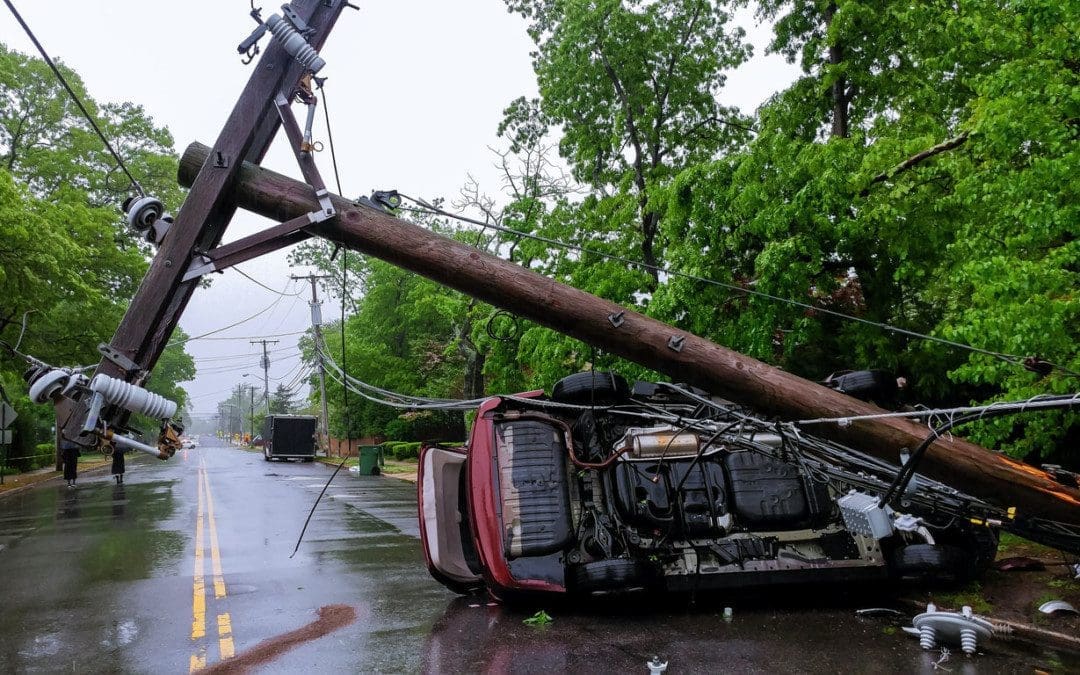
Single-vehicle accidents involve only one vehicle, often colliding with fixed objects like trees, poles, or guardrails. These crashes are frequently linked to driver error or environmental factors. According to a 2023 study by the AAA Foundation for Traffic Safety, single-vehicle crashes account for approximately 50% of all accidents (AAA, 2023).
Vehicle accidents result in significant physical, emotional, and financial consequences. Injuries range from minor bruises to severe trauma, such as spinal cord injuries or traumatic brain injuries (TBI). The Centers for Disease Control and Prevention (CDC) estimates that motor vehicle crashes cost the U.S. economy $340 billion annually in medical expenses, lost productivity, and property damage (CDC, 2024). Additionally, survivors may face long-term psychological effects, such as post-traumatic stress disorder (PTSD) (American Psychological Association, 2025).
Strategies for Reducing Vehicle Accidents
Driver Education: Comprehensive driver training programs can teach defensive driving techniques and hazard awareness.
Technology Adoption: Advanced safety features like lane departure warnings, adaptive cruise control, and automatic braking can reduce crash risks.
Infrastructure Improvements: Better road design, improved signage, and traffic calming measures can enhance safety.
Policy Enforcement: Stricter enforcement of traffic laws, such as speed limits and DUI regulations, can deter reckless behavior.
Public Awareness: Campaigns promoting safe driving habits, like avoiding distractions, can foster a culture of responsibility.
Conclusion
Vehicle accidents remain a significant public health and safety concern, with various types posing unique risks and challenges. By understanding the causes and implementing preventive measures, drivers and communities can work together to reduce crashes and their devastating impacts. Staying informed, adopting safety technologies, and advocating for better road policies are crucial steps toward safer roads for everyone.
References
National Highway Traffic Safety Administration (NHTSA). (2024). Traffic Safety Facts 2023. Retrieved from https://www.nhtsa.gov.
Insurance Institute for Highway Safety (IIHS). (2023). Crash Statistics and Analysis. Retrieved from https://www.iihs.org.
Mayo Clinic. (2025). Whiplash and Neck Injuries. Retrieved from https://www.mayoclinic.org.
Centers for Disease Control and Prevention (CDC). (2024). Motor Vehicle Crash Injuries. Retrieved from https://www.cdc.gov.
AAA Foundation for Traffic Safety. (2023). Single-Vehicle Crash Analysis. Retrieved from https://www.aaa.com.
American Psychological Association (APA). (2025). PTSD and Motor Vehicle Accidents. Retrieved from https://www.apa.org.
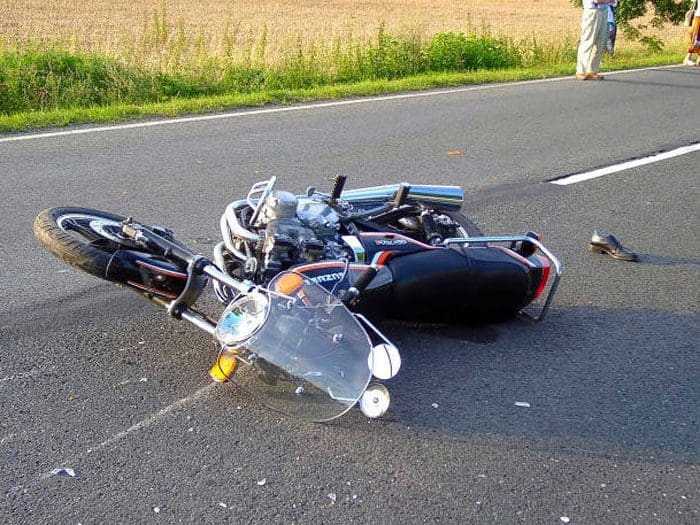
A motorcyclist has an increased risk of injury every time they get on their bike and get on the road. There is no barrier to protect them in the case of a crash or accident. Because of this, motorcycle injuries sustained can be life-changing. The most common injuries that motorcycle riders sustain and suffer when involved in accidents and crashes tend to be related to high traffic, speed, distracted drivers, and construction. This means that most common motorcycle accidents and crash injuries are severe.
Road Rash
Also known as road burn. This is a type of burn that is caused when the body’s skin gets badly scraped and shredded from the road. This often happens when a rider is thrown from the motorcycle skidding down the road before coming to a stop. Road rash can happen on any part of the body. For motorcyclists, it is common on the legs, hands, arms, and back. It can be excruciating even though the injury is not considered fatal, complications and overlapping injuries can develop. This is usually in the form of infections that can affect mobility and flexibility issues that can require further medical intervention and rehabilitation. In severe cases, it can require skin grafts. Depending on the severity it can leave permanent scarring. Treatment often includes antibiotics, bandage dressings, burn soothing and disinfectant creams.
Fractures and Broken Bones
When a motorcycle and a vehicle collide, it is very common for the motorcyclist to get thrown or knocked off with intense force. When the rider hits the ground, the impact alone can cause fractures and breaks. If the rider lands at an awkward angle this can definitely cause a fracture or break. Broken bones can happen anywhere on the body, but are most commonly sustained in the arms and legs. Broken ribs are also common and usually occur when the motorcyclist gets hit or falls hard. Motorcycle endorsement classes emphasize the ATGATT system that stands for All The Gear, All The Time. This means wearing motorcyclist protective clothing and ankle-high boots. Ankle injuries and fractures are commonly sustained from operating a motorcycle.
Spinal Cord Injuries
If the spinal cord gets injured or damaged the results can be devastating. Depending on the area of the injury, an individual might not be able to walk, use their arms, or move at all. Spinal cord injuries tend to happen when the motorcyclist gets thrown hard or up in the air landing hard on their neck, back, or the body gets pierced by an object. Spine fractures often happen when the rider gets pinned or crushed between vehicles and objects. This can cause temporary or permanent paralysis.
Traumatic Brain Injury
This is one of the most serious injuries sustained in a motorcycle crash. Traumatic brain injury – TBI is when the brain sustains trauma. These injuries usually happen when a motorcyclist is involved in an accident and is not wearing a helmet, their head hits an object forcefully, the head is shaken violently back and forth, or if the skull gets punctured. Around 15% of motorcyclists involved in accidents that receive medical treatment are diagnosed with a traumatic brain injury. When a person sustains a TBI, they can develop physical and cognitive deficits. Depending on the severity, brain injuries can be treated with surgery, traction, and rehabilitation, but can have lifelong effects.
Organ Injury and Damage
Intense and forceful impacts can cause internal organ damage. Internal bleeding is common in motorcycle accidents. This can be fatal if not diagnosed and treated. Injuries that prove to be fatal, more than three-quarters are caused by traumatic brain injury.
Therapy Rehabilitation
Our experienced team of accident physical therapists and chiropractic team will review the details of the collision, medical treatments and develop a thorough rehabilitation plan. Call our team today and let us help you put your life back together.
Body Composition
Breakfast and Mental Health
Beyond an individual’s physical health, breakfast can significantly impact mood and mental health. According to a 2018 study, a healthy high-quality breakfast has been shown to reduce stress and depression in adolescents. Breakfast nutritional quality was based on individual responses to the following questions:
Do you have cereal or other grain-based products bread, toast, etc?
Do you have some type of dairy product for breakfast?
Do you have commercially baked goods like biscuits or pastries for breakfast?
If a participant stated they consumed commercially baked goods and did not eat bread/toast/cereal or dairy products for breakfast, this was considered a poor quality breakfast. Avoiding commercially baked goods altogether and eating whole bread, healthy cereals, and/or dairy products was considered a good quality breakfast. Choosing grain-based foods along with dairy products was considered healthy because these foods provide a wide range of nutrients. Healthy cereals can provide:
Protein
Carbohydrates
Micronutrients
Results found that individuals that ate healthy quality breakfasts had:
Reduced mental distress
Reduced depressive symptoms
Increased positive mood
Improved quality of life
References
Alicioğlu, Banu et al. “Motosiklet kazalarina bağli yaralanmalar” [Injuries associated with motorcycle accidents]. Acta orthopaedica et traumatologica turcica vol. 42,2 (2008): 106-11.
Araujo, Miguel et al. “Effectiveness of interventions to prevent motorcycle injuries: a systematic review of the literature.” International journal of injury control and safety promotion vol. 24,3 (2017): 406-422. doi:10.1080/17457300.2016.1224901
Dupaix, John P et al. “A Comparison of Skeletal Injuries Arising from Moped and Motorcycle Collisions.” Hawai’i journal of health & social welfare vol. 78,10 (2019): 311-315.
Elsemesmani, Hussein et al. “Association Between Trauma Center Level and Outcomes of Adult Patients with Motorcycle Crash-Related Injuries in the United States.” The Journal of emergency medicine vol. 59,4 (2020): 499-507. doi:10.1016/j.jemermed.2020.06.018
Peng, Yinan et al. “Universal Motorcycle Helmet Laws to Reduce Injuries: A Community Guide Systematic Review.” American journal of preventive medicine vol. 52,6 (2017): 820-832. doi:10.1016/j.amepre.2016.11.030
IFM's Find A Practitioner tool is the largest referral network in Functional Medicine, created to help patients locate Functional Medicine practitioners anywhere in the world. IFM Certified Practitioners are listed first in the search results, given their extensive education in Functional Medicine