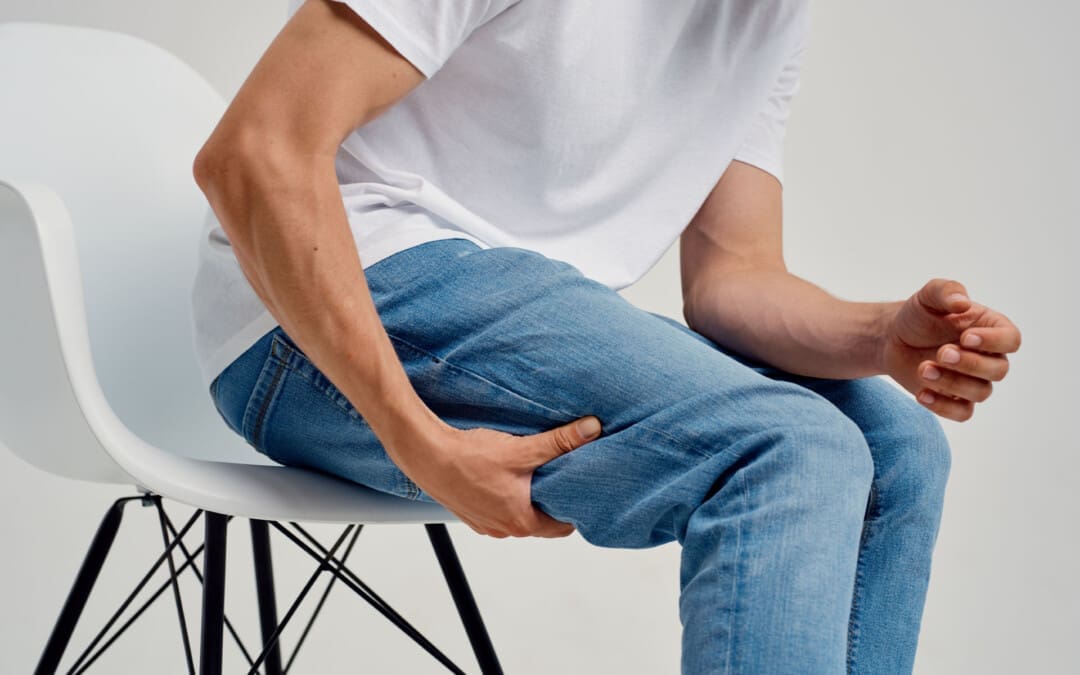
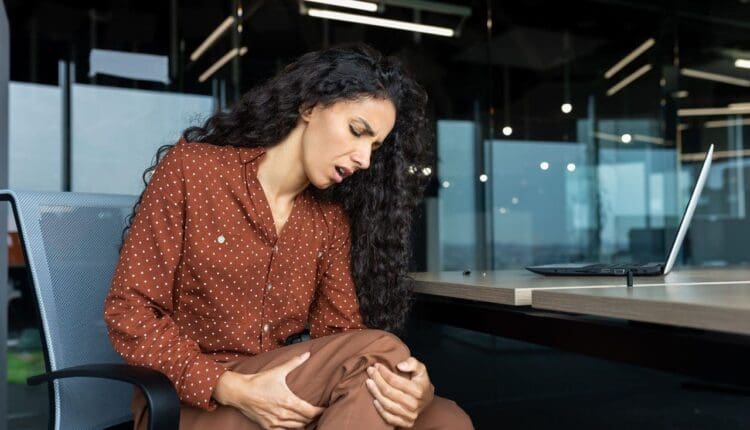
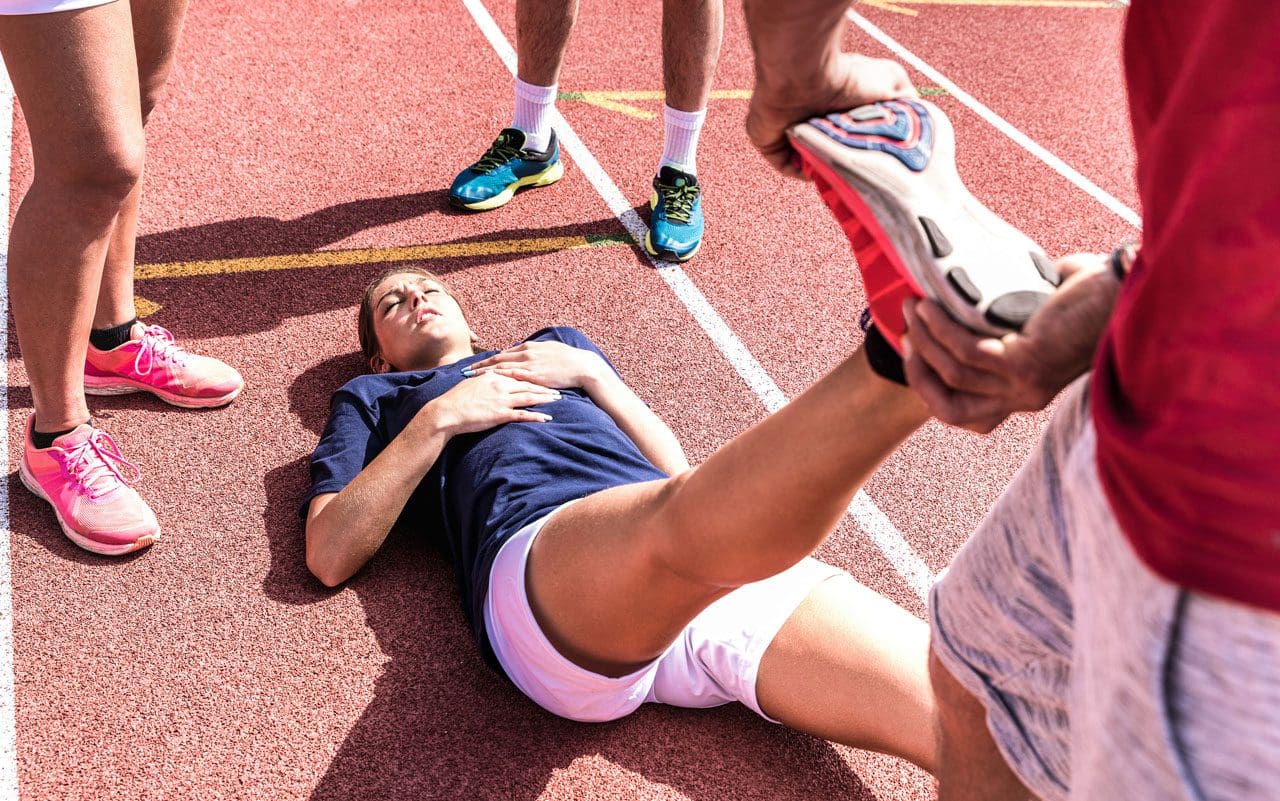
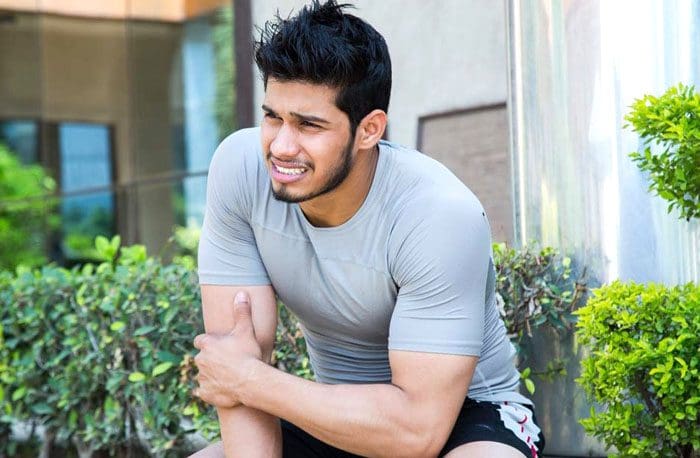
Can understanding how leg cramps feel, their causes, and prevention help individuals with treatment options?
Leg Cramp Causes
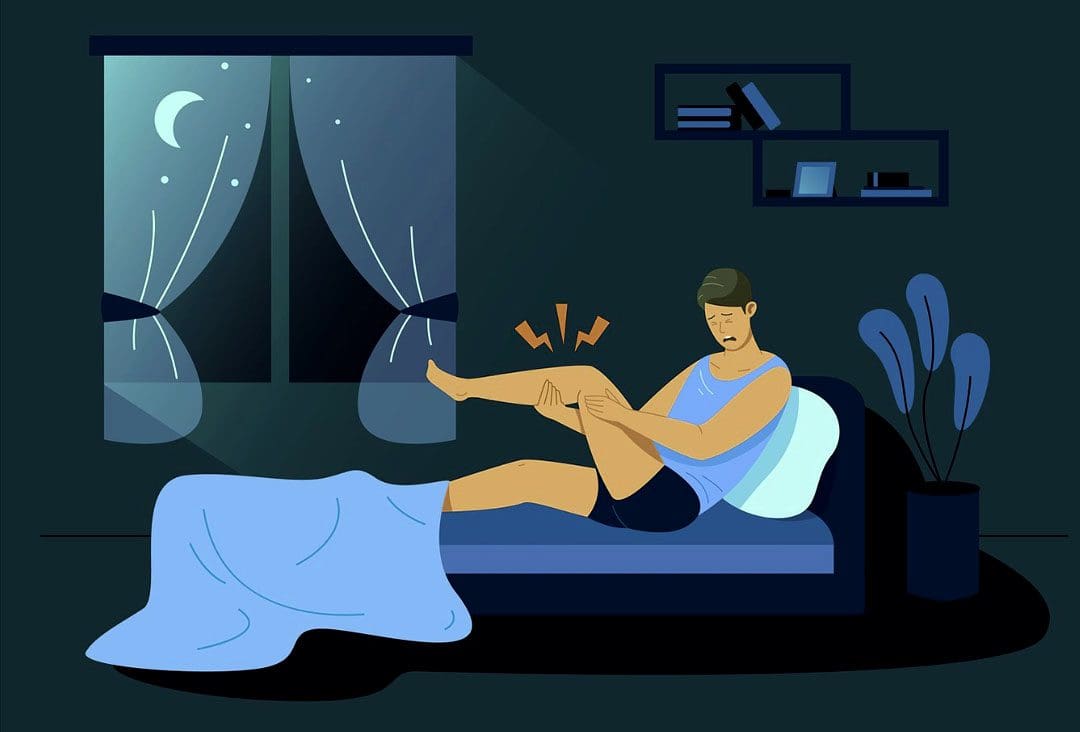
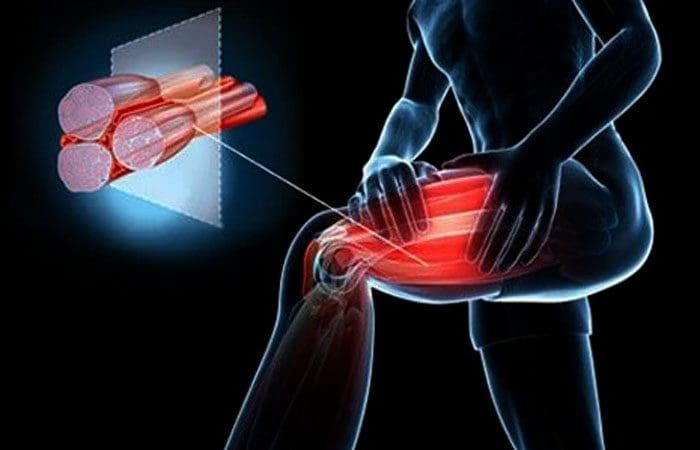
A leg cramp is an involuntary contraction of the muscles in the leg, typically the calf muscle. It causes a sudden, sharp, and painful tightening of the muscle. They commonly occur from
Dehydration
Muscle overexertion
They can be a symptom of an underlying health condition, such as type 2 diabetes or kidney failure.
They can also be a side effect of certain medications.
Sensation
Leg cramps typically cause sudden, severe pain in the affected muscle. Individuals may also feel a hard knot or twitching of the muscle. The calf muscles are the most common site. (Harvard Health Publishing, 2024)
Causes
The underlying cause of leg cramps isn’t always known. However, work, lifestyle factors, and medical conditions can play a role. Common causes include:
Dialysis – treatment to remove excess fluid from the blood when kidneys fail.
Respiratory diseases of the lungs and airways
Amyotrophic lateral sclerosis (ALS, or Lou Gehrig’s disease, a neurological condition affecting the brain, nerves, and muscles)
Self-Care
Leg cramps often go away on their own after a few minutes. However, other self-care can help. Recommendations: (Harvard Health Publishing, 2024)
Change Body Positions
Moving can help relieve tension and pain.
If the leg cramps happen at night, stand up and take a few steps.
Massage
Gently rubbing the cramped muscle can help it relax.
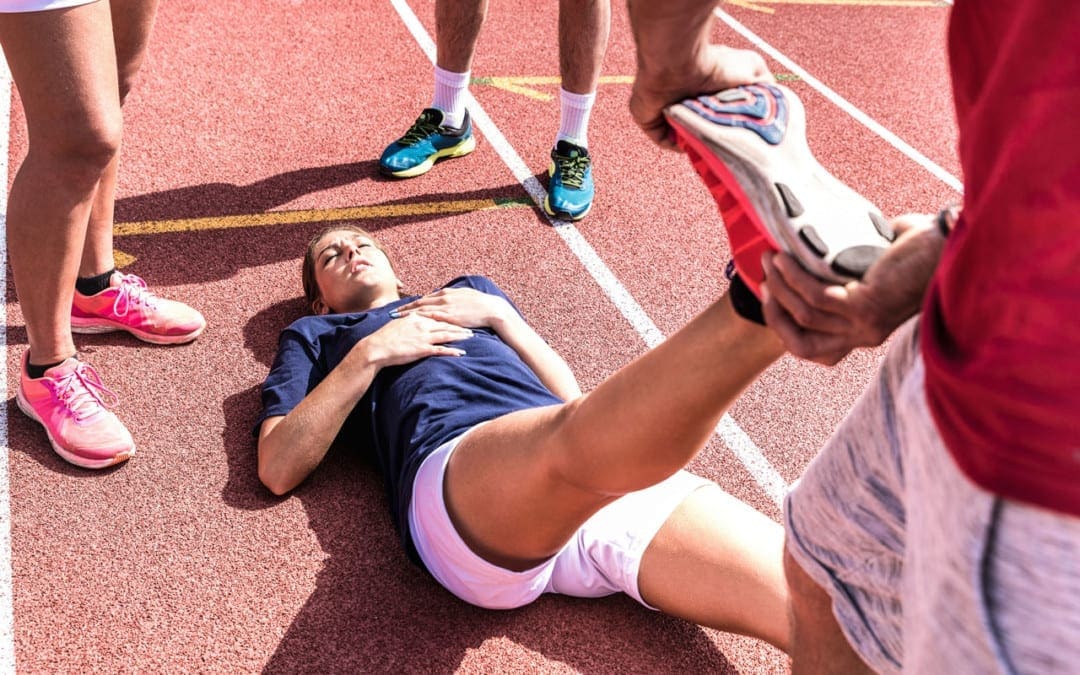
Stretch
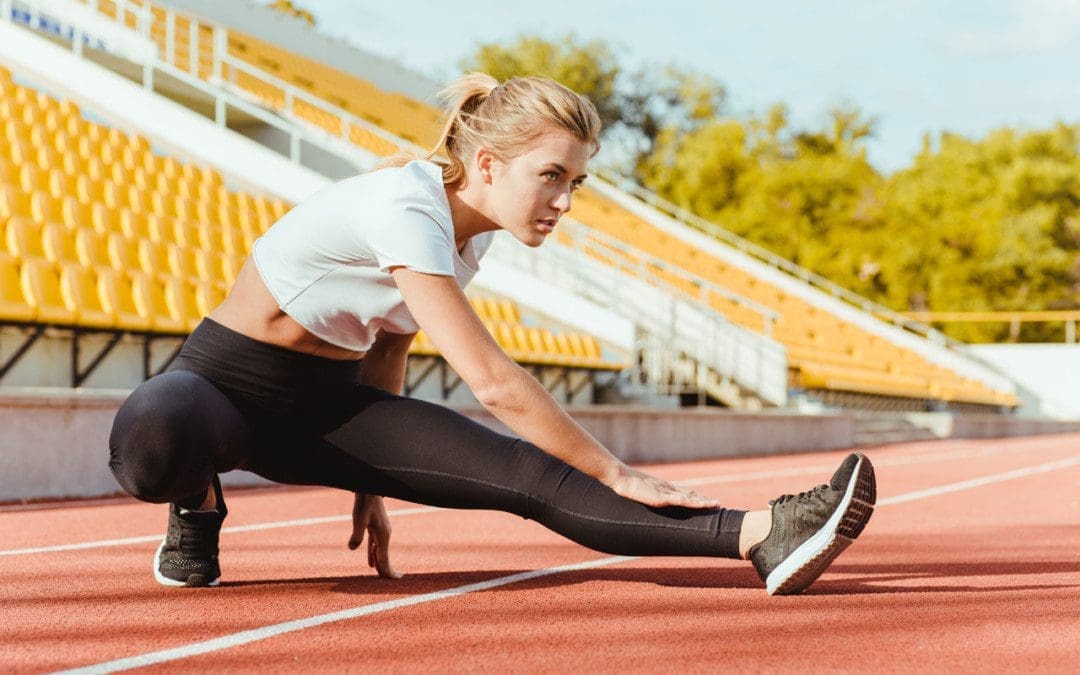
Stretching the cramping muscle can help it relax.
Apply Heat
If the leg cramp lasts more than a few minutes, apply a heating pad or take a warm shower to increase blood circulation to and around the muscle to help it relax.
Treatment
There are no medications specifically for treating leg cramps. However, if symptoms are caused by another medical condition, treating the underlying condition might help reduce cramp frequency. Dehydration or low electrolytes can cause leg cramps; in these cases, drinking water or electrolyte-infused beverages can help. If cramps are related to overexercising, consider reducing the intensity of your activity or exercising in a cooler environment. (Maughan R. J. & Shirreffs S. M. 2019) Magnesium supplements are usually marketed to relieve muscle cramps; they are not proven to alleviate them. (Garrison, S. R. et al., 2020)
Exercises and Stretches
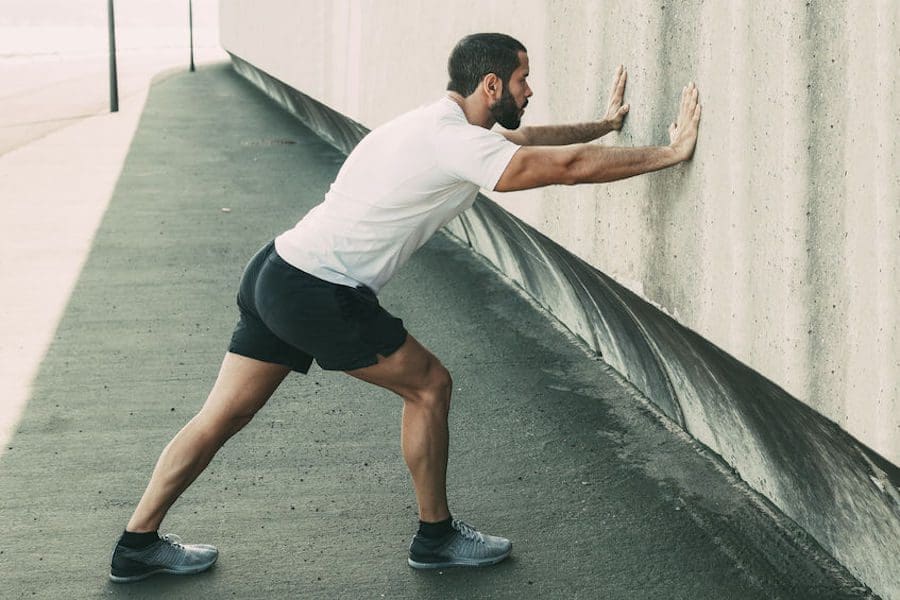
It is important to know which muscle to target when stretching the leg. If the cramp does not resolve after the first stretch attempt, try again.
Place palms flat against the wall at shoulder height.
Step the cramping leg away from the wall around 12 to 18 inches.
Keep your heels flat on the floor.
Keeping the back leg straight, bend the front knee slowly and lean forward until you feel a stretch along the calf.
Hold for 30 to 60 seconds.
Prevention
They can’t always be prevented. However, if they are related to dehydration or other lifestyle factors, individuals may be able to prevent them from occurring or decrease the frequency. Try the following: (Harvard Health Publishing, 2024)
Drink plenty of water.
Stretch the leg muscles before you go to bed.
Try drinking a beverage with electrolytes for longer workouts or activities in hot weather.
Warm up before exercise, such as with a slow jog, before getting into more intense exercises.
Properly cool down after a workout.
Stretch the leg muscles before and after exercising.
Maintain a healthy body weight.
Contact a Healthcare Provider
Leg cramps can sometimes signify something more serious than a Charley horse. See a healthcare provider if any of the following symptoms present (National Library of Medicine, 2020)
Change in skin color, including redness or a deeper tone than normal
Cramps that last more than a few minutes or occur frequently
Muscle weakness
Severe pain from the cramps
Swelling
Warm skin
Injury Medical Chiropractic & Functional Medicine Clinic
Talk to a healthcare provider about leg cramps to learn what interventions would help the most. Injury Medical Chiropractic and Functional Medicine Clinic works with primary healthcare providers and specialists to develop an optimal health and wellness solution. We focus on what works for you to relieve pain, restore function, and prevent injury. Regarding musculoskeletal pain, specialists like chiropractors, acupuncturists, and massage therapists can help mitigate the pain through spinal adjustments that help the body realign itself. They can also work with other medical professionals to integrate a treatment plan to resolve musculoskeletal issues.
Is Motion Key to Healing?
References
Harvard Health Publishing. (2024). How to get rid of muscle cramps in your legs. https://www.health.harvard.edu/pain/how-to-get-rid-of-muscle-cramps-in-your-legs
National Library of Medicine. (2020). Muscle cramps. Retrieved from https://medlineplus.gov/musclecramps.html
Maughan, R. J., & Shirreffs, S. M. (2019). Muscle Cramping During Exercise: Causes, Solutions, and Questions Remaining. Sports Medicine (Auckland, N.Z.), 49(Suppl 2), 115–124. https://doi.org/10.1007/s40279-019-01162-1
Garrison, S. R., Korownyk, C. S., Kolber, M. R., Allan, G. M., Musini, V. M., Sekhon, R. K., & Dugré, N. (2020). Magnesium for skeletal muscle cramps. The Cochrane database of systematic reviews, 9(9), CD009402. https://doi.org/10.1002/14651858.CD009402.pub3
American Academy of Orthopaedic Surgeons. (2018). Knee conditioning program. https://orthoinfo.aaos.org/en/recovery/knee-conditioning-program/
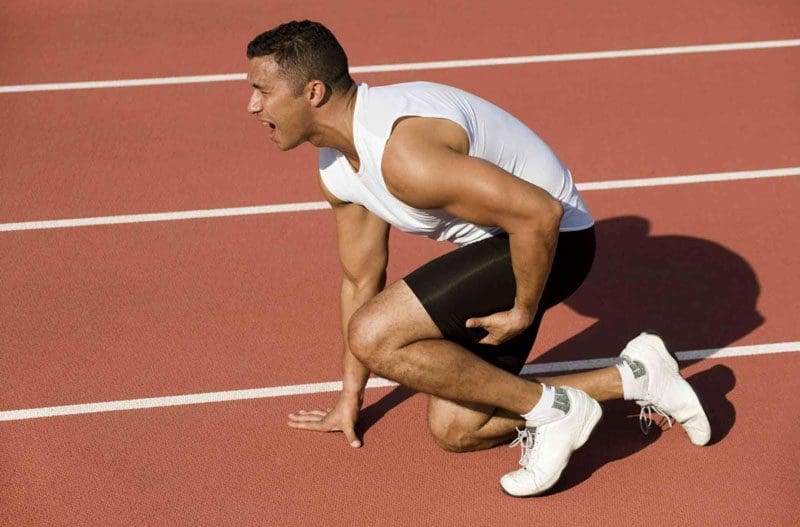
Individuals that engage in heavy exercise can develop heat cramps from overexertion. Can knowing the causes and symptoms help prevent future episodes from happening?
Heat Cramps
Heat cramps can develop during exercise from overexertion or prolonged exposure to high temperatures. The muscle cramps, spasms, and pain can range from mild to severe.
Electrolytes like sodium, calcium, and magnesium are important for properly functioning muscles, including the heart. The primary role of sweating is to regulate the body’s temperature. (MedlinePlus. 2015) Sweat is mostly water, electrolytes, and sodium. Excessive sweating from physical activity and exertion or a hot environment can cause electrolyte imbalances that lead to cramps, spasms, and other symptoms.
Causes and Activities
Heat cramps most commonly affect individuals who sweat excessively during strenuous activity or are exposed to hot temperatures for prolonged periods. The body and organs need to cool down, which causes sweat production. However, too much sweating can lead to dehydration and electrolyte depletion. (Centers for Disease Control and Prevention. 2022)
Age – Children and adults 65 years and older have the highest risk.
Excessive sweating.
Low sodium diet.
Preexisting Medical Conditions – heart disease, diabetes mellitus, and obesity are conditions that can increase the risk of muscle cramping.
Medications – blood pressure, diuretics, and antidepressants can affect electrolyte balance and hydration.
Alcohol consumption.
Self-Care
If heat cramps begin, immediately stop the activity and look for a cool environment. Rehydrate the body to replenish the fluid loss. Staying hydrated and drinking fluids regularly during intense activity or in a hot environment can help prevent the body from cramping. examples of beverages that increase electrolytes include:
Gently applying pressure and massaging affected muscles can help reduce pain and spasms. As symptoms resolve, it is recommended to not return to strenuous activity too soon because additional exertion can progressively lead to heatstroke or heat exhaustion. (Centers for Disease Control and Prevention. 2021) Heatstroke and heat exhaustion are two heat-related illnesses. (Centers for Disease Control and Prevention. 2022)
Heatstroke is when the body loses the ability to regulate temperature and can cause dangerously high temperatures.
Heat exhaustion is the body’s response to excessive fluid and electrolyte loss.
The majority of heat cramps develop during activities because of the exertion and sweating, causing more electrolytes to be lost and the body to become more dehydrated.
Symptoms can also develop minutes to hours after activity has ceased.
Duration
Most heat-related muscle cramps will resolve with rest and hydration within 30–60 minutes.
If muscle cramping or spasms do not subside within one hour, seek professional medical attention.
For individuals with heart conditions or on a low-sodium diet who develop heat cramps, regardless of duration, medical help is necessary to ensure there are no complications.
Drink plenty of fluids before and during physical activities.
Avoid alcohol and caffeinated beverages.
Avoid exercising or exposure to extreme heat during peak sunlight hours.
Avoid tight and dark-colored clothing.
Assessing Patients In A Chiropractic Setting
References
Gauer, R., & Meyers, B. K. (2019). Heat-Related Illnesses. American family physician, 99(8), 482–489.
Centers for Disease Control and Prevention. (2022). Heat stress — heat related illness. The National Institute for Occupational Safety and Health (NIOSH) Retrieved from https://www.cdc.gov/niosh/topics/heatstress/heatrelillness.html#cramps
MedlinePlus. (2015). Sweat. Retrieved from https://medlineplus.gov/sweat.html#cat_47
FoodData Central. (2019). Nuts, coconut water (liquid from coconuts). Retrieved from https://fdc.nal.usda.gov/fdc-app.html#/food-details/170174/nutrients
FoodData Central. (2019). Milk, nonfat, fluid, with added vitamin A and vitamin D (fat free or skim). Retrieved from https://fdc.nal.usda.gov/fdc-app.html#/food-details/746776/nutrients
Centers for Disease Control and Prevention. (2012). Frequently asked questions (FAQ) about extreme heat. Retrieved from https://www.cdc.gov/disasters/extremeheat/faq.html
Lying down on the couch or bed when the lower leg seizes with intense sensations and pain that doesn’t stop, and the muscle could be hard to the touch. When trying to move the leg, it feels paralyzed. Nocturnal leg cramps, called muscle spasms or Charley horses, occur when one or more leg muscles tighten involuntarily. Individuals can be awake or asleep when a leg cramp strikes. Chiropractic treatment, decompression, and massage therapies can help relieve symptoms, stretch and relax the muscles, and restore function and health.
Nocturnal Leg Cramps
Nocturnal leg cramps most often affect the gastrocnemius/calf muscle. However, they can also affect the muscles in the front of the thigh/quadriceps and the back of the thigh/hamstrings.
Often, the tight muscle relaxes in less than 10 minutes.
The leg and area can feel sore and tender afterward.
Frequent calf cramps at night can cause sleep problems.
Nocturnal leg cramps are more common among women and older adults.
Causes
There are no known exact cause/s, making most cases idiopathic. However, there are known factors that can increase the risk. These can include:
Prolonged Sitting and Position
Sitting with the legs crossed or the toes pointed for long periods shortens/pulls the calf muscles, which can cause cramping.
Prolonged Standing and Posture
Individuals standing for long periods are likelier to experience nocturnal cramps from the stressed muscles.
Muscle Overexertion
Too much exercise can create an overworked muscle and can contribute to cramps.
Muscles need to be stretched regularly to function correctly.
Lack of physical activity for long periods weakens the muscles, making them more susceptible to injury.
Shortening The Tendons
The tendons, which connect muscles and bones, shorten naturally over time.
Without stretching, this could lead to cramping.
Cramps may be related to foot position when sleeping, with the feet and toes extending away from the body, known as plantar flexion.
This shortens the calf muscles, making them more susceptible to cramping.
Leg cramps at night are unlikely a sign of a more serious medical condition, but they are associated with the following conditions:
Musculoskeletal disorders.
Structural issues – flat feet or spinal stenosis.
Metabolic disorders like diabetes.
Pregnancy.
Medications – statins and diuretics.
Neurological disorders, like motor neuron disease or peripheral neuropathy.
Neurodegenerative disorders.
Liver, kidney, and thyroid conditions.
Cardiovascular conditions.
Chiropractic and Physical Therapy
Rehabilitation with chiropractic, massage, and physical therapy depends on the severity of the injury and condition. A chiropractic treatment plan can include the following:
Calf muscle stretching.
Targeted Stretch Exercises.
Progressive calf stretching exercises – a regular stretching and flexibility program will increase the range of motion and prevent future calf injuries.
Foam rolling – gentle self-massage with a foam roller can help reduce spasms and improve blood circulation.
Percussive massage.
Muscle strengthening exercises will build muscle strength and coordination to prevent future strain injuries.
At-home therapy can include:
Maintain Hydration
Fluids allow for normal muscle function.
Individuals may need to adjust how much fluid is drunk based on weather, age, activity level, and medications.
Change Sleeping Position
Individuals should avoid sleeping in positions in which the feet are pointing downward.
Try sleeping on the back with a pillow behind the knees.
Self Massage
Massaging the affected muscles will help them relax.
Use one or both hands or a massage gun to knead and loosen the muscles gently.
Stretching
Various stretches will maintain the treatment, help keep the muscles relaxed and retrain the muscles.
Stationary Cycle
A few minutes of easy pedaling can help loosen the leg muscles before bed.
Walking on the Heels
This will activate the muscles on the other side of the calf, allowing the calves to relax.
Supportive Footwear
Poor footwear can aggravate issues with the nerves and muscles in the feet and legs.
Orthotics may help.
Heat Application
Heat can soothe tight muscles and increases blood flow to the area.
Apply a hot towel, water bottle, heating pad, or muscle topical cream to the affected area.
A warm bath or shower (if available, shower massage setting) can also help.
Sciatica Secrets Revealed
References
Allen, Richard E, and Karl A Kirby. “Nocturnal leg cramps.” American family physician vol. 86,4 (2012): 350-5.
Butler, J V et al. “Nocturnal leg cramps in older people.” Postgraduate medical journal vol. 78,924 (2002): 596-8. doi:10.1136/pmj.78.924.596
Garrison, Scott R et al. “Magnesium for skeletal muscle cramps.” The Cochrane Database of systematic reviews vol. 2012,9 CD009402. Sep 12, 2012, doi:10.1002/14651858.CD009402.pub2
Giuffre BA, Black AC, Jeanmonod R. Anatomy, Sciatic Nerve. [Updated 2023 May 4]. In: StatPearls [Internet]. Treasure Island (FL): StatPearls Publishing; 2023 Jan-. Available from: https://www.ncbi.nlm.nih.gov/books/NBK482431/
Handa, Junichi, et al. “Nocturnal Leg Cramps and Lumbar Spinal Stenosis: A Cross-Sectional Study in the Community.” International Journal of general medicine vol. 15 7985-7993. Nov 1 2022, doi:10.2147/IJGM.S383425
Hsu D, Chang KV. Gastrocnemius Strain. [Updated 2022 Aug 22]. In: StatPearls [Internet]. Treasure Island (FL): StatPearls Publishing; 2023 Jan-. Available from: https://www.ncbi.nlm.nih.gov/books/NBK534766/
Mayo Clinic Staff. (2019). Night leg cramps. mayoclinic.org/symptoms/night-leg-cramps/basics/causes/sym-20050813
Monderer, Renee S et al. “Nocturnal leg cramps.” Current Neurology and Neuroscience report vol. 10,1 (2010): 53-9. doi:10.1007/s11910-009-0079-5
Various muscles help support the lower legs in the body and allow movement to the host. The lower extremities include the hips, pelvis, thighs, legs, knees, and feet. At the same time, the various muscles help provide support and stability to the upper body’s weight and incorporate mobility and movement for the entire body to go from one location to another. The legs have two sections connected with the knees; the upper portion has the hips and thigh muscles, while the lower legs have the calve muscles, shin muscles, and the Achilles tendon. The calve muscles have two groups of muscles, and when the calve intense exercises, or normal factors have overused muscles may potentially lead to muscle cramps associated with trigger points. Today’s article examines one of the calve muscles known as the gastrocnemius, how the calves are affected by trigger points and corrective actions to prevent muscle cramps in the calves. We refer patients to certified providers that incorporate various techniques in the lower body extremities, like lower leg and calve pain therapies correlating to trigger points, to aid many people dealing with pain symptoms along the gastrocnemius muscles, causing muscle cramps. We encourage and appreciate each patient by referring them to associated medical providers based on their diagnosis when it is appropriate. We understand that education is an excellent way when asking our providers intricated questions at the patient’s request and understanding. Dr. Alex Jimenez, D.C., only utilizes this information as an educational service. Disclaimer
What Are The Gastrocnemius Muscles?
Have you been dealing with walking from one place to another? Do your calves feel hard or tense with the slightest touch or movement? Or are you feeling excruciating pain in your calves that make it hard to move? These pain-like symptoms are indicators of trigger points associated with the calves affecting the gastrocnemius muscles. The calves are mostly referred to as the posterior portion of the lower legs responsible for the foot and ankle plantarflexion while also engaging in activities like running or jumping. The two muscles that make up the calves are the gastrocnemius and the soleus. The gastrocnemius is a complex, superficial muscle fundamental to good posture or walking. This muscle has a casual relationship with the lower body as it affects hip movement and the lumbar area of the spine. The gastrocnemius provides a round shape for the calves to form and narrows down to the ankles, where it forms a tendon.
How Are The Calves Affected By Trigger Point Pain?
Since the gastrocnemius provides the round shape to form the calves when the muscles have become overused or injured in a sports activity, it can cause the individual to have limited mobility. Studies reveal that a tear in the gastrocnemius muscles can implicate lower leg trauma and affect the muscle function to plantar flex the foot at the ankle joint and reduce flexion on the leg to the leg knee joint. When it comes to the development of trigger points along the gastrocnemius muscles that are affecting the calves, according to “Myofascial Pain and Dysfunction,” written by Dr. Janet Travell, M.D., the book states that latent trigger points along the gastrocnemius may cause individuals to complain about calf cramps on the legs, however, when the trigger points are active, the individual is aware of the calf pain and would complain about experiencing pain in the back of their knees. The book also mentioned that trigger points associated with the gastrocnemius muscle could be mistaken for other conditions like plantar foot pain or radiculopathy in the sacroiliac joints. When trigger points affect the calf muscles, it can lead to mobility issues and causes people to be unstable when walking.
Trigger Point Of The Week: Gastrocnemius Muscle- Video
Have you been dealing with calf pain when walking for a short distance? Do your calf muscles ache or tense up when you put slight pressure when stepping down? Or do you feel that your calf muscles are hard when resting? Many of these issues affecting the calves are associated with trigger points affecting the gastrocnemius muscles. The gastrocnemius muscle is one of the muscles that make up the calves in the lower legs. This complex, superficial muscle provides a round shape to the calves and can become overused in various activities that can cause a person to have limited mobility. When the gastrocnemius muscle is overused, it can develop tiny nodules in the muscle fibers known as trigger points that mimic other conditions affecting leg mobility. The video above shows where this complex muscle is in the calves and where the trigger points are located in the muscle fibers. Trigger points along the affected muscle can cause referred pain while mimicking other conditions that can often confuse people about what they are feeling. All is not lost, however, as trigger points are treatable and can be managed through various treatments.
Corrective Actions To Prevent Muscle Cramps On The Calves
When the calf muscles like the gastrocnemius are causing symptoms of pain and muscle cramps due to trigger points, there are various treatments and corrective actions that can prevent muscle cramps from causing more issues in the legs and even help manage trigger points from re-forming in the muscle fibers. Some corrective actions that can help improve calve function are gently flexing the foot at the ankle joint to allow the calf muscles to tract and retract to reduce swelling and pain. Other correction actions that people should incorporate to prevent muscle cramping in the calves when they are sitting is to gently rock in a chair to reduce prolonged immobility to the calves and increase blood flow. Studies reveal that dry needling and other various treatments can help reduce muscle stiffness in the gastrocnemius and improve muscle strength in the calves.
Conclusion
The calves are part of the legs that allow plantarflexion at the ankle joint. Known as the gastrocnemius muscle, it makes up the calves’ round shape. The gastrocnemius muscle is complex and superficial as it forms a rounded shape at the calves and narrows down at the ankles. However, when the muscle has been through various activities and is constantly overstretched, it can affect a person’s walking mobility and develop tiny nodules known as trigger points. Trigger points in the gastrocnemius muscle can cause referred pain in the calve muscles and mimic conditions like plantar foot pain to the feet. Fortunately, various treatments and corrective actions can prevent referred pain from re-occurring in the calves and bring mobility back to the legs so a person can continue to their destination.
References
Albin, S R, et al. “The Effect of Dry Needling on Gastrocnemius Muscle Stiffness and Strength in Participants with Latent Trigger Points.” Journal of Electromyography and Kinesiology : Official Journal of the International Society of Electrophysiological Kinesiology, U.S. National Library of Medicine, 9 Oct. 2020, https://pubmed.ncbi.nlm.nih.gov/33075711/.
Binstead, Justin T, et al. “Anatomy, Bony Pelvis and Lower Limb, Calf.” In: StatPearls [Internet]. Treasure Island (FL), StatPearls Publishing, 29 May 2022, https://www.ncbi.nlm.nih.gov/books/NBK459362/.
Bordoni, Bruno, and Matthew Varacallo. “Anatomy, Bony Pelvis and Lower Limb, Gastrocnemius Muscle.” In: StatPearls [Internet]. Treasure Island (FL), StatPearls Publishing, 26 Apr. 2022, https://www.ncbi.nlm.nih.gov/books/NBK532946/.
Nsitem, Virginia. “Diagnosis and Rehabilitation of Gastrocnemius Muscle Tear: A Case Report.” The Journal of the Canadian Chiropractic Association, U.S. National Library of Medicine, Dec. 2013, https://www.ncbi.nlm.nih.gov/pmc/articles/PMC3845475/.
Travell, J. G., et al. Myofascial Pain and Dysfunction: The Trigger Point Manual: Vol. 2:the Lower Extremities. Williams & Wilkins, 1999.
Leg spasms and cramps are common conditions where the muscles in the leg suddenly become tight and painful. They present with no warning and can cause excruciating and debilitating pain. They usually occur in the calf muscles but can affect any area of the leg, including the feet and thighs. After the cramping has passed, pain and tenderness can remain in the leg for several hours. Although many leg spasm episodes go away by themselves, they can disrupt normal activities, exercise regimens, and sleep if they continue and are left untreated.
Leg Spasms and Symptoms
A leg spasm is a sudden, sharp contraction or tightening of a muscle in the leg. This can last a few seconds to a few minutes. Muscle cramps anywhere in the body cause sudden contraction of the muscle. This is an involuntary function and can include the following symptoms:
Soreness and discomfort can be mild to extreme.
Muscle tightening.
Hardening of the muscle.
Twitching of the muscle.
Pain.
Leg spasms are typically brief and go away on their own, but individuals are recommended to seek treatment if they are frequently experienced or last for extended periods.
Causes
Dehydration
Dehydration is a common cause of leg spasms and pain.
Lack of fluids can cause the nerve endings to become sensitized, triggering muscle contractions.
When the body sweats, it loses water and electrolytes.
When the body is low on electrolytes
Imbalances in:
Sodium
Calcium
Magnesium
Potassium
It can affect nerve transduction and lead to muscle spasms.
Hypothyroidism
If the body does not produce sufficient thyroid hormone, this is known as hypothyroidism.
Over time, this deficiency can damage the nerves that send signals from the brain and spine to the legs.
Tingling, numbness, and frequent cramping can result.
Spinal Misalignment
Spinal misalignment can compress nerve roots that run down the leg.
This can cause radiating leg pain and spasms, specifically in the back of the thigh.
Muscle and Connective Tissue Injuries
Injuries like tears, strains, and sprains can lead to leg spasms and frequent cramping.
Pregnancy
In the second and third trimesters of pregnancy, calcium and magnesium deficiency are common and can lead to leg spasms and cramps.
Treatment
The proper course of treatment for leg spasms depends on the severity and underlying cause/s. A chiropractor can identify the cause and develop a personalized treatment plan to relieve and eliminate leg cramps.
Chiropractic
Misalignments can compress the nerve roots radiating from the spine to the legs.
This can lead to radiating leg pain and/or leg spasms.
Realignment through chiropractic can relieve the pressure on compressed nerve roots, alleviating leg discomfort and pain.
A chiropractor will also recommend exercises and stretches to strengthen the legs and core muscles.
Physical Therapeutic Massage
A physical therapist will use various massage techniques to relax the leg muscles to prevent and reduce the severity of spasms.
Massage therapy will relieve any inflammation that accompanies leg spasms, decreasing pain and swelling in the area.
As a part of the treatment plan, a health coach will evaluate the individual’s diet and suggest changes that will help address any nutritional deficiencies contributing to leg spasms and cramps.
Body Composition
Track Inflammation and Fluid Imbalances From Injury or Surgery
Inflammation can occur with little to no visible symptoms following surgery or injury. Precision measurement of body water can detect water retention and inflammation to aid rehabilitation treatment. InBody effectively distinguishes water in the following compartments that comprise total body water.
Intracellular-ICW-within the tissues.
Extracellular-ECW-within the blood and interstitial fluids.
The Edema Index can be used to detect fluid imbalances resulting from inflammation from injury or recovery after surgery.
Assessing fluid balance in the body and specific segments can help identify inflammation and guide treatment to reduce the risk of re-injury or post-surgery complications. These measurements are provided for the whole body and can determine where fluid imbalances may be occurring for more precise analysis.
References
Araújo, Carla Adriane Leal de et al. “Oral magnesium supplementation for leg cramps in pregnancy. An observational controlled trial.” PloS one vol. 15,1 e0227497. 10 Jan. 2020, doi:10.1371/journal.pone.0227497
Garrison, Scott R et al. “Magnesium for skeletal muscle cramps.” The Cochrane database of systematic reviews vol. 2012,9 CD009402. 12 Sep. 2012, doi:10.1002/14651858.CD009402.pub2
Kang, Seok Hui et al. “Clinical Significance of the Edema Index in Incident Peritoneal Dialysis Patients.” PloS one vol. 11,1 e0147070. 19 Jan. 2016, doi:10.1371/journal.pone.0147070
Luo, Li et al. “Interventions for leg cramps in pregnancy.” The Cochrane database of systematic reviews vol. 12,12 CD010655. 4 Dec. 2020, doi:10.1002/14651858.CD010655.pub3
Mekhail, Nagy et al. “Long-term safety and efficacy of closed-loop spinal cord stimulation to treat chronic back and leg pain (Evoke): a double-blind, randomized, controlled trial.” The Lancet. Neurology vol. 19,2 (2020): 123-134. doi:10.1016/S1474-4422(19)30414-4
Muscle spasms also referred to as muscle cramps, are painful contractions and tightening of the muscles. They are common, involuntary, and unpredictable. Temperature drops and cold weather can cause the muscles and joints to contract and tighten, leading to spasms and pain. Chiropractic, physical therapy massage, exercises, stretching, and an anti-inflammatory diet can bring relief and help strengthen the muscles to prevent future episodes.
Muscle Spasms
Spasms are common and can affect any of the muscles. They can involve part of a muscle, all of a muscle, or several muscles in a group. Spasms occur when the muscle/s involuntary and forcibly contract uncontrollably and are unable to relax. The most common sites for muscle spasms include:
As the weather gets colder, this causes the muscles in the body to lose heat, causing them to contract. As a result, the muscles and joints become tighter, stiffer, and decrease mobility and range of motion. This forces the muscles to work harder than usual to compensate. This can increase the fatigue of the muscles, leading to more prolonged bouts of pain and discomfort after physical activity, movement, exercise, etc.
Symptoms and Causes
A cramp can last a few seconds or last up to 15 minutes. During a muscle spasm, the following may be experienced:
Twitching in the muscle.
Pain in the muscle.
Throbbing.
Hardness and/or stiffness.
The muscles appear physically distorted.
Because the muscles have to work harder, the cold weather can increase muscle spasms. One of the most common causes of muscle spasms is overuse and fatigue. However, exact causes vary from person to person. Some experts believe that one or more of the following contribute to the spasms/cramps, and they include:
Dehydration.
Stress.
Not stretching the body regularly.
Muscle fatigue.
Restricted blood circulation.
Involuntary nerve discharge/s.
Over-exercising.
Exercising in the heat.
Exhaustion of salts and minerals:
Potassium
Magnesium
Calcium
Possible causes for leg cramps at night or nocturnal leg cramps specifically include:
Sitting for too long without moving around to keep circulation healthy.
Sitting with unhealthy posture.
Overusing the muscles.
Standing or working on hard floors.
Dealing With The Cold
One way to deal with the cold is to warm up before any physical activity. Taking a few minutes to get the heart rate up can increase the blood flow and flexibility of the muscles. This will ensure the muscles are functioning correctly and avoid the need to work harder to stop spasms. When a cramp strikes, there are a few steps to try to alleviate the spasm:
Stretching the affected area.
Massaging the affected area manually with a massage roller, percussive massager.
Stand up.
Move around.
Apply heat or ice.
A warm bath, shower with massage setting if possible.
American Academy of Orthopaedic Surgeons. Muscle Cramp. (http://orthoinfo.aaos.org/topic.cfm?topic=A00200) Accessed 3/1/2021.
American Association of Osteopathy. Muscle Cramp—A Common Pain. (http://www.osteopathic.org/osteopathic-health/about-your-health/health-conditions-library/general-health/Pages/muscle-cramp.aspx) Accessed 3/1/2021.
Herzberg J. Stevermer J. Treatments for Nocturnal Leg Cramps. (https://www.aafp.org/afp/2017/1001/od3.pdf) Am Fam Physician 2017;96(7):468-469. Accessed 3/1/2021.
Young G. Leg Cramps. (https://www.ncbi.nlm.nih.gov/pmc/articles/PMC4429847/) BMJ Clin Evid 2015; May 13;1113. Accessed 3/1/2021.
Muscle cramps are sudden and involuntary contractions of one or more of the body’s muscles. They often occur at night or at any moment stopped by a sudden Charley horse. These cramps can cause severe pain, making it impossible to move and use the affected muscle/s. They are usually brought on from:
Muscle cramps are common and can happen to anyone, but often occur to:
Indoor/outdoor physical work employees
Pregnant women
The elderly
Infants
Individuals that are overweight
Athletes
Cramping Up
Muscle cramps can be a symptom of a variety of medical issues. It is typically dehydration and muscle strain from overworking/exercising the muscles, but it can also be a sign of medical conditions like:
Poor circulation
Mineral depletion low levels of magnesium, calcium, potassium, and choline
Nerve disorders are rare cases, but a pinched nerve or spinal cord injury can cause nerve compression that can lead to cramping
Tight muscles, this comes from inactivity and not stretching the body causes the muscles to contract involuntarily
Hypothyroidism, a thyroid gland that is less active than normal can cause cramps
Liver disease
Muscle cramps can make daily activities difficult if not impossible to perform. They often happen at night affecting proper sleep. This can lead to:
Pain hangover
Grogginess
Fogginess
Cautious body behavior – as an individual wants to avoid pain and more cramping they begin to watch how they:
Step
Reach
Bend
Move
So as not to cause discomfort, pain, and further cramping, they develop awkward body positions that create more health problems from improper body posture.
Muscle cramps can happen to any muscle of the body. However, they present most often in the:
This is usually sudden, sharp pain. Individuals can also feel or see a lump of muscle tissue under the skin.
When to see a professional
They usually go away on their own not requiring medical care. However, seek medical attention if the cramps:
Are causing severe discomfort and pain
Severe swelling, redness, or changes in skin tone
Muscle weakness is present
They are occurring frequently
They do not improve with self-care
There is no connection with an obvious cause, like intense physical activity/exercise
Mineral Depletion
Choline is a nutrient that just as important but not as well known as B vitamins. Choline has a fundamental role in muscle physiology and low levels could be a cause/contributor of muscle cramping. Choline is well-known for its function as part of the neurotransmitter acetylcholine. This is a chemical messenger that transmits signals between nerve cells and muscles. Acetylcholine is the physiological link that tells the muscles to contract. This is where medications can interfere with the messaging system.
Most believe that muscle cramps are caused by magnesium deficiency. This is true, but magnesium is not the only nutrient that could present with muscle issues. Choline regulates intracellular calcium and muscle contraction. This is what helps bind calcium proteins to muscle receptors. Choline keeps minerals like calcium available to the muscles so they can use it instantly when they need to contract. For individuals with skeletal muscle issues, which can be muscle cramping, general soreness, or another type of issue, testing for choline status could be the key.
Prevention and Relief
Home self-care for prevention and relief includes:
Heat or ice application to the muscle/s and affected areas
Avoiding caffeine
Drink plenty of water before and during physical activities, indoor/outdoor work, exercise
The information herein is not intended to replace a one-on-one relationship with a qualified health care professional, licensed physician, and is not medical advice. We encourage you to make your own health care decisions based on your research and partnership with a qualified health care professional. Our information scope is limited to chiropractic, musculoskeletal, physical medicines, wellness, sensitive health issues, functional medicine articles, topics, and discussions. We provide and present clinical collaboration with specialists from a wide array of disciplines. Each specialist is governed by their professional scope of practice and their jurisdiction of licensure. We use functional health & wellness protocols to treat and support care for the musculoskeletal system’s injuries or disorders. Our videos, posts, topics, subjects, and insights cover clinical matters, issues, and topics that relate to and support, directly or indirectly, our clinical scope of practice.* Our office has made a reasonable attempt to provide supportive citations and has identified the relevant research study or studies supporting our posts. We provide copies of supporting research studies available to regulatory boards and the public upon request. We understand that we cover matters that require an additional explanation of how it may assist in a particular care plan or treatment protocol; therefore, to further discuss the subject matter above, please feel free to ask Dr. Alex Jimenez or contact us at 915-850-0900.
Dr. Alex Jimenez DC, MSACP, CCST, IFMCP*, CIFM*, CTG*
email: [email protected]
phone: 915-850-0900
Licensed in Texas & New Mexico
References
American Osteopathic Association. Muscle Cramp. Accessed 12/10/2019.
Merck Manual. Muscle Cramps. Accessed 12/10/2019.
Miller, Timothy M, and Robert B Layzer. “Muscle cramps.” Muscle & nerve vol. 32,4 (2005): 431-42. doi:10.1002/mus.20341
IFM's Find A Practitioner tool is the largest referral network in Functional Medicine, created to help patients locate Functional Medicine practitioners anywhere in the world. IFM Certified Practitioners are listed first in the search results, given their extensive education in Functional Medicine