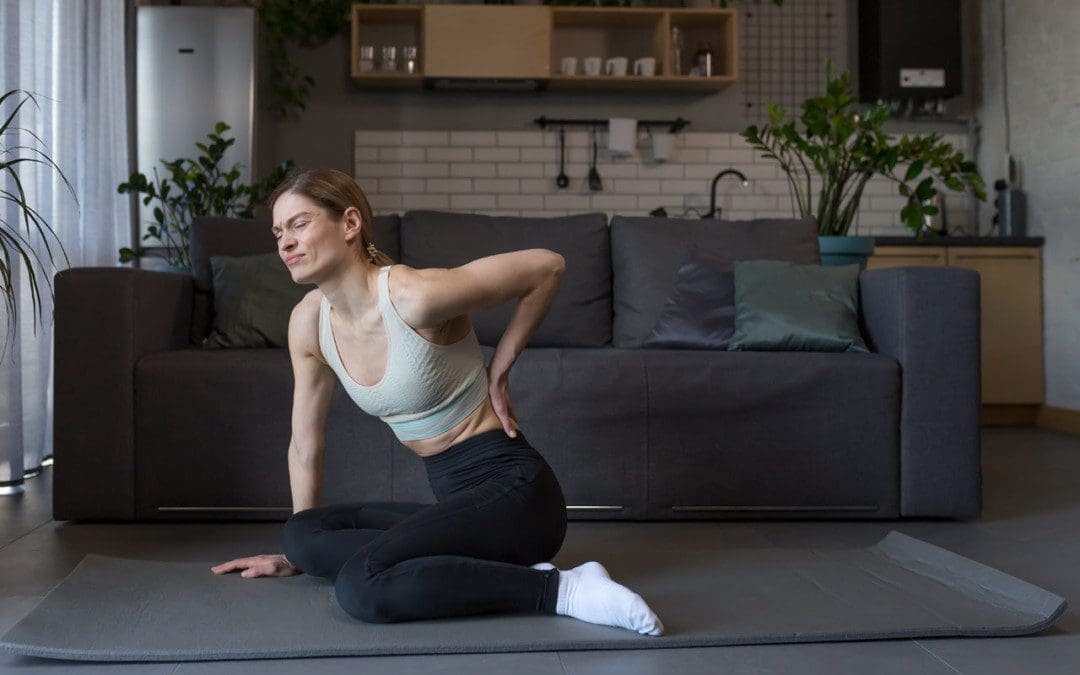
Pretty much everyone experiences a muscle cramp at some point. A muscle cramp is an involuntarily contracted muscle that does not relax, similar to a spasm, but a cramp lasts longer and is usually a forcible contraction. During a cramp, the muscles tighten without voluntary input from the brain and over-tighten. They can last anywhere from a few seconds to an hour or longer. They can be prevented through adequate nutrition and hydration, attention to safety when engaged in physical activity or exercise, and attention to posture and ergonomics. Injury Medical Chiropractic and Functional Medicine Clinic can develop personalized treatment plans for individuals experiencing musculoskeletal issues.
Muscle Cramp
Muscle cramps can occur in any muscle. The cramp may involve a portion of a muscle, the entire muscle, or several muscles that function together. A muscle or a few tissue fibers that involuntarily contracts is in a spasm. If the spasm is forcefully sustained, it turns into a cramp. They can cause a noticeable and/or hardening of the involved muscle/s. They can be experienced as mild twitches or can be excruciatingly painful. Some can involve the simultaneous contraction of muscles that normally move body parts in opposite directions. It is not uncommon for a cramp to flare up multiple times until it finally stops.
Causes
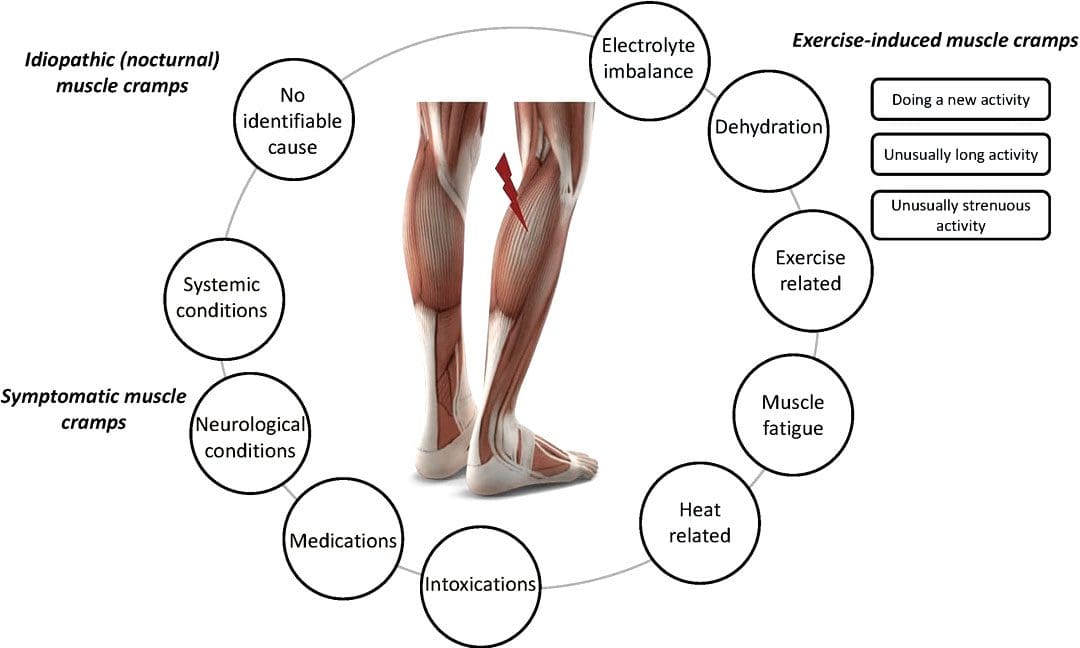
They can occur during physical activity, exercise, rest, or night, depending on the cause. There are various causes that, include:
Most times, they are not a cause for alarm; however, depending on the individual, their age, type of physical activity, and medical history, cramps could indicate a more serious underlying problem such as a thyroid disorder, liver cirrhosis, atherosclerosis, ALS, or a problem or condition of the spine or spinal nerves.
Muscles Involved
The muscles involved can indicate the mechanism and cause.
If the cramp is triggered by fatigue, a drop in muscle glycogen, dehydration, or an electrolyte imbalance, it’s most frequently to the calf muscles, feet, or back of the thigh/hamstring muscles.
This is typically due to a combination of fatigue and dehydration.
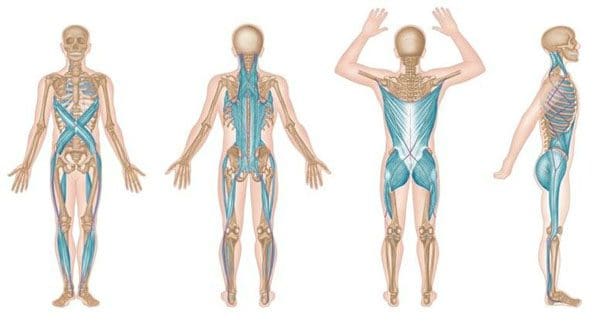
If it is triggered by nerve irritation, like a spinal disc injury, cramps tend to present in the forearm, hand, calf, and foot, depending on whether the disc injury is in the neck or lower back.
If there is a joint sprain in the neck, mid-back, or lower back, the cramp will present where the injury is and around the surrounding muscles.
A calf cramp happens when lying down because the foot points down, shortening the calf muscles.
A shortened muscle is more likely to go into spasm, especially if it is exhausted from activities and if the body is dehydrated, which is pretty common.
For two muscles that work together performing the same movement, called agonists, and the one muscle is weaker, the secondary muscle has to work harder, often going into a spasm or cramp from the added stress.
For example, if the buttock/gluteal muscles are weak, the hamstrings eventually spasm when exhausted.
Chiropractic
First, the cause needs to be identified through medical history and examination. There can be an underlying nerve irritation and interference, restricting the muscle or muscle group, which needs to be dealt with for the therapy to be effective. Chiropractic care, combined with therapeutic stretching and massage therapy, can:
Relieve muscle cramping
Improve blood circulation
Increase muscle movement
Improve musculoskeletal function
All help to diminish and prevent muscle cramping.
Adjustments will restore proper alignment and restore nerve communication. These treatments help to release toxins, loosen and relax the muscle tissues, and provide relief.
Say Goodbye to Pain With Chiropractic
References
Blyton, Fiona, et al. “Non-drug therapies for lower limb muscle cramps.” The Cochrane Database of systematic reviews vol. 1,1 CD008496. 18 Jan. 2012, doi:10.1002/14651858.CD008496.pub2
FIELDS, A. “Leg cramps.” California Medicine vol. 92,3 (1960): 204-6.
Garrison, Scott R et al. “Magnesium for skeletal muscle cramps.” The Cochrane Database of systematic reviews vol. 9,9 CD009402. 21 Sep. 2020, doi:10.1002/14651858.CD009402.pub3
Katzberg, Hans D. “Case Studies in Management of Muscle Cramps.” Neurologic clinics vol. 38,3 (2020): 679-696. doi:10.1016/j.ncl.2020.03.011
Miller, Kevin C et al. “An Evidence-Based Review of the Pathophysiology, Treatment, and Prevention of Exercise-Associated Muscle Cramps.” Journal of athletic training vol. 57,1 (2022): 5-15. doi:10.4085/1062-6050-0696.20
Miller, Timothy M, and Robert B Layzer. “Muscle cramps.” Muscle & nerve vol. 32,4 (2005): 431-42. doi:10.1002/mus.20341
Muscle cramp and muscle spasm: Three types of muscles make up the body.
Cardiac muscle makes up the heart.
Smooth muscle cells line the blood vessels, gastrointestinal tract, and organs.
Skeletal muscles attach to the bones and are used for voluntary movements.
A muscle spasm happens when skeletal muscle contracts and does not go back to its relaxed state. Spasms are forceful and involuntary. A muscle spasm that sustains/continues is a muscle cramp. The leg muscles, especially the quadriceps/thigh, hamstrings/back of the thigh, and gastrocnemius/calves, are prone to cramping, but any skeletal muscle can cramp. Charley horse is another name for a muscle cramp.
Causes
There can be a variety of causes for muscle cramps. This includes:
Physical exertion in hot weather
Overexertion
Dehydration
Electrolyte imbalance
Physical deconditioning
Certain medications and supplements could contribute to muscle cramping.
They can interfere with electrolyte levels, contribute to the breakdown of muscle tissue, and/or interfere with blood circulation. Any medication-related muscle cramping should be reported to a doctor.
Night Cramping
Night cramping, especially in the calves, is common and affects up to 60% of adults. Women are more prone to night-leg cramps than men. They are also common with age and a common contributor to insomnia. Muscle fatigue and nerve dysfunction are believed to be a factor. Management remedies include:
Stretching
Self-Massage
Topical muscle pain ointments/creams
Ice therapy
Remedies and Treatment
The majority of cramps resolve on their own within a few minutes without treatment.
It is recommended that as soon as a cramp begins, stop the activity.
Stretch and massage the area,
Hydrate with water and, if necessary healthy sports drink to replenish sodium, vitamins, electrolytes, and more.
Apply heat to help relax the muscle.
Apply an ice pack.
Nonsteroidal anti-inflammatory medications (NSAIDs) can help if the pain is substantial.
Consult a doctor if cramps are severe or are recurring often.
Prevention
Strategies for reducing the risk include:
To vary exercise routines
Maintain proper hydration
Maintain proper levels of electrolytes. Sodium and potassium are lost during physical activity, especially in the heat and with consistent sweating.
Regular Stretching
Warm-up with a quick jog or quick walk before stretching the body.
Body Composition
Insulin and the body
Insulin assists the transport and storage of energy glucose to cells, tissues, and organs. These include the body’s glucose storage like the skeletal muscles and liver. Once the blood sugar returns to a base level as the glucose is absorbed, the pancreas begins producing glucagon instead of insulin. Glucagontells the liver to release the stored sugar, which typically happens between meals. What happens to the body when eating too much sugar and carbohydrates than the glucose-storing organs can handle?
Individuals with Type 1 diabetes have a pancreas that does not produce insulin. Type 1 diabetics need to control their glucose levels with lifelong insulin therapy.
With Type 2 diabetes, the pancreas ends up producing insulin through frequent outbursts. When this starts to happen more than normal, the cells eventually lessen their insulin sensitivity. The body becomes numb to the signaling that there is excess blood sugar in the body. This is what happens in individuals with insulin resistance or Type 2 diabetes. This type of diabetes can be managed or prevented with diet adjustments.
References
AAOS: “Muscle Cramps.” Jun. 2017.
American Academy of Orthopedic Surgeons: “Muscle Cramp.”
American Academy Physician: “AAN Recommendations on Symptomatic Treatment for Muscle Cramps.”
American Family Physician: “Nocturnal Leg Cramps.”
American Osteopathic Association: “Muscle Cramp – A Common Pain.”
Journal of the American Academy of Orthopedic Surgeons: “The Athlete With Muscular Cramps: Clinical Approach.”
National Cancer Institute: “Muscle Types.”
National Institute of Mental Health: “What Is Generalized Anxiety Disorder?”
IFM's Find A Practitioner tool is the largest referral network in Functional Medicine, created to help patients locate Functional Medicine practitioners anywhere in the world. IFM Certified Practitioners are listed first in the search results, given their extensive education in Functional Medicine