
Coping With Sports Injuries: El Paso Back Clinic
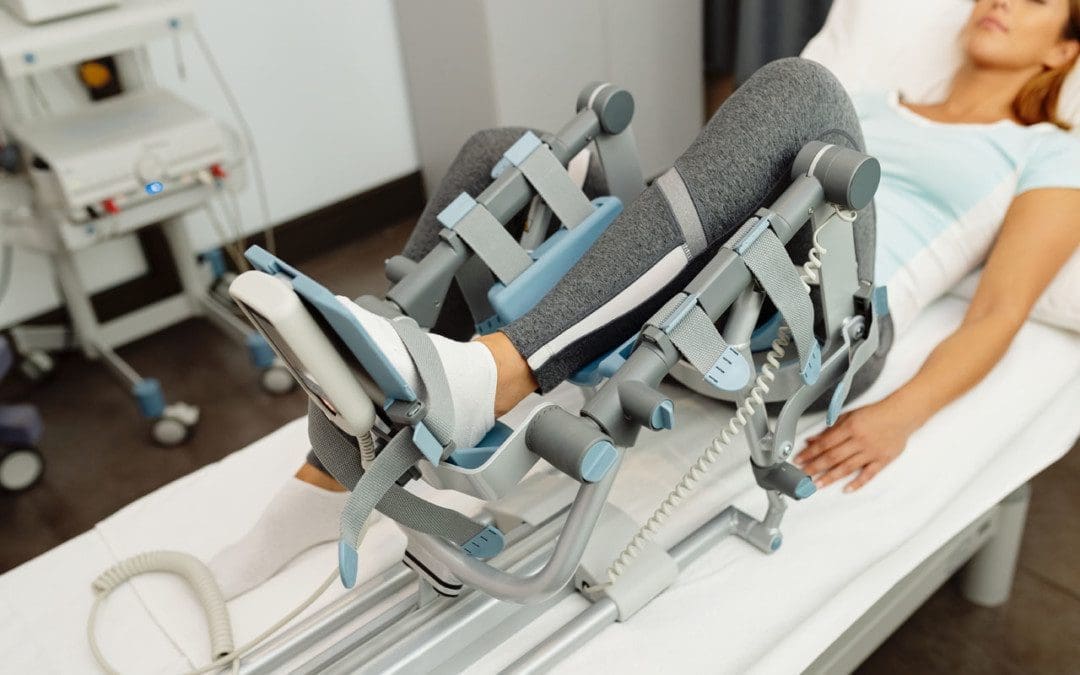
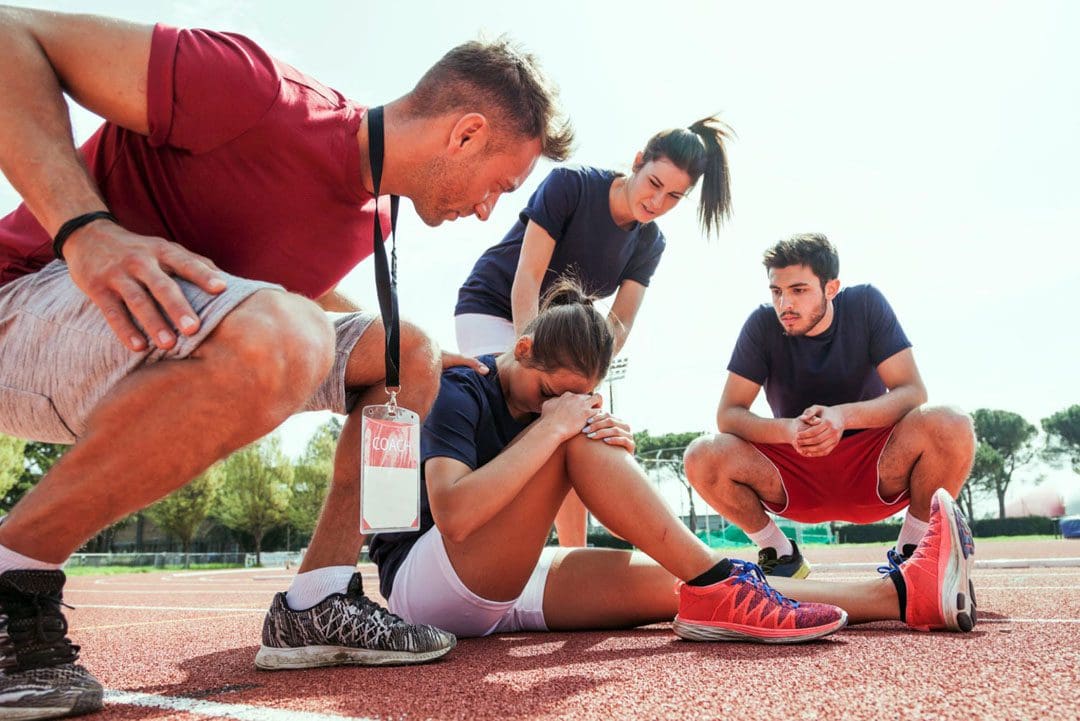
Athletes, pros, semi-pros, weekend warriors, fitness enthusiasts, and physically active and healthy individuals can feel cheated when they suffer an injury. Sports injury recovery involves rest, physical therapy, chiropractic realignment, and rehabilitation. However, it can be all for naught if the individual doesn’t recover mentally and emotionally. Coping with the stress of an injury, being sidelined and moving beyond the negative, and focusing more on positive strategies is important and requires physical and psychological toughness.
Coping With Sports Injuries
Incorporating sports psychology techniques is important as individuals can experience injury-related emotions like anxiety, sadness, frustration, anger, denial, isolation, and depression. Dealing with an injury and using the off time to reflect and gain new perspectives allows the athlete to improve their objectives by being more focused, flexible, and resilient.
Strategies That Can Help
Understand The Injury
Knowing the cause, treatment, and prevention of the specific injury results in deeper understanding and less fear or anxiety. Talking with a doctor, sports chiropractor, trainer, coach, and psychological therapist can help individuals learn what they need to do to recover quickly and optimally. A few things to consider the following include:
- The type of injury.
- Treatment options.
- Purpose of the treatments.
- Recovery time.
- Coping strategies.
- Rehabilitation expectations.
- Safe alternative exercises.
- Warning signs that injury is getting worse.
- Getting a second opinion is recommended, especially if surgery is being advised.
Focus On Recovering
Instead of focusing on being unable to play, losing strength, relearning movements, and the length of time it may take, accepting that the body is injured and needs to be repaired to return to play is more beneficial. Taking responsibility for the recovery process generates positive outcomes and builds confidence.
Stay Committed
Getting discouraged and missing therapy sessions is expected, especially at the beginning when unable to perform, and pain symptoms are presenting. To get the most out of rehabilitation, stay focused on what needs to be done, not what’s being missed.
- To expedite healing, stay committed, and maintain a positive attitude to overcoming the injury.
- Apply the same mindset and motivation as you would when practicing the game to the treatment and therapy sessions.
- Listen to what the doctor, chiropractor, therapist, and athletic trainer recommend, just as you would a coach.
- Set small goals to build momentum and maintain balance, with the end goal of fully recovering and returning to the game.
- Self-talk is important to reflect on progress, setbacks, new perspective on the game, and what you want to achieve.
Strengthen the Mind
Research shows that the healing process can happen faster by using mental techniques like imagery and self-hypnosis. These techniques use all senses to generate mental images, emotions, and sensations of the desired outcome. They are used for improving sports skills and techniques, game anxieties, and injury recovery.
Support
A common response after an injury is self-isolating from the team, coaches, family, and friends. However, maintaining contact with others during recovery is highly recommended as all these individuals are there when you need advice, to vent feelings, or to raise your spirits when feeling discouraged. Knowing you don’t have to face the injury alone can push you to keep going.
Alternate Fitness
Individuals going through injury treatment will undoubtedly go through physical strengthening, stretching, etc. But depending on the type of injury, individuals can modify their sports training or add safe and gentle alternate forms of exercise to maintain conditioning and strength for their sport. This can encourage recovery, as the individual is still participating and working to return to play. Talk with the doctor, chiropractor, trainer, or therapist to help create an alternative workout program around the specific sport.
With a proper diagnosis and treatment plan, taking rehabilitation and recovery slow, setting realistic goals, and maintaining a positive mindset, coping with injuries can be a successful learning journey.
Unlocking Pain Relief
References
Clement, Damien, et al. “Psychosocial responses during different phases of sport-injury rehabilitation: a qualitative study.” Journal of athletic training vol. 50,1 (2015): 95-104. doi:10.4085/1062-6050-49.3.52
Johnson, Karissa L, et al. “Exploring the Relationship Between Mental Toughness and Self-Compassion in the Context of Sports Injury.” Journal of sport rehabilitation vol. 32,3 256-264. 1 Dec. 2022, doi:10.1123/jsr.2022-0100
Leguizamo, Federico et al. “Personality, Coping Strategies, and Mental Health in High-Performance Athletes During Confinement Derived From the COVID-19 Pandemic.” Frontiers in public health vol. 8 561198. 8 Jan. 2021, doi:10.3389/fpubh.2020.561198
Rice, Simon M et al. “The Mental Health of Elite Athletes: A Narrative Systematic Review.” Sports medicine (Auckland, N.Z.) vol. 46,9 (2016): 1333-53. doi:10.1007/s40279-016-0492-2
Smith, A M et al. “The psychological effects of sports injuries. Coping.” Sports medicine (Auckland, N.Z.) vol. 9,6 (1990): 352-69. doi:10.2165/00007256-199009060-00004







