
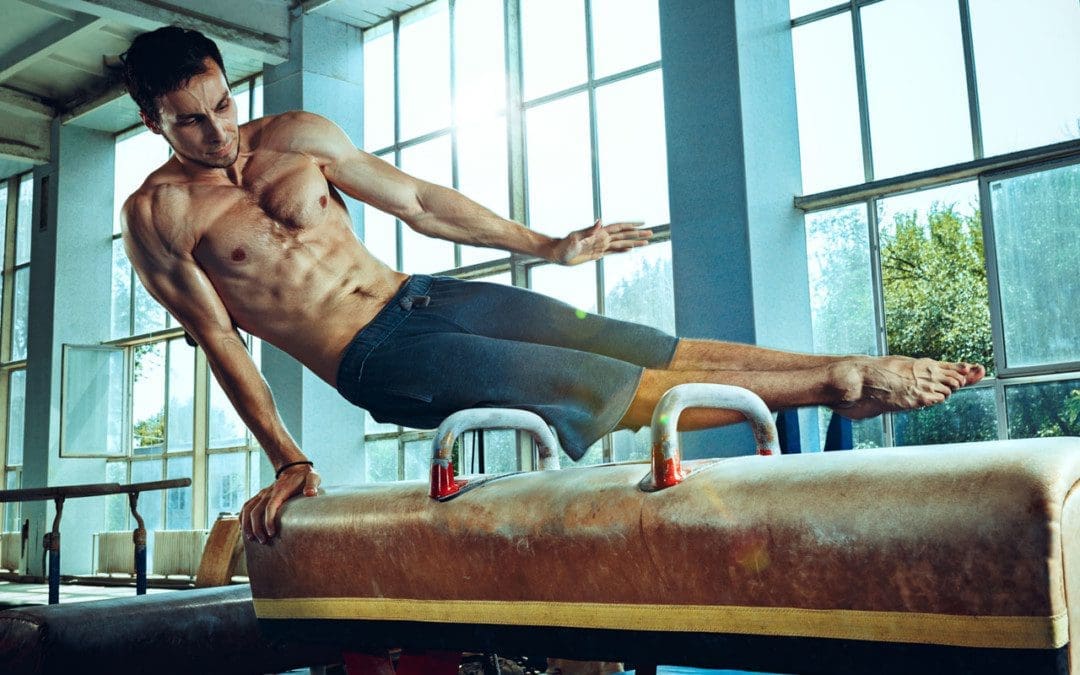
Sports Performance Competitive Anxiety Chiropractic Clinic
Athletes train and practice constantly to prepare their mind and bodies for the big games, matches, etc. When the game is on, it is normal/natural to feel anxious and nervous, especially at the beginning, but then the athlete settles in and relaxes, letting their training take over. However, for some athletes, the anxiousness and nervousness doesn’t go away but intensifies, the heart starts racing, and the individual can’t stop thinking about choking, failing, and losing. This is known as sports performance anxiety, or competitive anxiety, and is common.
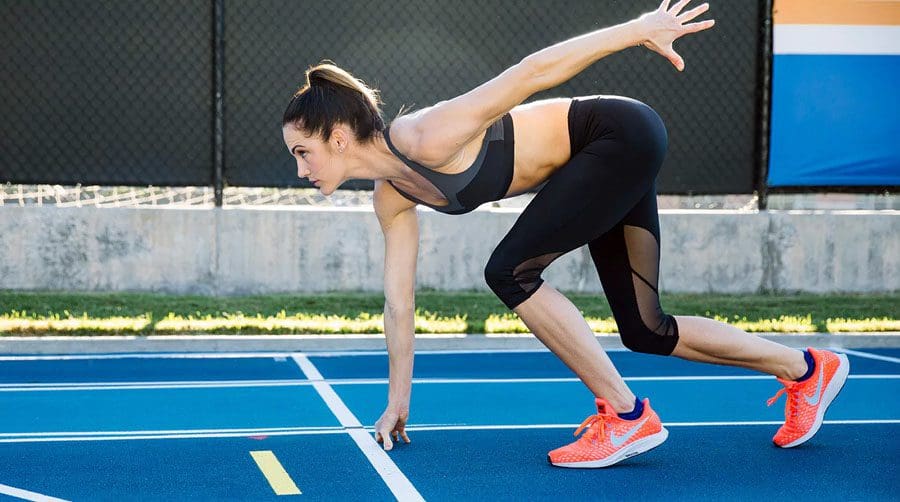
Competitive Anxiety
Research shows that 30 to 60 percent of athletes experience the disorder. Doctors divide the signs and symptoms into mental and physical categories.
Physical Symptoms
Rapid Heartbeat
- The stress can cause overproduction of adrenaline and cortisol, making the heart beat rapidly.
Muscle Tension
- The muscles can tighten up, become painful, and cause tension and pain in the head.
Trembling
- The hands could shake while holding the ball, bat, racket, or foot twitching could present.
Hyperventilation
- Individuals report a sensation of choking or being unable to catch their breath.
Digestion Issues
- The stress can cause foods to be quickly digested, causing cramping and/or the sudden urge to use the bathroom.
Mental Symptoms
Fear of Failing
- The athlete imagines themselves losing all the time.
- Worrying about letting the coach and team down or the audience or other athletes criticizing and laughing at your performance.
Unable to Focus
- The athlete may have concentration issues and become absorbed in how others react to their performance.
Overthinking
- The athlete can temporarily forget how to perform specific actions that are typically automatic.
Self-confidence issues
- The athlete can start doubting their abilities.
Stress and Anxiety
The Yerkes-Dodson law explains how stress, anxiety, and arousal levels affect performance and how stress levels must be maintained within a range to perform well.
Low Arousal
- It could be the athlete is not as into the sport as when they began, so they do not put forth the total effort.
High Arousal
- This means the sport could be causing so much stress that the athlete panics or freezes up.
- Competitive anxiety sets in.
Optimal Arousal
- This means the athlete is fully engaged in pushing themselves to the fullest.
- This can be applied to any performing task like play rehearsals to a tennis match.
- Individuals have different optimal levels of stress.
Recommended Steps
Some recommended steps can be taken to handle and prevent sports competitive anxiety when trying to overcome those overwhelming feelings of nervousness and tension.
Positive self-talk
- Self-talk is having a positive conversation with yourself.
Athletes who practiced positive self-talk reported:
- Improved self-confidence
- Reduced physical anxiety symptoms
- Improved sports performance
Listen to Music
- When anxious before a meet, game, match, etc., consider listening to some favorite or relaxing music.
Meditation
- Meditation has been found to reduce all types of anxiety, including sports.
Chiropractic
Chiropractic treatment specializes in the musculoskeletal system and can realign the body and release any muscle tension and restriction through hands-on manipulation techniques and mechanical decompression. Treatment involves manipulating the muscles, ligaments, tendons, fascia, and soft tissues to relieve pain through therapeutic muscle therapies that include:
- Massage
- Myofascial release
- Trigger point therapy
- Chiropractic adjustments
- Spinal decompression
One or a combination of therapies can alleviate symptoms related to muscle spasms, delayed onset muscle soreness, fascia restrictions, soft tissue injuries, and pain and dysfunction throughout the body, restoring function, movement, and strength.
Using The DRX9000 For Spinal Decompression
References
Elliott, Dave, et al. “The effects of relaxing music for anxiety control on competitive sport anxiety.” European journal of sports science vol. 14 Suppl 1 (2014): S296-301. doi:10.1080/17461391.2012.693952
Ford, Jessica L et al. “Sport-related anxiety: current insights.” Open access journal of sports medicine vol. 8 205-212. 27 Oct. 2017, doi:10.2147/OAJSM.S125845
Rice, Simon M et al. “Determinants of anxiety in elite athletes: a systematic review and meta-analysis.” British journal of sports medicine vol. 53,11 (2019): 722-730. doi:10.1136/bjsports-2019-100620
Rowland, David L, and Jacques J D M van Lankveld. “Anxiety and Performance in Sex, Sport, and Stage: Identifying Common Ground.” Frontiers in psychology vol. 10 1615. 16 Jul. 2019, doi:10.3389/fpsyg.2019.01615
Walter N, et al. (2019). Effects of self-talk training on competitive anxiety, self-efficacy, volitional skills, and performance: An intervention study with junior sub-elite athletes. mdpi.com/2075-4663/7/6/148







