Find out how chiropractic care for TBI can reduce your tinnitus symptoms and support your health journey effectively.
Understanding Traumatic Brain Injury (TBI): How It Impacts Hearing, Auditory Function, and Sensory Health
Introduction
Traumatic brain injury (TBI) is a significant public health concern that affects millions of people around the world every year. TBIs can range from mild concussions to severe injuries that permanently affect how a person thinks, feels, and interacts with the world. One less-discussed yet important aspect of TBI is its impact on the way we hear and process sound, including issues such as ringing in the ears (tinnitus), hearing loss, and difficulty tolerating everyday noise. These symptoms can significantly impact a person’s quality of life, making it more challenging to communicate, work, or simply enjoy daily activities.
This article will explain what a TBI is, explore how it affects the ears and brain, and examine symptoms such as tinnitus. Additionally, the article features insights from Dr. Alexander Jimenez, a nurse practitioner and chiropractor from El Paso, who specializes in treating injuries resulting from accidents, sports, and workplace incidents. Drawing on scientific research and Dr. Jimenez’s clinical practice, this blog aims to help patients, families, and interested readers gain a deeper understanding of TBI and its impact on sensory health.
What Is Traumatic Brain Injury (TBI)?
Traumatic brain injury (TBI) occurs when a sudden blow or jolt to the head disrupts the brain’s normal functioning. This kind of injury can happen during falls, car crashes, sports accidents, or even violent assaults. TBIs are often classified as mild, moderate, or severe, depending on the force of impact and how long a person loses consciousness or experiences confusion (National Institute of Neurological Disorders and Stroke, 2023).
Common symptoms of TBI include headaches, confusion, dizziness, memory problems, and changes in mood. However, TBIs can also have specific effects on the sensory systems, especially hearing and balance.
How TBI Causes Symptoms Like Ringing in the Ears, Hearing Loss, and Noise Disturbances
The Connection Between TBI and the Auditory System
The auditory system includes the ears, auditory nerves, and the parts of the brain that process sound. When the head receives a blow, the impact can damage any of these parts. For example, the force may injure the delicate inner ear structures or the nerves that transmit sound signals to the brain. Even if there is no direct injury to the ear, the brain’s processing centers can be affected, leading to hearing problems and abnormal sound perception.
How TBI Leads to Ringing in the Ears (Tinnitus)
A common problem after a TBI is tinnitus, which is the sensation of hearing sounds (such as ringing, buzzing, or hissing) that are not caused by an external source. Tinnitus can be either temporary or long-lasting, and it often accompanies hearing difficulties or sensitivity to certain noises. Researchers have found that up to 53% of TBI patients experience some form of tinnitus, particularly after concussions or blast injuries (Moleirinho-Alves et al., 2023).
TBI may trigger tinnitus in several ways:
Damage to the inner ear or cochlea
Injury to the auditory nerve
Disruption in the brain’s sound-processing areas
Changes in blood flow around the ear and brain
These changes confuse the nervous system, leading it to interpret random signals as sound, which the brain perceives as tinnitus.
Hearing Loss and Noise Sensitivity After TBI
Hearing loss is another common symptom of TBI. It can range from mild difficulty understanding words to complete deafness in one or both ears. After a TBI, people may also notice:
Sounds seem much louder than before (hyperacusis)
Difficulty focusing on conversations in noisy environments
Sensitivity to sudden or loud noises
Some patients develop misophonia, a strong negative reaction to specific sounds, which can occur or worsen after TBI. These noise issues stem from damage to the auditory nerves, the cochlea, or disruptions in the brain’s auditory pathways.
Personal Injury Rehabilitation- Video
How TBI Symptoms Affect Sensory and Cognitive Function
TBIs can disrupt more than just hearing. Because the brain is the body’s control center, damage can interfere with how we process all types of sensory information—including sight, touch, balance, and sound. Some ways TBI disrupts sensory function include:
Difficulty filtering out background noise: This makes it harder to focus and can lead to feeling overwhelmed in crowds or busy environments.
Auditory processing issues: Even if hearing is normal, the brain may misinterpret sounds, making it difficult to understand words, remember instructions, or follow conversations in complex situations.
Cognitive challenges: Memory loss, poor attention, and slower thinking are also common after TBI, especially when sensory symptoms like tinnitus become distracting or distressing.
Associated Symptoms Affecting the Head, Neck, and Ears
Patients with TBI may also experience:
Headaches or migraines
Pain or pressure in the ears
Vertigo (a sensation of spinning or dizziness)
Jaw pain or tightness in the neck muscles
These symptoms often occur together, making it challenging for patients to pinpoint which one is most troubling. The interconnected nerves in the head, neck, and ears mean that an injury to one area can trigger symptoms in the others.
What Is Tinnitus? Causes, Symptoms, and Their Association with TBI
Tinnitus is the medical term for hearing sounds that originate from within the body, not from an external source. It is not a disease, but rather a symptom of an underlying condition, such as hearing loss, ear injury, or a problem in the circulatory system. It can sound like:
Ringing
Buzzing
Hissing
Roaring
Clicking or pulsing
For many people, tinnitus is a temporary condition, but in some cases, it becomes persistent and distressing.
Causes of Tinnitus
Common causes of tinnitus include:
Exposure to loud noises
Age-related hearing loss
Ear infections or injuries
Medications (especially some antibiotics and cancer drugs)
Head or neck injuries (including TBI)
When a TBI is involved, the causes are often:
Damage to hair cells in the cochlea (inner ear)
Injury to the nerves carrying sound signals
Problems in the brain’s auditory centers that interpret these signals
TBIs are uniquely associated with cases where tinnitus begins suddenly after trauma, often alongside headaches, dizziness, or other symptoms.
Symptoms That Often Happen with Tinnitus After TBI
Ringing in the ears can come with other issues, including:
Hearing loss
Difficulty concentrating
Trouble sleeping
Irritability, anxiety, or depression
When these symptoms cluster together, they can significantly disrupt daily life. For people with TBI, tinnitus is not just a simple annoyance—it can be a constant reminder of their injury and complicate recovery.
How TBI-Related Auditory Symptoms Are Diagnosed and Treated
Clinical Insights From Dr. Alexander Jimenez, DC, APRN, FNP-BC
Dr. Alexander Jimenez is a nurse practitioner and chiropractor practicing in El Paso with a unique dual-scope practice. He frequently encounters patients with various head, neck, and spine injuries from:
Work incidents
Sports accidents
Personal or home injuries
Motor vehicle accidents (MVAs)
His approach combines medical diagnosis with chiropractic care, focusing on the whole body’s recovery—not just a single symptom or injury.
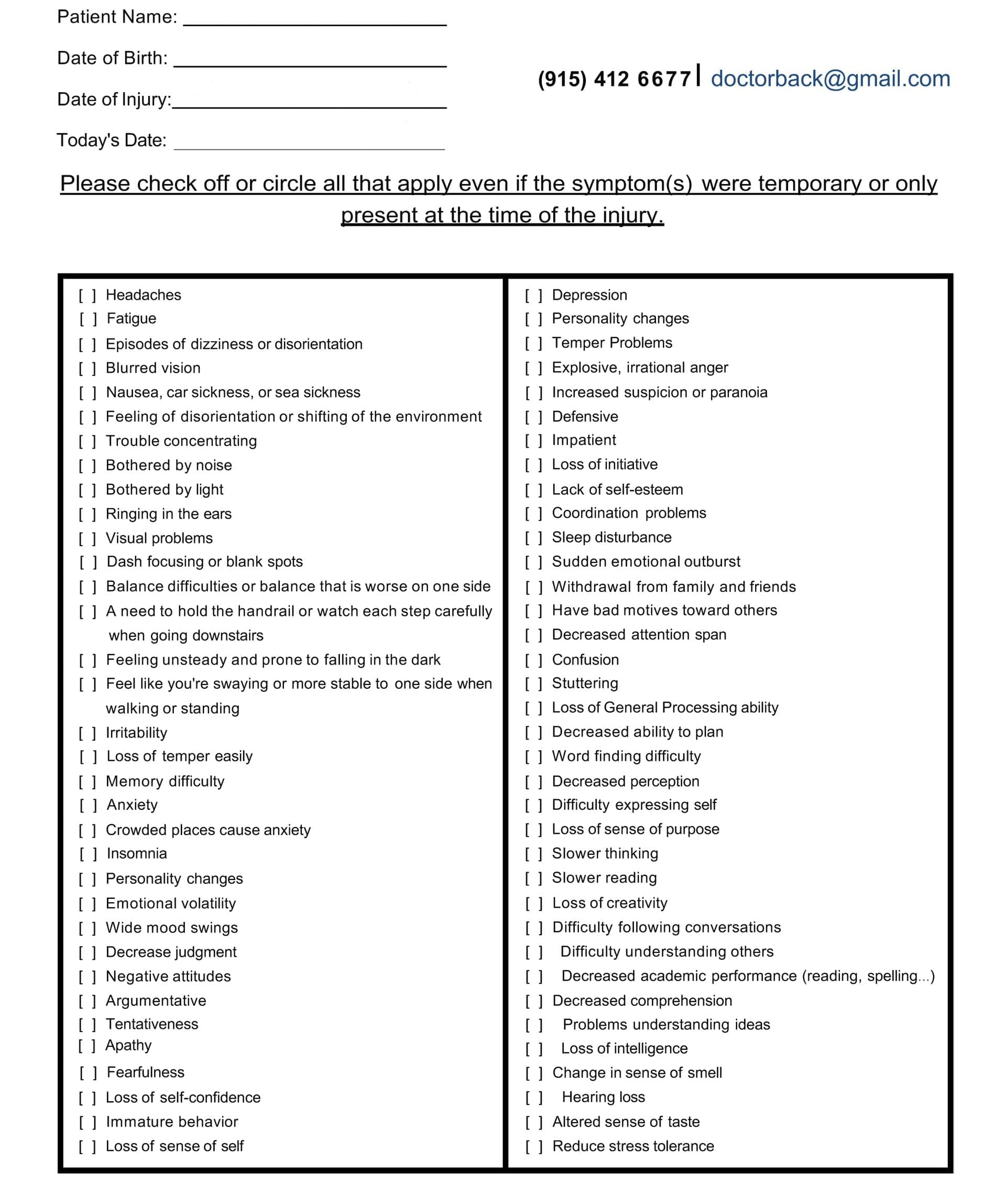
A TBI Symptom Questionnaire Example:
Dual-Scope Diagnosis and Advanced Imaging
Dr. Jimenez’s clinic starts with a comprehensive evaluation, which may include:
Physical and neurological exams
Advanced imaging such as MRI or CT, to assess brain, spine, and ear structures
Specialized auditory and vestibular function tests to pinpoint hearing and balance problems associated with TBI
This thorough assessment helps distinguish between injuries that directly affect the ear (such as a ruptured eardrum) and those that impact the brain’s processing of sound.
Integrative Treatment Strategies
After diagnosis, Dr. Jimenez uses a combination of evidence-based care options, such as:
Targeted chiropractic adjustments to support neck and spine alignment, which may alleviate headaches and ear pressure
Physical therapy and custom exercise programs to improve balance, coordination, and general brain function
Massage therapy to reduce muscle tension in the neck and jaw, which can worsen auditory symptoms
Integrative medicine, including acupuncture, nutritional counseling, and stress management, supports the natural healing of injured nerve tissues and reduces chronic pain
Medical management, coordinated with other providers, for severe or persistent symptoms
Dr. Jimenez’s team works closely with patients to address not only the physical symptoms but also the cognitive and emotional challenges that accompany TBI. Legal documentation and communication with attorneys or employers are provided as needed for those dealing with workplace or accident-related injuries.
Real-Life Impact: How TBI Symptoms Can Disrupt Daily Living
Living with a TBI is challenging, especially when auditory problems like tinnitus or hearing loss develop. Everyday situations, such as talking with friends in a crowded restaurant or watching TV at a comfortable volume, can become stressful. For some, the persistent ringing of tinnitus makes it difficult to concentrate or relax enough to fall asleep. These issues, combined with headaches, neck pain, or vertigo, can affect a person’s mood and relationships, sometimes leading to anxiety or depression.
Promoting Recovery and Preventing Long-Term Problems
While not every TBI symptom can be cured, early intervention and comprehensive care can make a huge difference. Steps that help include:
Early and accurate diagnosis, including detailed assessment of hearing and sensory function
Personalized treatment plans that integrate medical, rehabilitative, and holistic approaches
Ongoing support for both physical and emotional needs, as recovery can be a long process
Safe return-to-activity programs, especially for those injured during sports or work
Prevention is also crucial. Wearing helmets, using seatbelts, and practicing safety in sports and workplaces can reduce the risk of TBIs and the sensory problems that may follow.
Conclusion
Traumatic brain injury is a serious health condition that affects far more than just the brain. When a person suffers a TBI, the damage can ripple through multiple sensory systems, particularly the auditory system responsible for hearing and sound processing. Ringing in the ears, hearing loss, noise sensitivity, and difficulty understanding speech are not uncommon side effects that many TBI survivors face during their recovery journey. The connection between TBI and hearing problems like tinnitus is scientifically well-established. Research indicates that the mechanisms underlying these symptoms—whether resulting from direct damage to the inner ear, injury to the auditory nerves, or disruption in the brain’s sound-processing centers—are complex and highly individual. This means that two people with similar TBIs may experience completely different hearing-related symptoms, requiring personalized diagnostic approaches and treatment plans.
What makes TBI-related auditory symptoms particularly challenging is that they often occur alongside other complications such as headaches, dizziness, cognitive problems, and emotional difficulties. This combination can significantly impact a person’s ability to work, socialize, and enjoy activities that once brought them joy. For many TBI survivors, managing these interconnected symptoms becomes a central focus of their recovery. The good news is that advances in medical care, integrative treatment approaches, and specialized rehabilitation have created new pathways for healing. Healthcare professionals, such as Dr. Alexander Jimenez, who combine medical expertise with comprehensive chiropractic and integrative medicine, demonstrate how a whole-body approach can address the root causes of injury rather than just treating symptoms in isolation. Through targeted exercise, manual therapy, advanced diagnostic imaging, and personalized care plans, patients can work toward regaining function and improving their overall quality of life.
If you or someone you know has experienced a head injury or is dealing with sudden hearing problems, ringing in the ears, or other sensory disturbances, seeking professional evaluation is an important first step. Early diagnosis and comprehensive treatment can significantly impact recovery outcomes and long-term health. With proper medical support, integrative care, and time, many TBI survivors find ways to adapt, heal, and move forward with their lives.
References
Moleirinho-Alves, P. et al. (2023). “Traumatic brain injury and tinnitus: prevalence, risk factors, pathophysiology, and treatment.” https://pubmed.ncbi.nlm.nih.gov/38775672/
Discover key nutritional guidelines for head injuries. Support your healing process with the right dietary choices today.
Healing the Brain After Injury: How Nutrition Supports Recovery from Traumatic Brain Injury
Understanding Traumatic Brain Injury
Traumatic brain injury (TBI) is a serious medical condition that affects millions of people worldwide. A TBI happens when an outside force injures the brain, often from a blow to the head, a fall, a car accident, or a sports collision (Maas et al., 2022). These injuries range from mild concussions to severe trauma that can change someone’s life forever. In the United States alone, TBI is a leading cause of death and disability, affecting approximately 5.3 million Americans who live with long-term challenges from their injuries (Conti et al., 2024). When the brain experiences trauma, the damage goes far beyond the initial impact. The injury triggers a cascade of biological events within the brain that can persist for days, weeks, or even months afterward. These processes include inflammation, oxidative stress (damage from unstable molecules called free radicals), changes in how brain cells communicate, and disruptions to the brain’s energy systems (Wu et al., 2007). Understanding these mechanisms is crucial because it enables us to identify effective ways to support recovery, particularly through targeted nutrition and lifestyle adjustments.
Dr. Alexander Jimenez, DC, APRN, FNP-BC, a dual-licensed chiropractor and board-certified Family Practice Nurse Practitioner in El Paso, Texas, brings over 25 years of expertise to treating patients with traumatic brain injuries and other complex injuries (A4M, n.d.). His unique clinical approach combines the biomechanical focus of chiropractic care with the diagnostic and therapeutic capabilities of a nurse practitioner, allowing him to address both the structural and systemic aspects of brain injury recovery. Dr. Jimenez’s practice emphasizes non-invasive treatment protocols, functional medicine assessments, and personalized care plans that incorporate nutrition, targeted supplementation, and rehabilitative therapies to support natural healing processes.
Common Symptoms of TBI: Focus on Nausea
The symptoms of traumatic brain injury vary depending on the severity of the injury, but several common signs appear across different types of TBI. These symptoms can be grouped into physical, sensory, and cognitive categories (Mayo Clinic, 2021). Physical symptoms often include headaches, which are the most frequently reported complaint after a brain injury. Nausea and vomiting are also extremely common, affecting many people immediately after the injury and sometimes persisting for weeks or months (Brain Injury Law of Seattle, 2025). Other physical symptoms include fatigue, drowsiness, speech difficulties, and dizziness or loss of balance. Sensory symptoms can involve blurred vision, double vision, ringing in the ears, sensitivity to light or sound, and changes in the ability to smell or taste. Cognitive symptoms may include confusion, memory problems, difficulty concentrating, and mood changes such as anxiety or depression.
Why Nausea Occurs After TBI
Nausea is particularly troubling for people recovering from TBI because it can interfere with eating, taking medications, and participating in rehabilitation activities. Understanding why nausea happens after a brain injury helps us develop better strategies to manage it.
Several mechanisms contribute to nausea following TBI (Brain Injury Law of Seattle, 2025; Complete Concussions, 2024):
Brainstem involvement: The brainstem controls many automatic bodily functions, including the vomiting reflex. When trauma affects this area, it can cause persistent nausea that continues long after the initial injury. If nausea lasts for weeks or gets worse over time, it may signal serious brainstem dysfunction that requires immediate medical evaluation.
Vestibular dysfunction: The vestibular system, located in the inner ear, helps control balance and spatial orientation. TBI can disrupt this system, leading to dizziness, motion sensitivity, and nausea. People with vestibular problems after TBI often feel worse when they move their heads or bodies in certain ways.
Increased intracranial pressure (ICP): After a head injury, swelling or bleeding inside the skull can increase pressure on the brain. This elevated pressure triggers persistent nausea, vomiting, and severe headaches. Increased ICP is a medical emergency that requires immediate treatment.
Neurochemical imbalance: TBI disrupts the brain’s natural balance of chemical messengers called neurotransmitters. These imbalances can lead to nausea, dizziness, mood changes, and other symptoms. When these chemical imbalances persist, nausea can become chronic and difficult to treat.
Vomiting after a head injury deserves special attention. While a single episode of vomiting may not indicate serious problems, persistent or repeated vomiting can signal a brain bleed, dangerous pressure buildup, or other serious complications (Complete Concussions, 2024). Anyone experiencing persistent vomiting after a head injury should seek medical care immediately. At Dr. Jimenez’s Injury Medical & Chiropractic Clinic in El Paso, patients with TBI receive comprehensive assessments that evaluate the underlying causes of symptoms, including nausea, such as vestibular dysfunction, cervical spine misalignments, and neurological imbalances. Through targeted chiropractic adjustments, acupuncture, and electro-acupuncture techniques, Dr. Jimenez addresses the physical manifestations of brain injury while supporting the body’s natural healing mechanisms (dralexjimenez.com, 2025).
How TBI Affects Nutritional Habits
Beyond the immediate symptoms, traumatic brain injury creates significant challenges for maintaining proper nutrition. These challenges can make recovery more difficult and slow the healing process.
Disrupted Communication Between Brain and Gut
Some TBI injuries affect appetite because the brain may not properly communicate with the digestive system (UCLA Health, 2022). The gut-brain axis—a bidirectional communication system between the central nervous system and the gastrointestinal tract—can be severely disrupted after brain trauma. This makes it difficult for people to recognize when they are hungry or full, leading to either inadequate food intake or excessive eating.
Research shows that digestive system disorders after TBI are closely related to cognitive function, depression, and other neurological conditions (PMC, 2024). The gut microbiome—the community of bacteria and other microorganisms living in the digestive tract—plays a crucial role in this relationship. After TBI, changes in the gut microbiome can worsen brain injury outcomes and even contribute to chronic neurological damage.
Swallowing Difficulties
After TBI, damage to the brainstem, cerebellum, or thalamus, or increased pressure inside the skull, can make swallowing difficult (PMC, 2024). Loss of consciousness and cognitive decline can also affect swallowing function. These swallowing disorders, called dysphagia, create serious risks because they can lead to choking, aspiration (food or liquid entering the lungs), and pneumonia.
People with dysphagia often need specialized diets with modified food textures to eat safely. The International Dysphagia Diet Standardization Initiative (IDDSI) provides guidelines for thickening liquids and modifying solid foods to help individuals with swallowing difficulties eat safely during rehabilitation (PMC, 2024).
Weight Changes and Eating Disorders
Weight management becomes a major concern after TBI. Patients hospitalized with severe TBI often lose significant amounts of weight, even when they receive nutrition through feeding tubes (Consultant360, 2021). However, after discharge, many people gain excessive weight. Research shows that eating disorders are common after TBI, largely due to hyperphagia (excessive hunger or food intake) and dysexecutive syndrome (loss of brain function that impairs judgment, planning, and insight).
Dr. Jimenez’s functional medicine approach includes detailed nutritional assessments that evaluate how TBI has affected eating patterns, metabolism, and nutrient absorption. His clinic uses the Living Matrix Functional Medicine Assessment to identify nutritional deficiencies, metabolic imbalances, and digestive dysfunction that may be hindering recovery. By addressing these root causes, Dr. Jimenez helps patients restore healthy eating habits and support their brain’s healing process (dralexjimenez.com, 2025).
Impact on Cognitive Function
The relationship between TBI and cognitive function is complex and far-reaching. Cognitive impairments can persist long after the physical symptoms of injury have resolved, affecting memory, attention, processing speed, executive function, and emotional regulation.
Memory and Learning Difficulties
TBI damages the hippocampus and other brain regions critical for forming and storing memories. Research demonstrates that omega-3 fatty acids, particularly docosahexaenoic acid (DHA), can improve cognitive function after traumatic brain injury by supporting synaptic membrane fluidity and function (Wu et al., 2004). DHA is a major component of neuronal membranes at sites where brain cells communicate, making it vital for learning and memory.
Brain-derived neurotrophic factor (BDNF) plays a crucial role in cognitive recovery after TBI. BDNF acts like a fertilizer for the brain, promoting the growth and survival of neurons, supporting the connections between brain cells, and facilitating learning and memory (Gomez-Pinilla & Kostenkova, 2008). Dietary interventions can influence BDNF levels, offering a non-invasive approach to support cognitive recovery.
Attention and Processing Speed
People recovering from TBI often struggle with attention and mental processing speed. They may struggle to focus on tasks, filter out distractions, or process information efficiently. These difficulties can persist even after mild TBI (concussion) and can significantly impact work, school, and daily activities.
Executive Function Challenges
Executive functions are the high-level cognitive skills we use to plan, organize, make decisions, and control our behavior. TBI frequently impairs these abilities, resulting in difficulties with judgment, impulse control, planning, and problem-solving. These impairments can contribute to poor nutritional choices and difficulty adhering to healthy eating plans.
Emotional and Psychiatric Symptoms
Anxiety and depressive disorders are extremely common among people who have sustained a TBI, with as many as 70% of patients experiencing anxiety and up to 50% experiencing depression (Consultant360, 2021). These mood disorders can have a profound impact on eating patterns and food choices, often leading to weight gain and obesity. Depression symptoms can be intensified by a poor diet, creating a vicious cycle where inadequate nutrition worsens mental health, which in turn leads to poorer food choices.
Dr. Jimenez’s integrative treatment approach addresses the cognitive and emotional aspects of TBI recovery through a combination of chiropractic care, functional medicine, and stress management techniques. His clinic offers personalized wellness programs that include cognitive rehabilitation exercises, nutritional counseling, and natural therapies to support mental clarity, emotional balance, and overall brain health (dralexjimenez.com, 2025).
The Non-Surgical Approach to Wellness with Chiropractic Care- Video
The Brain-Gut Connection in TBI Recovery
Understanding the brain-gut connection is key to optimizing nutrition after TBI. The gut and brain communicate constantly through multiple pathways, including the vagus nerve, immune system molecules, gut hormones, and the gut microbiome.
The Gut Microbiome’s Role
The gut microbiome comprises trillions of microorganisms that play crucial roles in metabolism, immune function, and neuronal function (Clark & Mach, 2016). Recent research shows that physical and emotional stress during recovery can change the composition of gut bacteria. These changes can impact brain function, intestinal barrier integrity, and immune responses—all of which are crucial for TBI recovery.
Studies in animal models demonstrate that exercise-induced stress decreased certain beneficial bacteria while increasing bacteria that degrade the intestinal mucus layer and affect immune function (Clark & Mach, 2016). In the context of TBI, maintaining a healthy gut microbiome through proper nutrition becomes even more crucial because gut health has a direct impact on brain recovery.
Gut Hormones and Cognitive Function
Several gut hormones influence emotions and cognitive processes (Gomez-Pinilla, 2008). Leptin, produced by fat tissue, helps regulate appetite and also supports synaptic plasticity—the brain’s ability to form and reorganize connections between neurons. Ghrelin, secreted by an empty stomach, not only stimulates appetite but also promotes the formation of new connections between brain cells, thereby enhancing learning and memory. Glucagon-like peptide 1 (GLP1), produced by intestinal cells, regulates energy metabolism and has been shown to improve memory in animal studies.
Fermented Foods for Gut-Brain Health
Research increasingly shows that fermented foods support both gut health and brain health (UCLA Health, 2022). Fermented foods, such as sauerkraut, pickles, yogurt, and kefir, contain beneficial probiotics that help maintain a diverse and healthy gut microbiome. Prebiotic foods—such as onions, bananas, and whole grains—provide the fuel that good bacteria need to thrive.
Dr. Jimenez’s nutritional protocols emphasize the importance of gut health in neurological recovery. His functional medicine assessments often include evaluation of digestive function, gut microbiome diversity, and food sensitivities that may be contributing to inflammation and hindering brain healing (dralexjimenez.com, 2025).
Nutritional Foods That Support Brain Function
Certain foods have been identified as particularly beneficial for brain health and recovery from TBI. Understanding which foods to emphasize can help people recovering from brain injuries make informed choices that support healing.
Omega-3 Fatty Acids
Omega-3 fatty acids, particularly DHA and eicosapentaenoic acid (EPA), are among the most important nutrients for brain health (Gomez-Pinilla, 2008). These healthy fats are abundant in fatty fish like salmon, sardines, mackerel, and trout. They serve multiple functions in brain recovery:
Membrane structure: DHA is a major component of neuronal membranes, making up a significant portion of the brain’s structure.
Anti-inflammatory effects: Omega-3s reduce inflammation in the brain, which is critical because inflammation contributes to ongoing damage after TBI.
Oxidative stress reduction: Research indicates that omega-3 supplementation can reduce oxidative damage resulting from trauma (Wu et al., 2004).
BDNF support: Omega-3 fatty acids elevate levels of BDNF, supporting cognitive function and neural recovery.
For people who don’t eat fish, alternative sources include walnuts, flaxseeds, chia seeds, and microalgae supplements. However, the omega-3s found in plant sources (alpha-linolenic acid, or ALA) are not as readily used by the brain as the EPA and DHA found in fish (UCLA Health, 2022).
Berries and Antioxidants
Berries—particularly blueberries, strawberries, and blackberries—contain powerful antioxidants called flavonoids that give them their vibrant colors (Harvard Health, 2021). Research shows that women who consumed two or more servings of strawberries and blueberries per week experienced a delay in memory decline of up to two and a half years.
Flavonoids work through several mechanisms:
They increase blood flow to the brain
They improve neuronal function
They promote neuroplasticity—the brain’s ability to reorganize and form new connections
They reduce oxidative stress and inflammation
Leafy Green Vegetables
Green, leafy vegetables such as kale, spinach, collards, and broccoli are rich in brain-healthy nutrients like vitamin K, lutein, folate, and beta-carotene (Harvard Health, 2021). Research suggests these plant-based foods may help slow cognitive decline. Vitamin K plays a role in forming certain fats that are concentrated in brain cells, while lutein and folate support cognitive function in older adults.
Nuts and Seeds
Nuts are excellent sources of protein, healthy fats, and vitamin E—all important for brain health (Harvard Health, 2021). Walnuts deserve special attention because they contain high levels of alpha-linolenic acid (ALA), a plant-based omega-3 fatty acid. Research from UCLA linked higher walnut consumption to improved cognitive test scores. Walnuts, along with other nuts like almonds and hazelnuts, are also rich in vitamin E, a powerful antioxidant that protects brain cells from oxidative damage. Pumpkin seeds provide zinc, magnesium, iron, and tryptophan—an amino acid that helps produce serotonin, a neurotransmitter involved in mood regulation (Salmon Health, 2023).
Whole Grains
Complex carbohydrates from whole grains, such as brown rice, quinoa, oats, and whole wheat bread, provide steady energy for the brain (Headway UK, n.d.). Unlike refined grains and sugars that cause rapid spikes and crashes in blood sugar, whole grains release energy slowly, helping to maintain stable energy levels throughout the day. This is especially helpful for people experiencing fatigue after TBI.
Healthy Fats: Olive Oil and Avocados
Olive oil, a cornerstone of the Mediterranean diet, has been shown to have a range of health benefits, including protective effects on memory function (Headway UK, n.d.). Avocados provide healthy monounsaturated fats, along with potassium and lutein, which support brain health (Rezilir Health, 2025).
Eggs and Choline
Eggs are one of the best dietary sources of choline, a vital nutrient essential for producing acetylcholine, a neurotransmitter involved in memory, mood regulation, and muscle control (UCI Health, 2025). Adequate choline intake has been linked to enhanced cognitive performance and may help protect against age-related memory decline. Eggs also contain B vitamins like B12, which help reduce homocysteine levels—an amino acid that, when elevated, can damage blood vessels and increase risk for stroke and dementia.
Turmeric and Curcumin
Turmeric, a yellow curry spice, contains curcumin, which has been shown to enhance recovery after brain trauma (Gomez-Pinilla & Kostenkova, 2008). Curcumin displays particular effectiveness in preserving cognitive function through several mechanisms:
Reducing oxidative stress
Protecting against lipid peroxidation (damage to cell membranes)
Neutralizing harmful free radicals
Reducing inflammation in the brain
Studies have shown that curcumin supplementation reduced the effects of experimental concussive injury on cognitive function in animal models (Wu et al., 2006).
Dark Chocolate
Dark chocolate contains flavonoids, caffeine, and theobromine—compounds that can improve cognitive function (Senior Lifestyle, 2025). Flavonoids increase blood flow to the brain, improve neuronal function, and promote neuroplasticity. Moderate consumption of dark chocolate has been linked to improved memory, attention, and overall cognitive function.
The Mediterranean Diet for Brain Health
Among various dietary patterns studied for brain health, the Mediterranean diet has emerged as particularly beneficial for people recovering from TBI (UCLA Health, 2022). This eating pattern, traditionally followed in countries bordering the Mediterranean Sea, emphasizes:
High portions of fruits and vegetables
Whole grains
Legumes (beans, lentils, chickpeas)
Nuts and seeds
Fish and seafood (at least twice per week)
Olive oil is the primary source of added fat
Moderate consumption of poultry
Limited intake of red meat and dairy products
Herbs and spices for flavoring instead of salt
Research suggests that the Mediterranean diet is associated with fewer signs of Alzheimer’s disease in the brains of older adults (NIA, 2023). Green leafy vegetables, in particular, were associated with less brain pathology. The MIND diet—a hybrid of the Mediterranean and DASH (Dietary Approaches to Stop Hypertension) diets specifically designed to support brain health—builds on these principles with additional emphasis on berries and green leafy vegetables (Mass General Hospital, 2025).
Dr. Jimenez often recommends a Mediterranean dietary pattern to his TBI patients, recognizing that this style of eating provides comprehensive support for brain health while reducing inflammation throughout the body (dralexjimenez.com, 2025).
Essential Vitamins and Supplements
Beyond whole foods, certain vitamins and supplements have shown promise in supporting brain function and recovery after TBI.
B Vitamins
B vitamins play crucial roles in brain health (Gomez-Pinilla, 2008):
Vitamin B6: Supports neurotransmitter production and has positive effects on memory performance
Vitamin B12: Essential for neurological health; deficiency has been linked to cognitive decline
Folate (B9): Critical for neurotransmitter function and DNA repair; deficiency can lead to depression and cognitive impairment
Supplementation with B vitamins has been shown to prevent cognitive decline and dementia during aging and can enhance the effects of antidepressants (Gomez-Pinilla, 2008). Foods rich in B vitamins include leafy greens (folate), fish, poultry, eggs (B12), and fortified grains.
Vitamin D
Vitamin D is crucial for maintaining cognitive function in older adults and appears to play a significant role in brain health (Gomez-Pinilla, 2008). Sources include fatty fish, mushrooms exposed to sunlight, and fortified products like milk and cereals. Many people, especially those recovering from TBI who may spend more time indoors, need vitamin D supplementation.
Vitamin E
Vitamin E functions as an antioxidant, reducing free radicals in the brain that would otherwise impede optimal neuronal function (Gomez-Pinilla & Kostenkova, 2008). Studies show that vitamin E ameliorates cognitive impairment after brain trauma in animal models and reduces cognitive decline in older adults. Food sources include nuts, seeds, spinach, avocado, and vegetable oils.
Magnesium
Magnesium plays a crucial role in nerve transmission and neuroplasticity—the brain’s ability to adapt and reorganize (UCI Health, 2025). Magnesium deficiency is common and can contribute to anxiety, depression, and cognitive problems. Good sources include leafy greens, nuts, seeds, legumes, and whole grains.
Creatine
Creatine supplementation shows promise for improving brain health, particularly in conditions characterized by brain creatine deficits (Roschel et al., 2021). These deficits can be induced by acute stressors like sleep deprivation or chronic conditions like mild traumatic brain injury. Creatine supports cognitive processing and may help with recovery from brain trauma, though the optimal protocol for increasing brain creatine levels is still being determined (Conti et al., 2024).
Omega-3 Supplements
For individuals who don’t consume adequate amounts of fatty fish, omega-3 supplements (such as fish oil or microalgae-based DHA/EPA) can help ensure an adequate intake of these critical fatty acids (Conti et al., 2024). Research indicates that omega-3 supplementation can help decrease inflammation, mitigate neural damage, and maintain a sufficient energy supply to the brain following injury.
Melatonin
Melatonin supplementation may help alleviate sleep disturbances commonly experienced after TBI (Conti et al., 2024). Since quality sleep is essential for brain recovery and the consolidation of memories, addressing sleep problems through melatonin or other interventions is a crucial part of comprehensive TBI treatment.
Other Promising Supplements
Additional supplements being investigated for TBI recovery include (Conti et al., 2024):
N-Acetylcysteine (NAC): An antioxidant that may reduce oxidative stress
Branched-chain amino acids (BCAAs): May influence mental performance, though evidence is mixed
Riboflavin (Vitamin B2): May help with migraine headaches common after TBI
Choline: Supports production of acetylcholine, a neurotransmitter critical for memory
Berry anthocyanins: Powerful antioxidants found in berries
Boswellia serrata: An anti-inflammatory botanical
Enzogenol: A pine bark extract with antioxidant properties
It’s essential to note that while supplements may be necessary for some individuals, it is crucial to consult your doctor or dietitian before taking them, as they could interact with medications or have other unintended effects (Headway UK, n.d.).
Dr. Jimenez’s functional medicine approach includes comprehensive nutritional testing to identify specific deficiencies and imbalances that may be hindering recovery. His personalized supplementation protocols are based on individual patient needs, genetics, and the severity of injury, ensuring that each patient receives targeted nutritional support for optimal healing (dralexjimenez.com, 2025).
Foods to Limit or Avoid
Just as certain foods support brain health, others can hinder recovery from TBI. While it’s important not to create overly restrictive diets that may be difficult to follow, being mindful of these foods can support better outcomes.
Saturated Fats and Trans Fats
Diets high in saturated fats have been shown to have an adverse effect on cognition (Gomez-Pinilla, 2008). Studies show that “junk food” diets—characterized by high contents of saturated fat and refined sugars—lead to a decline in cognitive performance and reduced levels of BDNF-related synaptic plasticity after just three weeks. Even more concerning, these diets elevated the neurological burden associated with experimental brain injury, resulting in worse performance in learning tasks.
Foods high in saturated fats include butter, cream, cheese, fatty meats, coconut oil, and palm kernel oil. Trans fats, found in many processed and fried foods, are particularly harmful and should be avoided.
Refined Sugars and Processed Foods
Sugar can cause weight gain and other health problems, and can cause “sugar crashes” where energy levels drop rapidly—a particular problem for people experiencing fatigue after TBI (Headway UK, n.d.). Highly processed foods often contain high amounts of salt and sugar, tend to have lower nutritional content, and may lead to weight gain.
Excessive Sodium
Salt is known to raise blood pressure and increase the risk of stroke (Headway UK, n.d.). Many people with taste and smell problems after TBI add more salt than they should. Using alternatives such as lemon juice, herbs, and spices can enhance flavor without the negative health effects associated with excess sodium.
Alcohol
Alcohol should be avoided or consumed very minimally during TBI recovery. Alcohol can interfere with healing processes, interact with medications, worsen cognitive symptoms, and increase fall risk.
Excessive Caffeine
While moderate caffeine consumption may offer cognitive benefits, excessive intake can have negative effects, particularly for people who experience urinary symptoms or sleep disturbances after brain injury (Headway UK, n.d.). Caffeine can also increase anxiety in some individuals.
Easy Brain-Boosting Recipes
Incorporating brain-healthy foods into daily meals doesn’t have to be complicated. Here are some simple, nutritious recipes designed to support neurological recovery:
Blueberry Walnut Overnight Oats
This make-ahead breakfast is perfect for busy mornings and is packed with brain-boosting nutrients.
Ingredients:
1/2 cup rolled oats
1/2 cup milk (dairy or plant-based)
1/4 cup plain Greek yogurt
1/2 cup fresh blueberries
2 tablespoons chopped walnuts
1 teaspoon honey (optional)
1/2 teaspoon vanilla extract
Instructions:
In a mason jar or bowl, mix the oats, milk, yogurt, honey, and vanilla
Top with blueberries and walnuts
Cover and refrigerate overnight
Enjoy it cold in the morning
Why it’s good for your brain: Blueberries provide antioxidants that promote brain health, while walnuts contain omega-3 fatty acids that support memory and focus. Oats provide steady energy, and Greek yogurt offers protein and probiotics for gut health.
Wild Salmon and Greens Power Bowl
This nutrient-dense bowl combines multiple brain-healthy ingredients in one satisfying meal.
Ingredients:
4 oz wild-caught salmon
2 cups mixed greens (arugula, spinach, romaine)
1/2 cup steamed broccoli
1/4 avocado, sliced
1/4 cup blueberries
1 tablespoon walnuts, chopped
2 teaspoons ground flaxseed
For the Turmeric-Tahini Dressing:
1 tablespoon tahini
1 teaspoon turmeric
Pinch of black pepper
1 teaspoon fresh lemon juice
1 teaspoon extra-virgin olive oil
Water to thin
Instructions:
Season salmon with salt and pepper; heat 1 teaspoon olive oil in a skillet over medium heat
Place salmon skin-side down; cook 4-5 minutes, flip and cook 3-4 minutes more until flaky
Steam broccoli florets for 4-5 minutes until bright green and tender
Whisk together dressing ingredients, adding water to reach the desired consistency
Layer greens in a bowl; top with broccoli, avocado, blueberries, walnuts, and flaxseed
Add salmon and drizzle with dressing
Why it’s good for your brain: Salmon provides EPA and DHA omega-3s that build neuronal membranes and reduce inflammation. Leafy greens offer folate, vitamin K, and natural nitrates that boost blood flow to the brain. Broccoli contains sulforaphane, which triggers antioxidant defenses. Turmeric’s curcumin helps reduce inflammation, while blueberries offer powerful antioxidants.
Spinach and White Bean Frittata
This protein-rich breakfast or lunch option is loaded with brain-healthy nutrients.
Ingredients:
6 eggs
1/4 cup milk
2 cups fresh spinach, chopped
1 cup cooked white beans (cannellini)
1/2 cup cherry tomatoes, halved
1/2 teaspoon turmeric
1/4 cup feta cheese (optional)
2 tablespoons olive oil
Salt and pepper to taste
Instructions:
Preheat oven to 375°F
In a bowl, whisk eggs, milk, turmeric, salt, and pepper
Heat olive oil in an oven-safe skillet over medium heat
Add spinach and cook until wilted
Add white beans and tomatoes; cook for 2 minutes
Pour the egg mixture over the vegetables
Cook without stirring for 4-5 minutes until edges begin to set
Sprinkle with feta if using
Transfer to oven and bake 12-15 minutes until center is set
Why it’s good for your brain: Eggs provide choline for memory and acetylcholine production, plus B vitamins to reduce homocysteine. Spinach offers folate, vitamin K, and lutein to slow cognitive decline. White beans provide magnesium for nerve transmission and plant-based protein to support stable blood sugar levels.
Mediterranean Chickpea and Vegetable Stew
This hearty, flavorful stew is perfect for meal prep and freezes well.
Ingredients:
2 tablespoons olive oil
1 onion, diced
3 cloves garlic, minced
2 sweet potatoes, cubed
2 cans (15 oz each) chickpeas, drained
1 can (14 oz) diced tomatoes
4 cups vegetable broth
2 cups fresh spinach
1 teaspoon cumin
1 teaspoon paprika
1/2 teaspoon turmeric
1/2 teaspoon cinnamon
Juice of 1 lemon
Salt and pepper to taste
Instructions:
Heat olive oil in a large pot over medium heat
Add onion and cook until softened, about 5 minutes
Add garlic and spices; cook 1 minute until fragrant
Add sweet potatoes, chickpeas, tomatoes, and broth
Bring to a boil, then reduce the heat and simmer 20-25 minutes until the sweet potatoes are tender
Stir in spinach until wilted
Add lemon juice and adjust seasonings
Serve warm
Why it’s good for your brain: Chickpeas provide fiber, folate, iron, and magnesium. Sweet potatoes offer antioxidants, B vitamins, and vitamin C. Spinach adds more folate and antioxidants. The spices (cumin, turmeric) provide anti-inflammatory compounds.
Brain-Boosting Berry Smoothie
A quick, easy option for breakfast or snacks.
Ingredients:
1 cup mixed berries (blueberries, strawberries, blackberries)
1/2 banana
1 cup spinach
1 tablespoon almond butter
1 tablespoon ground flaxseed
1 cup unsweetened almond milk
1/2 cup plain Greek yogurt
1/2 teaspoon cinnamon
Ice cubes
Instructions:
Add all ingredients to a blender
Blend until smooth
Add more liquid if needed for the desired consistency
Pour into a glass and enjoy immediately
Why it’s good for your brain: Berries provide flavonoids and antioxidants for brain health. Spinach adds folate and vitamin K without affecting taste. Almond butter and flaxseed provide healthy fats and omega-3s. Greek yogurt offers protein and probiotics.
Walnut-Crusted Baked Salmon
An elegant but simple preparation that maximizes brain-healthy nutrients.
Ingredients:
1 lb skinless salmon fillet
2 teaspoons Dijon mustard
1 clove garlic, minced
1/4 teaspoon lemon zest
1 teaspoon lemon juice
1 teaspoon chopped fresh rosemary
1/2 teaspoon honey
1/4 teaspoon crushed red pepper
3 tablespoons panko breadcrumbs
3 tablespoons finely chopped walnuts
1 teaspoon extra-virgin olive oil
Olive oil cooking spray
Instructions:
Preheat oven to 425°F
Line a baking sheet with parchment paper
Mix mustard, garlic, lemon zest, lemon juice, rosemary, honey, and red pepper in a small bowl
In another bowl, combine breadcrumbs, walnuts, and olive oil
Place salmon on the prepared baking sheet
Spread mustard mixture over salmon
Top with the breadcrumb-walnut mixture
Spray lightly with cooking spray
Bake 8-12 minutes until salmon is cooked through
Why it’s good for your brain: Salmon provides omega-3 fatty acids DHA and EPA. Walnuts provide more omega-3s, as well as vitamin E. Garlic offers antioxidants and anti-inflammatory compounds.
Pumpkin Seed and Berry Trail Mix
A convenient brain-boosting snack for on-the-go.
Ingredients:
1 cup raw pumpkin seeds
1/2 cup walnuts
1/2 cup almonds
1/2 cup dried blueberries (unsweetened if possible)
1/4 cup dark chocolate chips (70% cacao or higher)
1/4 cup unsweetened coconut flakes
1 teaspoon cinnamon
1/4 teaspoon nutmeg
1 tablespoon maple syrup
Instructions:
Preheat oven to 325°F
Toss pumpkin seeds, walnuts, and almonds with maple syrup and spices
Spread on a baking sheet
Bake 10-12 minutes, stirring halfway through
Cool completely
Mix with dried blueberries, chocolate chips, and coconut
Store in an airtight container
Why it’s good for your brain: Pumpkin seeds provide zinc, magnesium, and iron. Nuts offer healthy fats and vitamin E. Blueberries add antioxidants. Dark chocolate contains flavonoids that support improved brain function.
Practical Tips for Eating Well After TBI
Making healthy food choices can be challenging when dealing with the effects of brain injury. These practical strategies can help:
Meal Planning and Preparation
Find and save simple recipes that you can return to regularly (Headway UK, n.d.)
Create a weekly meal plan so you know what to prepare each day
Make a shopping list or use online grocery ordering to avoid forgetting items
Batch cook and freeze meals when you have good energy; label containers with contents and date
Shop during optimal times when you feel most alert and when stores are less crowded
Managing Symptoms While Eating
Eat at regular intervals to avoid under-eating or over-eating; don’t skip breakfast (Headway UK, n.d.)
Set alarms as reminders to eat if you experience a loss of appetite
Pay attention to use-by dates if you have problems with taste and smell
Modify food textures if swallowing is difficult; work with a speech therapist or occupational therapist
Stay hydrated by drinking plenty of water throughout the day
Making Healthy Choices Easier
Keep healthy snacks visible and accessible: nuts, cut vegetables, fruit
Use herbs and spices instead of salt for flavor
Choose whole-grain versions of bread, pasta, and rice
Read nutrition labels to understand what’s in packaged foods
Ask for help when needed; use a Brain Injury Identity Card to start conversations about your needs
Dining Out Strategies
When eating at restaurants (Taste of Home, 2023):
Review menus online beforehand to plan your choices
Ask questions about ingredients and preparation methods
Request modifications: grilled instead of fried, dressing on the side, extra vegetables
Control portions by sharing an entrée or taking half home
Choose Mediterranean-style restaurants that emphasize vegetables, fish, and olive oil
Dr. Jimenez’s Clinical Approach to TBI and Injury Recovery
Dr. Alexander Jimenez’s Injury Medical & Chiropractic Clinic in El Paso, Texas, offers a comprehensive, integrative approach to treating patients recovering from traumatic brain injuries and other complex injuries. His dual licensure as both a chiropractor and board-certified Family Practice Nurse Practitioner provides a unique perspective that addresses both the structural and systemic aspects of injury recovery.
Dual-Scope Diagnostic and Treatment Approach
Dr. Jimenez’s practice stands out due to his ability to integrate the biomechanical focus of chiropractic care with the diagnostic and therapeutic scope of a nurse practitioner (A4M, n.d.). As a chiropractor, he specializes in restoring musculoskeletal function, particularly after trauma affecting the neck, back, spine, and soft tissues. His chiropractic interventions emphasize non-invasive techniques such as spinal decompression, manual adjustments, and functional rehabilitation to alleviate pain and enhance mobility.
As a board-certified nurse practitioner, Dr. Jimenez employs evidence-based medicine to address systemic and metabolic dysfunctions. His expertise extends to managing chronic pain syndromes, hormonal imbalances, and metabolic disorders that often accompany brain injuries. This dual perspective enables him to identify the underlying causes of symptoms, ranging from biomechanical misalignments to physiological imbalances, and design treatment regimens that address both symptoms and their root causes.
Treatment of Various Injury Types
Dr. Jimenez’s clinic specializes in treating injuries from multiple sources (dralexjimenez.com, 2025):
Motor vehicle accidents (MVAs): Whiplash, soft tissue injuries, and traumatic brain injuries from car crashes require comprehensive assessment and treatment. Dr. Jimenez provides both immediate injury care and long-term rehabilitation.
Work injuries: Occupational injuries affecting the back, neck, and other body systems receive targeted treatment plans that support return to work while promoting complete healing.
Sports injuries: Athletes recovering from concussions, sprains, strains, and other sports-related trauma benefit from protocols designed to restore function and prevent re-injury.
Personal injuries, including falls, slip-and-fall accidents, and other types of personal injury cases, receive thorough evaluation and individualized treatment approaches.
Functional Medicine Assessments
Dr. Jimenez’s practice embraces Functional Integrative Medicine, a patient-focused approach that treats the whole person, not just symptoms (dralexjimenez.com, 2025). His comprehensive assessments evaluate:
Genetics: Understanding genetic predispositions to certain conditions
Lifestyle factors: Sleep, stress, exercise, and daily habits
Environmental exposures: Toxins and other environmental factors affecting health
Psychological factors: Mood, anxiety, depression, and stress responses
Nutritional status: Deficiencies, imbalances, and dietary patterns
The clinic utilizes the Living Matrix Functional Medicine Assessment and the Institute for Functional Medicine’s Collaborative Assessment Programs to create comprehensive health profiles for each patient.
Advanced Neuromusculoskeletal Imaging
Dr. Jimenez’s clinic utilizes advanced diagnostic imaging to assess the extent of injuries and track healing progress. This includes specialized neuromusculoskeletal imaging that can identify subtle changes in the spine, soft tissues, and nervous system that may not be apparent on standard imaging studies.
An Example of A TBI Symptom Questionnaire:
Integrated Treatment Modalities
The clinic offers multiple therapeutic approaches that work synergistically (dralexjimenez.com, 2025):
Chiropractic adjustments: Manual adjustments to restore proper spinal alignment and nervous system function
Acupuncture and Electro-Acupuncture: Traditional Chinese medicine techniques to reduce pain, decrease inflammation, and promote healing
Functional rehabilitation: Targeted exercises and therapies to restore strength, flexibility, and function
Nutritional counseling: Personalized dietary recommendations and supplementation protocols
Stress management: Techniques to address the emotional and psychological impacts of injury
Massage therapy: Soft tissue work to reduce muscle tension, improve circulation, and support relaxation
Medical-Legal Documentation
For patients whose injuries resulted from accidents or the negligence of others, Dr. Jimenez provides comprehensive medical-legal documentation (dralexjimenez.com, 2025). His dual training allows him to prepare thorough medical reports that detail:
Mechanism of injury
Initial presentation and symptoms
Diagnostic findings
Treatment provided
Prognosis and long-term implications
Functional limitations and disabilities
This documentation supports patients in legal proceedings and insurance claims related to their injuries.
Collaborative Care Model
Dr. Jimenez recognizes that complex injuries often require input from multiple specialists. He has partnered with top surgeons, medical specialists, and rehabilitation providers in the El Paso area to ensure patients receive the highest standard of care (dralexjimenez.com, 2025). If he believes another specialist is better suited for a patient’s condition, he provides appropriate referrals while coordinating ongoing care.
Prevention and Long-Term Wellness
Beyond treating acute injuries, Dr. Jimenez’s practice emphasizes prevention and long-term wellness. Through education, lifestyle coaching, and ongoing support, patients learn how to:
Prevent re-injury
Maintain healthy spinal alignment
Support optimal brain and body function through nutrition
Manage stress effectively
Incorporate regular exercise and movement
Maintain a healthy body weight
Optimize sleep and recovery
Dr. Jimenez’s mission is to help patients not only recover from injuries but also thrive in El Paso’s beautiful community, achieving improved health, vitality, and quality of life (dralexjimenez.com, 2025).
The Role of Exercise in Brain Recovery
While nutrition is crucial for brain health, combining dietary interventions with regular exercise can further enhance recovery. Research shows that diet and exercise work together synergistically, producing greater effects on brain plasticity and cognitive function than either intervention alone (Gomez-Pinilla & Kostenkova, 2008).
Exercise Benefits for the Brain
Physical activity influences brain health through multiple mechanisms:
The timing of exercise after TBI is important. Research indicates that exercise applied immediately following experimental traumatic brain injury can actually worsen outcomes (Gomez-Pinilla & Kostenkova, 2008). However, exercise started at appropriate times during recovery facilitates healing and improves cognitive function. Patients should work with healthcare providers, such as Dr. Jimenez, to determine when and how to safely reintroduce physical activity after a brain injury. The rehabilitation programs at Dr. Jimenez’s clinic include carefully designed flexibility, mobility, and agility programs tailored to individual recovery stages (dralexjimenez.com, 2025).
Types of Exercise
Cardiovascular exercise appears most beneficial for brain recovery. Studies comparing different exercise types found treadmill running (walking or running) to be most effective for recovery (Gomez-Pinilla & Kostenkova, 2008). Other beneficial activities include:
Walking
Swimming
Cycling
Dancing
Gentle yoga and tai chi (for balance and flexibility)
Combined Effects of Diet and Exercise
The combination of a healthy diet and exercise produces enhanced effects on brain recovery. Studies show that:
Omega-3 fatty acid supplementation combined with exercise (DHA+Exercise) had greater effects on BDNF-mediated synaptic plasticity and cognition than either intervention alone (Gomez-Pinilla & Kostenkova, 2008)
Flavonoid-enriched diets combined with exercise increased the expression of genes supporting neuronal plasticity while decreasing genes involved in inflammation and cell death
Exercise can counteract some deleterious effects of high saturated fat diets on synaptic plasticity and cognitive function
Dr. Jimenez’s integrated approach acknowledges the synergistic relationship between nutrition and physical rehabilitation, resulting in treatment plans that optimize both components for optimal recovery (dralexjimenez.com, 2025).
Sleep and Recovery
Quality sleep is essential for brain recovery after TBI. During sleep, the brain consolidates memories, clears metabolic waste products, and repairs cellular damage. Many people experience sleep disturbances after brain injury, including:
Difficulty falling asleep
Frequent awakening during the night
Early morning awakening
Excessive daytime sleepiness
Altered sleep-wake cycles
Nutritional Support for Sleep
Certain dietary strategies can support better sleep:
Avoid caffeine in the afternoon and evening
Limit alcohol, which disrupts sleep architecture
Eat tryptophan-rich foods like turkey, eggs, cheese, nuts, and seeds
Consider magnesium-rich foods like leafy greens, nuts, and whole grains
Try tart cherry juice, a natural source of melatonin
Avoid heavy, spicy, or large meals close to bedtime
Sleep Hygiene
In addition to nutritional support, good sleep hygiene practices include:
Maintaining a consistent sleep schedule
Creating a dark, cool, quiet sleep environment
Limiting screen time before bed
Engaging in relaxing activities in the evening
Getting regular exercise (but not too close to bedtime)
Dr. Jimenez’s comprehensive approach to TBI recovery includes assessment and management of sleep disturbances, recognizing that quality rest is essential for healing (dralexjimenez.com, 2025).
Conclusion
Traumatic brain injury presents complex challenges that extend far beyond the initial impact. The symptoms—including nausea, cognitive impairments, nutritional difficulties, and emotional changes—can persist for months or years, significantly affecting quality of life. However, emerging research demonstrates that nutrition plays a powerful role in supporting brain recovery and cognitive function. The evidence is clear: what we eat matters for brain health. Omega-3 fatty acids, antioxidant-rich berries, leafy greens, nuts, whole grains, and other nutrient-dense foods provide the building blocks and protective compounds the brain needs to heal. The Mediterranean dietary pattern, emphasizing these foods while limiting saturated fats and processed ingredients, offers a comprehensive nutritional approach supported by extensive research. Beyond whole foods, targeted supplementation with B vitamins, vitamin D, vitamin E, magnesium, and omega-3 fatty acids can address specific deficiencies and support recovery processes. The gut-brain connection underscores the significance of maintaining a healthy digestive system through the consumption of probiotics, prebiotics, and fermented foods. Dr. Alexander Jimenez’s integrative approach in El Paso exemplifies how comprehensive care can support TBI recovery. By combining his expertise as both a chiropractor and nurse practitioner, Dr. Jimenez addresses the structural, metabolic, and nutritional aspects of brain injury. His functional medicine assessments identify root causes of symptoms, while his treatment protocols—including chiropractic adjustments, acupuncture, targeted nutrition, and rehabilitative therapies—support the body’s natural healing processes.
For anyone recovering from TBI, whether from a motor vehicle accident, sports injury, fall, or other trauma, the path to recovery involves multiple components: proper medical care, appropriate rehabilitation, adequate rest, stress management, and—critically—optimal nutrition. By incorporating brain-healthy foods into daily meals, staying hydrated, managing symptoms that interfere with eating, and working with knowledgeable healthcare providers, individuals can support their brain’s remarkable capacity for healing and adaptation. The recipes and strategies outlined in this article offer practical and accessible ways to nourish the brain during recovery. These nutritional interventions, combined with appropriate medical care, physical rehabilitation, and lifestyle modifications, offer hope for improved outcomes and enhanced quality of life after traumatic brain injury. Remember, recovery is a journey that requires patience, persistence, and comprehensive support. With the right nutritional foundation, expert medical care from practitioners like Dr. Jimenez, and a commitment to healing, individuals recovering from TBI can work toward restoring brain function, preventing long-term complications, and living vibrant, fulfilling lives.
Clark, A., & Mach, N. (2016). Exercise-induced stress behavior, gut-microbiota-brain axis, and diet: A systematic review for athletes. Journal of the International Society of Sports Nutrition, 13, 43. https://doi.org/10.1186/s12970-016-0155-6
Conti, F., McCue, J. J., DiTuro, P., Galpin, A. J., & Wood, T. R. (2024). Mitigating traumatic brain injury: A narrative review of supplementation and dietary protocols. Nutrients, 16(15), 2430. https://doi.org/10.3390/nu16152430
dralexjimenez.com. (2025). El Paso, TX, family practice nurse practitioner and chiropractor. Retrieved from https://dralexjimenez.com/
Gómez-Pinilla, F. (2008). Brain foods: The effects of nutrients on brain function. Nature Reviews Neuroscience, 9(7), 568-578. https://doi.org/10.1038/nrn2421
Gomez-Pinilla, F., & Kostenkova, K. (2008). The influence of diet and physical activity on brain repair and neurosurgical outcome. Surgical Neurology, 70(4), 333-336. https://doi.org/10.1016/j.surneu.2008.05.023
Maas, A. I. R., Menon, D. K., Manley, G. T., et al. (2022). Traumatic brain injury: Progress and challenges in prevention, clinical care, and research. The Lancet Neurology, 21(11), 1004-1060. https://doi.org/10.1016/S1474-4422(22)00309-X
Meeusen, R., & Decroix, L. (2018). Nutritional supplements and the brain. International Journal of Sport Nutrition and Exercise Metabolism, 28(2), 200-211. https://doi.org/10.1123/ijsnem.2017-0314
Roschel, H., Gualano, B., Ostojic, S. M., & Rawson, E. S. (2021). Creatine supplementation and brain health. Nutrients, 13(2), 586. https://doi.org/10.3390/nu13020586
Toader, C., Dobrin, N., Costea, D., et al. (2024). Mind, Mood, and Microbiota-Gut-Brain Axis in Psychiatric Disorders. International Journal of Molecular Sciences, 25(6), 3340. https://doi.org/10.3390/ijms25063340
Wu, A., Ying, Z., & Gomez-Pinilla, F. (2004). Dietary omega-3 fatty acids normalize BDNF levels, reduce oxidative damage, and counteract learning disability after traumatic brain injury in rats. Journal of Neurotrauma, 21(10), 1457-1467. https://doi.org/10.1089/neu.2004.21.1457
Wu, A., Ying, Z., & Gomez-Pinilla, F. (2006). Dietary curcumin counteracts the outcome of traumatic brain injury on oxidative stress, synaptic plasticity, and cognition. Experimental Neurology, 197(2), 309-317. https://doi.org/10.1016/j.expneurol.2005.09.004
Wu, A., Ying, Z., & Gomez-Pinilla, F. (2007). Omega-3 fatty acids supplementation restores mechanisms that maintain brain homeostasis in traumatic brain injury. Journal of Neurotrauma, 24(10), 1587-1595. https://doi.org/10.1089/neu.2007.0313
Cerdó, T., Ruiz, A., Suárez, A., & Campoy, C. (2017). Probiotic, prebiotic, and brain development. Nutrients, 9(11), 1247. https://doi.org/10.3390/nu9111247
Discover the relationship between cognitive impairment and traumatic brain injury to improve awareness and prevention strategies.
Understanding Traumatic Brain Injury and Cognitive Impairment: An Integrative Approach to Recovery
Introduction
Brain injuries represent one of the most significant health challenges of our time, affecting millions of people annually and creating long-lasting impacts that extend far beyond the initial injury. Traumatic brain injuries stand as a major cause of death and disability around the world, with more than thirty percent of injury-related deaths in the United States involving some form of brain trauma (Bailes & Borlongan, 2020). These injuries trigger a complex cascade of events that affect not only brain function but also create widespread changes throughout the entire body.missionlegalcenter When someone experiences a traumatic brain injury, the damage occurs in two distinct phases. The primary injury happens at the moment of impact when external forces cause immediate mechanical damage to brain tissue. This is followed by a secondary injury phase, during which biochemical processes, including inflammation, cell death, oxidative stress, and other harmful changes, lead to further brain deterioration over days, weeks, and even months following the initial trauma (Bailes & Borlongan, 2020). Understanding these injury patterns helps healthcare providers develop more effective treatment approaches that address both immediate concerns and long-term recovery needs.missionlegalcenter Cognitive impairment represents one of the most common and challenging consequences of traumatic brain injury. Problems with attention, memory, and executive functioning emerge as the primary neurocognitive consequences across all levels of injury severity (Cognitive Impairment Following Traumatic Brain Injury, 2002). These cognitive disruptions profoundly affect daily life, making it difficult for individuals to work, maintain relationships, manage household tasks, and participate fully in their communities. Because attention and memory serve as foundational cognitive abilities, their disruption can trigger additional problems with executive function, communication, and other complex mental processes (Cognitive Impairment Following Traumatic Brain Injury, 2002).pubmed.ncbi.nlm.nih
The connection between brain and body becomes especially important when considering traumatic brain injury recovery. The brain controls virtually every function in the human body through an intricate network of nerves and chemical signals. The central nervous system, comprising the brain and spinal cord, regulates awareness, movement, sensation, thought, speech, and memory (Anatomy and physiology of the nervous system, 2020). When injury disrupts these control centers, the effects ripple throughout the entire body, affecting muscles, bones, organs, and metabolic processes.cancer An integrative approach that combines chiropractic care with nurse practitioner oversight offers promising possibilities for individuals recovering from traumatic brain injuries. This collaborative model addresses the neurological, musculoskeletal, cognitive, emotional, and metabolic aspects of recovery. Chiropractic care focuses on restoring nervous system function through spinal adjustments, soft-tissue therapies, and targeted exercises, while nurse practitioners provide comprehensive medical management, cognitive support, and coordination of overall health needs. Together, these providers can create comprehensive treatment plans that support the brain’s natural healing processes and help patients regain function and improve their quality of life.
What is a Traumatic Brain Injury?
Traumatic brain injury refers to brain damage caused by an outside force that disrupts normal brain function. This external force can take many forms, including a forceful bump, blow, or jolt to the head or body, or an object penetrating the skull and damaging brain tissue (Traumatic Brain Injury, 2023). The injury occurs when the brain moves violently inside the skull or when an external object breaks through the skull barrier. Common causes include motor vehicle accidents, falls, sports injuries, violence, and blast exposures from explosions (Types of Traumatic Brain Injury, 2024).ninds.nih+1 Healthcare providers classify traumatic brain injuries according to their severity, which helps guide treatment decisions and predict outcomes. The three main categories include mild, moderate, and severe traumatic brain injury. Medical professionals use several measures to determine severity, including the Glasgow Coma Scale score, duration of loss of consciousness, length of post-traumatic amnesia, and results from brain imaging studies (Criteria used to classify TBI severity, 2012).ncbi.nlm.nih+1
Mild traumatic brain injury, often called a concussion, generally does not cause prolonged loss of consciousness. If unconsciousness occurs, it typically lasts less than thirty minutes. The Glasgow Coma Scale score ranges from thirteen to fifteen for mild injuries. Common symptoms include headaches, dizziness, confusion, nausea, vision problems, difficulty thinking clearly, balance issues, sleep disturbances, sensitivity to light and sound, problems with attention and concentration, fatigue, anxiety, irritability, and emotional changes (4 Types of Brain Injuries and 3 Levels of Severity, 2021). Memory loss associated with mild traumatic brain injury usually lasts less than twenty-four hours. Most people with mild injuries recover within a few days to weeks with appropriate rest and management (4 Types of Brain Injuries and 3 Levels of Severity, 2021).missionlegalcenter
Moderate traumatic brain injury involves unconsciousness lasting more than thirty minutes but less than twenty-four hours. The Glasgow Coma Scale score falls between nine and twelve. Individuals with moderate injuries experience all the symptoms associated with mild traumatic brain injury, plus additional concerning signs. These include headaches that worsen or do not improve, seizures or convulsions, numbness or weakness in the arms and legs, repeated vomiting, inability to wake from sleep, and slurred speech (4 Types of Brain Injuries and 3 Levels of Severity, 2021). Post-traumatic amnesia lasts more than one day but less than seven days. Brain imaging may show abnormalities such as bleeding, bruising, or swelling (Criteria used to classify TBI severity, 2012).ncbi.nlm.nih+1
Severe traumatic brain injury represents the most serious category, with loss of consciousness exceeding twenty-four hours. The Glasgow Coma Scale score ranges from three to eight. Post-traumatic amnesia persists for more than seven days. Individuals with severe injuries often require intensive medical care and extended rehabilitation. They may experience altered consciousness states, including coma, vegetative state, or minimally conscious state (Traumatic Brain Injury, 2023). Brain imaging typically reveals significant abnormalities including bleeding within the brain tissue, bleeding over the brain surface, bleeding in the brain’s ventricles, swelling, and tissue damage (Types of Traumatic Brain Injury, 2024).medschool.ucla+1
The type of traumatic brain injury also provides important classification information. Closed head injuries occur when the head experiences impact or rapid movement without skull penetration. Concussions, diffuse axonal injury, and contusions fall into this category. Diffuse axonal injury, one of the most common types, involves widespread damage to the brain’s white matter, which contains nerve fibers that facilitate communication between different brain regions. This type of injury commonly happens in auto accidents, falls, and sports-related trauma (Traumatic Brain Injury, 2023). Penetrating brain injuries occur when an object breaks through the skull and enters brain tissue, as seen with gunshot wounds or impalement injuries (Types of Traumatic Brain Injury, 2024).ninds.nih+1 Understanding whether an injury is primary or secondary helps guide treatment approaches. Primary traumatic brain injury refers to the immediate structural damage inside the brain resulting directly from the initial impact. This includes bruising, bleeding, and tearing of brain tissue and blood vessels. Secondary traumatic brain injury describes complications that develop after the initial trauma and cause additional damage to an already compromised brain. Secondary injury mechanisms include increased pressure inside the skull, progressive brain swelling, damage to blood vessels triggering stroke or seizures, and lack of oxygen related to blood pressure drops or breathing difficulties (Types of Traumatic Brain Injury, 2024).medschool.ucla
How TBI Causes Cognitive Impairment
Traumatic brain injury triggers a complex series of events that disrupt normal brain function and lead to cognitive impairment. Understanding these mechanisms enables healthcare providers to develop targeted interventions that support recovery and effectively manage symptoms.
The physical damage from traumatic brain injury affects brain structure and function in multiple ways. When the brain experiences trauma, nerve cells can be stretched, torn, or destroyed. The white matter tracts that connect different brain regions become damaged, disrupting the communication networks essential for coordinated brain function. Diffuse axonal injury particularly affects these communication pathways, as the nerve fibers that transmit signals between brain cells break down and lose their ability to conduct information efficiently (Traumatic Brain Injury, 2023).ninds.nih
Bleeding within the brain creates additional problems. When blood vessels rupture, blood accumulates in spaces where it does not belong, creating pressure that compresses surrounding brain tissue. This compression damages cells both directly through physical pressure and indirectly by reducing blood flow to affected areas. Swelling further compounds these problems, as increased fluid within the rigid skull creates mounting pressure that can damage brain tissue and reduce oxygen delivery (Types of Traumatic Brain Injury, 2024).medschool.ucla
At the cellular level, traumatic brain injury initiates harmful biochemical cascades. Cell membranes become disrupted, allowing excessive calcium and sodium to enter neurons. This triggers a series of destructive processes including activation of enzymes that break down cellular components, production of free radicals that damage cell structures, mitochondrial dysfunction that impairs energy production, and release of inflammatory molecules that promote further injury (Bailes & Borlongan, 2020). These processes can continue for days, weeks, or even months after the initial injury, explaining why symptoms sometimes worsen or new problems emerge well after the traumatic event.missionlegalcenter
Inflammation plays a particularly important role in post-traumatic brain injury cognitive impairment. Within seconds after trauma, inflammatory responses activate in the brain. The blood-brain barrier, which normally protects the brain from harmful substances in the bloodstream, becomes damaged and allows inflammatory cells and molecules to enter brain tissue. While some inflammation helps with healing and clearing damaged tissue, excessive or prolonged inflammation damages healthy brain cells and interferes with recovery. Inflammatory molecules affect neurotransmitter systems, disrupt nerve signaling, and impair the formation of new neural connections needed for cognitive recovery (Mesenchymal stem cell therapy alleviates the neuroinflammation, 2020).medicine.washu
Different brain regions show varying vulnerability to traumatic injury, which explains the specific cognitive impairments that develop. The frontal lobes, responsible for executive functions such as planning, decision-making, impulse control, and working memory, are particularly susceptible to damage from trauma. The temporal lobes, involved in memory formation and language processing, also commonly sustain injury. Damage to the hippocampus, a structure critical for forming new memories, explains why memory problems rank among the most frequent cognitive complaints after traumatic brain injury (Cognitive Problems After Traumatic Brain Injury, n.d.).uwmsktc.washington
Attention and concentration problems emerge as foundational deficits following traumatic brain injury. Individuals may struggle to focus, pay attention to relevant information while filtering out distractions, or attend to more than one task at a time. This leads to restlessness, easy distractibility, difficulty finishing projects, problems carrying on conversations, and trouble sitting still for extended periods. Because attention skills serve as building blocks for higher-level cognitive abilities, people with attention problems often develop additional difficulties with memory, reasoning, and problem-solving (Cognitive Problems After Traumatic Brain Injury, n.d.).uwmsktc.washington
Processing speed commonly slows after brain injury. Individuals take longer to understand what others are saying, need more time to follow directions, struggle to keep up with television shows or movies, require additional time to read and comprehend written material, and show delayed reactions to stimuli. This slowed processing affects everyday activities and can make tasks that were once automatic feel laborious and exhausting. The reduced reaction time poses particular concerns for activities requiring quick responses, such as driving (Cognitive Problems After Traumatic Brain Injury, n.d.).uwmsktc.washington
Memory impairments manifest in various ways after traumatic brain injury. Short-term memory problems make it difficult to hold information in mind temporarily, such as remembering a phone number long enough to dial it or recalling items on a shopping list. Long-term memory difficulties affect the ability to store and retrieve information over extended periods. People may struggle to remember recent events, learn new information, or recall facts and procedures they previously knew well. Working memory, which involves holding and manipulating information simultaneously, becomes compromised, affecting complex cognitive tasks like mental arithmetic, following multi-step directions, and reasoning (Cognitive Impairment Following Traumatic Brain Injury, 2002).pubmed.ncbi.nlm.nih
Executive function deficits represent another hallmark of traumatic brain injury cognitive impairment. Executive functions include the mental processes that help people plan activities, organize information, initiate tasks, monitor performance, shift between tasks flexibly, solve problems, make decisions, and control impulses. When these abilities become impaired, individuals struggle with goal-directed behavior, adapting to new situations, regulating emotions, and functioning independently in daily life (Cognitive Problems After Traumatic Brain Injury, n.d.).uwmsktc.washington
The Brain-Body Connection
The relationship between the brain and body represents one of the most fundamental aspects of human physiology. This intricate connection enables all body functions, from voluntary movements to unconscious processes that sustain life. Understanding this connection becomes especially important when considering how traumatic brain injury affects not just cognitive abilities but overall physical health and function.
The central nervous system serves as the command center for the entire body. Made up of the brain and spinal cord, this system controls awareness, movements, sensations, thoughts, speech, and the five senses of seeing, hearing, feeling, tasting, and smelling (Central nervous system function, 2025). The brain manages most body functions by processing information from sensory receptors throughout the body and sending out instructions through an extensive network of nerves. The spinal cord acts as an extension of the brain, carrying messages between the brain and peripheral nerves that reach every part of the body (Central nervous system function, 2025).healthdirect
The peripheral nervous system complements the central nervous system by connecting the brain and spinal cord to the rest of the body. This network of nerves and ganglia sends signals to and receives signals from the central nervous system, enabling two-way communication between the brain and body tissues. The peripheral nervous system divides into the somatic nervous system, which controls voluntary movements like walking and grasping objects, and the autonomic nervous system, which manages involuntary functions that the body performs automatically, such as breathing, heartbeat, digestion, and blood pressure regulation (Anatomy and physiology of the nervous system, 2020).cancer
The autonomic nervous system further separates into two complementary branches that maintain balance in body functions. The sympathetic nervous system prepares the body for situations requiring strength, heightened awareness, or rapid response, commonly known as the fight-or-flight response. Activation of this system increases heart rate, elevates blood pressure, speeds breathing, dilates pupils, and increases metabolic rate. The parasympathetic nervous system creates opposite effects, returning heart rate and breathing to normal, constricting pupils, and slowing metabolism to conserve energy and promote rest and recovery (Anatomy and physiology of the nervous system, 2020).cancer
Research demonstrates that the brain and body maintain constant, bidirectional communication through multiple pathways. Recent studies show that parts of the brain area controlling movement connect directly to networks involved in thinking, planning, and control of involuntary body functions such as blood pressure and heartbeat. This literal linkage of body and mind in brain structure helps explain phenomena like why anxiety makes people pace, why vagus nerve stimulation can alleviate depression, and why regular exercise improves mental outlook (Mind-body connection is built into brain, 2023).medicine.washu
The vagus nerve exemplifies this brain-body connection. This cranial nerve carries signals between the brain and internal organs, providing information about organ function and regulating processes like digestion and heart rate. Signals traveling through the vagus nerve are coded independently by specialized neurons, allowing the brain to discriminate precisely among various body signals and respond appropriately. This sophisticated communication system enables the brain to monitor and adjust organ function continuously based on changing body needs and environmental demands (Revealing Communications Between Brain and Body, 2022).medicine.yale
Blood flow represents another critical aspect of brain-body connection. The brain, despite constituting only about two percent of total body mass, consumes over twenty percent of the body’s glucose-derived energy. Continuous glucose metabolism supports neuronal signaling, as adenosine triphosphate, the cell’s energy currency, powers action potentials, maintains ionic gradients, and supports synaptic transmission. Because the brain cannot synthesize or store glucose independently, it depends entirely on glucose from dietary intake and blood circulation. Any disruption to blood flow or energy metabolism can significantly impair brain function (Metabolic hormones mediate cognition, 2009).sciencedirect
The musculoskeletal system connects intimately with brain function through sensory feedback and motor control. Muscles contain specialized receptors that constantly send information to the brain about body position, movement, and force. This proprioceptive feedback allows the brain to coordinate movement, maintain posture, and adjust to environmental demands. The brain processes this information and sends motor commands back to muscles, enabling precise, coordinated movement. When traumatic brain injury disrupts these communication pathways, both sensory perception and motor control become impaired (Nervous System Function, 2024).clevelandclinic
Hormonal systems provide another dimension of brain-body connection. The hypothalamus and pituitary gland, located deep within the brain, regulate hormonal signals that control growth, metabolism, reproduction, stress response, and many other functions. These structures form a feedback loop, with the hypothalamus releasing hormones that signal the pituitary gland, which then distributes hormones to various body systems including the adrenal glands, thyroid, reproductive organs, skin, bone, and muscle. This hormonal regulation affects mood, memory, metabolism, muscle mass, energy levels, stress response, and reproductive function (Neuroendocrine Disturbances Following TBI, 2023).biausa
The immune system also maintains constant communication with the brain. Immune cells and inflammatory molecules can cross from the bloodstream into brain tissue, particularly when the blood-brain barrier becomes damaged following injury. The brain, in turn, can influence immune function through neural and hormonal signals. This bidirectional communication becomes particularly important following traumatic brain injury, when both local brain inflammation and systemic immune responses affect recovery and long-term outcomes (Multiorgan Dysfunction After Severe TBI, 2021).pmc.ncbi.nlm.nih
Causes and Symptoms of Cognitive Impairment
Cognitive impairment following traumatic brain injury arises from multiple interrelated causes that affect brain structure and function. Understanding these causes enables healthcare providers to identify risk factors, develop effective prevention strategies, and tailor targeted treatment approaches.
The primary cause of cognitive impairment stems from direct damage to brain tissue at the moment of injury. When the brain experiences sudden acceleration, deceleration, or rotational forces, nerve cells stretch and tear, blood vessels rupture, and tissue bruises. The specific location and extent of damage determine which cognitive functions become impaired. Injuries to the frontal lobes typically affect executive functions, attention, and working memory. Damage to the temporal lobe disrupts memory formation and language processing. Parietal lobe injuries interfere with sensory processing and spatial awareness, while occipital lobe damage affects visual processing (Traumatic Brain Injury, 2023).ninds.nih
Secondary injury mechanisms compound the initial damage. Swelling increases pressure within the rigid skull, compressing brain tissue and reducing blood flow. Bleeding creates masses that displace normal brain structures and increase intracranial pressure. Chemical imbalances develop as damaged cells release excessive amounts of neurotransmitters, particularly glutamate, which overstimulates neighboring neurons and triggers cell death. Free radicals produced during cellular metabolism damage cell membranes and DNA. Mitochondrial dysfunction impairs energy production, leaving neurons unable to maintain normal function. These secondary processes continue for days to weeks after the initial injury, explaining why cognitive symptoms may worsen or emerge gradually (Bailes & Borlongan, 2020).missionlegalcenter
Inflammation represents a major contributor to cognitive impairment following traumatic brain injury. The inflammatory response activates within seconds after trauma and can persist for months or even years. While acute inflammation helps remove damaged tissue and initiate healing, chronic inflammation damages healthy neurons and interferes with recovery. Inflammatory molecules disrupt neurotransmitter systems, impair synaptic plasticity, reduce the production of growth factors needed for neural repair, and contribute to the ongoing death of brain cells. This persistent inflammation particularly affects cognitive functions requiring complex neural networks and plasticity, such as learning, memory consolidation, and executive function (Mesenchymal stem cell therapy alleviates the neuroinflammation, 2020).medicine.washu
Disrupted blood flow contributes to cognitive impairment by reducing oxygen and nutrient delivery to brain tissue. Traumatic brain injury can damage blood vessels directly, alter blood pressure regulation, and trigger vasospasm where blood vessels constrict excessively. The brain requires constant, abundant blood supply to meet its high metabolic demands. Even brief or partial reductions in blood flow can impair neural function and contribute to cell death. Chronic reductions in cerebral blood flow may explain some persistent cognitive deficits that remain long after the initial injury (Long-term Consequences of TBI in Bone, 2018).pmc.ncbi.nlm.nih
Hormonal disruptions following traumatic brain injury affect cognition through multiple pathways. The hypothalamus and pituitary gland, structures that regulate hormonal systems, are particularly vulnerable to traumatic injury due to their location and delicate structure. Damage to these areas causes hypopituitarism, a condition where insufficient hormone production affects growth, metabolism, stress response, and reproduction. Growth hormone deficiency, thyroid hormone deficiency, and sex hormone deficiencies all contribute to cognitive impairment, affecting memory, attention, processing speed, and executive function (Neuroendocrine Disturbances Following TBI, 2023).biausa
The symptoms of cognitive impairment following traumatic brain injury vary widely depending on injury severity, location, and individual factors. Attention and concentration problems rank among the most common complaints. Individuals struggle to focus on tasks, become easily distracted by environmental stimuli, have difficulty filtering out irrelevant information, and cannot maintain attention for extended periods. These problems make it challenging to follow conversations, complete work tasks, read for comprehension, or perform activities requiring sustained mental effort (Cognitive Problems After Traumatic Brain Injury, n.d.).uwmsktc.washington
Memory impairments manifest in various ways. Short-term memory problems make it difficult to remember recent events, conversations, or instructions. People may repeatedly ask the same questions, forget appointments, or lose track of items. Long-term memory difficulties affect the ability to recall past events, previously learned information, or familiar procedures. Working memory deficits interfere with tasks requiring simultaneous information holding and manipulation, such as mental calculations, following multi-step directions, or reasoning through problems (Cognitive Impairment Following Traumatic Brain Injury, 2002).pubmed.ncbi.nlm.nih
Processing speed reductions cause delays in understanding and responding to information. Individuals take longer to comprehend spoken or written language, need extra time to formulate responses, show slowed reaction times, and struggle to keep pace in conversations or fast-moving situations. This slowed processing affects virtually all cognitive tasks and creates frustration when individuals recognize their difficulties but cannot overcome them through effort alone (Cognitive Problems After Traumatic Brain Injury, n.d.).uwmsktc.washington
Executive function deficits create problems with higher-order cognitive processes. People struggle with planning and organizing activities, initiating tasks without prompting, maintaining focus on long-term goals, shifting flexibly between tasks or mental sets, monitoring their own performance, solving novel problems, making sound decisions, and controlling impulses. These difficulties severely impact independence, as they interfere with managing finances, maintaining employment, keeping appointments, completing household tasks, and regulating behavior in social situations (Cognitive Problems After Traumatic Brain Injury, n.d.).uwmsktc.washington
Communication problems often accompany cognitive impairment. Individuals may have difficulty finding the right words, organizing their thoughts coherently, following complex conversations, understanding nonliteral language like sarcasm or idioms, interpreting social cues, or maintaining appropriate topics in conversation. These challenges affect relationships and social participation, contributing to isolation and reduced quality of life (Cognitive Impairment Following Traumatic Brain Injury, 2002).pubmed.ncbi.nlm.nih
Learning difficulties emerge when cognitive impairment affects the ability to acquire new information or skills. People need more repetition to learn new material, struggle to transfer learned skills to new situations, have difficulty recognizing patterns, and cannot efficiently organize information for storage and retrieval. These learning problems affect vocational rehabilitation, academic pursuits, and adaptation to life changes necessitated by the injury (Cognitive Impairment Following Traumatic Brain Injury, 2002).pubmed.ncbi.nlm.nih
Effects on Musculoskeletal and Neurological Systems
Traumatic brain injury creates widespread effects throughout the musculoskeletal and neurological systems, affecting movement, coordination, sensation, and physical integrity. These effects arise from both direct injury to neural structures that control these systems and secondary changes that develop over time. The musculoskeletal system experiences significant impacts following traumatic brain injury through multiple mechanisms. Spasticity, characterized by increased muscle tone and involuntary muscle contractions, develops in a substantial proportion of individuals with moderate to severe traumatic brain injury. The degree of spasticity varies from mild muscle stiffness to severe, painful, uncontrollable muscle spasms. Affected muscles may resist passive stretching, contract involuntarily, and develop shortened resting length over time. Spasticity interferes with movement, positioning, comfort, and functional activities. It can lead to joint contractures, pain, skin breakdown, and difficulty with daily care (TBI-Induced Spasticity, 2015).ncbi.nlm.nih
Muscle weakness and paralysis occur when traumatic brain injury damages motor cortex areas or descending motor pathways that transmit movement commands from brain to muscles. The pattern and severity of weakness depend on injury location. Hemiparesis, weakness affecting one side of the body, develops when injury occurs to motor areas in one brain hemisphere. Quadriparesis involves weakness in all four limbs. Even mild weakness significantly impacts function, affecting walking, reaching, grasping, and other essential movements. Muscle atrophy, or wasting, develops over time when muscles cannot be used normally due to weakness or inactivity (Physical effects of brain injury, n.d.).headway
Balance and coordination problems represent common musculoskeletal consequences of traumatic brain injury. Damage to the cerebellum, a brain structure that coordinates movement, causes ataxia characterized by unsteady gait, difficulty with fine motor tasks, tremor during purposeful movements, and impaired ability to judge distances. Balance problems also arise from vestibular system damage, proprioceptive deficits, visual processing impairments, and motor control difficulties. These balance and coordination deficits increase fall risk, limit mobility, and reduce independence in daily activities (Physical effects of brain injury, n.d.).headway
Post-traumatic seizures develop in some individuals following traumatic brain injury, representing neurological system dysfunction. Seizures can occur immediately after injury, within the first week, or months to years later. They result from abnormal electrical activity in damaged brain tissue. The risk increases with injury severity, presence of bleeding in the brain, skull fractures, and penetrating injuries. Seizures interfere with daily activities, increase injury risk, and may worsen cognitive impairment if not well controlled (Traumatic Brain Injury, 2023).ninds.nih
Sensory disturbances commonly accompany traumatic brain injury. Individuals may experience numbness, tingling, burning sensations, or altered temperature perception. Pain syndromes develop, including headaches, neck pain, and widespread body pain. These sensory changes result from damage to sensory processing areas in the brain, peripheral nerves, or spinal structures often injured concurrently with traumatic brain injury. Chronic pain significantly affects quality of life, mood, sleep, and rehabilitation participation (Pain and Traumatic Brain Injury, 2024).health
Vestibular dysfunction affects up to fifty percent of traumatic brain injury patients at five years post-injury. The vestibular system, which controls balance and spatial orientation, can be damaged at the peripheral level in the inner ear, at the central level in the brain, or both. Common vestibular diagnoses following traumatic brain injury include benign paroxysmal positional vertigo, where calcium crystals in the inner ear become displaced causing brief spinning sensations with position changes; acute unilateral peripheral vestibular loss, where one inner ear loses function; and migraine-associated vertigo. Vestibular dysfunction causes dizziness, vertigo, imbalance, nausea, and difficulty with activities requiring head movement. Interestingly, many individuals with objective vestibular dysfunction do not report symptoms, likely because traumatic brain injury affects perceptual mechanisms (Vestibular dysfunction in acute TBI, 2019).pmc.ncbi.nlm.nih
Vision and eye movement problems affect up to ninety percent of traumatic brain injury patients. These problems include difficulty tracking moving objects smoothly, impaired ability to shift gaze rapidly between targets, reduced convergence ability needed for near vision tasks, double vision from misalignment of the eyes, difficulty focusing, reduced visual field, and light sensitivity. These visual disturbances result from damage to cranial nerves that control eye muscles, brain areas that process visual information, or brain regions that coordinate eye movements. Visual dysfunction significantly impacts reading, driving, balance, and participation in rehabilitation activities (Eye Movement Problems After Brain Injury, 2021).optometrists+1
The skeletal system experiences long-term consequences from traumatic brain injury that are less obvious but clinically significant. Research shows that traumatic brain injury patients have increased risk of osteopenia and osteoporosis, conditions characterized by reduced bone mineral density and increased fracture risk. Bone loss occurs through multiple mechanisms, including reduced physical activity, hormonal disruptions affecting bone metabolism, vitamin D deficiency, inflammation, and altered bone formation and resorption signaling. Adults with traumatic brain injury show accelerated bone mineral density loss in the femur, particularly within the first year after injury. This increased skeletal fragility raises concern for future fractures that could complicate recovery and independence (Long-term Consequences of TBI in Bone, 2018).pmc.ncbi.nlm.nih
Heterotopic ossification, the formation of bone in soft tissues where bone should not normally exist, develops in some traumatic brain injury patients. This condition commonly affects muscles and soft tissues around major joints, particularly the hips, knees, elbows, and shoulders. Heterotopic ossification causes pain, limits joint range of motion, and interferes with positioning and movement. The mechanisms involve altered signaling from the injured brain that activates bone-forming cells in abnormal locations, increased inflammation, and changes in local blood flow (Long-term Consequences of TBI in Bone, 2018).pmc.ncbi.nlm.nih
Effects on Vital Organs
Traumatic brain injury extends its impact beyond the brain to affect vital organs throughout the body. This multiorgan dysfunction occurs through autonomic nervous system disruption, inflammatory mediators, hormonal changes, and metabolic alterations that the injured brain cannot properly regulate.
The cardiovascular system experiences significant effects following traumatic brain injury. Severe injuries trigger massive catecholamine release and autonomic nervous system activation, leading to elevated heart rate, increased blood pressure, and altered heart rhythm. While these changes may initially help maintain blood flow to the injured brain, they can become harmful if excessive or prolonged. Cardiac complications include neurogenic stress cardiomyopathy, where the heart muscle weakens temporarily; cardiac arrhythmias; and increased myocardial oxygen demand that can trigger ischemia in vulnerable individuals. Blood pressure dysregulation complicates management, as both very high and very low blood pressure can worsen brain injury outcomes (Multiorgan Dysfunction After Severe TBI, 2021).pmc.ncbi.nlm.nih
The pulmonary system suffers frequent complications after traumatic brain injury. Acute lung injury develops in many patients with severe brain trauma due to neurogenic pulmonary edema, where fluid accumulates in the lungs from autonomic nervous system dysfunction and altered blood vessel permeability. Pneumonia occurs frequently due to impaired ability to protect the airway, reduced cough effectiveness, and prolonged mechanical ventilation when required. Acute respiratory distress syndrome, a severe form of lung injury, can develop. These pulmonary complications reduce oxygen delivery to the injured brain and other organs, potentially worsening outcomes (Multiorgan Dysfunction After Severe TBI, 2021).pmc.ncbi.nlm.nih
The gastrointestinal system demonstrates vulnerability to traumatic brain injury effects. Autonomic nervous system disruption alters gut motility, reduces blood flow to intestinal tissues, and changes the gut microbiome composition. These changes increase intestinal permeability, potentially allowing bacteria and bacterial products to enter the bloodstream. Stress ulcers develop in the stomach and duodenum from reduced mucosal blood flow and altered protective mechanisms. Feeding intolerance complicates nutritional support. Gastrointestinal complications affect nutrient absorption, contribute to systemic inflammation, and may influence brain recovery (Multiorgan Dysfunction After Severe TBI, 2021).pmc.ncbi.nlm.nih
Kidney function becomes impaired in many traumatic brain injury patients through multiple mechanisms. Sympathetic nervous system activation reduces blood flow to the kidneys, decreasing glomerular filtration. Inflammatory mediators released from the injured brain affect kidney cells directly. Acute kidney injury develops in a significant proportion of patients with severe traumatic brain injury, potentially requiring dialysis and affecting long-term kidney function. Impaired kidney function complicates medication dosing, fluid management, and elimination of metabolic waste products (Multiorgan Dysfunction After Severe TBI, 2021).pmc.ncbi.nlm.nih
The liver, which synthesizes proteins and lipids crucial for brain recovery, experiences altered function following traumatic brain injury. Inflammatory signals affect hepatic protein synthesis, lipid metabolism, and glucose production. The liver may become a source of inflammatory mediators that worsen brain injury. Liver dysfunction affects drug metabolism, coagulation factor production, and nutritional status. Recent research suggests the liver plays a crucial role in traumatic brain injury pathogenesis through its metabolic and inflammatory functions (Traumatic brain injury from a peripheral axis perspective, 2025).sciencedirect
Metabolic and endocrine systems show widespread dysfunction after traumatic brain injury. The hypothalamic-pituitary axis, which regulates hormonal systems, commonly sustains damage. This results in deficiencies of growth hormone, thyroid hormone, adrenal hormones, and sex hormones. Growth hormone deficiency contributes to muscle wasting, bone loss, fatigue, and cognitive impairment. Thyroid hormone deficiency slows metabolism, affects mood and cognition, and impairs recovery. Adrenal insufficiency compromises stress response and blood pressure regulation. Sex hormone deficiencies affect mood, energy, muscle mass, and bone density. These hormonal disturbances can develop acutely or emerge months to years after injury, emphasizing the need for ongoing monitoring (Neuroendocrine Disturbances Following TBI, 2023).biausa
Blood sugar regulation becomes disrupted following traumatic brain injury, with both hyperglycemia and hypoglycemia occurring. The injured brain has altered glucose metabolism and increased metabolic demands. Insulin resistance can develop, affecting cellular energy metabolism throughout the body. These metabolic changes complicate nutritional management and may affect recovery outcomes. Evidence suggests that metabolic dysregulation contributes to cognitive impairment, as insulin and other metabolic hormones influence neuroplasticity and synaptic function (Metabolic hormones mediate cognition, 2009).sciencedirect
A TBI Symptom Questionnaire Example:
Detailed History and Questioning by Providers
Comprehensive assessment through detailed history-taking and systematic questioning forms the foundation of effective traumatic brain injury care. Both chiropractors and nurse practitioners use specific strategies to uncover cognitive impairment and identify the full scope of injury-related problems. A thorough history begins with understanding the mechanism of injury. Providers need detailed information about how the traumatic event occurred, including the forces involved, direction of impact, presence of acceleration or deceleration, rotational forces, and any loss of consciousness. This information helps predict injury patterns and potential complications. For example, motor vehicle accidents often cause both brain injury and cervical spine trauma, blast injuries affect multiple organ systems, and falls in older adults carry high risk for bleeding complications (Survey of chiropractic clinicians on MTBI, 2018).pmc.ncbi.nlm.nih
Timeline documentation provides essential context for symptom development. Providers should ask when symptoms first appeared, whether they emerged immediately after injury or developed gradually, how symptoms have changed over time, and whether any factors make symptoms better or worse. Some traumatic brain injury symptoms appear immediately, while others develop days, weeks, or months later. This temporal pattern helps distinguish primary injury effects from secondary complications and guides treatment planning (Survey of chiropractic clinicians on MTBI, 2018).pmc.ncbi.nlm.nih Cognitive symptoms require detailed exploration through specific questioning. Providers should systematically assess attention and concentration by asking about distractibility, ability to complete tasks, difficulty maintaining focus during conversations or activities, and need for frequent breaks. Memory problems should be explored across multiple domains, including difficulty remembering recent events, appointments, or conversations; problems with learning new information; struggles with recalling previously known facts or procedures; and concerns expressed by family members about changes in memory. Executive function difficulties often manifest as problems with planning, organizing, initiating tasks, managing time, making decisions, solving problems, and regulating emotions (Cognitive Problems After Traumatic Brain Injury, n.d.).uwmsktc.washington
Musculoskeletal symptoms deserve thorough investigation because they often accompany cognitive impairment and affect rehabilitation. Providers should ask about neck pain, back pain, headaches, dizziness, balance problems, muscle weakness, numbness or tingling, muscle stiffness or spasms, and changes in coordination or movement. The cervical spine frequently sustains injury concurrently with traumatic brain injury, and cervical dysfunction can contribute to headaches, dizziness, and cognitive symptoms through its effects on blood flow and proprioceptive input (Chiropractic Management of Post Traumatic Vertigo, 2004).pmc.ncbi.nlm.nih Vestibular symptoms require specific questioning because they are common but often underreported. Providers should directly ask about dizziness, vertigo, lightheadedness, imbalance, motion sensitivity, visual disturbances with movement, and situations that provoke symptoms. Many traumatic brain injury patients have vestibular dysfunction but do not report symptoms spontaneously, possibly because brain injury affects symptom perception. Direct questioning reveals these problems that might otherwise remain unidentified (Vestibular dysfunction in acute TBI, 2019).pmc.ncbi.nlm.nih
Visual symptoms affect the majority of traumatic brain injury patients and significantly impact function. Providers should systematically assess blurred vision, double vision, difficulty focusing, eye strain, light sensitivity, problems tracking moving objects, difficulty with reading, visual field deficits, and eye misalignment. Because visual dysfunction contributes to balance problems, reading difficulties, and participation limitations, thorough visual assessment guides appropriate referrals and treatment planning (Eye Movement Problems After Brain Injury, 2021).optometrists Sleep disturbances occur in thirty to seventy percent of traumatic brain injury patients and affect recovery. Providers should ask about difficulty falling asleep, frequent nighttime awakenings, early morning awakening, excessive daytime sleepiness, prolonged sleep need, nightmares, and changes in sleep schedule or quality. Sleep disruption worsens cognitive function, mood, pain perception, and overall recovery. Identifying sleep problems allows targeted interventions that may improve multiple outcome domains (Sleep Disorders After Brain Injury, 2025).practicalneurology
Mood and emotional symptoms commonly develop after traumatic brain injury and require sensitive, direct questioning. Depression affects forty to sixty percent of individuals with moderate to severe traumatic brain injury. Symptoms include persistent sadness, loss of interest in previously enjoyed activities, feelings of hopelessness, changes in appetite, sleep disturbances, fatigue, difficulty concentrating, and suicidal thoughts. Anxiety disorders affect eleven to seventy percent of traumatic brain injury patients, with symptoms including excessive worry, restlessness, tension, hypervigilance, and panic attacks. Emotional dysregulation may manifest as irritability, anger outbursts, emotional lability, or apathy (Mood Disorders Following TBI, 2025).practicalneurology
Functional impacts should be thoroughly explored to understand how symptoms affect daily life. Providers should ask about changes in work or school performance, difficulty managing household tasks, problems maintaining relationships, challenges with self-care activities, driving limitations, and overall quality of life. Understanding functional limitations helps prioritize treatment goals and measure progress over time. Family member or caregiver input provides valuable perspective on functional changes that patients may not fully recognize (Strategies Nurses Use when Caring for Patients with TBI, 2019).pmc.ncbi.nlm.nih Inquiry about significant others’ observations proves particularly valuable, as cognitive impairment can affect self-awareness. Studies show that seventy to eighty-eight percent of healthcare providers inquire about family members’ observations of cognitive changes. Family members often notice personality changes, memory problems, emotional shifts, and functional declines that patients minimize or do not recognize (Survey of chiropractic clinicians on MTBI, 2018).pmc.ncbi.nlm.nih
Associated Symptoms from TBI
Beyond cognitive impairment, traumatic brain injury produces a constellation of associated symptoms that significantly affect quality of life and recovery. Understanding these symptoms helps providers develop comprehensive treatment approaches and set realistic expectations for recovery.
Fatigue represents one of the most common and debilitating symptoms after traumatic brain injury. Research indicates that as many as ninety-eight percent of people who have experienced traumatic brain injury have some form of fatigue. This fatigue differs from normal tiredness in that it does not improve adequately with rest, appears disproportionate to activity level, and significantly limits function. Physical fatigue manifests as muscle weakness, reduced endurance, and increased need for rest. Mental fatigue involves reduced ability to sustain cognitive effort, difficulty concentrating as the day progresses, and overwhelming sense of mental exhaustion. Fatigue worsens other symptoms, including pain, cognitive problems, and mood disturbances (Fatigue After Brain Injury, 2021).biausa
Headaches affect up to eighty percent of traumatic brain injury survivors and may persist for months or years. Post-traumatic headaches take various forms, including tension-type headaches characterized by band-like pressure, migraine-type headaches with throbbing pain and associated symptoms, cervicogenic headaches originating from neck dysfunction, and neuralgic headaches involving specific nerve distributions. Headaches interfere with concentration, sleep, mood, and participation in rehabilitation activities. The mechanisms involve inflammation, altered pain processing, muscle tension, cervical spine dysfunction, and vascular changes (Traumatic Brain Injury, 2023).ninds.nih
Sleep disorders affect thirty to seventy percent of traumatic brain injury patients and take various forms. Insomnia, characterized by difficulty initiating or maintaining sleep, affects approximately twenty-nine percent of patients. Sleep apnea, where breathing repeatedly stops during sleep, occurs in about twenty-five percent. Hypersomnia, excessive sleepiness or prolonged sleep need, affects twenty-eight percent. Narcolepsy develops in approximately four percent. These sleep disturbances result from damage to brain structures regulating sleep-wake cycles, hormonal disruptions affecting sleep, pain interfering with rest, and mood disturbances. Poor sleep quality worsens cognitive function, mood, pain, fatigue, and overall recovery (Impact of TBI on sleep, 2019).pmc.ncbi.nlm.nih
Depression emerges as a frequent complication, affecting thirteen to fifty-three percent of traumatic brain injury survivors. Post-traumatic depression may result from direct brain damage affecting mood-regulating circuits, particularly in frontotemporal regions, or from psychological response to injury-related losses and life changes. Symptoms include persistent sadness, loss of interest, feelings of worthlessness, guilt, changes in appetite and sleep, fatigue, difficulty concentrating, psychomotor agitation or retardation, and suicidal ideation. Depression significantly impairs rehabilitation participation, functional recovery, and quality of life. It increases caregiver burden and raises risk of suicide (Mood Disorders Following TBI, 2025).pmc.ncbi.nlm.nih+1
Anxiety disorders develop in eleven to seventy percent of traumatic brain injury patients. Post-traumatic stress disorder occurs particularly in those whose injuries resulted from violence, combat, or accidents. Generalized anxiety disorder involves excessive, uncontrollable worry about multiple life domains. Panic disorder includes unexpected panic attacks with physical symptoms like rapid heartbeat, sweating, trembling, and fear of dying. Social anxiety involves fear of social situations and negative evaluation. Anxiety often co-occurs with depression and exacerbates cognitive symptoms, sleep problems, and pain (Anxiety and Depression Following TBI, 2023).connectivity+1
Irritability and emotional dysregulation commonly follow traumatic brain injury, resulting from damage to frontal lobe regions that regulate emotions and control impulses. Individuals may experience frequent anger, decreased frustration tolerance, emotional outbursts disproportionate to triggers, rapid mood shifts, and difficulty calming down once upset. These symptoms strain relationships, interfere with community reintegration, and may limit employment options (Traumatic brain injury and mood disorders, 2020).pmc.ncbi.nlm.nih
Sensory sensitivities develop in many traumatic brain injury survivors. Light sensitivity, or photophobia, makes normal lighting uncomfortable and can trigger headaches. Noise sensitivity causes ordinary sounds to seem overwhelmingly loud or irritating. Some individuals develop increased sensitivity to touch, temperature, or smells. These sensitivities result from altered sensory processing in the injured brain and often accompany headaches and cognitive symptoms. They limit participation in bright or noisy environments and affect quality of life (Traumatic Brain Injury, 2023).ninds.nih
Beyond the Surface: Understanding the Effects of Personal Injury- Video
Integrative Approach: Chiropractic and Nurse Practitioner Care
An integrative approach combining chiropractic care with nurse practitioner oversight offers comprehensive support for individuals recovering from traumatic brain injuries. This collaborative model addresses the complex, multifaceted nature of brain injury by bringing together complementary expertise and treatment approaches. Chiropractic care focuses on the nervous system and musculoskeletal health through manual therapies, rehabilitative exercises, and supportive interventions. Chiropractors assess and address spinal alignment, particularly in the cervical spine which commonly sustains injury alongside traumatic brain injury. Cervical spine dysfunction contributes to many post-traumatic brain injury symptoms, including headaches, neck pain, dizziness, balance problems, and potentially cognitive symptoms through effects on blood flow and proprioceptive input (Chiropractic Care Supports TBI Healing, 2009).pinnaclehealthchiro
Spinal adjustments form a core component of chiropractic care for traumatic brain injury patients. These precise, controlled movements applied to spinal joints aim to restore proper alignment, reduce nerve interference, and optimize nervous system function. In the cervical spine, adjustments may improve blood flow to the brain by reducing compression on vertebral arteries. Research demonstrates that correction of cervical lordosis associates with immediate increases in cerebral blood flow, suggesting that biomechanical improvements can positively affect brain perfusion (Cervical lordosis correction increases cerebral blood flow, 2019).pmc.ncbi.nlm.nih
Chiropractic care addresses cerebrospinal fluid circulation, which plays important roles in brain health and recovery. Cerebrospinal fluid protects and nourishes the brain, removes metabolic waste products, and facilitates nutrient delivery. Traumatic brain injury can disrupt normal cerebrospinal fluid flow. Manual chiropractic techniques and spinal adjustments may help restore optimal cerebrospinal fluid dynamics, supporting brain healing processes (Chiropractic Care Supports TBI Healing, 2009).pinnaclehealthchiro
Soft tissue therapies complement spinal adjustments by addressing muscle tension, fascial restrictions, and myofascial pain that commonly develop after trauma. Techniques include manual therapy, instrument-assisted soft tissue mobilization, therapeutic massage, and trigger point release. These interventions reduce pain, improve tissue quality, restore range of motion, and promote healing. Addressing soft tissue dysfunction proves particularly important for cervical and upper thoracic regions where muscle tension contributes to headaches and affects cervical spine mechanics (Chiropractic Care Supports TBI Healing, 2009).elpasochiropractorblog+1
Rehabilitative exercises form an essential component of chiropractic traumatic brain injury care. Exercise programs address specific deficits identified through comprehensive assessment. Cervical strengthening and stabilization exercises improve neck muscle function and support spinal structures. Vestibular rehabilitation exercises help retrain balance systems through specific movements and visual tasks. Oculomotor exercises address eye tracking and coordination problems. Proprioceptive training improves body position awareness and motor control. Progressive strengthening builds overall fitness and supports functional recovery (Therapeutic Interventions for TBI, 2024).physio-pedia
Chiropractic neurologists employ specialized techniques to stimulate nervous system recovery. These approaches use specific sensory inputs, including light, sound, movement, and other stimuli, to activate targeted brain regions and promote neuroplasticity. The principle recognizes that the brain responds to appropriate stimulation similarly to how muscles respond to exercise, strengthening neural pathways through repeated activation. This non-invasive approach may benefit patients who have not responded well to traditional treatments (Chiropractic Neurology Supports Brain Healing, 2025).hmlfunctionalcare+1 Nurse practitioners provide medical oversight and management that complements chiropractic interventions. As board-certified family practice nurse practitioners with advanced training, they perform comprehensive health assessments, order and interpret diagnostic tests, prescribe medications when appropriate, manage medical comorbidities, and coordinate care across specialties. This medical oversight ensures that serious complications are identified and addressed promptly while supporting the body’s natural healing processes (Dr. Alex Jimenez’s Integrative Practice, n.d.).missionlegalcenter
Cognitive support represents an important aspect of nurse practitioner care for traumatic brain injury patients. Nurse practitioners assess cognitive function using standardized tools, provide education about cognitive symptoms and compensatory strategies, recommend cognitive rehabilitation services, and monitor cognitive recovery over time. They help patients and families understand cognitive changes and develop practical approaches to manage daily activities despite cognitive limitations (Strategies Nurses Use when Caring for Patients with TBI, 2019).nursing.duke+1
Metabolic and nutritional support provided by nurse practitioners addresses the altered metabolic demands following traumatic brain injury. The injured brain has increased energy requirements and specific nutritional needs. Nurse practitioners assess nutritional status, develop individualized nutrition plans, recommend supplements when indicated, and monitor response to nutritional interventions. Emerging research suggests that specific nutrients, including omega-3 fatty acids, vitamin D, magnesium, and amino acids, may support brain recovery when provided during the acute and subacute phases after injury (Nutritional interventions to support acute mTBI recovery, 2022).frontiersin
Emotional and psychological support forms another critical component of nurse practitioner care. They screen for depression, anxiety, post-traumatic stress disorder, and other mood disturbances, provide counseling and supportive therapy, prescribe psychotropic medications when appropriate, and refer to mental health specialists when needed. Addressing emotional health proves essential for overall recovery, as mood disturbances affect rehabilitation participation, cognitive function, and quality of life (Mood Disorders Following TBI, 2025).practicalneurology
Sleep management represents an area where nurse practitioner expertise particularly benefits traumatic brain injury patients. Nurse practitioners assess sleep quality and quantity, identify specific sleep disorders, recommend sleep hygiene improvements, prescribe sleep aids when appropriate, and coordinate sleep studies when indicated. Improving sleep quality enhances cognitive function, mood, pain management, and overall recovery (Sleep Disorders After Brain Injury, 2025).practicalneurology
The integrative model exemplified by Dr. Alexander Jimenez’s dual-scope practice demonstrates how chiropractic and nurse practitioner expertise can be combined within a single provider or collaborative team. Dr. Jimenez’s approach incorporates functional medicine principles, detailed health assessments, spinal and musculoskeletal care, nutritional support, exercise therapy, and comprehensive medical case management. This holistic model addresses the person as a whole rather than treating isolated symptoms, potentially leading to more complete and sustained recovery (Dr. Alex Jimenez’s Integrative Practice, n.d.).elpasochiropractorblog+1
Holistic Treatment Plans
Comprehensive, holistic treatment plans for traumatic brain injury incorporate multiple therapeutic approaches that address physical, cognitive, emotional, and metabolic aspects of recovery. These plans recognize that healing requires supporting the body’s natural recovery mechanisms while addressing specific symptoms and functional limitations.
Initial assessment forms the foundation of effective treatment planning. Comprehensive evaluation includes detailed history of the injury and symptom development, neurological examination assessing mental status, cranial nerves, motor function, sensory function, reflexes, coordination, and gait. Cervical spine assessment evaluates posture, range of motion, segmental mobility, muscle tone and strength, and joint function. Vestibular and oculomotor testing examines balance, eye movements, and visual-vestibular integration. Cognitive screening identifies attention, memory, processing speed, and executive function deficits. Mood and sleep questionnaires quantify emotional and sleep-related symptoms (Hidden TBI Symptoms: Integrative Model, 2025).elpasochiropractorblog
Spinal care targets cervical and upper thoracic dysfunction that commonly accompanies traumatic brain injury. Treatment begins with gentle mobilization techniques before progressing to specific adjustments as tolerated. The approach remains cautious, individualized, and responsive to patient symptoms, as excessive or aggressive treatment could worsen symptoms in vulnerable patients. Spinal adjustments aim to restore proper alignment, reduce nerve interference, improve proprioceptive input, and enhance blood flow to the brain. Treatment frequency and intensity adapt based on patient response, with some individuals benefiting from frequent initial visits that taper as function improves (Hidden TBI Symptoms: Integrative Model, 2025).zakerchiropractic+1
Soft tissue interventions address muscle tension, trigger points, fascial restrictions, and movement dysfunction. Manual therapy techniques include ischemic compression for trigger points, myofascial release for fascial restrictions, instrument-assisted soft tissue mobilization to address tissue quality, and therapeutic massage for overall relaxation and pain relief. These interventions reduce pain, improve tissue flexibility, restore normal movement patterns, and support overall healing. Treatment focuses particularly on cervical, upper thoracic, and cranial regions where soft tissue dysfunction contributes to headaches, neck pain, and dizziness (Hidden TBI Symptoms: Integrative Model, 2025).elpasochiropractorblog
Exercise therapy progresses systematically based on symptom tolerance and functional goals. Early-phase exercises focus on gentle range of motion, postural awareness, and basic strengthening within symptom limits. As tolerance improves, exercises advance to include cervical stabilization training to support injured structures, vestibular rehabilitation exercises to retrain balance systems, oculomotor exercises to improve eye coordination and tracking, proprioceptive training to enhance body position awareness, and progressive aerobic and strengthening exercises to build overall fitness. Exercise prescription follows graduated principles, starting with brief, low-intensity activities and progressing gradually while monitoring for symptom exacerbation (Hidden TBI Symptoms: Integrative Model, 2025).elpasochiropractorblog
Nutritional support addresses the increased metabolic demands and specific nutrient needs following traumatic brain injury. The injured brain requires adequate calories, high-quality protein for tissue repair, essential fatty acids particularly omega-3s for neural membrane health and anti-inflammatory effects, antioxidants to combat oxidative stress, vitamins and minerals for metabolic processes and neurotransmitter synthesis, and adequate hydration for optimal brain function. Nutritional assessment identifies deficiencies and guides supplement recommendations. Evidence suggests that omega-3 fatty acids, vitamin D, magnesium, and certain amino acids may support brain recovery when provided during acute and subacute phases (Nutritional interventions to support acute mTBI recovery, 2022).pmc.ncbi.nlm.nih+1
Cognitive rehabilitation strategies help individuals compensate for cognitive impairments and retrain affected abilities. Techniques include external memory aids such as written schedules, calendars, lists, and electronic reminders; attention strategies like reducing distractions, taking breaks, and focusing on one task at a time; organization systems that simplify and structure tasks; time management tools that help with planning and prioritization; and specific cognitive exercises that challenge and strengthen affected abilities. Education helps patients and families understand cognitive changes and develop realistic expectations while maintaining hope for continued improvement (Strategies Nurses Use when Caring for Patients with TBI, 2019).nursing.duke+1
Sleep optimization represents a crucial treatment component that affects multiple outcome domains. Sleep hygiene education covers maintaining consistent sleep-wake schedules, creating optimal sleep environments that are dark, quiet, and cool, limiting screen time before bed, avoiding caffeine and alcohol, and using relaxation techniques. Treatment of specific sleep disorders may include continuous positive airway pressure for sleep apnea, repositioning techniques for positional sleep disorders, or medications when appropriate. Improving sleep quality enhances cognitive function, mood, pain management, and overall recovery (Sleep Disorders After Brain Injury, 2025).practicalneurology
Pain management employs multiple modalities to address headaches, neck pain, and other pain complaints. Non-pharmacological approaches include manual therapy, therapeutic exercise, heat or cold application, relaxation techniques, and biofeedback. Pharmacological options when needed include appropriate analgesics, muscle relaxants, or nerve pain medications, used cautiously to avoid medication overuse and unwanted side effects. The goal emphasizes restoring function and reducing pain interference rather than complete pain elimination, which may not be achievable (Pain and Traumatic Brain Injury, 2024).health
Mood and emotional support acknowledges the profound psychological impacts of brain injury and chronic symptoms. Interventions include supportive counseling addressing adjustment to injury and life changes, cognitive-behavioral therapy to modify unhelpful thought patterns and behaviors, stress management techniques, mindfulness and relaxation training, support groups connecting individuals with others facing similar challenges, and psychiatric medications when appropriate. Family involvement and education play a crucial role in creating a supportive home environment that fosters recovery from mood disorders following traumatic brain injury (TBI) (Mood Disorders Following TBI, 2025).practicalneurology
Coordination across providers ensures comprehensive, efficient care. Regular communication between chiropractors, nurse practitioners, physical therapists, occupational therapists, speech-language pathologists, neuropsychologists, and other specialists involved in care promotes integrated treatment planning. Case conferences discuss patient progress, treatment responses, and plan modifications. This team approach prevents fragmented care and ensures all providers work toward shared goals. Dr. Alexander Jimenez’s practice exemplifies this coordination by offering multiple services within an integrated setting while maintaining referral relationships with specialists for needs beyond the clinic’s scope (Dr. Alex Jimenez’s Integrative Practice, n.d.).missionlegalcenter
Progress monitoring uses both objective measures and subjective reports to assess treatment effectiveness. Standardized outcome measures track symptom severity, functional abilities, and quality of life over time. Regular reassessments identify improvements, plateaus, or declines that necessitate adjustments to treatment. Flexible treatment plans adapt to changing needs as recovery progresses, with some interventions becoming less necessary as function improves, while others may need to be added or intensified. This responsive approach ensures that treatment remains appropriate throughout the recovery trajectory.
Conclusion
Traumatic brain injury represents a complex medical condition that affects not only the brain but the entire body through disrupted neural control, inflammatory processes, hormonal imbalances, and metabolic changes. Cognitive impairment emerges as one of the most significant consequences, affecting attention, memory, processing speed, executive function, and other mental abilities essential for independent living. The impacts extend to the musculoskeletal system through spasticity, weakness, coordination problems, and balance deficits, and to vital organs through autonomic dysfunction and systemic inflammatory responses. Understanding the brain-body connection proves essential for comprehensive traumatic brain injury care. The intricate communication networks linking the brain to muscles, bones, organs, and metabolic systems become disrupted by injury, creating widespread effects that require multifaceted treatment approaches. Detailed history-taking and systematic questioning by healthcare providers help uncover the full scope of injury-related problems, including cognitive impairments that patients may not spontaneously report and musculoskeletal or systemic symptoms that significantly affect recovery.
An integrative approach combining chiropractic care with nurse practitioner oversight addresses the multidimensional nature of traumatic brain injury recovery. Chiropractic interventions restore nervous system function through spinal adjustments, soft tissue therapies, and rehabilitative exercises that improve biomechanics, reduce pain, and support neuroplasticity. Nurse practitioners provide medical oversight, cognitive support, nutritional guidance, mood management, and coordination of comprehensive care. This collaboration, exemplified by Dr. Alexander Jimenez’s dual-scope practice, creates holistic treatment plans that address physical, cognitive, emotional, and metabolic aspects of recovery. Holistic treatment plans incorporate multiple therapeutic modalities tailored to individual needs and adjusted based on response. These plans recognize that effective recovery requires supporting the body’s natural healing processes while addressing specific symptoms and functional limitations. Spinal care, soft tissue work, exercise therapy, nutritional support, cognitive rehabilitation, sleep optimization, pain management, and emotional support work synergistically to promote healing and restore function. Progress monitoring and treatment flexibility ensure that interventions remain appropriate throughout the recovery journey. The path to recovery from traumatic brain injury varies considerably among individuals, depending on injury severity, location, age, pre-injury health, and many other factors. While some people experience relatively rapid and complete recovery, others face persistent symptoms and long-term functional limitations. An integrative, holistic approach offers hope for improved outcomes by addressing the whole person rather than isolated symptoms and by supporting the brain’s remarkable capacity for healing and adaptation. Continued research, improved diagnostic tools, and refined treatment approaches promise to further enhance recovery possibilities for individuals facing the challenges of traumatic brain injury.
Collins, M. E., & Misukanis, T. M. (2004). Chiropractic Management of a Patient with Post-Traumatic Vertigo of Complex Origin. Journal of Chiropractic Medicine, 4(4), 32-38. https://pmc.ncbi.nlm.nih.gov/articles/PMC2647031/
Figueiredo, T. H., et al. (2024). An integrative, holistic treatment approach for veterans with chronic traumatic brain injury and associated comorbidities: case report. Frontiers in Neurology. https://pmc.ncbi.nlm.nih.gov/articles/PMC12081389/
Kanayama, G., et al. (2019). Increase in cerebral blood flow indicated by increased cerebral arterial area and pixel intensity on brain magnetic resonance angiogram following correction of cervical lordosis. Brain Circulation, 5(1), 19-26. https://pmc.ncbi.nlm.nih.gov/articles/PMC6458772/
Oyesanya, T. O., & Thomas, M. A. (2019). Strategies Nurses Use when Caring for Patients with Moderate-to-Severe Traumatic Brain Injury who have Cognitive Impairments. Journal of Clinical Nursing, 28(23-24), 4277-4289. https://pmc.ncbi.nlm.nih.gov/articles/PMC6800766/
Willing, A. E., et al. (2020). Potential of mesenchymal stem cells alone, or in combination, to treat traumatic brain injury. CNS Neuroscience & Therapeutics, 26(6), 616-627. https://pmc.ncbi.nlm.nih.gov/articles/PMC7248541/
IFM's Find A Practitioner tool is the largest referral network in Functional Medicine, created to help patients locate Functional Medicine practitioners anywhere in the world. IFM Certified Practitioners are listed first in the search results, given their extensive education in Functional Medicine