Athletes, pros, semi-pros, weekend warriors, fitness enthusiasts, and physically active and healthy individuals can feel cheated when they suffer an injury. Sports injury recovery involves rest, physical therapy, chiropractic realignment, and rehabilitation. However, it can be all for naught if the individual doesn’t recover mentally and emotionally. Coping with the stress of an injury, being sidelined and moving beyond the negative, and focusing more on positive strategies is important and requires physical and psychological toughness.
Coping With Sports Injuries
Incorporating sports psychology techniques is importantas individuals can experience injury-related emotions like anxiety, sadness, frustration, anger, denial, isolation, and depression. Dealing with an injury and using the off time to reflect and gain new perspectives allows the athlete to improve their objectives by being more focused, flexible, and resilient.
Strategies That Can Help
Understand The Injury
Knowing the cause, treatment, and prevention of the specific injury results in deeper understanding and less fear or anxiety. Talking with a doctor, sports chiropractor, trainer, coach, and psychological therapist can help individuals learn what they need to do to recover quickly and optimally. A few things to consider the following include:
Getting a second opinion is recommended, especially if surgery is being advised.
Focus On Recovering
Instead of focusing on being unable to play, losing strength, relearning movements, and the length of time it may take, accepting that the body is injured and needs to be repaired to return to play is more beneficial. Taking responsibility for the recovery process generates positive outcomes and builds confidence.
Stay Committed
Getting discouraged and missing therapy sessions is expected, especially at the beginning when unable to perform, and pain symptoms are presenting. To get the most out of rehabilitation, stay focused on what needs to be done, not what’s being missed.
To expedite healing, stay committed, and maintain a positive attitude to overcoming the injury.
Apply the same mindset and motivation as you would when practicing the game to the treatment and therapy sessions.
Listen to what the doctor, chiropractor, therapist, and athletic trainer recommend, just as you would a coach.
Set small goals to build momentum and maintain balance, with the end goal of fully recovering and returning to the game.
Self-talk is important to reflect on progress, setbacks, new perspective on the game, and what you want to achieve.
Strengthen the Mind
Research shows that the healing process can happen faster by using mental techniques like imagery and self-hypnosis. These techniques use all senses to generate mental images, emotions, and sensations of the desired outcome. They are used for improving sports skills and techniques, game anxieties, and injury recovery.
Support
A common response after an injury is self-isolating from the team, coaches, family, and friends. However, maintaining contact with others during recovery is highly recommended as all these individuals are there when you need advice, to vent feelings, or to raise your spirits when feeling discouraged. Knowing you don’t have to face the injury alone can push you to keep going.
Alternate Fitness
Individuals going through injury treatment will undoubtedly go through physical strengthening, stretching, etc. But depending on the type of injury, individuals can modify their sports training or add safe and gentle alternate forms of exercise to maintain conditioning and strength for their sport. This can encourage recovery, as the individual is still participating and working to return to play. Talk with the doctor, chiropractor, trainer, or therapist to help create an alternative workout program around the specific sport.
With a proper diagnosis and treatment plan, taking rehabilitation and recovery slow, setting realistic goals, and maintaining a positive mindset, coping with injuries can be a successful learning journey.
Unlocking Pain Relief
References
Clement, Damien, et al. “Psychosocial responses during different phases of sport-injury rehabilitation: a qualitative study.” Journal of athletic training vol. 50,1 (2015): 95-104. doi:10.4085/1062-6050-49.3.52
Johnson, Karissa L, et al. “Exploring the Relationship Between Mental Toughness and Self-Compassion in the Context of Sports Injury.” Journal of sport rehabilitation vol. 32,3 256-264. 1 Dec. 2022, doi:10.1123/jsr.2022-0100
Leguizamo, Federico et al. “Personality, Coping Strategies, and Mental Health in High-Performance Athletes During Confinement Derived From the COVID-19 Pandemic.” Frontiers in public health vol. 8 561198. 8 Jan. 2021, doi:10.3389/fpubh.2020.561198
Rice, Simon M et al. “The Mental Health of Elite Athletes: A Narrative Systematic Review.” Sports medicine (Auckland, N.Z.) vol. 46,9 (2016): 1333-53. doi:10.1007/s40279-016-0492-2
Smith, A M et al. “The psychological effects of sports injuries. Coping.” Sports medicine (Auckland, N.Z.) vol. 9,6 (1990): 352-69. doi:10.2165/00007256-199009060-00004
Nutrition is integral to optimal health and can help treat and manage diseases that threaten the body. Mushrooms come in various shapes, sizes, and colors and have been used for their unique ability to add flavor and taste without sodium or fat. They are also healthy and tasty and contain various vitamins and minerals. Different mushrooms can provide distinct health benefits that can be increased brain function, help with hormonal balance, and as an antioxidant.
Mushroom
Research continues to uncover how mushrooms can improve everyday health and help mitigate the risk of developing health conditions like Alzheimer’s, heart disease, cancer, and diabetes. Mushrooms are recommended because they are:
Fat-free
Low in sodium
Low-calorie
Cholesterol-free
Packed with fiber
Nutritional benefits vary depending on the type of mushroom.
B vitamins
Mushrooms are rich in B vitamins: riboflavin, niacin, and pantothenic acid, which help maintain heart health. Riboflavin supports red blood cells. Niacin assists the digestive system and helps keep healthy skin. Pantothenic acid supports nervous system function and helps the body make necessary hormones.
Minerals
They are a great source of minerals – Selenium, Copper, Thiamin, Magnesium, and Phosphorus. Copper helps the body create red blood cells to deliver oxygen and maintain healthy bones and nerves. Potassium supports heart, muscle, and nerve function.
Antioxidants
Antioxidants help protect the body from damaging free radicals that can cause heart disease and cancer. They also protect against damage from aging and increase immune system function.
Beta-glucan
Beta-glucan is a soluble dietary fiber linked to improved cholesterol levels and supports heart health. It helps the body regulate blood sugar, which helps reduce the risk of type 2 diabetes.
Cordyceps
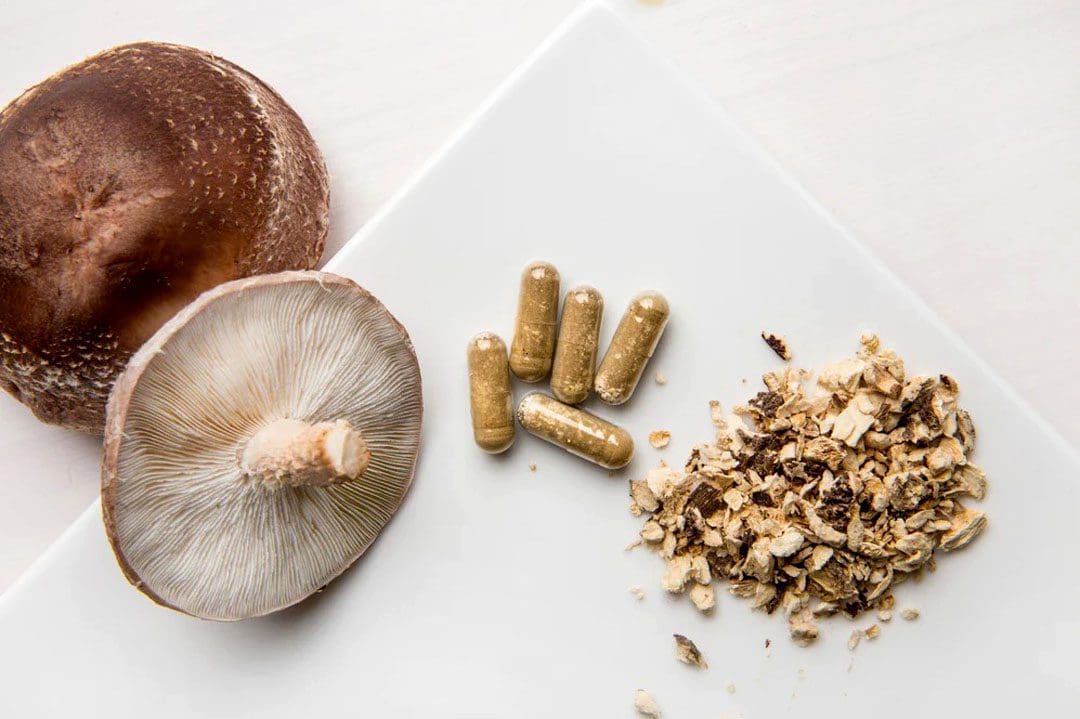
Cordyceps increases energy levels by utilizing oxygen more efficiently and enhancing circulation. This can be especially helpful for athletes or individuals who regularly work out and has been shown to improve exercise and athletic performance and speed up muscle recovery.
Shiitake
This mushroom has benefits that are particularly good for the heart, as they contain phytonutrients, which aid in:
Preventing plaque buildup
Maintaining blood pressure
Maintaining circulation
Lowering cholesterol
Chaga
Chaga mushrooms are full of antioxidants, making them excellent for fighting free radicals and inflammation. This mushroom combats oxidative stress, inflammation, and aging. And it can help prevent or slow cancer growth and has been found to help lower low-density lipoprotein – LDL cholesterol.
Mushroom Preparation
Mushrooms are almost always available in the produce section of any grocery or health food store. Make sure to wash them thoroughly first. Example: Cremini mushrooms can be:
Eaten raw or cooked, sliced or unsliced.
Simmered in water for 5 minutes until soft
Sauteed – cook the mushrooms in a pan with olive oil on medium heat for eight minutes, frequently stirring until they brown at the edges.
Sprinkled raw over meals to add more texture and flavor.
Ways to add mushrooms to a nutrition plan:
With eggs in the morning.
Mix into cooked beef, chicken, or turkey.
Cook mushrooms with garlic and butter for a side dish.
Add to a stir-fry with other vegetables.
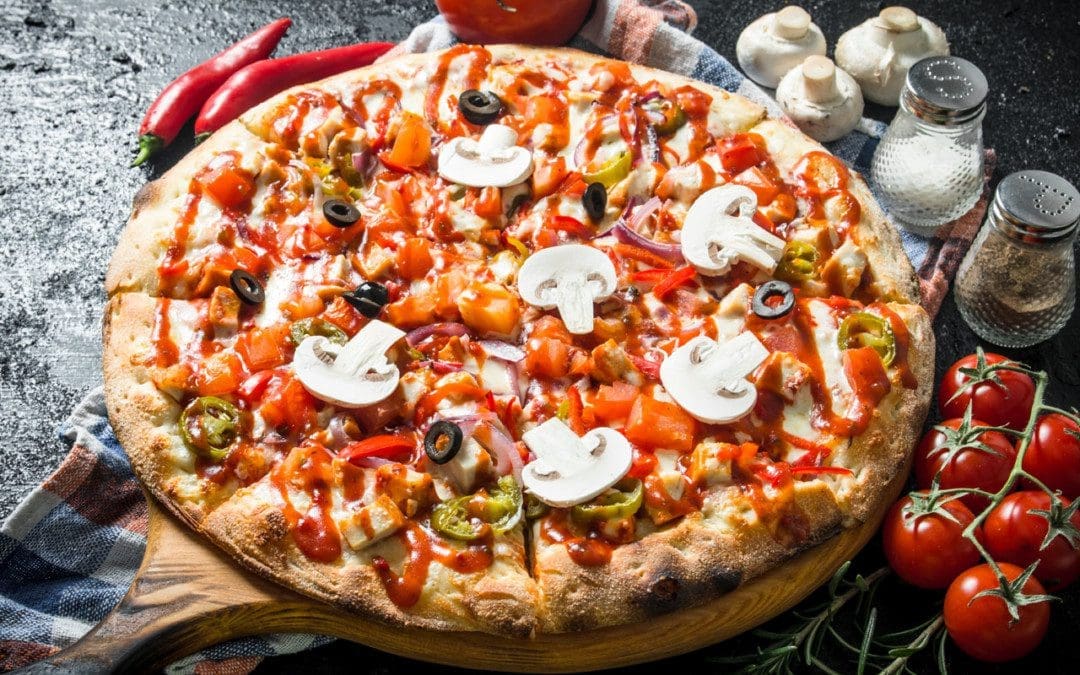
Add to homemade pizza.
As an ingredient in pasta sauce.
Add to salads.
Make cream of mushroom soup.
Always talk to a doctor, nutritionist, or dietician before to confirm whether adding mushrooms is safe, especially if pregnant or using medications, as certain mushrooms can cause side effects like an upset stomach or allergies.
Food as Medicine
References
Fukushima, M et al. “Cholesterol-lowering effects of maitake (Grifola frondosa) fiber, shiitake (Lentinus edodes) fiber, and enokitake (Flammulina velutipes) fiber in rats.” Experimental biology and medicine (Maywood, N.J.) vol. 226,8 (2001): 758-65. doi:10.1177/153537020222600808
Kabir, Y et al. “Effect of shiitake (Lentinus edodes) and maitake (Grifola frondosa) mushrooms on blood pressure and plasma lipids of spontaneously hypertensive rats.” Journal of nutritional science and vitaminology vol. 33,5 (1987): 341-6. doi:10.3177/jnsv.33.341
Kolotushkina, E V et al. “The influence of Hericium erinaceus extract on myelination process in vitro.” Fiziolohichnyi zhurnal (Kiev, Ukraine : 1994) vol. 49,1 (2003): 38-45.
Ma, Gaoxing, et al. “Health benefits of edible mushroom polysaccharides and associated gut microbiota regulation.” Critical reviews in food science and nutrition vol. 62,24 (2022): 6646-6663. doi:10.1080/10408398.2021.1903385
Rop, Otakar, et al. “Beta-glucans in higher fungi and their health effects.” Nutrition reviews vol. 67,11 (2009): 624-31. doi:10.1111/j.1753-4887.2009.00230.x
Tuli, Hardeep S et al. “Pharmacological and therapeutic potential of Cordyceps with special reference to Cordycepin.” 3 Biotech vol. 4,1 (2014): 1-12. doi:10.1007/s13205-013-0121-9
Venturella, Giuseppe, et al. “Medicinal Mushrooms: Bioactive Compounds, Use, and Clinical Trials.” International journal of molecular sciences vol. 22,2 634. 10 Jan. 2021, doi:10.3390/ijms22020634
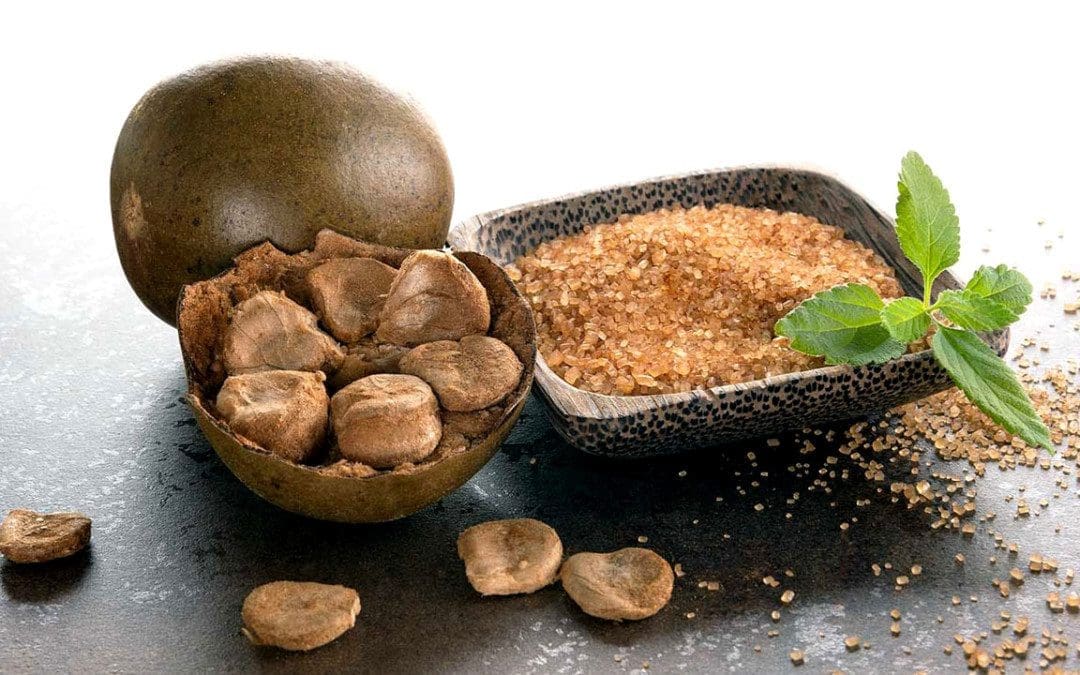
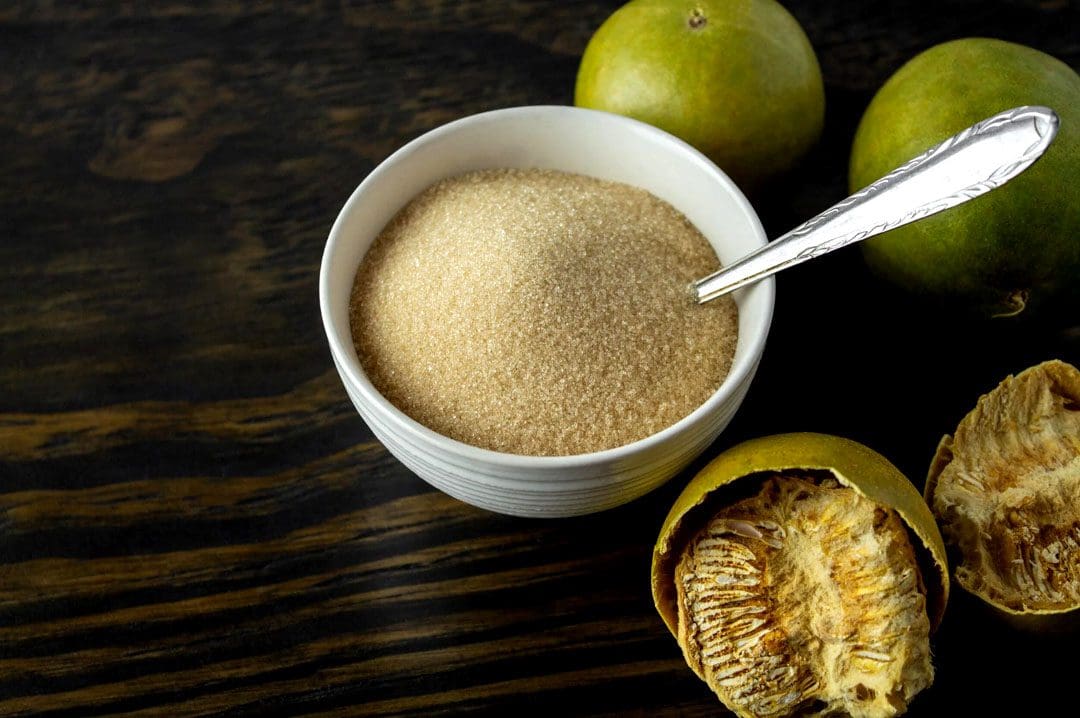
As individuals try to avoid sugar as best as possible, alternative sweeteners are becoming more popular. A new addition is monk fruit sweetener, also called monk fruit extract. Monk fruit is a small, round fruit native to southern China. Unlike some chemically based sugar alternatives, monk fruit extract is considered natural. The sweetener has been around for decades but has become more available in the United States. The zero-calorie extract can be used as a standalone sweetener in foods and drinks and as a flavor enhancer.
Monk Fruit Sugar Alternative
Manufacturers remove the seeds and skin, crush the fruit, and extract the juice, which is then dried into a concentrated powder. Unlike most fruits, the natural sugars in monk fruit are not what gives it its sweetness. Instead, the intense sweetness comes from antioxidants (commonly found in plant foods, antioxidants fight off free radicals that can cause health problems like cancer and heart disease) called mogrosides. The mogroside is the sweetest part of the fruit, with a taste over 100 times sweeter than sugar and no calories.
Safe For Consumption
Monk fruit has the generally recognized as safe -GRAS label from the U.S. Food and Drug Administration with no reported side effects. However, it is advised to read the ingredients label before buying this sweetener. Some of the cheaper products combine other sweeteners with monk fruit extract. Some contain erythritol, a sugar alcohol that can cause stomach bloating or upset stomach.
Use
It has been found to be a healthy option for lowering overall sugar intake. However, consuming monk fruit or any sweetener should be done in moderation and with a healthy nutrition plan. It comes in powder or liquid form. As a natural alternative, it can be used:
As s sugar substitute for favorite baking, cooking, soup, sauce recipes, etc.
For drinks like coffee, tea, lemonade, smoothies, etc.
Added on breakfast dishes like oatmeal or yogurt.
Whipped into frosting or a mousse.
The ultra-sweetness means that little is required as it goes a long way. It is recommended to drink regular water or tea and eat foods without the sweetener because, over time, the taste buds adjust and do not need the sweetener as much. Consult a doctor, dietician, or nutritionist to determine if this sugar alternative is right for you and the benefits.
What Is It?
References
Chen, W J et al. “The antioxidant activities of natural sweeteners, mogrosides, from fruits of Siraitia grosvenori.” International journal of food sciences and nutrition vol. 58,7 (2007): 548-56. doi:10.1080/09637480701336360
EFSA Panel on Food Additives and Flavourings (FAF) et al. “Safety of use of Monk fruit extract as a food additive in different food categories.” EFSA journal. European Food Safety Authority vol. 17,12 e05921. 11 Dec. 2019, doi:10.2903/j.efsa.2019.5921
Lobo, V et al. “Free radicals, antioxidants, and functional foods: Impact on human health.” Pharmacognosy reviews vol. 4,8 (2010): 118-26. doi:10.4103/0973-7847.70902
Pawar, Rahul S et al. “Sweeteners from plants–with emphasis on Stevia rebaudiana (Bertoni) and Siraitia grosvenorii (Swingle).” Analytical and bioanalytical chemistry vol. 405,13 (2013): 4397-407. doi:10.1007/s00216-012-6693-0
It is difficult for individuals to achieve health and fitness goals when they don’t like to eat vegetables. Intermittent fasting, Paleo, vegan, Mediterranean, or New Nordic, almost all healthy nutrition plans require vegetable consumption to achieve optimal health. However, it is never too late to learn to enjoy vegetables. Injury Medical Chiropractic and Functional Medicine Clinic can recommend ways not just to eat vegetables because they are healthy but to truly enjoy them.
Training Oneself To Enjoy Vegetables
Everyone’s taste preferences are different.
Many individuals grew up in homes where vegetables were prepared in unappetizing ways.
Over boiling and steaming are common preparation methods that many had experience with, including broccoli, cauliflower, asparagus, and Brussels sprouts, which made them flavorless, mushy and is where many decided they were not going to eat these foods.
Vegetables are full of nutrients that are very beneficial to the body.
Vegetables contain antioxidants, vitamins, minerals, fiber, and phytonutrients.
These nutrients help keep the mind and body healthy and avoid deficiencies.
Vegetables add fiber that provides a feeling of fullness by giving volume to fill the stomach without added calories.
This controls energy balance/calories in vs. calories out, which helps shed body fat without feeling hungry and maintain body weight.
Vegetables feed the intestinal bacteria that help the digestive tract.
Vegetables provide hydration that helps the fiber eliminate waste products.
Vegetables add variety to help maintain healthy nutrition.
Branching Out
The key is to branch out incrementally. Most individuals will have a vegetable or two that they can tolerate. This could be a starting point by expanding on new variations on those tolerable vegetables that will lead to broadened taste preferences. This can be done through different cooking methods that include:
Regardless of where you’re starting, there are simple ways to make the vegetable bitterness less intense, more palatable, and more enjoyable that consists of:
Vegetable Challenge
Vegetable Complement
Vegetable Cushion
Vegetable Challenge
Pick a vegetable that you would not normally eat that requires effort to try.
Motivate yourself to try it – health reasons, children, family, friends, etc.
Take a small bite; you may hate it, like it, or it has no effect.
You at least tried it.
Research suggests that individuals may need to try new foods many times (prepared differently) before tolerating or liking them.
It means pairing food with a vegetable to activate various tastes and flavors pleasing to the palate simultaneously.
Vegetable Cushion
On the tongue are a variety of receptors that bind to the chemicals in food.
When these receptors are activated, they send a chemical signal to the brain about the taste.
Variations in the number and type of receptors help develop flavor preferences.
Basic tastes – sweet, sour, spicy, salty, bitter, and umami.
Pairingbitterness with other distinct flavors, like sweet and spicy, can develop and change the brain’s perception of bland or bitter vegetables to tasty and delicious.
Cushions for bitterness include honey, real maple syrup, sour cream, Mexican crema, hot sauce, oils, almonds, and butter used in balance to enhance and bring out flavors.
The objective is to start small and work your way to becoming more comfortable with experimenting and combining more flavors. Consultation with a professional nutritionist can help individuals get on a healthy nutrition plan that they can enjoy.
Tip From A Dietitian
References
Christoph, Mary J et al. “Intuitive Eating is Associated With Higher Fruit and Vegetable Intake Among Adults.” Journal of nutrition education and behavior vol. 53,3 (2021): 240-245. doi:10.1016/j.jneb.2020.11.015
Melis M, Yousaf NY, Mattes MZ, Cabras T, Messana I, Crnjar R, Tomassini Barbarossa I, Tepper BJ. Sensory perception of salivary protein response to astringency as a function of the 6-n-propylthioural (PROP) bitter-taste phenotype. Physiol Behav. 2017 Jan 24;173:163-173.
Mennella JA. Development of food preferences: Lessons learned from longitudinal and experimental studies. Food Qual Prefer. 2006 Oct;17(7-8):635-637.
Tordoff, Michael G, and Mari A Sandell. “Vegetable bitterness is related to calcium content.” Appetite vol. 52,2 (2009): 498-504. doi:10.1016/j.appet.2009.01.002
Wallace, Taylor C et al. “Fruits, vegetables, and health: A comprehensive narrative, umbrella review of the science and recommendations for enhanced public policy to improve intake.” Critical reviews in food science and nutrition vol. 60,13 (2020): 2174-2211. doi:10.1080/10408398.2019.1632258
Wieczorek, Martyna N et al. “Bitter taste of Brassica vegetables: The role of genetic factors, receptors, isothiocyanates, glucosinolates, and flavor context.” Critical reviews in food science and nutrition vol. 58,18 (2018): 3130-3140. doi:10.1080/10408398.2017.1353478
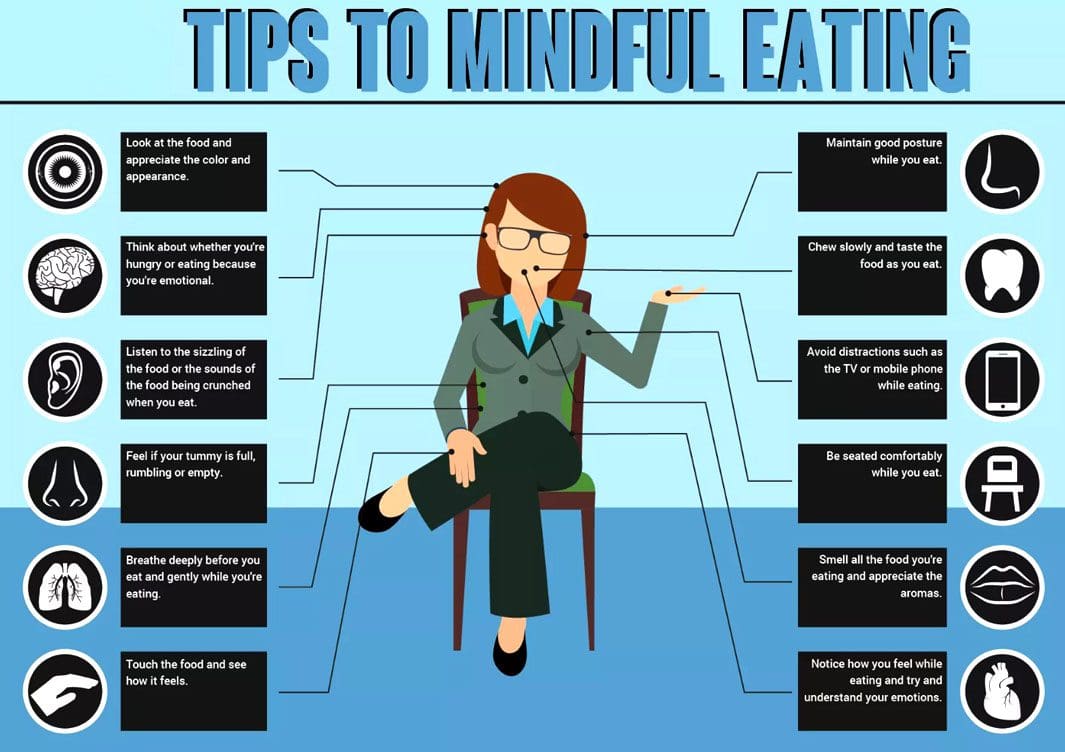
Mindful eating involves paying attention to what and how individuals eat, helping to become more aware of the body’s natural hunger and satisfaction cues. The process can help individuals become aware of the reasons behind their hunger and help to reduce cravings, control portion sizes, and develop long-term healthy eating habits.
Mindful Eating
It’s easy to rush through meals and snacks without pausing to enjoy the experience while refueling the body. Like meditation, individuals focus on what they are eating, how it smells, tastes, and the bodily sensations experienced. It is a way of checking in with the mind and body throughout a meal or snack. Mindful eating puts the individual in touch:
Hedonic hunger – emotional, stressful, conditioned, celebratory, etc.
Benefits
Individuals do not have to go all-in but can adopt some principles of slowing down and tuning into the body to improve health. Benefits include:
Better Digestion
Slowing down and chewing food properly makes it easier to digest.
Improved Nutrition
Fast foods can cause a feeling of sluggishness and bloating.
Eating nutrient-packed meals provides more energy.
Improved nutrition means improved immune system health.
The awareness reinforces making healthier choices.
Satisfaction After Meals
Rushing to finish a meal means not enjoying the flavors and texture factors that can generate a sense of fullness and satisfaction.
Training the mind and body to be truly satisfied with meals and snacks leads to less stress and less craving.
Healthier Food Relationship
The body needs food physiologically for fuel and nourishment.
Individuals also develop emotional attachments to food associated with experiences and memories.
Addressing all aspects and influences in food relationships allows individuals to become more aware of their learned behaviors, perceptions, emotions, and mindsets.
Identifies behaviors that are not beneficial so the individual can work to improve them.
Improved Cardiometabolic Health
Mindful or intuitive eating has been shown to improve:
Blood sugar levels in pregnant women.
Inflammatory markers in postmenopausal women.
Lipid and blood pressure in overweight adults.
Food Consumption Health
Put away electronics and set aside time and space for eating only.
Eat in a setting where you are relaxed.
Eating in the car, in front of a computer while working, or on the phone doesn’t give full attention to the eating process and, as a result, can cause the individual to eat more or eat foods that are not healthy.
Sit down and take a few deep breaths before starting the meal.
If emotions are running high and are geared towards eating, see if you can acknowledge and express those emotions rather than eat through them.
This will help the digestive process and get the most out of the meal.
Eat a palette of colors, sample various salty, sweet, spicy, and umami/savory flavors, and take in the food with all the senses.
Not eating a variety of flavors at a meal can cause a feeling of missing something that can lead to unhealthy cravings.
Eat with others, as sharing food can enrich everyone involved and help focus on the experience, not the amount of food consumed.
Chew thoroughly, as digestion begins in the mouth, where enzymes are secreted in saliva to break down food.
Not properly chewing and making the food smaller can cause indigestion and other digestive problems.
Listen to your body and recognize when you have had enough or want more.
Waiting five minutes before getting another serving can help the body become more attuned to hunger and fullness cues.
Eat Mindfully
References
Cherpak, Christine E. “Mindful Eating: A Review Of How The Stress-Digestion-Mindfulness Triad May Modulate And Improve Gastrointestinal And Digestive Function.” Integrative medicine (Encinitas, Calif.) vol. 18,4 (2019): 48-53.
Espel-Huynh, H M et al. “A narrative review of the construct of hedonic hunger and its measurement by the Power of Food Scale.” Obesity science & practice vol. 4,3 238-249. 28 Feb. 2018, doi:10.1002/osp4.161
Grider, Hannah S et al. “The Influence of Mindful Eating and/or Intuitive Eating Approaches on Dietary Intake: A Systematic Review.” Journal of the Academy of Nutrition and Dietetics vol. 121,4 (2021): 709-727.e1. doi:10.1016/j.jand.2020.10.019
Hendrickson, Kelsie L, and Erin B Rasmussen. “Mindful eating reduces impulsive food choice in adolescents and adults.” Health psychology: official journal of the Division of Health Psychology, American Psychological Association vol. 36,3 (2017): 226-235. doi:10.1037/hea0000440
Morillo Sarto, Hector, et al. “Efficacy of a mindful-eating program to reduce emotional eating in patients suffering from overweight or obesity in primary care settings: a cluster-randomized trial protocol.” BMJ open vol. 9,11 e031327. 21 Nov. 2019, doi:10.1136/bmjopen-2019-031327
Nelson, Joseph B. “Mindful Eating: The Art of Presence While You Eat.” Diabetes spectrum: a publication of the American Diabetes Association vol. 30,3 (2017): 171-174. doi:10.2337/ds17-0015
Warren, Janet M et al. “A structured literature review on the role of mindfulness, mindful eating and intuitive eating in changing eating behaviors: effectiveness and associated potential mechanisms.” Nutrition research reviews vol. 30,2 (2017): 272-283. doi:10.1017/S0954422417000154
Nutrition is how the body utilizes consumed food. Nutrition plays a role in chronic pain; lifestyle behaviors can influence how food contributes to illness/diseases. A common cause of chronic pain is chronic systemic inflammation. Inflammation plays a role in many chronic disease conditions, including diabetes, heart disease, and cancer. Reducing inflammation can be achieved by adjusting diet to get individuals back to feeling better quickly and to aid them in maintaining and improving their overall health. Injury Medical Chiropractic and Functional Medicine Clinic offer diet and nutritional supplements guidance as part of a personalized treatment plan.
Inflammation
The purpose of the inflammatory response includes:
Isolate the dangerous bacteria, viruses, or damaged cells.
Flush out the dead cells and other damaging substances.
Reductions of comorbidities like obesity and cardiovascular disease.
Reducing healthcare costs.
Vitamin and Mineral Supplements
Diet and nutritional supplements provide added essential nutrients to a damaged, inflamed, or injured body. Dietary supplements improve overall health and wellness.
Vitamin D and calcium tablets help maintain optimal bone health, as low vitamin D levels can lead to back pain.
Vitamins E and C, combined with copper, help with blood production, tissue repair, and brain and skin health.
Folic acidcan help with joint pain and myofascial pain.
B Vitamins can help with pain and prevent liver dysfunction.
Nutritional supplements support the body until the body and/or organs have correctly healed. Recovery from an injury could cause body stress that can interfere with the healing process. Diet and nutritional supplements expedite the healing and recovery process by:
Helping overcome dietary deficiencies.
Improving immune system function.
Detoxifying toxins.
Contain antioxidants that help the body stay toxin-free.
Chiropractic restores and realigns the body by incorporating supplements to nourish the body tissues and recover optimally from injury.
InBody Nutrition
References
Dragan, Simona, et al. “Dietary Patterns and Interventions to Alleviate Chronic Pain.” Nutrients vol. 12,9 2510. 19 Aug. 2020, doi:10.3390/nu12092510
Lee, Mi Kyung, et al. “The use of nutritional guidance within chiropractic patient management: a survey of 333 chiropractors from the ACORN practice-based research network.” Chiropractic & manual therapies vol. 26 7. 20 Feb. 2018, doi:10.1186/s12998-018-0175-1
Li, Chuan, et al. “Macrophage polarization and meta-inflammation.” Translational research: the journal of laboratory and clinical medicine vol. 191 (2018): 29-44. doi:10.1016/j.trsl.2017.10.004
Nutrition and Chronic Pain https://www.iasp-pain.org/resources/fact-sheets/nutrition-and-chronic-pain/
Pahwa R, Goyal A, Jialal I. Chronic Inflammation. [Updated 2021 Sep 28]. In: StatPearls [Internet]. Treasure Island (FL): StatPearls Publishing; 2022 Jan-. Available from: https://www.ncbi.nlm.nih.gov/books/NBK493173/
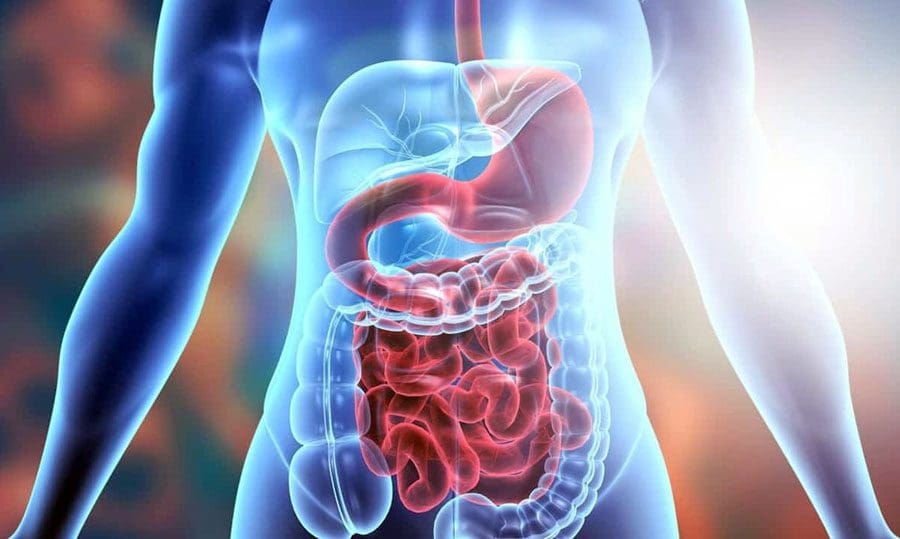
Viscerosomatic Gut Bloating: Everybody has healthy bacteria in the gut, but it can get thrown off balance with unhealthy bacteria that start taking over. Stress, viruses, and antibiotics can disrupt healthy bacteria levels. The bacterial balance known as the microbiome in the intestines is an essential factor in body wellness. The connection between intestinal and overall health is an important one as the gut is responsible for producing serotonin, a primary chemical necessary for emotional wellbeing. A viscerosomatic reflex is an organ/s causing pain to show up in the area where the injured, infected, dysfunctional organ is or, as referred pain in other areas of the body. Stress and unhealthy foods contribute to weight gain, organ stress, and chronic pain.
Viscerosomatic Gut Bloating
Bloating
Bloating is the feeling of pressure or gas in the abdomen. Distention refers to the physical expansion of the abdomen. However, these symptoms can present separately or in combination. Bloating can be a symptom on its own but often presents alongside other gastrointestinal disorders like:
After eating, flatulence, belching, bloating, and distention are a normal part of the digestive process. These issues are not considered problems until they cause pain and/or disrupt everyday life.
Stress
Stress can cause inflammation in the digestive tract, increasing pain receptors and distress-related bloating. Stress can disrupt the normal microbiome, creating intestinal dysbiosisand bacterial overgrowth. This can lead to digestive problems and symptoms that include bloating. This can be partly from excess gas production causing the sensation of bloating and physical distention combined with stress, creating an increased perception of bloating.
Foods Can Cause Inflammation
Animal products can cause inflammation because meat, poultry, and fish contain endotoxins/lipopolysaccharides found in the outer membrane of bacterial cells. These compounds are classified as toxins as they can cause health problems. No matter how these foods are cooked or prepared, the endotoxins are still present, absorbed into the body, and can trigger immune responses like inflammation. Eggs can cause inflammation because they contain high levels of cholesterol and arachidonic acid, which is an acid that is part of the inflammatory response. Excess cholesterol in the blood can trigger inflammation as well.
Dairy products can also trigger the inflammatory response in individuals that don’t produce the lactase enzyme, which breaks down the lactose in dairy products, are intolerant of casein and whey, two proteins in cow milk, or from the hormones and antibiotics given to cows to stimulate milk production and prevent infection. Dairy consumption has been linked to an increased risk of cancer and inflammatory conditions that include:
Acne
Asthma
Type 1 diabetes
Arthritis
Multiple sclerosis
Other Causes of Bloating
Other health conditions can present with visceral gut bloating and distention. This includes disorders and other underlying causes that include:
Musculoskeletal disorders can increase bloating and abdominal distention and can be triggered by stress. Two include:
Abdominal Muscle Dysfunction
These are abnormal contractions of the diaphragm and belly muscles that can occur after eating that can cause the nervous system to create a sense of bloating.
This viscerosomatic reflex leads to unhealthy postures and enlargement of the abdominal muscles that can worsen bloating sensations.
Exercises can be recommended to retrain the muscles to contract, usually after eating, which can help reduce bloating.
Pelvic Floor Dysfunction
Stressful situations naturally cause muscles to tighten, leading to increased contractions in the pelvic floor muscles.
These muscles control the bladder, bowel, and sexual function.
The opposite can happen when the pelvic floor muscles become too relaxed. This can make it difficult to have regular bowel movements.
Increased tone and/or over-relaxed muscles can lead to various symptoms, including bloating.
Chiropractic and Health Coaching
The nervous system controls the digestive process. Properly aligning the spine releases the stress and strain on the bones, muscles, and nerves to work correctly. Chiropractic body adjustments, diet/lifestyle adjustments, supplemental recommendations, and exercises can reduce the underlying causes of viscerosomatic gut bloating. Digestive problems such as:
Chronic heartburn
Gas
Constipation
Diarrhea
Bloating
Irritable bowel syndrome
Chiropractic offers a medication-free approach to treating digestive issues.
Descompresion Espinal DRX9000
References
Dragan, Simona, et al. “Dietary Patterns and Interventions to Alleviate Chronic Pain.” Nutrients vol. 12,9 2510. 19 Aug. 2020, doi:10.3390/nu12092510
Fifi, Amanda C, and Kathleen F Holton. “Food in Chronic Pain: Friend or Foe?.” Nutrients vol. 12,8 2473. 17 Aug. 2020, doi:10.3390/nu12082473
Lacy, Brian E et al. “Management of Chronic Abdominal Distension and Bloating.” Clinical gastroenterology and hepatology: the official clinical practice journal of the American Gastroenterological Association vol. 19,2 (2021): 219-231.e1. doi:10.1016/j.cgh.2020.03.056
Mari, Amir et al. “Bloating and Abdominal Distension: Clinical Approach and Management.” Advances in therapy vol. 36,5 (2019): 1075-1084. doi:10.1007/s12325-019-00924-7
Rice, Amanda D et al. “Decreasing recurrent bowel obstructions, improving quality of life with physiotherapy: Controlled study.” World journal of gastroenterology vol. 24,19 (2018): 2108-2119. doi:10.3748/wjg.v24.i19.2108
IFM's Find A Practitioner tool is the largest referral network in Functional Medicine, created to help patients locate Functional Medicine practitioners anywhere in the world. IFM Certified Practitioners are listed first in the search results, given their extensive education in Functional Medicine