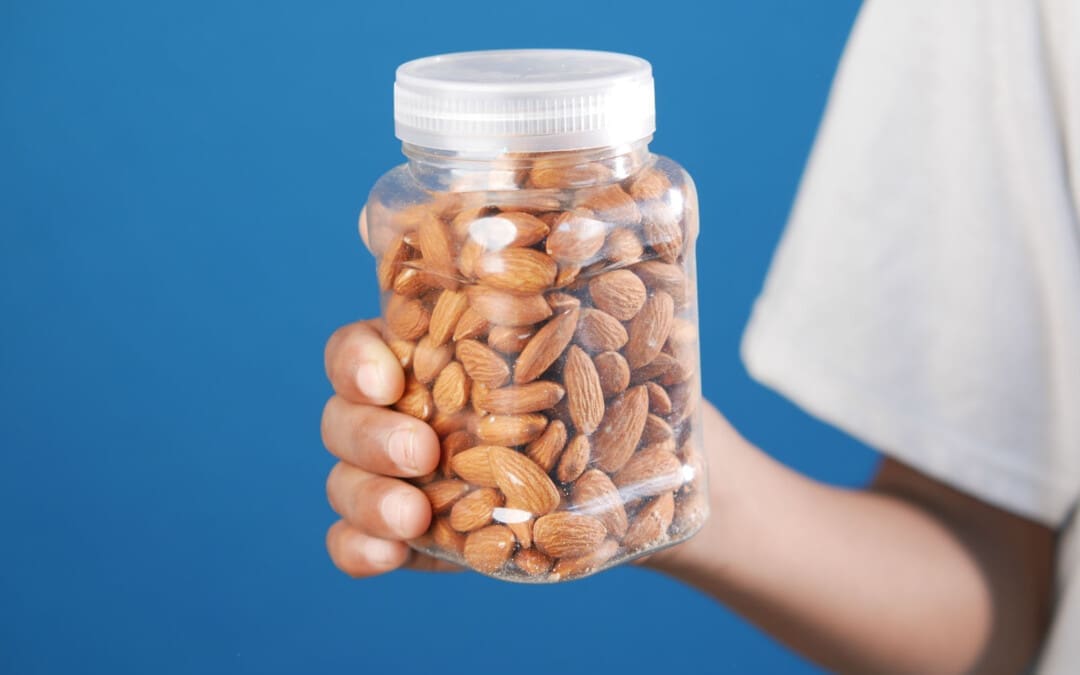
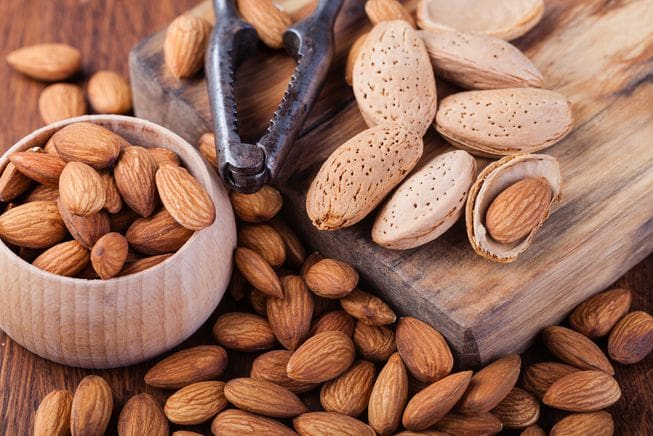
Fans of almonds may have noticed that they can go stale and taste awful. Can knowing how to store almonds help extend their shelf life?
Almonds
Almonds are a healthy, satisfying snack rich in nutrients, including fiber and protein. However, they can go stale and should not be eaten. Whole almonds stay fresh the longest because chopped, roasted, or ground almonds release their oils, which are exposed to more oxygen and go rancid more quickly.
Storage
They should be stored in an airtight container in the refrigerator or freezer for extended life. They are not recommended to be stored at room temperature for long periods, so storing them in the pantry is not recommended. However, enough for a snack can be taken from storage for a day or two while keeping the rest safe and fresh.
Natural almonds can be stored in the refrigerator or freezer for two years or more.
Roasted almonds can stay fresh for up to a year in an airtight container in the refrigerator or freezer.
Almond paste is recommended to be refrigerated and can stay fresh for 2 to 2 1/2 years.
Rancidity
Almonds are rich in omega-3 and monounsaturated fats, so they are recommended for heart health. (Cleveland Clinic, 2023) However, the fats become rancid if the almonds are exposed to oxygen, especially at room temperature. Rancid oil gives the stale almonds a bad taste. Spoiled almonds are not poisonous, but the fats no longer benefit health. It is possible that rancid fat could contribute to chronic health problems if consumed regularly. (Estévez M. et al., 2017) Almonds last longer than other nuts because they contain some phytochemical antioxidants that protect the nuts. So, if they taste bad, it’s time to throw them out. (University of California Agriculture and Natural Resources, 2010)
Salmonella
Salmonella is a bacteria that causes symptoms of food-borne illness, including upset stomach, vomiting, diarrhea, and fever. Almonds are generally safe from salmonella. However, raw almonds were responsible for two salmonella outbreaks in the United States and Canada. Salmonella outbreaks have also been reported in Australia. In response to those cases, the nuts now must be roasted, blanched, processed, steamed, or treated with a gas called propylene oxide. And none of these treatments remove the nutritional benefits.
Injury Medical Chiropractic and Functional Medicine Clinic
Injury Medical Chiropractic and Functional Medicine Clinic providers use an integrated approach to create customized care plans for each patient and restore health and function to the body through nutrition and wellness, chiropractic adjustments, functional medicine, acupuncture, Electroacupuncture, and sports medicine protocols. If the individual needs other treatment, they will be referred to a clinic or physician best suited for them. Dr. Jimenez has teamed up with top surgeons, clinical specialists, medical researchers, nutritionists, and health coaches to provide the most effective clinical treatments.
Functional Nutrition
References
Almond Board of California. (2024). Shelf Stability and Shelf Life. https://www.almonds.com/tools-and-resources/food-safety-and-quality/shelf-stability-and-shelf-life
Estévez, M., Li, Z., Soladoye, O. P., & Van-Hecke, T. (2017). Health Risks of Food Oxidation. Advances in food and nutrition research, 82, 45–81. https://doi.org/10.1016/bs.afnr.2016.12.005
University of California Agriculture and Natural Resources. (2010). Nuts: Safe Methods for Consumers to Handle, Store, and Enjoy. https://ucfoodsafety.ucdavis.edu/sites/g/files/dgvnsk7366/files/inline-files/44384_0.pdf
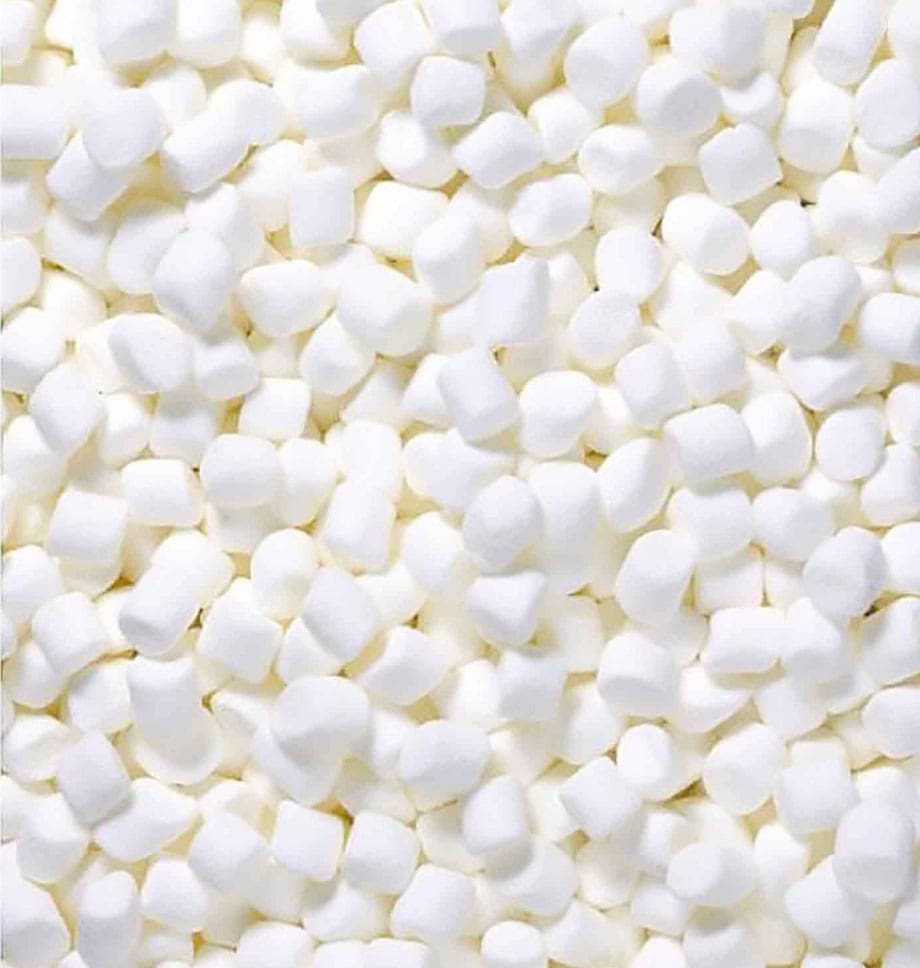
Marshmallows and calories can add up when eating more than a single serving. Can marshmallows be consumed in moderation and still be healthy?
Marshmallows
Many enjoy marshmallows with hot chocolate, sweet potatoes, and s’mores. However, their nutritional value is not the healthiest, as the ingredients typically include water, sugar, corn syrup, gelatin, and sometimes other ingredients for flavor and color. The key ingredient is whipped air, giving marshmallows their signature texture.
Nutrition
A serving weighs about 28 grams, around four large marshmallows or a half-cup of mini marshmallows. If consumed in their original form, they contain about 80 calories. (United States Department of Agriculture, 2018)
Carbohydrates
Marshmallows are made of different types of sugar (sucrose and corn syrup), and most of their calories come from carbohydrates. One marshmallow contains a little under 6 grams of carbohydrates, and a single serving provides about 23 grams of carbohydrates, primarily sugar. The glycemic index is estimated to be 62, making it a high-glycemic food. The estimated glycemic load of one marshmallow is 15, which is low. However, the glycemic load takes serving size into account. Because the serving size is small, the glycemic load is lower than expected.
Fats
Very little fat, less than 1 gram, is in a single serving.
Protein
Marshmallows are not a recommended source of protein.
There is less than 1 gram of protein in a single serving.
Micronutrients
There is no significant vitamin or mineral intake by consuming marshmallows.
A single serving does contain a small amount of phosphorus, around 2.2 milligrams, and potassium, around 1.4 milligrams.
It also increases sodium intake by 22.4 mg, providing little selenium 0.5 micrograms.
Health Benefits
Marshmallows are processed and provide little to no health benefits, but there are ways to include them in a balanced, healthy diet. They are a low-calorie, nearly fat-free food, so for those watching their weight, eating a marshmallow is a quick and easy way to satisfy a sweet tooth. Also, adding marshmallows to certain foods might help increase the intake of healthy vegetables, such as adding marshmallows to sweet potatoes, which are almost always gluten-free. For gluten-intolerant individuals, marshmallows are probably safe to consume. Some brands have also developed vegan marshmallows that use tapioca starch or agar instead of gelatin.
Storage
Marshmallows have a long shelf life. A bag can last up to six or eight months if not opened. They can last four months or less if the bag is open. Some can be purchased in an airtight tin and stored that way. However, they are most often in a plastic bag. Therefore, they should be placed in an airtight plastic container or sealed tightly after opening. Marshmallows do not need refrigeration, but many cooks freeze them to make them last longer. An unopened bag can be frozen, forming cubes that may stick together. To prevent sticking, dust with powdered sugar and place in an airtight container. When they are thawed, they regain their fluffy texture.
Allergies
Allergies are rare. However, those allergic to gelatin may want to avoid marshmallows since gelatin is a primary ingredient in almost all prepared and homemade versions.(Caglayan-Sozmen S. et al., 2019)
Injury Medical Chiropractic and Functional Medicine Clinic
Injury Medical Chiropractic and Functional Medicine Clinic providers use an integrated approach to create customized plans for each patient and restore health and function to the body through nutrition and wellness, chiropractic adjustments, functional medicine, acupuncture, Electroacupuncture, and sports medicine protocols. If other treatment is needed, patients will be referred to a clinic or physician best suited for them. Dr. Jimenez has teamed up with top surgeons, clinical specialists, medical researchers, nutritionists, and health coaches to provide the most effective clinical treatments.
Balancing Body and Metabolism
References
United States Department of Agriculture. FoodData Central. (2018). Candies, marshmallows. Retrieved from https://fdc.nal.usda.gov/fdc-app.html#/food-details/167995/nutrients
Caglayan-Sozmen, S., Santoro, A., Cipriani, F., Mastrorilli, C., Ricci, G., & Caffarelli, C. (2019). Hazardous Medications in Children with Egg, Red Meat, Gelatin, Fish, and Cow’s Milk Allergy. Medicina (Kaunas, Lithuania), 55(8), 501. https://doi.org/10.3390/medicina55080501
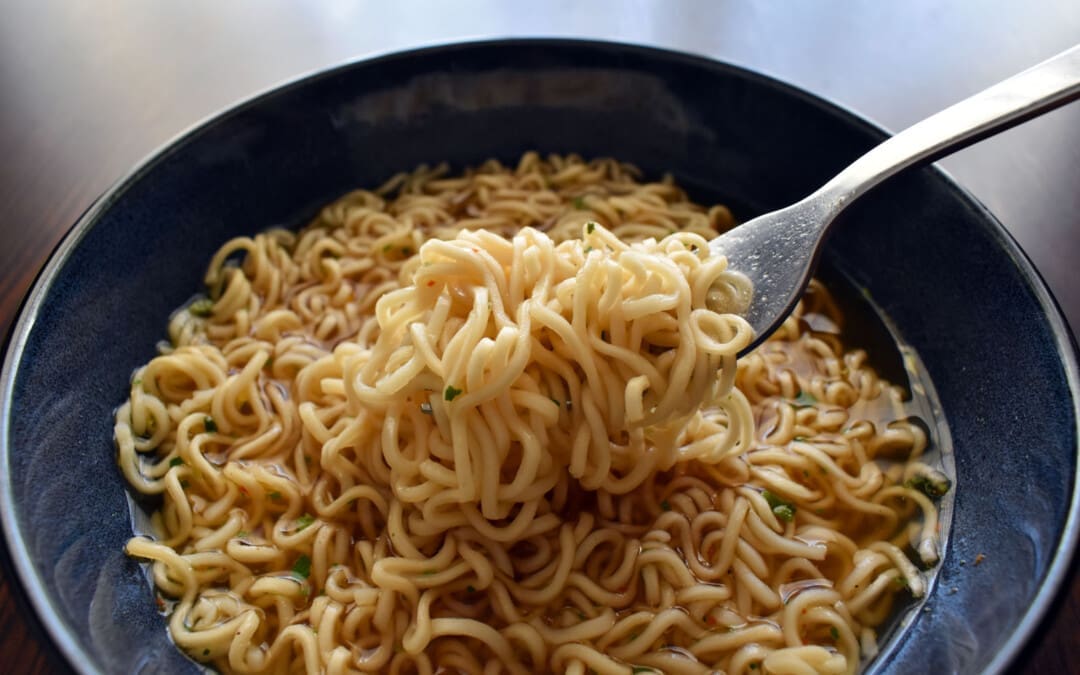
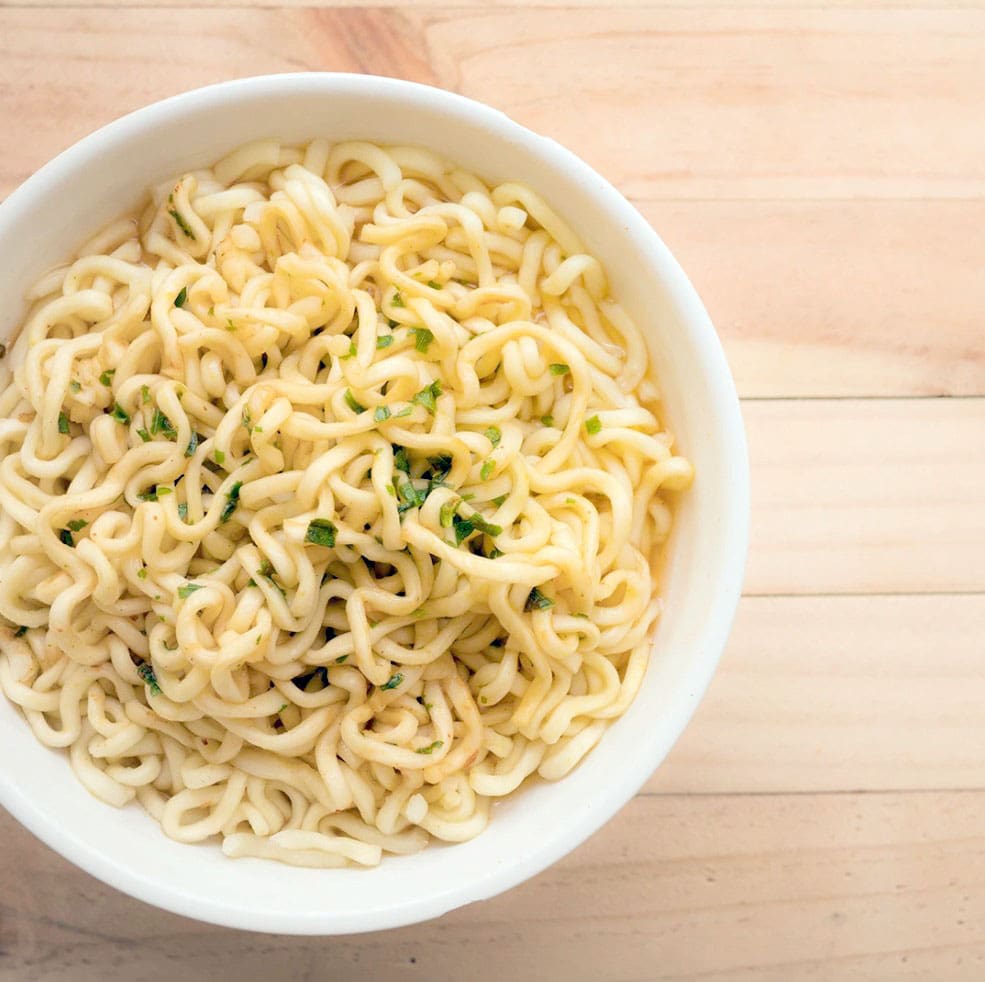
Are there ways to make ramen noodles healthier for those who enjoy them?
Ramen Noodles
Instant ramen noodles are dehydrated noodles flavored with powders. They are inexpensive and easy to prepare by adding hot water. However, these packaged noodles are high in fat and sodium. One package of ramen noodles has around 1,330 milligrams of sodium. (U.S. Department of Agriculture, 2019) However, a ramen meal can be made healthier by adding a source of protein and a serving of vegetables.
Nutrition
Ramen noodles have about 190 calories, 27 grams of carbohydrates, and 7 grams of total fat, including 3 grams of saturated fat. Unfortunately, they do not have any health benefits other than containing iron, which is necessary for moving oxygen throughout the body and preventing fatigue and anemia or iron deficiency. (Miller J. L. 2013) Because these noodles are low in fiber and nutrients, which are important factors in losing weight, they do not help with weight loss. The high sodium content can lead to bloating and water retention, which is not helpful when losing weight.
Healthy Ramen Makeover
Individuals can improve their nutritional value by adding ingredients low in calories and high in nutrients. This way, individuals can still have an inexpensive meal that isn’t entirely bad while increasing the volume. Adding chicken and vegetables adds vitamins and protein without much fat. Although each serving is still around 200 calories, it contains only 4.5 grams and less than 2 grams of saturated fat. This also increases the fiber from 1 gram to about 2.5 grams, adding vitamin A, lutein, and B vitamins. (U.S. Department of Agriculture, 2019) Adding vegetables and lean meats adds volume to the meal and helps increase the feeling of being full. (Mayo Clinic, 2024)
Recipe
A recipe for noodles with healthy fats, vitamins, minerals, and fiber.
Package of ramen noodles or cup of noodles.
One cup of cooked chicken breast.
One cup of frozen mixed vegetables like peas, carrots, and onions or a combination.
Prepare the noodles by cooking one package in three cups of boiling water until the noodles are soft.
Add the flavor packet.
Add cooked chicken breast meat and frozen vegetables.
Stir until vegetables are heated thoroughly.
Complete the meal with a small salad dressed with olive oil, vinegar, or light salad dressing.
Try out other Recipes
Try other proteins, vegetables, and flavorings. Shrimp or cooked fish can add healthy omega-3 essential fatty acids (Swanson, D. et al., 2012), or vegetarian protein like tofu or legumes for added protein. Enhance the flavor with sesame oil, mushrooms, bean sprouts, etc. Reduce the amount of powder from the flavoring pack to reduce sodium even more. To compensate for the loss of flavor, try supplementing with garlic, pepper, or favorite herbs. For those who prefer the cups of noodles, remember each cup is two servings. Prepare a cup of hot water and place the noodles on top of cooked vegetables and meat.
Injury Medical Chiropractic and Functional Medicine Clinic
Injury Medical Chiropractic and Functional Medicine Clinic providers use an integrated approach to create personalized care plans for each patient and restore health and function to the body through nutrition and wellness, functional medicine, acupuncture, Electroacupuncture, and sports medicine protocols. If the individual needs other treatment, they will be referred to a clinic or physician best suited for them. Dr. Jimenez has teamed up with top surgeons, clinical specialists, medical researchers, nutritionists, and health coaches to provide the most effective clinical treatments.
Atherosclerosis: The Joint Pain Connections
References
U.S. Department of Agriculture. FoodData Central. (2019). Nissin, Top Ramen, Ramen Noodle Soup, Chicken. Retrieved from https://fdc.nal.usda.gov/fdc-app.html#/food-details/410139/nutrients
Miller J. L. (2013). Iron deficiency anemia: a common and curable disease. Cold Spring Harbor perspectives in medicine, 3(7), a011866. https://doi.org/10.1101/cshperspect.a011866
Mayo Clinic. (2024). Weight loss: Feel full on fewer calories. https://www.mayoclinic.org/healthy-lifestyle/weight-loss/in-depth/weight-loss/art-20044318
Swanson, D., Block, R., & Mousa, S. A. (2012). Omega-3 fatty acids EPA and DHA: health benefits throughout life. Advances in nutrition (Bethesda, Md.), 3(1), 1–7. https://doi.org/10.3945/an.111.000893
Individuals who are vegan, vegetarian, or allergic to fish may want to avoid fish sauce and foods made with it. What are fish-free sauce substitutes?
Fish Sauce Substitutes
Fish sauce is a liquid ingredient that adds a salty fish flavor to recipes. It is made by coating fish, like anchovies, in salt and letting them ferment in large barrels. The result is bottled fish sauce. Commonly associated with Asian cooking, fish sauce adds flavor to recipes like noodles, stir-fries, and more. The sauce is described as having an earthy, umami flavor. Because the sauce has a unique flavor that is difficult to replicate, removing it altogether is an option for those who do not consume fish products or do not have this ingredient readily available. There are fish sauce substitutes that are vegan—and vegetarian-friendly.
Options
Fish and fish products can be part of a balanced diet and a nutritious source of omega fatty acids. However, fish sauce can be substituted for those who follow a meat-free meal plan, have seafood allergies, or do not have fish sauce available. Omitting some or all animal products from one’s diet is not as easy as avoiding fish. Individuals must also check ingredient labels for animal-based ingredients and byproducts. According to the Asthma and Allergy Foundation of America, fish and shellfish are among the most common food allergies in the U.S. (Asthma and Allergy Foundation of America, 2022)
Fish sauce is usually added in small amounts so that it is not a significant source of calories, protein, fat, or carbohydrates. However, it does contain 1,410 milligrams of sodium. Guidelines recommend 2,300 milligrams of sodium per day for adults, and the recommended serving size of sauce contains around 61%. (U.S. Department of Agriculture and U.S. Department of Health and Human Services, 2020)
Substitutes
Fish sauce substitutes typically replace the salty, savory flavors and help deepen the taste of recipes by adding salty and umami flavors. The vegan and vegetarian-friendly alternatives do not provide the fish flavor.
Soy Sauce
Soy sauce is a liquid condiment made with fermented ingredients. It replicates the salty flavor, and although it can be high in sodium, it yields a similar nutritional profile. Soy sauce can be substituted at a 1:1 ratio. Adding minced fish, such as anchovies or sardines, is optional to satisfy the fish flavor.
Tamari
Tamari is a gluten-free Japanese-style soy sauce that can naturally substitute fish sauce and be used in equal amounts.
Worcestershire Sauce
Worcestershire sauce can substitute the fish sauce flavor and saltiness. It is a condiment that deepens the flavor of dishes like steaks, stews, sauces, marinades, etc. Though it is not a traditional ingredient in Asian cooking, it can be used in recipes like noodles, dumplings, marinated meat, and salads. It is lower in sodium, so it may be preferred for a low-sodium meal plan. It can be used at a 1:1 ratio.
Hoisin Sauce
Hoisin sauce is made from fermented soybeans. It has the fermented aspect of fish sauce and the salty flavors of soy sauce, with a slightly sweet flavor. Compared to American-style barbecue sauce, it is thick and usually used as a glaze or dipping sauce. To substitute, mix hoisin sauce with soy sauce at a 1:1 ratio to offset the sweetness of hoisin sauce. Use the mixture to replace the fish sauce in equal amounts.
Oyster Sauce
Oyster sauce is a fish product with the closest flavor profile to fish sauce. It has a thicker consistency, offers a salty fish flavor, and can be used at a 1:1 ratio.
Integrative and Functional Medicine Clinic
Injury Medical Chiropractic and Functional Medicine Clinic works with primary healthcare providers and specialists to develop personalized treatment plans through an integrated approach to restore health and function to the body through nutrition and wellness, functional medicine, acupuncture, Electroacupuncture, and integrated medicine protocols. If the individual needs other treatment, they will be referred to a clinic or physician best suited for them. Dr. Jimenez has teamed up with top surgeons, clinical specialists, medical researchers, nutritionists, trainers, and health coaches to provide the most effective clinical treatments.
Body Signals Decoded
References
Asthma and Allergy Foundation of America. (2022). Food allergies. Allergies. https://aafa.org/allergies/types-of-allergies/food-allergies/
U.S. Department of Agriculture, FoodData Central. (2018). Sauce, fish, ready-to-serve. Retrieved from https://fdc.nal.usda.gov/fdc-app.html#/food-details/174531/nutrients
U.S. Department of Agriculture and U.S. Department of Health and Human Services. (2020). Dietary Guidelines for Americans, 2020-2025. Retrieved from https://www.dietaryguidelines.gov/sites/default/files/2021-03/Dietary_Guidelines_for_Americans-2020-2025.pdf
Replenishing electrolytes and maintaining hydration is essential for individuals who work out, fitness enthusiasts, and those who play recreational or serious sports and want to improve overall health. Can making a homemade sugar-free electrolyte drink help individuals achieve health goals faster?
Homemade Electrolyte Drink
Sports drinks can help replenish the body’s lost electrolytes. Individuals who follow a low-carb diet and exercise or who are on a low-carb diet and get sick need double the added electrolytes. There is evidence that electrolytes are very effective in regulating the body’s fluid balance, especially during and after exercise or illness, and for those on a strict low-carb diet. (Maughan R. J. 1991)
Why More Electrolytes Are Needed
On a low-carb diet, insulin levels drop, so the kidneys retain less sodium. As the body excretes water, important minerals, such as the electrolytes calcium, sodium, magnesium, chloride, and potassium, are also excreted from the body’s system. Therefore, it is important to replenish them to avoid negative symptoms like lightheadedness and dehydration—especially when exercising or ill. (Bostock E. C. S. et al., 2020)
Two tablespoons of lemon juice contain almost the same amount of potassium in an 8-ounce sports drink.
A pinch of salt supplies 110 milligrams of sodium, the same amount in 8 ounces of a sports drink.
Individuals can make a low-carb homemade electrolyte sports drink. Many sports drinks contain a lot of sugar and other additives. The science behind why many of these drinks contain sugar is that a quick hit of sugar provides glucose for replenishing energy stores. Most individuals benefit from having small amounts of carbohydrates during heavy exercise. However, those who want to avoid sugar might want a sugar-free option to replace fluids and electrolytes.
Basic Recipe
Homemade Electrolyte Drink Mix:
1 cup or 8 ounces of non-carbonated water
Two tablespoons of lemon juice
A small pinch of salt—a teaspoon contains 2,300 milligrams of sodium, but the body needs 1/20th of a teaspoon.
Flavoring and sweetener for taste are optional. Try unsweetened Kool-Aid, Crystal Light Drink Mix, or sugar-free flavored syrups.
If avoiding artificial sweeteners, Stevia could be an option.
Sports Drink Ingredients
What goes into most sports drinks and adapting to a low-carb diet?
Water
Water is a primary ingredient, as the goal is to hydrate the body.
Sugar
Sports drinks can contain a lot of sugar, but only about half the sugar of most commercial beverages. For example,
A 20-ounce bottle of Gatorade has about 34 grams of sugar.
A 20-ounce soda has about 69 grams of sugar.
Sports drinks have less sugar to prevent gastrointestinal cramping during exercise and strenuous physical activity. Although Gatorade contains less sugar than soda, depending on individual health goals, it may not be the best option. Studies of nutritional needs during exercise for those restricting carbohydrates are not extensive. However, it is known that when individuals cut carbs, their bodies switch from primarily using carbohydrates to using fat for energy. This change, known as keto-adaptation, can take two to three weeks. Native populations, like the Inuit, traditionally ate a very low-carbohydrate diet and could maintain vigorous endurance for a long time without ill effects. (Phinney S. D. 2004) This suggests that bodies adapt to using fat for energy during physical activity and exercise over time. However, cutting carbohydrates too much and too soon can lead to symptoms like the keto flu. (Harvard Medical School, 2018). Individuals may need to replace carbohydrates during training for longer, more vigorous workouts, such as running longer than an hour. In addition, what is eaten before and after exercise can also affect physical performance. Working with a registered dietitian, nutritionist, or health coach could be helpful to achieve specific fitness goals.
Electrolytes
Electrolytes are molecules of certain minerals that contain an electrical charge. The nervous system runs on those charges generated by manipulating molecules called ions. (Faber D. S. and Pereda A. E. 2018) Every body function that depends on the nervous system, which includes muscle movement, breathing, digestion, thinking, etc., requires electrolyte activity. Those who exercise strenuously for long periods, individuals who follow a low-carb diet, or those with illness may need extra salt and potassium. Sports drinks contain small amounts of sodium and potassium. A balanced diet will supply plenty of minerals for electrolyte needs for individuals engaged in moderate exercise.
Using an integrated approach to treat and prevent injuries and chronic pain syndromes, improve flexibility, mobility, and agility, and help individuals return to normal activities, Injury Medical Chiropractic and Functional Medicine Clinic works with primary healthcare providers and specialists to develop a personalized treatment, nutrition, and fitness programs. Each case is different and requires reviewing individual medical history and physical examination to determine the proper and most effective plan. Dr. Jimenez has teamed up with top trainers, clinical specialists, medical researchers, and rehabilitation providers to provide the most effective treatments and training.
Is Intermittent Fasting the Ultimate Weight Loss Hack?
References
Maughan R. J. (1991). Fluid and electrolyte loss and replacement in exercise. Journal of sports sciences, 9 Spec No, 117–142. https://doi.org/10.1080/02640419108729870
Bostock, E. C. S., Kirkby, K. C., Taylor, B. V., & Hawrelak, J. A. (2020). Consumer Reports of “Keto Flu” Associated With the Ketogenic Diet. Frontiers in nutrition, 7, 20. https://doi.org/10.3389/fnut.2020.00020
Phinney S. D. (2004). Ketogenic diets and physical performance. Nutrition & metabolism, 1(1), 2. https://doi.org/10.1186/1743-7075-1-2
Harvard Medical School, Harvard Health Publishing, Marcelo Campos, M., Contributor. (2018). What is keto flu? Harvard Health Blog. https://www.health.harvard.edu/blog/what-is-keto-flu-2018101815052
Faber, D. S., & Pereda, A. E. (2018). Two Forms of Electrical Transmission Between Neurons. Frontiers in molecular neuroscience, 11, 427. https://doi.org/10.3389/fnmol.2018.00427
For individuals trying to lose weight or improve their diet, can incorporating more fish help improve overall health?
Fish Nutrition
The American Heart Association recommends eating at least two servings of fish each week (American Heart Association, 2021). The type of fish chosen makes a difference, as fish nutrition and calories vary. Some can have a higher calorie count but contain healthy fat.
Nutrition
Comparing fish calories and nutrition data can be tricky. How it is prepared can significantly change its nutritional makeup, and the exact nutrition also varies depending on the variety. As an example, a half portion of a Wild Alaskan Salmon Fillet contains: (U.S. Department of Agriculture. FoodData Central. 2019)
Serving Size 1/2 fillet – 154 grams
Calories – 280
Calories from Fat – 113
Total Fat – 12.5 grams
Saturated Fat – 1.9 grams
Polyunsaturated Fat – 5 grams
Monounsaturated Fat – 4.2 grams
Cholesterol – 109 milligrams
Sodium – 86 milligrams
Potassium – 967.12 milligrams
Carbohydrates – 0 grams
Dietary Fiber – 0 grams
Sugars – 0 grams
Protein – 39.2 grams
The following guide includes other types of fish based on USDA nutrition data (U.S. Department of Agriculture. FoodData Central). Fish calories and nutrition are listed for a 100-gram or 3.5-ounce serving.
Halibut
Raw with skin
116 calories
3 grams fat
0 grams carbohydrate
20 grams protein
Tuna
Yellowfin, fresh, raw
109 calories
Less than one gram of fat
0 grams carbohydrate
24 grams protein
Cod
Atlantic, raw
82 calories,
0.7 grams fat
0 grams carbohydrate
18 grams protein
Mahimahi
Raw
85 calories
0.7 grams fat
0 grams carbohydrate
18.5 grams protein
Ocean Perch
Atlantic, raw
79 calories
1.4 grams fat
0 grams carbohydrate
15 grams protein
Research suggests that fatty fish is the best for weight loss and improved health. Certain types of fish contain an essential fatty acid called omega-3. This polyunsaturated fat provides the body with various health benefits, like reducing the risk of heart disease. Studies show that individuals who eat seafood at least once per week are less likely to die from heart disease. (National Institutes of Health. National Center for Complementary and Integrative Health, 2024) Researchers also believe that omega-3 fatty acids may help reduce symptoms of rheumatoid arthritis and could even improve brain and eye health. Essential omega-3 fatty acids can be taken as a supplement. However, research has not shown that supplements can provide the same benefits as eating omega-3 foods. (Rizos E. C. et al., 2012)
The way that the fish is prepared can change the calorie count. Baked, grilled, and broiled fish are usually the lowest in calories.
Storage and Safety
Fish experts suggest that individuals buy the freshest available. What questions should you ask when visiting the local market?
When was it caught?
The fresher, the better. Fish may remain edible for five days after being caught but may not taste as fresh.
How was it stored?
How the fish is stored and delivered to the market will impact its taste. Fish should be chilled immediately after catching and kept cold throughout delivery and transport.
How does it look and smell?
If the fish has a bad odor, it is likely not fresh. Fresh fish should smell like seawater. If buying fillets, look for a moist texture with clean-cut edges. If the fish is whole, look for clear eyes and a firm texture.
Where is it from?
Buying local fish from sustainable fisheries is recommended but not always possible, depending on where individuals live. There is a Smart Seafood Buying Guide that advises on buying American fish and provides a list of fish with lower mercury levels for health and safety. (Natural Resources Defense Council, 2024)
What is the best way to prepare this fish?
Sometimes, the fishmonger is the best source for simple and healthy recipes and preparation methods. Use fresh fish within two days, or store in the freezer. When ready to use frozen fish, thaw in the refrigerator and never at room temperature. For individuals who don’t like fish taste, there are a few things to help improve the taste. First, try less fishy types. For example, many report that around 100 calories per serving of red snapper tastes less fishy than heavier fish like salmon. Second, try adding fresh herbs and citrus to manage the taste.
Injury Medical Chiropractic and Functional Medicine Clinic works with primary healthcare providers and specialists to develop a personalized treatment plan through an integrated approach to treating injuries and chronic pain syndromes, improving flexibility, mobility, and agility programs to relieve pain and help individuals return to optimal function. Our providers use an integrated approach to create personalized care plans for each patient and restore health and function to the body through nutrition and wellness, functional medicine, acupuncture, Electroacupuncture, and sports medicine protocols. If the individual needs other treatment, they will be referred to a clinic or physician best suited for them. Dr. Jimenez has teamed up with top surgeons, clinical specialists, medical researchers, nutritionists, and health coaches to provide the most effective clinical treatments.
Nutrition Fundamentals
References
American Heart Association. (2021). Fish and Omega-3 Fatty Acids. https://www.heart.org/en/healthy-living/healthy-eating/eat-smart/fats/fish-and-omega-3-fatty-acids
U.S. Department of Agriculture. FoodData Central. (2019). Fish, salmon, king (chinook), raw (Alaska Native). Retrieved from https://fdc.nal.usda.gov/fdc-app.html#/food-details/168047/nutrients
National Institutes of Health. National Center for Complementary and Integrative Health. (2024). 7 things to know about omega-3 fatty acids. Retrieved from https://www.nccih.nih.gov/health/tips/things-to-know-about-omega-fatty-acids
Rizos, E. C., Ntzani, E. E., Bika, E., Kostapanos, M. S., & Elisaf, M. S. (2012). Association between omega-3 fatty acid supplementation and risk of major cardiovascular disease events: a systematic review and meta-analysis. JAMA, 308(10), 1024–1033. https://doi.org/10.1001/2012.jama.11374
Natural Resources Defense Council. (2024). The smart seafood buying guide: five ways to ensure the fish you eat is healthy for you and for the environment. https://www.nrdc.org/stories/smart-seafood-buying-guide
Can fruit help with a sweet craving for individuals trying to limit sugar?
Fruits Low In Sugar
Fruits and their natural sugars: Whether following a low-carbohydrate diet or having diabetes and watching your A1C, many have heard that fruit is either bad or okay because of its natural sugars. Sugars in fruit are natural. How they affect blood sugar depends on various factors, like which foods they’re paired with and if diabetes is a factor. Counting carbs or noting the glycemic index or glycemic load of foods being eaten, understanding low-sugar fruits can help make choices that best fit your dietary needs. Certain fruits are considered lower in sugar because they contain fewer carbohydrates and sugar, allowing you to consume a larger portion.
One serving of fruit has about 15 grams of carbohydrates.
A serving is one small apple, half a medium-sized banana, or a cup of berries.
Fruits like berries can be eaten in more significant portions for the same amount of carbohydrates but less sugar.
Fruits
Low-sugar fruits include:
Lemons and Limes
Rhubarb
Apricots
Cranberries
Guava
Raspberries
Blackberries
Kiwi
Figs
Tangerines
Grapefruit
Natural Sugar
How much fruit an individual eats may differ if they follow a specific low-carb meal plan or are counting or modifying their carbohydrate intake because of diabetes. Adults should consume two cups of fruit or juice or a half-cup of dried fruit daily. (U.S. Department of Health and Human Services and U.S. Department of Agriculture, 2015) Most fruits have a low glycemic index/GI because of the amount of fiber they contain and because the sugar is mostly fructose. However, dried fruits like raisins, dates, sweetened cranberries, melons, and pineapples have a medium glycemic index. Sweetened dried fruits have an even higher glycemic index.
Fruits from Lowest to Highest Content
Fruits are a healthy way to satisfy a sweet craving. The fruits listed are ranked from lowest to highest sugar content, providing a quick way to assess sugar content. The fruits lowest in sugar have some of the highest nutritional values, plus antioxidants and other phytonutrients.
Limes and Lemons
Limes contain:
1.1 grams of sugar
7 grams of carbs
1.9 grams of fiber per fruit
Lemons contain:
1.5 grams of sugar
5.4 grams of carbs
1.6 grams of fiber per fruit
Rhubarb
Rhubarb contains:
1.3 grams of sugar
5.5 grams of carbs
2.2 grams of fiber per cup
Apricots
Apricots contain:
3.2 grams of sugar
3.8 grams of carbs
0.7 grams of fiber per small apricot
Apricots are available fresh in spring and early summer. They can be eaten whole, skin and all. However, watch portions of dried apricots as they shrink when dried.
Cranberries
Cranberries contain:
3.8 grams of sugar
12 grams of carbs
3.6 grams of fiber per cup when fresh.
While they’re low in sugar, be aware that they are usually sweetened when dried or used in a recipe.
Guavas
Guava contains:
4.9 grams of sugar
7.9 grams of carbs
3 grams of fiber per fruit
They can be sliced or dipped in salty sauce, including the rind.
Berries
These fruits generally have the lowest sugar content and are among the highest in fiber, antioxidants, and other nutrients. Berries, lemon, and lime can be added to flavor water.
Raspberries
Raspberries contain:
5.4 grams of sugar
14.7 grams of carbs
8 grams of fiber per cup
Eat a handful, or use them as a topping or ingredient. Fresh in summer or frozen year-round.
Blackberries
Blackberries contain:
7 grams of sugar
13.8 grams of carbs
7.6 grams of fiber per cup
Strawberries contain:
7.4 grams of sugar
11.7 grams of carbs
3 grams of fiber per cup
Berries are excellent choices for a snack, a fruit salad, or an ingredient in a smoothie, sauce, or dessert.
Blueberries
Blueberries contain:
15 grams of sugar
21 grams of carbs
3.6 grams of fiber per cup
While blueberries are higher in sugar than other berries, they’re packed with powerful antioxidants.
Kiwis
Kiwis contain:
6.2 grams of sugar
10.1 grams of carbs
2.1 grams of fiber per kiwi
Kiwis have a mild flavor, and the seeds and skin can be eaten.
Figs
Figs contain:
6.5 grams of sugar
7.7 grams of carbs
1.2 grams of fiber per small fig
These figures are for fresh figs, and it may be harder to estimate for dried figs of different varieties, which can have 5 to 12 grams of sugar per fig.
Tangerines
Tangerines contain:
8 grams of sugar
10.1 grams of carbs
1.3 grams of fiber per medium fruit
These low-sugar citrus fruits have less sugar than oranges and are great for salads. They are also portable, making them healthy additions to packed lunches and snacks.
Grapefruit
Grapefruit contains:
8.5 grams of sugar
13 grams of carbs
2 grams of fiber per half fresh grapefruit
Individuals can enjoy fresh grapefruit in a fruit salad or by itself, adjusting the amount of sugar or sweetener.
Low-Carb Diets
Individuals following a low-carb eating plan should remember that while some popular diet plans factor in the glycemic index or glycemic load of foods, others only factor in the number of carbohydrates.
20 Grams of Carbohydrates or Less
Individuals will likely not consume fruit or rarely substitute it for other food items with less than 20 grams of carbohydrates daily.
Nutrients are obtained from vegetables.
Some diets don’t even allow low-sugar fruits in the first phase.
20-50 Grams of Carbohydrates
These eating plans allow 20 to 50 grams of carbs daily, allowing room for one daily fruit serving.
50-100 Grams of Carbohydrates
If the eating plan allows 50 to 100 grams of carbs per day, individuals may be able to follow the FDA guidelines for two fruit servings a day, as long as other resources of carbohydrates are limited.
Other popular plans, like the Paleo diet and Whole30, don’t place a limit on fruit.
Although not necessarily a low-carb diet, Weight Watchers also allows fruit.
In general, individuals following a low-carb diet are recommended to try to eat fruits low in sugar.
Diabetes
Fruit choices when managing diabetes will depend on the type of diet being followed. For example, when counting carbohydrates, individuals should know that 1/2 cup of frozen or canned fruit has about 15 grams of carbohydrates.
Enjoy 3/4 to 1 cup of fresh berries, melon, or 17 grapes for the same carbs.
If using the plate method, add a small piece of whole fruit or 1/2 cup of fruit salad to the plate.
When using the glycemic index to guide food choices, remember that most fruits have a low GI and are encouraged.
Melons, pineapples, and dried fruits have medium GI index values, so watch portion size.
Individuals with diabetes may want to consult their primary doctor or a registered dietitian to help design an eating plan that incorporates fruit appropriately.
Body In Balance: Chiropractic, Fitness, and Nutrition
References
U.S. Department of Health and Human Services and U.S. Department of Agriculture. 2015–2020 Dietary Guidelines for Americans. 8th Edition. December 2015. Available at http://health.gov/dietaryguidelines/2015/guidelines/
IFM's Find A Practitioner tool is the largest referral network in Functional Medicine, created to help patients locate Functional Medicine practitioners anywhere in the world. IFM Certified Practitioners are listed first in the search results, given their extensive education in Functional Medicine