Individuals who are vegan, vegetarian, or allergic to fish may want to avoid fish sauce and foods made with it. What are fish-free sauce substitutes?
Fish Sauce Substitutes
Fish sauce is a liquid ingredient that adds a salty fish flavor to recipes. It is made by coating fish, like anchovies, in salt and letting them ferment in large barrels. The result is bottled fish sauce. Commonly associated with Asian cooking, fish sauce adds flavor to recipes like noodles, stir-fries, and more. The sauce is described as having an earthy, umami flavor. Because the sauce has a unique flavor that is difficult to replicate, removing it altogether is an option for those who do not consume fish products or do not have this ingredient readily available. There are fish sauce substitutes that are vegan—and vegetarian-friendly.
Options
Fish and fish products can be part of a balanced diet and a nutritious source of omega fatty acids. However, fish sauce can be substituted for those who follow a meat-free meal plan, have seafood allergies, or do not have fish sauce available. Omitting some or all animal products from one’s diet is not as easy as avoiding fish. Individuals must also check ingredient labels for animal-based ingredients and byproducts. According to the Asthma and Allergy Foundation of America, fish and shellfish are among the most common food allergies in the U.S. (Asthma and Allergy Foundation of America, 2022)
Fish sauce is usually added in small amounts so that it is not a significant source of calories, protein, fat, or carbohydrates. However, it does contain 1,410 milligrams of sodium. Guidelines recommend 2,300 milligrams of sodium per day for adults, and the recommended serving size of sauce contains around 61%. (U.S. Department of Agriculture and U.S. Department of Health and Human Services, 2020)
Substitutes
Fish sauce substitutes typically replace the salty, savory flavors and help deepen the taste of recipes by adding salty and umami flavors. The vegan and vegetarian-friendly alternatives do not provide the fish flavor.
Soy Sauce
Soy sauce is a liquid condiment made with fermented ingredients. It replicates the salty flavor, and although it can be high in sodium, it yields a similar nutritional profile. Soy sauce can be substituted at a 1:1 ratio. Adding minced fish, such as anchovies or sardines, is optional to satisfy the fish flavor.
Tamari
Tamari is a gluten-free Japanese-style soy sauce that can naturally substitute fish sauce and be used in equal amounts.
Worcestershire Sauce
Worcestershire sauce can substitute the fish sauce flavor and saltiness. It is a condiment that deepens the flavor of dishes like steaks, stews, sauces, marinades, etc. Though it is not a traditional ingredient in Asian cooking, it can be used in recipes like noodles, dumplings, marinated meat, and salads. It is lower in sodium, so it may be preferred for a low-sodium meal plan. It can be used at a 1:1 ratio.
Hoisin Sauce
Hoisin sauce is made from fermented soybeans. It has the fermented aspect of fish sauce and the salty flavors of soy sauce, with a slightly sweet flavor. Compared to American-style barbecue sauce, it is thick and usually used as a glaze or dipping sauce. To substitute, mix hoisin sauce with soy sauce at a 1:1 ratio to offset the sweetness of hoisin sauce. Use the mixture to replace the fish sauce in equal amounts.
Oyster Sauce
Oyster sauce is a fish product with the closest flavor profile to fish sauce. It has a thicker consistency, offers a salty fish flavor, and can be used at a 1:1 ratio.
Integrative and Functional Medicine Clinic
Injury Medical Chiropractic and Functional Medicine Clinic works with primary healthcare providers and specialists to develop personalized treatment plans through an integrated approach to restore health and function to the body through nutrition and wellness, functional medicine, acupuncture, Electroacupuncture, and integrated medicine protocols. If the individual needs other treatment, they will be referred to a clinic or physician best suited for them. Dr. Jimenez has teamed up with top surgeons, clinical specialists, medical researchers, nutritionists, trainers, and health coaches to provide the most effective clinical treatments.
Body Signals Decoded
References
Asthma and Allergy Foundation of America. (2022). Food allergies. Allergies. https://aafa.org/allergies/types-of-allergies/food-allergies/
U.S. Department of Agriculture, FoodData Central. (2018). Sauce, fish, ready-to-serve. Retrieved from https://fdc.nal.usda.gov/fdc-app.html#/food-details/174531/nutrients
U.S. Department of Agriculture and U.S. Department of Health and Human Services. (2020). Dietary Guidelines for Americans, 2020-2025. Retrieved from https://www.dietaryguidelines.gov/sites/default/files/2021-03/Dietary_Guidelines_for_Americans-2020-2025.pdf
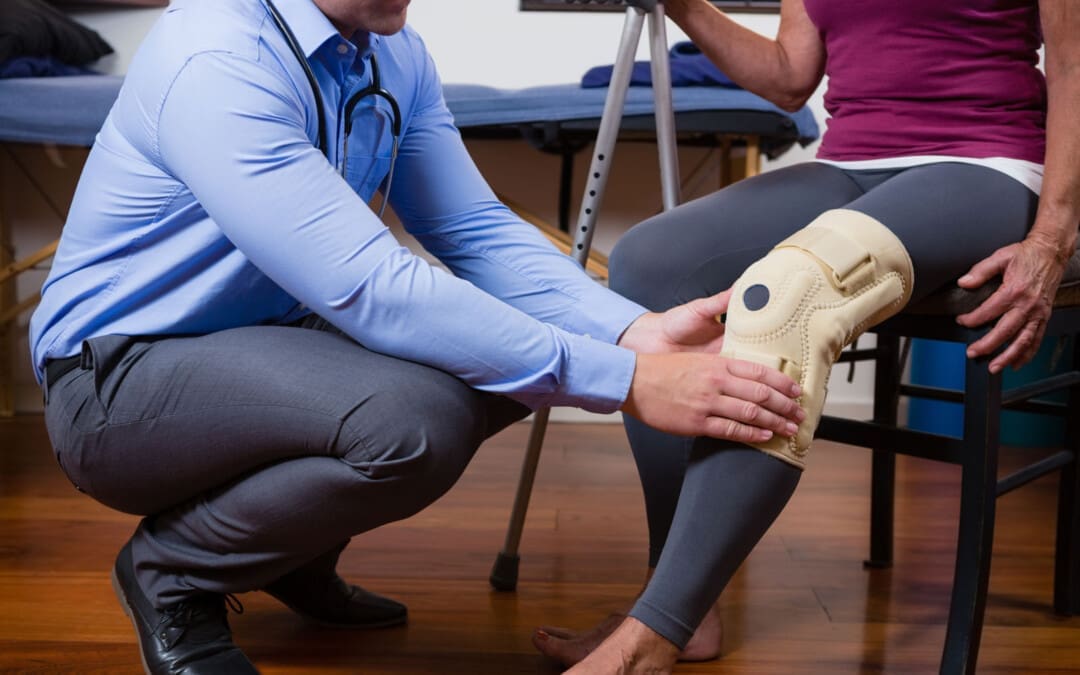
Individuals who have sustained trauma to the knee area from work, physical activity, or a motor vehicle collision can experience significant pain and mobility impairment. Can physical therapy help heal and strengthen the PLC?
Posterolateral Corner Knee Injury
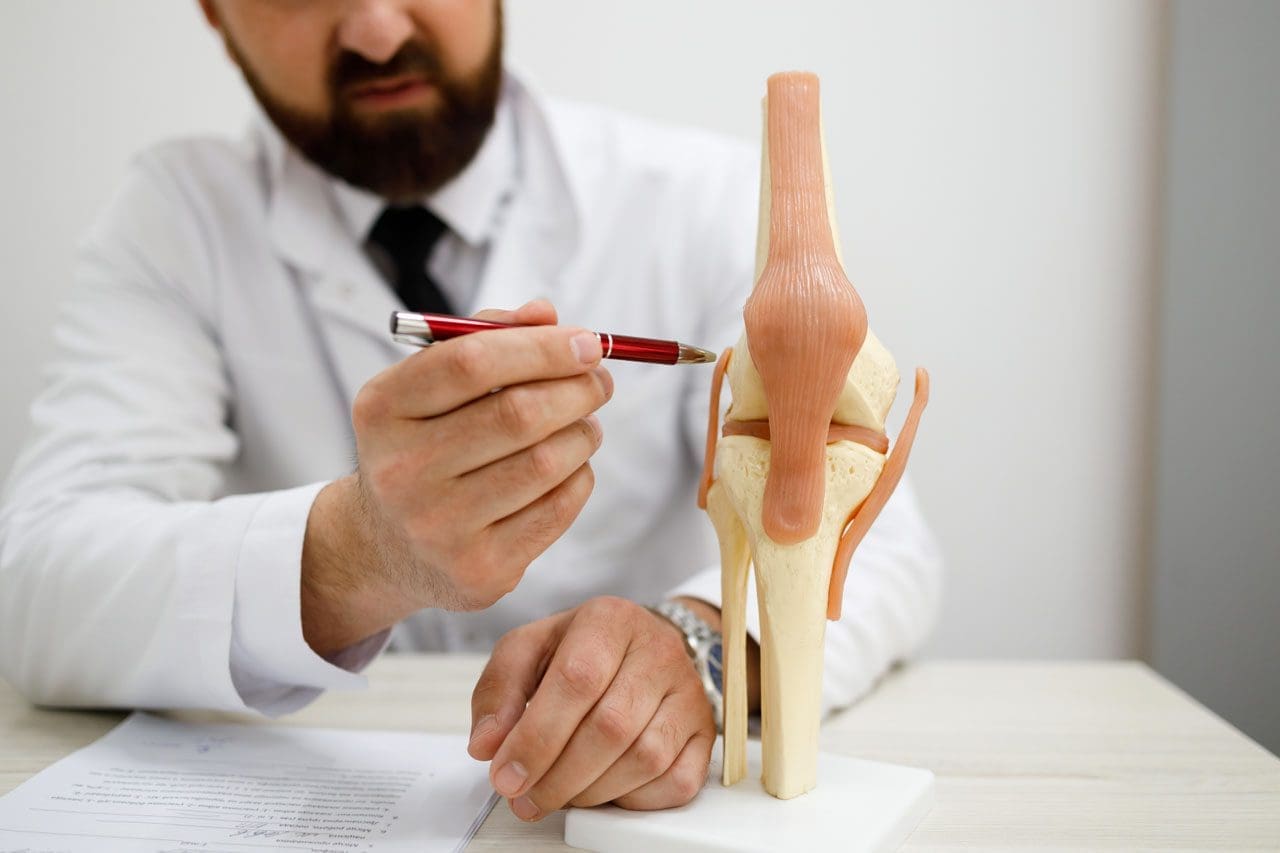
The posterolateral corner, or PLC, comprises muscles, tendons, and ligaments in the back of the knee that help support and stabilize the outside region. The primary role of the PLC is to prevent the knee from excessive amounts of rotation or bowing/turning outward. (Chahla J. et al., 2016) Posterolateral corner injuries can cause significant pain and can dramatically impact an individual’s ability to walk, work, or maintain independence. Treatment options will depend on the severity of the injury.
The Posterolateral Corner
The posterolateral corner comprises multiple structures that support and stabilize the outside of the knee. The structures are subdivided into primary and secondary stabilizers. The primary group includes:
The primary role is to prevent the knee from excessively turning outward, so the grouping provides secondary assistance in preventing the lower leg bone/tibia from shifting forward or backward on the thighbone/femur. Occasionally, one or several posterolateral corner structures can be sprained, strained, or torn.
How Injury Occurs
An injury occurs when a direct blow to the inner portion of the front of the knee causes the leg to bow outward. A posterolateral corner injury may also be sustained without contact, for example, if the knee hyperextends or buckles away from the other leg into a varus/bow leg position. Because the knee usually moves during a PLC, concurrent sprains or tears to the anterior cruciate ligament/ACL or posterior cruciate ligament/PCL are also common. (Chahla J. et al., 2016) Other situations that can also cause PLC injuries include automobile crashes and falls from elevated surfaces. (Shon O. J. et al., 2017) When this type of trauma causes a posterolateral corner injury, bone fractures are also common.
Symptoms
Depending on the severity of the injury, multiple symptoms may be present, including:
For individuals who suspect that they have sustained a PLC injury or have any of the symptoms listed, it is critical to be seen by an orthopedic specialist or emergency room physician. A healthcare provider will properly evaluate the leg and develop the appropriate treatment.
Diagnosis
Diagnosis begins with a comprehensive examination. In addition to looking for the symptoms noted, a healthcare provider will move the legs in different directions to assess for any instability. The dial test may be performed, which involves having the patient lie on their stomach while the healthcare professional assesses the side-to-side rotation in the leg to check for excessive motion. (Shon O. J. et al., 2017) Imaging is frequently ordered to determine which anatomical structures are affected more accurately. X-rays can help rule out concurrent fractures and check for excessive laxity in the knee area. MRIs are also useful for visualizing the various tendons and ligaments, helping the healthcare provider look closely at any sprains or tears that may have occurred. However, MRIs may be less accurate in diagnosing PLC injuries after 12 weeks, so they should be obtained as soon as possible. Based on this evaluation, the injury may be classified using the following system (Shon O. J. et al., 2017)
Grade 1
0 to 5 degrees of rotational or varus/bowing instability.
Incompletely torn posterolateral corner.
Grade 2
6 to 10 degrees of rotational or varus/bowing instability.
Incompletely torn posterolateral corner.
Grade 3
Eleven or more degrees of rotational or varus/bowing instability.
Completely torn posterolateral corner.
Treatment
The care received after a posterolateral corner injury can vary depending on the structures involved and the overall severity.
Nonsurgical
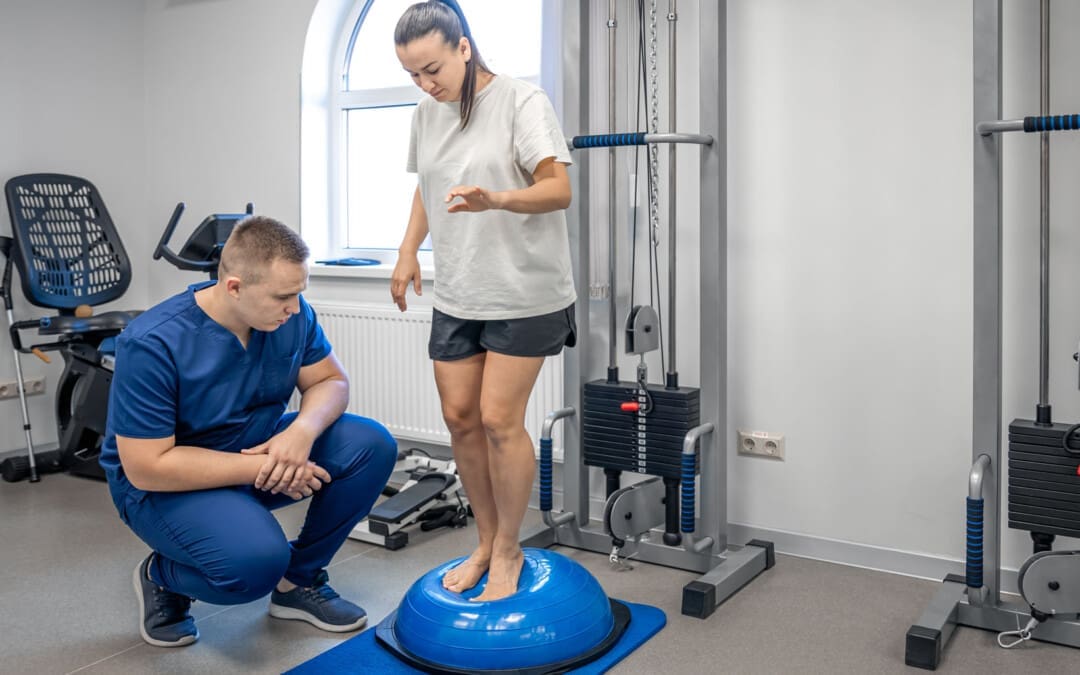
Nonsurgical treatment is typically reserved for isolated grade 1 or 2 PLC injuries. (Shon O. J. et al., 2017) Depending on which structures are affected, a stabilizing brace may be worn, and crutches are often needed to decrease the strain on the knee. Physical therapy is also commonly prescribed and focuses on the following goals:
Gradually reintroducing specific movements like running and jumping.
Surgery
Non-surgical treatment tends not to work with grade 3 injuries. If surgery is not performed, individuals may also suffer from chronic knee instability or develop long-term osteoarthritis. (Chahla J. et al., 2019) Surgical treatment is often recommended for grade 3 injuries. The damaged primary stabilizers are surgically reconstructed using a graft from another body region. Surgical repairs may also be performed on any secondary stabilizers to improve stability. (Chahla J. et al., 2019) Any other ligament injuries, such as ACL, PCL, or concurrent fractures, will also be addressed. Following the procedure, individuals immobilize their knee with a brace and do not place weight on the affected leg to protect the surgical area. Depending on the surgeon’s recommendations, this can last six weeks or more. Physical therapy is also initiated after a surgical procedure. Though rehabilitation progresses slowly, the goals are often the same as when treating milder PLC injuries. Returning to work, sports, and/or physical activity after surgery may take six months of therapy or more. (Shon O. J. et al., 2017)
Injury Medical Chiropractic and Functional Medicine Clinic works with primary healthcare providers and specialists to develop a personalized treatment program through an integrated approach to treat injuries and chronic pain syndromes, improve flexibility, mobility, and agility, relieve pain, and help individuals return to normal activities. If other treatments are needed, Dr. Jimenez has teamed up with top surgeons, clinical specialists, medical researchers, and rehabilitation providers to provide the most effective treatments.
Knee Injury Rehabilitation
References
Chahla, J., Moatshe, G., Dean, C. S., & LaPrade, R. F. (2016). Posterolateral Corner of the Knee: Current Concepts. The archives of bone and joint surgery, 4(2), 97–103.
Shon, O. J., Park, J. W., & Kim, B. J. (2017). Current Concepts of Posterolateral Corner Injuries of the Knee. Knee surgery & related research, 29(4), 256–268. https://doi.org/10.5792/ksrr.16.029
Chahla, J., Murray, I. R., Robinson, J., Lagae, K., Margheritini, F., Fritsch, B., Leyes, M., Barenius, B., Pujol, N., Engebretsen, L., Lind, M., Cohen, M., Maestu, R., Getgood, A., Ferrer, G., Villascusa, S., Uchida, S., Levy, B. A., Von Bormann, R., Brown, C., … Gelber, P. E. (2019). Posterolateral corner of the knee: an expert consensus statement on diagnosis, classification, treatment, and rehabilitation. Knee surgery, sports traumatology, arthroscopy : official journal of the ESSKA, 27(8), 2520–2529. https://doi.org/10.1007/s00167-018-5260-4
The levator scapulae muscles could be overstretched for individuals experiencing upper back, shoulder, and neck pain. Can physical therapies help relieve pain and retrain the muscles to function properly?
Levator Scapulae Muscles
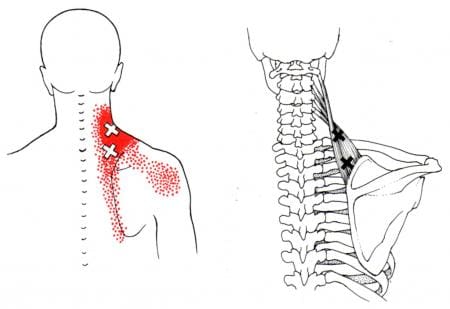
The levator scapulae muscles stretch along the spine across the upper back and neck. They originate from the cervical vertebrae C1 to C4 and attach to the inside top edge of the scapula. (Chotai P. N. et al., 2015) They elevate the shoulder blades, tilt the head, and work with other muscles to stabilize the spine and influence neck motion and upper back posture. The shoulder blade/scapula is the flat, triangular-shaped bone that sits on top of the upper part of the rib cage. Where the levator scapulae attaches, the muscles raise the shoulder blade, a movement called elevation, and indirectly rotates the scapula’s bottom tip downward towards the spine. These shoulder blade movements are part of the shoulder joint’s larger flexion and abduction movements.
Flexion occurs when moving the arm forward and up, and abduction occurs when moving the arm out to the side.
The levator scapulae muscles contract during flexion and/or abduction,
The muscles also contract when moving the neck in side bending, lateral flexion, rotation, or twisting.
Symptoms
Neck and shoulder pain are common problems for office workers, truck drivers, and others who sit most of the day for their jobs. It can worsen when there is no spinal support for maintaining correct alignment. Poorly designed work chairs may contribute to chronic muscle tension and spasms, plus they may contribute to muscle weakness. One of the primary functions of the levator scapulae muscles is to keep the shoulder blade in a position that supports a vertical alignment of the head and to prevent forward head posture. (Yoo W. G. 2018)
However, the shoulder blade is an extremely movable bone. Maintaining stability and correct neck posture is not easy. The levator scapulae muscles may not be strong enough to keep the shoulder blade where it’s supposed to be for healthy posture, and instead, they become overstretched. When muscles are overstretched, they often become taut to try to maintain some form of stability. It can feel like muscle tension because the muscles shorten, but there is a difference. The situation can worsen if one slouches, has no lumbar support, and/or the desk or steering wheel is too high or too low, which may force the shoulder blade upward or downward.
Pain Relief
The levator scapulae muscles are two of several shoulder muscles that may contribute when neck pain presents. This is why a qualified, licensed health professional should diagnose any pain or dysfunction in the area. Physical therapy can help get the body back on track. (Yoo W. G. 2018) Treatment may consist of restoring muscle strength and flexibility in the shoulder, neck, and upper back muscles and developing better posture habits. Physical therapy exercises, particularly those that address upper back posture, can help reduce the stress placed on the levator scapulae muscles and can help decrease kyphosis, often a precursor to forward head posture. Stretching, strengthening, and posture lessons will help relieve pain and increase the physical functioning of the upper body. Other tips for avoiding and relieving muscle pain include:
Stretching regularly by gently rotating the neck and shoulders.
Applying heat to promote relaxation.
Regular massage therapy.
Adjusting chairs and/or monitor height to align with a straight line of sight.
Not carrying heavy bags, especially on one shoulder.
Avoiding side sleeping without proper head support.
Injury Medical Chiropractic Clinic
Visiting a chiropractic and physical therapy team can help treat injuries and chronic pain syndromes, relieve pain, resolve musculoskeletal issues, and prevent future symptoms. Injury Medical Chiropractic and Functional Medicine Clinic works with primary healthcare providers and specialists to develop a personalized care program for each patient through an integrated approach to help return to normal and optimal function. If other treatments are needed, Dr. Jimenez has teamed up with top surgeons, clinical specialists, medical researchers, and rehabilitation providers to provide the most effective treatments.
The Natural Way to Heal: Non-Surgical Chiropractic Care for Pain Relief
References
Chotai, P. N., Loukas, M., & Tubbs, R. S. (2015). Unusual origin of the levator scapulae muscle from mastoid process. Surgical and radiologic anatomy : SRA, 37(10), 1277–1281. https://doi.org/10.1007/s00276-015-1508-6
Yoo W. G. (2018). Effects of thoracic posture correction exercises on scapular position. Journal of physical therapy science, 30(3), 411–412. https://doi.org/10.1589/jpts.30.411
Can neurological physical therapy help individuals diagnosed with a recently acquired or chronic neurological condition gain strength and functioning?
Neurological Physical Therapy
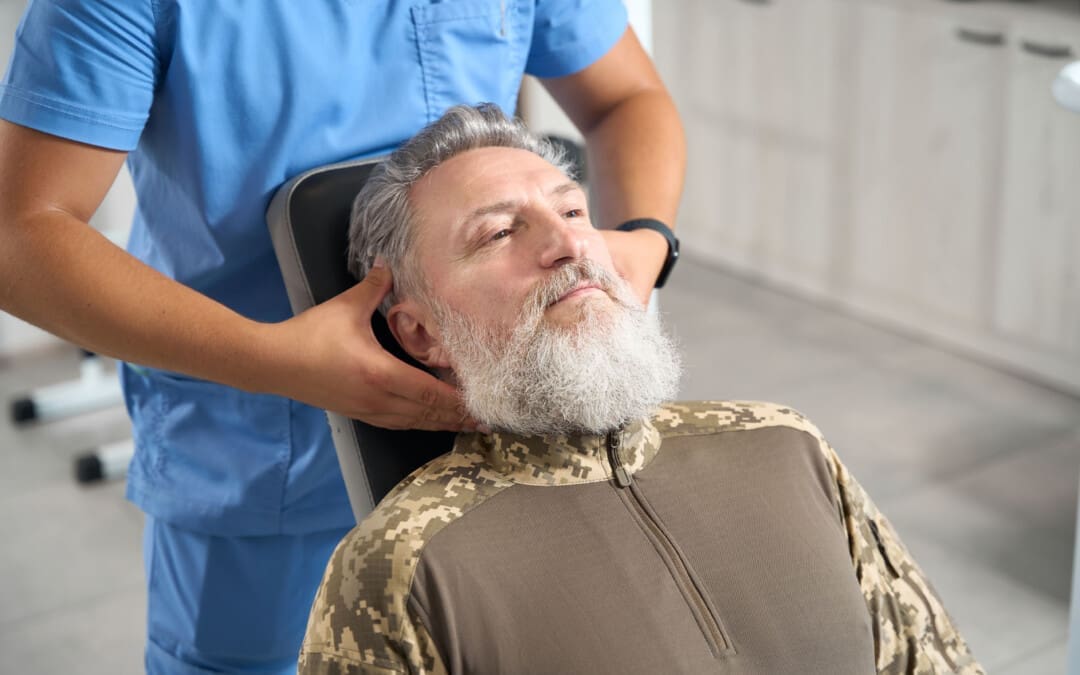
Neurological physical therapy can be extremely beneficial. It aims to restore functional mobility, strength, balance, and coordination in those with neurological conditions that affect their quality of life and ability to move around. It also helps recover from neurological injuries or prevent the progression and worsening of chronic neurological conditions. Depending on the severity of the condition, individuals may receive this therapy as an inpatient or outpatient. Exercise can help improve mobility, increase independence, and decrease the need for assistance, all of which can improve one’s quality of life.
Process
Neurological physical therapy is geared toward treating individuals with conditions affecting the brain and spinal cord, such as stroke, spinal cord injury, and Parkinson’s disease, to help restore mobility and function. The therapy is performed in hospitals, private practice physical therapy clinics, doctors’ offices, rehabilitation facilities, or at a patient’s home. Whether an individual needs inpatient or outpatient physical therapy will depend on the severity of the neurological condition.
Newly acquired neurological conditions such as strokes or traumas like spinal cord injuries and traumatic brain injuries or TBIs often require inpatient rehabilitation.
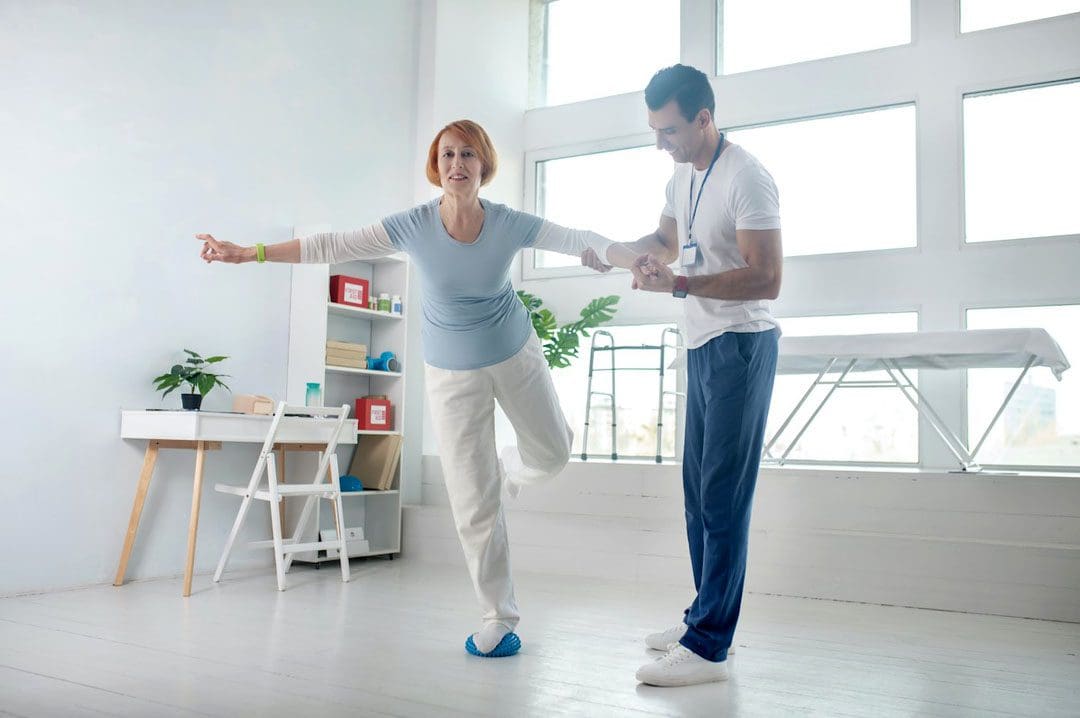
Once the patient gains enough strength, coordination, and independence with movements like standing and walking, they can progress to outpatient physical therapy.
The patient will undergo a physical exam after a physical therapist has gathered enough information about medical history during the initial evaluation.
The therapist will check muscle strength, coordination, range of motion, reflexes, and the muscle tone of the arms and legs. They may also perform neurological tests to examine coordination, such as following moving objects with the eyes, touching the finger to the nose, and rapidly alternating movements.
The individual general level of attention, cognition, and sensation will also be assessed to determine if these areas have been affected by the neurological condition. (Cleveland Clinic, 2022)
The therapist will then assess the patient’s ability to perform movements called transfers, which are transitions to and from positions such as lying down to sitting up or standing up to sitting.
They will note if the patient can perform these movements independently or if they need assistance.
The initial evaluation will also include an assessment of balance, quality of gait, and whether the therapist needs to assist.
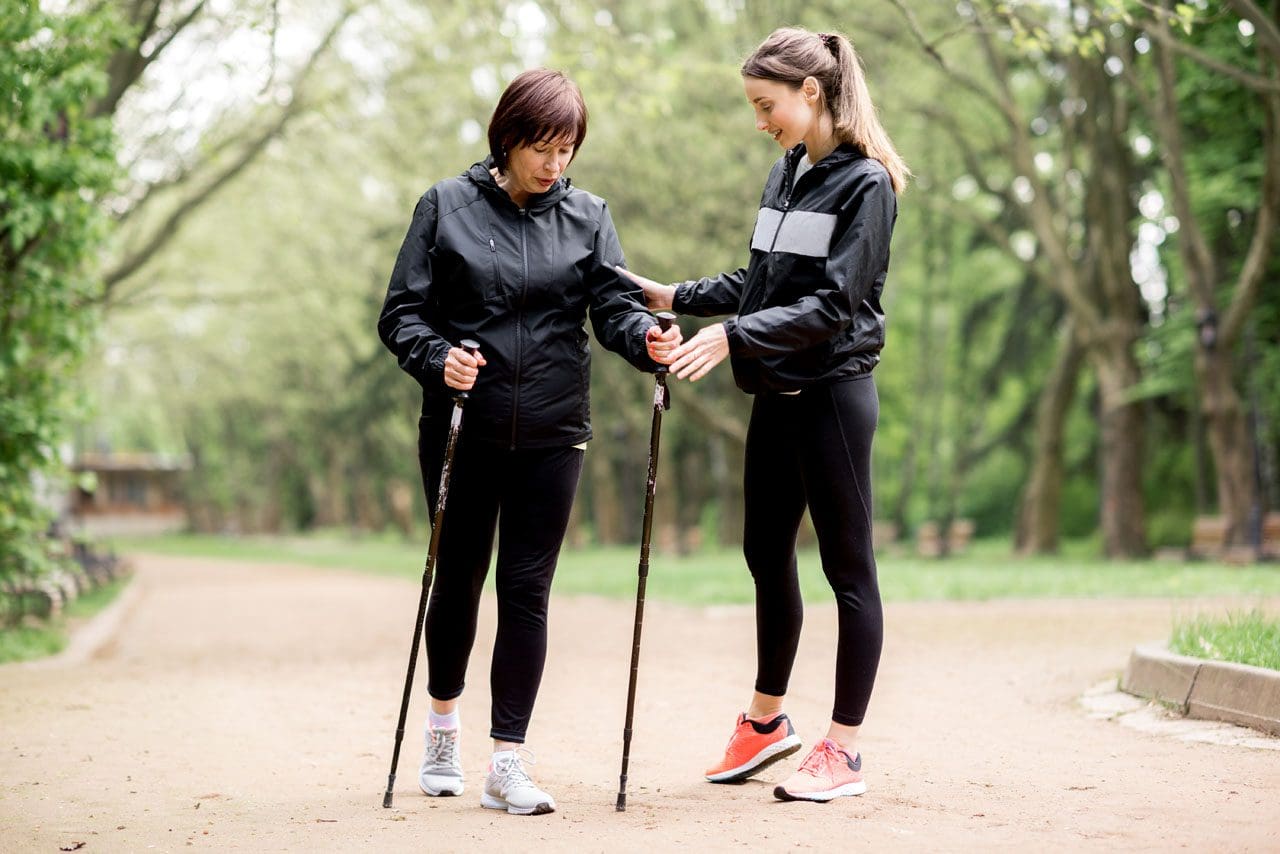
Depending on the severity of the neurological condition, the therapist may provide the patient with or recommend purchasing an assistive device to help walk.
Treatment Sessions
During therapy sessions, patients may receive the following interventions:
Gait Training
To improve walking ability, proper instruction on using assistive devices such as canes, walkers, and crutches.
Balance Training
To improve static/stationary and dynamic/while moving balance, both sitting unsupported to improve core control and standing upright with or without handheld support.
Therapeutic Activities
To improve independence with bed mobility skills like rolling and sitting up from lying down and transfers on and off beds, chairs, and toilets.
Therapeutic exercises for stretching and strengthening muscles and improving coordination and motor control.
Endurance Training
This can be done with cardiovascular equipment like treadmills, stationary bicycles, and ellipticals.
Vestibular Therapy Interventions
Balance exercises with head movements and exercises to treat a common cause of dizziness are used to improve eye movement control.
Examples are the Dix-Hallpike and Epley maneuvers.
Conditions
Neurological physical therapy can treat various conditions. Some neurological conditions are progressive, worsening over time, and require regular physical therapy and at-home exercises to maintain optimal health and wellness. Neurological conditions that can be treated with physical therapy include: (Cleveland Clinic, 2022)
Strokes – loss of blood supply to the brain.
Spinal cord injuries – damage to part of the central nervous system resulting in loss of movement and control.
Polyneuropathies – damage to the peripheral nerves.
Traumatic brain injuries – for example, concussions.
Cerebral palsy – a group of disorders affecting movement, balance, and posture.
Multiple sclerosis – a disabling disease of the brain and spinal cord.
Parkinson’s disease – a progressive nervous system disorder.
Guillain-Barre syndrome – an autoimmune disease attacking the nerves.
Amyotrophic lateral sclerosis/ALS, also known as Lou Gehrig’s disease.
Vertigo, including benign paroxysmal positional vertigo or BPPV.
Neurological conditions, like an automobile collision, can occur suddenly or be progressive, such as Parkinson’s. Physical therapy helps those individuals by increasing their use of weakened muscles, improving their motor control, coordination, and balance, and facilitating their independence with daily tasks and movements. Always seek immediate medical attention for any sudden, unexplained muscle weakness. Individuals who experience skeletal muscle weakness should discuss the type and duration of symptoms with their doctor, specialist, physical therapist, or chiropractor, as this might be a sign of a medical condition such as a neuromuscular disorder. Injury Medical Chiropractic and Functional Medicine Clinic works with primary healthcare providers and specialists to develop a personalized treatment program through an integrated approach to treat injuries and chronic pain syndromes, improving flexibility, mobility, and agility, relieving pain, and helping individuals return to normal activities. If other treatments are needed, Dr. Jimenez has teamed up with top surgeons, clinical specialists, medical researchers, and rehabilitation providers to provide the most effective treatments.
Individuals with the autoimmune disease lupus may be more sensitive to sun exposure. Are there ways to help protect the skin?
Lupus Sun Exposure
Lupus is an autoimmune disease in which the body mistakenly attacks the joints, muscles, and skin. Around 5 million individuals worldwide, and 1.5 million in the United States, have been diagnosed with lupus. The disease is most common in early to mid-adulthood, and 90% develop in women. (Lupus Foundation of America, 2021) For some, the symptoms manifest as joint swelling or muscle soreness. Skin rashes, mottling or red or purple marbled skin, and sun sensitivity are common lupus symptoms. (Medline Plus, 2024) While exposure to UV radiation from natural and artificial light can be damaging to everyone, minimal exposures can cause a flare-up for those with chronic lupus.
Certain medications can impact individual sensitivity to the sun and UV radiation.
Sun Exposure
Lupus can increase photosensitivity or immune system reaction to the sun’s rays. This symptom affects 40% and 70% of individuals with lupus. (Lupus Foundation of America, 2021) UV radiation damages cells and alters DNA. However, the damage can be more severe in those with lupus because their cells are more sensitive, and damaged cells are removed from the body more slowly, which can cause an attack on the immune system. (Lupus Foundation of America, 2021)
Symptoms
UV light and certain artificial light sources can trigger reactions in those with lupus. These reactions can happen immediately or develop weeks later and include: (Lupus Foundation of America, 2013)
Rashes or skin lesions that appear after sun exposure can come and go within hours or days, or they can last for months. (Lupus Foundation of America, 2013) UV light can also cause a lupus flare-up of symptoms, including fatigue, joint pain, tingling, and numbness. (Lupus Foundation of America, 2021)
Protection
Protecting the skin from UV radiation is recommended for everyone, but it is especially important for individuals with photosensitivity from lupus. Some strategies to protect the skin include.
Sunscreen
Applying sunscreen to the skin provides a chemical or physical barrier to UV radiation. (MD Anderson, 2024) Most commercial sunscreens offer a combination of protection:
Physical Barriers
These include minerals like titanium dioxide or zinc oxide.
The finely ground minerals lay on top of the skin’s surface and reflect UV rays away.
Chemical Absorbers
These offer a thin, protective film that absorbs UV rays before they can penetrate the skin.
Proper sunscreen application is crucial, regardless of which type is chosen. The recommended application is to apply a palmful of sunscreen every two hours or more often if it gets wet or sweaty. Look for sunscreens that offer broad-spectrum protection against:
Ultraviolet A (UVA) rays
Ultraviolet B (UVB) rays
A sun protection factor (SPF) of at least 30 is recommended.
Most clothing offers protection against UV radiation.
Individuals can purchase clothing or hats with UV-blocking properties or washing products for their clothes to increase their level of UV protection. (American Cancer Society, 2024)
Sunglasses are also important against UV radiation, eye damage, and other problems.
Utilize Shade Areas
In the summer, the sun is strongest in most locations between 10 a.m. and 4 p.m. UV rays can pass through windows, and the body is exposed to UV radiation on cloudy days (American Cancer Society, 2024). Avoiding sunlight or other strong sources of UV radiation will help protect the skin. Staying indoors or in shaded areas is the best choice during these hours.
Seeing a Healthcare Provider
Lupus treatment varies and changes over time. Individuals with lupus schedule regular appointments with their healthcare provider to review treatment and symptoms, especially after sun exposure. Avoiding sun exposure by seeking shade and wearing sunscreen and protective clothing can help reduce the chances of experiencing a flare-up. Some cases of photosensitivity are mild, while others can require more intense treatments to avoid larger flare-ups.
Injury Medical Chiropractic and Functional Medicine Clinic works with primary healthcare providers and specialists to develop a personalized care plan for each patient through an integrated approach to treating injuries and chronic pain syndromes, improving flexibility, mobility, and agility programs to relieve pain and help return to normal and optimal function. If other treatments are needed, Dr. Jimenez has teamed up with top surgeons, clinical specialists, medical researchers, and rehabilitation providers to provide the most effective treatments.
Unlocking Pain Relief
References
Medline Plus. (2024). Lupus. Retrieved from https://medlineplus.gov/lupus.html
Lupus Foundation of America. (2021). Lupus facts and statistics. https://www.lupus.org/resources/lupus-facts-and-statistics
U.S. Environmental Protection Agency. (2024). Health effects of UV radiation. Retrieved from https://www.epa.gov/sunsafety/health-effects-uv-radiation
Centers for Disease Control and Prevention. (2024). UV radiation. Retrieved from https://www.cdc.gov/radiation-health/features/uv-radiation.html?CDC_AAref_Val=https://www.cdc.gov/nceh/features/uv-radiation-safety/index.html
Lupus Foundation of America. (2021). UV exposure: What you need to know. https://www.lupus.org/resources/uv-exposure-what-you-need-to-know
Lupus Foundation of America. (2013). Research on photosensitivity among people with lupus. https://www.lupus.org/resources/research-on-photosensitivity-among-people-with-lupus
MD Anderson Center. (2024). How does sunscreen work? https://www.mdanderson.org/cancerwise/how-does-sunscreen-work.h00-159698334.html
Skin Cancer Foundation. (2020). Ask the expert: Does sunscreen stay effective after its expiration date? https://www.skincancer.org/blog/ask-the-expert-does-a-sunscreen-stay-effective-after-its-expiration-date/
American Cancer Society. (2024). How do I protect myself from ultraviolet (UV) rays? https://www.cancer.org/cancer/risk-prevention/sun-and-uv/uv-protection.html
Can incorporating walking help accomplish health goals for individuals trying to burn fat?
Walking To Burn Calories and Fat
Walking has many wonderful benefits that include:
Improving fitness
Strengthening bones
Easing joint pain
Improving mental health
What to know
Taking it easy at first and steadily working on the basics can help individuals reach their health goals. Two keys to burning more fat when walking are:
Walk with enough speed and intensity to burn fat for energy.
The longer you walk, the more stored fat is burned instead of the sugars for quick bursts of exercise.
While any exercise can burn calories, brisk walking and other aerobic exercises are especially recommended for burning internal abdominal visceral fat. This fat contributes to the waistline and increases the risk of diabetes and heart disease. (Bairapareddy, K. C. et al., 2018)
Fat-Burning Zone
The American Heart Association categorizes brisk walking at a pace of 2.5 miles per hour as a moderate-intensity aerobic activity. (American Heart Association, 2024) The target heart rate for exercising at this level of intensity should be 50% to 70% of an individual’s maximum heart rate. For more vigorous activities, the heart rate should be about 70% to 85% of an individual’s maximum heart rate. (American Heart Association, 2021) Working out at a low to moderate intensity can help burn fat because the body uses stored fat as fuel compared with workouts of higher intensity that depend on carbohydrates. (Carey D. G. 2009)
The heart rate range for this zone varies by age. An age heart rate zone chart can help individuals find the right numbers. While exercising, take your pulse to check your heart rate. Heart rate apps and pulse monitors have been built into activity monitors and smartwatches. While exercising in this zone, breathing is heavier, and there is a feeling of increased exertion and sweating, but individuals should be able to carry on a conversation. (Centers for Disease Control and Prevention, 2022)
Beginners should gradually build up walking time and speed.
A beginner’s walking plan starts with 15 minutes daily, five days a week, and continued improvement in walking technique.
Increase walking time by 5 minutes per session each week.
Increasing Walking Intensity
If the heart rate is still below 60% of the maximum heart rate, individuals need to intensify the workout to burn fat. Ways to do this include:
Adding Distance and Time
Make the walk longer to keep the body working harder and maintain a brisk pace. Adding additional minutes will burn additional stored fat. However, since not everyone has the time there are other options.
Picking Up The Pace
Even for a short walk, make a goal to perform faster than normal, walking faster using correct posture, arm motion, and a powerful stride. It can help to time the walking route and challenge yourself to complete it faster each time. One study looked at individuals walking 3.6 miles per hour, 4.1 mph, and 4.6 mph. Accelerating to 4.6 mph burned more than 50% more calories than going from 3.6 mph to 4.1 mph. (Schwarz, M. et al., 2006)
Adding Intervals
Intervals add intensity and also help increase the overall pace. The aforementioned strategies to walk faster incorporate intervals, where individuals increase their speed for a set distance or time, alternating with a slower pace. Research on individuals with diabetes found that those who did interval walking for four months lost six times as much weight as those who walked steadily. (Karstoft K. et al., 2013)
Adding Hills and/or Stairs
Incorporating hills or stair-climbing into some walking sessions helps you stay challenged and makes workouts more intense. If there is no access to outdoor hills or stairs, use a treadmill – start with a slight incline and work up to a steeper one, or get on a stair-stepping machine at the gym. There is no need to walk briskly on hills, as one study showed that walking slowly on an incline was an effective workout that didn’t cause knee joint stress, especially for obese individuals. (Haight, D. J. et al., 2014)
Switch Up Workouts
Mix up different walking workouts like intervals, short and fast walks, and long and moderate walks. Meditative, mindful walks also have stress-reducing benefits that help lower cortisol, which can contribute to weight gain. Individuals who can’t spend 45 continuous minutes walking make the most of the available time. Try and fit in two to four 15-minute walks at a brisk pace. It’s also recommended to include other types of moderate-intensity exercise and activities that include:
Bicycle riding on level terrain
Water aerobics
Using an elliptical trainer
Ballroom dancing
Gardening
Doubles tennis or pickleball
Challenge the body in new ways to burn fat, build muscle, and raise basal metabolic rate. With a boosted metabolism, the body burns more calories all day.
Sample Walking Workout
You can use a treadmill or walk outside. Make sure you have athletic shoes that are flat and flexible and have the proper support and cushioning for a long walk. Wear breathable clothing, which allows freedom of movement and wicks away sweat.
Warmup
Start with 5 to 10 minutes of easy walking, increasing speed gradually.
The warmup is important to burn stored blood sugar and deplete the ready energy stored in the muscles.
This signals the body that a longer exercise session is underway.
As a result, the body prepares to burn stored fat.
Pick Up The Speed
To burn fat, the body needs to be in the fitness zone, with a heart rate of 60% to 70% of the maximum heart rate.
Check heart rate every 10 minutes to stay in the zone.
Stay In The Fitness Zone
For 30 to 50 minutes or more.
If your heart rate dips, pick up the speed.
Cool Down
End with 5 to 10 minutes at an easier pace to cool down.
Injury Medical Chiropractic and Functional Medicine Clinic
Using an integrated approach to treat and prevent injuries and chronic pain syndromes, improve flexibility, mobility, and agility, and help individuals return to normal activities, Injury Medical Chiropractic and Functional Medicine Clinic works with primary healthcare providers, trainers, and specialists to develop a personalized fitness program. Each case is different and requires reviewing individual medical history and physical examination to determine the proper training plan. Dr. Jimenez has partnered with top trainers, clinical specialists, medical researchers, and rehabilitation providers to provide the most effective treatments and fitness training plans.
Weight Loss Techniques
References
Bairapareddy, K. C., Maiya, A. G., Kumar, P., Nayak, K., Guddattu, V., & Nayak, V. (2018). Effect of aerobic exercise on echocardiographic epicardial adipose tissue thickness in overweight individuals. Diabetes, metabolic syndrome and obesity : targets and therapy, 11, 303–312. https://doi.org/10.2147/DMSO.S145862
American Heart Association. (2024). American Heart Association Recommendations for Physical Activity in Adults and Kids. https://www.heart.org/en/healthy-living/fitness/fitness-basics/aha-recs-for-physical-activity-in-adults
American Heart Association. (2021). Target Heart Rates Chart. https://www.heart.org/en/healthy-living/fitness/fitness-basics/target-heart-rates
Carey D. G. (2009). Quantifying differences in the “fat burning” zone and the aerobic zone: implications for training. Journal of strength and conditioning research, 23(7), 2090–2095. https://doi.org/10.1519/JSC.0b013e3181bac5c5
Centers for Disease Control and Prevention. (2022). Measuring Physical Activity Intensity. Retrieved from https://www.cdc.gov/physicalactivity/basics/measuring/index.html
Schwarz, M., Urhausen, A., Schwarz, L., Meyer, T., & Kindermann, W. (2006). Cardiocirculatory and metabolic responses at different walking intensities. British journal of sports medicine, 40(1), 64–67. https://doi.org/10.1136/bjsm.2005.020198
Karstoft, K., Winding, K., Knudsen, S. H., Nielsen, J. S., Thomsen, C., Pedersen, B. K., & Solomon, T. P. (2013). The effects of free-living interval-walking training on glycemic control, body composition, and physical fitness in type 2 diabetic patients: a randomized, controlled trial. Diabetes care, 36(2), 228–236. https://doi.org/10.2337/dc12-0658
Haight, D. J., Lerner, Z. F., Board, W. J., & Browning, R. C. (2014). A comparison of slow, uphill and fast, level walking on lower extremity biomechanics and tibiofemoral joint loading in obese and nonobese adults. Journal of orthopaedic research : official publication of the Orthopaedic Research Society, 32(2), 324–330. https://doi.org/10.1002/jor.22497
Replenishing electrolytes and maintaining hydration is essential for individuals who work out, fitness enthusiasts, and those who play recreational or serious sports and want to improve overall health. Can making a homemade sugar-free electrolyte drink help individuals achieve health goals faster?
Homemade Electrolyte Drink
Sports drinks can help replenish the body’s lost electrolytes. Individuals who follow a low-carb diet and exercise or who are on a low-carb diet and get sick need double the added electrolytes. There is evidence that electrolytes are very effective in regulating the body’s fluid balance, especially during and after exercise or illness, and for those on a strict low-carb diet. (Maughan R. J. 1991)
Why More Electrolytes Are Needed
On a low-carb diet, insulin levels drop, so the kidneys retain less sodium. As the body excretes water, important minerals, such as the electrolytes calcium, sodium, magnesium, chloride, and potassium, are also excreted from the body’s system. Therefore, it is important to replenish them to avoid negative symptoms like lightheadedness and dehydration—especially when exercising or ill. (Bostock E. C. S. et al., 2020)
Two tablespoons of lemon juice contain almost the same amount of potassium in an 8-ounce sports drink.
A pinch of salt supplies 110 milligrams of sodium, the same amount in 8 ounces of a sports drink.
Individuals can make a low-carb homemade electrolyte sports drink. Many sports drinks contain a lot of sugar and other additives. The science behind why many of these drinks contain sugar is that a quick hit of sugar provides glucose for replenishing energy stores. Most individuals benefit from having small amounts of carbohydrates during heavy exercise. However, those who want to avoid sugar might want a sugar-free option to replace fluids and electrolytes.
Basic Recipe
Homemade Electrolyte Drink Mix:
1 cup or 8 ounces of non-carbonated water
Two tablespoons of lemon juice
A small pinch of salt—a teaspoon contains 2,300 milligrams of sodium, but the body needs 1/20th of a teaspoon.
Flavoring and sweetener for taste are optional. Try unsweetened Kool-Aid, Crystal Light Drink Mix, or sugar-free flavored syrups.
If avoiding artificial sweeteners, Stevia could be an option.
Sports Drink Ingredients
What goes into most sports drinks and adapting to a low-carb diet?
Water
Water is a primary ingredient, as the goal is to hydrate the body.
Sugar
Sports drinks can contain a lot of sugar, but only about half the sugar of most commercial beverages. For example,
A 20-ounce bottle of Gatorade has about 34 grams of sugar.
A 20-ounce soda has about 69 grams of sugar.
Sports drinks have less sugar to prevent gastrointestinal cramping during exercise and strenuous physical activity. Although Gatorade contains less sugar than soda, depending on individual health goals, it may not be the best option. Studies of nutritional needs during exercise for those restricting carbohydrates are not extensive. However, it is known that when individuals cut carbs, their bodies switch from primarily using carbohydrates to using fat for energy. This change, known as keto-adaptation, can take two to three weeks. Native populations, like the Inuit, traditionally ate a very low-carbohydrate diet and could maintain vigorous endurance for a long time without ill effects. (Phinney S. D. 2004) This suggests that bodies adapt to using fat for energy during physical activity and exercise over time. However, cutting carbohydrates too much and too soon can lead to symptoms like the keto flu. (Harvard Medical School, 2018). Individuals may need to replace carbohydrates during training for longer, more vigorous workouts, such as running longer than an hour. In addition, what is eaten before and after exercise can also affect physical performance. Working with a registered dietitian, nutritionist, or health coach could be helpful to achieve specific fitness goals.
Electrolytes
Electrolytes are molecules of certain minerals that contain an electrical charge. The nervous system runs on those charges generated by manipulating molecules called ions. (Faber D. S. and Pereda A. E. 2018) Every body function that depends on the nervous system, which includes muscle movement, breathing, digestion, thinking, etc., requires electrolyte activity. Those who exercise strenuously for long periods, individuals who follow a low-carb diet, or those with illness may need extra salt and potassium. Sports drinks contain small amounts of sodium and potassium. A balanced diet will supply plenty of minerals for electrolyte needs for individuals engaged in moderate exercise.
Using an integrated approach to treat and prevent injuries and chronic pain syndromes, improve flexibility, mobility, and agility, and help individuals return to normal activities, Injury Medical Chiropractic and Functional Medicine Clinic works with primary healthcare providers and specialists to develop a personalized treatment, nutrition, and fitness programs. Each case is different and requires reviewing individual medical history and physical examination to determine the proper and most effective plan. Dr. Jimenez has teamed up with top trainers, clinical specialists, medical researchers, and rehabilitation providers to provide the most effective treatments and training.
Is Intermittent Fasting the Ultimate Weight Loss Hack?
References
Maughan R. J. (1991). Fluid and electrolyte loss and replacement in exercise. Journal of sports sciences, 9 Spec No, 117–142. https://doi.org/10.1080/02640419108729870
Bostock, E. C. S., Kirkby, K. C., Taylor, B. V., & Hawrelak, J. A. (2020). Consumer Reports of “Keto Flu” Associated With the Ketogenic Diet. Frontiers in nutrition, 7, 20. https://doi.org/10.3389/fnut.2020.00020
Phinney S. D. (2004). Ketogenic diets and physical performance. Nutrition & metabolism, 1(1), 2. https://doi.org/10.1186/1743-7075-1-2
Harvard Medical School, Harvard Health Publishing, Marcelo Campos, M., Contributor. (2018). What is keto flu? Harvard Health Blog. https://www.health.harvard.edu/blog/what-is-keto-flu-2018101815052
Faber, D. S., & Pereda, A. E. (2018). Two Forms of Electrical Transmission Between Neurons. Frontiers in molecular neuroscience, 11, 427. https://doi.org/10.3389/fnmol.2018.00427
IFM's Find A Practitioner tool is the largest referral network in Functional Medicine, created to help patients locate Functional Medicine practitioners anywhere in the world. IFM Certified Practitioners are listed first in the search results, given their extensive education in Functional Medicine