
ClickCease
+1-915-850-0900 [email protected]
Select Page
Reduce Stress and Relieve Pain with Hatha Yoga

Reduce Stress and Relieve Pain with Hatha Yoga

For individuals dealing with stress, back and neck pain, and wanting to improve overall health, can trying a Hatha yoga class help?

Reduce Stress and Relieve Pain with Hatha Yoga

Hatha Yoga Class

A yoga class is great for moms, athletes, or anyone interested in low-impact exercise. Today, many practice yoga for its mind and body, health and wellness benefits. Research shows that hatha yoga helps to reduce stress, relieve back and arthritis pain, support healthy habits, and improve emotional health. (National Center for Complementary and Integrative Health, 2023) Hatha classes stretch, unwind, and release tension, providing a healthy outlet for hectic lifestyles.

What Is It?

In Sanskrit, Hatha translates to force. Hatha yoga focuses on posture and breathing techniques to channel energy. Classes last 45 to 90 minutes and consist of breathing, poses, and meditation.

Benefits

Dozens of peer-reviewed studies have been analyzed, and evidence has been found to suggest that yoga may benefit the following conditions. (National Center for Complementary and Integrative Health, 2023)

Anxiety and Depression

  • Yoga can help relieve everyday anxiety and depressive symptoms.
  • However, it may not be effective for clinically diagnosed mental health conditions.
  • The reviews and published studies on yoga did not find conclusive evidence to support its effectiveness in managing anxiety disorder, depression, or PTSD.

Arthritis and Fibromyalgia

  • According to the NCCIH, there is limited evidence to support yoga’s benefits for osteoarthritis, rheumatoid arthritis, and fibromyalgia.

Back Pain

  • The American College of Physicians recommends yoga as a non-pharmacological back pain treatment. (Qaseem A. et al., 2017)
  • A review of studies found that yoga improves low-back pain and function with both short-term and intermediate-term benefits, and its effects are similar to those of other types of exercise. (Skelly A. C. et al., 2020)

Balance

  • According to 11 out of 15 reviewed studies, yoga helps to improve balance in generally healthy individuals.

Emotional Health

  • Yoga has a positive impact on mental health. Ten out of 14 studies reviewed showed benefits in improving resilience or general mental well-being.

Menopause

  • Yoga can relieve physical and psychological symptoms of menopause, including hot flashes, according to the review of 1,300 study participants.

Mindfulness

  • In a survey of 1,820 young adults, participants attributed increased mindfulness, motivation to participate in other forms of activity, and eating healthier. (Watts A. W. et al., 2018)

Multiple Sclerosis

  • The NCCIH reports showed that yoga had short-term benefits on mood and fatigue in individuals with multiple sclerosis.
  • However, it did not affect muscle function, cognitive function, or quality of life.

Neck Pain

  • A 2019 meta-analysis, including ten studies and a total of 686 subjects, found that yoga can reduce neck pain intensity and disability pain while also improving the range of motion. (Li Y. et al., 2019)

Sleep

  • Several studies have found yoga can improve sleep quality and duration.
  • Populations found to experience sleep benefits include cancer patients, older adults, individuals with arthritis, pregnant women, and women experiencing menopause symptoms.

Stress Management

  • Yoga improved physical or psychological stress-related measures in 12 of 17 studies reviewed.

What to Expect

There are several different styles of yoga to choose from. Classes labeled yoga are likely the Hatha variety. Hatha is a gentle style that focuses on static poses and is great for beginners. However, it can still be physically and mentally challenging. Practitioners should wear athletic clothes and sports bras for maximum comfort and ease of movement. Each class varies depending on the instructor, but most last between 45 and 90 minutes.

Class Breakdown

Classes typically start with a gentle warm-up, advance to more physical poses, and end with a short meditation.

Breathing

  • Most Hatha classes start with a period of focus on breathing.
  • As you perform the poses, the instructor will continue to remind everyone to focus on breathing and may suggest different breathing exercises.

Poses

  • Yoga poses, also called postures or asanas, are a series of movements that help improve balance, flexibility, and strength.
  • Poses range in difficulty from laying flat on the floor to physically challenging positions.
  • If, during a class, a pose is too difficult, the instructor can provide a modified posture.

Meditation

  • Most classes end with a short period of meditation.

If you go into a Hatha class and it feels too slow or inactive, there are faster-paced, more athletic yoga classes, including flow, vinyasa, or power yoga classes. See if it’s more your speed.

Injury Medical Chiropractic Clinic

At Injury Medical Chiropractic and Functional Medicine Clinic, we focus on what works for you and strive to create fitness and better the body through research methods and total wellness programs. These programs use the body’s ability to achieve health and fitness goals, and athletes can condition themselves to excel in their sport through proper fitness and nutrition. Our providers use an integrated approach to create personalized programs, often including Functional Medicine, Acupuncture, Electro-Acupuncture, and Sports Medicine principles.


Home Exercises for Pain Relief


References

National Center for Complementary and Integrative Health. (2023). Yoga: What you need to know. Retrieved from https://www.nccih.nih.gov/health/yoga-what-you-need-to-know#hed11

Qaseem, A., Wilt, T. J., McLean, R. M., Forciea, M. A., Clinical Guidelines Committee of the American College of Physicians, Denberg, T. D., Barry, M. J., Boyd, C., Chow, R. D., Fitterman, N., Harris, R. P., Humphrey, L. L., & Vijan, S. (2017). Noninvasive Treatments for Acute, Subacute, and Chronic Low Back Pain: A Clinical Practice Guideline From the American College of Physicians. Annals of internal medicine, 166(7), 514–530. https://doi.org/10.7326/M16-2367

Skelly, A. C., Chou, R., Dettori, J. R., Turner, J. A., Friedly, J. L., Rundell, S. D., Fu, R., Brodt, E. D., Wasson, N., Kantner, S., & Ferguson, A. J. R. (2020). Noninvasive Nonpharmacological Treatment for Chronic Pain: A Systematic Review Update. Agency for Healthcare Research and Quality (US).

Watts, A. W., Rydell, S. A., Eisenberg, M. E., Laska, M. N., & Neumark-Sztainer, D. (2018). Yoga’s potential for promoting healthy eating and physical activity behaviors among young adults: a mixed-methods study. The international journal of behavioral nutrition and physical activity, 15(1), 42. https://doi.org/10.1186/s12966-018-0674-4

Li, Y., Li, S., Jiang, J., & Yuan, S. (2019). Effects of yoga on patients with chronic nonspecific neck pain: A PRISMA systematic review and meta-analysis. Medicine, 98(8), e14649. https://doi.org/10.1097/MD.0000000000014649

Janus Kinase Inhibitors For Ankylosing Spondylitis Treatment

Janus Kinase Inhibitors For Ankylosing Spondylitis Treatment

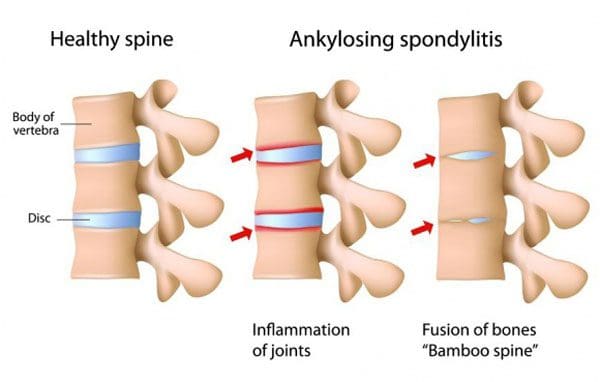
Individuals with ankylosing spondylitis have a new treatment option that was previously used for rheumatoid arthritis. It is a medication that belongs to a class known as JAK inhibitors. Ankylosing spondylitis combines joint pain with reduced mobility. Ankylosing spondylitis is different because in severe cases, the bones in the spine can fuse together, literally reducing mobility.  
11860 Vista Del Sol, Ste. 128 Janus Kinase Inhibitors For Ankylosing Spondylitis Treatment
 
The disease typically begins with pain and stiffness in the back. This is usually after some time of inactivity. Symptoms start before the age of 45 and develop gradually. There is no cure for ankylosing spondylitis but there are treatments that can improve symptoms and put the condition into remission. Ankylosing spondylitis treatment is the most successful when addressed early before irreversible damage to the joints begins.  

Janus Kinase Inhibitors

Janus kinase inhibitors have traditionally been used to treat:
  • Rheumatoid arthritis
  • Psoriatic arthritis
  • Ulcerative colitis
The medication works by decreasing the immune system�s activity. Janus kinase inhibitor drugs affect several cellular compounds that are important in the development and progression of ankylosing spondylitis. Currently, there are only three Janus kinase inhibitor medications available in the United States and FDA-approved to treat rheumatoid arthritis:
  • Xeljanz
  • Rinvoq
  • Olumiant
  • Each of the approved inhibitors targets specific enzymes
 

Current Ankylosing Spondylitis Treatments

Janus kinase inhibitors are not given to individuals right away. However, it could be an option if first and second-line treatments are not working. Treatments usually consist of:

First-Line Treatments


NSAIDs

Nonsteroidal anti-inflammatory medications are the most commonly used to treat ankylosing inflammation, pain, and stiffness.

Chiropractic

Chiropractic physical therapy is a major part of ankylosing spondylitis treatment keeping the spine flexible and as healthy as possible. A chiropractic/physical therapy team design and develop specific exercises to fit individual needs, which include:
  • Stretching and Range-of-motion exercises help maintain flexibility in the joints
  • Sleeping and walking posture adjustment exercises
  • Abdominal and spinal exercises to maintain a healthy posture
  • Strength training
 

Second-Line Therapies

If nonsteroidal anti-inflammatory medications do not relieve symptoms, then biological medications could be prescribed. This class of medications includes:

Tumor Necrosis Factor

Tumor necrosis factor blockers work by targeting cell protein that is part of the immune system, known as tumor necrosis alpha. This protein causes inflammation in the body, and the blockers suppress it.  

Interleukin 17 Inhibitors

Interleukin 17 in the body’s immune system defends against infection. It uses an inflammatory response to fight infections. The IL-17 inhibitors suppress the inflammatory response and help reduce symptoms.  
11860 Vista Del Sol, Ste. 128 Janus Kinase Inhibitors For Ankylosing Spondylitis Treatment
 

Other Treatment Options


Lifestyle Adjustments

Following a medical treatment plan is often combined with diet and lifestyle adjustments that are recommended to help with the condition, these include:
  • Being as physically active as possible will help:
  1. Improve/maintain a healthy posture
  2. Maintain flexibility
  3. Ease pain
  • Applying heat and ice will help alleviate:
  1. Pain
  2. Stiffness
  3. Swelling

Surgery

Most individuals with ankylosing spondylitis do not require surgery. However, a doctor could recommend surgery if there is joint damage, the hip-joint needs to be replaced, or if the pain is severe.  

Inhibitor Potential

Studies are ongoing in the treatment of ankylosing spondylitis. The drug is currently in Phase 3 trials for the treatment of adults. The trial results have shown patients with active ankylosing spondylitis showed improvement in:
  • Fatigue
  • Inflammation
  • Back pain
The study enrolled adults with active ankylosing spondylitis who took at least two NSAIDs that were ineffective at treating symptoms. Most of the participants were men, average age of 41, and no prior usage of biologic disease-modifying antirheumatic drugs.

Janus kinase could become a standard treatment

There is still not enough research to make a prediction, but the data is promising. The inhibitors seem to be a safe option when used in a properly screened, well-matched setting that includes regular monitoring. The inhibitors appear to be effective and have the advantages of being taken orally and working fast.

Body Composition


Osteoarthritis and weight loss

Being obese has shown to be a high-risk factor for the development of osteoarthritis. This is not only from the effects of extra weight on the body’s joints but also as a result of the inflammatory effects of adipose tissue. The lower back, hips, and knees, bear the majority of the body’s weight. An excess amount of adipose tissue on the body’s midsection and legs has been shown to negatively impact the weight-bearing joints. Promoting Lean Body Mass and encouraging weight loss lowers the risk of osteoarthritis and improves an individual’s quality of life. Exercise is regarded safe for individuals with osteoarthritis and should be incorporated to improve body composition, reduce Body Fat Mass, improve Lean Body Mass and maintain a healthy weight.  

Dr. Alex Jimenez�s Blog Post Disclaimer

The scope of our information is limited to chiropractic, musculoskeletal, physical medicines, wellness, and sensitive health issues and/or functional medicine articles, topics, and discussions. We use functional health & wellness protocols to treat and support care for injuries or disorders of the musculoskeletal system. Our posts, topics, subjects, and insights cover clinical matters, issues, and topics that relate and support directly or indirectly our clinical scope of practice.* Our office has made a reasonable attempt to provide supportive citations and has identified the relevant research study or studies supporting our posts. We also make copies of supporting research studies available to the board and or the public upon request. We understand that we cover matters that require an additional explanation as to how it may assist in a particular care plan or treatment protocol; therefore, to further discuss the subject matter above, please feel free to ask Dr. Alex Jimenez or contact us at 915-850-0900. The provider(s) Licensed in Texas& New Mexico*  
References
Hammitzsch A, Lorenz G, Moog P. Impact of Janus Kinase Inhibition on the Treatment of Axial Spondyloarthropathies. Frontiers in Immunology 11:2488, Oct 2020; doi 10.3389/fimmu.2020.591176.�https://www.frontiersin.org/article/10.3389/fimmu.2020.591176, accessed Jan 21, 2021. van der Heijde D, Baraliakos X, Gensler LS, et al. Efficacy and safety of filgotinib, a selective Janus kinase 1 inhibitor, in patients with active ankylosing spondylitis (TORTUGA): results from a randomized, placebo-controlled, phase 2 trial.�Lancet.�2018 Dec 1;392(10162):2378-2387. doi: 10.1016/S0140-6736(18)32463-2. Epub 2018 Oct 22. PMID: 30360970.�https://pubmed.ncbi.nlm.nih.gov/30360970/�accessed Jan 19, 2021.
Mastodon