
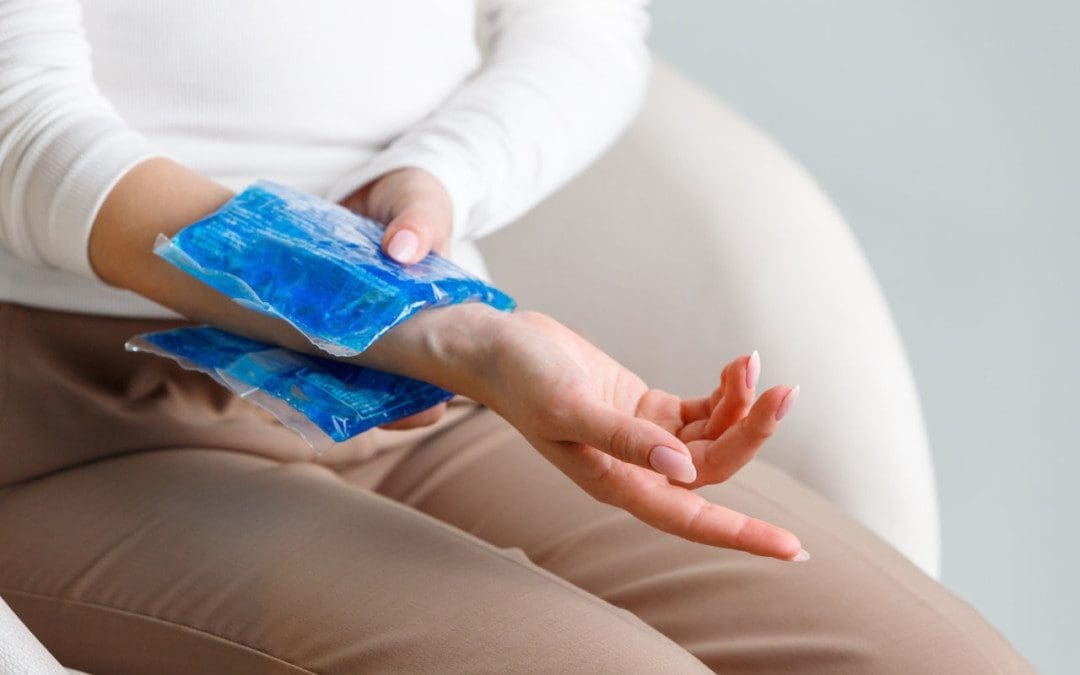
Using Heat and Ice For A Pinched Nerve
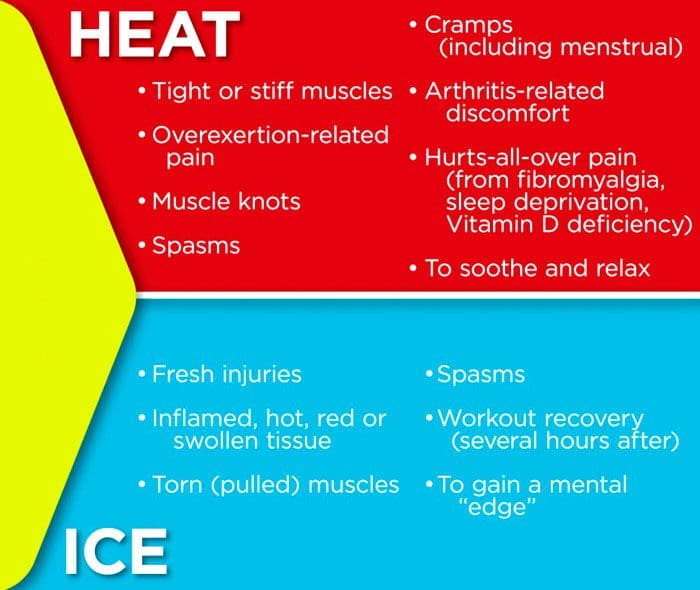
Most if not all of us have probably used heat and/or ice on a sprain, strain, or sore area of the body. Having a pinched nerve, however, has a different feeling than a sprain or strain. Chiropractic treatment for a pinched nerve is recommended, but if the pain isn’t too bad, then home care can work. Which is better for a pinched nerve, heat or ice? Both. Using heat and ice helps reduce swelling, increases blood flow to the area, and relaxes the muscles around the pinched nerve. The objective is to know when to use ice and/or heat.
Applying Heat on a Pinched Nerve
Applying heat on a pinched nerve is fine. The general guideline for a pinched nerve is to use heat only after the pain has subsided/reduced.
- When pain presents or flares up, use ice before using heat.
- Do not apply heat to the area directly after applying ice.
- Wait 30 minutes to an hour.
- Keep the heat on the affected area for 10 to 20 minutes at a time.
- Take a minimum 30-minute break between sessions.
- If the heat helps, make the heat moderate and use it on the area for an hour or more.
- Extended heat therapy is beneficial for severe pain from a pinched nerve.
- The equivalent is like soaking in a hot bath.
Heat for a Pinched Nerve Benefits
- Heat soothes and relaxes both the muscles and the mind.
- Heat increases healing abilities by circulating new blood to the injured/affected area, helping to flush toxins away.
- Decreases tension and spasms in the muscles.
- Increases the range of motion in the joints.
When Not To Use Heat Therapy
It can be dangerous for individuals with pre-existing conditions. Conditions include:
- Deep vein thrombosis
- Diabetes
- Vascular disease
- Multiple sclerosis
- Consult a doctor if unsure.
Applying Ice
Tips to safely use ice on a pinched nerve.
- Keep the ice pack on for 15-20 minutes at a time, then remove.
- Take an hour break between icing sessions.
- Ice massage, apply ice directly to the affected area for 5 minutes at a time using circular, massaging motions.
Ice for a Pinched Nerve Benefits
- Relieves pain quickly by numbing the area.
- Reduces swelling by slowing blood flow to the area.
- Cools the muscle fibers.
- Reduces muscle spasms.
When Not To Use Ice
- Individuals, especially those who have difficulty feeling pain, can damage the skin with an ice pack.
- Those with diabetes should take special care, as nerve damage can make it hard to feel or discern pain.
- If trying to relieve soreness and/or stiffness in joints or muscles, use heat instead.
Making a Pinched Nerve Worse
A pinched nerve can become worse. Examples of things to avoid when managing a pinched nerve.
- Lifting heavy objects.
- Making sudden, twisting, shifting, jerking movements.
- Engaging in high-intensity or high-speed exercise.
- Engaging in contact sports.
- Sitting too much.
- Laying down too much.
- Not consulting a doctor or chiropractor if the pain continues.
Home Remedies and Prevention
A few other home remedies and prevention tips for a pinched nerve.
- Practice maintaining proper posture.
- Maintain a healthy diet and weight.
- Incorporate anti-inflammatory foods.
- Get 7 to 8 hours of healthy sleep.
- Get a professional therapeutic massage.
- Incorporate stretching and or yoga.
- If home remedies don’t work, know when to consult a chiropractor.
Doctors of chiropractic specialize in pinched/compressed nerves. A chiropractor is trained in different techniques to relieve the pressure and release the nerve back to its proper position.
Body Composition
Peripheral Artery Disease
Peripheral artery disease or PAD is the narrowing of the arteries that carry blood away from the heart to the other areas of the body. What to know about PAD:
- Peripheral artery disease risks increase with age.
- Over half of affected individuals do not present with symptoms.
- Around one-fourth of individuals with peripheral artery disease have diabetes mellitus.
- Smokers have an increased risk of developing PAD.
- This is why it’s important to monitor blood pressure.
References
Chandler, Anne, et al. “Using heat therapy for pain management. (clinical practice).” Nursing Standard, vol. 17, no. 9, 13 Nov. 2002, pp. 40+. Accessed 15 Sept. 2021.
Edzard Ernst, Veronika Fialka, Ice freezes pain? A review of the clinical effectiveness of analgesic cold therapy, Journal of Pain and Symptom Management, Volume 9, Issue 1, 1994, Pages 56-59, ISSN 0885-3924, https://doi.org/10.1016/0885-3924(94)90150-3.
Shu, Jun, and Gaetano Santulli. “Update on peripheral artery disease: Epidemiology and evidence-based facts.” Atherosclerosis vol. 275 (2018): 379-381. doi:10.1016/j.atherosclerosis.2018.05.033







