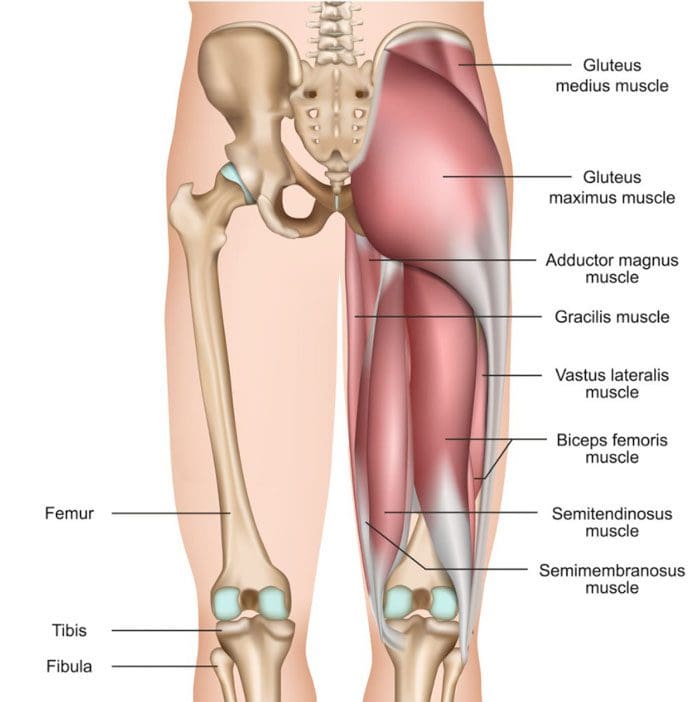
The body is a connected whole and more than just separate parts and regions. When back pain presents, it might not be the back muscles or spine but could be tense, tight hips, and hamstrings causing low back pain. How it happens, how to stretch and loosen up, and target these areas could help alleviate the pain.
The Hips and Hamstrings
When the hip flexors and hamstrings become tense, the tightness can alter the pelvic alignment. This affects spinal alignment leading to discomfort and low back pain. The hip flexors are a group of muscles around the front of the hips, and they activate when moving the leg and knee upward. The hamstrings are the muscles in the back of the thighs that allow for flexion of the knees and hip extension. Muscle tightness in the hips and/or hip joint stiffness can also contribute to low back pain. Not being able to rotate, flex, or extend the hip forward or backward can affect:
Walking
Running
Swinging
Twisting movements
This increases mechanical strain on the lower back.
Losing the ability to function through the entire length of motion can also indicate muscle weakness and a lack of joint movement where the joint around the muscle becomes stiff. This can be caused by:
A lack of movement
Arthritis
Age-related changes
Stretching and Treatment
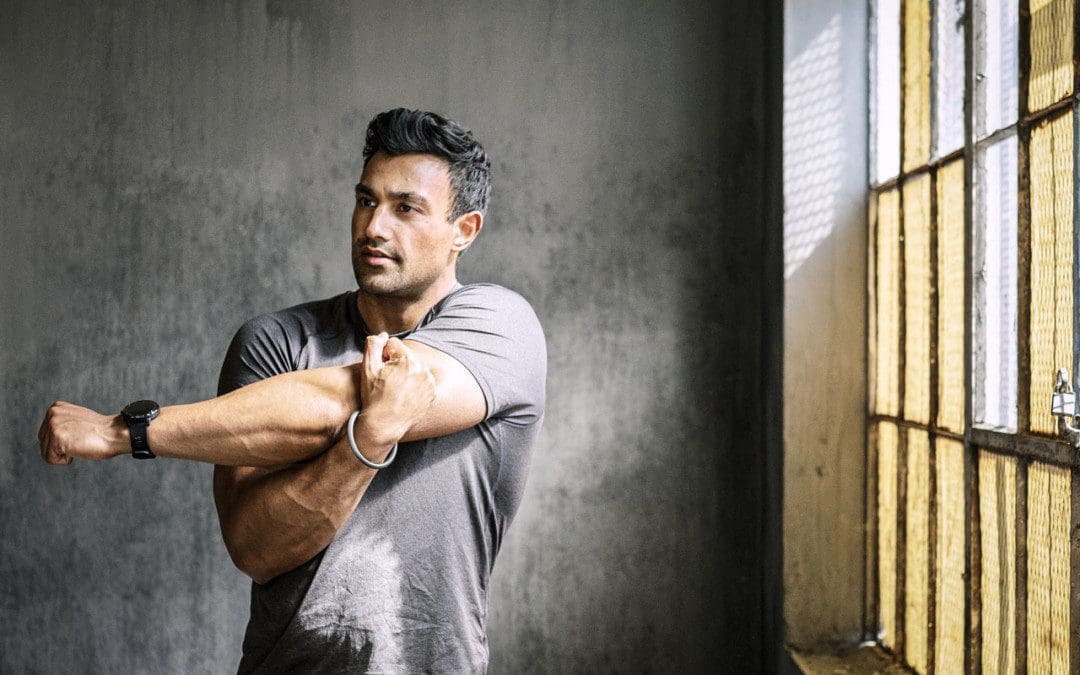
Stretching exercises can be the first line of treatment. It is recommended to start with gentle stretches targeting these areas. What works best for the individual is the stretch they are comfortable repeating enough to make a difference. Warming up the muscles first will generate the best results. An easy place to begin is a gentle forward fold stretch.
Stand up straight, or sit with the legs extended out in front.
Then, reach with the fingers toward the toes. Don’t worry if you can’t reach them.
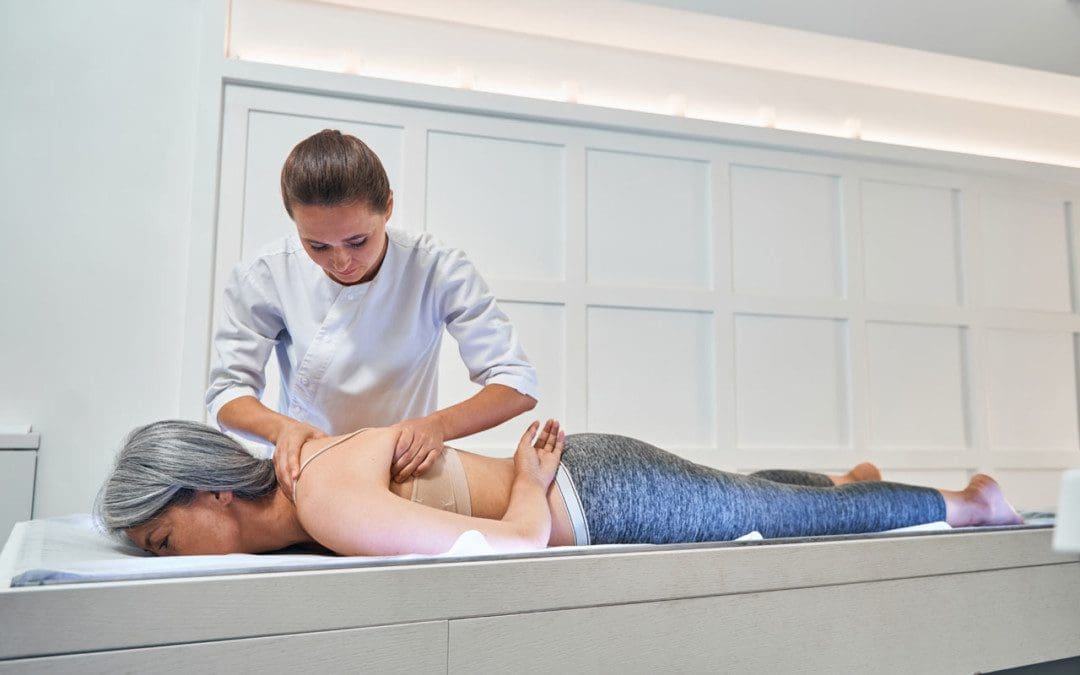
If the stretching does not bring relief, it is recommended to progress to a personalized treatment and stretching program with a chiropractor or physical therapist. Chiropractic and physical therapy can relieve the problems without medication, injections, or surgery and provide lifelong techniques for maintaining optimal flexibility, mobility, and strength. The hands-on treatment loosens and relieves the tense tightness, reinforcing the flexibility and range of motion. Treatment includes:
Joint mobilization to the hips and spine.
Soft tissue mobilization.
A personalized strengthening program with stretches and exercises that target the specific muscles.
Health coaching.
Anti-inflammatory diet recommendations.
Body Composition
Monounsaturated Fats
Monounsaturated fat is considered healthy fat. This type of fat makes up a significant component of the Mediterranean diet. Studies have shown monounsaturated fats like extra-virgin olive oil can help prevent adverse events related to cardiovascular disease. A meta-analysis evaluating diets high in monounsaturated fats indicated a significant reduction in:
Triglycerides
Bodyweight
Systolic blood pressure in individuals with type II diabetes.
A significant increase in HDL or good cholesterol.
Another study showed the protective effects of monounsaturated fatty acids reduced the risk factors associated with metabolic syndrome and cardiovascular disease. Monounsaturated fats can have a positive impact on overall health. Monounsaturated fat sources include:
Olive, peanut, and canola oil
Avocados
Almonds
Pecans
Hazelnuts
Sesame and pumpkin seeds
References
Estruch, Ramón et al. “Retraction and Republication: Primary Prevention of Cardiovascular Disease with a Mediterranean Diet. N Engl J Med 2013;368:1279-90.” The New England journal of medicine vol. 378,25 (2018): 2441-2442. doi:10.1056/NEJMc1806491
Gillingham, Leah G et al. “Dietary monounsaturated fatty acids are protective against metabolic syndrome and cardiovascular disease risk factors.” Lipids vol. 46,3 (2011): 209-28. doi:10.1007/s11745-010-3524-y
American College of Physicians. (February 2017) “American College of Physicians issues guideline for treating non-radicular low back pain” https://www.acponline.org/acp-newsroom/american-college-of-physicians-issues-guideline-for-treating-nonradicular-low-back-pain
MedlinePlus. (2019) Hip flexor strain – aftercare https://medlineplus.gov/ency/patientinstructions/000682.htm
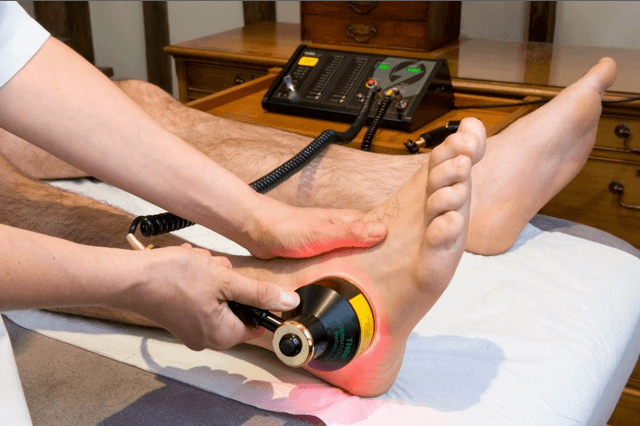
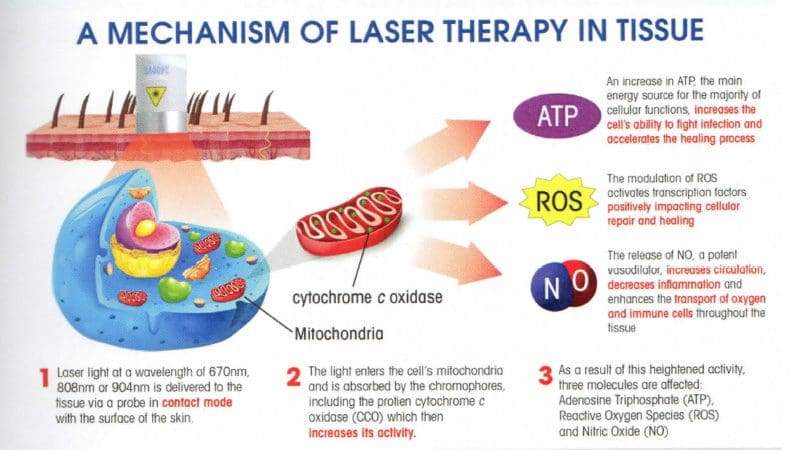
One of the most common tendons in the body that gets injured is the Achilles tendon, and this tendon tends to rupture when a person is doing recreational sports. Most people have opted for treatment for their Achilles tendon through surgery; however, low laser therapy can help the Achilles tendon recover a bit faster while providing beneficial properties during treatment. Low laser therapy has positive effects on the affected area where the pain resides and has helped progress the body’s natural healing process.
Achilles Tendon and Symptoms
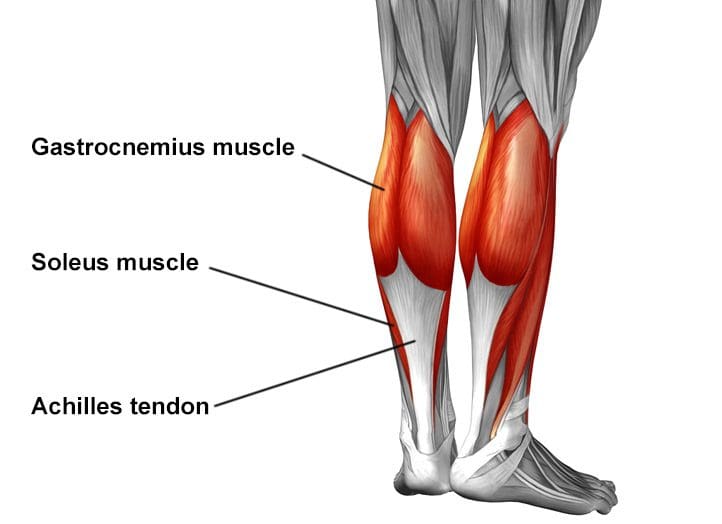
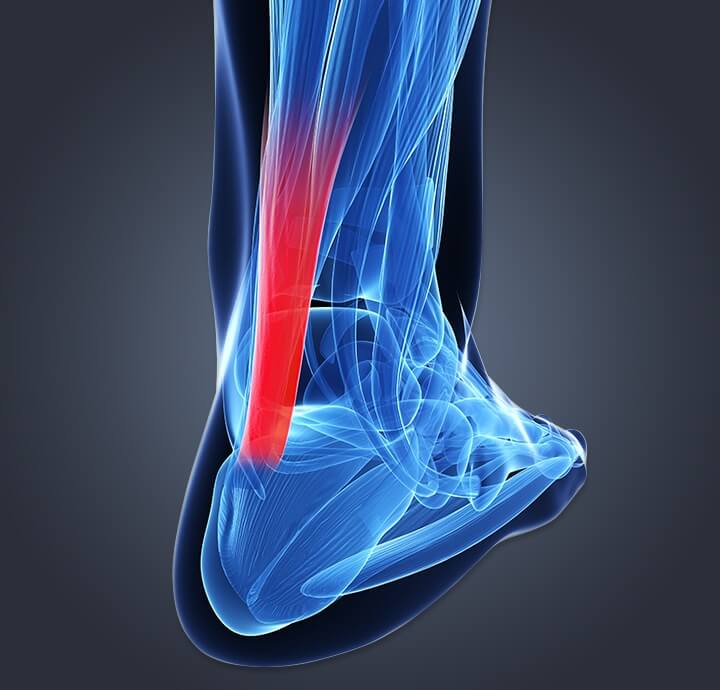
The Achilles tendon is a strong fibrous cord connected at the back of the calf muscles to the heel bone. When a person does recreational sports, the Achilles tendon stretches during the activity. However, when the Achilles tendon is overly stretched during the exercise, it can rupture completely or partially depending on how strenuous the body is being put through.
Some of the symptoms of a ruptured Achilles include:
A feeling of being kicked in the calf
A popping or snapping sound where the injury occurred.
Pain and swelling near the heel.
The inability to bend the foot downwards
The inability to stand on the toes
When these symptoms occur in the Achilles tendon, it is due to the lack of blood flow that the body is not providing. Studies have found that when the Achilles tendon is ruptured, it is a severe injury due to the scarce blood supply, and it could take weeks or even months before it is completely healed.
Low Laser Treatments and Benefits
Patients with a ruptured Achilles heel can get low laser therapy to help relieve the pain from the ruptured tendon. Studies found that when patients are being treated with low laser therapy has shown beneficial results. The results showed how the application of low laser treatment is very effective. The therapy provides a consequent relief from the motor function pain to the heel while also providing anti-inflammatory properties to the affected area. What this does is that the low-intensity laser concentrates on the inflammatory markers of the affected area, thus providing an increased blood flow (angiogenesis) in the treated area and decreasing inflammation. Low laser therapy can even help accelerate and enhance the repair of the injured Achilles tendon with frequent treatment sessions.
Conclusion
Overall, the Achilles tendon is one of the most frequent tendons that gets ruptured when a person is doing recreational sports. The healing process can take to about a week to a month for the tendon to properly heal. But through low laser therapy, the Achilles tendon can be repaired while providing relief from inflammation and enhancing the injured tendon recovery process.
References:
Ferreira, Rafaela, et al. Achilles Tendon Vascularization of … – Medical Laser. 2015, http://medical.summuslaser.com/data/files/79/1585169982_6Niglp3dbBeG7Cm.pdf.
Jesus, Julio Fernandes de, et al. “Low-Level Laser Therapy on Tissue Repair of Partially Injured Achilles Tendon in Rats.” Photomedicine and Laser Surgery, U.S. National Library of Medicine, 15 May 2015, https://pubmed.ncbi.nlm.nih.gov/24831690/.
Nogueira, Adelmário Cavalcanti, and Manoel de Jesus Moura Júnior. “The Effects of Laser Treatment in Tendinopathy: A Systematic Review.” Acta Ortopedica Brasileira, Sociedade Brasileira De Ortopedia e Traumatologia, 2015, https://www.ncbi.nlm.nih.gov/pmc/articles/PMC4544521/.
Staff, Mayo Clinic. “Achilles Tendon Rupture.” Mayo Clinic, Mayo Foundation for Medical Education and Research, 31 July 2020, https://www.mayoclinic.org/diseases-conditions/achilles-tendon-rupture/symptoms-causes/syc-20353234.
The body is a well-working machine that can endure anything that is thrown in its way. However, when it gets an injury, the body’s natural healing process will ensure that the body can get back to its daily activities. The healing process of an injured muscle varies throughout the body. Depending on how severe the damage is and how long the healing process will take, the body can recover to a mere few days to a few months. One of the most gruelly healing processes that the body has to endure is a ruptured calcaneal tendon.
The Calcaneal Tendon
The calcaneal tendon or the Achilles tendon is a thick tendon that is located in the back of the leg. This muscle-tendon is what makes the body move while walking, running, or even jumping. Not only that, the calcaneal tendon is the strongest tendon in the body, and it connects the gastrocnemius and soleus muscles at the heel bone. When the calcaneal tendon is ruptured, the healing process can last from weeks to months until it is fully healed.
The Healing Effects of Low Laser Therapy
One of the ways that can help the damaged calcaneal tendons’ healing process is low laser therapy. Studies have shown that low laser therapy can speed up the damaged tendon repair after a partial lesion. Not only that but the combination of ultrasound and low laser therapy has been studied to be the physical agents for treating tendon injuries. The studies showed that the combination of low laser therapy and ultrasound has beneficial properties during the recovery process of treating calcaneal tendon injuries.
The study found that when patients are being treated for their calcaneal tendons, their hydroxyproline levels around the treated area are significantly increased with ultrasound and low laser therapy. The body’s natural biochemical and biomechanical structures on the injured tendon increase, thus affecting the healing process. Another study has shown that low laser therapy can help reduce fibrosis and prevent oxidative stress in the traumatized calcaneal tendon. The study even showed that after the calcaneal tendon is traumatized, inflammation, angiogenesis, vasodilation, and the extracellular matrix are formed in the affected area. So when patients are being treated with low laser therapy for about fourteen to twenty-one days, their histological abnormalities are alleviated, reducing collagen concentration and fibrosis; preventing oxidative stress from increasing in the body.
Conclusion
Overall, it is said that the effects of low laser therapy can help speed up the healing process of repairing the calcaneal tendon. The promising results have been proven since low laser therapy can help repair the damaged tendon, reducing oxidative stress and preventing fibrosis from escalating, causing more problems on the injured tendon. And with the combination of ultrasound, the calcaneal tendon can recover faster so the body can continue its everyday activities without any prolonged injuries.
References:
Demir, Huseyin, et al. “Comparison of the Effects of Laser, Ultrasound, and Combined Laser + Ultrasound Treatments in Experimental Tendon Healing.” Lasers in Surgery and Medicine, U.S. National Library of Medicine, 2004, https://pubmed.ncbi.nlm.nih.gov/15278933/.
Fillipin, Lidiane Isabel, et al. “Low-Level Laser Therapy (LLLT) Prevents Oxidative Stress and Reduces Fibrosis in Rat Traumatized Achilles Tendon.” Lasers in Surgery and Medicine, U.S. National Library of Medicine, Oct. 2005, https://pubmed.ncbi.nlm.nih.gov/16196040/.
Oliveira, Fla’via Schlittler, et al. Effect of Low Level Laser Therapy (830 Nm … – Medical Laser. 2009, http://medical.summuslaser.com/data/files/86/1585171501_uLg8u2FrJP7ZHcA.pdf.
Wood, Viviane T, et al. “Collagen Changes and Realignment Induced by Low-Level Laser Therapy and Low-Intensity Ultrasound in the Calcaneal Tendon.” Lasers in Surgery and Medicine, U.S. National Library of Medicine, 2010, https://pubmed.ncbi.nlm.nih.gov/20662033/.
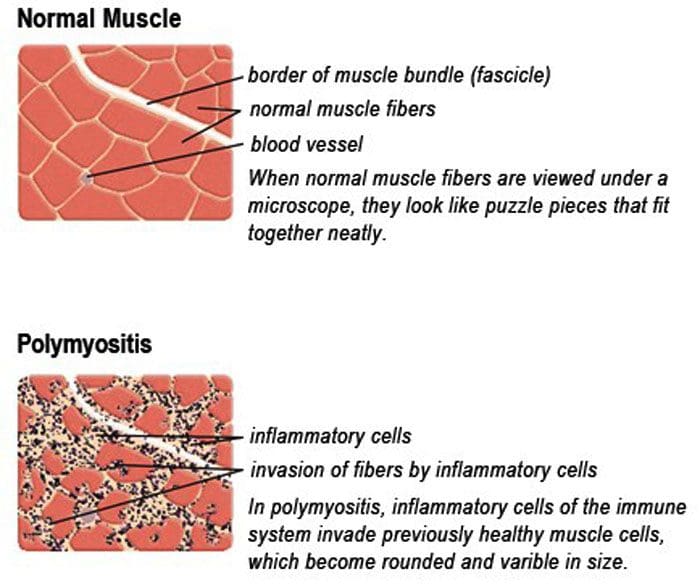
Polymyositis is a disease that causes the body’s muscles to become irritated and inflamed. It can affect the muscles all over the body. The muscles gradually begin to break down and weaken, making everyday movements difficult. This disease falls into a category known as inflammatory myopathies.
Polymyositis Unknown Causation
The causes of polymyositis are currently unknown. However, experts believe it could be associated with or triggered by a virus or an autoimmune reaction. An autoimmune response is when the body attacks itself along with the body’s tissues. It’s seen in individuals ages 31 to 60 and is rarely seen in individuals younger than 18. In some instances, medication can lead to an allergic reaction/response that causes muscle irritation and damage. But in most cases, healthcare experts are not able to find the exact cause.
Symptoms
The condition can affect the muscles all over the body. Physical activities like walking, getting up from a chair, or lifting objects can become difficult to perform. It can also affect the muscles that allow for eating and breathing. The muscles at the center of the body tend to be affected the most. Common symptoms include:
Muscle pain.
Muscle stiffness.
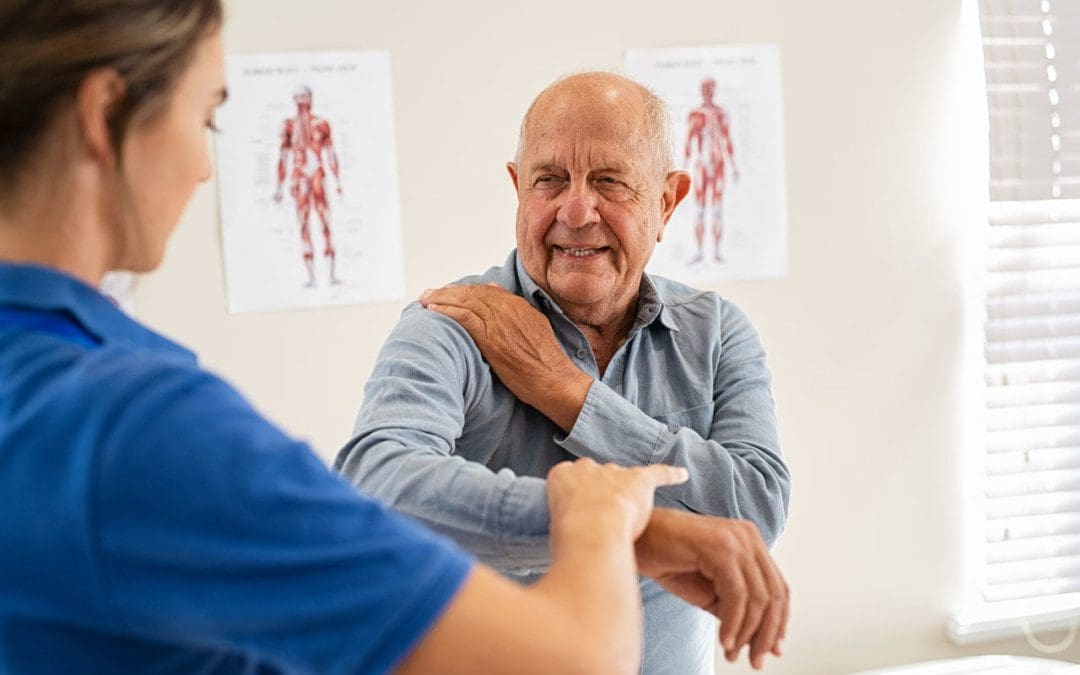
Muscle weakness, specifically in the abdomen, shoulders, upper arms, and hips.
Joint pain and stiffness.
Breathing problems.
Problems swallowing.
Abnormal weight loss can become an issue if there are problems with swallowing.
Irregular heart rhythms if the heart muscle/myocardium becomes inflamed.
Individuals may notice they have trouble climbing stairs or lifting their arms.
The inflammation can worsen, causing pain and weakness that affects the wrists, lower arms, and ankles.
Diagnosis
Diagnosis begins with the individual’s medical history, family medical history if necessary, and a physical examination. The examination includes seeing and feeling the strength of the muscles. Tests will be required that include:
Blood Tests
Blood tests allow the doctor to see if there are signs of muscle inflammation.
They also show if there are abnormal proteins that form in autoimmune diseases.
Electromyogram EMG
This test can be used to find abnormal electrical activity in the affected muscles.
MRI
Magnets and computer graphic imagery are used to help the doctor inspect for inflammation in the body.
Muscle Biopsy
A small piece of muscle tissue is removed to be analyzed with a microscope.
Treatment
Treatment depends on how severe the condition is,individual symptoms, age, and overall health. Currently, there is no cure for polymyositis, but symptoms can be managed. Individuals are recommended to utilize more than one type of treatment because the treatment plan may also need to be changed as treatment progresses. Treatments include:
Anti-inflammatory Medication
Steroid medication can help manage the disease and reduce symptoms, and corticosteroids can help ease inflammation in the body. The symptoms improve within 4 to 6 weeks, and a healthcare provider can lower the dosage after the symptoms decrease to reduce and ease any side effects.
Immunosuppressive Medication
These medications block or slow down the body’s immune system responses.
Talk with a doctor about the risks, benefits, and side effects of all medications.
Chiropractic and Physical therapy
Chiropractic treatment and physical therapy can help:
Aligning the spine to provide optimal nerve energy and blood circulation.
Therapeutic massage to stimulate and keep the muscles loose.
Specific exercises to help stretch and strengthen the muscles.
These can help keep the muscles from shrinking.
Heat therapy and Rest
Heat therapy and allowing the body to rest thoroughly can help decrease pain symptoms.
Special Braces
Body, hip, and leg braces can help support the muscles and help with mobility.
Complications
Polymyositis left untreated can lead to severe complications. The muscles become weaker, increasing the risk of falling and limiting daily activities.
If the chest muscles are affected, there could be problems with breathing that can lead to respiratory failure.
If the digestive tract is affected, malnutrition and unintentional weight loss can result.
Polymyositis poorly managed well can cause severe disability.
Body Composition
Nutrition and Muscle Growth
Protein
Protein is the foundation for gaining muscle.
This essential component is for all of the body’s daily functions.
It is essential to balance protein increase with overall diet.
Carbs should be a daily element of nutritional intake because they are the primary component.
Acquiring energy
Preventing muscle weakness and degradation
Consuming Carbs
Understanding how accurate results only happen when both sides work together.
Healthy consumption of protein and carbohydrates can help muscle growth and sustain optimal health for all body types.
References
Corrado, Bruno et al. “Supervised Physical Therapy and Polymyositis/Dermatomyositis-A Systematic Review of the Literature.” Neurology international vol. 12,3 77-88. 24 Nov. 2020, doi:10.3390/neurolint12030015
Findlay, Andrew R et al. “An overview of polymyositis and dermatomyositis.” Muscle & nerve vol. 51,5 (2015): 638-56. doi:10.1002/mus.24566
Sasaki, Hirokazu, and Hitoshi Kohsaka. “Current diagnosis and treatment of polymyositis and dermatomyositis.” Modern rheumatology vol. 28,6 (2018): 913-921. doi:10.1080/14397595.2018.1467257
Van Thillo, Anna et al. “Physical therapy in adult inflammatory myopathy patients: a systematic review.” Clinical rheumatology vol. 38,8 (2019): 2039-2051. doi:10.1007/s10067-019-04571-9
Optimal joint health is vital to keeping the body moving. They allow us to function throughout the day and perform various tasks. When healthy joints become injured or damaged, the body loses mobility. Joint issues/pain primarily present in the shoulders, wrists, hands, knees, ankles, and spine. Healthy joints are necessary for the full range of motion and comfortable movement. To keep joints healthy and fully functioning, chiropractic treatment is recommended to alleviate joint pain and improve joint health.
Joint Health
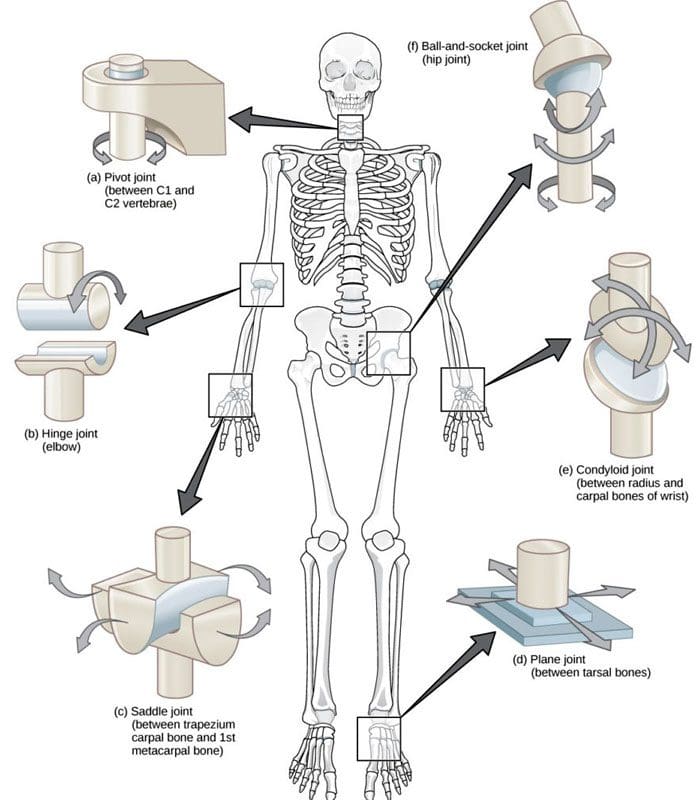
Joints are designed to provide a full range of motion for the body parts they affect.
Joints are made to be able to endure weight and forces applied to them.
Every joint consists of two surfaces that make contact.
The bones that make up the joint allow for movement, but the actual muscles pull the bones that generate movement.
The muscles are attached to bones by tendons.
Tendons are strong enough to facilitate movement and flexible to prevent damage to the muscle tissues.
Ligaments connect the bones and help to prevent uncontrolled movement.
The muscles, tendons, and ligaments are attached around each joint at specific positions and shaped to exact dimensions.
Synovial fluid lines the joints and lubricates the surfaces to reduce friction.
Injury and Conditions
Most injuries to joints occur from added and abnormal stresses placed on a joint.
A joint can become injured from a basic trauma accident. An ankle sprain, for example.
The ankle joint is protected by ligaments on the inside and outside.
When the ankle moves too far inward, the ligaments on the outside can tear.
The ankle swells, leading to pain.
In some instances, small pieces of bone and cartilage can also tear away.
Other injuries
Overuse/Repetitive stress injuries, also known as cumulative trauma disorders, can cause joint pain symptoms.
These injuries happen when stress is repeatedly placed on the joints.
The stress can come from:
Poor posture
Awkward/unusual positioning while working.
Little to no workstation ergonomics.
Arthritis
The most common cause of joint pain is arthritis.
Rheumatoid arthritis causes inflammation of the joints causing swollen and stiff joints, limiting mobility.
Osteoarthritis can also cause joint pain. This is when the joint cartilage breaks down from regular wear and tear.
The aging body becomes stiff, swollen and decreases the range of motion.
Other conditions
Pregnancy can place an incredible amount of pressure on the spine, knees, and hips as the body tries to balance itself with the added weight, causing joint pain.
Obesity can also lead to joint pain from the added weight and pressure.
Health conditions that cause inflammation can lead to joint pain, including Lyme disease and Lupus.
The jawbone is also a joint; Temporomandibular Joint Dysfunction causes jaw pain, difficulty chewing and clicking, or locking.
Chiropractic can restore joint health.
Chiropractic can keep the joints in optimal health and functioning to the fullest. The objective is to activate the body’s natural ability to heal itself by improving the function of the central nervous system. Our team is dedicated to utilizing science-based chiropractic approaches to reduce pain and reverse painful conditions. It is also a natural method for relieving arthritis pain, slowing down the degenerative process, and helping to relubricate the joints. Contact us today to learn more about chiropractic and joint health.
Body Composition
Mediterranean Diet Can Be a Great Starting Point
There’s no perfect diet. Although human bodies are basically the same, individuals respond differently to certain diets. Diets can only go so far. The individual still has to put in the work of following the diet, exercising, developing new healthy habits, and maintaining them. The Mediterranean diet was reviewed by a panel of nationally recognized experts in:
Nutrition
Food psychology
Diabetes
Heart disease
They reviewed the diet profile to analyze certain categories. They included:
Ease of taking on the diet.
Weight loss effectiveness. This includes short-term and long-term.
The diet’s potential for preventing and managing diabetes.
The diet’s potential for preventing and managing cardiovascular disease.
The findings found the Mediterranean diet to be one of the best because of the many health benefits that come from the dietary changes.
References
Clark, Kristine L. “Nutritional considerations in joint health.” Clinics in sports medicine vol. 26,1 (2007): 101-18. doi:10.1016/j.csm.2006.11.006
Hui, Alexander Y, et al. “A systems biology approach to synovial joint lubrication in health, injury, and disease.” Wiley interdisciplinary reviews. Systems biology and medicine vol. 4,1 (2012): 15-37. doi:10.1002/wsbm.157
Keep Moving: Preventing Joint Injuries. American Chiropractic Association. https://www.acatoday.org/Patients/Health-Wellness-Information/Joint-Health.
What to Know About Joint Pain. Healthline. https://www.healthline.com/health/joint-pain#symptoms
Chiropractic medicine specializes in the musculoskeletal system. It treats the whole body because if one area of the body is inflamed, swollen, out of place, or damaged, it affects other areas. Chiropractic’s goals are to bring the body back into balance and get it functioning at an optimal level. Achieving overall health and wellness requires an individual’s body to be at its appropriate weight.
Obesity and Pain
Chronic pain and obesity are linked, according to various studies. Individuals dealing with chronic pain are more likely to become obese, and those who are obese have an increased risk of developing a chronic pain condition. Research studies also show that individuals that lose weight have a reduction to complete alleviation of pain.
The Pain Gain Cycle
The goal is to break the cycle. When an individual is dealing with pain symptoms, eating foods high in sugars and starches can be comforting. However, unhealthy food is fueling the pain and causing inflammation. Back pain commonly occurs in individuals that are obese. Chiropractic helps kickstart the weight loss process by relieving pain naturally and safely.
Spinal Alignment and Weight Loss
Spinal alignments go beyond relieving pain to help with weight loss. Adjustments improve the body’s ability to burn fat and maintain overall health. A spine that is out of alignment can affect the nerve pathways of the central nervous system and the communication signals affecting nearly every aspect of the body. Problems with the central nervous system can affect how the whole body burns fat and the metabolic system.
Hormone Regulation
Spinal misalignments can affect the body’s hormone regulation. These hormones include those for breaking down foods during digestion. Affected hormones can contribute to weight gain and prevent weight loss. Chiropractic corrects the nerve’s pathways, allowing for proper hormone regulation, which can help with weight loss.
Pain Relief and Exercise
Exercise is pivotal to losing weight, building muscle, and maintaining health. The problem for overweight individuals is that they are in too much pain to exercise. With back pain, just walking a quarter of a mile can become excruciating, and this is where chiropractic care for pain relief comes in. When managing pain through chiropractic, individuals can exercise regularly.
Nutrition and Lifestyle
The whole body is a unit where everything affects something else. Chiropractors are becoming or teaming up with certified nutritionists and health coaches. Part of a treatment plan includes nutritional recommendations personalized to individual needs and weight loss goals. They also recommend:
Specific exercises
Lifestyle adjustments
Third-party support
Whole Body Composition
Weight Loss and Cheat Meals/Days
A cheat day or meal every once in a while will not undo weeks and months of regular workouts and eating healthy. Cheat days can help individuals stay motivated for the long term. But this does not mean getting carried away and going on a bender or making cheat days a routine. The goal is to develop healthy eating habits that become the norm while decreasing the craving for junk food. Changing body composition and losing weight is a long-term journey, but done correctly and with support turns into a healthy body.
References
DeMaria, Anthony, et al. “A weight loss program in a chiropractic practice: a retrospective analysis.” Complementary therapies in clinical practice vol. 20,2 (2014): 125-9. doi:10.1016/j.ctcp.2013.11.007
James M Whedon, DC, MS, Andrew W J Toler, MS, Louis A Kazal, MD, Serena Bezdjian, Ph.D., Justin M Goehl, DC, MS, Jay Greenstein, DC, Impact of Chiropractic Care on Use of Prescription Opioids in Patients with Spinal Pain, Pain Medicine, Volume 21, Issue 12, December 2020, Pages 3567–3573, https://doi.org/10.1093/pm/pnaa014
Okifuji, Akiko, and Bradford D Hare. “The association between chronic pain and obesity.” Journal of pain research vol. 8 399-408. 14 Jul. 2015, doi:10.2147/JPR.S55598
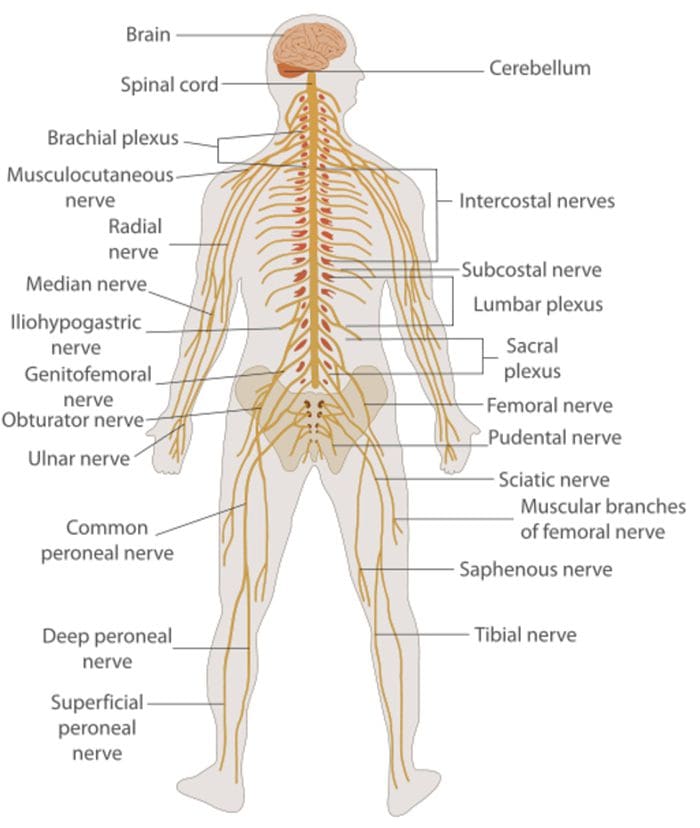
Optimal nervous system health is the key to maximum body function and overall health. Individuals don’t really think about their nervous system until symptoms from injury, disease, or nerve problems present. The nervous system consists of billions of neurons that connect/network the brain with the rest of the body.
Nervous System Health
All of the body’s systems, organs, and tissues have nerves attached to them. The brain engages with this network to control and coordinate bodily functions. Functions include:
Heart
Lungs
Immune system
Digestive system
Reproductive system
Every function the body performs requires brain-body communication through the nervous system. The brain communicates with the nervous system to regulate the body to the environment it is in. For example:
If it’s hot, the body sweats.
If it’s cold, the body shivers.
If there is danger, the fight or flight response activates.
All are directed by the brain transmitting signals and messages through the nervous system.
Body Function
Optimal body function means that all bodily functions are normal, active, and healthy. Everything is working as it should. When the body functions at less than 100%, it can develop into more serious problems little by little. Like a vehicle that starts making a little sound that seems like nothing, then after a few days, weeks, months, it becomes a massive popping, grinding, starting, stopping, emergency, when vital information that regulates function gets lost in transmission from the brain to the body, health declines.
Flowing Spinal Highway
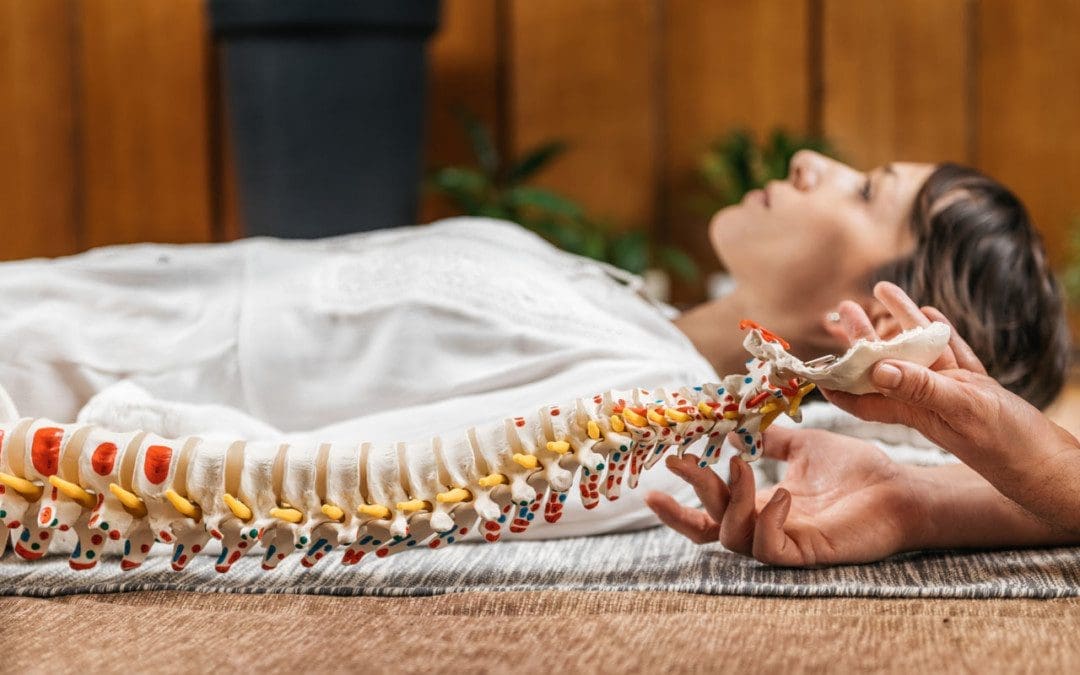
The vital information/communication between the brain and the body flow through the spinal column. The super information highway/spinal cord travels down the spinal column. Branching off the spinal cord are spinal nerve roots that go to every system, organ, and tissue in the body. The spinal bones are lined up like an electrical conduit channel for the spinal cord. The vertebrae should be lined up and move properly, allowing optimal blood and nerve circulation without any obstruction or interference.
When the spine shifts out of place, creating misalignment, moving properly becomes hindered, causing discomfort and pain, along with the vital communication needed to regulate maximum function not able to get through. This leads to malfunction within the body and decreases health and well-being. Spinal misalignment that interferes with nerve message transmission is called a vertebral subluxation.Chiropractic healthcare professionals are trained to detect and correct spinal subluxations. They realign the spine’s bones to restore nervous system health and internal communication for proper body function.
Body Composition
Prebiotics Can Help With
Inflammation
Inflammation is a normal function of the immune system; however, chronic inflammation can cause damage to the body. Chronic inflammation is associated with:
Obesity
Heart disease
Cancer
Other diseases and conditions.
Having a balance of healthy gut microbiota helps decrease chronic inflammation and the risk of disease.
Gastrointestinal Diseases and Conditions
Prebiotics also ferment in the colon producing short-chain fatty acids. These provide energy for the colon’s epithelial cells that line and protect the colon. Prebiotics increase the protection provided by the epithelial cells, reducing the risk for gastrointestinal conditions like:
Irritable Bowel Syndrome – IBS
Crohn’s disease
Cancer.
Prebiotics can also reduce symptoms of gastrointestinal conditions.
Neurological System
The central nervous system is also known as the brain and spinal cord. However, many do not know about the enteric nervous system, which includes the gastrointestinal tract. The link between the enteric and central nervous systems involves cognitive and emotional functions. Prebiotics increase and promote healthy gut microbiota to help manage:
Mood
Learning
Memory
Certain psychological disorders
References
Cerdó, Tomás et al. “Probiotic, Prebiotic, and Brain Development.” Nutrients vol. 9,11 1247. 14 Nov. 2017, doi:10.3390/nu9111247
Chu, Eric Chun Pu, and Michelle Ng. “Long-term relief from tension-type headache and major depression following chiropractic treatment.” Journal of family medicine and primary care vol. 7,3 (2018): 629-631. doi:10.4103/jfmpc.jfmpc_68_18
Kiani, Aysha Karim et al. “Neurobiological basis of chiropractic manipulative treatment of the spine in the care of major depression.” Acta bio-medica : Atenei Parmensis vol. 91,13-S e2020006. 9 Nov. 2020, doi:10.23750/abm.v91i13-S.10536
Maltese, Paolo Enrico et al. “Molecular foundations of chiropractic therapy.” Acta bio-medica : Atenei Parmensis vol. 90,10-S 93-102. 30 Sep. 2019, doi:10.23750/abm.v90i10-S.8768
Wirth, Brigitte et al. “Neurophysiological Effects of High Velocity and Low Amplitude Spinal Manipulation in Symptomatic and Asymptomatic Humans: A Systematic Literature Review.” Spine vol. 44,15 (2019): E914-E926. doi:10.1097/BRS.0000000000003013
IFM's Find A Practitioner tool is the largest referral network in Functional Medicine, created to help patients locate Functional Medicine practitioners anywhere in the world. IFM Certified Practitioners are listed first in the search results, given their extensive education in Functional Medicine