by Dr Alex Jimenez DC, APRN, FNP-BC, CFMP, IFMCP | Functional Medicine, Gastro Intestinal Health, Gut and Intestinal Health, Health, Wellness
Do you feel the following:
- Feeling those bowels do not empty completely
- Lower abdominal pain relieved by passing stool or gas
- Alternating constipation and diarrhea
- A hard, dry, or small stool
- Use laxatives frequently
If you are experiencing any of these situations, then you must be experiencing gastrointestinal impairments in your body.
Gastrointestinal Impairments

The digestive system is consisting of the gastrointestinal tract, which is home to the intestines, the liver, the colon, the gallbladder, the pancreas, and the stomach. When there is a disruption in the gastrointestinal tract, it can cause inflammation and chronic illnesses that can harm the body. Functional disorders in the digestive tract (GI tract) can look normal in the body, but it doesn’t work correctly.
Many factors can upset the GI tract and its motility, including:
- Eating a diet low in fiber
- Not getting enough exercise
- Traveling or changes in a routine
- Eating large amounts of dairy blankets
- Stress
- Resisting the urge to have a bowel movement
- Overusing laxatives
- Taking certain medicines
Some of the most common problems that can affect the GI tract are constipation, IBS, and colon cancer.
Irritable Bowel Syndrome
IBS (irritable bowel syndrome) is a long term gastrointestinal disorder. It can cause abdominal pain, bloating, mucus in the stool, irregular bowel habits, and can alternate diarrhea and constipation. IBS can cause persistent discomfort to individuals, but they can improve the symptoms over time as they learn to manage the condition.
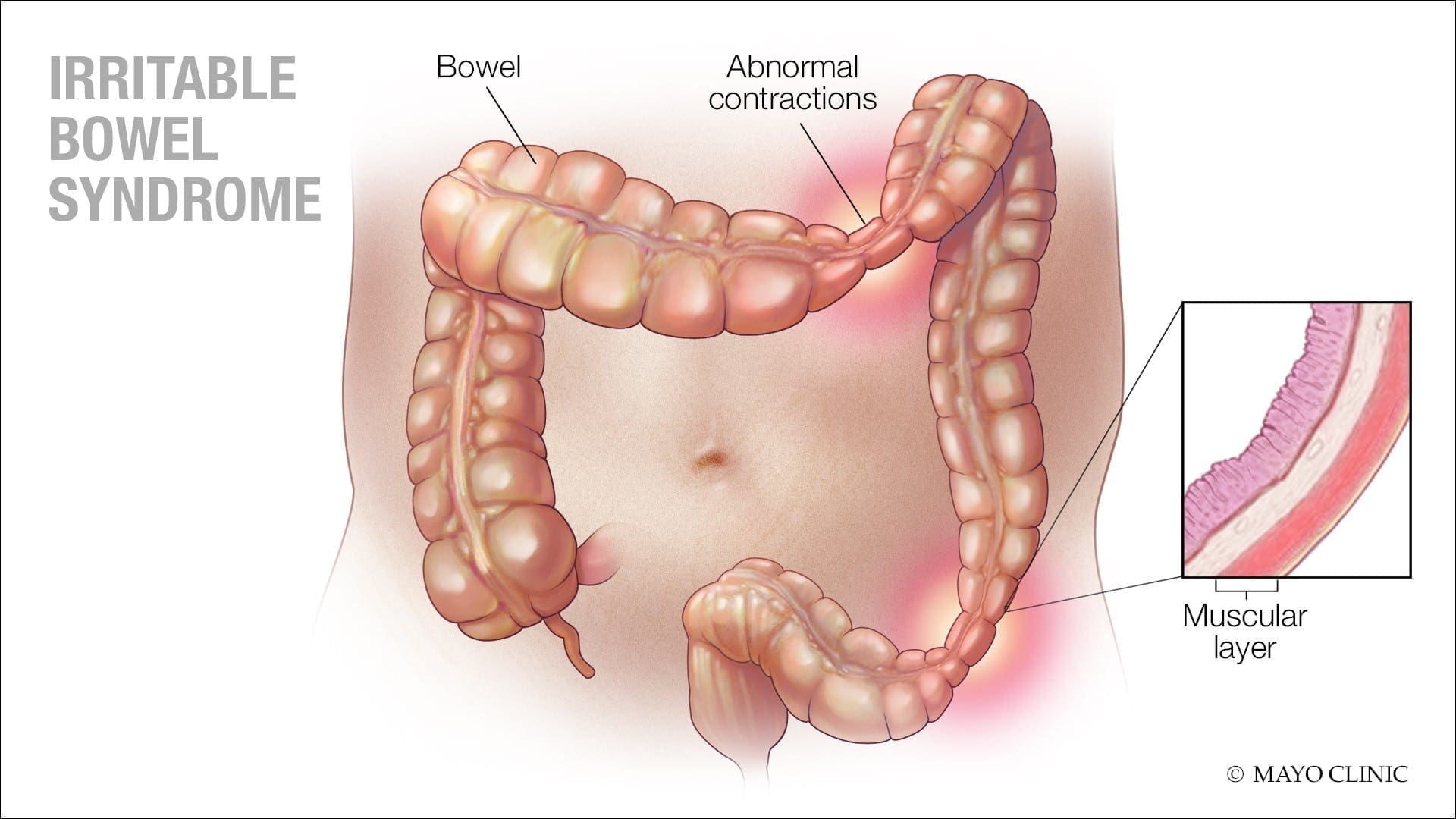
Some of the symptoms caused by IBS are:
- Changes in bowel habits
- Abdominal pain and cramping that lessens after using the bathroom
- A feeling that the bowels not fully emptied after using the bathroom
- Excess gas
- The passing of mucus from the rectum
- The sudden urgent need to use the bathroom
- Swelling or bloating from the abdomen.
Signs and symptoms of IBS can vary between individuals and can often resemble other diseases and conditions. IBS symptoms can often get worst after earing, and a flare-up may last about 2 to 4 days, then the symptoms may either improve or go away entirely, but IBS symptoms can affect different body parts.
These can include:
- Frequent urination
- Bad breath
- Headaches
- Joint or muscle pain
- Persistent fatigue
- Anxiety
- Depression
Constipation
Constipation is one of the most common digestive problems that affects around 2.5 million individuals. It is a syndrome that is defined by bowel symptoms (painful or infrequent passage of stool, the hardness of stool, or a feeling of incomplete evacuation) that may occur either in isolation or secondary to another underlying disease like for example, Parkinson’s disease.

The cause of constipation is through the colon. The colon’s main job is to absorb water from leftover food as it passes through the digestive system and creates waste. When the waste is ready to be excreted out, the colon’s muscles propel the waste out through the rectum to eliminate from the body. If the debris remains in the colon for too long, though, it can be tough and challenging to excrete it out of the body.
Some factors can cause constipation; this can include:
- Stress
- Low-fiber diet
- Lack of exercise
- Certain medications
- Particular diseases like a stroke, Parkinson’s disease, and diabetes
- Problems with the colon or rectum
- Hormonal issues
Everyone’s definition of a regular bowel movement may be different. Some people can go about three times a day, while others can go to relieve themselves about three times a week. Some of the symptoms of constipation included are:
- Fewer than three bowel movements a week
- Passing hard, dry stools
- Straining or pain during bowel movements
- Still feeling full after a bowel movement
- Experiencing a rectal blockage
Colon Cancer
Colon cancer is the third most common type of cancer. When tumorous growths develop in the large intestine or the colon, it develops colon cancer in the GI tract. The colon, the one organ where the body draws out water and salt from solid wastes. The waste then moves through the rectum and excretes out of the body through the anus.
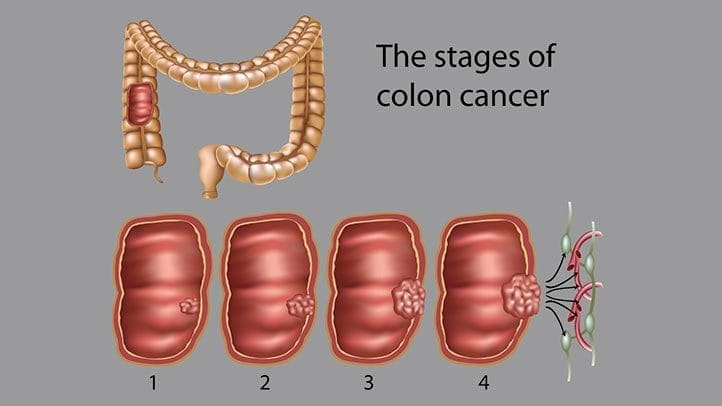
Even though colon cancer doesn’t cause any symptoms in the earliest stages, but it can become more noticeable as the disease progresses. Some of the sign and symptoms of colon cancer include:
- Diarrhea or constipation
- Changes in stool consistency
- Loose, narrow stools
- Blood in the stool
- Abdominal pain
- Weakness and fatigue
- Iron deficiency
If colon cancer spreads to a new location the gastrointestinal system, it can cause additional problems in the new area.
Conclusion
Having gastrointestinal impairments can cause the body to develop chronic illnesses. There are ways to make sure that the digestive tract is functioning correctly. An individual can change their diets and lifestyle and can make sure that their gut is working properly. When there is a disruption in the GI tract like IBS, constipation, and colon cancer, it can lead to many health problems if the individual is not careful. If an individual prolongs the symptoms, then they will develop life-long issues for their body. Some products help support the intestinal tract and help strengthens the natural defenses and support the intestinal immune function.
October is Chiropractic Health Month. To learn more about it, check out Governor Abbott�s declaration on our website to get full details on this historic moment.
The scope of our information is limited to chiropractic, musculoskeletal and nervous health issues as well as functional medicine articles, topics, and discussions. We use functional health protocols to treat injuries or chronic disorders of the musculoskeletal system. To further discuss the subject matter above, please feel free to ask Dr. Alex Jimenez or contact us at 915-850-0900 .
References:
Bharucha, Adil E, et al. �American Gastroenterological Association Technical Review on Constipation.� Gastroenterology, U.S. National Library of Medicine, Jan. 2013, www.ncbi.nlm.nih.gov/pmc/articles/PMC3531555/.
Brazier, Yvette. �Irritable Bowel Syndrome (IBS): Symptoms, Diet, Causes, and Treatment.� Medical News Today, MediLexicon International, 18 Dec. 2017, www.medicalnewstoday.com/articles/37063.php.
Crosta, Peter. �Colon Cancer: Symptoms, Treatment, and Causes.� Medical News Today, MediLexicon International, 28 Aug. 2019, www.medicalnewstoday.com/articles/150496.php.
Sethi, Saurabh. �What You Should Know About Constipation.� Healthline, 23 Aug. 2019, www.healthline.com/health/constipation.
Unknown, Unknown. �Digestive Disorders & Gastrointestinal Diseases.� Cleveland Clinic, 2017, my.clevelandclinic.org/health/articles/7040-gastrointestinal-disorders.
Whitfield, K Lynette, and Robert J Shulman. �Treatment Options for Functional Gastrointestinal Disorders: from Empiric to Complementary Approaches.� Pediatric Annals, U.S. National Library of Medicine, May 2009, www.ncbi.nlm.nih.gov/pmc/articles/PMC2830707/.

by Dr Alex Jimenez DC, APRN, FNP-BC, CFMP, IFMCP | Functional Medicine, Health, Wellness
The endocrine system is a network of glands and organs surrounding the body. While it is similar to the nervous system, it plays a vital role in controlling and regulating many body functions, as well as using chemical messengers called hormones. Since hormones circulate throughout the entire body, each type of hormone targets specific organs and tissues. The whole system is made up of glands and organs that release hormones into the body. Each has a different function to make sure that the human body is working correctly. If there is a disruption in one of the organs, it can cause problems and possibly lead to chronic illnesses later on.
Functioning The Endocrine System
In the endocrine system, it is responsible for regulating the body through the release of hormones. These hormones are secreted by the glands that travel through the bloodstream to various organs and tissues, telling them what to do or how to function in the body properly. Some of the bodily functions are controlled by the endocrine system. This includes the body�s metabolism, growth and development, heart rate, blood pressure, body temperature, appetite, and sleeping and waking cycles.
Studies have shown that the endocrine and the nervous system work closely together since the brain continuously sends instructions to the endocrine system while returning the favor, the endocrine glands receive feedback to the brain. With an intimate relationship, both methods are referred to as the neuroendocrine system. The neuroendocrine system is a mechanism where the hypothalamus maintains homeostasis, regulates reproduction, metabolism, and blood pressure. The neuroendocrine system works together with the immune system as they play an essential role in maintaining and restoring homeostasis in the body to function correctly.
The Organs of the Endocrine System
The endocrine system has a complex network of glands that secrete substances. The glands produce, store, and release throughout the body, targeting specific organs and tissues. Here are what each gland does in the endocrine system and what their functions are in the body.
Hypothalamus
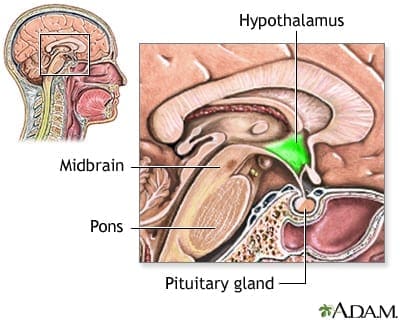
The hypothalamus gland is known as the master switchboard located in the center of the brain. Its role is significant because it controls and creates many hormones in the body. It also makes sure that it has to keep the body in a homeostasis state as much as possible. If the hypothalamus is not working correctly, it can cause problems for the body, and it can lead to a wide range of rare disorders.
Pituitary
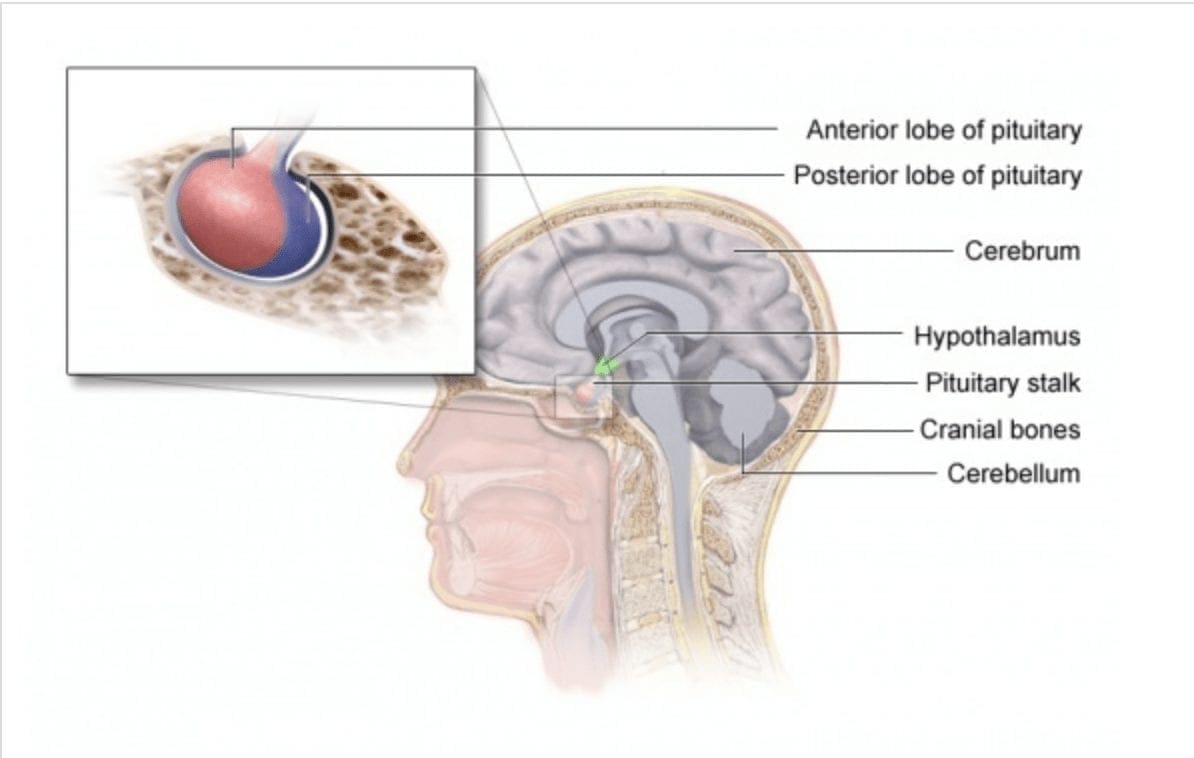
The pituitary gland is known as the master gland due to regulating the other endocrine glands activities. It plays an essential role by balancing hormone levels in the body, and together with the hypothalamus gland, they control the involuntary nervous system. This system helps manage the balance of the energy, heat, and water in the body. The pituitary gland also produces several hormones that can either regulate most of the other hormone glands or a direct effect on specific organs. When the endocrine glands produce too little or an excessive quantity of hormones, it can cause the body to be imbalanced.
Pineal
The pineal gland is a small, pea-shaped gland that is in the brain and is sometimes called �the third eye.� It plays a role in producing and regulates hormones in females that may affect fertility and the menstrual cycle, including producing and excreting melatonin in the body. A 2016 study suggests that melatonin can help protect against cardiovascular diseases; however, there is still more research being done about the potential function of melatonin in the body.
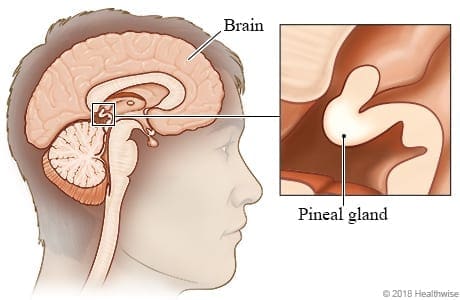
When the pineal gland is not producing the correct amount of melatonin, it can cause an individual to have sleep disorders and accumulate an excessive quantity of calcium in the body. One of the most prominent symptoms that can cause pineal gland dysfunction is a change in circadian rhythms. A person can disrupt their circadian rhythm either sleeping too much or too little, having restless nights, and feeling sleepy at unusual times.
Thyroid
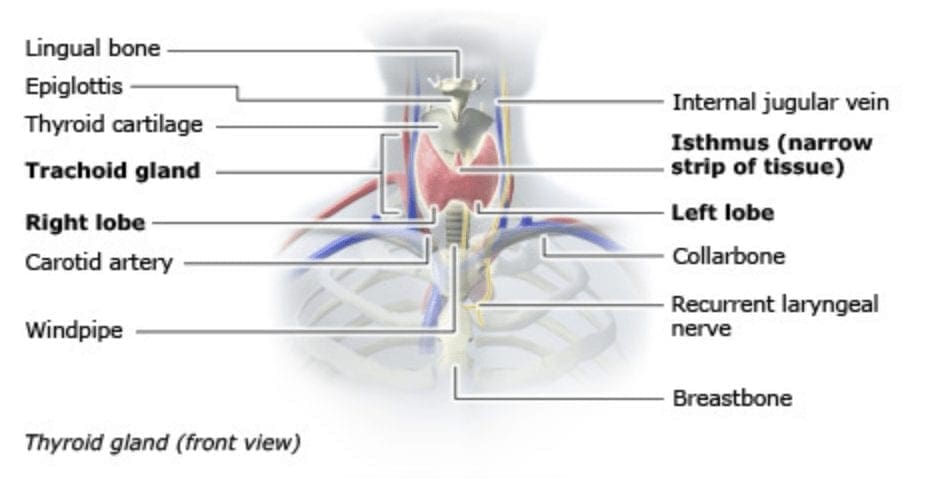
The thyroid gland a butterfly wing-shaped gland that is located in the anterior neck. It plays a huge vital role in the metabolism, growth, and development of the human body. It regulates many body functions by constantly releasing a steady amount of hormones in the bloodstream. When the thyroid produces too much or too little hormones, it can cause hyperthyroidism and hypothyroidism in the body, causing many chronic illnesses in the body.
Parathyroid
The parathyroid gland is located behind the thyroid and plays a vital role in maintaining bone health, making sure the nervous system is running smoothly, and that muscles are pumping regularly. Parathyroid glands release PTH (parathyroid hormone), which regulates calcium in the bloodstream. Research shows that calcium is the only mineral in the body that has its very own dedicated regulatory gland. Calcium not only helps with bone strength, but it conducts electrical impulses in the nervous system and its energy in muscle cells. The PTH can also signal the kidneys and small intestines to save calcium from being digested.
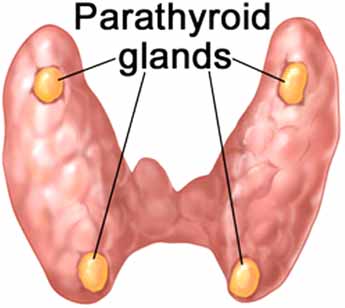
When the parathyroid gland produces an excessive amount or a decreased amount of PTH, it can cause hyperparathyroidism and hypoparathyroidism leading the body to have many malfunctions, including weak bones in the body.
Thymus
The thymus gland is known as �the forgotten, but very important organ.� �It produces progenitor cells, which matures into T-cells and helps the organs in the immune system to grow properly. According to an article published by the NLM (U.S. National Library of Medicine), it stated that the thymus is the primary cell donor for the lymphatic system.
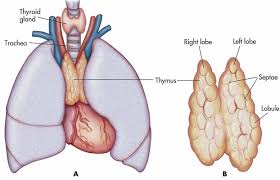
One of the most common diseases that can cause thymus dysfunction is MG (myasthenia gravis), PRCA (pure red cell aplasia), and hypogammaglobulinemia. These diseases can attack the body and cause chronic illnesses in the immune system.
Adrenal
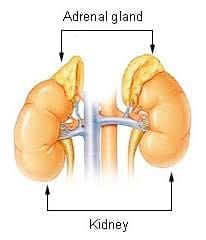
The adrenal glands are located on the top of the kidneys and help produce sex hormones and cortisol, they even work together with the pituitary glands. When cortisol is released from the adrenal glands, it can help with the response to stress and many essential functions in the body. When abnormal signals are disrupting the number of hormones that the pituitary glands telling the adrenal glands to produce. It can cause vitamin D to unbalance and many chronic illnesses.
Pancreas
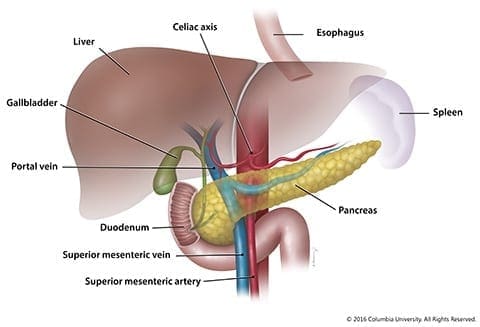
The pancreas is located in the abdomen and is part of the digestive system. It produces insulin, essential enzymes, and hormones that help break down food and sends it to the small intestine. When the pancreas produces the insulin hormone, it secretes it into the bloodstream, regulating the body�s glucose levels. There are many problems if the pancreas is not functioning correctly, causing the entire body to malfunction. If the pancreas is not producing enough insulin in the body, an individual is at risk for diabetes. Another factor is the development of pancreatic cancer caused by smoking or heavy drinking. The best way to keep a healthy pancreas is to maintain a healthy balanced diet.
Conclusion
The endocrine system is a network of glands and organs that surrounds the body. Each gland sends out hormones throughout the body and transfers to the specific organs that need these hormones to function correctly. If there is a disruption in the endocrine system, it can cause the body to malfunction and develop chronic illnesses.
October is Chiropractic Health Month. To learn more about it, check out Governor Abbott�s declaration on our website to get full details on this proclamation.
So the mechanisms of an autoimmune disease can be either by genetics or by environmental factors that can cause an individual to have problems in their body. There are many autoimmune diseases, both common and rare, that can affect the body. The scope of our information is limited to chiropractic, musculoskeletal and nervous health issues as well as functional medicine articles, topics, and discussions. We use functional health protocols to treat injuries or chronic disorders of the musculoskeletal system. To further discuss the subject matter above, please feel free to ask Dr. Alex Jimenez or contact us at 915-850-0900 .
References:
Bradford, Alina. �Parathyroid Glands: Facts, Function & Disease.� LiveScience, Purch, 5 May 2017, www.livescience.com/58980-parathyroid-glands.html.
Cherney, Kristeen. �Adrenal Glands.� Healthline, 26 July 2016, www.healthline.com/health/adrenal-glands.
Chu, Linda C, et al. �Diagnosis and Detection of Pancreatic Cancer.� Cancer Journal (Sudbury, Mass.), U.S. National Library of Medicine, 2017, www.ncbi.nlm.nih.gov/pubmed/29189329.
Crosta, Peter. �Pancreas: Functions and Disorders.� Medical News Today, MediLexicon International, 26 May 2017, www.medicalnewstoday.com/articles/10011.php.
Duggal, Neel. �5 Functions of the Pineal Gland.� Healthline, 7 Apr. 2017, www.healthline.com/health/pineal-gland-function.
Imrich, Richard. �The Role of Neuroendocrine System in the Pathogenesis of Rheumatic Diseases (Minireview).� Endocrine Regulations, U.S. National Library of Medicine, June 2002, www.ncbi.nlm.nih.gov/pubmed/12207559.
Johnson, Jon. �Hypothalamus: Function, Hormones, and Disorders.� Medical News Today, MediLexicon International, 22 Aug. 2018, www.medicalnewstoday.com/articles/312628.php.
Mannstadt, Michael, et al. �Hypoparathyroidism.� Nature Reviews. Disease Primers, U.S. National Library of Medicine, 31 Aug. 2017, www.ncbi.nlm.nih.gov/pubmed/28857066.
N/A, Uknown. �Circadian Rhythms.� National Institute of General Medical Sciences, U.S. Department of Health and Human Services, Aug. 2017, www.nigms.nih.gov/education/pages/factsheet_circadianrhythms.aspx.
Rosenow, E C, and B T Hurley. �Disorders of the Thymus. A Review.� Archives of Internal Medicine, U.S. National Library of Medicine, Apr. 1984, www.ncbi.nlm.nih.gov/pubmed/6608930.
Seladi-Schulman, Jill. �Endocrine System Overview.� Healthline, 22 Apr. 2019, www.healthline.com/health/the-endocrine-system.
Sun, Hang, et al. �Effects of Melatonin on Cardiovascular Diseases: Progress in the Past Year.� Current Opinion in Lipidology, Lippincott Williams & Wilkins, Aug. 2016, www.ncbi.nlm.nih.gov/pmc/articles/PMC4947538/.
Tirabassi, Giacomo, et al. �Adrenal Disorders: Is There Any Role for Vitamin D?� Reviews in Endocrine & Metabolic Disorders, U.S. National Library of Medicine, Sept. 2017, www.ncbi.nlm.nih.gov/pubmed/27761790.
Unknown, Unknown. �How Does the Pituitary Gland Work?� InformedHealth.org [Internet]., U.S. National Library of Medicine, 19 Apr. 2018, www.ncbi.nlm.nih.gov/books/NBK279389/.
Unknown, Unknown. �How Does the Thyroid Gland Work?� InformedHealth.org [Internet]., U.S. National Library of Medicine, 19 Apr. 2018, www.ncbi.nlm.nih.gov/books/NBK279388/.
Villines, Zawn. �Pineal Gland Function: Definition and Circadian Rhythm.� Medical News Today, MediLexicon International, 1 Nov. 2017, www.medicalnewstoday.com/articles/319882.php.
Vorvick, Linda J., et al. �Endocrine Glands – Health Video: MedlinePlus Medical Encyclopedia.� MedlinePlus, U.S. National Library of Medicine, 10 May 2019, medlineplus.gov/ency/anatomyvideos/000048.htm.
Yuen, Noah K, et al. �Hyperparathyroidism of Renal Disease.� The Permanente Journal, The Permanente Journal, 2016, www.ncbi.nlm.nih.gov/pubmed/27479950.
Zdrojewicz, Zygmunt, et al. �The Thymus: A Forgotten, But Very Important Organ.� Advances in Clinical and Experimental Medicine : Official Organ Wroclaw Medical University, U.S. National Library of Medicine, 2016, www.ncbi.nlm.nih.gov/pubmed/27627572.








