Bicycle Stationary Conversion: Your Indoor Cycling Solution
Can converting a bicycle into a stationary bike be a way for individuals to exercise more while still enjoying cycling?
Bicycle Stationary Conversion
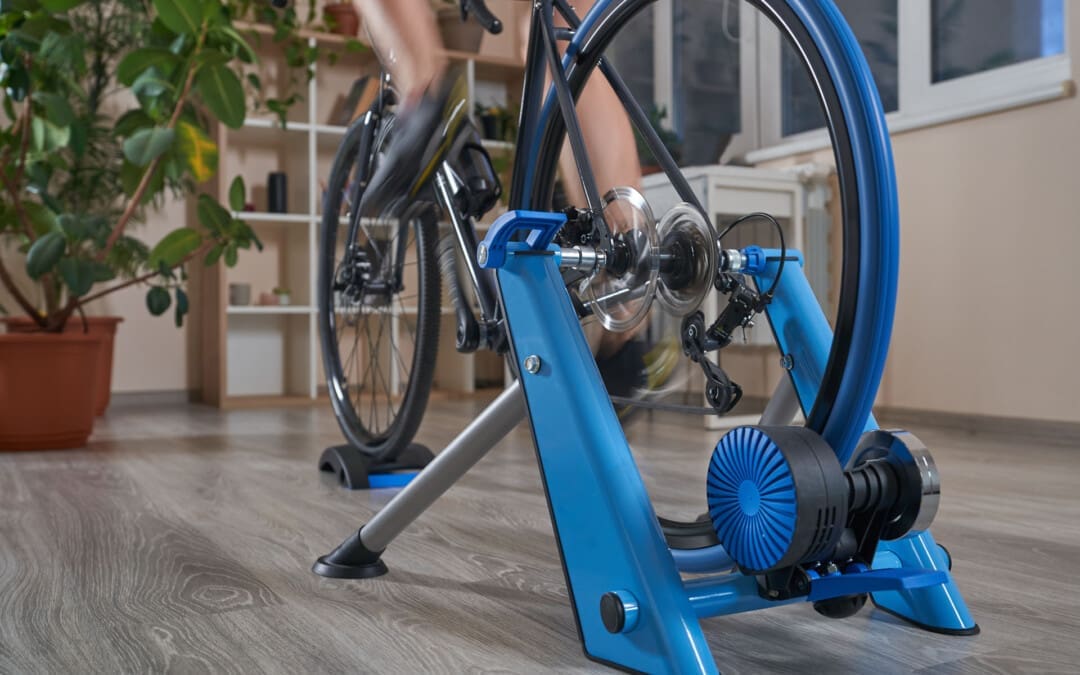
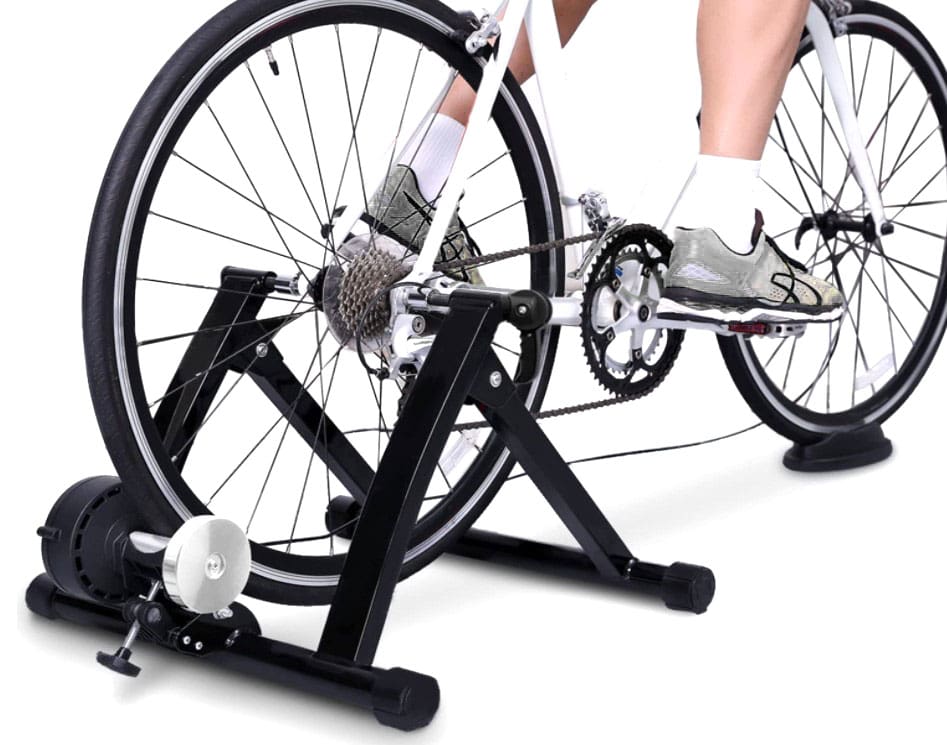
Is your bike collecting dust in the garage? Do you miss riding, but the weather or temperatures keep you indoors? Why not quickly and painlessly turn your bike into a stationary bike? An indoor stationary bike is a great way to maintain physical activity while avoiding inclement weather and outdoor elements. Plus, bicycle stationary conversion in your home, office, or garage is quick and straightforward. A bike trainer or roller is needed to convert a bicycle into a stationary bike. The bike is mounted onto the trainer stand, and its rear axle is replaced with a special axle provided with the trainer kit to secure it and hold the wheel in place while allowing you to pedal, creating resistance for indoor cycling.
Cycling
Bicycle stationary conversion isn’t only for die-hard cyclists. Research shows indoor cycling is a great way to stay healthy and consistent with your workouts. One study showed that indoor cycling improves aerobic capacity, blood pressure, lipid profile, and body composition. (Chavarrias, M. et al., 2019)
Stationary Bikes Types
For those who don’t have the space or know that they won’t regularly use a stationary bike, indoor bike trainers and rollers can provide convenient, economical, and compact options. Whether individuals want to exercise more, maintain a riding schedule, or train for an event, trainers and rollers can be highly effective tools for any cyclist. However, choosing between a bike trainer and rollers varies depending on the pros and cons. Selecting the right equipment depends on several factors, including:
- Personal needs
- Space – indoor or garage.
- Cycling experience
Most cyclists, even hobbyists, prefer indoor cycling bikes over traditional stationary bikes because they are riding a real bicycle, including the positioning and pedaling, compared to upright, air, or recumbent bikes.
Trainer
A bike trainer is a stand that lets an individual ride a regular bicycle while stationary. Cyclists often use it to warm up before races, and it comes in handy when weather conditions or time constraints prevent riding outdoors. Most trainer stands can accommodate bicycles. Trainers are suitable for beginners and professional riders. There are two types of indoor bike trainers.
Direct-drive
- Direct-drive trainers attach to the bike’s rear dropouts, replacing the wheel and providing a direct connection to the resistance unit.
- These can cost more, but they’re worth the investment because they’re more accurate and deliver the highest resistance levels.
Friction
- A small roller is installed against the rear wheel with friction trainers, which use magnetic or fluid resistance.
- These are typically lighter and easier to transport than direct-drive trainers but are less accurate and provide less resistance.
Rollers
Rollers are the most basic type of indoor stationary bike but may not be the best option for individuals new to indoor cycling. This is because it requires advanced cycling techniques, such as balancing and keeping the front tire straight while riding. The cycle is on rollers instead of being fixed, allowing the resistance to range from zero to the equivalent of a direct-drive trainer. Rollers help refine pedaling technique and improve cycling form because you balance and stabilize while riding.
Conversion – What Is Needed
The most important equipment needed to convert the cycle is a bike stand, which will be the foundation of the stationary bike setup. (Bike To Work Day, 2025) There are two-piece stands and one-piece stands. (Bike To Work Day, 2025) Tools like an Allen wrench may be needed. Various bike trainer kits contain all the parts needed for this conversion, but extra standard tools may be required to remove the back wheel and replace the axle.
- Choose the right trainer: Consider your bike type, desired resistance levels, and budget.
- Install the trainer: Follow the manufacturer’s instructions to position and secure the trainer properly.
- Mount the bike: Remove the rear wheel quick release, insert the trainer’s axle, and tighten it securely.
- Adjust resistance: Most trainers have a knob or lever to control the difficulty level.
- If you are uncertain whether your bike stand is set up correctly or having issues with the installation, contact a professional bike mechanic. They can help get the stationary bike up and running properly.
Considerations
- Tire wear: Using a dedicated trainer tire for the rear wheel can minimize wear and tear.
- Noise level: Some trainers can be noisy, especially wheel-on types.
- Stability: Ensure the bike is properly secured on the trainer and your training area is stable.
Injury Medical Chiropractic and Functional Medicine Clinic
Injury Medical Chiropractic and Functional Medicine Clinic works with primary healthcare providers and specialists to build optimal health and wellness solutions. Regarding musculoskeletal pain, specialists like chiropractors, acupuncturists, and massage therapists can help mitigate the pain through spinal adjustments that help the body realign itself. The clinic can also work with other medical professionals to integrate a treatment plan to resolve musculoskeletal problems.
Body In Balance: Chiropractic, Fitness, and Nutrition
References
Chavarrias, M., Carlos-Vivas, J., Collado-Mateo, D., & Pérez-Gómez, J. (2019). Health Benefits of Indoor Cycling: A Systematic Review. Medicina (Kaunas, Lithuania), 55(8), 452. https://doi.org/10.3390/medicina55080452
Bike To Work Day. (2025). How to turn a bike into a stationary bike: Things to know. https://biketoworkday.us/turn-a-bike-into-a-stationary-bike/#Setting_up_Your_Stationary_Bike