For individuals with aches and pains throughout their body, can a foot detox help bring relief?
Foot Detox
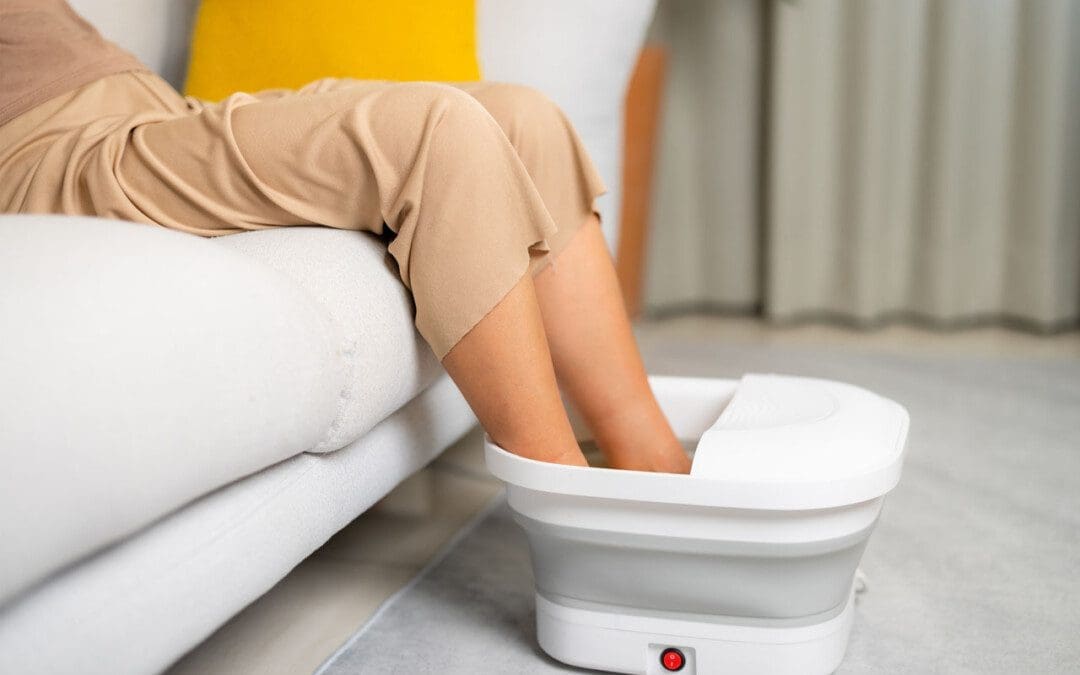
A foot detox involves soaking the feet in an ionic bath to help remove toxins from the body. They can also be performed using acupressure, scrubs, foot masks, and pads. Combined with eliminating toxins, detox is also believed to help enhance blood circulation and provide body pain and discomfort relief. However, current evidence is limited and there has been no evidence to support that toxins can be released from the feet using an ionic bath. However, they have been found to provide other benefits, which include:
Relaxation
Lower stress levels
Enhanced skin health and hydration.
Reduced inflammation in individuals with skin disorders.
Foot detoxes are considered generally safe, but individuals are recommended to speak to their healthcare provider.
Potential Benefits
The potential health benefits include:
Reduces inflammation and swelling.
Improves stress levels and mood.
Can help with weight management.
Can help with heart health and increased blood circulation.
However, most reports surrounding the benefits of foot detox are not proven by research investigating whether the health claims are scientifically accurate. One study in 2012 found that foot detoxes did not produce the intended results and could not help remove toxins from the body. (Deborah A. Kennedy, et al., 2012) Other research surrounding foot baths and massages showed that they could help reduce symptoms of mood disorders like schizophrenia because of the relaxing effect they produce. (Kazuko Kito, Keiko Suzuki. 2016)
Ways Toxins are Removed From the Body
Toxins are filtered out of the body in a variety of ways. Breathing out expels carbon dioxide from the body. Another way is through the body’s natural processes. The body has organs and other systems to filter out and release toxins.
Specific organs, such as the liver, kidneys, and lymph nodes, filter and remove harmful and unneeded substances. (UW Integrative Health. 2021)
The health claims surrounding toxin removal through the feet are currently insubstantial because no evidence supports the effectiveness and the anecdotal evidence is not based on science.
Foot detoxes can be an enjoyable experience that can help relieve sore feet, relax the body, and offer relief for certain foot ailments. They could be an excellent addition to a self-care routine. Some of the most commonly used natural foot detoxes include the following.
Epsom Salt Foot Bath
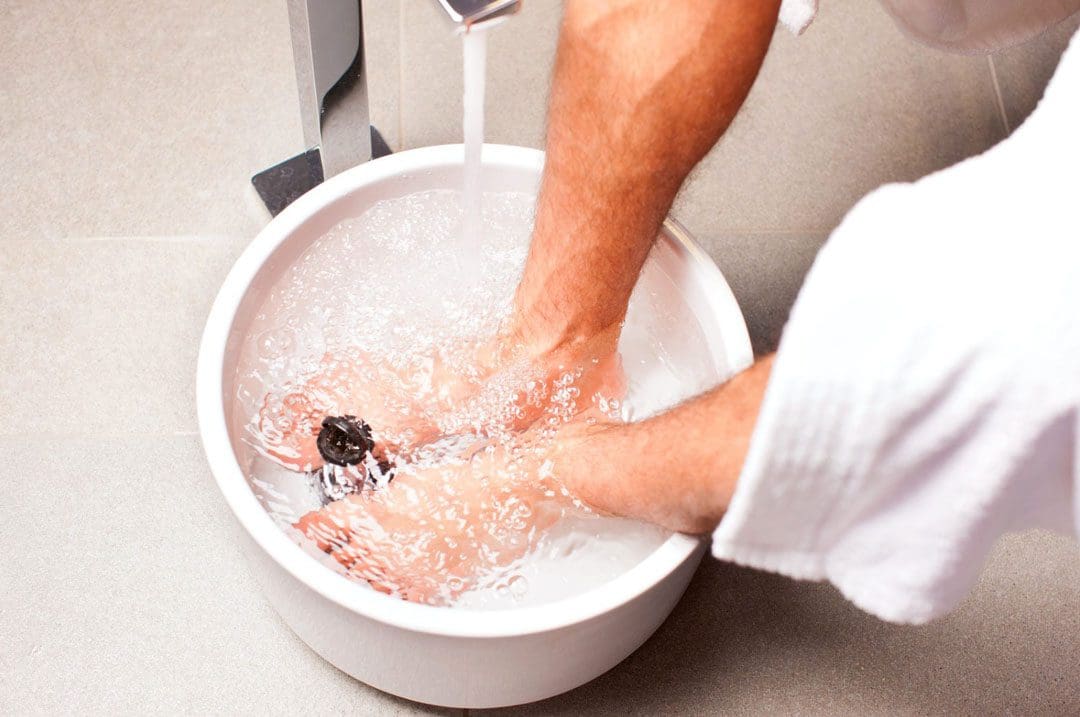
Combining Epsom salts with warm water and soaking the feet for 20–30 minutes can help promote relaxation.
Apple cider vinegar foot baths are made by diluting 1 cup of vinegar in warm water and soaking the feet for 20–30 minutes.
There is limited research available to confirm the health claims.
The studies that have been done have found the reverse effect, that bathing the feet in apple cider vinegar and water can irritate the skin. (Lydia A Luu, et al., 2021)
Baking Soda and Sea Salt
Sea salt combined with baking soda dissolved in a bath and soak the feet for up to 30 minutes. While research is limited, some evidence supports the health benefits associated with sea salt that include: (Ehrhardt Proksch, et al., 2005)
Reduces inflammation in skin conditions, like atopic dermatitis.
Foot baths should be avoided for the following:
There are open sores on the feet that could be irritated by salt and other foot bath ingredients.
Individuals with a pacemaker or any electrical body implant.
Pregnant women.
Consult a healthcare provider before trying any new health protocols.
Foot Orthotics Benefits
References
Kennedy, D. A., Cooley, K., Einarson, T. R., & Seely, D. (2012). Objective assessment of an ionic footbath (IonCleanse): testing its ability to remove potentially toxic elements from the body. Journal of environmental and public health, 2012, 258968. https://doi.org/10.1155/2012/258968
Kito, K., & Suzuki, K. (2016). Research on the Effect of the Foot Bath and Foot Massage on Residual Schizophrenia Patients. Archives of psychiatric nursing, 30(3), 375–381. https://doi.org/10.1016/j.apnu.2016.01.002
UW Integrative Health. Improving your health by removing toxins from your body.
Akyuz Ozdemir, F., & Can, G. (2021). The effect of warm salt water foot bath on the management of chemotherapy-induced fatigue. European journal of oncology nursing: the official journal of European Oncology Nursing Society, 52, 101954. https://doi.org/10.1016/j.ejon.2021.101954
Vakilinia, S. R., Vaghasloo, M. A., Aliasl, F., Mohammadbeigi, A., Bitarafan, B., Etripoor, G., & Asghari, M. (2020). Evaluation of the efficacy of warm salt water foot-bath on patients with painful diabetic peripheral neuropathy: A randomized clinical trial. Complementary therapies in medicine, 49, 102325. https://doi.org/10.1016/j.ctim.2020.102325
Luu, L. A., Flowers, R. H., Gao, Y., Wu, M., Gasperino, S., Kellams, A. L., Preston, D. C., Zlotoff, B. J., Wisniewski, J. A., & Zeichner, S. L. (2021). Apple cider vinegar soaks do not alter the skin bacterial microbiome in atopic dermatitis. PloS one, 16(6), e0252272. https://doi.org/10.1371/journal.pone.0252272
Proksch, E., Nissen, H. P., Bremgartner, M., & Urquhart, C. (2005). Bathing in a magnesium-rich Dead Sea salt solution improves skin barrier function, enhances skin hydration, and reduces inflammation in atopic dry skin. International journal of dermatology, 44(2), 151–157. https://doi.org/10.1111/j.1365-4632.2005.02079.x
Kanwar A. J. (2018). Skin barrier function. The Indian Journal of Medical Research, 147(1), 117–118. https://doi.org/10.4103/0971-5916.232013
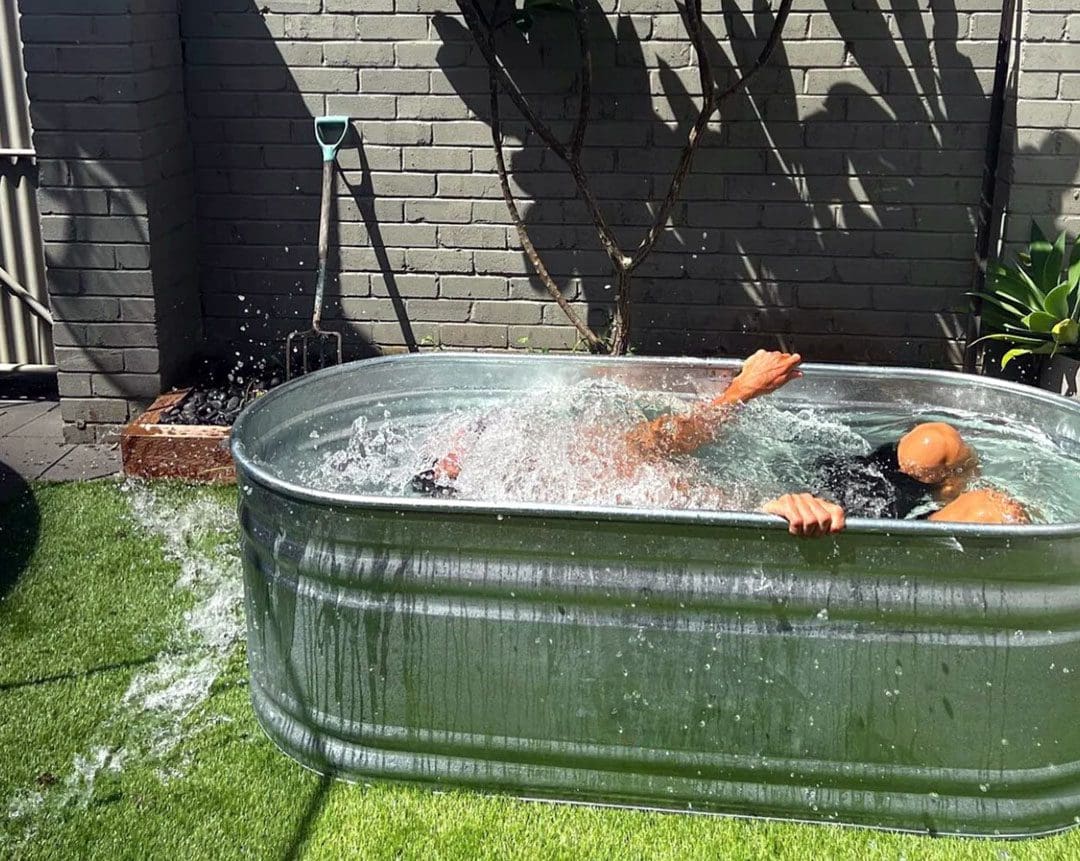
Athletes regularly take an ice-water bath after training or playing. It is known as cold water immersion/cryotherapy. It is used to relieve and reduce muscle soreness and pain after intense training or competition. From runners to professional tennis and football players, taking an ice bath is a common recovery practice. Many athletes utilize ice baths to help with faster recovery, prevent injury, and cool down the body. Here we provide some research on cold-water immersion therapy.
Ice Water Bath
Cold Immersion After Exercise or Physical Activity
Exercise causes microtrauma/tiny tears in the muscle fibers. The microscopic damage stimulates muscle cell activity to repair the damage and strengthen the muscles/hypertrophy. However, hypertrophy is linked with delayed onset muscle soreness and pain/DOMS, between 24 and 72 hours after physical activity. An ice water bath works by:
Constricting the blood vessels.
Flushes out waste products (lactic acid), out of the muscle tissues.
Reduces inflammation, swelling, and tissue breakdown.
Then, applying heat or warming up the water increases and speeds up blood circulation, improving the healing process.
There is no current ideal time and temperature for cold immersion, but most athletes and trainers who use the therapy recommend a water temperature between 54 to 59 degrees Fahrenheit and immersion of five to 10 minutes, and depending on the soreness, sometimes up to 20 minutes.
Pros and Cons
The effects of ice baths and cold water immersion on exercise recovery and muscle soreness.
Relieves Inflammation but Can Slow Down Muscle Growth
A study determined that cold water immersion can disrupt training adaptations.
Research suggests that icing muscles right after maximum exercise decreases inflammation, but can slow down muscle fiber growth, and delay muscle regeneration.
Athletes trying to increase muscle size and strength may need to adjust the therapy sessions.
Reduce Muscle Soreness
A review concluded there was some evidence that ice water immersion reduced delayed onset muscle soreness when compared to resting and rehabilitation or no medical treatment.
The most effects were seen in running athletes.
There was no substantial evidence to conclude whether it improved fatigue or recovery.
The studies did not have a standard for adverse effects or follow-up with the participants regularly.
There was no difference in muscle soreness between cold water immersion, active recovery, compression, or stretching.
Pain Relief
Cold water immersion after a physical activity offers temporary pain relief but can help with a faster recovery.
A study of jiu-jitsu athletes found that following a workout with cold water immersion could lead to decreased muscle aches and help reduce lactate levels.
Alternating cold water and warm water baths (contrast water therapy), may help athletes feel better and offer temporary pain relief.
Active Recovery Alternative
More research is needed before a firm conclusion can be reached on ice-water bath therapy. However, active recovery is a recommended alternative for athletes looking to recover faster.
A study suggested that ice baths were equally effective, but not more effective, as active recovery for reducing inflammation.
Cold water immersion is no greater than active recovery upon local and systemic inflammatory cellular stress.
Research determined that active recovery is still the most widely used, and currently the best way to recover after intense exercise or physical activity.
Low-impact workouts and stretches are still considered the most beneficial cool-down methods.
Cold Water Therapy
Ice Bath
Individuals can use their tub at home to perform cold water therapy.
Individuals may want to purchase a large bag of ice, but the cold water from the faucet will work.
Fill the tub with cold water, and if desired, pour in some ice.
Let the water and ice sit to get the cold temperature.
Measure the temperature if necessary before getting in.
Submerge the lower half of the body and adjust the temperature based on feel by adding more water, ice, or warm water if freezing.
It’s like icing with an ice pack, but the whole body swelling reduces and relaxes the muscles.
Don’t overdo it – one review found the best routine was 11 to 15 minutes of immersion at a temperature between 52 and 60 degrees Fahrenheit.
Cold Shower
A few minutes in a cold shower is another way to perform the therapy.
Individuals can get in a cold shower or start with warm water and slowly transition to cold.
This is the easiest and most time-efficient method of cold water therapy.
Safety
Consult with your doctor or a health care practitioner before practicing cold water therapy.
Exposure to cold water can affect blood pressure, circulation, and heart rate.
Cold water immersion can cause cardiac stress and can result in a heart attack.
Be mindful that exposure to cold temperatures can result in hypothermia.
Get out of the cold water if you experience numbness, tingling, discomfort, and/or pain.
Optimizing Wellness
References
Allan, R, and C Mawhinney. “Is the ice bath finally melting? Cold water immersion is no greater than active recovery upon local and systemic inflammatory cellular stress in humans.” The Journal of Physiology vol. 595,6 (2017): 1857-1858. doi:10.1113/JP273796
Altarriba-Bartes, Albert, et al. “The use of recovery strategies by Spanish first division soccer teams: a cross-sectional survey.” The Physician and sports medicine vol. 49,3 (2021): 297-307. doi:10.1080/00913847.2020.1819150
Bieuzen, François, et al. “Contrast water therapy and exercise-induced muscle damage: a systematic review and meta-analysis.” PloS one vol. 8,4 e62356. 23 Apr. 2013, doi:10.1371/journal.pone.0062356
Fonseca, Líllian Beatriz et al. “Use of Cold-Water Immersion to Reduce Muscle Damage and Delayed-Onset Muscle Soreness and Preserve Muscle Power in Jiu-Jitsu Athletes.” Journal of athletic training vol. 51,7 (2016): 540-9. doi:10.4085/1062-6050-51.9.01
Forcina, Laura, et al. “Mechanisms Regulating Muscle Regeneration: Insights into the Interrelated and Time-Dependent Phases of Tissue Healing.” Cells vol. 9,5 1297. 22 May. 2020, doi:10.3390/cells9051297
Shadgan, Babak, et al. “Contrast Baths, Intramuscular Hemodynamics, and Oxygenation as Monitored by Near-Infrared Spectroscopy.” Journal of athletic training vol. 53,8 (2018): 782-787. doi:10.4085/1062-6050-127-17
Sutkowy, Paweł, et al. “Postexercise impact of ice-cold water bath on the oxidant-antioxidant balance in healthy men.” BioMed research international vol. 2015 (2015): 706141. doi:10.1155/2015/706141
Chiropractor, Dr. Alex Jimenez shares some how-to advice on taking hot baths for back tension and pain. A bath can be a wonderful and fulfilling experience in self-care for back pain. There are medical benefits from taking a hot bath, as well. A hot bath can be extremely helpful when it comes to back pain.
Dr. Jimenez helps his patients with spinal ailments and conditions that range from arthritis, degenerative disc disease to nerve compression, sciatica, auto accident injuries, sports injuries, etc. In addition to chiropractic, physical therapy, diet, and exercise, he has also seen the power of home remedies, like a hot bath.
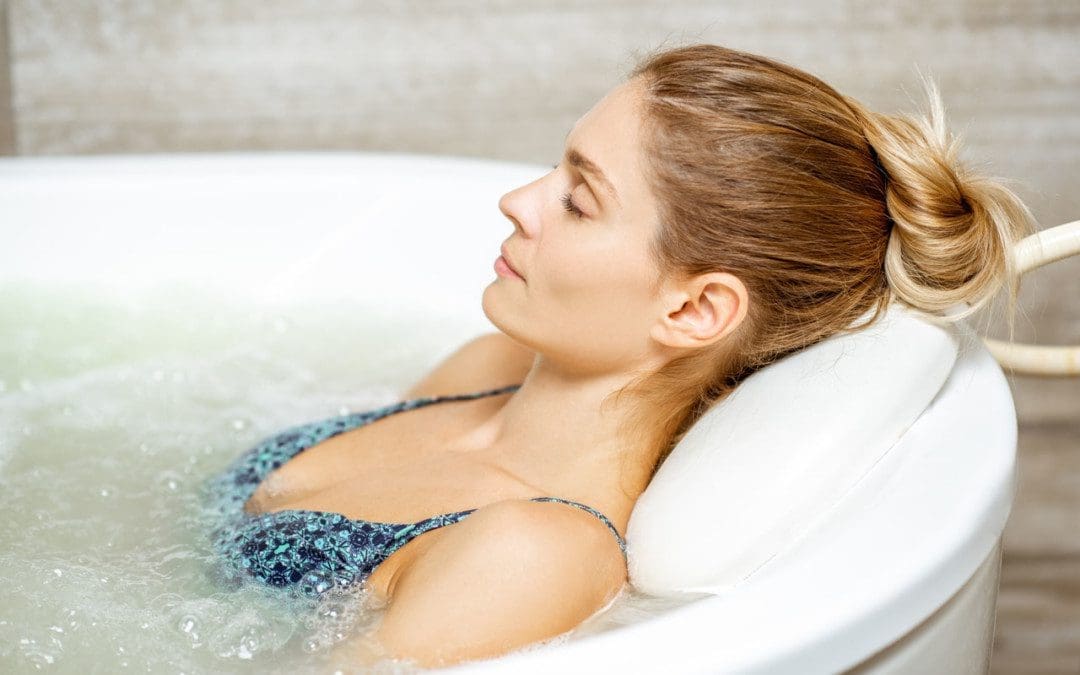
There are scientific studies that have shown how hydrotherapy can relieve back pain. Dr. Jimenez describes a hot bath as a muscle-relaxing stimulus. It opens up the muscles, which allows more blood to flow through, which in turn helps to heal injury/s, tightness, and soreness. It helps to clean out lactic acid, which is known to cause muscle pain, fatigue, and muscle cramps.
Here is what usually happens to the spine when soreness, tightness, aching, and pain present. A spinal structure like a nerve, disc, vertebral bone, or other tissue is injured or on the verge of injury, and the muscles around it contract closely in to prevent more damage.
This is called muscle spasm. Don't worry the body is supposed to respond this way, as it means the damaged tissue is less likely to sustain further injury. However, muscle spasms can be painful. Much like a Charley horse, a back spasm can have the same effect.
For example, someone standing or working for an extended period places the muscle/s under constant tension, which means they have a higher chance of having a spasm and developing painful symptoms. A hot bath relaxes the muscle/s and reduces/removes the aching soreness and pain. Here are some tips to help relax the back muscles. �
Try Epsom Salt
Taking a bath with Epsom salt or minerals that dissolve in water can be helpful, but are not necessary. Many are fantastic skin relaxants, but if you have a hot bath with or without the salt, it�s not going to make a huge difference. What makes the bath work is the heat and the floatation. This what creates the benefits.
Soak 15-20 Minutes
It is really up to the individual, as to how long they want to stay in the tub. One question to ask is how long can you take sitting in hot water? Hot tubs are normally heated to about 102 to 103 degrees. With these types of tubs, individuals can sit for a half-hour or more. However, most of us do not have a jacuzzi, so remember that a regular bath will be warmer possibly 105 or 106 degrees. It all depends on how long you can take the heat. �
� Remember not to scald yourself with a bath that is way too hot to soak in, please. It�s ok to get the water running hot, but as it fills turn the heat down and let it cool slightly before stepping in. Most individuals don�t need more than 15 to 20 minutes of soaking time maximum.
As for how often one should take a hot bath, Dr. Jimenez explains that it depends on the severity of the back pain and what type of work and activities the individual does. For most three times a week offers a balanced therapy. If an individual has a strenuous physical job like construction work, manual lifting, standing work, or doing highly repetitive work then they�ll need to do more than 3 times a week.
Strengthen the Body's Core
A strong core can support and protect the spine, along with the rest of the body. Squeezing and contracting the back, side, and front muscles make the core strong and robust. It behaves like a steel beam supporting the spine when added protection is needed.
Stretch Out
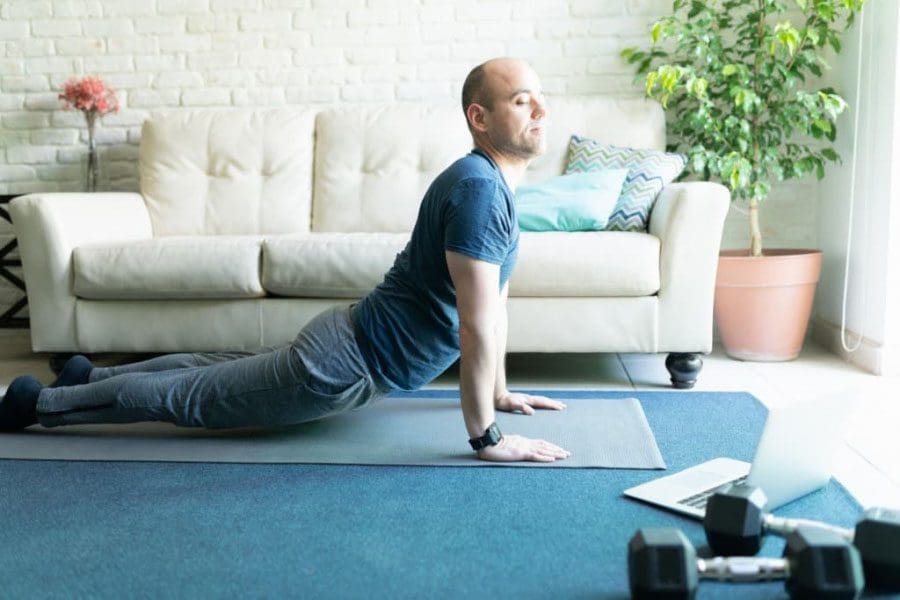
After a hot bath is a perfect time to stretch. Toe touches can loosen tight hamstrings that can strain the lower back. Also, try out yoga's upward-facing dog pose. Sun salutationscan help the spine go through a wide range of motion. Therefore do them slowly and hold each pose for a few breaths. A long salutation or two can feel tremendous when the spine is nice and relaxed.
Take Care When Getting Out
Hot baths might not be a good idea or the right option for certain people. If there is instability in your spine and the vertebra move around more than they are supposed to then a hot bath might not be the best option. Instead, a hot shower with a massage setting could be equivalent to taking a hot bath.
However, if a hot bath is not helping with back pain it could be a sign of something more than muscle tightness or a muscle spasm. A spine specialist or chiropractor can give you a proper diagnosis.
IFM's Find A Practitioner tool is the largest referral network in Functional Medicine, created to help patients locate Functional Medicine practitioners anywhere in the world. IFM Certified Practitioners are listed first in the search results, given their extensive education in Functional Medicine