Can understanding antinutrients and the importance of a balanced diet help individuals get the most out of their foods?
Antinutrients
Antinutrients are compounds in some plant foods that can reduce the body’s ability to absorb and use certain nutrients. (Petroski W., & Minich D. M. 2020) The purpose of these compounds is to protect the plants from infections and insects, which benefits the plant. It can also lower the human body’s ability to absorb nutrients properly. They are found in many grains, legumes, seeds, nuts, fruits, and vegetables. Plant-based foods high in antinutrients have beneficial nutrients, such as antioxidants, fiber, and other vitamins and minerals, and have been associated with a lower risk of chronic disease. The antinutrients may prevent the digestion and absorption of some minerals and have other negative effects that include:
Altered gut function
Increased inflammation
Endocrine disruption
Increased risk of calcium kidney stones
Common Types
Some of the main antinutrients of concern include phytates, lectins, oxalates, tannins, and phytoestrogens.
Phytates (phytic acid)
They are found in grains, legumes, nuts, and seeds.
They are found in various plant foods, including fruits, vegetables, nuts, and grains. (Mitchell T. et al., 2019)
Oxalates bind to certain minerals, such as calcium-forming calcium oxalate.
Tannins
They are found in many plant foods, such as legumes, cereal grains, nuts, cacao, leafy and green vegetables, coffee, and tea. (Ojo M. A. 2022)
Tannins are antioxidant-phenolic compounds that can reduce the absorption of some minerals and proteins in the body.
Phytoestrogens
They are found in various plant foods, such as fruits, vegetables, legumes, nuts, and seeds.
These estrogen-like compounds have many health benefits but may also act as endocrine disruptors (interfering with hormones). (Petroski W., & Minich D. M. 2020)
Effects on the Body
Antinutrient compounds typically bind to minerals or other nutrients, which inhibits digestion and absorption. For example,
How these foods containing antinutrient compounds are prepared and consumed can influence their impact on the body and the quantity consumed.
Advantages and Disadvantages
Plant foods have long been associated with improved health and a decreased risk of some chronic diseases, such as heart disease, diabetes, cancer, stroke, and others. (Craig W. J. et al., 2021) For most, the effects of antinutrients are not of major concern after processing and cooking. The benefits and drawbacks of consuming foods high in antinutrients include: (Petroski W., & Minich D. M. 2020)
Benefits
Some antinutrients act as antioxidants.
Some have cancer-fighting abilities.
Some may increase immune system function.
They are often sources of dietary fiber and other beneficial nutrients.
Drawbacks
It may be difficult for some individuals to digest.
Phytoestrogens may behave like endocrine disruptors.
High amounts of oxalates can contribute to kidney stones.
Cooking methods to minimize antinutrient content, like boiling, steaming
Autoclaving – a cooking process that uses high pressure and heat to cook and sterilize food.
Peeling the skins of fruits and nuts is effective for reducing tannins.
Combining foods to enhance nutrient absorption.
For example, pairing high-oxalate foods with high-calcium foods.
Combining different cooking and processing methods can completely degrade and reduce many antinutrient compounds. The exception is phytoestrogens, where boiling, steaming, and fermentation can increase antinutrients. (Petroski W. & Minich D. M., 2020)
Injury Medical Chiropractic & Functional Medicine Clinic
Individuals concerned about antinutrients in their diet and who want individualized advice on how to get the most out of the food they eat should consider consulting with a registered dietitian nutritionist or another healthcare professional. Injury Medical Chiropractic and Functional Medicine Clinic works with primary healthcare providers and specialists to develop an optimal health and wellness solution.
Smart Choices, Better Health
References
Petroski, W., & Minich, D. M. (2020). Is There Such a Thing as “Anti-Nutrients”? A Narrative Review of Perceived Problematic Plant Compounds. Nutrients, 12(10), 2929. https://doi.org/10.3390/nu12102929
Gupta, R. K., Gangoliya, S. S., & Singh, N. K. (2015). Reduction of phytic acid and enhancement of bioavailable micronutrients in food grains. Journal of food science and technology, 52(2), 676–684. https://doi.org/10.1007/s13197-013-0978-y
Adamcová, A., Laursen, K. H., & Ballin, N. Z. (2021). Lectin Activity in Commonly Consumed Plant-Based Foods: Calling for Method Harmonization and Risk Assessment. Foods (Basel, Switzerland), 10(11), 2796. https://doi.org/10.3390/foods10112796
Mitchell, T., Kumar, P., Reddy, T., Wood, K. D., Knight, J., Assimos, D. G., & Holmes, R. P. (2019). Dietary oxalate and kidney stone formation. American journal of physiology. Renal physiology, 316(3), F409–F413. https://doi.org/10.1152/ajprenal.00373.2018
Ojo, M. A. (2022). Tannins in Foods: Nutritional Implications and Processing Effects of Hydrothermal Techniques on Underutilized Hard-to-Cook Legume Seeds-A Review. Preventive nutrition and food science, 27(1), 14–19. https://doi.org/10.3746/pnf.2022.27.1.14
Craig, W. J., Mangels, A. R., Fresán, U., Marsh, K., Miles, F. L., Saunders, A. V., Haddad, E. H., Heskey, C. E., Johnston, P., Larson-Meyer, E., & Orlich, M. (2021). The Safe and Effective Use of Plant-Based Diets with Guidelines for Health Professionals. Nutrients, 13(11), 4144. https://doi.org/10.3390/nu13114144
Harvard T.H. Chan School of Public Health. (2022). Are anti-nutrients harmful? https://nutritionsource.hsph.harvard.edu/anti-nutrients/
U.S. Department of Agriculture. (2020). Dietary Guidelines for Americans, 2020-2025. Retrieved from https://www.dietaryguidelines.gov/sites/default/files/2021-03/Dietary_Guidelines_for_Americans-2020-2025.pdf
National Institutes of Health Office of Dietary Supplements. (2024). Iron. Retrieved from https://ods.od.nih.gov/factsheets/Iron-HealthProfessional/
For individuals wanting to eat pancakes regularly, are there ways to increase pancake nutrition and lower the calorie and carb counts so they can be included in a balanced diet?
Pancake Nutrition
This high-carbohydrate meal can provide enough energy to fuel a day’s physical activity.
Nutrition
The following nutrition information is provided for:
Pancakes made with whole-wheat flour offer more fiber and protein. The following is nutrition info for two or three whole-wheat pancakes (150g) made from a mix. (Child Nutrition Recipe Box. 2023)
Calories – 348
Fat – 15g
Sodium – 594mg
Carbohydrates – 45g
Fiber – 6g
Sugars – 6g
Protein – 12g
Carbohydrates
Pancakes will increase carbohydrate intake. The body uses carbohydrates as a primary fuel source, making them an important nutrient. However, most nutritionists suggest that individuals get their daily carbohydrates from nutrient-dense sources. Pancakes typically don’t fall into this category. White flour pancakes do not provide much fiber, and around 60 grams of carbohydrates are consumed in this meal. Substituting whole-wheat flour changes the amount to around 6g of fiber or 20% of the daily recommended value.
Fat
Pancakes can include dairy and eggs and are topped with butter that contributes a significant amount of fat. Pancake mix may contain trans fat. Some brands include partially hydrogenated oils. Health experts recommend that individuals limit or completely avoid foods containing trans fat. If the label ingredient list contains partially hydrogenated ingredients, it is recommended to avoid it. (MedlinePlus. 2022)
Protein
Pancakes may provide some protein, which varies based on the type of flour used. Some brands add protein powder to increase intake.
Vitamins and Minerals
Pancakes and ready mixes are generally made from enriched flour. Enriched foods are those that have had nutrients added during the manufacturing process. In most cases, the nutrients, vitamins, and minerals are stripped away, and then some are added back in during processing. Constantly eating enriched bread products limits diet-friendly fiber and nutrients. The enriched flour in pancakes and added sugar and syrup raise blood sugar levels rapidly and then generate hunger shortly afterward.
Calories
Total nutrition numbers also depend on serving size. The numbers on the label only apply to a single serving which is just two medium pancakes. Many individuals consume 3-4 medium pancakes and double the amount of butter and syrup as well. This can add up to more than 1,000 calories.
Benefits
Whole-wheat pancakes made with whole-grain flour are more nutritious than pancakes made with white flour and can be a delicious way to eat more whole grains. They can be topped with berries or other fruits for added fiber and nutrients.
Digestion
Whole-wheat pancakes made with whole-grain flour provide significant fiber for healthy digestion. Fiber helps with waste evacuation and has prebiotic compounds that fuel beneficial gut bacteria. (Joanne Slavin. 2013)
Improves Hunger Satisfaction
Whole-grain pancakes taste heartier and include fiber that keeps the body fuller longer than pancakes made with faster-digesting refined flour.
Decreases Risk of Heart Disease
A review of studies examining whole grain consumption and heart disease found that eating whole grains was associated with a reduced risk of heart disease. (Dagfinn Aune, et al., 2016)
Reduces Risk of Obesity
Research suggests that whole grain intake reduces the risk of obesity and could help individuals maintain a stable weight. (Katrina R. Kissock et al., 2021) The fiber will also help keep the fuller longer after the meal.
Slavin J. (2013). Fiber and prebiotics: mechanisms and health benefits. Nutrients, 5(4), 1417–1435. https://doi.org/10.3390/nu5041417
Aune, D., Keum, N., Giovannucci, E., Fadnes, L. T., Boffetta, P., Greenwood, D. C., Tonstad, S., Vatten, L. J., Riboli, E., & Norat, T. (2016). Whole grain consumption and risk of cardiovascular disease, cancer, and all cause and cause specific mortality: systematic review and dose-response meta-analysis of prospective studies. BMJ (Clinical research ed.), 353, i2716. https://doi.org/10.1136/bmj.i2716
Kissock, K. R., Neale, E. P., & Beck, E. J. (2021). Whole Grain Food Definition Effects on Determining Associations of Whole Grain Intake and Body Weight Changes: A Systematic Review. Advances in nutrition (Bethesda, Md.), 12(3), 693–707. https://doi.org/10.1093/advances/nmaa122
Centers for Disease Control and Prevention. (2022). Folic acid.
For individuals with stomach issues, can maintaining gut flora balance promote and improve gut health?
Gut Flora Balance
Maintaining gut flora balance is part of optimal digestive health. Gut microbiota, gut microbiome, or gut flora, are the microorganisms, including bacteria, archaea, fungi, and viruses that live in the digestive tract. The type and amount of bacteria present depend on their location in the body which could be the small intestine and colon. This is the storage housing for waste/stool, and the colon comprises hundreds of different types of bacteria, which have specific jobs and functions.
Unhealthy Flora
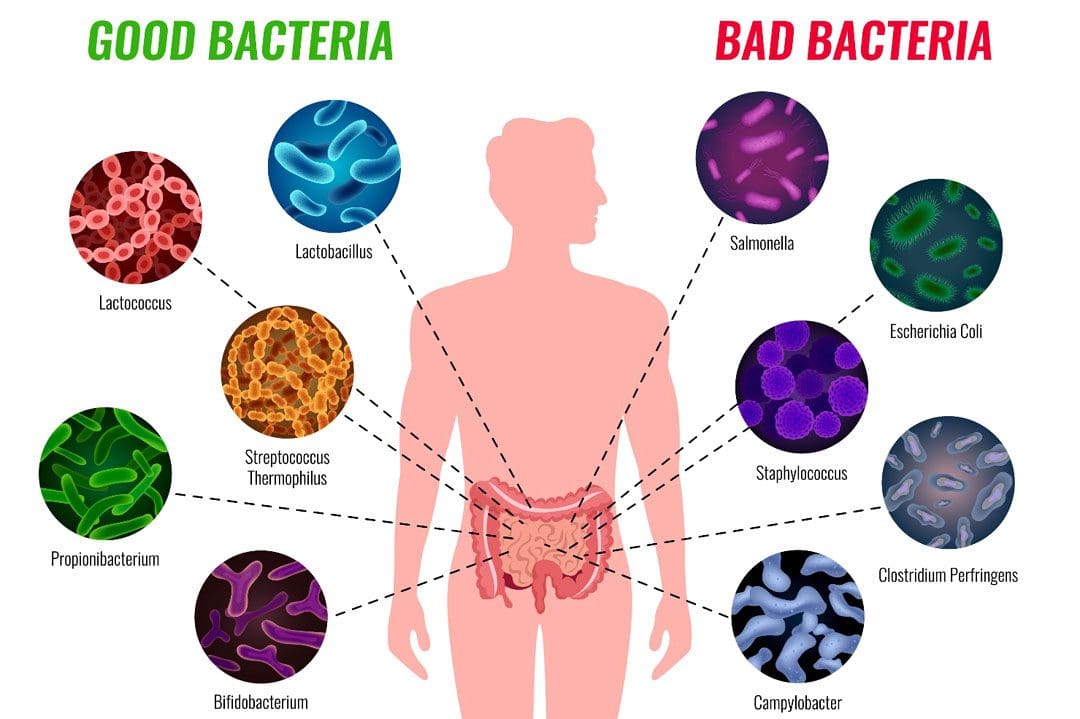
The more common pathogens are bacteria that can cause illness if left unchecked, including germs like streptococcus/strep throat or E. coli/urinary tract infections and diarrhea. Other common germs found in the colon include: (Elizabeth Thursby, Nathalie Juge. 2017)
Clostridioides Difficile
C. diff overgrowth can cause watery foul-smelling stools daily, and abdominal pain and tenderness.
Enterococcus Faecalis
Enterococcus faecalis is a cause of post-surgical abdominal and urinary tract infections.
Escherichia Coli
E. coli is the most common cause of diarrhea in adults.
This bacteria is present in almost every healthy adult’s colon.
Klebsiella
Klebsiella overgrowth is associated with a Western diet that consists of various meat and animal products.
Bacteroides
Bacteroide overgrowth is associated with colitis, which causes painful inflammation of the colon.
Healthy Flora
Healthy bacteria like Bifidobacteria and Lactobacillus, help maintain gut flora balance and keep the unhealthy bacteria in check. Without healthy flora, the entire colon can become overrun by bad flora, which can result in symptoms like diarrhea and/or illness. (Yu-Jie Zhang, et al., 2015) These protective, microscopic germs have important functions that include:
Assisting with vitamin synthesis – vitamins B and K in the small intestine.
Increases immune system function.
Maintaining regular bowel movements.
Maintaining a clean colon naturally without the need for colon cleansers.
Destroying the unhealthy bacteria.
Preventing unhealthy bacteria overgrowth.
Breaking up gas bubbles from food fermentation.
Bacterial Dismantling
Whether labeled as healthy bacteria or unhealthy, they are both single-celled organisms that can be destroyed quite easily. Sometimes, it is necessary, like when having to take antibiotics to kill a strep throat infection. However, the antibiotics also kill the beneficial bacteria, which can lead to compounding problems that can include: (Mi Young Yoon, Sang Sun Yoon. 2018)
Bowel irregularity – diarrhea and constipation.
Yeast overgrowth – can cause itching, burning around the anus and lead to vaginal and oral yeast infections.
Dysbiosis – the technical name for a lack of healthy bacteria or a bacterial imbalance.
Complications for individuals suffering from irritable bowel syndrome.
There are different ways to destroy bacteria including.
Prolonged diarrhea – can flush out the bad and good bacteria.
Stress
Completing a bowel prep, like those required for a colonoscopy.
Diagnosing Gut Flora Issues
Many times, problems with gut flora will correct themselves, and no action is required. However, individuals facing chronic bowel problems, like colitis or inflammatory bowel disease, may require medical intervention of their colon’s bacteria.
Comprehensive Digestive Stool Analysis/CDSA is a stool test that checks what type and amount of bacteria are present, nutrient absorption rates/digestion speed, and how well food is digested.
If there is a significant difference in the proportion of unhealthy versus beneficial bacteria, a healthcare provider may suggest taking a probiotic or a live microbial supplement to help repopulate and maintain gut flora balance.
Gut Dysfunction
References
Thursby, E., & Juge, N. (2017). Introduction to the human gut microbiota. The Biochemical journal, 474(11), 1823–1836. https://doi.org/10.1042/BCJ20160510
Zhang, Y. J., Li, S., Gan, R. Y., Zhou, T., Xu, D. P., & Li, H. B. (2015). Impacts of gut bacteria on human health and diseases. International journal of molecular sciences, 16(4), 7493–7519. https://doi.org/10.3390/ijms16047493
Yoon, M. Y., & Yoon, S. S. (2018). Disruption of the Gut Ecosystem by Antibiotics. Yonsei medical journal, 59(1), 4–12. https://doi.org/10.3349/ymj.2018.59.1.4
Quigley E. M. (2013). Gut bacteria in health and disease. Gastroenterology & hepatology, 9(9), 560–569.
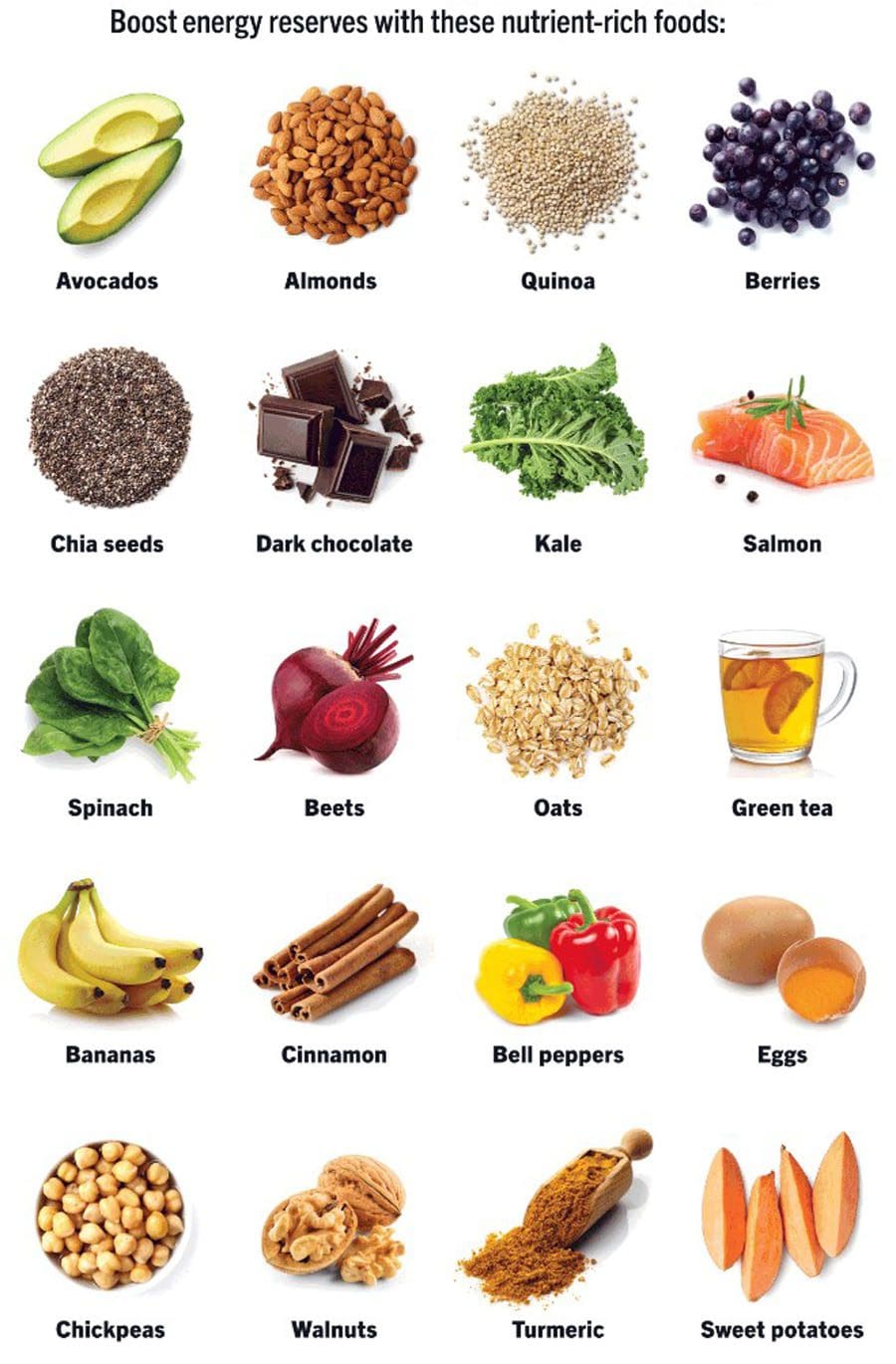
Energy Boosting Foods: Nutritionists, dieticians, and health coaches are constantly asked which foods help maintain energy, alertness, and focus throughout the day. The first thing to know is that all foods provide energy in the form of calories, but not all foods affect energy levels the same way. There are three macronutrients, carbohydrates, fat, and protein. However, carbohydrates are a rapid energy source compared to proteins and fats and are the body’s preferred energy. Here are a few foods for steady, consistent energy levels to include in a meal plan.
Energy Boosting Foods
Properly planned meals can keep the body fueled for up to four hours, and it is recommended to eat every four hours to keep a steady flow of energy. The objective is to maintain balanced blood sugar levels and eat foods with low glycemic index carbohydrates combined with protein and healthy fats. Unhealthy foods for energy are high-sugar foods that cause blood sugar levels to spike, triggering a heavy insulin release, which triggers plunging blood sugar levels, also known as a sugar crash.
Avocados
Avocados are rich in healthy fats, fiber, and B vitamins.
The fat in avocados promotes healthy blood-fat levels and increases the absorption of nutrients.
Around 80% of the carbohydrate content is made up of fiber, which means sustained energy.
Bananas
One of the best energy-boosting foods that can be eaten on its own, frozen and blended into a smoothie or mixed into oatmeal.
Bananas contain complex carbohydrates, vitamin B6, potassium, and some protein.
Beans
It can be pinto, great northern, red, black, Anasazi beans, or other varieties as they have similar nutrient profiles.
They digest slowly, which stabilizes blood sugar.
They contain antioxidants, carbohydrates, fiber, protein, folic acid, iron, and
Magnesium helps produce energy and delivers it to the body’s cells.
Cashews
Cashews are low in sugar, rich in fiber,
They contain heart-healthy fats and plant protein.
They are a reliable source of copper, magnesium, and manganese, critical for energy production, healthy bones, brain health, and immunity.
Eggs
Eggs are packed with protein and rich in B vitamins, which help enzymes turn food into energy generating steady energy.
They contain leucine, an amino acid that stimulates energy production by helping cells to:
Take in more blood sugar.
Stimulates energy production in the cells.
Break down fat to produce energy.
Oatmeal
The complex carbs in oatmeal generate a steady source of slow-burning energy.
Oats boost serotonin production, which helps:
Manage stress.
Enhances learning.
Memory function.
Oast can be made with raisins, berries, bananas, and healthy maple syrup or honey for a healthy meal.
Yogurt
Yogurt contains lactose and galactose that breaks down to provide ready-to-use energy.
Top with oats, fruits, berries, and some honey or maple syrup.
Shrimp
Shrimp are low in calories and provide vitamin B12 and omega-3 fat, which helps with:
Mood
Energy
Sweet potatoes
Sweet potatoes are recommended for energy production because of their iron, magnesium, and vitamin C nutrients.
The food we eat significantly impacts the body’s health and wellness, along with exercise, proper hydration, and healthy sleep are essential in sustaining high energy levels. Avoiding highly processed and sugary foods will help prevent mental and body fatigue. Consult a licensed nutritionist to learn about personalized diet and nutrition plans.
Natural Energy
References
Atkinson, Fiona S et al. “International tables of glycemic index and glycemic load values 2021: a systematic review.” The American journal of clinical nutrition vol. 114,5 (2021): 1625-1632. doi:10.1093/ajcn/nqab233
Evans J, Richards JR, Battisti AS. Caffeine. [Updated 2022 May 1]. In: StatPearls [Internet]. Treasure Island (FL): StatPearls Publishing; 2022 Jan-. Available from: https://www.ncbi.nlm.nih.gov/books/NBK519490/
Holesh, Julie E., et al. “Physiology, Carbohydrates.” StatPearls, StatPearls Publishing, 26 July 2021.
Melaku, Yohannes Adama, et al. “Association between Macronutrient Intake and Excessive Daytime Sleepiness: An Iso-Caloric Substitution Analysis from the North West Adelaide Health Study.” Nutrients vol. 11,10 2374. 5 Oct. 2019, doi:10.3390/nu11102374
Osilla EV, Safadi AO, Sharma S. Calories. [Updated 2021 Sep 15]. In: StatPearls [Internet]. Treasure Island (FL): StatPearls Publishing; 2022 Jan-. Available from: https://www.ncbi.nlm.nih.gov/books/NBK499909/
IFM's Find A Practitioner tool is the largest referral network in Functional Medicine, created to help patients locate Functional Medicine practitioners anywhere in the world. IFM Certified Practitioners are listed first in the search results, given their extensive education in Functional Medicine