Can knowing which foods to eat help individuals recovering from food poisoning restore gut health?
Food Poisoning and Restoring Gut Health
Food poisoning can be life-threatening. Fortunately, most cases are mild and short-lived and last only a few hours to a few days (Centers for Disease Control and Prevention, 2024). But even mild cases can wreak havoc on the gut, causing nausea, vomiting, and diarrhea. Researchers have found that bacterial infections, like food poisoning, can cause changes in gut bacteria. (Clara Belzer et al., 2014) Eating foods that promote gut healing after food poisoning may help the body recover and feel better faster.
Foods to Eat
After food poisoning symptoms have resolved, one may feel that returning to the usual diet is fine. However, the gut has endured quite an experience, and even though acute symptoms have subsided, individuals may still benefit from foods and drinks that are easier on the stomach. Recommended foods and beverages after food poisoning include: (National Institute of Diabetes and Digestive and Kidney Diseases. 2019)
Gatorade
Pedialyte
Water
Herbal tea
Chicken broth
Jello
Applesauce
Crackers
Toast
Rice
Oatmeal
Bananas
Potatoes
Hydration after food poisoning is crucial. Individuals should add other nutritious and hydrating foods, like chicken noodle soup, which helps because of its nutrients and fluid content. The diarrhea and vomiting that accompany the illness can leave the body severely dehydrated. Rehydrating beverages help the body replace lost electrolytes and sodium. Once the body is rehydrated and can hold down bland foods, slowly introduce foods from a regular diet. When resuming the usual diet after rehydration, eating small meals frequently, every three to four hours, is recommended instead of eating a large breakfast, lunch, and dinner meal daily. (Andi L. Shane et al., 2017) When choosing Gatorade or Pedialyte, remember that Gatorade is a sports-rehydrating drink with more sugar, which could irritate an inflamed stomach. Pedialyte is designed for rehydrating during and after illness and has less sugar, making it a better option. (Ronald J Maughan et al., 2016)
When Food Poisoning Is Active Foods To Avoid
During food poisoning, individuals typically do not feel like eating at all. However, to avoid worsening the illness, Individuals are recommended to avoid the following while actively ill (Ohio State University. 2019)
Caffeinated drinks and alcohol can further dehydrate.
Greasy foods and high-fiber foods are hard to digest.
Foods and beverages high in sugar can cause the body to produce high glucose levels and weaken the immune system. (Navid Shomali et al., 2021)
Recovery Time and Resuming Regular Diet
Food poisoning doesn’t last long, and most uncomplicated cases are resolved within a few hours or days. (Centers for Disease Control and Prevention, 2024) Symptoms depend on the type of bacteria. Individuals may become ill within minutes of consuming contaminated food up to two weeks later. For example, Staphylococcus aureus bacteria generally cause symptoms almost immediately. On the other hand, listeria may take up to a couple of weeks to cause symptoms. (Centers for Disease Control and Prevention, 2024) Individuals can resume their usual diet once symptoms are gone, the body is thoroughly hydrated and can hold down bland foods. (Andi L. Shane et al., 2017)
Recommended Gut Foods Post Stomach Virus
Gut-healthy foods can help restore the gut microbiome or all the living microorganisms in the digestive system. A healthy gut microbiome is essential for immune system functioning. (Emanuele Rinninella et al., 2019) Stomach viruses can disrupt the balance of gut bacteria. (Chanel A. Mosby et al., 2022) Eating certain foods may help restore the gut balance. Prebiotics, or indigestible plant fibers, can help break down in the small intestines and allow the beneficial bacteria to grow. Prebiotic foods include: (Dorna Davani-Davari et al., 2019)
Beans
Onions
Tomatoes
Asparagus
Peas
Honey
Milk
Banana
Wheat, barley, rye
Garlic
Soybean
Seaweed
In addition, probiotics, which are live bacteria, may help increase the number of healthy bacteria in the gut. Probiotic foods include: (Harvard Medical School, 2023)
Pickles
Sourdough bread
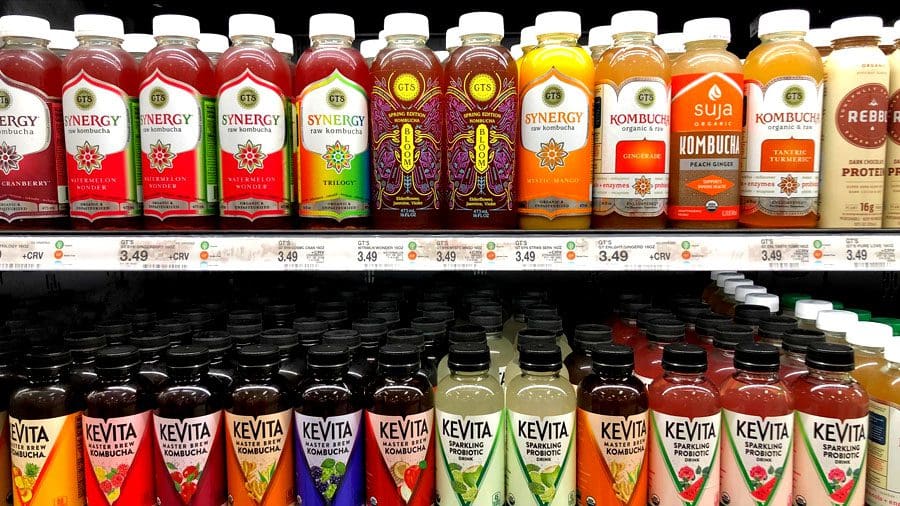
Kombucha
Sauerkraut
Yogurt
Miso
Kefir
Kimchi
Tempeh
Probiotics can also be taken as a supplement and come in tablets, capsules, powders, and liquids. Because they contain live bacteria, they need to be refrigerated. Healthcare providers sometimes recommend taking probiotics when recovering from a stomach infection. (National Institute of Diabetes and Digestive and Kidney Diseases, 2018) Individuals should consult their healthcare provider to see whether this option is safe and healthy.
At Injury Medical Chiropractic and Functional Medicine Clinic, we treat injuries and chronic pain syndromes by developing personalized treatment plans and specialized clinical services focused on injuries and the complete recovery process. If other treatment is needed, individuals will be referred to a clinic or physician best suited to their injury, condition, and/or ailment.
Learning About Food Substitutions
References
Centers for Disease Control and Prevention. (2024). Food poisoning symptoms. Retrieved from https://www.cdc.gov/foodsafety/symptoms.html
Belzer, C., Gerber, G. K., Roeselers, G., Delaney, M., DuBois, A., Liu, Q., Belavusava, V., Yeliseyev, V., Houseman, A., Onderdonk, A., Cavanaugh, C., & Bry, L. (2014). Dynamics of the microbiota in response to host infection. PloS one, 9(7), e95534. https://doi.org/10.1371/journal.pone.0095534
National Institute of Diabetes and Digestive and Kidney Diseases. (2019). Eating, diet, & nutrition for food poisoning. Retrieved from https://www.niddk.nih.gov/health-information/digestive-diseases/food-poisoning/eating-diet-nutrition
Shane, A. L., Mody, R. K., Crump, J. A., Tarr, P. I., Steiner, T. S., Kotloff, K., Langley, J. M., Wanke, C., Warren, C. A., Cheng, A. C., Cantey, J., & Pickering, L. K. (2017). 2017 Infectious Diseases Society of America Clinical Practice Guidelines for the Diagnosis and Management of Infectious Diarrhea. Clinical infectious diseases : an official publication of the Infectious Diseases Society of America, 65(12), e45–e80. https://doi.org/10.1093/cid/cix669
Maughan, R. J., Watson, P., Cordery, P. A., Walsh, N. P., Oliver, S. J., Dolci, A., Rodriguez-Sanchez, N., & Galloway, S. D. (2016). A randomized trial to assess the potential of different beverages to affect hydration status: development of a beverage hydration index. The American journal of clinical nutrition, 103(3), 717–723. https://doi.org/10.3945/ajcn.115.114769
Ohio State University. Kacie Vavrek, M., RD, CSSD Ohio State University. (2019). Foods to avoid when you have the flu. https://health.osu.edu/wellness/exercise-and-nutrition/foods-to-avoid-with-flu
Shomali, N., Mahmoudi, J., Mahmoodpoor, A., Zamiri, R. E., Akbari, M., Xu, H., & Shotorbani, S. S. (2021). Harmful effects of high amounts of glucose on the immune system: An updated review. Biotechnology and applied biochemistry, 68(2), 404–410. https://doi.org/10.1002/bab.1938
Rinninella, E., Raoul, P., Cintoni, M., Franceschi, F., Miggiano, G. A. D., Gasbarrini, A., & Mele, M. C. (2019). What is the Healthy Gut Microbiota Composition? A Changing Ecosystem across Age, Environment, Diet, and Diseases. Microorganisms, 7(1), 14. https://doi.org/10.3390/microorganisms7010014
Mosby, C. A., Bhar, S., Phillips, M. B., Edelmann, M. J., & Jones, M. K. (2022). Interaction with mammalian enteric viruses alters outer membrane vesicle production and content by commensal bacteria. Journal of extracellular vesicles, 11(1), e12172. https://doi.org/10.1002/jev2.12172
Davani-Davari, D., Negahdaripour, M., Karimzadeh, I., Seifan, M., Mohkam, M., Masoumi, S. J., Berenjian, A., & Ghasemi, Y. (2019). Prebiotics: Definition, Types, Sources, Mechanisms, and Clinical Applications. Foods (Basel, Switzerland), 8(3), 92. https://doi.org/10.3390/foods8030092
Harvard Medical School. (2023). How to get more probiotics. https://www.health.harvard.edu/staying-healthy/how-to-get-more-probiotics
National Institute of Diabetes and Digestive and Kidney Diseases. (2018). Treatment of viral gastroenteritis. Retrieved from https://www.niddk.nih.gov/health-information/digestive-diseases/viral-gastroenteritis/treatment
For individuals with digestive and other health issues, could resistant starch provide health benefits?
Resistant Starch
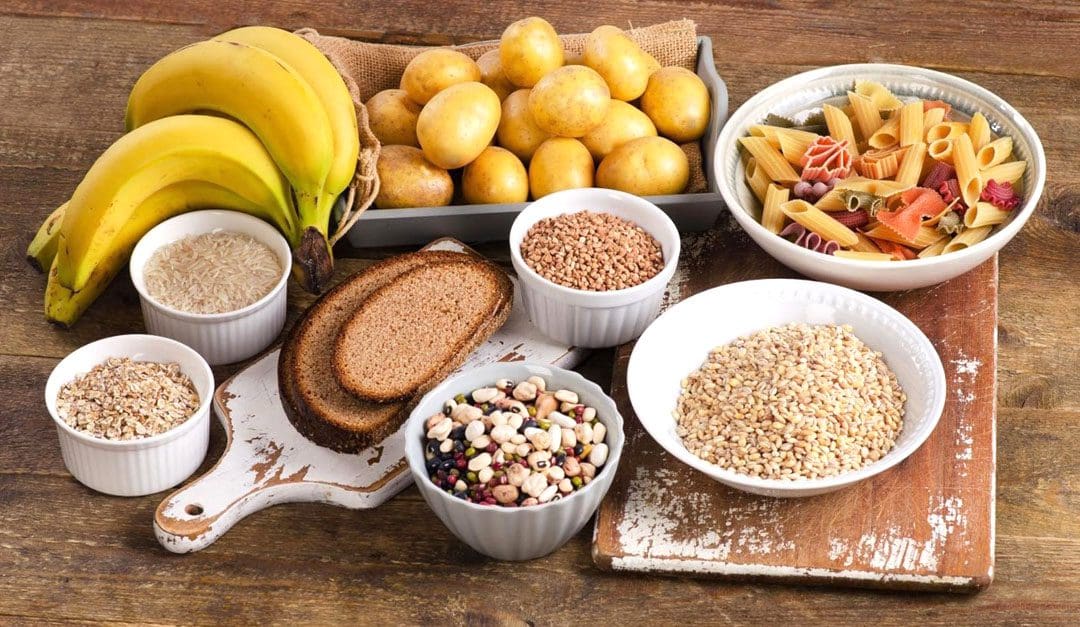
Typical starchy foods are simple starches that are rapidly digested. This sends their sugars into the bloodstream, contributing to weight gain and increasing the risk of diabetes and heart disease. (Erik E. J. G. Aller, et al., 2011) Resistant starch is a food component that is a type resistant to digestion. This means that it passes into the large intestine and interacts with the gut flora. Foods that contain resistant starch pass through the stomach and small intestine without being absorbed. In the large intestine, they are fermented by the gut bacteria which releases substances that are beneficial to health.
Health Benefits
Studies on the health benefits are ongoing. Scientists are researching how it can help with weight management and colon health:
Weight Management
Research is beginning to show indications that foods with resistant starch can help with weight loss and the ability to help offset the diseases associated with weight gain that include: (Janine A. Higgins. 2014)
High cholesterol
Diabetes
Metabolic syndrome
Cardiovascular disease
Colon Health
In addition, researchers are finding preliminary evidence indicating that resistant starch might possibly help with: (Diane F. Birt, et al., 2013)
A prebiotic that encourages a healthy balance of gut flora.
Inflammatory bowel disease symptom improvement.
Prevention of colon cancer.
Protection against diverticulitis.
However, more research is needed.
Consumption Amount
Estimates on how much should be consumed range from a minimum of 6 grams to a maximum of 30 grams. It is estimated that most individuals consume less than 5 grams per day, (Mary M. Murphy, et al., 2008). As individuals increase their intake, it is recommended to do so slowly, to minimize unwanted gas and bloating.
Bananas
Bananas are a healthy source of resistant starch.
They have the maximum amount when they are unripe.
The resistant starch content reduces as the banana ripens.
If green/unripe bananas are not appealing, making a smoothie can help with the taste.
Potatoes
Potatoes have their highest level of resistant starch when raw.
However, individuals can maximize their intake by allowing the potatoes to cool before eating.
Rice
Levels of resistant starch depend on whether the rice is white or brown.
Similar to potatoes, intake can be maximized from rice by allowing the rice to cool.
Oats
Cooking oats in water, as most are accustomed to making oatmeal, diminishes the resistant starch content.
Rolled or steel-cut oats are recommended as dependable sources of resistant starch.
Chickpeas
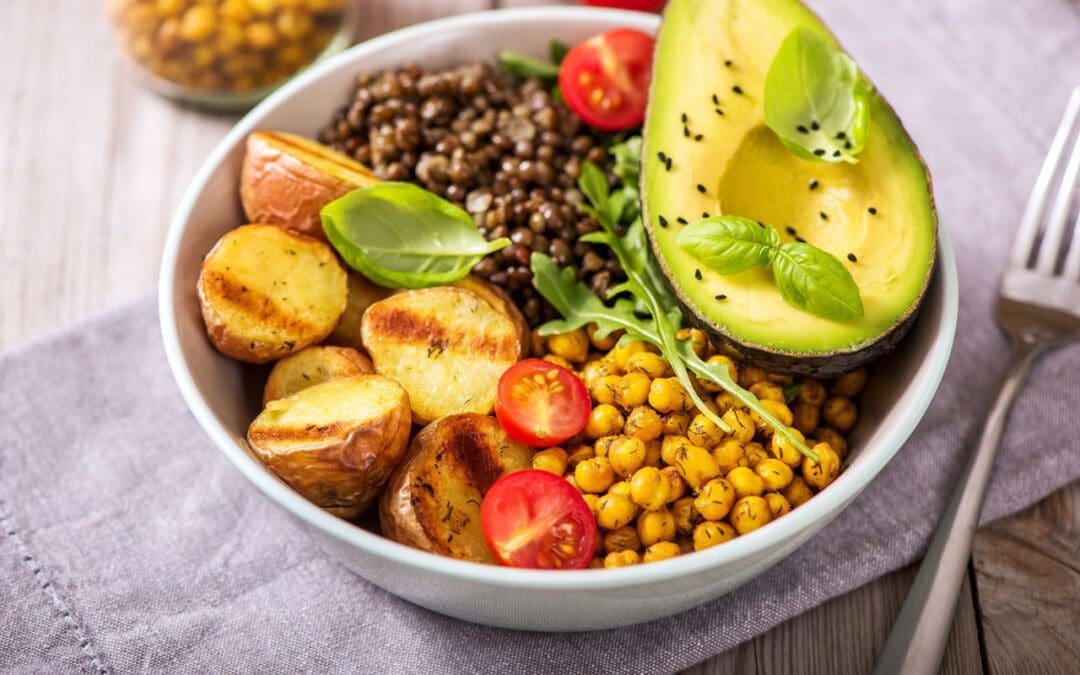
Chickpeas, also known as garbanzo beans, are nutritional powerhouses.
They are a healthy source of dietary fiber, along with many vitamins and minerals, and resistant starch.
Cooked and/or canned chickpeas contain high levels of resistant starch.
They go with salads or as a side dish or snack.
For individuals with IBS, well-rinsed canned chickpeas are considered to be low in FODMAPs or carbohydrates that can contribute to symptoms. (Anamaria Cozma-Petruţ, et al., 2017)
It is recommended to keep the serving size to a 1/4 cup.
Lentils
Lentils serve as a healthy source of plant-based protein.
Cooked they can provide resistant starch.
They can be prepared in soups or side dishes.
From a can, they can be IBS-friendly by being well-rinsed and limited to a 1/2 cup serving.
Bread
Various breads offer varying levels of resistant starch.
Pumpernickel bread contains high levels.
Breadsticks and pizza crusts have high levels.
Individuals with IBS may be reactive to the FODMAP fructan or the gluten protein.
Other recommended high-resistant starch options are corn tortillas or artisanal sourdough bread that is traditionally prepared.
Green Peas
Green peas, even when cooked, are a healthy source of resistant starch.
They can be prepared in soups or as a side dish.
However, green peas have been found to be high in the FODMAP GOS and could be problematic for individuals with IBS. (Anamaria Cozma-Petruţ, et al., 2017)
Beans
Most types of cooked and/or canned beans are recommended sources of resistant starch.
The highest levels are found in white and kidney beans.
They can be served in soups, as a side dish, or mixed with rice.
Beans are a high-FODMAP food and could contribute to digestive symptoms in individuals with IBS.
Body In Balance: Chiropractic Fitness and Nutrition
References
Aller, E. E., Abete, I., Astrup, A., Martinez, J. A., & van Baak, M. A. (2011). Starches, sugars and obesity. Nutrients, 3(3), 341–369. https://doi.org/10.3390/nu3030341
Higgins J. A. (2014). Resistant starch and energy balance: impact on weight loss and maintenance. Critical reviews in food science and nutrition, 54(9), 1158–1166. https://doi.org/10.1080/10408398.2011.629352
Birt, D. F., Boylston, T., Hendrich, S., Jane, J. L., Hollis, J., Li, L., McClelland, J., Moore, S., Phillips, G. J., Rowling, M., Schalinske, K., Scott, M. P., & Whitley, E. M. (2013). Resistant starch: promise for improving human health. Advances in nutrition (Bethesda, Md.), 4(6), 587–601. https://doi.org/10.3945/an.113.004325
Murphy, M. M., Douglass, J. S., & Birkett, A. (2008). Resistant starch intakes in the United States. Journal of the American Dietetic Association, 108(1), 67–78. https://doi.org/10.1016/j.jada.2007.10.012
Cozma-Petruţ, A., Loghin, F., Miere, D., & Dumitraşcu, D. L. (2017). Diet in irritable bowel syndrome: What to recommend, not what to forbid to patients!. World journal of gastroenterology, 23(21), 3771–3783. https://doi.org/10.3748/wjg.v23.i21.3771
For individuals with stomach issues, can maintaining gut flora balance promote and improve gut health?
Gut Flora Balance
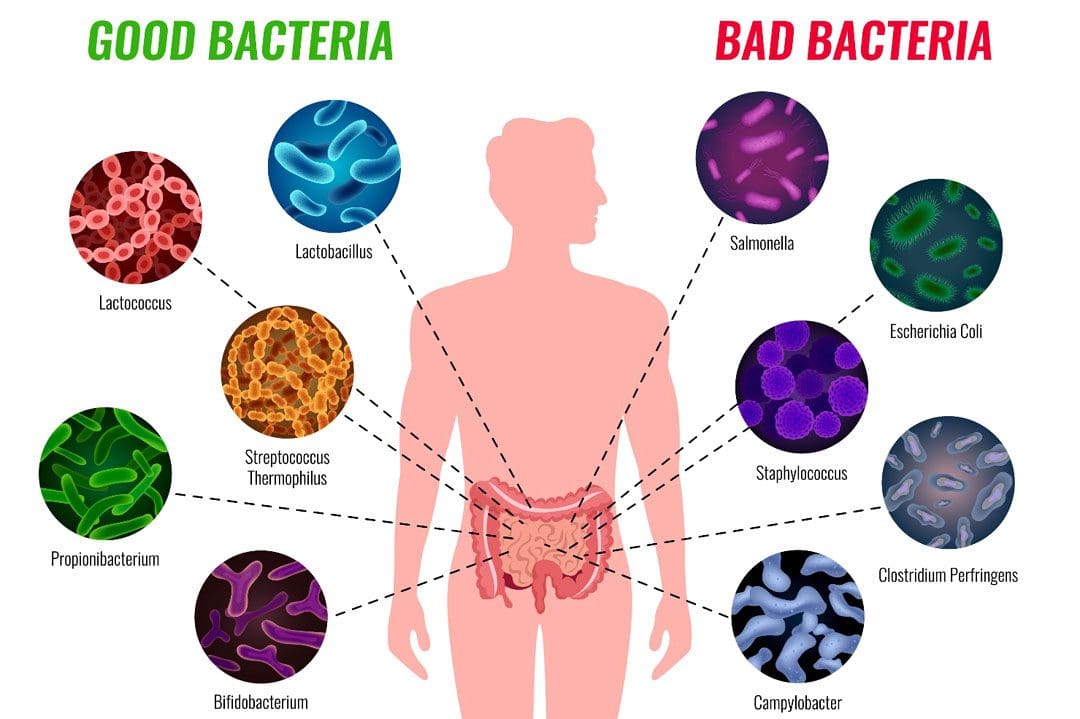
Maintaining gut flora balance is part of optimal digestive health. Gut microbiota, gut microbiome, or gut flora, are the microorganisms, including bacteria, archaea, fungi, and viruses that live in the digestive tract. The type and amount of bacteria present depend on their location in the body which could be the small intestine and colon. This is the storage housing for waste/stool, and the colon comprises hundreds of different types of bacteria, which have specific jobs and functions.
Unhealthy Flora
The more common pathogens are bacteria that can cause illness if left unchecked, including germs like streptococcus/strep throat or E. coli/urinary tract infections and diarrhea. Other common germs found in the colon include: (Elizabeth Thursby, Nathalie Juge. 2017)
Clostridioides Difficile
C. diff overgrowth can cause watery foul-smelling stools daily, and abdominal pain and tenderness.
Enterococcus Faecalis
Enterococcus faecalis is a cause of post-surgical abdominal and urinary tract infections.
Escherichia Coli
E. coli is the most common cause of diarrhea in adults.
This bacteria is present in almost every healthy adult’s colon.
Klebsiella
Klebsiella overgrowth is associated with a Western diet that consists of various meat and animal products.
Bacteroides
Bacteroide overgrowth is associated with colitis, which causes painful inflammation of the colon.
Healthy Flora
Healthy bacteria like Bifidobacteria and Lactobacillus, help maintain gut flora balance and keep the unhealthy bacteria in check. Without healthy flora, the entire colon can become overrun by bad flora, which can result in symptoms like diarrhea and/or illness. (Yu-Jie Zhang, et al., 2015) These protective, microscopic germs have important functions that include:
Assisting with vitamin synthesis – vitamins B and K in the small intestine.
Increases immune system function.
Maintaining regular bowel movements.
Maintaining a clean colon naturally without the need for colon cleansers.
Destroying the unhealthy bacteria.
Preventing unhealthy bacteria overgrowth.
Breaking up gas bubbles from food fermentation.
Bacterial Dismantling
Whether labeled as healthy bacteria or unhealthy, they are both single-celled organisms that can be destroyed quite easily. Sometimes, it is necessary, like when having to take antibiotics to kill a strep throat infection. However, the antibiotics also kill the beneficial bacteria, which can lead to compounding problems that can include: (Mi Young Yoon, Sang Sun Yoon. 2018)
Bowel irregularity – diarrhea and constipation.
Yeast overgrowth – can cause itching, burning around the anus and lead to vaginal and oral yeast infections.
Dysbiosis – the technical name for a lack of healthy bacteria or a bacterial imbalance.
Complications for individuals suffering from irritable bowel syndrome.
There are different ways to destroy bacteria including.
Prolonged diarrhea – can flush out the bad and good bacteria.
Stress
Completing a bowel prep, like those required for a colonoscopy.
Diagnosing Gut Flora Issues
Many times, problems with gut flora will correct themselves, and no action is required. However, individuals facing chronic bowel problems, like colitis or inflammatory bowel disease, may require medical intervention of their colon’s bacteria.
Comprehensive Digestive Stool Analysis/CDSA is a stool test that checks what type and amount of bacteria are present, nutrient absorption rates/digestion speed, and how well food is digested.
If there is a significant difference in the proportion of unhealthy versus beneficial bacteria, a healthcare provider may suggest taking a probiotic or a live microbial supplement to help repopulate and maintain gut flora balance.
Gut Dysfunction
References
Thursby, E., & Juge, N. (2017). Introduction to the human gut microbiota. The Biochemical journal, 474(11), 1823–1836. https://doi.org/10.1042/BCJ20160510
Zhang, Y. J., Li, S., Gan, R. Y., Zhou, T., Xu, D. P., & Li, H. B. (2015). Impacts of gut bacteria on human health and diseases. International journal of molecular sciences, 16(4), 7493–7519. https://doi.org/10.3390/ijms16047493
Yoon, M. Y., & Yoon, S. S. (2018). Disruption of the Gut Ecosystem by Antibiotics. Yonsei medical journal, 59(1), 4–12. https://doi.org/10.3349/ymj.2018.59.1.4
Quigley E. M. (2013). Gut bacteria in health and disease. Gastroenterology & hepatology, 9(9), 560–569.
Not getting enough fiber in one’s diet can lead to fiber deficiency. Fiber helps support gut and microbiome health. Individuals not getting enough fiber may experience irregular bowel movements, constipation, blood sugar fluctuations, not feeling full/satisfied after eating, or rising cholesterol levels. About 100 trillion microorganisms in the gut are integral to maintaining a healthy immune system. Fiber is the food these microorganisms eat that helps them to do their job. Without the proper amount, the immune system’s health may also be compromised.
Fiber and Gut Health
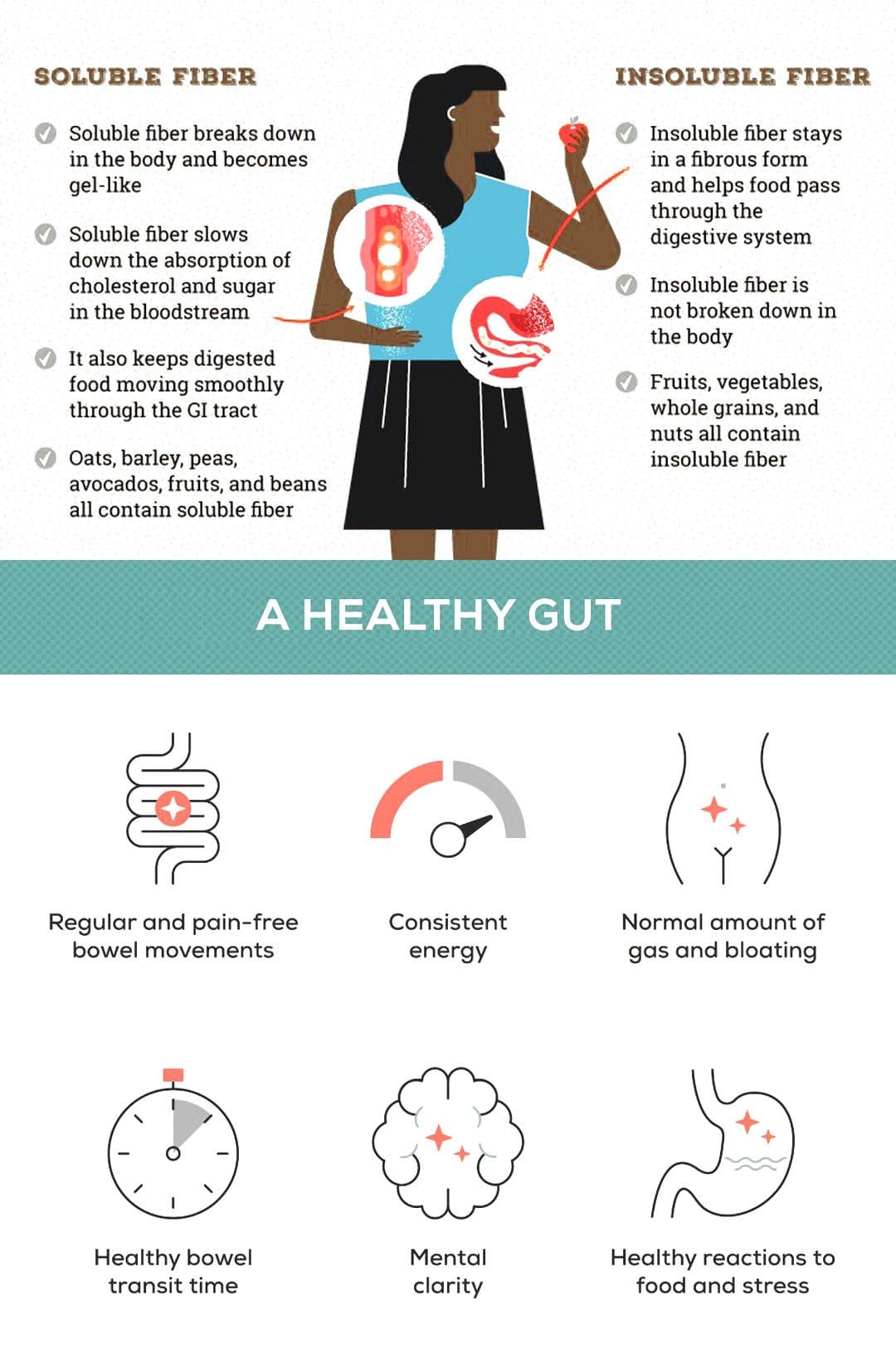
Fiber and gut health benefits include regulating the body’s sugars, helping to keep hunger and blood sugar in check, helping to maintain a healthy weight, its ability to prevent or relieve constipation, reduce the risk of diabetes, heart disease, and certain types of cancer.
Dietary fiber, or roughage, is the part of plant foods the body can’t digest or absorb.
It passes through the stomach, small intestine, and colon and out of the body.
It is found mainly in fruits, vegetables, whole grains, and legumes.
Soluble and insoluble forms are important to overall health.
Types
Soluble Fiber
This type dissolves in water to form a gel-like substance.
It can help lower blood cholesterol and glucose levels.
It is found in oats, peas, beans, apples, citrus fruits, carrots, and barley.
Insoluble Fiber
This type of fiber promotes the movement of material through the digestive system.
It increases stool bulk, benefiting individuals who struggle with constipation or irregular stools.
Whole-wheat flour, wheat bran, nuts, beans, and vegetables, such as cauliflower, green beans, and potatoes, are good sources.
Benefits
Healthy Bowel Movements
Dietary fiber increases stool weight and thickness and makes it soft.
Fiber helps to solidify the stool by absorbing water and adding bulk.
A thicker stool is easier to pass, decreasing the potential for constipation and other problems.
Maintains Bowel Health
A high-fiber diet can lower the risk of developing hemorrhoids and small pouches in the colon/diverticular disease.
Studies have also found that a high-fiber diet can help lower the risk of colorectal cancer.
Some fiber gets fermented in the colon.
Researchers are looking at how this can help prevent diseases of the colon.
Lowers Cholesterol
Soluble fiber found in beans, oats, flaxseed, and oat bran can help lower blood cholesterol levels by lowering low-density lipoprotein or unhealthy cholesterol levels.
Studies also have shown that high-fiber foods can help reduce blood pressure and inflammation.
Regulates Blood Sugar Levels
In individuals with diabetes, fiber, particularly soluble fiber, can slow the absorption of sugar and improve blood sugar levels.
A healthy nutrition plan that includes insoluble fiber can help reduce the risk of developing type 2 diabetes.
Helps Achieve Healthy Weight
High-fiber foods can be more filling than low-fiber foods, helping individuals eat less and stay satisfied.
High-fiber foods can also take longer to eat and are less energy dense, meaning they have fewer calories.
Getting More Fiber
Ideas for adding more fiber to meals and snacks:
Fiber to Start The Day
Choose a high-fiber breakfast cereal with five or more grams of fiber per serving.
Choose cereals with whole grain, bran, or fiber in the name.
Add a few tablespoons of unprocessed wheat bran to the cereal.
Add Whole Grains
Try to make at least half of the grains eaten whole grains.
Look for bread that lists whole wheat, whole-wheat flour, or another whole grain as the first ingredient, with at least 2 grams of dietary fiber per serving.
Experiment with whole-wheat pasta, brown rice, wild rice, barley, and bulgur wheat.
Baked Foods
Substitute whole-grain flour for half or all white flour when baking.
Add crushed bran cereal, unprocessed wheat bran, or uncooked oatmeal to muffins, cakes, and cookies.
Legumes
Beans, peas, and lentils are recommended sources.
Add kidney beans to soups or salads.
Make nachos with refried black beans, fresh vegetables, whole-wheat tortilla chips, and healthy salsa.
Fruit and Vegetables
Fruits and vegetables are rich in fiber and vitamins and minerals.
Try to eat a favorite fruit daily.
Healthy Snacks
Fresh fruits, raw vegetables, low-fat popcorn, and whole-grain crackers are healthy choices.
Try for a handful of nuts or dried fruits; however, be aware that nuts and dried fruits can be high in calories.
Moderation
High-fiber foods are beneficial for the body’s health.
Adding too much fiber can promote intestinal gas, abdominal bloating, and cramping.
Increase fiber gradually over a few weeks.
This allows the natural bacteria in the digestive system to make adjustments.
Maintain hydration, as fiber works best when it absorbs water.
Individuals not sure how to incorporate more fiber can consult a nutritionist and health coach to help begin the process.
Gut Dysfunction
References
Anderson, James W et al. “Health benefits of dietary fiber.” Nutrition Reviews vol. 67,4 (2009): 188-205. doi:10.1111/j.1753-4887.2009.00189.x
Cronin, Peter, et al. “Dietary Fiber Modulates the Gut Microbiota.” Nutrients vol. 13,5 1655. 13 May. 2021, doi:10.3390/nu13051655
Fuller, Stacey, et al. “New Horizons for the Study of Dietary Fiber and Health: A Review.” Plant foods for human nutrition (Dordrecht, Netherlands) vol. 71,1 (2016): 1-12. doi:10.1007/s11130-016-0529-6
Gill, Samantha K et al. “Dietary fiber in gastrointestinal health and disease.” Nature reviews. Gastroenterology & hepatology vol. 18,2 (2021): 101-116. doi:10.1038/s41575-020-00375-4
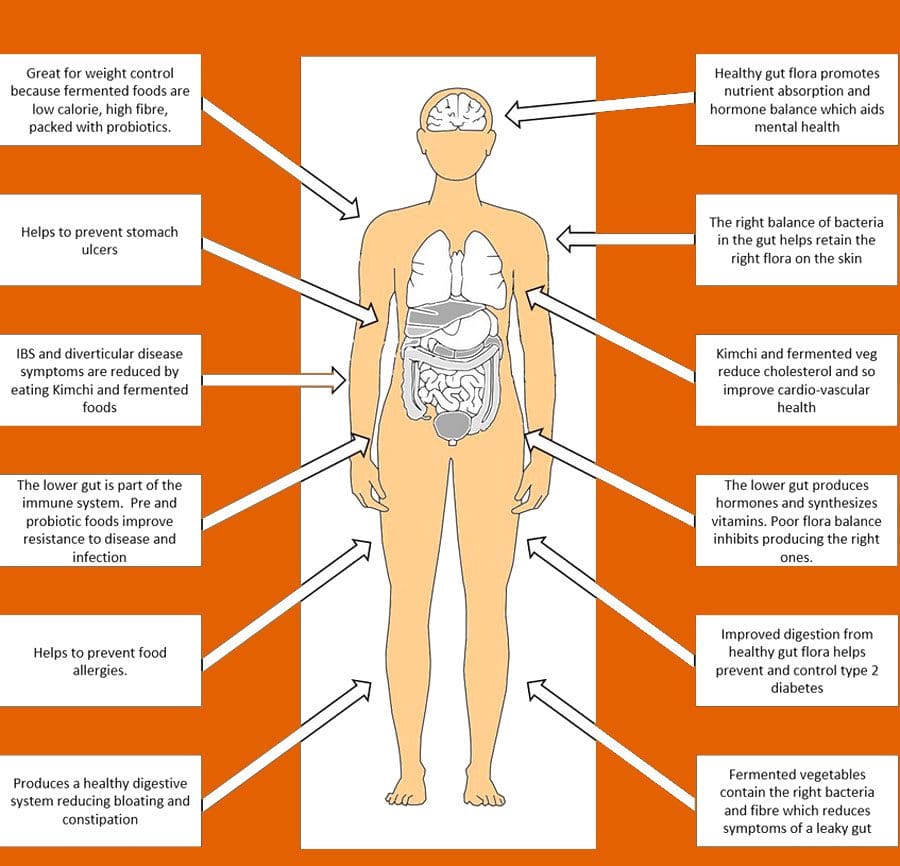
Fermentation is a process where bacteria and yeast are used to break down foods. The fermentation process has been around for centuries and was initially produced to preserve foods, improve flavor and eliminate toxins. Research has found that eating fermented foods can also increase the beneficial bacteria/probiotics in the gut. Functional medicine practitioners recommend these foods for their health benefits, including improved digestion, increased immunity, and weight loss and maintenance.
Fermented Foods
Fermented foods and beverages undergo controlled microbial growth and fermentation in which microorganisms like yeast and bacteria break down food elements like sugars/glucose into other products like organic acids, gases, or alcohol. The process gives fermented foods unique taste, aroma, texture, and appearance. There are many different types of fermented foods, including:
Whole foods like vegetables, fruits, cereals, dairy, meat, fish, eggs, legumes, nuts, and seeds can go through fermentation. These foods are nutritious in their original form, but through fermentation, they can provide probiotic and prebiotic health benefits.
Probiotics
Probiotics are live microorganisms that benefit the gut by creating a more favorable digestive environment. This helps:
Digest food easier.
Support a healthy immune system.
Support organ health – lungs, reproductive organs, skin.
Improves mood.
However, not all fermented foods contain probiotics, especially commercially produced foods that are pasteurized, killing bacteria and their associated health benefits.
Prebiotics
Prebiotics are food ingredients that the microorganisms like gut bacteria consume to grow and live, leading to improving the digestive environment. These include:
Milk
Honey
Tomato
Garlic
Onions
Asparagus
Wheat
Barley
Rye
However, most fruits, vegetables, and legumes contain prebiotics.
The Benefits of Fermented Foods
Fermented foods’ health benefits include reduced risk of:
Diabetes
Inflammation
High blood pressure
Cardiovascular disease
Obesity
They have also been linked to:
Better weight management
Improved brain activity
Increased bone health
Faster recovery after exercise and physical activity
There are currently no official guidelines regarding how often individuals should eat fermented foods. It is recommended to consult a nutritionist or dietician to figure out the best nutrition plan for the individual and their needs.
The Science
References
Aslam, Hajara, et al. “Fermented foods, the gut, and mental health: a mechanistic overview with implications for depression and anxiety.” Nutritional neuroscience vol. 23,9 (2020): 659-671. doi:10.1080/1028415X.2018.1544332
Dimidi, Eirini, et al. “Fermented Foods: Definitions and Characteristics, Impact on the Gut Microbiota and Effects on Gastrointestinal Health and Disease.” Nutrients vol. 11,8 1806. 5 Aug. 2019, doi:10.3390/nu11081806
King, Sarah, et al. “Effectiveness of probiotics on the duration of illness in healthy children and adults who develop common acute respiratory infectious conditions: a systematic review and meta-analysis.” The British journal of nutrition vol. 112,1 (2014): 41-54. doi:10.1017/S0007114514000075
Kok, Car Reen, and Robert Hutkins. “Yogurt and other fermented foods as sources of health-promoting bacteria.” Nutrition reviews vol. 76, Suppl 1 (2018): 4-15. doi:10.1093/nutrit/nuy056
Parker, Elizabeth A et al. “Probiotics and gastrointestinal conditions: An overview of evidence from the Cochrane Collaboration.” Nutrition (Burbank, Los Angeles County, Calif.) vol. 45 (2018): 125-134.e11. doi:10.1016/j.nut.2017.06.024
Şanlier, Nevin, et al. “Health benefits of fermented foods.” Critical reviews in food science and nutrition vol. 59,3 (2019): 506-527. doi:10.1080/10408398.2017.1383355
Yogurt is a dairy product made by the bacterial fermentation of milk. The bacteria used are called yogurt cultures, which ferment lactose, which is the natural sugar found in milk. This process produces lactic acid that causes milk proteins to curdle, giving yogurt its flavor and texture. It can be made from all types of milk. Although research is ongoing, the benefits of adding yogurt to one’s nutrition plan can improve overall health, including improved bone health, circulation, immune system function, and probiotics/healthy bacteria that improve digestion and gut health.
Health Benefits
Yogurt comes from milk that varies; some are made from skim and fat-free, whereas whole milk is full-fat. Other nutrients include calcium, vitamin B-2, vitamin B-12, potassium, and magnesium. More research is needed, but there is some evidence that active cultures can help certain gastrointestinal conditions, including:
The faster time food takes to circulate through the bowels.
Immune system improvement.
Feel Fuller
Yogurt is rich in protein and healthy fats, which makes it very filling. Both of these nutrients are key to feeling full for longer. A study found consuming high-protein Greek yogurt in the afternoon resulted in less hunger, increased fullness and delayed the need to eat before dinner.
It can replace the fat, oil, and/or butter in muffin, brownie, or cake recipes.
Speak with a nutritionist and health coach to find out if yogurt would be beneficial. Nutritionists work with individuals to find the best foods for their body type, age, and health condition, explain how different foods impact the body, and what foods to avoid.
Functional Nutrition
References
Andoh, Akira. “Physiological Role of Gut Microbiota for Maintaining Human Health.” Digestion vol. 93,3 (2016): 176-81. doi:10.1159/000444066
Bull, Matthew J, and Nigel T Plummer. “Part 1: The Human Gut Microbiome in Health and Disease.” Integrative medicine (Encinitas, Calif.) vol. 13,6 (2014): 17-22.
Cleveland Clinic: “Which Yogurt is Right For You?” “Why — and When — You Should Include Probiotics in Your Diet.”
Jandhyala, Sai Manasa, et al. “Role of the normal gut microbiota.” World journal of gastroenterology vol. 21,29 (2015): 8787-803. doi:10.3748/wjg.v21.i29.8787
Le Roy, C.I., Kurilshikov, A., Leeming, E.R. et al. Yoghurt consumption is associated with changes in the composition of the human gut microbiome and metabolome. BMC Microbiol 22, 39 (2022). https://doi.org/10.1186/s12866-021-02364-2
Wu, Hsin-Jung, and Eric Wu. “The role of gut microbiota in immune homeostasis and autoimmunity.” Gut microbes vol. 3,1 (2012): 4-14. doi:10.4161/gmic.19320
Kombucha is a fermented tea that has been around for nearly 2,000 years. It became popular in Europe in the early 20th century. It has the same health benefits as tea, is rich in probiotics, contains antioxidants, and can destroy harmful bacteria. Kombucha sales are growing at stores because of its health and energy benefits.
Kombucha
It is typically made with black or green tea, sugar, healthy bacteria, and yeast. It is flavored by adding spices or fruits into the tea while it ferments. It is fermented for about a week, when gases, 0.5 percent of alcohol, beneficial bacteria, and acetic acid are produced. The fermentation process makes the tea slightly effervescent. It contains B vitamins, antioxidants, and probiotics, but the nutritional content will vary depending on the brand and its preparation.
Benefits
The benefits include:
Improved digestion from the fact that fermentation makes probiotics.
Helps with diarrhea and irritable bowel syndrome/IBS.
Toxin removal
Increased energy
Improved immune system health
Weight loss
Helps with high blood pressure
Heart disease
Kombucha, made from green tea, includes the benefits of:
Beneficial bacteria are known as probiotics. These same probiotics are found in other fermented foods, like yogurt and sauerkraut. Probiotics help populate the gut with healthy bacteria that aid digestion, reduce inflammation, and produce essential vitamins B and K. The probiotics improve bowel movements and alleviate nausea, bloating, and indigestion.
Antioxidants
The antioxidants and polyphenols benefits include:
Increased metabolic rate
Reduced blood pressure
Lowered cholesterol
Improved cognitive function
Decreased risk of chronic diseases – cardiovascular disease, type 2 diabetes, and certain cancers.
Anti-Bacterial Properties
The fermentation process produces acetic acid that destroys harmful pathogens like invasive bacteria and yeasts, preventing infection.
The anti-bacterial effect also preserves the beneficial bacteria.
Liver Detoxification
It can help detoxify the liver, which:
Improves overall skin health
Improves liver function
Decreases abdominal bloating and pain
Improves digestion and bladder function
Pancreatic Support
It can improve pancreatic function, which can help protect the body from diseases and illnesses like:
Acid reflux
Abdominal spasms
Numbness
Pancreatic cancer
Joint Support
The tea contains compounds like glucosamines that have been shown to improve joint health and relieve joint pain.
Glucosamines increase hyaluronic acid, lubricating the joints, which helps protect and strengthen them.
Satisfy Soda Craving
The variety of flavors and natural carbonation can satisfy the craving for a soda or other unhealthy beverages.
Injury Medical Chiropractic and Functional Medicine Clinic includes elements of integrative medicine and takes a different approach to health and wellness. Specialists take a comprehensive view of an individual’s health, recognizing the need for a personalized treatment plan to help identify what is needed to get healthy. The team will create a customized plan that fits an individual’s schedule and needs.
Dietitian Explains Kombucha
References
Cortesia, Claudia et al. “Acetic Acid, the active component of vinegar, is an effective tuberculocidal disinfectant.” mBio vol. 5,2 e00013-14. 25 Feb. 2014, doi:10.1128/mBio.00013-14
Costa, Mirian Aparecida de Campos et al. “Effect of kombucha intake on the gut microbiota and obesity-related comorbidities: A systematic review.” Critical reviews in food science and nutrition, 1-16. 26 Oct. 2021, doi:10.1080/10408398.2021.1995321
Gaggìa, Francesca, et al. “Kombucha Beverage from Green, Black and Rooibos Teas: A Comparative Study Looking at Microbiology, Chemistry and Antioxidant Activity.” Nutrients vol. 11,1 1. 20 Dec. 2018, doi:10.3390/nu11010001
Kapp, Julie M, and Walton Sumner. “Kombucha: a systematic review of the empirical evidence of human health benefit.” Annals of epidemiology vol. 30 (2019): 66-70. doi:10.1016/j.annepidem.2018.11.001
Villarreal-Soto, Silvia Alejandra, et al. “Understanding Kombucha Tea Fermentation: A Review.” Journal of food science vol. 83,3 (2018): 580-588. doi:10.1111/1750-3841.14068
IFM's Find A Practitioner tool is the largest referral network in Functional Medicine, created to help patients locate Functional Medicine practitioners anywhere in the world. IFM Certified Practitioners are listed first in the search results, given their extensive education in Functional Medicine





 Fiber and Gut Health

 Health Benefits