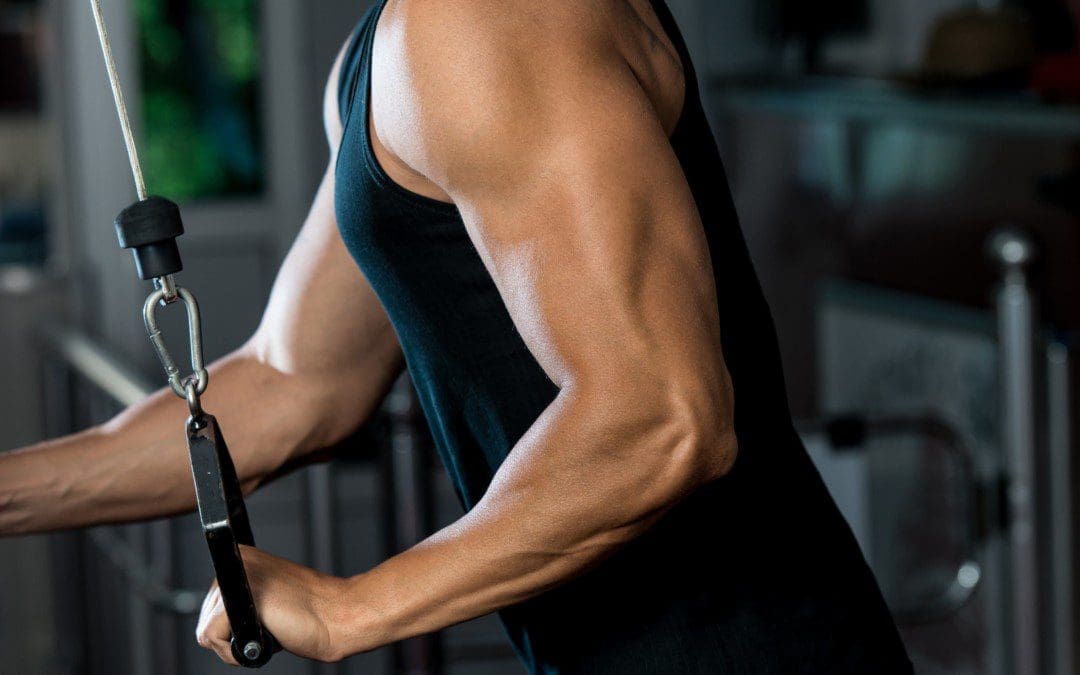
One of the many muscles that help stabilize the shoulders and provide movement when the arms are in motion. The tricep muscles are one of the most underrated muscles that many people don’t seem to take care of when working out. The other muscles in the upper arms and shoulders are more likely to be worked on when it comes to being physically active. The deltoids, biceps, and brachialis muscles are some of the muscles that get much more attention when working on shoulder mobility. Still, the triceps provide the functionality to the shoulders as well. When the shoulders or the upper arms are injured and develop pain-like symptoms in the muscle groups, it can develop trigger points along the affected muscle. Today’s article looks at the tricep muscles, how trigger points affect them, and ways to manage trigger points along the tricep muscles. We refer patients to certified providers who specialize in arm pain treatments to aid individuals suffering from trigger points associated with the tricep muscles along the upper arms and elbows. We also guide and inform our patients by referring them to our associated medical providers based on their examination when appropriate. We established that education is a great solution to asking our providers profound questions the patient requests. Dr. Jimenez DC takes note of this information as an educational service only. Disclaimer
What Do The Tricep Muscles Do?
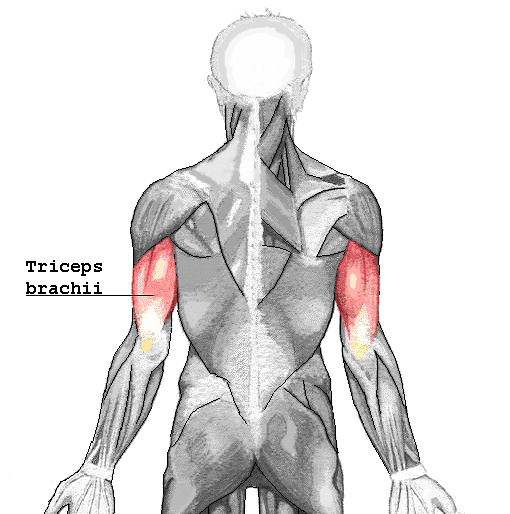
Do you experience pain underneath your forearm? How about feeling a dull ache on your elbows? Or do you feel a numbing sensation on your ring and pinky fingers? Individuals experiencing these symptoms in their arms could potentially develop trigger points along their tricep muscles. The tricep muscles are located under the upper arm and are a large, thick horseshoe-shaped muscle at the end of the arm. As stated earlier, the tricep muscles are one of the most underrated muscles in the arm that no one tends to work on during a workout, so they can be easily overlooked. However, the tricep muscles help in providing stability to the shoulders and help strengthen the arms. One of the main functions the triceps offer is that they allow the extension of the elbow joints. Studies reveal that the three head tendons that make up the triceps can influence elbow extension torque. The three heads of the triceps have different patterns of force when it comes to various activities during different shoulder evaluations. To that point, multiple combinations of the shoulder and elbows at different angles can affect the tricep’s shoulder extensions. Since many individuals don’t work on their triceps often, it can potentially develop issues that can make this underrated muscle weak.
How Trigger Points Affect The Tricep Muscles?
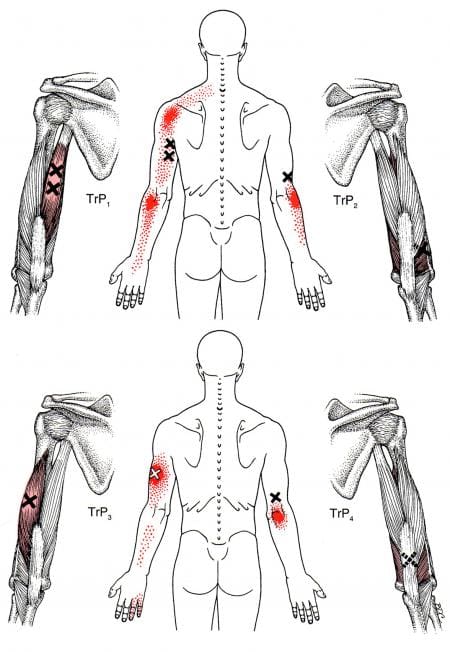
When the triceps don’t get worked on during a workout, it can lead to muscle weakness when doing pushups or when someone suffers from an injury with direct trauma in the elbows. When the tricep muscles become affected, it can lead to chronic conditions that are associated with myofascial pain or trigger points. Trigger points in the triceps can be formed when there are restrictions in extending the elbow joints. Studies reveal that when the triceps become overloaded from overusing the forearms from normal activities, it could potentially lead to tricep tendon rupture. To that point, which leads to the development of trigger points to invoke pain in the triceps and elbow joint. According to Dr. Janet Travell, M.D., trigger points associated with the tricep muscles could potentially involve referred pain in the vicinity of the elbow joints. What this refers to is that trigger points can mimic other chronic conditions so in this case, referred pain caused by trigger points associated with the tricep muscles can be mistakenly attributed to arthritis on the elbow joints. All is not lost, as there are ways to manage trigger points affecting the tricep muscles.
Treating Trigger Points On The Triceps- Video
Have you been experiencing pain in your shoulders, elbows, and hands? Do you have limited mobility when extending your elbows? Or do you notice that your triceps are weaker than normal? If you have been dealing with any of these symptoms, it could be due to trigger points associated with the tricep muscles that are causing referred pain to the upper arms and elbows. The triceps in the upper arms is one of the most underrated muscles people tend to overlook. When individuals begin to succumb to injuries that affect their triceps, it can lead to the development of trigger points along the muscle fibers in the tricep muscles. Trigger points can occur in the tricep muscles due to overusing the forearm muscles, causing stress in the elbow joint and the muscle itself. When the trigger points become active, it can lead to limited mobility to the elbow joint, causing the individual thinks they are developing arthritis when it is the trigger points causing the referred pain. There are ways that many people can manage trigger points associated with the elbows along the triceps to relieve the pain from the muscle. The video above shows where the active trigger points are located and how to release them through palpations and massage. Treating the trigger points along the tricep muscles allows many individuals to regain mobility in their elbows and upper arms.
Managing Trigger Points Along The Triceps
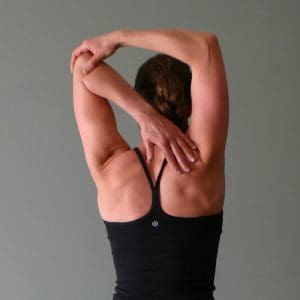
As stated earlier, the triceps are the underrated muscle that people tend to forget. When the tricep muscles succumb to trigger points, it can lead to referred pain along the elbow joints, causing pain-like symptoms affecting the elbow’s mobility function. When this happens to the upper arms, there are various ways to strengthen the tricep muscles and manage trigger points from developing in the future. Incorporating exercises targeting the tricep muscles can help improve mobility to the elbows and shoulders. If a person is playing sports like tennis, they can opt for a lighter racket and have a more lightweight grip on the handle. Suppose a person is in pain from their triceps. In that case, however, studies reveal that upper limb rehabilitation can help reduce the pain along the triceps and improve the mobility range caused by pain associated with trigger points. People can continue their daily activities without pain when they utilize these various ways to enhance their triceps’ functionality.
Conclusion
As the most underrated muscle that people tend to forget to work out, the tricep muscle can be overlooked. This large, thick horseshoe-shaped muscle has a job that provides stability to the shoulders and allows an extension to the elbow joints. When individuals don’t work on their tricep muscles, it can lead to muscle weakness and pain-like symptoms that lead to the development of trigger points. Trigger points associated with the tricep muscles can cause referred pain to the elbow joint, making many individuals believe they have arthritis. However, many individuals can regain mobility to their elbows by incorporating exercises targeting the triceps and utilizing treatments to manage trigger points along the muscle fibers. They can do daily activities that require the triceps without pain.
References
Landin, Dennis, et al. “Functions of the Triceps Brachii in Humans: A Review.” Journal of Clinical Medicine Research, Elmer Press, Apr. 2018, https://www.ncbi.nlm.nih.gov/pmc/articles/PMC5827912/.
Lennon, Olive, et al. “Effect of the Triceps Brachii Facilitation Technique on Scapulohumeral Muscle Activation during Reach and Point in a Healthy Population.” Physiotherapy Canada. Physiotherapie Canada, University of Toronto Press, 2019, https://www.ncbi.nlm.nih.gov/pmc/articles/PMC6855346/.
Mangano, Tony, et al. “Chronic Tendonopathy as a Unique Cause of Non Traumatic Triceps Tendon Rupture in a (Risk Factors Free) Bodybuilder: A Case Report.” Journal of Orthopaedic Case Reports, Indian Orthopaedic Research Group, 2015, https://www.ncbi.nlm.nih.gov/pmc/articles/PMC4719357/.
Tiwana, Manpreet S, et al. “Anatomy, Shoulder and Upper Limb, Triceps Muscle.” In: StatPearls [Internet]. Treasure Island (FL), StatPearls Publishing, 6 Aug. 2021, https://www.ncbi.nlm.nih.gov/books/NBK536996/.
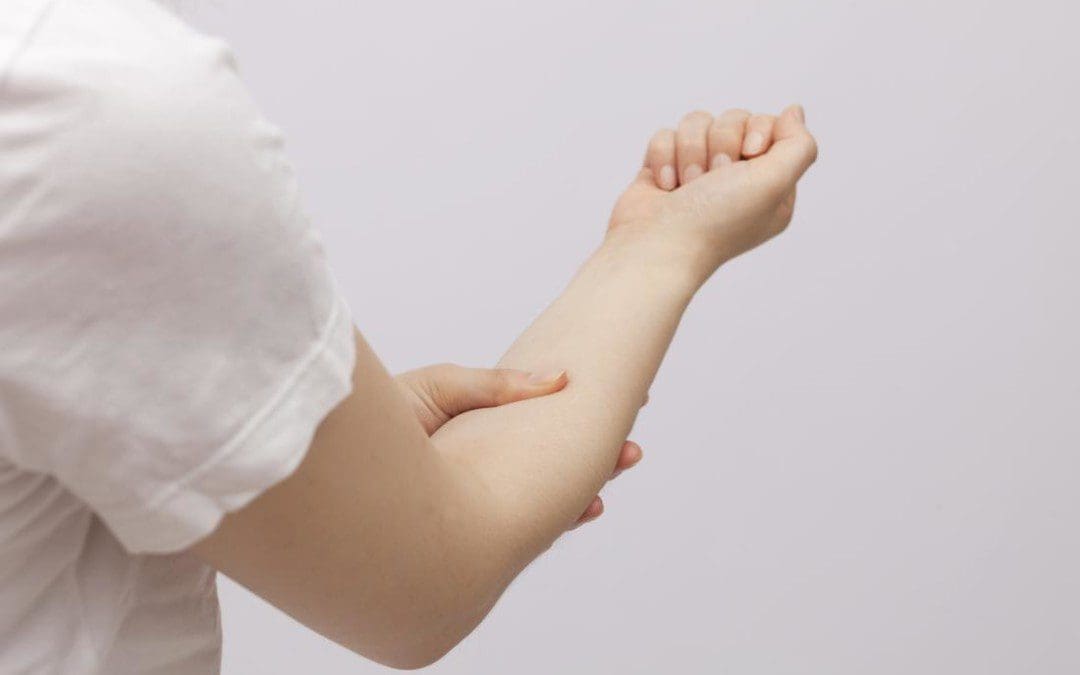
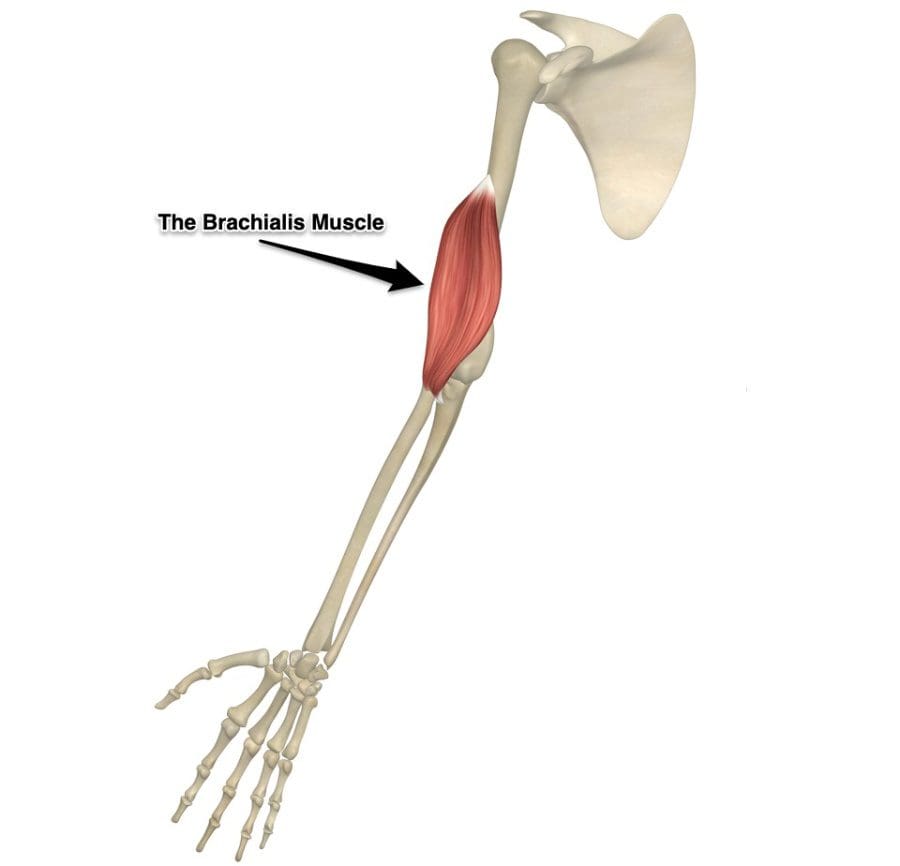
When it comes to the human body in motion, the arms can carry, lift, and move items from one place to another without pain. The arms have different muscles that work together to protect the arm and shoulder joints while providing mobility and movement. One of the muscles that help the arms carry items is the brachialis muscles, which work together with the bicep and tricep muscles. As part of the forearm, it can succumb to various injuries affecting the muscle, tendons, and ligaments. When this happens, referred pain can affect the arm and develop trigger points to overlap chronic conditions that can potentially cause more pain. Today’s article looks at the brachialis muscle’s function, how trigger points affect the muscle, and various ways to manage brachialis trigger points. We refer patients to certified providers who specialize in arm pain treatments to aid individuals suffering from trigger points associated with the brachialis muscles along the upper arms. We also guide and inform our patients by referring them to our associated medical providers based on their examination when appropriate. We established that education is a great solution to asking our providers profound questions the patient requests. Dr. Jimenez DC takes note of this information as an educational service only. Disclaimer
What Is The Brachialis Muscle Function?
Have you been experiencing muscle strain in your forearms? What about stiffness in your wrist? Or do your arm muscles begin to spasm out of nowhere? Many people who have experienced these pain symptoms might be caused by trigger points associated with the brachialis muscle. The brachialis is an important muscle that flexes the forearm at the elbow. This muscle works with the biceps as it can carry heavy items, like the deltoid, and is the opposite of the tricep muscles. However, it can become overused and succumb to injuries that can invoke pain in the arm muscles, thus leading to the development of trigger points along the brachialis muscle.
How Does Trigger Points Affect The Brachialis Muscle?
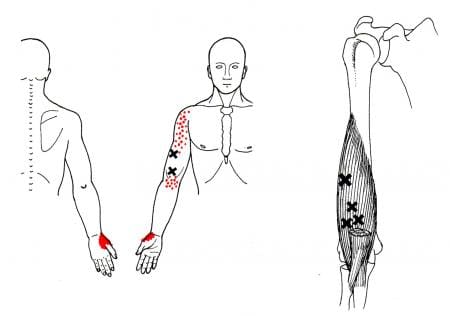
When the brachialis muscle becomes injured, many people will experience pain when flexing their elbows inward or outward. According to Dr. Travell, M.D., these pain symptoms may be due to referred pain and tenderness from brachialis trigger points or radial nerve entrapment. During heaving lifting, the forearm flexion stress overload activates trigger points along the brachialis. Studies reveal that excessive sudden physical stress or repetitive activities may result from a muscle sprain or tear in the brachialis muscle. To that point, these symptoms associated with trigger points can cause overlapping risk profiles that can mask the condition. Some of the conditions that can overlap and activate trigger points include:
Carrying heavy groceries
Holding power tools
Tennis elbow
Playing a string instrument
Studies also reveal that active trigger points along the affected muscle can increase weight coefficients and alter motor control without co-contraction patterns. This is due to trigger points becoming tricky to diagnose and mimic other conditions affecting the arms’ muscle group. Many people with pain-like symptoms associated with trigger points often complain about numbness or deep pain in their arms and hands. To that point, trigger points can also be involved with nerve entrapment in the brachialis muscles.
The Brachialis Trigger Points Release-Video
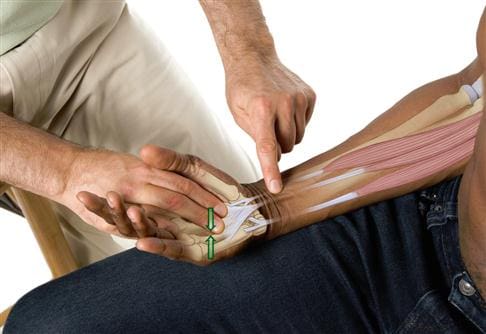
Have you been experiencing stiffness in your hands and arms? What about muscle spasms near your elbow? Or does constant pain affect your forearm muscles when you bend your arm? Many of these symptoms are associated with trigger points affecting the brachialis muscle that is causing pain in the forearms. Trigger points or myofascial pain syndrome can affect a person’s well-being by impairing their mobility in the affected areas, causing pain, and even reducing their overall sense of life. Trigger points affecting the brachialis muscles can mimic chronic conditions like nerve entrapment that can affect the motor function of the forearm. Luckily, trigger points are treatable, and there are ways to reduce the pain-like symptoms from the affected brachialis muscles. The video above shows how to treat trigger points along the forearm. Incorporating non-invasive treatments to reduce future trigger points to form can reduce the pain symptoms and release the trapped nerves that are causing motor function problems in the arms.
Ways To Manage Brachialis Trigger Points
As stated earlier, trigger points are tricky to diagnose since they can mimic other chronic conditions along the affected muscles. When the affected muscle succumbs to injuries and is not treated, it can develop tiny knots along the taut muscle band fibers known as trigger points over time. To that point, it can cause referred pain-like symptoms along the muscle group. Luckily, treatments can help reduce pain-like symptoms and prevent trigger points from forming along the muscle fibers. Studies reveal that trigger point injections are one of the various treatments that can help reduce pain in the brachialis muscle. With gentle stretching and physical therapy, allow mobility back to the arm. One way to manage brachialis trigger points that many people can use is to place a pillow at the angle of the elbow to prevent the arms from tightening or use a hot pack to relax the forearm muscles to relieve muscle strain and aches. Another way is not to overuse their forearms when playing an instrument or carrying items on their forearms. This can prevent trigger points from forming in the future and reduce pain-like symptoms from affecting the forearms.
Conclusion
The brachialis is the main muscle that is important to the forearms. This large muscle works with the bicep and tricep muscles to help the host carry heavy objects while bending at the elbows. However, like all the muscles in the body, the brachialis muscles can succumb to injuries and develop trigger points along the brachialis muscle fiber bands. Trigger points along the brachialis muscle are associated with pain-like symptoms that can mimic conditions like tennis elbow or nerve entrapment in the forearms. Fortunately, various treatments are utilized by doctors to help many patients dealing with trigger points along the brachialis muscle and can help reduce pain in the forearms. This allows mobility back to the arms and prevents future trigger points from forming.
References
Geri, Tommaso, et al. “Myofascial Trigger Points Alter the Modular Control during the Execution of a Reaching Task: A Pilot Study.” Scientific Reports, Nature Publishing Group UK, 5 Nov. 2019, https://www.ncbi.nlm.nih.gov/pmc/articles/PMC6831581/.
Plantz, Mark A, and Bruno Bordoni. “Anatomy, Shoulder and Upper Limb, Brachialis Muscle.” In: StatPearls [Internet]. Treasure Island (FL), StatPearls Publishing, 22 Feb. 2022, https://www.ncbi.nlm.nih.gov/books/NBK551630/.
Sharma, Pankaj, et al. “Isolated Traumatic Brachialis Muscle Tear: A Case Report and Review of Literature.” Bulletin of Emergency and Trauma, Shiraz University of Medical Sciences, Oct. 2017, https://www.ncbi.nlm.nih.gov/pmc/articles/PMC5694606/.
Suh, Mi Ri, et al. “Ultrasound-Guided Myofascial Trigger Point Injection into Brachialis Muscle for Rotator Cuff Disease Patients with Upper Arm Pain: A Pilot Study.” Annals of Rehabilitation Medicine, Korean Academy of Rehabilitation Medicine, Oct. 2014, https://www.ncbi.nlm.nih.gov/pmc/articles/PMC4221396/.
The upper extremities of the body, which include the head, neck, shoulders, chest, and arms, all have a specific job of keeping the body functioning and helping move from place to place. The head and neck work together to allow the host to have the mobility to turn, rotate from side to side, and lean from one side. The shoulders work with the arms to let the muscles have a full range of motion and even help stabilize the upper body. The shoulders have various muscles, tendons, and ligaments to protect the skeletal joints and even work to do everyday activities like carrying or lifting items. When injuries begin to affect the muscle groups of the upper body, it can lead to pain-like symptoms that can lead to chronic conditions developing over time if not treated right away. One of the muscles in the upper body is called the coracobrachialis muscle, which can be affected by injuries. Today’s article observes the coracobrachialis muscle, how trigger points affect the upper arm muscles, and how to manage trigger points associated with the coracobrachialis muscle. We refer patients to certified providers who specialize in shoulder pain treatments to aid individuals suffering from trigger points associated with the coracobrachialis muscles along the upper arms. We also guide and inform our patients by referring them to our associated medical providers based on their examination when appropriate. We established that education is a great solution to asking our providers profound questions the patient requests. Dr. Jimenez DC takes note of this information as an educational service only. Disclaimer
What Is The Coracobrachialis Muscle?
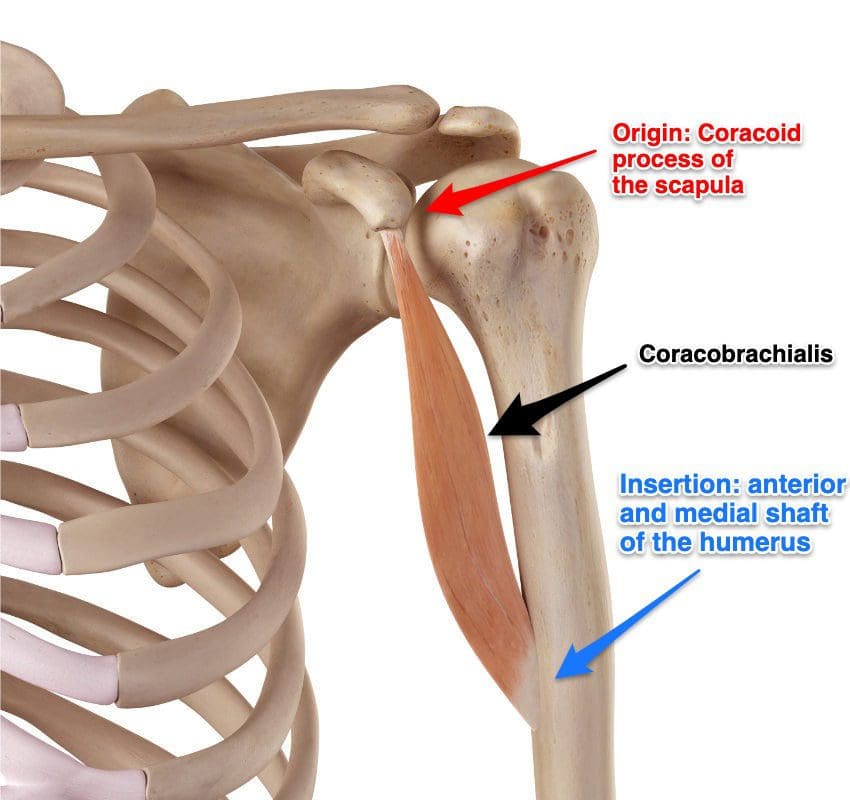
Have you been dealing with pain from the upper arms to the hands? Do simple arm and shoulder stretches seem to be difficult to do? Or have you been dealing with symptoms of pain, stiffness, or tenderness in your upper arms? Experiencing these pain-like symptoms could overlap other conditions affecting the upper arms and develop trigger points along the muscles, including the coracobrachialis. The coracobrachialis is the smallest muscle located in the front of the upper arm’s anterior that originated in the shoulder coracoid process. This small muscle is connected to the tendon located at the short head of the bicep brachii, and according to Dr. Janet Travell, M.D., the coracobrachialis muscle function helps flex and adduct the arms at the shoulders while working together with the surrounding muscles of the upper arm and shoulders. This allows the arms to move forward slightly and inward. This means that the coracobrachialis muscle will enable individuals to place their arms behind their back without pain. However, like any muscle in the body, injuries can occur in the upper arms and lead to the development of trigger points along the upper arm muscles affecting the coracobrachialis muscle.
How Trigger Points Affect The Upper Arm Muscles?
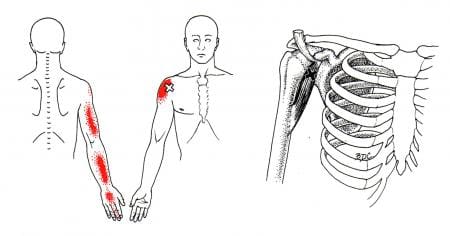
When the upper arm and the coracobrachialis muscle suffer from pain, tiny nodules along the muscle fiber bands known as trigger points can cause referred pain to the upper arms. Now trigger points are tricky to diagnose due to mimicking overlapping conditions affecting the upper arms. Studies reveal that non-specific arm pain could potentially be one of the causes that trigger points mimic due to strenuous physical activities or work-related activities that can overuse the upper arm muscles.
Studies reveal that individuals with idiopathic arm pain deal with high variable upper-extremity dysfunction, which could play a factor in pain-like symptoms along the surrounding muscles of the arms and shoulders. Many people often experience pain when reaching behind their back for the coracobrachialis affected by trigger points. Since the coracobrachialis works with the surrounding muscles in the shoulders and upper arms, trigger points associated with the coracobrachialis correspond to those muscles causing overlapping risk profiles. Trigger points affecting the coracobrachialis muscle can also mimic nerve entrapment since the coracobrachialis helps the bicep muscles when flexing. Pain associated with trigger points could potentially irritate the surrounding nerves in the muscle fibers, which causes radiating pain along the arms.
Treating The Coracobrachialis Muscle-Video
Does your arm feel stiff when trying to reach behind your back? Do your shoulders ache for no apparent reason? Or have you experienced sharp, shooting pain down your arm? Many people experience pain along their shoulders and arms, affecting their mobility to hold and carry items. They deal with overlapping symptoms associated with trigger points along the coracobrachialis muscle. Trigger points along the coracobrachialis muscle are developed when the upper arm muscles have been overused and irritate the surrounding nerves. This causes radiating referred pain down the arms and can affect a person’s ability to hold items. Thankfully there are ways to manage trigger points along the coracobrachialis and its surrounding muscles. The video above demonstrates a massage technique that works along the coracobrachialis muscle to release nerve entrapment and manage trigger points along the surrounding muscles.
Ways To Manage Trigger Points Affecting The Coracobrachialis
There are various techniques that many specialists, like chiropractors, massage therapists, and physiotherapists, can use to identify and manage trigger points in the body. Since trigger points are tricky to diagnose due to causing referred pain along the surrounding muscles, treatments like stretching, massages, acupuncture, and chiropractic adjustments can help alleviate the pain and reduce future trigger points from forming. Studies reveal that pain specialists could manage trigger points associated with shoulder pain along the coracobrachialis through treatments of manual compression and other various techniques. Once treatments have been incorporated to relieve trigger point pain along the affected muscle, many people can further prevent the symptoms from returning by not lifting or carrying heavy objects and not forcing their coracobrachialis to be a substitute for their bicep muscles.
Conclusion
The coracobrachialis is a short muscle that works with the bicep muscle and helps with mobility and motor functions for the arms and shoulders. This muscle allows the arms to move forward and can be placed in the back without pain. When muscle injuries affect the surrounding muscles that work with the coracobrachialis, it can develop trigger points associated with pain along the upper arms. When this happens, it can lead to symptoms of stiffness, pain, and tenderness in the upper arms, causing mobility issues. Pain specialists for trigger points can utilize various treatments to relieve the pain and reduce the effects that trigger points cause on the affected muscle. This allows the upper arms to gain mobility back and the host to do various activities without feeling pain.
References
Bron, Carel, et al. “Treatment of Myofascial Trigger Points in Patients with Chronic Shoulder Pain: A Randomized, Controlled Trial.” BMC Medicine, BioMed Central, 24 Jan. 2011, https://www.ncbi.nlm.nih.gov/pmc/articles/PMC3039607/.
Georgiev, Georgi P, et al. “Coracobrachialis Longus Muscle: Humeroepitrochlearis.” Cureus, Cureus, 13 May 2018, https://www.ncbi.nlm.nih.gov/pmc/articles/PMC6044495/.
Moradi, Ali, et al. “Nonspecific Arm Pain.” The Archives of Bone and Joint Surgery, Archives of Bone and Joint Surgery Co., Dec. 2013, https://www.ncbi.nlm.nih.gov/pmc/articles/PMC4151410/.
Ring, David, et al. “Idiopathic Arm Pain.” The Journal of Bone and Joint Surgery. American Volume, U.S. National Library of Medicine, July 2004, https://pubmed.ncbi.nlm.nih.gov/15252084/.
IFM's Find A Practitioner tool is the largest referral network in Functional Medicine, created to help patients locate Functional Medicine practitioners anywhere in the world. IFM Certified Practitioners are listed first in the search results, given their extensive education in Functional Medicine