Find out why cauliflower is a must-have in your kitchen. From recipes to health benefits, learn all about cauliflower.
Introduction
Throughout their path toward health and wellbeing, many people throughout the globe want to include nutrient-dense meals for energy. Eating a lot of fruits and vegetables is one of the greatest methods for many individuals to do this. In addition to having many vitamins and minerals that the body needs, many fruits and vegetables may help lessen the overlapping pain-like sensations that lead to the development of chronic problems. Problems with the intestines, muscles, and essential organs start to play a part when environmental influences start to become a part of a person’s daily routine, which results in pain-like sensations. In order to facilitate the transition to a healthy lifestyle, many people look for non-surgical therapies that include a personalized treatment plan and nutritional component. One of them is consuming cauliflower, a vegetable. The nutritional benefits of cauliflower, its definition, how it supports the body, and simple dishes to include in a tasty, nutritious diet are all covered in today’s post.
What Is Cauliflower?
Known for being a humble vegetable with its pale appearance, the cauliflower is a powerhouse full of nutrients. It can become the most versatile vegetable to be added to any diet. As part of the Brassicaceae family, cauliflower falls in line with cruciferous vegetables like broccoli, Brussels sprouts, kale, and cabbage that contribute a significant amount of dietary intake to human health due to being low in calories while providing a diverse range of macronutrients. (Zhang et al., 2025) Additionally, cauliflower can come in various colors and be filled with multiple nutrients that benefit the body, including white, green, purple, and orange.
Nutritional Value of Cauliflower
Whether people want to improve their health, lose weight, or add more plant-based variety to their meals, cauliflower deserves a prominent place on their plate. One cup of chopped cauliflower, which is about 107 grams, includes:
Calories: 27
Total Carbohydrates: 5 g
Dietary Fiber: 2.1g
Sugar: 2 g
Protein: 2.1 g
Total Fat: 0.3 g
Saturated Fat: 0.1g
Trans Fat Regulation: 0g
Cholesterol: 0g
Sodium: 32mg
Potassium: 320mg
Vitamin C: 85% of the Daily Value (DV)
Iron: 2% of DV
Vitamin B6: 10% of DV
Magnesium: 4% of DV
Calcium: 2% of DV
Additionally, cauliflower is rich in phytonutrients, particularly glucosinolates and sulforaphane, which have neuroprotective and anticancer agents that can reduce neuroinflammation in the body. (Otoo & Allen, 2023)
Eating Right To Feel Better- Video
How Cauliflower Helps The Body
When it comes to the body, cauliflower can provide various nutrients that the body needs to provide energy and help with normal functioning. Incorporating cauliflower into a healthy diet can help reduce overlapping risk profiles like obesity and hypertension, which can cause individuals to experience pain and discomfort. (Madsen et al., 2023)
Supports Immune Function & Digestive Health
Cauliflower has a high vitamin C content that can help boost the immune defense response by being an antioxidant to protect against cell damage within the body. Since cauliflower is a cruciferous vegetable, it has many phytochemicals, including vitamins, carotenoids, fibers, and other nutrient compounds, to protect the body against reactive oxygen species (ROS) damage. (Ahmed & Ali, 2013) Additionally, with its nutrient components, cauliflower can help support gut health by aiding regular bowel movements. As a cruciferous vegetable, it feeds the beneficial gut bacteria to promote a healthy microbiome balance. This is due to cauliflower containing glucosinolates (GLS), a chemical compound in plants in the Brassicaceae family. GLS, when served in various dishes, contains anti-obesity effects and pro-healthy compounds to benefit the body’s gut system. (Sikorska-Zimny & Beneduce, 2021)
Reduces Inflammation & Oxidative Stress
When inflammation and oxidative stress occur in the body, many people don’t often realize that many environmental factors play a part in their development. While inflammation is the body’s natural response, chronic inflammation can correlate with oxidative stress, causing the body to develop musculoskeletal and gut issues. When oxidative stress is associated with chronic inflammation, it can impact the body’s central nervous system, causing the neuron signals to affect the gut system by increasing bad bacteria in the gastrointestinal system. (Shandilya et al., 2022) Consuming cauliflower in various dishes can help reduce the oxidative damage and inflammation correlated with chronic body issues.
Simple & Delicious Cauliflower Recipes
Since cauliflower has a mild flavor and versatile texture, it can be easily incorporated into numerous dishes that are not only delicious but also nutritious. Below are a few simple and easy recipes that many people can try:
Cauliflower Rice
Cauliflower rice is a low-carb, grain-free substitute for rice
How to make:
Start by grating raw cauliflower with a grater or pulse it in the food processor until it resembles rice grains.
Then, for 5 minutes, add olive oil, garlic, salt, and pepper to the cauliflower grains and sauté in a pan.
You can use various sauces and herbs to enhance the cauliflower rice for extra flavor.
Cauliflower Pizza Crust
Individuals with gluten allergies or sensitivity can make this pizza crust with cauliflower.
How to make:
Start by steaming and mashing a head of cauliflower, transferring it to cheesecloth, and squeezing out the excess water.
Then, add one egg, shredded mozzarella, seasoning, and cauliflower to a mixing bowl and mix. This should resemble dough.
Take the cauliflower dough and shape it into a crust.
Bake at 400°F (200°C) for at least 15 minutes, then remove it from the oven.
Then add your favorite toppings on the cauliflower pizza crust, and bake again.
Cauliflower Buffalo Bites
As a healthier alternative to chicken wings, they can be perfect for your next party.
How to make:
Toss cauliflower florets in flour and spices, and bake at 425°F (220°C) for 20 minutes.
Toss in buffalo sauce and bake for another 10 minutes. Serve with celery and light ranch.
Final Thoughts
More than just a simple white vegetable, cauliflower is a superfood full of nutrients and antioxidants that can be used in a variety of recipes and diets. A nutritious diet that includes cauliflower may provide the body with the vital vitamins, antioxidants, and nutrients it needs to function at its best. This cruciferous vegetable gives the body the energy it needs and may be a great way to add veggies to a nutritious meal.
Injury Medical & Functional Medicine Clinic
We associate with certified medical providers who understand the importance of assessing individuals and incorporating cauliflower into their dietary needs. When asking important questions to our associated medical providers, we advise patients to incorporate numerous vegetables like cauliflower into their foods to provide energy and nutrients to their bodies in their customized treatment plan. Dr. Alex Jimenez, D.C., uses this information as an academic service. Disclaimer.
References
Ahmed, F. A., & Ali, R. F. M. (2013). Bioactive Compounds and Antioxidant Activity of Fresh and Processed White Cauliflower. BioMed Research International, 2013, 1-9. https://doi.org/10.1155/2013/367819
Madsen, H., Sen, A., & Aune, D. (2023). Fruit and vegetable consumption and the risk of hypertension: a systematic review and meta-analysis of prospective studies. Eur J Nutr, 62(5), 1941-1955. https://doi.org/10.1007/s00394-023-03145-5
Otoo, R. A., & Allen, A. R. (2023). Sulforaphane’s Multifaceted Potential: From Neuroprotection to Anticancer Action. Molecules, 28(19), 6902. https://doi.org/10.3390/molecules28196902
Shandilya, S., Kumar, S., Kumar Jha, N., Kumar Kesari, K., & Ruokolainen, J. (2022). Interplay of gut microbiota and oxidative stress: Perspective on neurodegeneration and neuroprotection. J Adv Res, 38, 223-244. https://doi.org/10.1016/j.jare.2021.09.005
Sikorska-Zimny, K., & Beneduce, L. (2021). The Metabolism of Glucosinolates by Gut Microbiota. Nutrients, 13(8), 2750. https://doi.org/10.3390/nu13082750
Discover the versatility of pineapple in recipes and health benefits. This fruit is a must-have for your kitchen and diet.
Introduction
Many individuals will start eating more fruits and vegetables as part of a healthy diet in order to provide their bodies the necessary vitamins and minerals for optimum health. Many people may notice that overlapping pain-like symptoms, such as inflammation, are being lessened and controlled by eating a balanced diet. Pineapple is one fruit in particular that might lessen the inflammatory effects on the musculoskeletal system. The nutritional profile of pineapples, their ability to lower inflammation, and how to include them in one’s diet will all be covered in today’s article.
The Power Of The Pineapple
Pineapple (Ananas comosus L.) is more than just a tropical treat to snack on both frozen or on its own—it’s a nutritional powerhouse packed with essential vitamins, antioxidants, and enzymes that promote overall health. Innated in South America and anywhere tropical, the pineapple has been used to treat various ailments. (Kumar et al., 2023) This vibrant fruit is highly relished due to its unique aroma and sweet taste while containing vitamins and minerals that can be a delicious and natural way to incorporate into a healthy diet for optimal wellness. (Mohd Ali et al., 2020)
Nutritional Facts
While pineapple is being riched in nutrients, a single cup of fresh pineapple, which is about 165 grams, provides:
Calories: 82
Carbohydrates: 22g
Fiber: 2.3g
Sugars: 16g
Protein: 1g
At the same time, nutrients and vitamins from eating a pineapple provide immune function, energy production, and cellular repair. Some of the nutrients pineapple include:
Vitamin C: 131%
Manganese: 76%
Vitamin B6: 9%
Copper: 9%
Thiamine (B1): 9%
Fighting Inflammation Naturally- Video
Pineapple’s Role in Reducing Inflammation
When the body deals with pain-like issues, it can lead to inflammation. Inflammation is the body’s natural defense system that helps heal and attack pathogens in the affected area. This is due to the immune system sending out inflammatory cells and cytokines to start healing the affected area. One of the standout benefits of pineapple is its powerful anti-inflammatory properties. Pineapple has an enzyme known as bromelain.
One of the standout benefits of pineapple is its powerful anti-inflammatory properties, largely attributed to an enzyme called bromelain. This enzyme stems from the pineapple plant and has a double effect by modulating the immunological response that is significant for proper immune system functioning while preserving homeostasis. (Hikisz & Bernasinska-Slomczewska, 2021) Additionally, some of the benefits bromelain offers include:
Reduce Joint Pain and Swelling
Enhance Recovery After Exercise
Support Digestive Health
Additionally, bromelain can suppress the NF-KappaB signaling pathway by reducing inflammatory gene expression and attenuating the inflammatory cascade by breaking down the proteins involved in edema formation and swelling associated with inflammation. (Kansakar et al., 2024)
Additional Health Benefits of Pineapple
There are additional benefits when it comes to incorporating pineapple to not only reduce inflammation but also to help manage the body by:
Boosts Immunity
Supports Heart Health
Aids in Weight Management
This is because pineapple’s antioxidants help protect the body from free radicals that trigger illnesses caused by oxidative stress and inflammation. (Arulselvan et al., 2016) The fibers, antioxidants, and hydration levels can help the body even further when incorporated into a healthy diet.
Incorporating Pineapple Into Your Diet
Pineapple is incredibly versatile fruit and can be enjoyed in various ways. It provides an abundance of dietary fibers and phytochemicals and has a high nutritional value and medicinal properties. (Seenak et al., 2021) Some of the ways many people can incorporate pineapple into their diet include:
Fresh: Add chunks to smoothies, salads, or yogurt for an extra source of antioxidants. Additionally, put fresh pineapple chunks in the freezer for 2-3 hours on parchment paper for a delicious snack.
Grilled: Grilling pineapple can enhance its sweetness and be served with protein dishes.
Blended: Make refreshing pineapple juice or incorporate frozen chunks into tropical smoothies.
Cooked: Cooking pineapple on a stovetop can be a great option for incorporating it into stir-fries and salsas or as a topping for lean meats like chicken or fish.
Final Thoughts
In addition to being a summertime tropical fruit, pineapple is a superfood that is full of vitamins and nutrients with anti-inflammatory qualities that help the body fight against inflammation. A nutritious diet that includes pineapple can help many individuals feel more energized and control their pain-related symptoms. Eating fresh pineapple, whether it’s grilled, juiced, or combined into a smoothie, may improve their general health and well-being.
Injury Medical & Functional Medicine Clinic
We associate with certified medical providers who understand the importance of incorporating anti-inflammatory foods to reduce the inflammatory effects from affecting the body. When asking important questions to our associated medical providers, we advise patients to implement small changes to their daily routine, like incorporating pineapple into a healthy diet, which can reduce the inflammatory effects in the body. Dr. Alex Jimenez, D.C., utilizes this information as an academic service. Disclaimer.
References
Arulselvan, P., Fard, M. T., Tan, W. S., Gothai, S., Fakurazi, S., Norhaizan, M. E., & Kumar, S. S. (2016). Role of Antioxidants and Natural Products in Inflammation. Oxid Med Cell Longev, 2016, 5276130. https://doi.org/10.1155/2016/5276130
Hikisz, P., & Bernasinska-Slomczewska, J. (2021). Beneficial Properties of Bromelain. Nutrients, 13(12). https://doi.org/10.3390/nu13124313
Kansakar, U., Trimarco, V., Manzi, M. V., Cervi, E., Mone, P., & Santulli, G. (2024). Exploring the Therapeutic Potential of Bromelain: Applications, Benefits, and Mechanisms. Nutrients, 16(13). https://doi.org/10.3390/nu16132060
Mohd Ali, M., Hashim, N., Abd Aziz, S., & Lasekan, O. (2020). Pineapple (Ananas comosus): A comprehensive review of nutritional values, volatile compounds, health benefits, and potential food products. Food Res Int, 137, 109675. https://doi.org/10.1016/j.foodres.2020.109675
Seenak, P., Kumphune, S., Malakul, W., Chotima, R., & Nernpermpisooth, N. (2021). Pineapple consumption reduced cardiac oxidative stress and inflammation in high cholesterol diet-fed rats. Nutr Metab (Lond), 18(1), 36. https://doi.org/10.1186/s12986-021-00566-z
Can mustard be a low-calorie alternative to higher-fat condiments for individuals trying to reduce calorie intake?
Mustard
Prepared mustard is a common condiment used around the country. It is a low-calorie, highly flavored condiment that can replace more calorie-dense options. The familiar condiment combines mustard seeds with vinegar, salt, lemon, and other ingredients. There are also different varieties made from brown or black mustard seeds.
Health Benefits
Mustard is considered healthy because it contains antioxidants that provide various health benefits, including anti-cancer, antibacterial, antiviral, antifungal, anti-inflammatory, and wound-healing properties. (Mazumder A., Dwivedi A., & du Plessis J. 2016) Although not associated with significant health benefits, mustard is a low-calorie alternative to many higher-fat condiments, like mayonnaise. Different types of mustard seeds are used for health purposes. For example, some herbalists use white mustard seeds to clear the throat when mixed with honey (Ewing, Sarah, 1999). Antioxidants include isothiocyanates and sinigrin.
Isothiocyanates, the oil that gives mustard its pungent taste, have anti-cancer properties for breast, lung, GI tract, and prostate cancers.
However, the mechanism remains unclear, and more research is needed to determine the efficacy of mustard’s health benefits for cancer.
Isothiocyanates may also help manage diabetes and reduce unhealthy cholesterol, providing cardiovascular protection and neurological benefits that may help autistic individuals. More research is needed. (Palliyaguru D. et al., 2018)
Sinigrin is another antioxidant. Research shows this antioxidant has anti-cancer, antibacterial, antiviral, antifungal, anti-inflammatory, and wound-healing properties. (Mazumder A., Dwivedi A., & du Plessis J. 2016)
Nutrition
A single serving is usually about a teaspoon. A serving of prepared yellow and spicy mustard provides only about three calories. (U.S. Department of Agriculture, 2019) Its nutritional profile includes a rich supply of essential minerals, including calcium, iron, manganese, phosphorus, and zinc. It is also a good source of omega-3 fatty acids, tryptophan, phosphorus, iron, and protein. The seeds are also a very good source of selenium. Most calories come from carbohydrates, but because the calorie count is so low, these carbohydrates are not likely to significantly affect daily intake. Dijon mustard may provide more calories. A single serving of Dijon may contain up to 10 calories.
Preparation and Storage
Yellow mustard and Dijon are easy to find. Try course mustard varieties with distinct textures and seeds. Buy in small quantities, as mustard can lose flavor with time. Once opened, store in the refrigerator for up to one year. Mustard imparts a strong, spicy taste that pairs well with meat and seafood and can also be used to make salad dressings.
Side Effects
The U.S. Food and Drug Administration recognizes mustard as safe (GRAS). Eating too much can cause abdominal pain, diarrhea, and gut inflammation. However, mustard and mustard seed allergies are not uncommon. Symptoms may be mild or severe and generally appear shortly after consuming the product. Individuals may experience a rash or a tingly, itchy feeling in the mouth. Difficulty breathing is also possible. Other foods derived from the mustard plant, including leaves, seeds, flowers, sprouted seeds, oil, and foods that contain these, are likely to cause reactions in those with mustard allergies.
Injury Medical Chiropractic and Functional Medicine Clinic
Injury Medical Chiropractic and Functional Medicine Clinic focuses on and treats injuries and chronic pain syndromes through personalized care plans that improve ability through flexibility, mobility, and agility programs to relieve pain. Our providers use an integrated approach to create customized care plans for each patient and restore health and function to the body through nutrition and wellness, functional medicine, acupuncture, Electroacupuncture, and sports medicine protocols. If the individual needs other treatment, they will be referred to a clinic or physician best suited for them. Dr. Jimenez has teamed up with top surgeons, clinical specialists, medical researchers, nutritionists, and health coaches to provide the most effective clinical treatments.
Enhancing Health Together
References
Mazumder, A., Dwivedi, A., & du Plessis, J. (2016). Sinigrin and Its Therapeutic Benefits. Molecules (Basel, Switzerland), 21(4), 416. https://doi.org/10.3390/molecules21040416
Ewing, Sarah. (1999). Black Mustard (Brassica nigra). https://opensiuc.lib.siu.edu/cgi/viewcontent.cgi?article=1421&context=ebl
Palliyaguru, D. L., Yuan, J. M., Kensler, T. W., & Fahey, J. W. (2018). Isothiocyanates: Translating the Power of Plants to People. Molecular nutrition & food research, 62(18), e1700965. https://doi.org/10.1002/mnfr.201700965
U.S. Department of Agriculture. (2019). Mustard, prepared, yellow. Retrieved from https://fdc.nal.usda.gov/food-details/326698/nutrients
Can individuals incorporate miso into their diets to improve their gut health and utilize its beneficial properties?
What Is Miso?
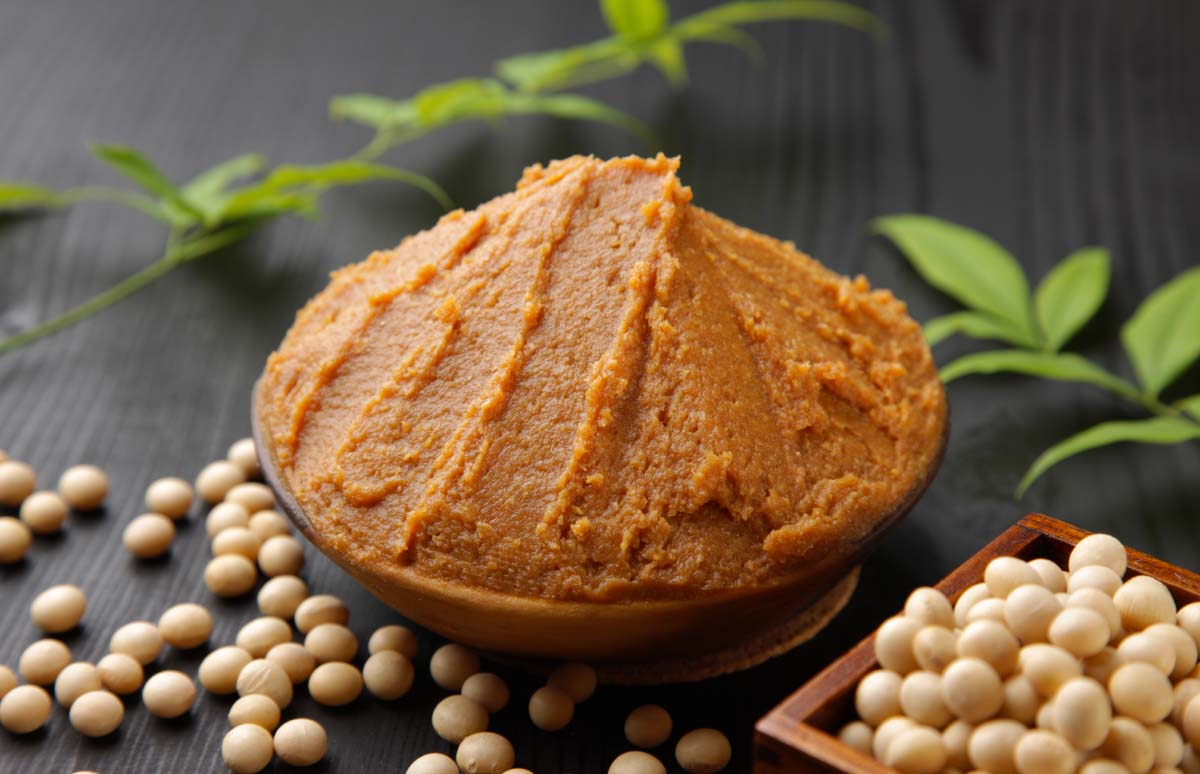
As the weather starts to get colder, many people start thinking about making soups, stews, and hot foods. However, when it comes to a person’s health and wellness, many people wonder what to add to their soups while adding many nutritional foods and proteins that can make them not only flavorful but also add beneficial properties to their diet. Why not add miso? Miso is fermented soybean paste, a rice-based food product in Japan that is a staple cooking product. (Saeed et al., 2022) Additionally, since miso is a soybean product, many people incorporate it into their soups as it contributes to many health benefits to Japanese-style diets and can even enhance various dishes. (Ito, 2020) At the same time, many people who start to incorporate miso as part of their diet will notice some beneficial results in their gut system. We associate with certified medical providers who inform our patients of the benefits of incorporating miso into a nutritional diet. While asking important questions to our associated medical providers, we advise patients to integrate ways to add miso to their foods and help reduce bad bacterial growth in their gut system. Dr. Alex Jimenez, D.C., envisions this information as an academic service. Disclaimer.
Types Of Miso
Miso can come in various types depending on how long it has been left to be fermented and its ingredients to see what color and flavor intensity will be put into the cooking. All miso products are in paste form and can be paired well with any protein like chicken, meat, and fish. The types of miso include:
White miso (Shiro miso): Mildest, sweet, less salty
Yellow miso (Shinshu miso): Mild, earthier, more acidic
Red miso (Aka miso): Salty, slightly bitter
Brown rice miso (Genmai miso): Sweet, mild, earthy
Barley miso (Mugi miso): Mild, earthy, not gluten-free
Miso Nutritional Facts
When it comes to the nutritional facts of miso, one tablespoon of miso contains about:
1 tbsp of miso: 17g
Calories: 34
Total Fats: 1g
Cholesterol: 0mg
Sodium: 634mg
Total Carbohydrates: 4.3g
Protein: 2.2g
It is important to note that a bit of miso goes a long way due to its high sodium content and its various vitamins and nutrients.
Eat Right To Feel Better- Video
Beneficial Properties of Miso
When it comes to the beneficial properties of miso, it has numerous benefits that can help the body provide the nutrients it needs to fuel. Since miso is a fermented seasoning, it is rich in nutrients and has probiotic microorganisms that can help propagate healthy good bacteria to the gut while enhancing the immune system. (Paul et al., 2023) Additionally, when consumed daily, miso can help improve skin moisture, stimulate ceramides, have an anti-hypertensive effect, and many other beneficial effects. (Kotake et al., 2022)
Improves Gut Health
Since miso is a probiotic, it can help many individuals with gut issues since the gut system has trillions of bacteria that activate and mediate the body. (de Vos et al., 2022) Many people don’t realize that the gut is known as the second brain, and when environmental factors start to affect the gut, it can cause many health problems. So, adding miso can help influence good bacteria to reduce harmful bacteria and directly influence the epithelial immune cells of the GI tract. (Wieers et al., 2019)
Incorporating Miso In Your Diet
Since miso has a sweet/salty flavor, it can be used in various recipes. It can be taken in small amounts depending on the individual’s taste and what ingredients many people use for their cooking. At the same time, if a person is on a low-sodium diet, limiting the intake or avoiding it if they have a food allergy to soy is best. Making small changes and adding healthy nutritional substitutes to food can help many people live healthier.
References
de Vos, W. M., Tilg, H., Van Hul, M., & Cani, P. D. (2022). Gut microbiome and health: mechanistic insights. Gut, 71(5), 1020-1032. https://doi.org/10.1136/gutjnl-2021-326789
Ito, K. (2020). Review of the health benefits of habitual consumption of miso soup: focus on the effects on sympathetic nerve activity, blood pressure, and heart rate. Environ Health Prev Med, 25(1), 45. https://doi.org/10.1186/s12199-020-00883-4
Kotake, K., Kumazawa, T., Nakamura, K., Shimizu, Y., Ayabe, T., & Adachi, T. (2022). Ingestion of miso regulates immunological robustness in mice. PLOS ONE, 17(1), e0261680. https://doi.org/10.1371/journal.pone.0261680
Paul, A. K., Lim, C. L., Apu, M. A. I., Dolma, K. G., Gupta, M., de Lourdes Pereira, M., Wilairatana, P., Rahmatullah, M., Wiart, C., & Nissapatorn, V. (2023). Are Fermented Foods Effective against Inflammatory Diseases? Int J Environ Res Public Health, 20(3). https://doi.org/10.3390/ijerph20032481
Saeed, F., Afzaal, M., Shah, Y. A., Khan, M. H., Hussain, M., Ikram, A., Ateeq, H., Noman, M., Saewan, S. A., & Khashroum, A. O. (2022). Miso: A traditional nutritious & health-endorsing fermented product. Food Sci Nutr, 10(12), 4103-4111. https://doi.org/10.1002/fsn3.3029
Wieers, G., Belkhir, L., Enaud, R., Leclercq, S., Philippart de Foy, J. M., Dequenne, I., de Timary, P., & Cani, P. D. (2019). How Probiotics Affect the Microbiota. Front Cell Infect Microbiol, 9, 454. https://doi.org/10.3389/fcimb.2019.00454
“For individuals that have difficulty getting plenty of fruits and vegetables, can incorporating green powder supplements increase nutritional levels for a balanced diet?”
Green Powder Supplements
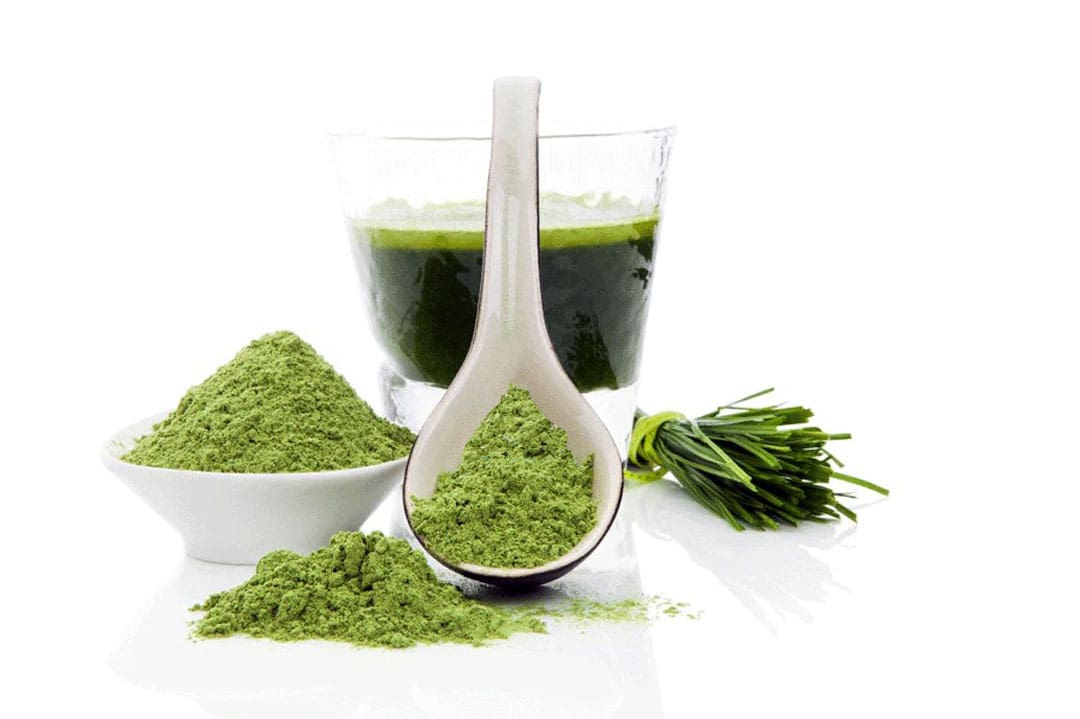
Meeting daily nutrient needs through whole, unprocessed foods can’t always be met when access is limited or for other reasons. A green powder supplement is a great way to fill in the gaps. Green powder supplements are a daily supplement that helps increase vitamin, mineral, and fiber intake and enhances overall health. Green powders are easy to mix in water with a favorite beverage or smoothie or bake into a recipe. They can help:
Increase energy
Nourish the immune system
Improve digestion
Promote mental clarity
Contribute to healthy blood sugar levels
Reduce the risk of chronic disease
Promote optimal liver and kidney function
What Are They?
Green powder supplements are forms of vitamins, minerals, fiber, antioxidants, phytochemicals, and other bioactive compounds.
They are derived from fruits, vegetables, herbs, and algae to combine ingredients into a convenient supplement. (Giulia Lorenzoni et al., 2019)
Nutrients
Because most green powders comprise a combination of ingredients, the nutrient density is high. Green powder supplements can be considered a vitamin and mineral product. They typically contain:
Vitamins A, C, and K
Iron
Magnesium
Calcium
Antioxidants
The recommended daily intake of vitamins and minerals can be helpful for individuals with limited access to produce or who want to supplement their diet with additional nutrients.
Energy
The phytochemicals found in fruits and vegetables have been shown to improve energy levels. Studies on their effects on physical performance and endurance have resulted in positive outcomes. Researchers found that phytonutrients like those in green powders helped to increase energy, improve agility, reduce fatigue perception, improve memory, and decrease recovery time. (Nicolas Monjotin et al., 2022)
Digestive Health
Green powders are rich in soluble and insoluble fiber, which contribute to feeling full and satisfied after a meal and are important for healthy digestion and regular bowel movements. Eating fiber-rich foods is associated with optimal blood sugar control and improved gut microbiota diversity. These factors are important for maintaining a healthy body weight and decreasing the risk of chronic disease, for example, type 2 diabetes. (Thomas M. Barber et al., 2020) Phytochemicals, including flavonoids, have been shown to have therapeutic effects on gas, bloating, constipation, and diarrhea associated with IBS. Other phytonutrients have been shown to reduce certain symptoms of ulcerative colitis. (Nicolas Monjotin et al., 2022)
Immune System Function
Supplemental green powder supplements have shown the ability to maintain a healthy immune system and reduce inflammation by their antioxidant content. Green powders containing seaweed or algae are rich in phytochemical and poly-unsaturated fatty acids that have antioxidant properties to reduce inflammation and prevent oxidative damage to cells. (Agnieszka Jaworowska, Aliza Murtaza 2022) A randomized trial found that a fruit, berry, and vegetable powder concentrate blend decreased oxidation and reduced inflammation, attributed to the phytochemicals found in fruits and vegetables.(Manfred Lamprecht et al., 2013)
Detoxification
The liver and kidneys are the main organs of natural detoxification. The liver helps the body absorb nutrients from consumed foods and removes waste and toxins through the kidneys. (National Library of Medicine. 2016) Plants are packed with antioxidants and phytochemicals that protect the liver and kidneys from free radical damage and oxidative stress. (Yong-Song Guan et al., 2015) The green powder supplements are made from these plants. When drinking green powders, fluid intake naturally increases as a standard serving of green powder is mixed with 8 to 12 ounces of water.
Whether mixed, blended, or made into a shake, powdered greens are a convenient and efficient way to get the daily dose of antioxidants, vitamins, minerals, and other nutrients.
The Healing Diet: Combat Inflammation, Embrace Wellness
References
Lorenzoni, G., Minto, C., Vecchio, M. G., Zec, S., Paolin, I., Lamprecht, M., Mestroni, L., & Gregori, D. (2019). Fruit and Vegetable Concentrate Supplementation and Cardiovascular Health: A Systematic Review from a Public Health Perspective. Journal of clinical medicine, 8(11), 1914. https://doi.org/10.3390/jcm8111914
Monjotin, N., Amiot, M. J., Fleurentin, J., Morel, J. M., & Raynal, S. (2022). Clinical Evidence of the Benefits of Phytonutrients in Human Healthcare. Nutrients, 14(9), 1712. https://doi.org/10.3390/nu14091712
Barber, T. M., Kabisch, S., Pfeiffer, A. F. H., & Weickert, M. O. (2020). The Health Benefits of Dietary Fibre. Nutrients, 12(10), 3209. https://doi.org/10.3390/nu12103209
Jaworowska, A., & Murtaza, A. (2022). Seaweed Derived Lipids Are a Potential Anti-Inflammatory Agent: A Review. International journal of environmental research and public health, 20(1), 730. https://doi.org/10.3390/ijerph20010730
Lamprecht, M., Obermayer, G., Steinbauer, K., Cvirn, G., Hofmann, L., Ledinski, G., Greilberger, J. F., & Hallstroem, S. (2013). Supplementation with a juice powder concentrate and exercise decrease oxidation and inflammation, and improve the microcirculation in obese women: randomised controlled trial data. The British journal of nutrition, 110(9), 1685–1695. https://doi.org/10.1017/S0007114513001001
InformedHealth.org [Internet]. Cologne, Germany: Institute for Quality and Efficiency in Health Care (IQWiG); 2006-. How does the liver work? 2009 Sep 17 [Updated 2016 Aug 22]. Available from: https://www.ncbi.nlm.nih.gov/books/NBK279393/
Guan, Y. S., He, Q., & Ahmad Al-Shatouri, M. (2015). Complementary and Alternative Therapies for Liver Diseases 2014. Evidence-based complementary and alternative medicine : eCAM, 2015, 476431. https://doi.org/10.1155/2015/476431
Of this, 0.7 grams come from fiber, and 1.3 grams are natural sugars.
Fats
Tomatillos contain less than half a gram in one medium-sized tomatillo.
Protein
There is less than half a gram of protein per tomatillo.
Vitamins and Minerals
Tomatillos provide:
Vitamin A
Vitamin C
Potassium
And provide several other micronutrients in smaller doses.
Benefits
Tomatillo’s health benefits include the following.
Cardiovascular Health
Tomatillos provide a heart-healthy dietary addition. They are naturally low in sodium and rich in potassium, which could help regulate blood pressure. They provide vitamins A and C and antioxidants against free radicals.
The American Heart Association recommends the consumption of a variety of fruits and vegetables daily for various benefits. One of them is their fiber content. Fiber is the indigestible part of carbohydrates that can help decrease cholesterol by binding and removing cholesterol from the body. Tomatillos contain about one gram of fiber, a recommended addition to a heart-healthy diet. (American Heart Association. 2023)
Potentially Help Reduce Cancer Risk
Tomatillos have several antioxidants with cancer-preventing properties. They are a source of phytochemicals known as withanolides. These natural plant compounds have been shown to induce apoptosis/cell death in colon cancer cells. (Peter T. White et al., 2016) Diets high in fruits and vegetables have been associated with lower risks of cancer, making tomatillos a welcome addition to a high-antioxidant nutrition plan focused on cancer prevention.
Arthritis Symptoms Improvement
The withanolide antioxidants are also anti-inflammatory. Research on withanolides demonstrates clinical benefits in the alleviation of symptoms of osteoarthritis and rheumatoid arthritis. (Peter T. White et al., 2016) Tomatillos may help reduce inflammation, which can make arthritis more manageable.
Vision Loss Prevention
Tomatillos provide a healthy source of key nutrients for eye health. Lutein and zeaxanthin are antioxidants that concentrate in the retina and help protect against environmental deterioration. Tomatillos provide:
Tomatillos are a low-calorie whole food ingredient. Because of their high water content, it’s possible to fill up without adding excess calories. Fresh salsa made with tomatoes or tomatillos is a healthy, flavorful choice that is virtually free of added sugars. (The National Kidney Foundation. 2014)
Adverse Effects
Tomatillos are part of the nightshade family. While there is no conclusive evidence confirming any harmful effects, some individuals report experiencing sensitivity to them. (Cleveland Clinic. 2019) Individuals who believe they may be sensitive to tomatillos should consult a registered dietitian to determine the root cause and ways to improve tolerance.
Allergies
Although rare, serious reactions, including anaphylaxis, are possible even if the individual shows no signs of a tomato allergy.
Individuals unsure about an allergy to tomatillos should see an allergist for testing.
Varieties
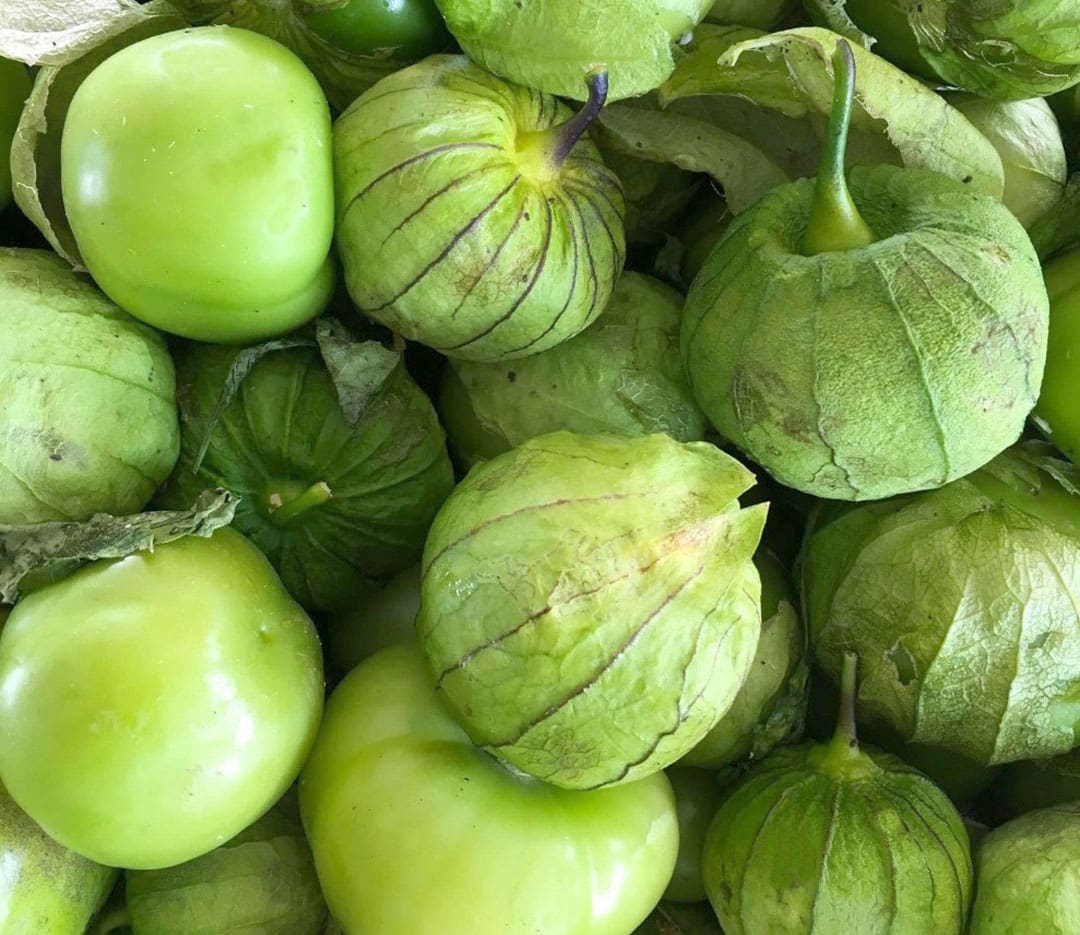
Different varieties include yellow, green, and purple. (MacKenzie J. 2018)
Rendidora is a green variety that grows upright with a high yield.
Gulliver Hybrid, Tamayo, Gigante, and Toma Verde are also green but grow in a sprawling pattern.
Choose tomatillos that are firm and green but large enough that they fill up the husks.
When they ripen too long, their flavor becomes bland. (MacKenzie J. 2018)
Storage and Safety
Tomatillos can last months in their husks, spread out in a well-ventilated area. (MacKenzie J. 2018)
Keep them in a paper bag in the refrigerator for no longer than 2 weeks if using sooner.
Do not store in plastic, as this can cause spoilage.
For extended storage, tomatillos may be frozen or canned.
Remove the husks, wash them, and dry them before eating or preparing them for long-term storage.
Preparation
Tomatillos have a distinct flavor and firm texture. They can be eaten whole with no need to seed or core them. (Drost D, Pedersen K. 2020) Use tomatillos for:
The Healing Diet: Combat Inflammation, Embrace Wellness
References
FoodData Central. U.S. Department of Agriculture. (2018). Tomatillos, raw. Retrieved from https://fdc.nal.usda.gov/fdc-app.html#/food-details/168566/nutrients
American Heart Association. (2023). How to Eat More Fruit and Vegetables (Healthy Living, Issue. https://www.heart.org/en/healthy-living/healthy-eating/add-color/how-to-eat-more-fruits-and-vegetables
White, P. T., Subramanian, C., Motiwala, H. F., & Cohen, M. S. (2016). Natural Withanolides in the Treatment of Chronic Diseases. Advances in experimental medicine and biology, 928, 329–373. https://doi.org/10.1007/978-3-319-41334-1_14
National Institutes of Health, Office of Dietary Supplements. (2023). Vitamin A: Fact Sheet for Health Professionals. Retrieved from https://ods.od.nih.gov/factsheets/VitaminA-HealthProfessional/
The National Kidney Foundation. (2014). 6 of the Best and Worst Condiments for Health (Kidney Basics, Issue. https://www.kidney.org/news/ekidney/july14/7_Best_and_Worst_Condiments_for_Health
Cleveland Clinic. (2019). What’s the Deal With Nightshade Vegetables? (healthessentials, Issue. https://health.clevelandclinic.org/whats-the-deal-with-nightshade-vegetables/
Jill, M. (2018). Growing Tomatillos and Ground Cherries in Home Gardens. https://extension.umn.edu/vegetables/growing-tomatillos-and-ground-cherries#harvest-and-storage-570315
Drost D, P. K. (2020). Tomatillos in the Garden (Horticulture, Issue. https://digitalcommons.usu.edu/cgi/viewcontent.cgi?article=2658&context=extension_curall
For a hearty side of potatoes, can oven roasting and paying attention to portion size make for a healthy meal?
Oven Roasted Potatoes
Potatoes are starchy, but that does not make them unhealthy. This is where individuals need to take portion size into consideration. Starchy foods like potatoes should take up around a quarter of the plate, with room for vegetables and a protein source.
Potatoes can provide a good source of vitamin C, calcium, magnesium, potassium, folate, and fiber.
Potatoes contain certain antioxidants – lutein and zeaxanthin.
These antioxidants help protect eyesight and help lower the risk of macular degeneration, which can lead to vision loss. (Umesh C. Gupta Subhas C. Gupta 2019)
Ingredients
2 pounds red or white potatoes, with skin left on.
2 tablespoons olive oil.
2 tablespoons fresh minced rosemary.
1 teaspoon garlic, chopped.
1/2 teaspoon salt.
1/4 teaspoon black pepper.
Preparation
Preheat the oven to 425F.
Wash the potatoes and let them dry.
The potatoes don’t need to be peeled, but cut out surface blemishes.
Cut large potatoes into 2-inch pieces.
If using small potatoes, they can be left whole.
Place on a baking dish in a single layer.
Drizzle olive oil.
Add the rosemary, garlic, salt, and pepper.
Toss the potatoes until they are evenly coated.
Roast uncovered for 45 minutes to 1 hour, turning occasionally.
The potatoes are done when easily pierced with a fork.
Variations and Substitutions
Dried rosemary can be used instead of fresh rosemary, but not as much is needed.
2 teaspoons will suffice.
If there is no rosemary, thyme or oregano can be used.
Another option is using a combination of favorite herbs.
Cooking and Serving
When roasting, don’t over-crowd the potatoes on the baking pan, as this can cause them to cook unevenly or become mushy.
Ensure the potatoes are spread out and distributed in a single layer.
Choose potatoes that are firm and don’t have a green tint.
Green-tinted potatoes contain a compound called solanine.
IFM's Find A Practitioner tool is the largest referral network in Functional Medicine, created to help patients locate Functional Medicine practitioners anywhere in the world. IFM Certified Practitioners are listed first in the search results, given their extensive education in Functional Medicine