

Seasonal Nutrition Spine Recovery and Your Health
Fall Harvest Nutrition & Back Health in El Paso: September–October Produce, Recipes & Recovery Support
Introduction
El Paso Back Clinic is dedicated to restoring spinal health, relieving pain, and helping patients recover from back injuries, sciatica, disc conditions, and neuromusculoskeletal disorders. (El Paso Back Clinic® • 915-850-0900) In addition to manual therapies, imaging, chiropractic adjustments, and rehabilitation protocols, optimal recovery often depends on a well-balanced diet and proper nutrition.
In El Paso, September and October bridge the gap between late-summer produce and early-fall crops. This seasonal window is ideal for accessing fresh, nutrient-dense foods that support inflammation control, connective tissue repair, and metabolic resilience. By integrating seasonal eating into recovery programs, El Paso Back Clinic can further empower patients to heal more completely.
This article describes the fruits and vegetables in season in this region during September–October, offers practical recipes, and links these foods to spinal health and integrative care protocols used at El Paso Back Clinic.
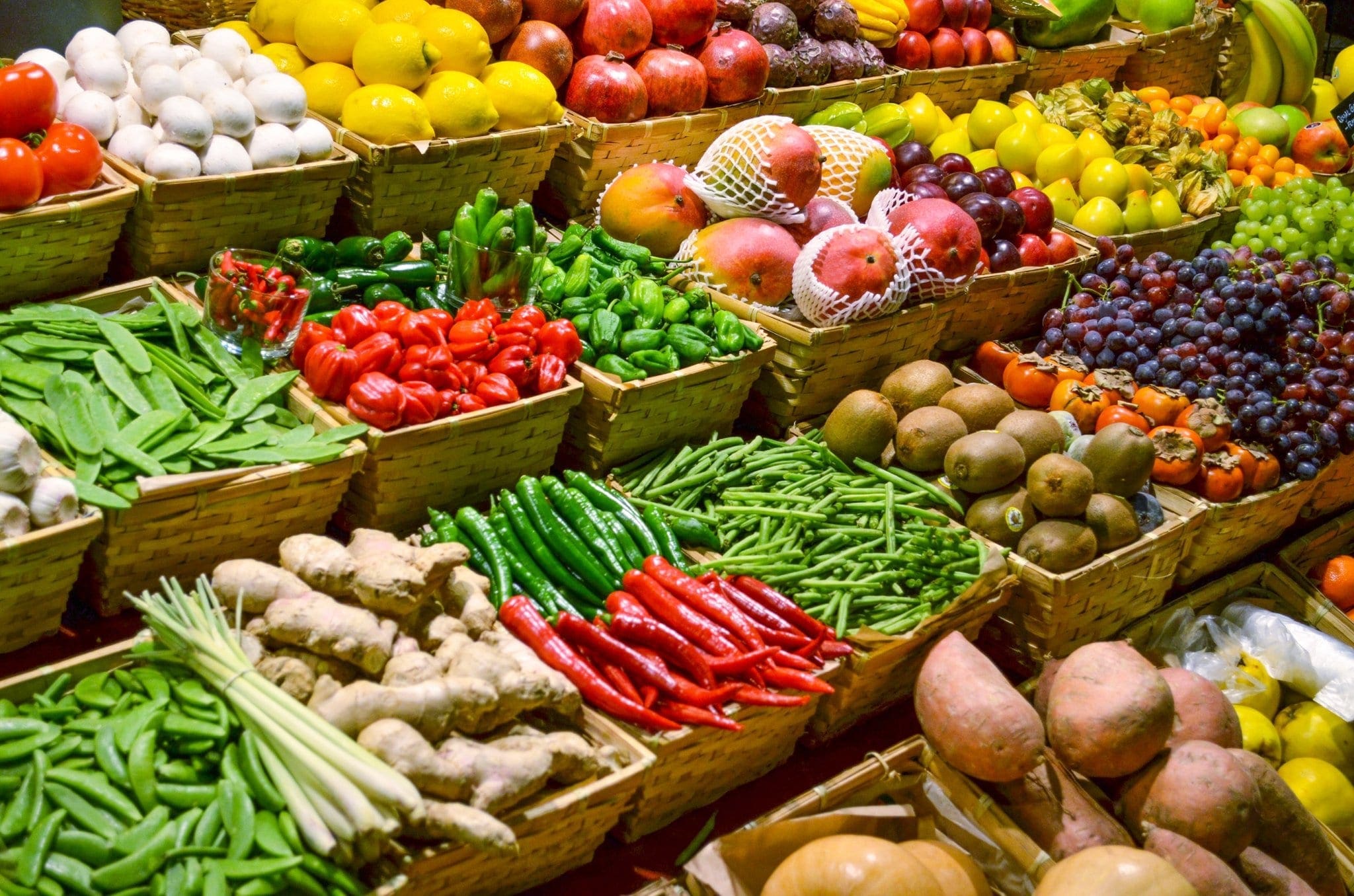
Seasonal Produce in September and October
In Texas and El Paso-area markets, September still features warm-season favorites, while October introduces classic fall harvests. (Data from Texas Real Food, CSPI, and related sources inform these observations.)
Fruits to Watch
- Apples become more available in early fall, offering great fiber, antioxidants, and natural sweetness.
- Pears — juicy and mild, pair well with greens or in roasting blends.
- Persimmons — a late-fall fruit with natural sugars used in jams or baking. (Mimi’s Organic Eats, 2023)
- Prickly Pear (Cactus Fruit) — hardy in desert climates like El Paso; rich in antioxidants and hydration potential. (The Fit Cookie, 2024)
- Grapes & Melons — still available in September as lingering summer stocks or from regionally shifted farms.
Vegetables & Roots
- Pumpkins & Winter Squash — hearty, vitamin A–rich, useful for soups, roasting, and sides.
- Sweet Potatoes — excellent source of complex carbs, fiber, and micronutrients.
- Broccoli & Leafy Greens (kale, collards, spinach) — thrive in milder weather and deliver calcium, magnesium, and phytonutrients.
- Carrots & Other Root Vegetables — store well, roast well, blend well.
- Brassicas (e.g., cabbage, cauliflower) — begin to appear more often in October as cooler nights set in (Texas Farmers Market, n.d.).
- Herbs (such as thyme, rosemary) — useful seasoning even late in the season.
Because El Paso is located on the border of desert and semi-arid zones, certain drought-tolerant plants, such as cacti (prickly pear), remain viable. Seasonal catalogs, such as those from Texas Real Food, list items that remain fresh during this transitional season. (El Paso Back Clinic® • 915-850-0900)
Why Seasonal Nutrition Matters for Back & Spine Recovery
At El Paso Back Clinic, core therapy modalities include chiropractic spinal adjustments, rehabilitative exercise, functional medicine diagnostics, and integrative protocols to reduce pain, restore mobility, and prevent relapses. (El Paso Back Clinic® • 915-850-0900) Nutrition plays a supportive role in several mechanisms critical to spinal healing:
- Inflammation modulation
Many fruits and vegetables in the fall harvest carry anti-inflammatory compounds (e.g., polyphenols, carotenoids, flavonoids). These help temper chronic inflammation in the surrounding areas of the spinal joints, discs, and soft tissues. - Connective tissue repair & collagen support
Vitamin C (from apples, leafy greens) and minerals like magnesium (from greens, broccoli) support collagen synthesis, which is essential for ligament and disc healing. - Energy and glycemic balance
Complex carbohydrates from sweet potatoes and root vegetables offer sustained energy, preventing glycemic spikes that can worsen inflammatory stress. - Gut health & systemic resilience
Dietary fiber from produce helps the gut microbiome, which in turn influences systemic inflammation and immune regulation. - Micronutrient sufficiency
Some B vitamins, potassium, magnesium, and trace minerals abundant in fall produce support nerve conduction, muscle function, and bone health.
In clinical practice at El Paso Back Clinic, Dr. Jimenez can use diagnostic tools (imaging, functional labs) to detect structural or systemic contributors to back pain. When patients adopt seasonal nutrition strategies, it reinforces the mechanical and rehabilitative therapies.
Recipes for Fall, Spine-Friendly Meals
Below are simple recipes that use seasonal produce and align with a recovery-supportive diet.
1. Roasted Sweet Potato & Broccoli Medley
- Ingredients: Sweet potatoes (cubed), broccoli florets, carrot slices, olive oil, garlic, rosemary, salt & pepper
- Method: Preheat oven to ~400°F. Toss the veggies in olive oil and herbs, then roast for ~20–30 minutes, until tender and lightly browned. (Fueling a Southern Soul, 2024)
- Benefit: Offers high fiber, vitamins A/C, and phytonutrients without heavy saturated fats.
2. Apple-Pear Walnut Salad
- Ingredients: Diced apple, diced pear, leafy greens (spinach or kale), walnuts, lemon-honey vinaigrette
- Method: Combine fruits and greens, drizzle dressing, and toss gently. (Denver Post, 2006)
- Benefit: A light, crunchy side that boosts vitamin C, healthy fats, and antioxidants.
3. Pumpkin & Squash Soup
- Ingredients: Roasted small pumpkin or butternut squash, broth (vegetable or chicken), garlic, thyme, optional splash of cream or coconut milk
- Method: Roast the squash until soft, then blend it with broth and flavorings, and simmer to meld the flavors.
- Benefit: Warm, nutrient-dense, easy to digest; useful on days when patients may have limited appetite.
4. Prickly Pear Limeade
- Ingredients: Prickly pear pulp, lime juice, water/sparkling water, optional sweetener
- Method: Blend and strain the cactus fruit, then mix it with lime juice and water. Chill. (The Fit Cookie, 2024)
- Benefit: Hydrating and antioxidant-rich—a refreshing complement to meals.
5. Sheet Pan Piri Piri Chicken & Sweet Potatoes
- Ingredients: Chicken pieces (skinless), sweet potato cubes, Brussels sprouts, piri-piri seasoning or spices, olive oil
- Method: Arrange on a sheet pan, roast until cooked through (Marley Spoon, 2024)
- Benefit: Balanced protein, carbs, and vegetables in one tray—ideal for patients easing into better nutrition with limited kitchen time.
6. Persimmon-Apple Warm Compote
- Ingredients: Sliced persimmons and apples, cinnamon, nutmeg, a small amount of sugar or maple syrup
- Method: Cook gently until the fruits are soft, then serve over oatmeal or yogurt. (Mimi’s Organic Eats, 2023)
- Benefit: Cozy dessert alternative to heavy sweets, with fiber and seasonal flavor.
These recipes can be adapted to patient dietary needs (e.g. low-sodium, gluten-free) and incorporated into meal plans during rehabilitation.
Integrating Nutrition into Back Clinic Protocols
At El Paso Back Clinic, combining structural therapies with nutritional planning strengthens outcomes. Here is how to integrate these seasonal eating strategies:
- Nutrition assessment during intake
When patients arrive, gather a dietary history and assess for deficiencies (e.g., low magnesium, vitamin D, and iron). This parallels the clinic’s diagnostic approach. - Tailored seasonal meal plans
Recommend 2–3 recipes per week from the seasonal list above. Emphasize rotating produce to maximize nutrient diversity. - Educational resources & handouts
Provide patients with one-page guides showing “Fall Produce & Spine Health,” linking each fruit/vegetable to a benefit (e.g., “Sweet potatoes → sustained energy for rehab”). - Monitoring & feedback loops
In follow-up visits, ask patients how their energy, inflammation, and recovery symptoms change when applying the seasonal diet. Adjust based on labs or symptom response. - Complemented by rehabilitation & therapies
The food supports but does not replace core therapies, such as chiropractic adjustments, spinal decompression, massage, traction, exercise, and neural mobilization. - Address barriers
Some patients may have limited access to fresh fruits and vegetables. Provide strategies: frozen vegetables, local farmers’ markets in El Paso, or community-supported agriculture (CSA) boxes.
Clinical Case Narratives & Correlation
(These examples are illustrative; real patient details must remain anonymized and within ethical boundaries.)
- Case A: Post-auto accident low back pain
A 35-year-old male presented with lumbar disc strain after an MVA. Imaging revealed a disc bulge and facet irritation. His diet prior to injury was high in refined carbs and low in vegetables. Over rehabilitation, he adopted roasted vegetable bowls and seasonal soups. He reported a reduction in flare-up frequency and improved sleep depth within 8–10 weeks.
Clinical correlation: Combining spinal decompression, adjustments, micronutrient supplementation, an anti-inflammatory diet, and core exercises led to more durable relief. - Case B: Chronic sciatica with nutritional deficits
A 50-year-old female had chronic right-leg sciatica. Labs showed low magnesium and poor glycemic control. After incorporating leafy greens, broccoli, and sweet potatoes, along with magnesium supplementation, she observed fewer nighttime leg cramps and lower pain peaks on flare days.
Clinical correlation: managing micronutrient balance and glycemic swings helped attenuate neural excitability and improved responses to physical therapy. - Case C: Degenerative disc disease in mid-40s
A patient with early degenerative disc changes was counseled to adopt anti-inflammatory dietary habits preemptively. She began seasonal produce early in her therapy. Imaging stability over 2 years, accompanied by fewer episodes of sharp pain, suggests that nutritional support may help slow degenerative progression when combined with structural care.
These narratives exemplify how El Paso Back Clinic’s protocol—comprising structural, rehabilitative, and nutritional components—aligns with holistic recovery.
Conclusion
For El Paso Back Clinic, leveraging the seasonal abundance of September and October produce can strengthen patient recovery protocols. Apples, pears, pumpkins, sweet potatoes, broccoli, carrots, and leafy greens are more than just tasty—they offer targeted nutrition that supports the control of inflammation, connective tissue repair, energy balance, and systemic resilience.
When combined with the clinic’s existing structural, rehabilitative, and functional medicine strategies, seasonal eating becomes an additional tool in the healing arsenal. Patients who adopt these habits may experience smoother recoveries, fewer relapses, and improved long-term spinal health.
References
- Denver Post. (2006). Give fruit salads panache: Make them savory. Denver Post.
- Fueling a Southern Soul. (2024). Come to the table roasted vegetable plate. Fueling a Southern Soul.
- Hygge at Home. (2024). 18 cozy hygge-inspired recipes perfect for autumn. Hygge at Home.
- Jimenez, A. (2024a). Dr. Alex Jimenez – LinkedIn profile. LinkedIn.
- Jimenez, A. (2024b). Clinical insights on integrative injury care. DrAlexJimenez.com.
- Marley Spoon. (2024). Easy prep sheet pan Piri Piri chicken with sweet potatoes & Brussels sprouts. Marley Spoon.
- Mimi’s Organic Eats. (2023). Persimmon apple cider jam. Mimi’s Organic Eats.
- Texas Farmers Market. (n.d.). What’s in season. Texas Farmers Market.
- Texas Real Food. (2024a). What’s in season in Texas: September. Texas Real Food.
- Texas Real Food. (2024b). What’s in season in Texas: October. Texas Real Food.
- The Fit Cookie. (2024). Prickly pear limeade. The Fit Cookie.
- The Fresh Market. (2024a). Gazpacho salad. The Fresh Market.
- The Fresh Market. (2024b). Squash guide. The Fresh Market.







