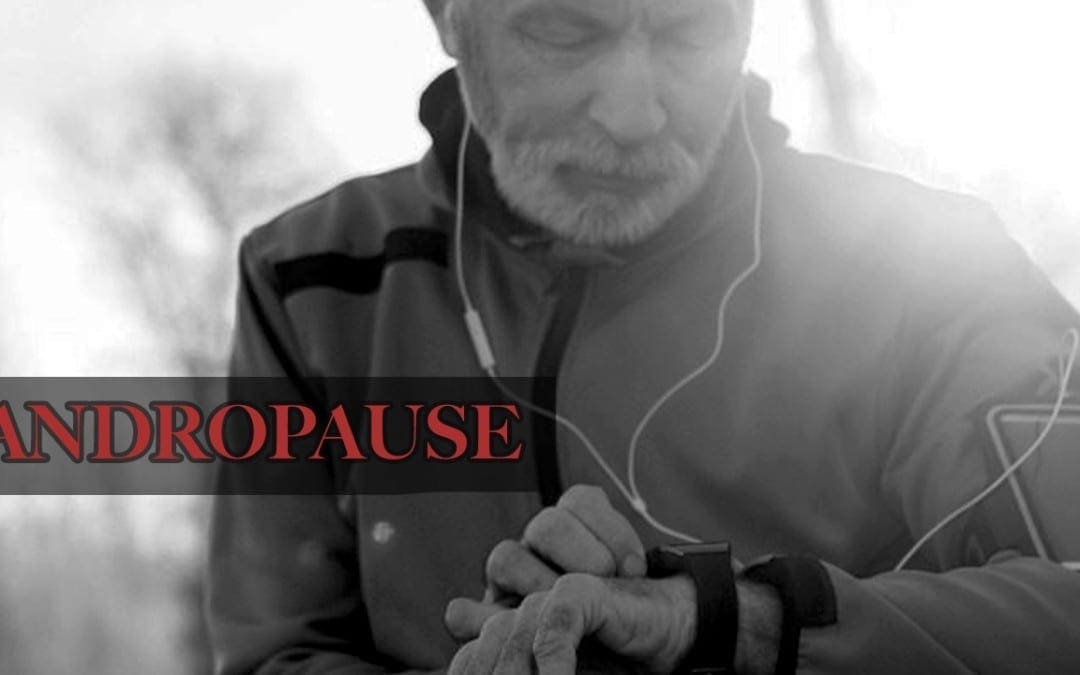
Explore the clinical approach to reproductive health, focusing on evidence-based practices to enhance well-being.
Reproductive Health
In terms of reproductive health, many women may see physical changes when their menstrual cycles increase or decrease, which might have an impact on their bodies. Menstrual changes may continue anywhere from one to three years, but each woman’s menopausal symptoms will be unique.
The following are a few signs of hormonal alterations related to reproductive health:
Sleeplessness
Variations in weight
Weariness Muscle and joint pain
At the same time, a woman’s body is exhibiting pain-like sensations as a result of hormonal changes related to her reproductive health. The body, hormones, and spinal structure all change with age. Low back pain may result from overlapping risk profiles for the musculoskeletal system and reproductive health caused by a variety of environmental variables that impact the body. Numerous variables, such as different menstrual cycles and greater pain sensitivity, are blamed for the low back discomfort that many people, particularly women, experience. (Chen and others, 2024)
Hormone Replacement Therapy
Hormone replacement Therapy or HRT is a treatment that can be used to treat some of the symptoms of hormonal changes associated with reproductive health by replacing hormones that are at a lower level. For females, low estrogen and progesterone levels can affect neuroprotective receptors in the brain, causing symptoms of inflammation and stress to impact the body. (Hwang et al., 2020) For males, low testosterone levels can cause skeletal muscle mass and strength reduction, decreased bone mineral density, and sexual dysfunction. (Barone et al., 2022) So, for males and females, taking HRT can help replenish the lost hormones in their bodies and reduce the overlapping pain symptoms.
Andropause & Menopause
When a woman between the ages of mid-40s and mid-50s deals with changes in their menstrual cycle, it is known as menopause. When a woman goes through menopause, it is a transition period where the woman’s ovaries stop releasing eggs, and their hormone levels of estrogen and progesterone decrease, thus ceasing a woman’s menstruation cycle. Within that time frame during menopause, most women will experience weight gain and have an increase of peripheral fat stored in the hips, glutes, and around the abdominals. (Ko & Kim, 2020) This extra weight around the abdominals and hips can lead to the development of musculoskeletal issues like back pain.
While males have the capability of reproduction throughout their lives after puberty, when they begin to age, they produce low testosterone levels and fewer sperm. Additionally, a majority of men can experience low levels of testosterone hormones as they start to notice a decreased libido, body hair loss, loss of muscle mass, and breast enlargement. This is known as andropause, where, like menopause in women, the testosterone hormone levels are lowered. Luckily, low testosterone levels can be tested, allowing males to be treated with testosterone replacement therapy. Testosterone replacement therapy can provide beneficial results by replenishing testosterone levels associated with reducing symptoms of decreased libido, improving skeletal muscle function, and restoring bone mineral density. (Barbonetti et al., 2020)
Testosterone Deficiency In Men- Video
Surgical & Non-Surgical Interventions
Many middle-aged adults would discuss with their partners about not wanting to have children or are finished having children. When it comes to interventions such as this, many choose surgical or non-surgical procedures. Females can have a surgical procedure known as tubal ligation. This procedure has the fallopian tubes either cut, tied, or removed to prevent pregnancy while still having their menstrual cycle until menopause, so there is no impact on the hormones. For males, they can go through a surgical procedure known as a vasectomy so that the vas deferens are cut and sealed. Both methods are 99% effective in preventing pregnancy. These outpatient procedures have different state laws and safeguards regarding sterilization surgery.
However, not many people will go on the surgical route to prevent surgery and will go on the non-surgical route. Many people will utilize birth control methods like birth control medication, condoms, and natural cycle planning. For women, many will incorporate hormonal birth control medication as part of their routine in preventing pregnancy. Some of the added benefits for women who are taking contraceptives include: (Allen et al., 2013)
Restoring menstrual regularity
Improving vasomotor symptoms
Preventing bone mineral density decline
Sex Changes In Middle Adulthood
Many people are sexually active via communication and strong connections with their partners, making them an integral part of people’s life at any age. Intimacy allows many healthy couples to express their needs and desires more easily. Adults also experience sexual changes associated with their reproductive health as they age. Many women have pelvic discomfort as a result of decreased lubrication brought on by the vagina’s normal constriction, shortening, and thinning of its walls.
As men age, their erection functionality also changes, particularly if they have health and wellness-related comorbidities. The inability to get an erection, often known as erectile dysfunction or ED, is one of the most prevalent changes in older guys. (Sooriyamoorthy & Leslie, 2025) When risk profiles from environmental variables intersect, ED may develop as a symptom. Fortunately, ED may be treated by altering one’s lifestyle and taking care of interpersonal or psychological problems. (Lowy & Ramanathan, 2022) Men may find it challenging to talk to their physicians about it, but it is crucial for their health and welfare.
Final Thoughts
In general, many people who suffer from pain and musculoskeletal problems might benefit from a personalized treatment plan for their sexual and reproductive health. In the long run, small changes to a routine can pay off, and gradually introducing a new routine—such as eating more vegetables and lean meats, exercising for half an hour, or getting a wellness checkup—can help manage pain-like symptoms brought on by environmental factors and support an individual’s health journey.
Injury Medical & Functional Medicine Clinic
We associate with certified medical providers who understand the importance of assessing individuals dealing with reproductive and sexual health associated with body pain. When asking important questions to our associated medical providers, we advise patients to implement various approaches to their reproductive and sexual health associated with their pain. Dr. Alex Jimenez, D.C., utilizes this information as an academic service. Disclaimer.
References
Allen, R. H., Cwiak, C. A., & Kaunitz, A. M. (2013). Contraception in women over 40 years of age. CMAJ, 185(7), 565-573. https://doi.org/10.1503/cmaj.121280
Barbonetti, A., D’Andrea, S., & Francavilla, S. (2020). Testosterone replacement therapy. Andrology, 8(6), 1551-1566. https://doi.org/10.1111/andr.12774
Barone, B., Napolitano, L., Abate, M., Cirillo, L., Reccia, P., Passaro, F., Turco, C., Morra, S., Mastrangelo, F., Scarpato, A., Amicuzi, U., Morgera, V., Romano, L., Calace, F. P., Pandolfo, S. D., De Luca, L., Aveta, A., Sicignano, E., Trivellato, M.,…Crocetto, F. (2022). The Role of Testosterone in the Elderly: What Do We Know? Int J Mol Sci, 23(7). https://doi.org/10.3390/ijms23073535
Chen, D., Zhou, J., Lin, C., Li, J., Zhu, Z., Rao, X., Wang, J., Li, J., Chen, H., Wang, F., Li, X., Gao, M., Zhou, Z., Xi, Y., & Li, S. (2024). A causal examination of the correlation between hormonal and reproductive factors and low back pain. Front Endocrinol (Lausanne), 15, 1326761. https://doi.org/10.3389/fendo.2024.1326761
Hwang, W. J., Lee, T. Y., Kim, N. S., & Kwon, J. S. (2020). The Role of Estrogen Receptors and Their Signaling across Psychiatric Disorders. Int J Mol Sci, 22(1). https://doi.org/10.3390/ijms22010373
Ko, S. H., & Kim, H. S. (2020). Menopause-Associated Lipid Metabolic Disorders and Foods Beneficial for Postmenopausal Women. Nutrients, 12(1). https://doi.org/10.3390/nu12010202
If you are feeling or experiencing any of these situations, then you might be experiencing male menopause or andropause.
When men and women are heading to their 50s, their bodies start to change. For women, they start to develop hot flashes, and their hormones start to change as well. Since it is normal for hormones to change naturally when a person is aging, it affects women more than men. Studies have shown that sex hormones in males occur gradually as they age. There is a term called “male menopause,” and it is defined when males have a decreased level of testosterone that is related to aging. Many healthcare professionals have another name for “male menopause,” and that is andropause.
Andropause
Andropause and menopause are entirely different since menopause causes a woman’s ovulation and hormones to plummet for a short period. With andropause, it causes a male’s testosterone production and their other hormones to decline for many years. Since testosterone levels in males are vastly different, older men tend to have lower levels than younger men, and testosterone levels can gradually decline throughout adult life.
Studies found that when a person ages, their aging process can affect the body�s systems, including the endocrine system. When a person is aging, their adrenal glands will go through morphological changes, and those changes can alter their cortex endocrine functions. Another study showed that since andropause is age-related, there is a partial insufficiency in the adrenal cortex in the endocrine system, and there are low levels of DHEA (dehydroepiandrosterone) and DHEA sulfate that can affect the cortisol levels.
DHEA and DHEA Sulfate
With DHEA and DHEA sulfate, research has found that these two are steroids that are produced abundantly by the adrenal glands in the endocrine system.� With these two components, they provide beneficial properties and effects that have anti-aging properties to stimulate the immune system and the endocrine system. When males are going through the changes as they get older, their hormones will naturally decrease in their bodies.
Since andropause is age-related and has partial insufficiency on the adrenal cortex and it is characterized by low blood levels of DHEA and DHEA sulfate when it is under the presence of cortisol levels in the body. With andropause and its characteristics, it shows how males have low DHEA levels, and it can cause them to have a higher risk of erectile dysfunction in their bodies. It is essential to know that the endocrine system initiates the aging process.
Andropause Factors
Some studies show how there are changes in the endocrine pathways and are being accompanied by healthy aging. The changes can be from growth hormones to sex hormones in the male�s bodies. The results show a clinical significance of these changes and have the results morphologically and functionally. Surprisingly there have been many age-associated diseases like epithelial skin cancer and neurodegenerative diseases that can attack the body due to the lack of hormones that are being produced. Hence hormone replacement therapies are conducted for older individuals.
When it comes to andropause and low testosterone in males, there are recognizable signs and symptoms that healthcare professionals and male individuals should look for. They can be:
Sexual function: Low testosterone level can reduce sexual desire, causes erectile dysfunction and infertility, to name a few. Even male’s testes might be smaller as well.
Sleep patterns: Sleep disturbances like insomnia or feeling more tired is due to low testosterone in the body.
Physical changes: For males who have low testosterone, various physical changes can happen to their bodies. They can either have increased body fat, reduced muscle bulk, and decrease bone density. Sometimes the male body can develop gynecomastia (swollen breast) and body hair loss.
Emotional changes: With low testosterone levels, they can make males have a decrease in motivation or self-confidence.
It is essential to know that when males have low testosterone, they can go for testosterone therapy to help dampen the signs and symptoms that they might experience.
Conclusion
Andropause is when males have low testosterone levels in their bodies. Naturally, hormone levels can decrease when males get older, and it is essential to know that there is testosterone therapy for males who have low levels of this hormone. It is ok to be on a healthy lifestyle and eating natural foods that can help boost up hormone levels in the body to make sure that it is functioning correctly. Some products are here to help the endocrine system and support the metabolic system as well. They even help the adrenal glands and support the gastrointestinal system to make sure the body is functioning correctly for a healthy new year.
The scope of our information is limited to chiropractic, musculoskeletal, and nervous health issues or functional medicine articles, topics, and discussions. We use functional health protocols to treat injuries or disorders of the musculoskeletal system. Our office has made a reasonable attempt to provide supportive citations and has identified the relevant research study or studies supporting our posts. We also make copies of supporting research studies available to the board and or the public upon request. To further discuss the subject matter above, please feel free to ask Dr. Alex Jimenez or contact us at 915-850-0900.
References:
Makrantonaki, Evgenia, et al. �Skin and Brain Age Together: The Role of Hormones in the Ageing Process.� Experimental Gerontology, U.S. National Library of Medicine, Oct. 2010, www.ncbi.nlm.nih.gov/pubmed/20719245.
Nawata, Hajime, et al. �Adrenopause.� Hormone Research, U.S. National Library of Medicine, 2004, www.ncbi.nlm.nih.gov/pubmed/15539809.
Papierska, Lucyna. �Adrenopause – Does It Really Exist?� Przeglad Menopauzalny = Menopause Review, Termedia Publishing House, June 2017, www.ncbi.nlm.nih.gov/pmc/articles/PMC5509973/.
R�mmler, Alexander. �Adrenopause and Dehydroepiandrosterone: Pharmacological Therapy versus Replacement Therapy.� Gynakologisch-Geburtshilfliche Rundschau, U.S. National Library of Medicine, Apr. 2003, www.ncbi.nlm.nih.gov/pubmed/12649580.
Staff, Mayo Clinic. �Understanding Aging and Testosterone.� Mayo Clinic, Mayo Foundation for Medical Education and Research, 18 May 2017, www.mayoclinic.org/healthy-lifestyle/mens-health/in-depth/male-menopause/art-20048056.
By informing individuals about how the National University of Health Sciences provides knowledge for future generations who want to make a difference in the world. The University offers a wide variety of medical professions for functional and integrative medicine.
Before erectile dysfunction started to become a more well-known health issue among the population of men across the United States, male reproductive and endocrine problems were rarely a topic of discussion. In the modern world, however, and with the increasing availability of information from the internet, many individuals have become surprisingly interested in understanding the consequences that diminishing testosterone levels can have on overall health and wellness.
Much like female hormone production, male hormone production can also gradually decrease with age. The period of time in which the male human body experiences a hormonal decline is most commonly known as andropause. Other terms which have been used interchangeably to refer to this structural and functional change with age includes: hypogonadism, late-onset hypogonadism, male menopause, male climacteric, androclise, androgen decline in aging male and aging man syndrome.
For women, menopause is characterized by a halt in menses, indicating the start of a new phase past their childbearing years. In Greek, “andras” means individual men, and “pause” means cessation. Therefore, andropause literally means “human male cessation”. Decreased levels of testosterone in men have been connected with a variety of symptoms, such as night sweats, decreased libido, dry skin and hair, difficulty concentrating, muscle loss, sleeplessness or insomnia, stress, anxiety and/or irritability, decreased bone integrity and insulin resistance. These symptoms have all been commonly associated with “human male cessation” and can often indicate diminishing testosterone levels in the body.
Function of Testosterone in the Human Body
Similar to the mechanisms of actions of estrogen and other androgens/sex hormones, testosterone functions as three unique hormones or cellular messengers within the human body. It can attach directly to androgen receptors; it engages in a variety of important processes on the peripheral cells of the prostate and hair glands in which 5-alpha-reductase is often found, producing dihydrotestosterone which also attaches to androgen receptors; and finally, it can ultimately be converted into estradiol, which develops on estrogen receptors in bone and in abdominal fat or connective tissue. These functions are fundamental towards preserving fertility, libido, weight management, bone health, and basic overall health and wellness.
Symptoms of low testosterone, which will be abbreviated in this article as Low-T, are generally hardly noticeable, as a result, these may only gradually become more severe health issues, aside from altering complete well-being. In addition, hypogonadism has also been reported to develop in younger men, although rarely, together which amounts to an incidence of approximately 3.1 to 7.0 percent in males 30 to 69 years of age, and about 18.4 percent in older men. From these numbers, 5.6 percent of males 30 to 79 years of age will experience symptomatic androgen deficiency. Besides it signaling a natural aging process in human males, very low testosterone levels may also serve as a biomarker signaling the presence of an underlying health issue. By way of instance, metabolic syndrome and testosterone deficiency have been reported by healthcare professionals to have a close association with each other. Various research studies have demonstrated that reduced testosterone levels may also be connected with obesity, insulin resistance and dyslipidemia in men. In the same manner, men with metabolic syndrome and type 2 diabetes have been reported to have a greater incidence of hypogonadism.
Is Andropause Similar to Menopause?
In comparison to menopause, where women’s estrogen levels decrease abruptly, total testosterone levels in men decrease at an average rate of 1.6 percent annually once a human male reaches the age of 40, while free and bioavailable levels generally decline by 2 to 3 percent each year. Even though the decline is normally continuous and gradual, about 50 percent of men over the age of 80 still report having total serum testosterone within normal standard quantities. Additionally, fertility is not affected in men exactly the same way as post-menopausal women.
According to the British Medical Journal, or BMJ, the estimate of the prevalence of Low-T was recorded from the European Male Aging Study. Measuring a combination of sexual symptoms and testosterone levels, it was discovered that just about 0.1 percent of men in their 40’s, 0.6 percent of men in their 50’s, 3.2 percent of men in their 60’s, and 5.1 percent of men in their 70’s, would meet the criteria for a Low-T evaluation and analysis.
Pros and Cons of Hormone Therapy
Despite information suggesting that Low-T may be as widespread as we all believe, at least we know that the search to increase testosterone levels is. Testosterone replacement therapy, or TRT, has been a widely considered yet controversial treatment utilized by endocrinologists and urologists when hypogonadism is found. A variety of research studies have discovered that it may be a viable choice, while others shed light on an assortment of concerns and contraindications. An observational research study conducted in 2012 compared the mortality of men over 40 years of age with reduced testosterone levels that had been treated with TRT to men who were not treated with TRT. The research study demonstrated that the mortality rate of those men not treated with testosterone replacement therapy was greater, approximately 20.7 percent compared to 10.3 percent. Although the research study outcome measures seemed to favor TRT, it was not a gold-standard, placebo controlled randomized clinical trial and it also did not account for confounders.
Moreover, TRT has been demonstrated to enhance insulin resistance, dyslipidemia and sexual dysfunction in males with Low-T, although there have been no long-term research studies to assess its overall impact on mortality. In patients with breast or prostate cancer, TRT, or testosterone replacement therapy, often comes with risks. As a matter of fact, guidelines in the Endocrine Society suggest not utilizing TRT when a patient has been diagnosed with prostate cancer, a palpable prostate nodule, or even after a raised prostate-specific antigen, or PSA, test with results over 4 ng/ml has been determined. Even men with a family history of prostate cancer have been steered away from utilizing this kind of treatment option.
Dr. Alex Jimenez’s Insight
The spine is primarily in charge of protecting the spinal chord, one of the main channels between the communication of the brain to the rest of the body, such as that of the endocrine system, which helps in the production and regulation of hormones. When there is a spinal misalignment, or subluxation, however, these signals may be interrupted, ultimately affecting your overall health and wellness. Through the use of spinal adjustments and manual manipulations, a doctor of chiropractic, or DC, can help carefully restore the integrity of the spine, correcting these fundamental connections and their relation to the rest of the human body’s structures and functions. The balance of the spine can help delay the decrease of testosterone levels associated with human male cessation or andropause, reducing symptoms and boosting essential energy and vitality.
Delaying Low-Testosterone Levels
Though decreasing testosterone levels are commonly associated as a part of the normal aging process, many men dread andropause or “human male cessation”. The loss of muscular mass itself generally motivates men to search for solutions to delay this natural process. Steroids help build muscle by raising testosterone, but they can also ultimately affect the liver, prostate, heart and even the sexual organs. Selective androgen receptor modulators, or SARMs, are encouraged to athletes and active individuals as an alternative to anabolic steroids, but these can also include their own risks and concerns. Many of these alternative treatment options can actually decrease natural testosterone production since they change the chemical structure of testosterone alone.
Thus, some lifestyle modifications worth exploring which can help delay the decrease of testosterone levels include health, diet, stress reduction and supplementation. A prerequisite for healthy testosterone levels include maintaining regular weight and encouraging overall endocrine function. In addition to deciding upon an entirely whole foods-based diet teeming with healthful fats which serve as a hormone precursor and fiber, a few research studies have found that intermittent fasting, characterized by remaining anywhere from 12-16 hours every day, by way of instance, sleeping hours, without eating food, as a way to help maintain weight and testosterone levels during the rebalancing of hormones. Intermittent fasting was additionally found to increase the adrenal hormone, or LH, by 67 percent, overall testosterone by 180 percent and improve the growth hormone secretion in men. Intermittent fasting also helps to improve leptin levels, which ultimately benefits testosterone levels since the clinical condition most closely associated with reduced cholesterol is obesity, and normalizing leptin levels is vital for maintaining healthy weight. In terms of fluids, significant water consumption, while reducing caffeine and alcohol consumption helps bring hydration into the epidermis and hair in addition to reducing fatigue associated with “human male cessation”. Physical activity for at least 30 minutes per day boosts energy and fundamental vitality.
Supplement suggestions for Low-T include vitamin D, Ginseng, Ginkgo biloba, Ashwagandha, Damiana, Velvet Deer Antler, Maca or combinations thereof. Anecdotal evidence abounds concerning supplementation, with more and more clinical evidence coming forward. Recently, one research study measured the cross-sectional association of plasma 25(OH)D levels and total and free testosterone in 1,362 male participants, which also found 25(OH)D to be positively associated with total and free testosterone levels.
Moreover, other alternative treatment options, such as chiropractic care, can be beneficial towards delaying the decrease of testosterone levels in men. Many people believe that chiropractic care only works for spinal health issues, however, an individual’s overall health and wellness also depends largely on the proper alignment of the spine. Spinal misalignments, or subluxations, can interrupt the communications which travel from the brain to the spinal chord and the rest of the human body, ultimately affecting a variety of other essential structures and functions. By carefully restoring the balance of the musculoskeletal and nervous system, a chiropractor can influence positive effects throughout other areas of the body. One of the many benefits of chiropractic care includes the maintenance of hormone imbalances. Through the use of spinal adjustments and manual manipulations, along with guidance and advice on specific lifestyle modifications, such as exercise and nutrition, chiropractic care can help regulate hormones.
Overall, Low-T might feel as the conclusion of manhood, but the conversation about it is just starting. The scope of our information is limited to chiropractic as well as to spinal injuries and conditions. To discuss the subject matter, please feel free to ask Dr. Jimenez or contact us at�915-850-0900�.
Curated by Dr. Alex Jimenez
Additional Topics: Back Pain
Back pain is one of the most prevalent causes for disability and missed days at work worldwide. As a matter of fact, back pain has been attributed as the second most common reason for doctor office visits, outnumbered only by upper-respiratory infections. Approximately 80 percent of the population will experience some type of back pain at least once throughout their life. The spine is a complex structure made up of bones, joints, ligaments and muscles, among other soft tissues. Because of this, injuries and/or aggravated conditions, such as herniated discs, can eventually lead to symptoms of back pain. Sports injuries or automobile accident injuries are often the most frequent cause of back pain, however, sometimes the simplest of movements can have painful results. Fortunately, alternative treatment options, such as chiropractic care, can help ease back pain through the use of spinal adjustments and manual manipulations, ultimately improving pain relief.
IFM's Find A Practitioner tool is the largest referral network in Functional Medicine, created to help patients locate Functional Medicine practitioners anywhere in the world. IFM Certified Practitioners are listed first in the search results, given their extensive education in Functional Medicine