Fans of almonds may have noticed that they can go stale and taste awful. Can knowing how to store almonds help extend their shelf life?
Almonds
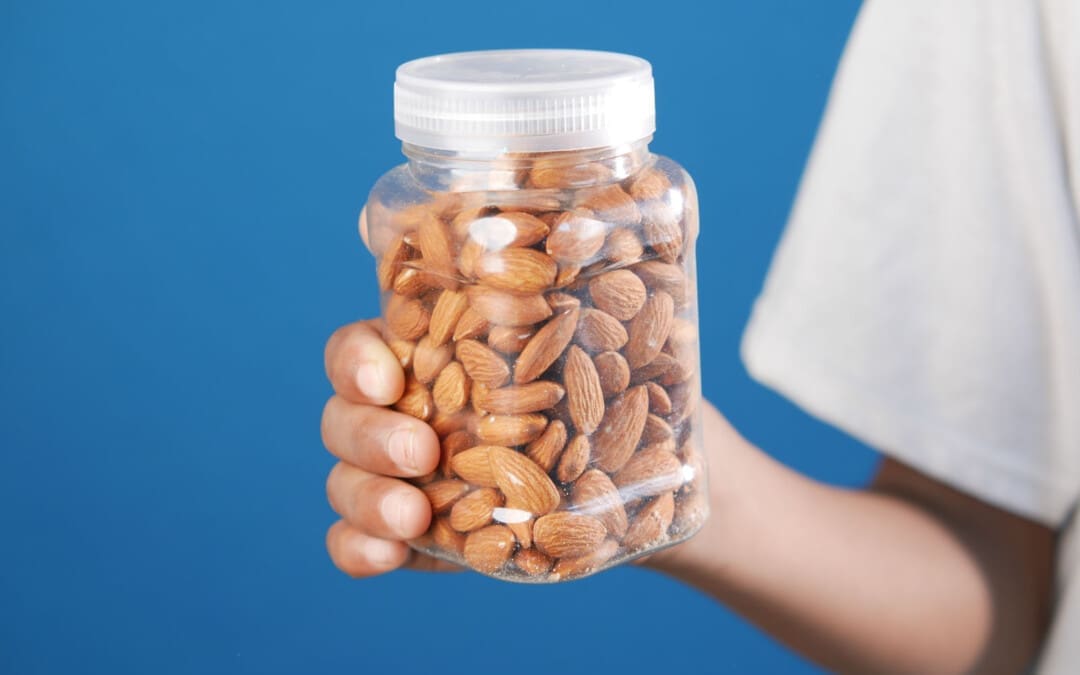
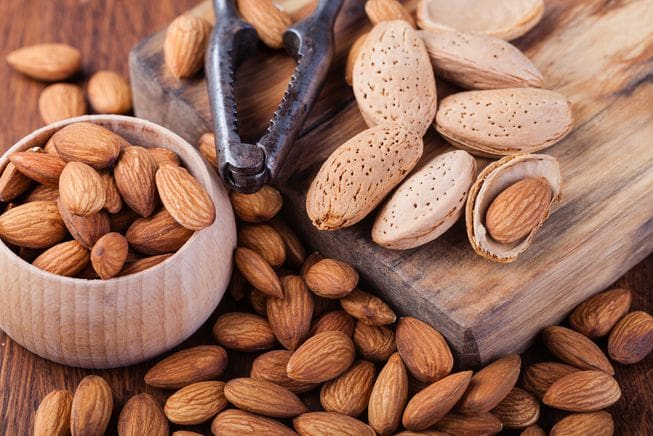
Almonds are a healthy, satisfying snack rich in nutrients, including fiber and protein. However, they can go stale and should not be eaten. Whole almonds stay fresh the longest because chopped, roasted, or ground almonds release their oils, which are exposed to more oxygen and go rancid more quickly.
Storage
They should be stored in an airtight container in the refrigerator or freezer for extended life. They are not recommended to be stored at room temperature for long periods, so storing them in the pantry is not recommended. However, enough for a snack can be taken from storage for a day or two while keeping the rest safe and fresh.
Natural almonds can be stored in the refrigerator or freezer for two years or more.
Roasted almonds can stay fresh for up to a year in an airtight container in the refrigerator or freezer.
Almond paste is recommended to be refrigerated and can stay fresh for 2 to 2 1/2 years.
Rancidity
Almonds are rich in omega-3 and monounsaturated fats, so they are recommended for heart health. (Cleveland Clinic, 2023) However, the fats become rancid if the almonds are exposed to oxygen, especially at room temperature. Rancid oil gives the stale almonds a bad taste. Spoiled almonds are not poisonous, but the fats no longer benefit health. It is possible that rancid fat could contribute to chronic health problems if consumed regularly. (Estévez M. et al., 2017) Almonds last longer than other nuts because they contain some phytochemical antioxidants that protect the nuts. So, if they taste bad, it’s time to throw them out. (University of California Agriculture and Natural Resources, 2010)
Salmonella
Salmonella is a bacteria that causes symptoms of food-borne illness, including upset stomach, vomiting, diarrhea, and fever. Almonds are generally safe from salmonella. However, raw almonds were responsible for two salmonella outbreaks in the United States and Canada. Salmonella outbreaks have also been reported in Australia. In response to those cases, the nuts now must be roasted, blanched, processed, steamed, or treated with a gas called propylene oxide. And none of these treatments remove the nutritional benefits.
Injury Medical Chiropractic and Functional Medicine Clinic
Injury Medical Chiropractic and Functional Medicine Clinic providers use an integrated approach to create customized care plans for each patient and restore health and function to the body through nutrition and wellness, chiropractic adjustments, functional medicine, acupuncture, Electroacupuncture, and sports medicine protocols. If the individual needs other treatment, they will be referred to a clinic or physician best suited for them. Dr. Jimenez has teamed up with top surgeons, clinical specialists, medical researchers, nutritionists, and health coaches to provide the most effective clinical treatments.
Functional Nutrition
References
Almond Board of California. (2024). Shelf Stability and Shelf Life. https://www.almonds.com/tools-and-resources/food-safety-and-quality/shelf-stability-and-shelf-life
Estévez, M., Li, Z., Soladoye, O. P., & Van-Hecke, T. (2017). Health Risks of Food Oxidation. Advances in food and nutrition research, 82, 45–81. https://doi.org/10.1016/bs.afnr.2016.12.005
University of California Agriculture and Natural Resources. (2010). Nuts: Safe Methods for Consumers to Handle, Store, and Enjoy. https://ucfoodsafety.ucdavis.edu/sites/g/files/dgvnsk7366/files/inline-files/44384_0.pdf
For individuals practicing a low-carbohydrate eating style or want to try an alternative flour, can incorporating almond flour help in their wellness journey?
Almond Flour
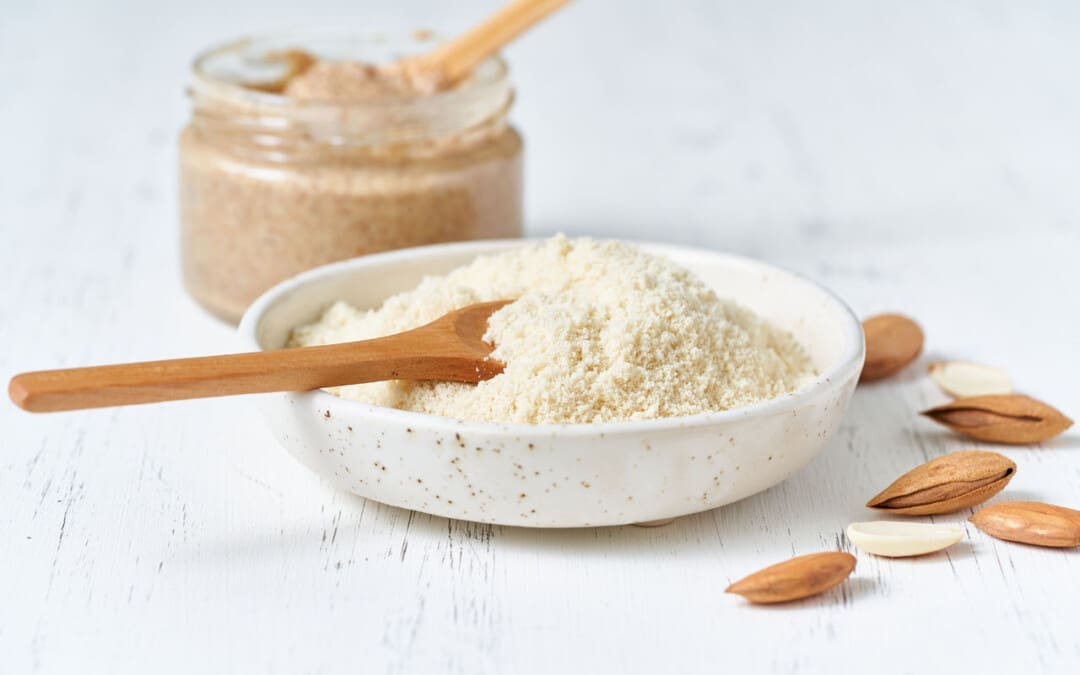
Almond flour and almond meal are gluten-free alternatives to wheat products in certain recipes. They are made by grinding almonds and can be bought prepared or made at home with a food processor or grinder. The flour is higher in protein and lower in starch than other gluten-free flour.
Almond Flour and Almond Meal
The flour is made with blanched almonds, meaning the skin has been removed. Almond meal is made with whole or blanched almonds. The consistency for both is more like corn meal than wheat flour. They can usually be used interchangeably, although using the blanched flour will produce a more refined, less grainy result. Superfine almond flour is great for baking cakes but is difficult to make at home. It can be found at grocery stores or ordered online.
Carbohydrates and Calories
A half cup of commercially prepared flour contains about:
The glycemic index of almond flour is less than 1, which means it should have little effect on raising blood glucose levels.
The high glycemic index of whole wheat flour is 71, and rice flour is 98.
Using Almond Flour
It is recommended for making gluten-free quick bread recipes, such as gluten-free:
Muffins
Pumpkin bread
Pancakes
Some cake recipes
Individuals are recommended to start with a recipe already adapted for almond flour and then make their own. A cup of wheat flour weighs around 3 ounces, while a cup of almond flour weighs almost 4 ounces. This will make a significant difference in baked goods. The flour is beneficial for adding nutrients to foods.
Almond Meal
Almond meal can be cooked as polenta or grits such as shrimp and grits.
Cookies can be made gluten-free with almond meal.
Almond meal biscuits can be made, but pay attention to the recipe.
Almond meal can be used to bread fish and other fried foods, but it must be taken care of so as not to burn.
Almond meal is not recommended for breads that require true dough with a developed gluten structure, like wheat flour.
More eggs are needed when baking with almond meal to provide the structure gluten in flour creates.
Adapting recipes to substitute almond meal for wheat flour can be a challenge that requires plenty of trial and error.
Sensitivities
Almonds are a tree nut, one of the eight most common food allergies. (Anaphylaxis UK. 2023) While peanuts are not tree nuts, many with peanut allergies can also have an almond allergy.
Making Your Own
It can be made in a blender or food processor.
Care must be taken not to grind it too long, or it will become almond butter, which can also be used.
Add a little at a time and pulse until it is ground into meal.
Store unused flour immediately in the refrigerator or freezer because it will go rancid quickly if left out.
Almonds are shelf-stable, and almond flour is not, so it is recommended that you grind only what is needed for the recipe.
Store Bought
Most health food stores sell almond flour, and more supermarkets are stocking it as it has become a popular gluten-free product. Packaged flour and meal will also go rancid after opening and should be kept in the refrigerator or freezer after opening.
Integrative Medicine
References
USDA FoodData Central. (2019). Almond Flour. Retrieved from https://fdc.nal.usda.gov/fdc-app.html#/food-details/603980/nutrients
Anaphylaxis UK. (2023). Allergy Factsheets (Anaphylaxis UK A brighter future for people with serious allergies, Issue. https://www.anaphylaxis.org.uk/factsheets/
Atkinson, F. S., Brand-Miller, J. C., Foster-Powell, K., Buyken, A. E., & Goletzke, J. (2021). International tables of glycemic index and glycemic load values 2021: a systematic review. The American journal of clinical nutrition, 114(5), 1625–1632. https://doi.org/10.1093/ajcn/nqab233
IFM's Find A Practitioner tool is the largest referral network in Functional Medicine, created to help patients locate Functional Medicine practitioners anywhere in the world. IFM Certified Practitioners are listed first in the search results, given their extensive education in Functional Medicine