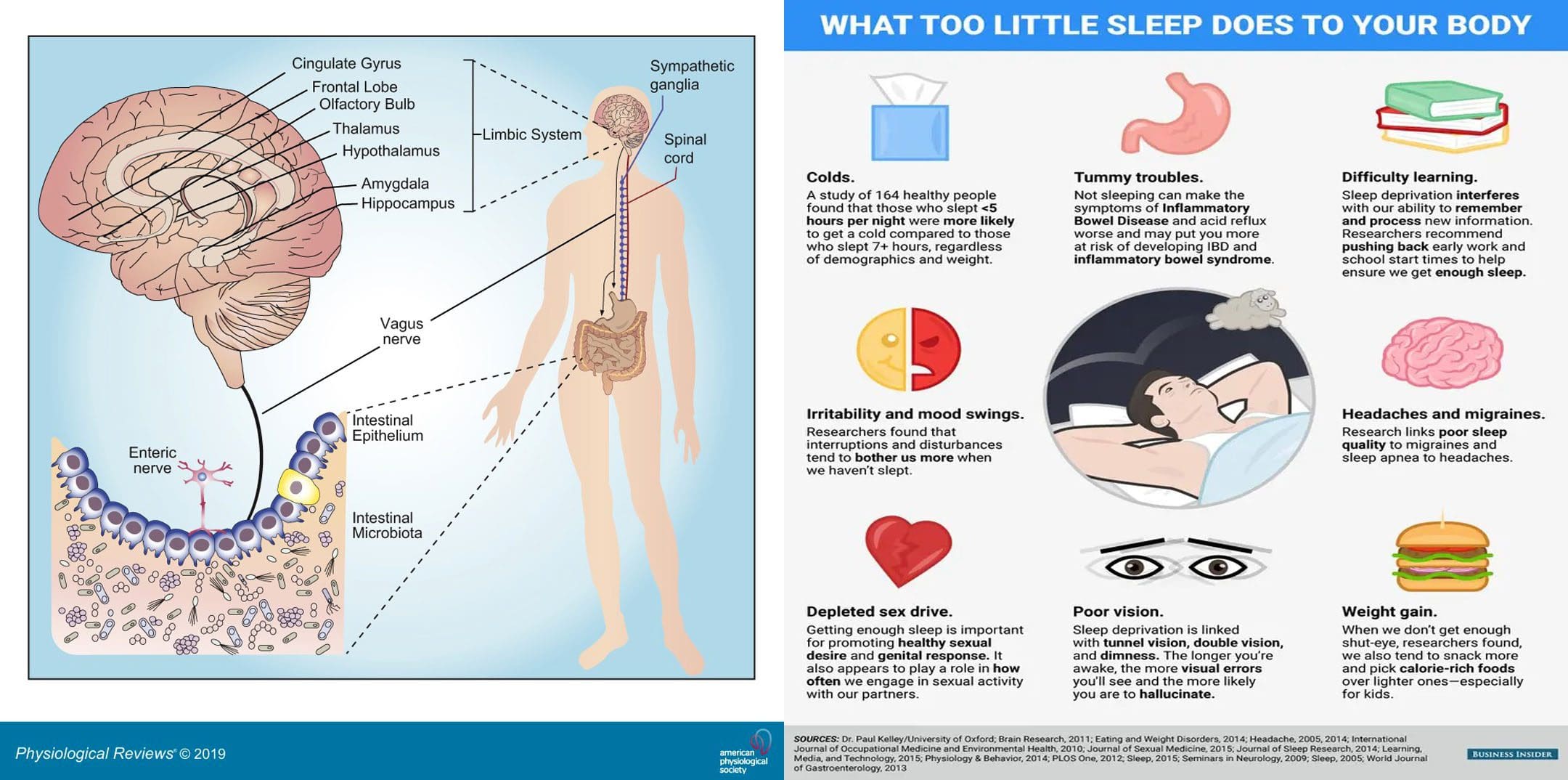
Viruses, bacteria, fungi, and protozoa are the microorganisms that naturally live in the digestive tract. Sleep affects gut health and vice versa. A healthy gut microbiota consists of all kinds of microorganisms that produce thousands of compounds and coexist harmoniously. A healthy diet and lifestyle are the biggest factors influencing bacteria variety, and maintaining a varied diet preserves microbiota diversity. Everybody’s gut microbiome is different; the more diverse the gut microbiome, the healthier sleep will be. The Injury Medical Chiropractic and Functional Medicine Clinic Team can develop a personalized nutritional plan to improve gut health and sleep patterns.
Sleep Affects Gut Health
Not having a diverse gut microbiome has been linked to autoimmune diseases, Parkinson’s disease, and mental health issues like anxiety and depression. Not getting healthy sleep is associated with many diseases and disorders, including:
Gastrointestinal disorders
Infections
Diabetes
Cardiovascular disease
Neurological disorders
Anxiety
Depression
Cancer
Changes in sleep patterns influence the central nervous system and the immune system, which affect different organ systems. For example, studies have shown some gastrointestinal disorders, like irritable bowel syndrome – IBS could be associated with increased REM sleep or the fourth part of the sleep cycle when vivid dreaming occurs. In Crohn’s disease or ulcerative colitis, long-term immune response activation can result in poor sleep, insufficient quality sleep, or other sleep problems. The deepest stages of sleep are when the brain and gut communicate to repair the body, restore nutrients, and remove and release toxins.
Sleep Cycle
During sleep, the immune system produces proteins called cytokines that perform functions during the inflammatory response, either by increasing or blocking inflammation, depending on the body’s needs. Cytokines help promote sleep, fight infection, or stop inflammation in chronic inflammatory diseases like Crohn’s disease or ulcerative colitis.
Insufficient sleep significantly alters cytokine production, and infection-fighting cells decrease in numbers when sleep deprived, making it harder for the body to fight infections and lessening protection. This increases the inflammatory response and keeps the immune system on.
Chronic or long-term immune response activation can result in sleep disturbances or disorders.
Some disorders include small intestinal bacterial overgrowth and inflammation caused by microbiome abnormalities or dysbiosis.
The gut barrier function begins to malfunction, leading to bacteria and pathogens leaking into blood circulation/leaky gut, triggering immune responses.
Ways to Improve Sleep
One of the main ways to improve sleep quality and gut microbiome health is to practice healthy sleep hygiene. According to the National Sleep Foundation, individuals should:
Nap Smart
Naps can be a great way to refresh the mind and body and replenish energy levels during the day.
The bright lights from phones and screens can make it difficult to fall asleep fully.
Use an alarm clock with a soft night light and keep the bedroom tech-free.
Create Sleep Routine
Take a warm shower, read a book, or do light stretches.
Create a wind-down routine to relax before bed to signal the body that it’s time for sleep.
Avoid Caffeine and Alcohol Before Bed
These substances make it harder for the mind and body to fall or stay asleep.
Food As Medicine
References
Chabé, Magali et al. “Gut Protozoa: Friends or Foes of the Human Gut Microbiota?.” Trends in parasitology vol. 33,12 (2017): 925-934. doi:10.1016/j.pt.2017.08.005
Deng, Feilong, et al. “The gut microbiome of healthy long-living people.” Aging vol. 11,2 (2019): 289-290. doi:10.18632/aging.101771
Gut Bacteria Research: Physicians’ Committee for Responsible Medicine. (2019). “Gut Bacteria: Optimize Gut Health With a Plant-Based Diet,”
Ianiro, Gianluca, et al. “How the gut parasitome affects human health.” Therapeutic advances in gastroenterology vol. 15 17562848221091524. 30 Apr. 2022, doi:10.1177/17562848221091524
Lozupone, Catherine A et al. “Diversity, stability and resilience of the human gut microbiota.” Nature vol. 489,7415 (2012): 220-30. doi:10.1038/nature11550
Sleep and Gut Microbiome Study: PLoS One. (2019). “Gut microbiome diversity is associated with sleep physiology in humans.
Sleep Hygiene Information: National Sleep Foundation. (2019). “Sleep Hygiene.”
Vaishnavi, C. “Translocation of gut flora and its role in sepsis.” Indian journal of medical microbiology vol. 31,4 (2013): 334-42. doi:10.4103/0255-0857.118870
Inflammation is the body’s response to infection, injury, or irritation. It causes swelling, redness, pain and sometimes causes the affected area to be unable to function. Acute inflammation happens after spraining the ankle or getting a mosquito bite and is the body’s method of preserving itself. This type of inflammation helps remove harmful irritants and pathogens, so healing ensues, along with healthy beneficial swelling that disappears with time. Chronic inflammation is when the body generates a stronger-than-necessary inflammatory response from an imbalanced immune system or a condition that causes the immune system to attack healthy tissue. Certain foods, lack of sleep, and constant stress increase the risk of developing chronic inflammation. Chiropractors are known for their expertise in stretching the muscles, ligaments, tendons, and adjusting/realigning joints and bones. Chiropractic treatment can also affect inflammation positively.
Inflammation Affects Health
When inflammation presents, there is significant potential that disease is also present in the body. Inflammation is a natural response to restore the body to homeostasis or balance. White blood cells and other immune cells are sent to the area to ward off invading bacteria, viruses, debris, etc., and reduce or defeat the infection. For some individuals, inflammation occurs within their body regularly and reappears repeatedly. This can be caused by injuries that never completely healed, frequent strains, and injuries from a weakened musculoskeletal system. Inflammation can also come from infection, irritation, the production of diseased cells, or allergies. Organs and tissues can be inflamed for a long time and can cause damage to the cells that comprise those regions of the body. This can lead to:
Thinning and weakening of organ walls and tissues.
Decreased organ function.
The overall deterioration of the body’s systems and wellness.
Causes
Some common diseases and conditions that create chronic inflammation are:
Asthma
Chronic peptic ulcers
Tuberculosis
Rheumatoid arthritis
Periodontitis
Ulcerative colitis
Crohn’s disease
Sinusitis
Active hepatitis
Risk Factors
Certain risk factors that can increase the likelihood of inflammation are:
Stress is one of the leading causes of illness and disease in the body and contributes significantly to inflammation. Organs and tissues can also become inflamed under pressure. When stress kicks in, chemical reactions occur, causing the release of the hormone cortisol. Cortisol is initially an anti-inflammatory hormone, but a prolonged release can eventually create a dysfunctional cycle of widespread inflammation. Chronic stress can cause inflammation throughout the body. Usually, the body’s weakest or most strained region will suffer the most effects of overall inflammation. Even after the stress reduces or is resolved, the inflammation effects can continue to linger. Inflammation can:
Decrease organ function
Strain tissues
Strain ligaments
Force bones and joints out of alignment and subluxation.
Cause decreased efficiency and performance of the body’s systems and organs.
Chiropractic Affects On Inflammation
When the body is out of alignment, it can compress tissues, muscles, and ligaments. Chiropractic works primarily on the skeletal structure and the nervous system. The nervous system plays an essential role in regulating immune response, which creates or decreases inflammation in the body. When the bones and joints are out of alignment, they cause strain on the nervous system and the immune system, often triggering an immune response. Chiropractic adjustments of the bones and joints reset and rejuvenate nervous system function. Realignment of the spine, including neck, shoulders, arms, pelvis, hips, knees, and feet, enhances nerve circulation and alleviates abnormal immune system function. To begin relieving inflammation from injury, misalignment, stress, and strain on the body, consult and see how chiropractic affects inflammation.
Body Composition
Dietary Fats
There are four main types of dietary fats listed on food labels:
These are not to be confused with adipose tissue/stored fat in the body. These four fats have different physiological effects once they are digested. Some are beneficial, and some can negatively impact health and are recommended to be taken in moderation.
Saturated vs. Unsaturated fats
Fats are made up of chains of carbon atoms with a carboxyl group COOH at one end and methyl groups CH3 at the other end. Carbons are attached to each other and to hydrogen atoms. The way the carbons are chained differentiates saturated and unsaturated fats and impacts how the body processes them. Unsaturated fats have one or more double bonds between the carbon atoms, and foods rich in unsaturated fats are usually liquid at room temperature, like olive oil. Saturated fats contain no double bonds and are generally solid at room temperatures, like butter and cheese.
References
Arulselvan, Palanisamy et al. “Role of Antioxidants and Natural Products in Inflammation.” Oxidative medicine and cellular longevity vol. 2016 (2016): 5276130. doi:10.1155/2016/5276130
Hannibal, Kara E, and Mark D Bishop. “Chronic stress, cortisol dysfunction, and pain: a psychoneuroendocrine rationale for stress management in pain rehabilitation.” Physical therapy vol. 94,12 (2014): 1816-25. doi:10.2522/ptj.20130597
Pahwa R, Goyal A, Bansal P, et al. Chronic Inflammation. [Updated 2021 Sep 28]. In: StatPearls [Internet]. Treasure Island (FL): StatPearls Publishing; 2021 Jan-. Available from: https://www.ncbi.nlm.nih.gov/books/NBK493173/
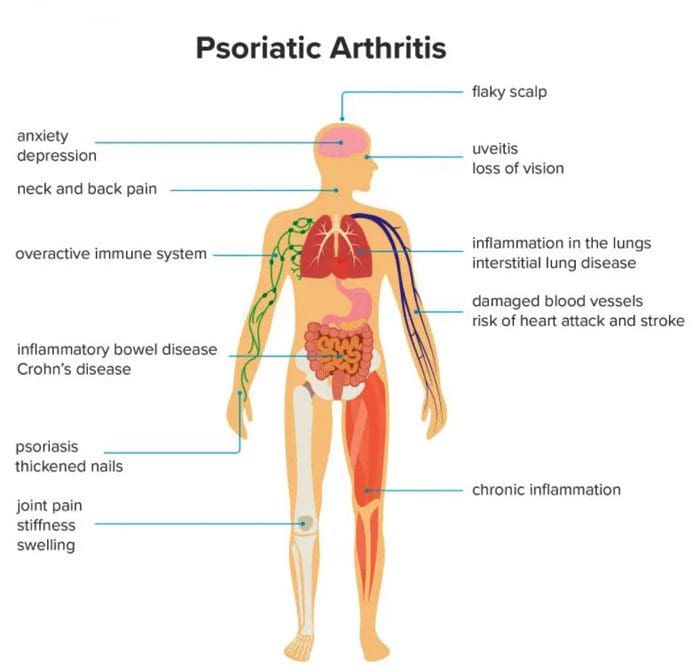
Psoriatic arthritis can develop in individuals who have psoriasis, affecting various joints, especially the knees. Psoriasis is a skin condition that causes skin cells to build up and form patches of itchy, dry skin known as plaques. Psoriatic arthritis is a long-term inflammatory disease that can cause inflammation, stiffness, and pain. Symptoms can progressively worsen over time without treatment. Early diagnosis is vital to minimize damage to the joints and slow the condition’s progress with treatment.
Psoriatic Arthritis
Psoriatic arthritis symptoms like stiffness and swelling can present differently from person to person. For example, some individuals with psoriatic knee arthritis will experience stiffness or pain in one knee, while others experience symptoms in both knees. Psoriatic arthritis in the knee can also cause swelling in the surrounding:
Ligaments
Tendons
Synovial membranes
Symptoms can also present in the:
Elbows
Feet
Hands
Symptoms
Symptoms usually begin between the ages of 30 and 50. Common symptoms include:
Stiffness after resting or sleeping.
Swelling.
Inflammation in the knee and surrounding area.
Warm or hot skin on the knee from the inflammation.
Pain in and around the joints, tendons, or ligaments.
Joint sticking, difficulty moving, or reduced range of motion.
Other symptoms include:
Back pain
Fatigue
Pain and redness in the eyes
Swollen fingers or toes
Difficulty walking from pain in the feet or Achilles tendon.
The severity of psoriasis does not determine psoriatic arthritis symptoms. Symptoms can go through a pattern of relapses and remissions. Individuals can have a sudden attack where symptoms get worse over a short time. After the flare-up, symptoms can improve as the condition goes into remission. Symptoms may not present for a long time until another flare-up. For example, an individual may have severe psoriasis but only mild psoriatic arthritis.
Causes
Psoriatic arthritis develops when the body’s immune system mistakenly attacks healthy cells and tissues. The faulty immune response causes the body to quickly generate new skin cells that stack on top of each other forming plaques. When the condition affects the joints, it leads to inflammation. While there is no apparent cause for psoriatic arthritis, researchers have found connections to genetics and the environment, as well as, individuals with close relatives that have psoriatic arthritis could be more likely to develop the condition. Other factors that could influence the development include:
Severe psoriasis
Traumatic injury/s
Obesity
Nail disease
Smoking
The condition can happen at any age, but according to the National Psoriasis Foundation, most individuals first notice symptoms about ten years after their psoriasis begins. However, only 30% of individuals with psoriasis develop psoriatic arthritis.
Diagnosis
Doctors use imaging tools to diagnose psoriatic arthritis in the knee. They will use:
MRI
X-rays
Ultrasound
To help them check for irregularities or signs of inflammation in the joint and surrounding tissues.
Additional tests are used to rule out other common forms of arthritis like rheumatoid and osteoarthritis.
Blood tests check for inflammation and specific antibodies.
In some cases, a small amount of fluid from the joint is taken to help eliminate the possibility of other underlying conditions like an infection.
Treatment
There is currently no cure for psoriatic arthritis, but treatments are being developed and show promise for long-term management. Current treatments focus on managing symptoms and improving the quality of life for the individual.
Biologics
Biologic medications like tumor necrosis factor or TNF inhibitors are recommended as the first-line therapy for most individuals with a new diagnosis of psoriatic arthritis. These meds help block TNF, which plays a crucial role in inflammation. They have shown to be effective at reducing the severity of symptoms and the frequency of flare-ups. Biologics can cause unwanted side effects, especially in individuals that experience frequent infections and need routine monitoring.
Small Molecule Medications
Individuals that cannot use biologic medications may be recommended a new class of medication called oral small molecules or OSMs. Examples include apremilast – Otezla and tofacitinib – Xeljanz.
Disease-modifying Antirheumatic Drugs
Disease-modifying antirheumatic drugs – DMARDs are a long-term option. They are used to slow the progression of psoriatic arthritis, and examples include methotrexate and cyclosporine. DMARDs work best when an individual begins taking them as early as they can take time to work. However, individuals are encouraged to continue taking them, even if symptoms do not improve right away.
Easing Inflammation
A doctor may prescribe nonsteroidal anti-inflammatory drugs – NSAIDs and corticosteroid injections when knee symptoms flare-up. These are short-term treatments that provide immediate relief, as long-term use can lead to side effects. Individuals can find relief with combined self-care that includes:
Taking over-the-counter NSAIDs like ibuprofen/Advil or naproxen/Aleve.
Applying ice and heat packs.
Gentle exercise to promote a full range of motion.
Gentle stretching or yoga can help relax tight muscles.
However, chiropractic is not the primary treatment for arthritis but is intended to be used in combination to relieve pain, loosen and stretch the muscles and balance the body.
InBody
Strength, Balance, and Improved Body Composition
Functional fitness is the ability to move comfortably every day. The benefits of physical activity also contribute to improved body composition. Working to reach a certain level of functional fitness can help the aging process that has been shown to reduce metabolic rate. Inactivity is why individuals lose Lean Body Mass as they age, leading to increased body fat. Lean Body Mass contributes to the body’s overall Basal Metabolic Rate or BMR, also known as metabolism. This is the number of calories the body needs to support essential functions. Everyone is encouraged to engage in strength training or resistance exercises, but specifically older adults. This can help regain muscle loss which can lead to an increase in lean body mass. The increase in Lean Body Mass increases BMR, which helps prevent fat gain.
References
Chang, K. L., et al. (2015). Chronic pain management: Nonpharmacological therapies for chronic pain [Abstract]. https://www.ncbi.nlm.nih.gov/pubmed/25970869
Chiropractic care for arthritis. (n.d.). arthritis.org/health-wellness/treatment/complementary-therapies/physical-therapies/chiropractic-care-for-arthritis
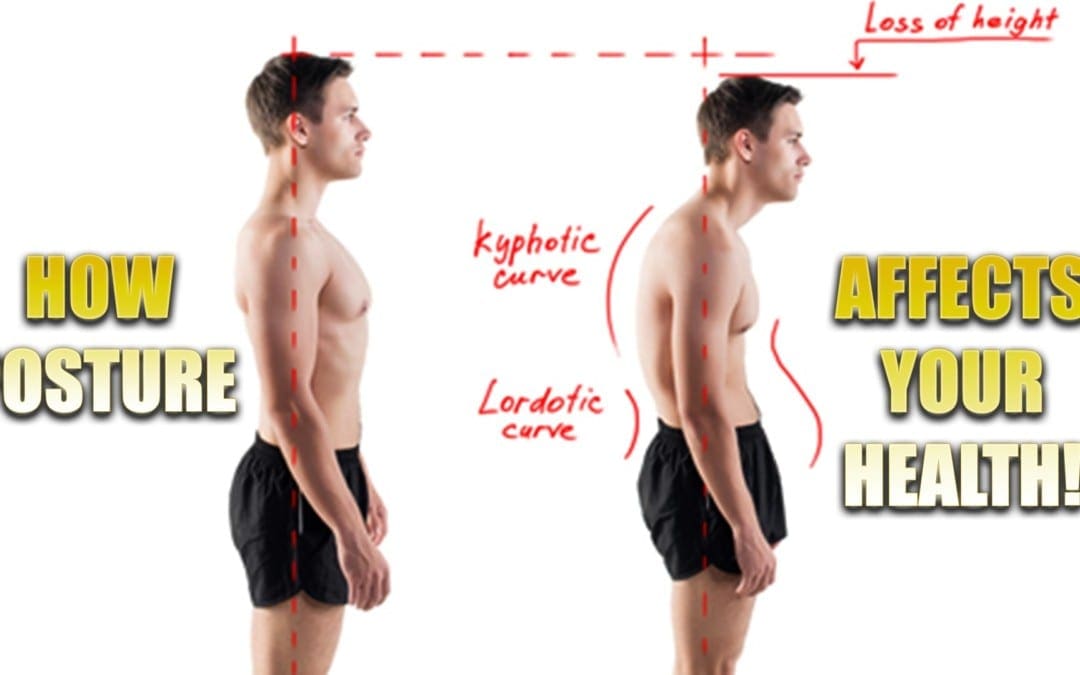
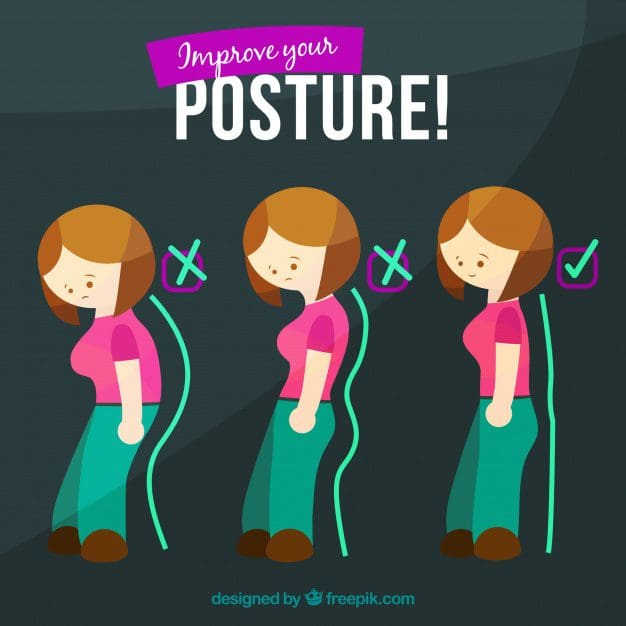
Your mother always said don�t slouch – turns out she was right. And she has science to back it up. Your posture can have a profound effect on your health. Walking or sitting with a hunched back has been linked to a variety of health issues.
What�s more, poor posture can cause your body�s structure to change, leading to misalignment. While everyone slips a bit in the posture department now and then, the real damage occurs when it becomes a habit. In fact, you could be damaging your health with bad posture and not even realize it. Here are five ways that posture mistakes can harm your health.
Posture
Pain In The Neck, Back & Shoulders
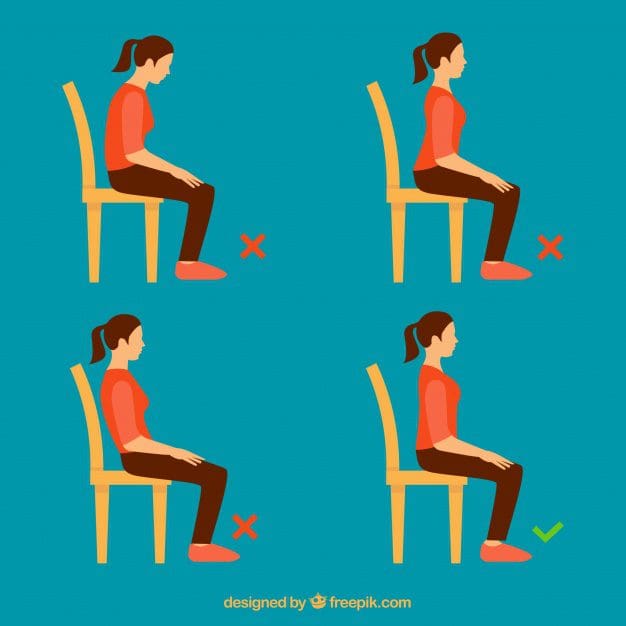
Sitting in a slouched or hunched over position, drooping your shoulders, or rounding out your spine while standing or sitting can cause pain in your neck, back, and shoulders. Many people who work with computers as a regular part of their jobs experience this to some degree.
That is because the majority of workers do not have their computer monitors at the appropriate height, causing them to spend hours a day hunched over their keyboard. People who spend a lot of time on their smartphone and mobile devices experience text neck, which is caused by this type of poor posture.
Increased Depression & Stress
The connection between posture and mood has long been established. People who walk slouched over tend to feel more depressed and have a poorer self-image.
When you are slouched, you are restricting blood flow throughout your body, inhibiting proper oxygenation of your cells, and crowding your organs so that they are not able to function at an optimum level. If your spine or body is out of alignment, it can slow the neural processes that keep your body functioning as it should. When all these things are going on, your mood will definitely be affected, especially if you aren�t as active as you should be.
Pain/Weakness In The Lower Back, Hips, Knees & Ankles
This posture problem is common in people who are obese and pregnant women. The added weight causes the body to shift in unnatural positions in order to support it.
This postural problem can also be the result of inappropriate footwear. Feet are important! Take care of them by wearing shoes with good support. This can cause flat feet and cause the ankles to roll.
The calf muscles will tighten and your knees may even rotate inward. You can experience plantar fasciitis, pain in your toes, heel spurs, bunions, and hip problems. Weight loss can help and pregnant women can benefit from a pregnancy sling or pregnancy girdle to support the added girth.
Digestion Problems
Sitting in a hunched position crunches up everything inside, including your intestines. This will slow things down considerably, leading to constipation and even hemorrhoids.
The human body was designed to remain in a certain position so that all organs can function as they should. When things are out of alignment it can lead to indigestion, heartburn, and even acid reflux. Practicing good posture can make all the difference in a lot of things. Poor digestion can lead to obesity.
Spinal Misalignment Leading To Many Health Issues
When your spine is out of line it can cause headaches, dizziness, and a host of other issues. It puts your body under stress so even the normal processes like blood flow and organ function are thrown off kilter. When your body isn�t working as it should the risk of serious conditions like heart disease, diabetes, and hypertension are increased.
Many people don�t make the connection between good posture with a properly aligned spine and better health, but it is definitely there. Posture may seem simple, like it�s not that big of a deal, but when it is practiced on an ongoing basis, it can be detrimental to your health. It isn�t worth the risk; not when the fix is as simple as sitting up straight.
Injury Medical Clinic: Fibromyalgia Care & Treatment
IFM's Find A Practitioner tool is the largest referral network in Functional Medicine, created to help patients locate Functional Medicine practitioners anywhere in the world. IFM Certified Practitioners are listed first in the search results, given their extensive education in Functional Medicine





 Pain/Weakness In The Lower Back, Hips, Knees & Ankles