Relieving Adductor Muscle Strain with Incorporating MET Therapy
Can athletic individuals incorporate MET (muscle energy techniques) therapy to reduce the pain-like effects of adductor strain?
Introduction
The body’s lower extremities have an important role as they provide stability and mobility to the individual. Many athletes utilize their lower extremities by adding much power to exert the energy to win matches or competitions. The various muscles, soft tissues, ligaments, and joints help support the body’s skeletal structure and can succumb to injuries from repetitive motions or environmental factors. One of the muscles that can be affected by constant repetitive motions and environmental factors is the adductor muscles, which can cause many athletes to be in continuous pain and affect their performance during competitions. Luckily, there is a technique that many treatments offer to reduce muscle strain in the adductors and provide relief to the lower extremities. Today’s article looks at how adductor strain can affect many individuals, how MET therapy can help with an adductor strain, and its positive effect on athletic individuals. We discuss with certified medical providers who consolidate our patients’ information to assess the pain-like effects of an adductor strain in the lower extremities. We also inform and guide patients on how MET therapy can help stretch and strengthen tight adductor muscles to reduce strain and provide relief. We also encourage our patients to ask their associated medical providers many intricate and important questions about incorporating MET and other non-surgical therapies into their personalized treatment plan for a healthier lifestyle. Dr. Jimenez, D.C., includes this information as an academic service. Disclaimer.
How Does Adductor Strain Affect Individuals?
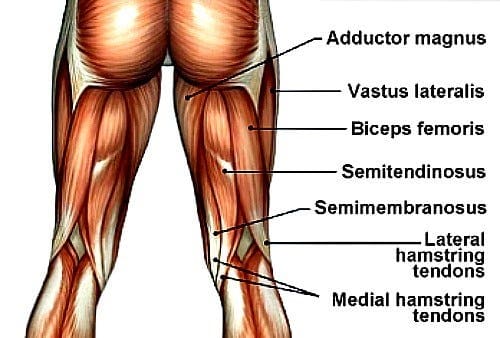
Do you feel tightness along your thighs and legs after a long day at work? Do you experience instability when walking from one location to another? Or do you feel pain when stretching your thighs that causes temporary relief? Many individuals experiencing pain in their lower extremities will often think it is hip pain, but their adductor muscles are in pain. The adductor muscles consist of three muscles that provide torque to the lower extremities by allowing them to move inward when a person is walking and help keep the trunk muscles steady. So, when many athletes begin to make constant repetitive motions while performing, it can cause issues for the adductors. As a common injury to many athletes, adductor strain can put exaggerated stress on the actual tendon, leading to biomechanical abnormalities affecting the musculoskeletal system. (Kiel & Kaiser, 2024a) Also, when athletes start to use constant repetitive motions during an increased volume or intensity of the training workload, it can cause stress factors in the lower extremities. (Kiel & Kaiser, 2024b) This, in turn, can have many individuals feel like they are experiencing hip and groin pain when it is, in fact, stress fractures in the adductor muscles causing myofascial pain.
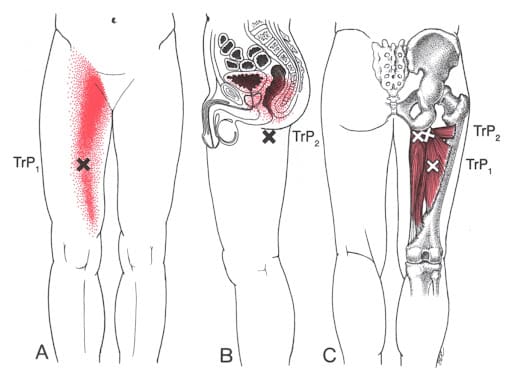
So, for athletic individuals dealing with adductor strain, primary doctors need to differentiate between adductor strain and regular muscle strain in the lower extremities, as the pain symptoms sometimes have overlapping risk profiles with acute onset pain symptoms associated with distinct injury mechanisms. (McHugh et al., 2023) This is because when athletes overuse their adductor muscles, it causes pain, as many injuries within the adductors are associated with the hips and groin region. (Koscso et al., 2022) However, there are ways for athletes to find the relief they seek to reduce adductor strain and return to their routine.
Movement Medicine- Video
How MET Therapy Helps With Adductor Strain
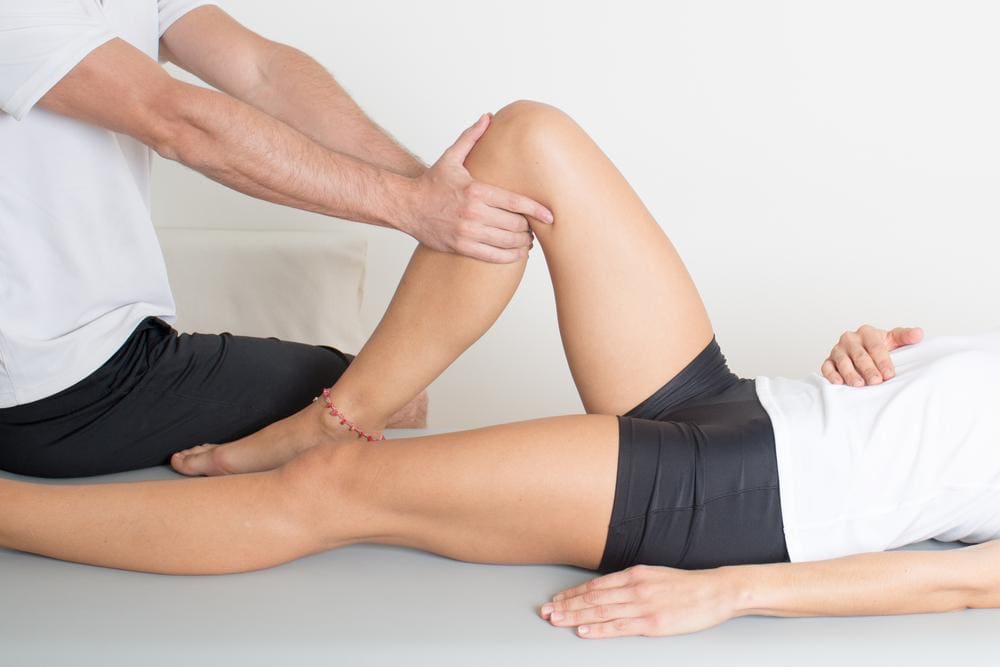
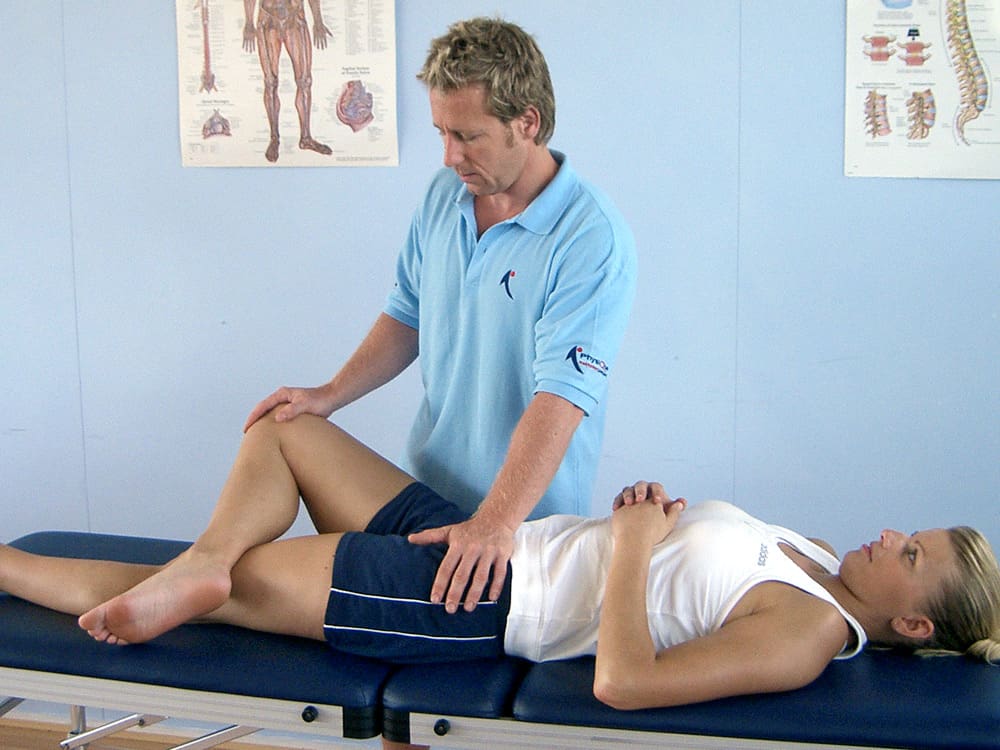
For athletes and individuals engaged in physical activity, MET therapy can be a valuable part of the recovery process for adductor strain. MET (muscle energy technique) therapy, a form of osteopathic manipulative medicine, is used by pain specialists such as chiropractors, massage therapists, and sports physicians to alleviate pain symptoms in the musculoskeletal system. By using gentle, controlled muscle contractions, these specialists can improve musculoskeletal function by mobilizing joints, stretching tight muscles and fascia, and improving circulation and lymphatic flow. (Waxenbaum et al., 2024) Many pain specialists, including chiropractors and massage therapists, incorporate MET therapy into their practices due to its effectiveness in addressing muscular imbalances and alignment issues that contribute to pain and limited mobility in the lower extremities.
The Positive Effect Of MET Therapy
One of the positive effects of MET therapy for adductor strain is that when athletes and individuals start to utilize it as part of their recovery, their pain is reduced, and muscle mobility is increased since there are changes in the viscoelastic properties in the soft tissue. (Thomas et al., 2019) For the adductor muscles, MET therapy helps with:
- Increasing muscle length & flexibility
- Reduce muscle tension
- Improving blood flow and promoting healing
- Enhance joint function
MET therapy, when incorporated for pain relief for adductor strain, can put many individuals at ease as it actively focuses on muscle relaxation, lengthening, and strengthening the affected muscles. MET therapy can be combined with other therapies in a person’s personalized treatment plan to enhance mobility, be mindful of what is causing pain and discomfort to their bodies, and live a healthier lifestyle.
References
Kiel, J., & Kaiser, K. (2024a). Adductor Strain. In StatPearls. https://www.ncbi.nlm.nih.gov/pubmed/29630218
Kiel, J., & Kaiser, K. (2024b). Stress Reaction and Fractures. In StatPearls. https://www.ncbi.nlm.nih.gov/pubmed/29939612
Koscso, J. M., McElheny, K., Carr, J. B., 2nd, & Hippensteel, K. J. (2022). Lower Extremity Muscle Injuries in the Overhead Athlete. Curr Rev Musculoskelet Med, 15(6), 500-512. https://doi.org/10.1007/s12178-022-09786-z
McHugh, M. P., Nicholas, S. J., & Tyler, T. F. (2023). Adductor Strains in Athletes. Int J Sports Phys Ther, 18(2), 288-292. https://doi.org/10.26603/001c.72626
Thomas, E., Cavallaro, A. R., Mani, D., Bianco, A., & Palma, A. (2019). The efficacy of muscle energy techniques in symptomatic and asymptomatic subjects: a systematic review. Chiropr Man Therap, 27, 35. https://doi.org/10.1186/s12998-019-0258-7
Waxenbaum, J. A., Woo, M. J., & Lu, M. (2024). Physiology, Muscle Energy. In StatPearls. https://www.ncbi.nlm.nih.gov/pubmed/32644455