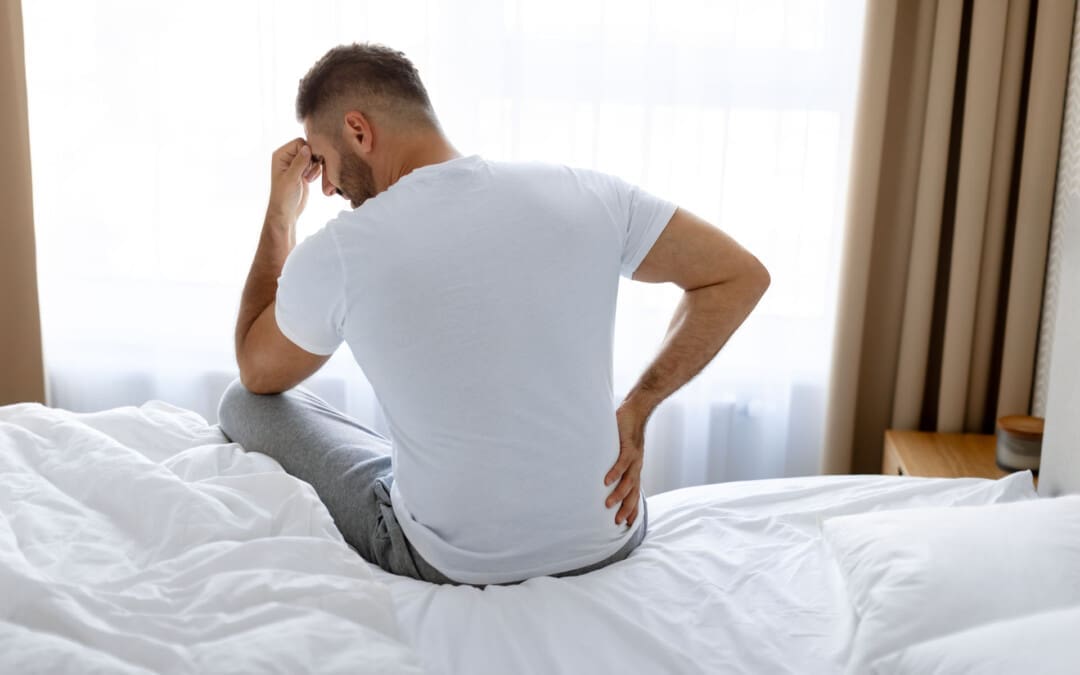
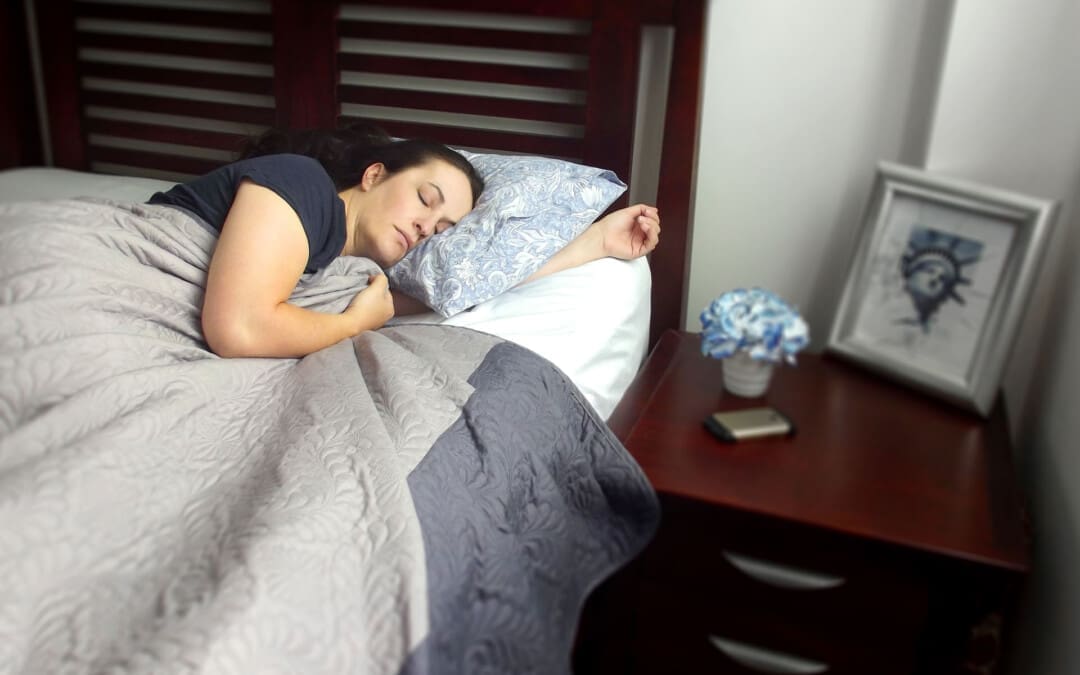
Sleeping with lower back pain and sciatica can be difficult and frustrating. What are ways to get more comfortable sleep?
Sleeping With Lower Back Pain and Sciatica
Various factors can affect sleeping with lower back pain and sciatica, including age, injury and medical history, the mattress (e.g., soft vs. firm mattress), and sleep positions. Unfortunately, there’s no one-cure-all solution for this problem, and depending on the underlying cause/s, they can worsen the pain and cause sleep problems. For example, if a herniated disc places added pressure on the nerves in the lower back, twisting the spine can worsen the lower back pain, and sleeping in a fetal position can exacerbate the nerve pain. (UCF Health, N.D.)
Lower-Back Pain
Low-back pain can be activity-related, intermittent, or constant. (American Association of Neurological Surgeons, 2024) For some, it only occurs occasionally, such as when performing specific movements. For others, it can be excruciating, chronic, and disabling. Low-back pain is unique for everybody and can differ depending on the cause. Some low-back pain symptom descriptions include (Förster M. et al., 2013)
Aching pain deep in the back
Shooting pain flare-ups
Pain caused by slight pressure
Burning
Tingling
Sciatica Not Present
For some, low-back pain may be confined to a specific area known as axial back pain. (Förster M. et al., 2013) The pain may be felt in a band along the lower back and does not radiate down the legs or anywhere else.
Sensory changes radiating down the leg – numbness, burning, and or tingling
Sleep Tools
Consider changing the mattress to improve sleeping with lower back pain and sciatica. For the best spinal support, choose a medium to firm mattress. Pillows, wedges, and other tools can also help improve sleep. (UCF Health, N.D.) It is recommended that individuals who sleep on their backs place a small pillow under their knees to reduce pressure on their lower backs. For those who sleep on their side, placing a pillow between the knees can keep the spine in a neutral/straight position. To relieve lower back pain, consider sleeping in a reclined, angled position with the head and shoulders higher than the hips. This can be accomplished with an adjustable bed or a wedge to prop the body in a regular bed.
Back Sleeping
Easing back pain while sleeping involves maintaining the body in a neutral or straight position. Extending the muscles, tendons, and ligaments too far in any one direction while sleeping with lower back pain and sciatica can cause stiffness, muscle spasms, and pain. Sleeping on the back puts the spine in neutral alignment with the least stress on the neck and back. It evenly distributes body weight to avoid exerting pressure on the joints and prevent backaches. In addition, a supine position allows outstretched ligaments to shrink and recover to their normal positions. (Keck Medicine of USC, 2019)
Chiropractic Assessment
Chiropractic care aims to help individuals improve movement with less pain due to condition, after injury, or surgery. A chiropractic physical therapy team may be best for individuals with acute back, neck, and musculoskeletal pain and discomfort symptoms. A chiropractor can quickly assess your condition and develop a customized treatment plan to expedite pain relief and improve mobility. Injury Medical Chiropractic and Functional Medicine Clinic works with primary healthcare providers and specialists to build optimal health and wellness solutions. We focus on what works for you to relieve pain, restore function, prevent injury, and help mitigate issues through adjustments that help the body realign itself. They can also work with other medical professionals to integrate a treatment plan to resolve musculoskeletal problems.
Sciatica, Causes, Symptoms and Tips
References
UCF Health. (N.D.). The best sleeping position for lower back pain (and the worst). https://ucfhealth.com/our-services/lifestyle-medicine/best-sleeping-position-for-lower-back-pain/
American Association of Neurological Surgeons. (2024). Low back pain. https://www.aans.org/patients/conditions-treatments/low-back-pain/
Förster, M., Mahn, F., Gockel, U., Brosz, M., Freynhagen, R., Tölle, T. R., & Baron, R. (2013). Axial low back pain: one painful area–many perceptions and mechanisms. PloS one, 8(7), e68273. https://doi.org/10.1371/journal.pone.0068273
North American Spine Society. (2020). Evidence-based clinical guidelines for multidisciplinary spine care: Diagnosis and treatment of low back pain. North American Spine Society. https://www.spine.org/Portals/0/assets/downloads/ResearchClinicalCare/Guidelines/LowBackPain.pdf
American Academy of Orthopaedic Surgeons. (2021). Sciatica. https://orthoinfo.aaos.org/en/diseases–conditions/sciatica
Keck Medicine of USC. (2019). The best -and worst – sleep positions for back pain. Keck Medicine of USC Blog. https://www.keckmedicine.org/blog/the-best-and-worst-sleep-positions-for-back-pain/
Do different meditation techniques work according to an individual’s personality type?
Meditation Techniques According To Personality Type
Meditation techniques come in many forms. The traditional practice of sitting cross-legged with eyes closed and hands in prana mudra form is just one technique. From loving-kindness meditation to sound baths, the Breethe App, and walking meditations, each type offers its way of calming and focusing the mind, reducing stress, and enhancing well-being.
Meditation for All
Meditation is about observing individual thoughts without judgment and staying in the present. Learning not to focus on every negative or hurtful thought that passes builds emotional regularity and a healthier relationship with the mind. However, no one-size-fits-all technique exists, and meditation relies on individual personality. Some feel more at peace sitting alone, while others find music soothing. Still others find peace of mind in taking a walk. Discovering the answers will help determine which meditation technique works best for you and your mind.
Choosing a Technique
There is no exact science to finding the best meditation technique for each personality. How one meditates is a personal decision. But for those new to meditation and unsure where to start or which practice works best, here are a few meditation techniques for every personality type.
Introverted
Mindfulness Meditation
Introverts harness energy alone and spend energy in social situations. Based on this, mindfulness meditation can work in a quiet, calm, and familiar setting. This type of meditation involves paying attention to the present moment and focusing on the breath, body sensations, and sounds. It helps relieve stress, generates mental clarity, enhances self-awareness, and improves emotional regulation. To practice mindfulness meditation:
Sit comfortably in a quiet space and close your eyes.
Focus on your breath as you slowly inhale and exhale.
Observe your thoughts without judgment, and try to redirect your breathing as you let the thought pass.
Introverts often find satisfaction in the structured approach, which helps them gain insight into their thoughts and behaviors. Research has found that those who participate in mindfulness-based stress reduction/MBSR benefit from decreased stress levels. (Chiesa A. & Serretti A. 2009)
Extroverts
Group Meditation
Extroverts love being in the mix of the world and fuel themselves through social interactions. They still benefit from meditation to calm and ground them, but in a group or class setting. Group meditation practices with a group, usually in-person or a virtual class led by an instructor. This type of meditation strengthens the sense of community and can deepen an extrovert’s meditation experience through the group’s energy.
Creative and Artistic
Artful Meditation
Creative individuals often create things through painting, sculpting, cooking, sewing, or other trades and crafts. The creative process creates a therapeutic atmosphere for this personality type, and engaging in creative activities can help them focus their minds and forget outside stressors. Artful meditation, or meditative art, combines this creativity with mindfulness. It involves engaging in artistic activities while meditatively concentrating on the process. The practice increases relaxation, provides self-expression, and encourages mindfulness. Individuals do not have to be artists to benefit, as it’s accessible and enjoyable for all skill levels.
Music Personality
Sound Bath Meditation
Individuals drawn to music appreciate and enjoy the combination of sounds that create harmonies, rhythms, and vibrations. Consider sound baths, which can provide a deep and emotional experience. A sound bath is a meditative experience where participants are “bathed” in sound waves produced by instruments like gongs, singing bowls, and chimes. Research has found that sound vibrations help reduce stress, enhance mental clarity, and improve emotional well-being. (Bartel L. & Mosabbir A. 2021) Classes are often led by an instructor and involve lying or sitting down with closed eyes while sounds and vibrations cascade. The music guides the experience and keeps the listener focused on the journey. The immersive musical meditation experience can help individuals process emotions, reduce stress, and cultivate connections with themselves and others.
Type A Personalities
Breathwork Meditation
Type A personalities strive for order and are ready to accomplish any challenge, which often leads to perfectionism burnout. Breathwork meditation can help avoid these pitfalls. This meditation focuses on controlling and manipulating one’s breath to calm the body, mind, and emotions. It’s very structured and orderly, which appeals to type-A individuals. One technique is box breathing, which involves breathing in for six seconds, holding for six seconds, exhaling for six seconds, holding for six seconds, and repeating.
Type B Personalities
Walking Meditation
Type B personalities are relaxed, easy-going, patient, and adaptable. These individuals benefit from flexible, open-ended meditation techniques that allow exploration and creativity. Walking meditation around nature or the block offers this as it combines movement with mindfulness. It focuses on the sensations of walking, like the feel of the ground under the feet and the rhythm of the steps. This creates a deeper connection with one’s surroundings. It also takes the practice of meditation into the world, helping integrate mindfulness into daily activities.
Pessimistic
Loving-Kindness Meditation
Pessimists typically have a glass-is-half-empty mentality, often focusing on the negative versus the positive. This form of meditation involves cultivating compassion, kindness, and goodwill toward oneself and others. For pessimists who struggle with negative self-talk and skepticism, loving-kindness meditation offers a structured practice for cultivating positive emotions and empathy. It can help soften inner criticism, foster resilience, and promote a compassionate worldview. To practice, sit quietly, focus on feelings of love and compassion, and repeat phrases like May I be healthy, may I have mental happiness, and may others be safe, happy, and peaceful. With practice, these sentiments are allowed to grow.
Optimistic
Affirmation Meditation
Optimists tend to see the brighter side of situations, expect favorable outcomes, and maintain a can-do attitude. Affirmation meditation, which involves repeating positive statements aloud or silently, can help reinforce positive beliefs and cultivate optimism. These may be phrases like “I am confident, grounded, or grateful for today.” Consciously affirming, uplifting statements strengthen optimists’ positive mindsets, increase their self-esteem, and sustain their natural inclination to see possibilities and opportunities.
Easily Distracted
Guided Meditation
Guided meditation may benefit individuals who are easily distracted or find it difficult to sit still. This structured approach allows individuals to show up and follow instructions. A narrator guides the practitioner by focusing on relaxation, visualization, or themes like gratitude or compassion. Guided voice meditation provides a clear framework and can be easier to follow, making it accessible for individuals new to meditation or those who find it difficult to focus.
Injury Medical Chiropractic and Functional Medicine Clinic
Ultimately, the best type of meditation technique is the one that works for you. Individuals may find that having a few variations can keep things interesting in your day-to-day life. A healthcare provider can determine the most effective treatment strategies. Injury Medical Chiropractic and Functional Medicine Clinic works with primary healthcare providers and specialists to develop an optimal health and wellness solution. We focus on what works for you to relieve pain, restore function, prevent injury, and help mitigate issues through adjustments that help the body realign itself. They can also work with other medical professionals to integrate a treatment plan to resolve musculoskeletal problems.
Transform Your Body
References
Chiesa, A., & Serretti, A. (2009). Mindfulness-based stress reduction for stress management in healthy people: a review and meta-analysis. Journal of alternative and complementary medicine (New York, N.Y.), 15(5), 593–600. https://doi.org/10.1089/acm.2008.0495
Bartel, L., & Mosabbir, A. (2021). Possible Mechanisms for the Effects of Sound Vibration on Human Health. Healthcare (Basel, Switzerland), 9(5), 597. https://doi.org/10.3390/healthcare9050597
Getting a good night’s sleep can be difficult for individuals suffering from arthritis. Can finding a mattress that fits an individual’s needs help relieve aches and pains and provide restful sleep?
Mattress For Arthritis
Quality sleep can be difficult for those managing arthritis. Joint pain, stiffness, and tenderness can make falling and staying asleep feel impossible. A mattress for arthritis should be firm, provide comfortable support, and relieve joint pressure. (Sleep Foundation, 2024)
How Mattresses Affect Arthritis?
Not adequate support or cushioning can exacerbate arthritis pain and stiffness.
Individuals not sleeping well at night can experience significant physical and mental fatigue, increase the risk of injury, and perceive a higher level of pain.
Zoned mattresses provide targeted pressure relief to areas of arthritis pain, like the neck and lower back.
Mattresses that don’t support the body are more likely to disrupt sleep and exacerbate nighttime and daytime pain symptoms.
The body needs time to recover and repair during sleep, so the right mattress for arthritis will allow sound rest throughout the night.
A joint-supporting mattress can alleviate pain and stiffness.
What to Look For Mattress Types
Mattresses fall into three basic categories.
Foam or Latex
These mattresses are often recommended for individuals with chronic pain because they conform to the body and alleviate pressure points without being too firm that they aggravate existing injuries or inflammation.
Not all foam is the same; some mattresses are too soft to support someone with arthritis.
Latex is a more reliable material for support and durability, but it’s also more expensive than memory foam.
Innerspring
Innerspring mattresses are often long-lasting and provide firm support.
However, they are not recommended for individuals with arthritis because they can be hard on joints and pressure points.
The innerspring system doesn’t mold or conform to the body, so getting and staying comfortable can be difficult, if not impossible.
They’re not as heat-retaining as foam mattresses so that hot sleepers may prefer them.
Hybrid
A hybrid mattress typically consists of individually wrapped springs topped with one or more layers of memory foam.
Hybrid mattresses are often recommended for arthritis patients because they meet the expert-recommended balance between support and cushioning.
Firmness Levels
Mattress firmness is rated on a scale of 1 to 10, with firmer mattresses scoring higher, often 6 or 7 and above. However, no one firmness rating works for all individuals with arthritis. Finding the right firmness for arthritis symptoms is highly individualized. For some, a super firm sleep surface can aggravate symptoms. In determining what firmness number is needed, consider weight. For example, a person weighing 400 pounds will have a different experience on a soft mattress than a person weighing 150 pounds. Typically, larger bodies need a firmer mattress to avoid sinking too far into the mattress’s core. Petite individuals may be perfectly supported on a mattress rated 5 or 6 for firmness, but taller or heavier individuals should look for a mattress rated seven or eight.
Support and Pressure Relief
Individuals will want to look for a mattress that targets specific areas for relieving aches and pains, such as the shoulders, hips, and lower back. Foam helps relieve pressure points in the body without feeling too soft, which is helpful when managing joint pain. There is debate over whether latex or memory foam is better for relieving sensitive pressure points. A Journal of Chiropractic Medicine study suggests that latex foam may outperform traditional memory foam as it reduces body pressure and evenly distributes weight along pressure points. (Low F. Z. et al., 2017)
Motion Transfer
Motion transfer refers to a mattress’s ability to isolate body movement. It’s helpful to consider how much you and your partner are affected by each other’s movement throughout the night. This may not be necessary for individuals who don’t sleep with a partner. So, if you or a partner disrupt sleep throughout the night, a mattress with better motion absorption is recommended.
Sleep Position Can Affect Arthritis and Joint Pain
Mattress manufacturers often design mattresses to accommodate back, side, or stomach sleepers, as different sleeping positions usually require different types of support. One study suggests that sleeping-related pain can be reduced in those with lower back pain when they choose the right sleeping surface for their preferred sleep position. (Jacobson B. H. et al., 2010) Therefore, purchasing a mattress for the preferred position is important.
Durability
A mattress’s expected lifespan depends on the materials it’s made from. A mattress that immediately loses some of its features and benefits won’t last very long. This is why it is recommended to know how long the trial period is for the mattress and keep track of its performance. Count on at least six to seven years, but latex and hybrid mattresses can last longer.
Trial Period
Considering the trial period on the mattress is important when buying online. Determining if it’s right for your body can take a little while as it takes a while to break in a new mattress, so look for a longer trial period to see and feel if it is the right choice. (Mattress Firm, 2023) Most online mattress retailers offer at least a 100-day trial period, while some offer 365 days to send it back. However long the trial period, looking into the terms and conditions of any return policy is recommended. A company can say you can return it if it doesn’t meet expectations; however, restrictions or exclusions may apply to your purchase.
Injury Medical Chiropractic and Functional Medicine Clinic
Injury Medical Chiropractic and Functional Medicine Clinic works with primary healthcare providers and specialists to develop an optimal health and wellness solution. We focus on what works for you to relieve pain, restore function, prevent injury, and help mitigate the pain through spinal adjustments that help the body realign itself. They can also work with other medical professionals to integrate a treatment plan to resolve musculoskeletal issues.
Fighting Inflammation Naturally
References
Sleep Foundation. Noyed D. (2024). How to Choose a Mattress. https://www.sleepfoundation.org/mattress-information/how-to-choose-a-mattress
Low, F. Z., Chua, M. C., Lim, P. Y., & Yeow, C. H. (2017). Effects of Mattress Material on Body Pressure Profiles in Different Sleeping Postures. Journal of Chiropractic Medicine, 16(1), 1–9. https://doi.org/10.1016/j.jcm.2016.09.002
Jacobson, B. H., Boolani, A., Dunklee, G., Shepardson, A., & Acharya, H. (2010). Effect of prescribed sleep surfaces on back pain and sleep quality in patients diagnosed with low back and shoulder pain. Applied ergonomics, 42(1), 91–97. https://doi.org/10.1016/j.apergo.2010.05.004
Mattress Firm. (2023). Breaking In a New Mattress: Tips for a Comfortable Night’s Sleep. Mattress Firm Blog. https://www.mattressfirm.com/blog/sleep-tips/break-in-a-new-mattress
Could learning to apply healthy sleep hygiene habits help improve sleep and overall health for individuals with sleeping difficulties?
Primary Insomnia
Insomnia affects most adults at some point in their lives. Primary insomnia is a fairly common condition characterized by difficulty sleeping, and sometimes, it can resolve without treatment. A diagnosis of primary insomnia means that there is no need to worry that a medical or psychological issue is causing sleep problems. Secondary insomnia is the result of medication side effects or medical or psychological issues. However, individuals may need a diagnostic evaluation, including blood tests or an overnight sleep study, to determine an underlying cause for persistent insomnia. Managing lifestyle habits is usually effective for the relief of primary insomnia. If that doesn’t work, medical treatment may be recommended.
Symptoms
Primary insomnia means not getting enough sleep. Individuals with primary insomnia average six hours of sleep per night (Flynn-Evans E. E. et al., 2017). They often toss and turn or get out of bed frequently. Typically, primary insomnia makes it hard to fall asleep and/or stay asleep. Individuals can wake up easily by triggers like noises or even without triggers. Sleep deprivation can lead to several health problems when awake. Symptoms of insomnia fatigue include: (Salisbury-Afshar E. 2018)
Trouble waking up in the morning
Constant yawning
Feeling tired and sleepy throughout the day
Lack of energy for physical activity
Lack of motivation
Hunger
Difficulty concentrating
Irritability
Headaches
Hypersomnia or falling asleep during the day
Sensitivity to noise or lights when awake
Bouts of hyperactivity
Jumpiness
Being easily alarmed or frightened
Individuals can experience these symptoms for a few days in a row and resolve the day after a restful night of sleep or after a nap. There are times when fatigue can help with falling asleep, which helps to resolve insomnia.
Complications
Individuals can develop severe anxiety and distress about the fact that they are not getting enough sleep. This anxiety is usually more severe before going to bed or in the middle of the night, but the worry can continue during the day as well. Persistent insomnia and chronic lack of sleep can lead to depression and predispose the mind and body to health complications. (Sun, Q., & Tan, L. 2019) Insufficient sleep is associated with lowered immune system function, obesity, and heart disease. (Hung C. M. et al., 2018)
Causes
The conundrum of primary insomnia is that it does not have an identifiable cause, but certain risk factors predispose individuals to have primary insomnia. The condition persists throughout a person’s life, often worsening or improving for months or years. Primary insomnia can be more common among those who have family members with insomnia. Research has found that, while primary insomnia isn’t caused by psychiatric issues, tending to stress or a worry-prone personality might be predisposing factors. (Hung C. M. et al., 2018)
Circadian Rhythm
Research has found that primary insomnia is associated with circadian rhythm irregularities. It can result from individuals falling into deeper sleep phases earlier than those who don’t have the condition (Flynn-Evans E. E. et al., 2017). However, it can be challenging to know whether early deep sleep is a cause or an effect of primary insomnia. This is because sleep deprivation can also lead to abrupt or rapid onset of deep sleep.
Diagnosis
Getting enough sleep is a common concern throughout life. Diagnosing primary insomnia involves various steps. One of the main components of identifying insomnia is determining whether the individual needs more sleep than they are getting. For individuals who are unable to get the proper amount of sleep, the second aspect of primary insomnia diagnosis is focused on finding the reason for their lack of sleep. Diagnostic tests measure insomnia and its effects and include:
Sleep Study
A polysomnogram is an overnight sleep study measuring brain activity, muscle activity, and breathing.
The polysomnogram is expected to show decreased sleep and normal breathing patterns if it is primary insomnia. (Sun, Q., & Tan, L. 2019)
Pittsburgh Sleep Quality Index
The PSQI is a questionnaire that includes a self-assessment of sleep.
It helps identify sleep patterns and issues like using the bathroom frequently at night.
Multiple Sleep Latency Test
An MSLT is a daytime nap study in which participants are monitored to determine how fast they fall asleep.
The test results are a reflection of your sleep deprivation.
These studies help assess whether an individual is not getting enough sleep and what type of sleep interruption is experienced. Other tests might include screening questionnaires or other assessments of emotional issues like depression and anxiety. Sometimes, individuals are aware of these problems but may dismiss symptoms of depression and anxiety, and they instead manifest as insomnia.
Individuals might need to have tests to determine whether any of these underlying issues are contributing to their insomnia. Individual medical symptoms and physical examination would guide the diagnostic testing.
Sleep Hygiene Habits
Individuals can start making small lifestyle adjustments to help regulate their sleep. The key is to avoid things that prevent falling asleep when you want to. Healthy habits include:
Avoid caffeine in the afternoon or evening.
Avoid alcohol.
Avoid napping during the day.
Don’t turn on a phone, computer, or television screen in the bedroom before bed.
Staying away from bright lights for several hours before sleep.
Scheduling tasks so you feel caught up before going to sleep.
Getting enough to eat so you aren’t hungry before going to bed.
Not eating so much that you feel bloated before going to bed.
Doing some light exercise several hours before going to bed.
Medical Treatment
If lifestyle habits don’t help alleviate insomnia, talk to a healthcare provider about medical therapy. Some notice a benefit from treatment with non-prescription-based strategies like counseling, cognitive behavioral therapy for insomnia (CBT-I), or acupuncture. These approaches can have a longer-lasting effect without the risk of side effects. (Salisbury-Afshar E. 2018) A healthcare provider might recommend melatonin or may prescribe medication such as antidepressants, antihistamines, or benzodiazepines.
Injury Medical Chiropractic and Functional Medicine Clinic
Navigating insomnia can be challenging, but understanding the treatment process can significantly help the individual. A healthcare provider can determine the most effective treatment strategies. This can include physical therapy, rest, health coaching, and medication. Overcoming these limitations is possible. Injury Medical Chiropractic and Functional Medicine Clinic works with primary healthcare providers and specialists to develop an optimal health and wellness solution. We focus on what works for you to relieve pain, restore function, prevent injury, and help mitigate issues through adjustments that help the body realign itself. They can also work with other medical professionals to integrate a treatment plan to resolve musculoskeletal problems.
Building a Stronger Body
References
Flynn-Evans, E. E., Shekleton, J. A., Miller, B., Epstein, L. J., Kirsch, D., Brogna, L. A., Burke, L. M., Bremer, E., Murray, J. M., Gehrman, P., Rajaratnam, S. M. W., & Lockley, S. W. (2017). Circadian Phase and Phase Angle Disorders in Primary Insomnia. Sleep, 40(12), 10.1093/sleep/zsx163. https://doi.org/10.1093/sleep/zsx163
Salisbury-Afshar E. (2018). Management of Insomnia Disorder in Adults. American Family Physician, 98(5), 319–322.
Sun, Q., & Tan, L. (2019). Comparing primary insomnia to the insomnia occurring in major depression and general anxiety disorder. Psychiatry Research, 282, 112514. https://doi.org/10.1016/j.psychres.2019.112514
Hung, C. M., Li, Y. C., Chen, H. J., Lu, K., Liang, C. L., Liliang, P. C., Tsai, Y. D., & Wang, K. W. (2018). Risk of dementia in patients with primary insomnia: a nationwide population-based case-control study. BMC psychiatry, 18(1), 38. https://doi.org/10.1186/s12888-018-1623-0
Guo, H. M., Liu, M., Xiang, Y. T., Zhao, J., Ungvari, G. S., Correll, C. U., Ng, C. H., Chiu, H. F., & Duan, Z. P. (2017). Insomnia in Adults With Chronic Hepatitis B, Liver Failure, and Cirrhosis: A Case-Control Study. Perspectives in psychiatric care, 53(1), 67–72. https://doi.org/10.1111/ppc.12138
Experiencing a whiplash injury can be disorienting and painful. Can recognizing the signs of more serious complications, seeking timely medical intervention, and following a structured whiplash rehabilitation plan help individuals find relief and restore function and quality of life?
Whiplash Rehabilitation
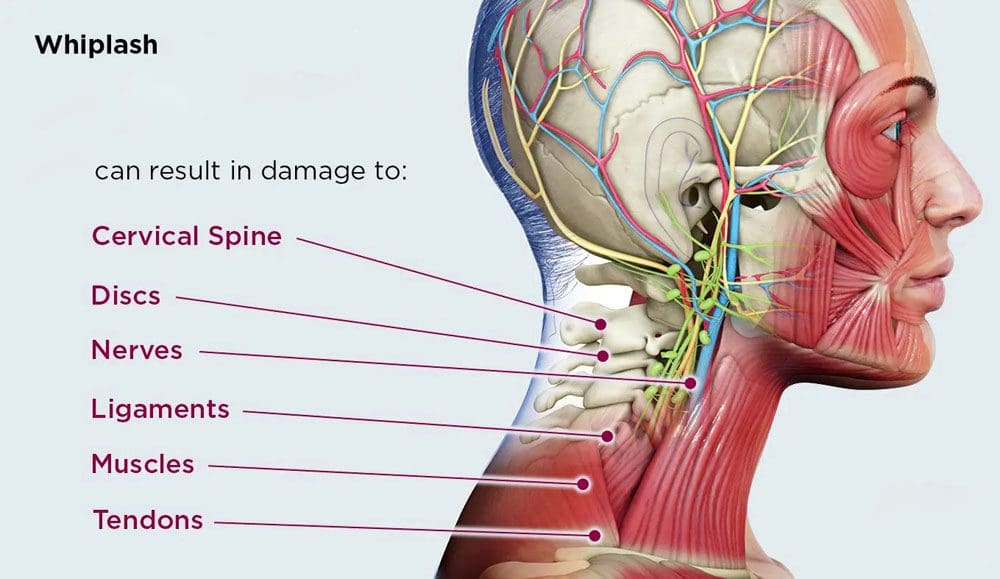
For individuals who have recently been in an automobile accident, once the initial neck pain and stiffness have passed, it’s crucial to recognize potential delayed symptoms, such as nerve damage. While many recover quickly, some may experience prolonged symptoms requiring more aggressive treatment and management.
Neck Injury
Whiplash injuries result from sudden, forceful whipping back and forth of the head, commonly occurring in rear-end vehicle collisions, and are one of the most common neck injuries. Other potential causes include: (Johns Hopkins Medicine, 2024)
Following a healthcare provider’s recommendations regarding medication use, including dosage and duration, is critical to managing symptoms while effectively minimizing potential side effects.
Rehabilitation Steps
To determine the appropriate treatment whiplash rehabilitation plan, a healthcare provider will assess how much the pain affects daily life, including mental health and the ability to do regular activities (American Academy of Physical Medicine and Rehabilitation, 2024). X-rays or other imaging tests will be done to determine how serious the damage to the neck or spine is. Resting and icing the injured area are recommended to relieve inflammation. A provider may recommend slowly increasing neck movements several times daily and continuing with normal daily activities, as exercise will help maintain flexibility. Not moving the neck may prolong pain, stiffness, and healing. Physical therapy may be recommended if symptoms continue for over one or two weeks. (American Academy of Physical Medicine and Rehabilitation, 2024)
Symptoms last longer than the healthcare provider estimated
Other symptoms develop, like weakness, numbness, or a sensation of pins and needles.
Long-Term Injury Side Effects
Individuals in whiplash rehabilitation usually recover in a few weeks to months, but some may have longer-lasting pain as the injury can cause nerve damage. (Fundaun J. et al., 2022) Discuss any new or worsening symptoms with a healthcare provider for guidance. (Johns Hopkins Medicine, 2024)
Over-the-counter pain relievers, such as acetaminophen or NSAIDs.
Muscle relaxants for tightness and tension.
Prescription pain medications.
If pain becomes chronic, antidepressants such as serotonin and norepinephrine reuptake inhibitors may be prescribed. These medications can help manage pain and improve sleep quality. (Ferreira G. E. et al., 2023) For severe inflammation and pain, corticosteroid injections directly into the affected area can provide relief. Healthcare providers administer these injections, offering long-lasting effects. (Harvard Health Publishing, 2015)
Injury Medical Chiropractic and Functional Medicine Clinic
Navigating a whiplash injury can be challenging, but understanding the whiplash rehabilitation process can significantly aid in recovery. A healthcare provider can determine the most effective treatment strategies. It is important to talk with a healthcare provider to determine the cause and extent of the injury to provide individualized patient education regarding treatment. This can include physical therapy, rest, health coaching, medication, and surgery, which may be recommended in certain cases. Overcoming these limitations is possible. Injury Medical Chiropractic and Functional Medicine Clinic works with primary healthcare providers and specialists to develop an optimal health and wellness solution. We focus on what works for you to relieve pain, restore function, prevent injury, and help mitigate the pain through spinal adjustments that help the body realign itself. They can also work with other medical professionals to integrate a treatment plan to resolve musculoskeletal issues.
American Academy of Physical Medicine and Rehabilitation. (2024). Cervical whiplash. https://www.aapmr.org/about-physiatry/conditions-treatments/musculoskeletal-medicine/cervical-whiplash
Rush University Medical Center. (2014). 5 facts about whiplash. https://www.rush.edu/news/5-facts-about-whiplash
National Library of Medicine. MedlinePlus. (2024). Whiplash. Retrieved from https://medlineplus.gov/ency/imagepages/9853.htm
National Health Service NHS. (2023). Whiplash. https://www.nhs.uk/conditions/whiplash/
University of Rochester Medical Center. (2024). Whiplash injury. https://www.urmc.rochester.edu/encyclopedia/content.aspx?contenttypeid=85&contentid=p01388
National Library of Medicine. MedlinePlus. (2020). Pregabalin. Retrieved from https://medlineplus.gov/druginfo/meds/a605045.html
Fundaun, J., Kolski, M., Baskozos, G., Dilley, A., Sterling, M., & Schmid, A. B. (2022). Nerve pathology and neuropathic pain after whiplash injury: a systematic review and meta-analysis. Pain, 163(7), e789–e811. https://doi.org/10.1097/j.pain.0000000000002509
National Institute of Arthritis and Musculoskeletal and Skin Diseases. (2023). Back pain: diagnosis, treatment, and steps to take. Retrieved from https://www.niams.nih.gov/health-topics/back-pain/diagnosis-treatment-and-steps-to-take
Ferreira, G. E., Abdel-Shaheed, C., Underwood, M., Finnerup, N. B., Day, R. O., McLachlan, A., Eldabe, S., Zadro, J. R., & Maher, C. G. (2023). Efficacy, safety, and tolerability of antidepressants for pain in adults: overview of systematic reviews. BMJ (Clinical research ed.), 380, e072415. https://doi.org/10.1136/bmj-2022-072415
Harvard Health Publishing. (2015). New recommendations aim to improve safety of pain-relieving spinal steroid injections. Harvard Health Publishing
Harvard Medical School. https://www.health.harvard.edu/blog/new-recommendations-aim-to-improve-safety-of-pain-relieving-spinal-steroid-injections-201505077991
For individuals who are looking for a whipped cream substitute for a dairy-free alternative, what are the options to choose from?
Whipped Cream Substitute
Individuals may want to use a whipping cream substitute if they have a dairy allergy, prefer a plant-based lifestyle, or are choosing low-fat foods. Whipping cream is made from milk and contains the same proteins found in milk and other dairy products that individuals with a dairy allergy may react to. However, heavy whipping and whipped cream contain small amounts of lactose and are safe for those with lactose intolerance. (University of Virginia, 2022) Because of this, individuals do not need to seek a whipping cream substitute if they are lactose intolerant. Fortunately, there are several dairy-free options and whipping cream alternatives.
Nutrition
The nutrition information for one tablespoon or 15 grams of light whipping cream. (USDA, FoodData Central, 2018)
Whipping and whipped cream are both high in calories due to their high fat content. Dairy fat and heart health have been issues; however, recent research suggests that dairy fat intake is associated with lower cardiovascular disease risk. (Trieu K. et al., 2021)
Substitutes
Coconut Milk
The nutritional value of coconut milk is similar to that of whipping cream. Coconut milk is a vegan and dairy-free alternative to whipped cream. It contains just the right amount of fat for whipping. To make perfect peaks with canned coconut milk, chill the can overnight and beat with a hand or stand mixer until soft and fluffy. Sifted powdered sugar and stevia make the best sweeteners because they will not weigh them down. The coconut milk adds coconut flavor. One tablespoon or 15 grams of coconut milk has 30 calories, 0.3 grams of protein, 3.2 grams of fat, and 0.4 grams of carbohydrates. (USDA, FoodData Central, 2018)
Silken Tofu Pureed with Soy Milk
Another vegan and dairy-free whipping cream substitute is made with silken tofu, soy milk, sugar, and vanilla extract. Because tofu is high in protein and low fat, this alternative is lower in fat than dairy whipping cream but is higher in carbohydrates. To make:
Combine 1 pound of silken tofu, one tablespoon of vanilla extract, and 1/4 cup of sugar in a blender or food processor until smooth.
While the machine is running, gradually add the soy milk until it becomes light and fluffy.
Refrigerate until ready to serve.
Powdered Milk, Vanilla Extract, and Lemon Juice
Combine 1/2 cup cold water, two tablespoons lemon juice, and one teaspoon vanilla extract in a large bowl.
Sprinkle 1/2 cup non-fat powdered milk over the water and beat with an electric mixer or beater for 4 minutes or until stiff.
Then beat in 1/4 cup granulated sugar until it dissolves and the mixture is smooth.
Chill for at least 30 minutes before using.
Powdered milk is dairy, so it is not ideal for plant-based diets or people with dairy allergies.
Evaporated Milk and Lemon Juice
Combine a can of chilled evaporated milk with one teaspoon of lemon juice.
Beat with an electric mixer until smooth and creamy.
Egg Whites, Sugar, and Bananas
Whip two large ripe bananas with two egg whites and three teaspoons of sugar until fluffy.
Be careful not to overbeat.
Flour, Cornstarch, and Milk
A low-fat, low-carb cream. To make:
One cup of almond, rice, low-fat or nonfat dairy milk, and two tablespoons of cornstarch.
Combine with a whisk.
Continue whisking and add one tablespoon of flour until the mixture is smooth.
This preparation is a solid whipping cream substitute for a thickener in recipes.
You may have to experiment to find what works for the recipe and taste, but here are a few options.
Injury Medical Chiropractic and Functional Medicine Clinic
Injury Medical Chiropractic and Functional Medicine Clinic works with primary healthcare providers and specialists to develop a personalized treatment plan. Our providers use an integrated approach to create customized care plans for each patient and restore health and function to the body. Dr. Jimenez has teamed up with top surgeons, clinical specialists, medical researchers, nutritionists, and health coaches to provide the most effective clinical treatments.
Chiropractic and Integrative Healthcare
References
University of Virginia. (2022). Lactose Content of Common Dairy Foods. https://med.virginia.edu/ginutrition/wp-content/uploads/sites/199/2022/04/Lactose_Content_of_Common_Foods-4-2022.pdf
Trieu, K., Bhat, S., Dai, Z., Leander, K., Gigante, B., Qian, F., Korat, A. V. A., Sun, Q., Pan, X. F., Laguzzi, F., Cederholm, T., de Faire, U., Hellénius, M. L., Wu, J. H. Y., Risérus, U., & Marklund, M. (2021). Biomarkers of dairy fat intake, incident cardiovascular disease, and all-cause mortality: A cohort study, systematic review, and meta-analysis. PLoS medicine, 18(9), e1003763. https://doi.org/10.1371/journal.pmed.1003763
USDA, FoodData Central. (2018). Nuts, coconut milk, canned (liquid expressed from grated meat and water). Retrieved from https://fdc.nal.usda.gov/food-details/170172/nutrients
Can modified workouts and/or having a personal trainer design an alternate fitness routine while in injury recovery help injured individuals and athletes maintain fitness?
Maintain Fitness During Injury Recovery
Individuals with personal, work, or sports injuries must take time off to rest, recover, and rebuild. However, there are ways to maintain fitness and endurance levels while unable to engage in full workouts and exercise.
Fitness Base
Injured individuals and athletes will lose a certain amount of fitness during recovery. After all, the body is injured and needs to focus most of its attention on healing to get back to normal. Deconditioning is a fact of life when the body stops exercising, but there are ways to stay active to maintain a fitness base. Individuals can modify or scale back exercise. Before exercising after an injury, get a doctor’s approval. Then, follow their recommendations. (Garber C. E. et al., 2011)
Even if one body part or joint is immobilized, cross-training principles can help individuals discover new ways to stay fit while rehabilitating. The key is to have the right attitude and remain active within tolerance levels until the injury is healed. Trying new things may take some creativity and flexibility, but most find training through injury is possible and not difficult. Here are ways to continue working out while recovering.
Lower Back Injury Workout
Talk with a doctor or sports doctor to understand exercise limitations before modifying workouts. Walking, swimming, or recumbent cycling are generally safe for individuals with a lower back injury. These workouts can help maintain cardiovascular fitness. An example of a modified workout may consist of the following:
Warm up before exercising.
Perform the workout on Monday, Wednesday, and Friday.
Perform each exercise for 30 to 60 seconds with 15 seconds of rest between exercises.
Complete the entire circuit three to four times.
Complete 30 to 60 minutes of non-weight-bearing cardiovascular exercises on Tuesday, Thursday, and Saturday.
Chest Press
Lat Pulldown
Overhead Press
Leg Extension
Wall Sit
Shoulder and Elbow Injury Workout
Shoulder or other upper body injuries often make it possible to continue traditional cardiovascular exercise because the lower body can be fully exercised. Walking, stair climbing, stationary cycling like an under-desk bike, and the elliptical trainer all work. Circuit training routines will maintain strength and power in the non-injured muscles and joints. The following example routine can be done four to five times weekly.
Warm-up.
Perform each exercise for 30 to 60 seconds, allowing 15 seconds of rest between exercises.
Complete the entire routine three to four times.
Stationary cycling for two minutes at a moderate pace and two at a higher intensity.
Leg Press
Elliptical trainer for two minutes at a moderate pace and two at a higher intensity.
Ab Crunches
Walking Lunges
Low Back Extensions
Treadmill walking for two minutes at a moderate pace and two at a higher intensity or incline.
Wall sits
Ankle and Foot Injury Workout
If the doctor approves, individuals can use a rowing machine or a stationary bike with one leg or swim a few laps. As a doctor or physical therapist recommends, individuals may also need an ankle brace or other support. A sports doctor or personal trainer can help recommend other non-weight-bearing cardiovascular exercises for 30 to 60 minutes three times weekly. Here is a sample workout to try:
Warm-up.
Perform the workout on Monday, Wednesday, and Friday.
Perform each exercise for 30 to 60 seconds with 15 seconds rest between exercises.
Complete the workout three to four times.
Leg Extensions
Chest Press
Lat Pulldown
Overhead Press
Seated Cable Rows
Incline Push-Up
Bicycle Crunches
Hanging Leg Raise
Leg and Knee Injury Workout
Leg and knee injuries can be limiting, as most endurance exercise requires flexion and knee joint extension. One-legged cycling or using an upper-body ergometer/handcycle are options. Swimming may be possible if the individual uses a pull buoy to keep them from kicking or using their legs. Here are two circuit workout examples:
Circuit 1
Warm-up.
Perform this on Monday, Wednesday, and Friday.
Perform each exercise for 30 to 60 seconds with 15 seconds of rest between exercises.
Complete the workout three to four times.
Pull-Up or Assisted Pull-Up
Chest Press
Lat Pulldown
Overhead Press
Circuit 2
Warm-up.
Perform the workout on Tuesday, Thursday, and Saturday.
Perform each exercise for 30 to 60 seconds with 15 seconds of rest between exercises.
Complete the workout three to four times.
Seated Russian Twist
Ab Crunch
V-Sit ab exercise
Injury Medical Chiropractic and Functional Medicine Clinic
Individuals may need significant rest time to heal properly, so consult a doctor on the balance of rest and training. Doing the exercises prescribed by the physical therapist during rehabilitation is important. Injury Medical Chiropractic and Functional Medicine Clinic works with primary healthcare providers and specialists to develop an optimal health and wellness solution. We focus on what works for you to relieve pain, restore function, and prevent injury. Regarding musculoskeletal pain, specialists like chiropractors, acupuncturists, and massage therapists can help mitigate the pain through spinal adjustments that help the body realign itself. They can also work with other medical professionals to integrate a treatment plan to resolve musculoskeletal issues.
Treating Ankle Sprains
References
Garber, C. E., Blissmer, B., Deschenes, M. R., Franklin, B. A., Lamonte, M. J., Lee, I. M., Nieman, D. C., Swain, D. P., & American College of Sports Medicine (2011). American College of Sports Medicine position stand. Quantity and quality of exercise for developing and maintaining cardiorespiratory, musculoskeletal, and neuromotor fitness in apparently healthy adults: guidance for prescribing exercise. Medicine and science in sports and exercise, 43(7), 1334–1359. https://doi.org/10.1249/MSS.0b013e318213fefb
IFM's Find A Practitioner tool is the largest referral network in Functional Medicine, created to help patients locate Functional Medicine practitioners anywhere in the world. IFM Certified Practitioners are listed first in the search results, given their extensive education in Functional Medicine