
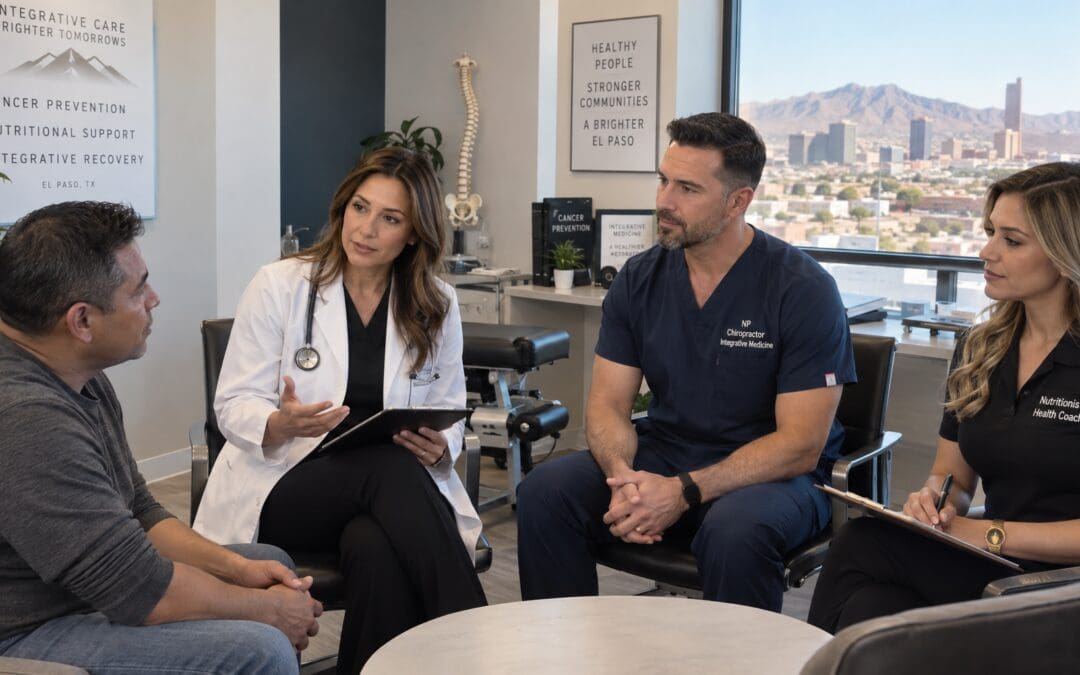
Multidisciplinary chiropractic care offers targeted relief for alcohol-induced conditions. Explore non-invasive approaches that support recovery and improve quality of life.
Contents
Introductory Abstract
Public awareness that regular alcohol consumption raises the risk of developing cancer later in life has rebounded to 58 percent of U.S. adults, according to a nationally representative poll conducted by the Annenberg Public Policy Center of the University of Pennsylvania from September 22 to October 5, 2026 (Thompson, 2026). This figure sits five percentage points higher than February 2026 levels and roughly matches the 56 percent awareness recorded in February 2025, shortly after the former U.S. Surgeon General issued an advisory establishing a causal link between alcohol and at least seven types of cancer. Ongoing media coverage of research showing alcohol-related cancer deaths more than doubling over three decades has helped restore this knowledge, even as 24 percent of Americans remain unsure and 17 percent incorrectly believe no link exists. Confusion has been fueled in part by the 2025-2030 Dietary Guidelines for Americans, which dropped explicit cancer warnings while still advising limits on drinking for overall health.
This educational post, written by Dr. Alexander Jimenez, DC, APRN, FNP-BC, CFMP, IFMCP, ATN, CCST, walks readers through the latest evidence-based findings on alcohol as a carcinogen, the symptoms and comorbidities it can affect, and the physiological pathways involved. It then explains what chiropractic care is and how integrative, multidisciplinary non-surgical treatments work hand in hand with medical oversight. At Injury Medical Clinic PA (also known as Mission Plaza Injury Medical Clinic) in El Paso, Texas, Dr. Jimenez collaborates with Dr. Maria Guadalupe Cardenas, MD (Board Certified in Internal Medicine, NPI #1164426749, Texas MD License #J2933), who serves as Medical Director and Collaborative Physician with more than 40 years of experience as an internist. The post details how their team integrates chiropractic care, functional medicine, personal injury care, rehabilitation, and related services to address musculoskeletal pain and its comorbidities. Readers will see how chiropractic adjustments, soft-tissue work, and guided rehabilitation reduce pain, restore function, and support whole-person wellness, and how these approaches can become a sustainable part of a health routine. The narrative draws on modern research methods and clinical observations to make complex science accessible.
Understanding the Rebound in Public Awareness of Alcohol’s Cancer Risk From the 2026 Annenberg Poll
Nearly six in ten Americans now recognize that regular drinking increases the odds of developing cancer later in life. The Annenberg Science and Public Health survey of 1,842 U.S. adults, conducted with a margin of error of plus or minus 3.2 percentage points, found 58 percent awareness (Annenberg Public Policy Center, 2026). This rebound follows a dip to 53 percent in February 2026 and returns knowledge close to the February 2025 level of 56 percent. Overall awareness stands 18 percentage points higher than the 40 percent recorded when the question was first asked in September 2024.
Laura Gibson, senior data analyst at the Annenberg Public Policy Center, observed that ongoing media coverage plays an important role in amplifying the general public’s awareness of health risks (Thompson, 2026). Shortly before the October survey, University of Miami researchers reported that alcohol-related cancer deaths had more than doubled over three decades. Coverage of that finding, combined with the lasting impact of the January 2025 Surgeon General advisory, helped the numbers recover even though the newer Dietary Guidelines removed explicit language about cancer.
The advisory by former Surgeon General Dr. Vivek Murthy stated that alcohol consumption is the third leading preventable cause of cancer in the United States, after tobacco and obesity, contributing to about 100,000 cases and 20,000 deaths annually (Office of the Surgeon General, 2025). It established a causal relationship for at least seven types of cancer regardless of whether the drink is beer, wine, or spirits. Risk rises with total exposure, and for some cancers the increase begins at levels many people consider moderate—one or fewer drinks per day.
Despite the rebound, more than four in ten Americans still do not recognize the link. Twenty-four percent are unsure, and 17 percent believe alcohol does not affect cancer risk. This gap matters clinically because patients who do not connect drinking with long-term disease risk may continue patterns that also slow musculoskeletal healing, disrupt sleep, and increase inflammation. At clinics that treat both injury and systemic health, this awareness becomes part of the intake conversation.
How Alcohol Acts as a Carcinogen and the Seven Types of Cancer Linked to Drinking
Alcohol is classified as a Group 1 carcinogen by the International Agency for Research on Cancer. Observational, biological, and genetic studies have confirmed a causal link at seven sites: female breast, colorectum, esophagus, liver, oral cavity (mouth), pharynx (throat), and larynx (voice box) (Office of the Surgeon General, 2025). In 2019, an estimated 96,730 alcohol-related cancer cases occurred in the United States, with the largest share being breast cancer in women (approximately 44,180 cases, or 16.4 percent of total breast cancers that year).
Ethanol’s primary metabolite is acetaldehyde, a highly reactive compound that forms DNA adducts and interferes with DNA repair. When acetaldehyde accumulates—especially in individuals with genetic variants that slow its clearance—it promotes mutations. Alcohol also generates reactive oxygen species that damage cellular membranes and DNA, creating oxidative stress. Chronic low-grade inflammation follows, elevating cytokines that support a microenvironment favorable to tumor growth. In the liver, repeated injury leads to fibrosis and cirrhosis, which themselves raise hepatocellular carcinoma risk. In the breast, alcohol increases circulating estrogen levels, stimulating hormone-sensitive tissue. In the upper aerodigestive tract, alcohol acts as a solvent that enhances the absorption of other carcinogens, such as those from tobacco.
Dose matters. Two drinks per day is estimated to produce about five additional cancers per 100 women and three additional cancers per 100 men compared with abstinence (Office of the Surgeon General, 2025). Even lower intakes carry measurable risk for breast, mouth, and throat cancers. These mechanisms operate independently of any musculoskeletal complaint. Yet, they intersect with pain management because patients seeking relief for back or joint pain may use alcohol for its short-term sedative effect, unknowingly compounding long-term risk.
Symptoms and Comorbidities of Alcohol Related Cancer Risk Affecting the Whole Body
Symptoms of alcohol-related cancers vary by site but often include persistent pain, unexplained weight loss, fatigue, difficulty swallowing, changes in bowel habits, or a new mass. Comorbidities amplify both cancer risk and musculoskeletal burden. Obesity, diabetes, and alcoholic liver disease raise the chance of more advanced disease and poorer survival (Abraham et al., 2025). Alcoholic myopathy produces proximal muscle weakness and wasting through suppressed protein synthesis and mitochondrial dysfunction. Bone mineral density declines because alcohol inhibits osteoblast activity, increasing osteoporosis and fracture risk. Peripheral neuropathy from toxic effects and nutritional deficiency (especially thiamine) causes burning pain, numbness, and gait instability that can be mistaken for radiculopathy.
Sleep architecture suffers. Alcohol shortens sleep onset yet suppresses REM early, and fragments sleep later, reducing restorative deep sleep when growth hormone peaks (National Institute on Alcohol Abuse and Alcoholism, 2026). Next-day pain sensitivity rises, muscle tension increases, and tissue repair slows. Medication interactions further complicate care: alcohol potentiates opioid sedation and respiratory depression, heightens acetaminophen hepatotoxicity, and increases gastrointestinal bleeding risk with NSAIDs. These overlapping problems create a cycle in which pain drives drinking, drinking worsens healing and cancer risk, and both feed systemic inflammation.
Chronic pain and alcohol use disorder frequently co-occur. Shared central nervous system mechanisms involving reward and stress pathways mean that each condition can worsen the other (Maleki et al., 2024). Musculoskeletal pain, in particular, is both a consequence and a driver of heavier drinking. Patients may report that alcohol “takes the edge off” stiffness, only to awaken with greater fatigue and tighter muscles.
Physiological Mechanisms Behind Alcohol’s Impact on Cancer and Musculoskeletal Health
Ethanol is metabolized primarily by alcohol dehydrogenase to acetaldehyde, then by aldehyde dehydrogenase to acetate. When capacity is exceeded, acetaldehyde binds DNA and proteins, forming adducts that mutate genes regulating cell growth. Cytochrome P450 2E1 induction further generates free radicals, depleting glutathione and amplifying oxidative damage. Inflammatory signaling via NF-κB elevates TNF-α, IL-6, and other cytokines that promote angiogenesis and inhibit apoptosis.
In skeletal muscle, alcohol suppresses the Akt/mTOR pathway that drives protein synthesis while activating degradation pathways involving myostatin and ubiquitin ligases. Mitochondrial dysfunction reduces ATP production, leading to weakness and delayed repair after strain or injury. In bone, osteoblast differentiation and collagen synthesis are impaired, shifting remodeling toward resorption. Tendon and ligament collagen remodeling is disrupted, weakening the extracellular matrix. In the nervous system, direct toxicity plus B-vitamin deficiency demyelinate peripheral nerves, producing the stocking-glove sensory loss of alcoholic neuropathy.
These same processes delay recovery from soft-tissue or spinal injury. Growth factors needed for angiogenesis and cell migration are suppressed, and the inflammatory phase of healing is prolonged rather than resolved. Clinically, patients who continue drinking during rehabilitation often show slower gains on functional measures such as the Oswestry Disability Index and greater night pain. The reasoning for addressing alcohol is therefore both oncologic and orthopedic: reducing exposure lowers mutation burden and simultaneously restores the metabolic environment required for musculoskeletal repair.
What Chiropractic Care Is and How It Fits Into Multidisciplinary Non-Surgical Treatment
Chiropractic care is a non-surgical, hands-on discipline focused on diagnosing, treating, and preventing neuromusculoskeletal disorders, particularly those involving the spine and extremities. Doctors of Chiropractic use spinal and joint adjustments—controlled, specific forces applied to restricted segments—to restore mobility, reduce abnormal afferent input, and decrease protective muscle spasm. Soft-tissue techniques, therapeutic exercise, and patient education complement the adjustment. The goal is to improve joint mechanics, normalize proprioceptive signaling, and allow the nervous system to down-regulate pain.
In an integrative setting, chiropractic care is not practiced in isolation. It follows medical screening for red-flag conditions (fracture, infection, malignancy, progressive neurologic deficit) and is coordinated with functional medicine assessments that examine nutrition, inflammation, and metabolic contributors. Non-surgical treatments such as spinal decompression, acupuncture, and progressive loading programs work alongside adjustments because each addresses a different layer of the same problem: mechanical restriction, soft-tissue fibrosis, and deconditioning. The clinical reasoning is that pain is rarely purely structural; it is maintained by a combination of joint dysfunction, muscle guarding, inflammatory mediators, and central sensitization. Addressing multiple layers simultaneously produces more durable improvement than any single modality.
The Collaborative Team at Injury Medical Clinic PA: Dr. Jimenez and Dr. Cardenas Working Together
At Injury Medical Clinic PA in El Paso, Texas, the multidisciplinary model places medical direction and collaborative physician oversight beside chiropractic expertise. Dr. Maria Guadalupe Cardenas, MD, Board Certified in Internal Medicine with more than 40 years of experience, serves as Medical Director and Collaborative Physician. Her role includes reviewing systemic red flags, managing internal-medicine comorbidities, and providing the medical authority required for advanced diagnostics or referral when needed. Dr. Alexander Jimenez, dual-licensed as a Doctor of Chiropractic and Board Certified Family Practice Nurse Practitioner, applies both scopes in the same visit: he performs the neuromusculoskeletal examination and chiropractic interventions while also conducting nurse-practitioner-level medical evaluation for medication safety, laboratory interpretation, and care coordination.
This structure is common in integrative injury clinics precisely because personal-injury, sports, and chronic-pain patients frequently present with overlapping mechanical and medical issues. Functional medicine testing (nutrient status, inflammatory markers, metabolic panels) informs nutrition and lifestyle plans. Rehabilitation specialists guide graded exercise. The team therefore integrates chiropractic adjustments and soft-tissue care (Dr. Jimenez) with internal-medicine oversight (Dr. Cardenas), functional medicine, personal-injury documentation, and rehabilitation under one coordinated plan. Patients avoid fragmented care in which one provider treats the spine while another manages diabetes or alcohol-related laboratory abnormalities. The shared goal is root-cause resolution, not symptom suppression.
How Integrative Chiropractic Care Reduces Musculoskeletal Pain and Related Comorbidities
Spinal adjustments reduce musculoskeletal pain through several measurable pathways. Mechanoreceptor activation in the joint capsule and surrounding muscles inhibits nociceptive transmission at the spinal cord level (gate-control mechanism). Restored segmental mobility decreases abnormal muscle tone and the secondary ischemia that perpetuates pain. Improved proprioception re-educates movement patterns so that protective guarding diminishes over time. Clinical observations at the clinic show that patients who combine adjustments with graded exercise report faster reductions in Oswestry scores and better sleep once alcohol intake is also addressed.
Comorbidities improve because the same interventions support systemic recovery. Better spinal mechanics and reduced pain lower reliance on medications that interact with alcohol. Improved mobility permits the physical activity that counters alcoholic myopathy and bone loss. Patient education on sleep hygiene and nutrition—delivered within the same visit that includes medical screening—addresses the inflammatory and metabolic drivers. When alcohol-related neuropathy is present, careful neurologic examination distinguishes it from radiculopathy; laboratory evaluation for deficiencies can be ordered under medical direction, and chiropractic care focuses on maintaining joint function while the underlying deficiency is corrected. The reasoning is that musculoskeletal pain and systemic comorbidities share inflammatory and mechanical pathways; treating both simultaneously interrupts the cycle more effectively than sequential, siloed care.
Building Chiropractic Care and Non-Surgical Treatments Into Your Daily Health and Wellness Routine
Non-surgical treatments become sustainable when they are framed as skill-building rather than passive fixes. A typical integrative plan begins with medical clearance and red-flag screening, followed by a short course of adjustments to restore mobility, concurrent soft-tissue work to address fibrosis, and progressive therapeutic exercise that the patient continues at home or in the clinic’s fitness space. Nutritional counseling targets protein intake and anti-inflammatory patterns that support muscle and bone repair. Sleep hygiene education reduces the need for evening alcohol. Periodic re-evaluation tracks function objectively.
Patients learn to recognize early stiffness and apply simple mobility drills before pain escalates. Because the plan is coordinated with the medical director, laboratory follow-up for metabolic or nutritional issues occurs in parallel. The result is a routine that includes periodic chiropractic maintenance, daily movement, mindful alcohol limits (or abstinence when indicated), and medical oversight of comorbidities. Clinical experience shows that individuals who adopt this layered approach report not only less pain but also improved energy, better sleep, and greater confidence in managing their health without reliance on escalating medication or invasive procedures.
Clinical Observations From Dr Alexander Jimenez on Alcohol Injury Recovery and Holistic Care
In clinical practice, patients recovering from soft-tissue or spinal injury who reduce or pause alcohol often describe clearer sleep, less morning stiffness, and faster progress with rehabilitation. Those who continue drinking frequently note delayed gains and greater reliance on pain medication. Red-flag screening is routine: unexplained weight loss, night pain, or progressive neurologic change in a patient with significant alcohol history prompts earlier medical evaluation rather than prolonged assumption of purely mechanical pain. Once serious pathology is excluded, chiropractic care focuses on restoring joint mobility and guiding graded loading.
The dual license allows the same clinician to review medication lists for alcohol interactions and to order or interpret basic laboratory work when indicated. At the same time, Dr. Cardenas provides internal medicine direction for more complex comorbidities. Functional medicine principles further personalize care by addressing nutrient gaps and inflammatory drivers that alcohol exacerbates. These observations align with published evidence that alcohol impairs tissue repair and independently elevates cancer risk; they also underscore the practical value of keeping medical screening and chiropractic rehabilitation under one coordinated roof.
Conclusion and Next Steps for Informed Health Choices
The rebound in public awareness of alcohol’s cancer risk is welcome, yet nearly half of adults still lack clear knowledge. The same exposure that raises lifetime cancer risk also slows musculoskeletal healing, fragments sleep, and worsens pain-related comorbidities. Integrative chiropractic care, delivered within a multidisciplinary team that includes medical direction from an experienced internist, offers a non-surgical pathway to reduce pain, restore function, and support broader wellness. By combining evidence-based adjustments and rehabilitation with medical oversight, functional medicine, and patient education, clinics such as Injury Medical Clinic PA help individuals interrupt harmful cycles and build sustainable health routines.
Readers are encouraged to discuss personal alcohol use and any persistent pain with qualified clinicians who can screen for red flags and coordinate appropriate care. Awareness, followed by coordinated action, remains the most effective step.
References
- Annenberg Public Policy Center of the University of Pennsylvania. (2026, October 27). Public knowledge that alcohol causes cancer rebounds. annenbergpublicpolicycenter.org/public-knowledge-that-alcohol-causes-cancer-rebounds
- Abraham, I., et al. (2025). Risk of cancer from alcohol higher for those with certain comorbidities. Cancer Epidemiology. (As reported in related coverage.)
- Maleki, N., Thompson, B. L., Janiuk, K., et al. (2024). Managing pain in patients with comorbid alcohol use disorder and chronic pain. Current Addiction Reports, 11, 459–474. doi.org/10.1007/s40429-024-00563-1
- National Institute on Alcohol Abuse and Alcoholism. (2026). Alcohol’s effects on sleep and recovery. (Referenced in clinical literature.)
- Office of the Surgeon General. (2025, January 3). Surgeon General’s advisory on alcohol and cancer risk. U.S. Department of Health and Human Services. hhs.gov/about/news/2025/01/03/us-surgeon-general-issues-new-advisory-link-alcohol-cancer-risk.html
- Thompson, D. (2026, October 30). Public awareness of alcohol’s cancer risk has rebounded, poll reports. Drugs.com. drugs.com/news/public-awareness-alcohol-s-cancer-risk-has-rebounded-poll-reports-131823.html
SEO Tags
alcohol cancer risk, Annenberg poll 2026, Surgeon General alcohol advisory, seven types of cancer alcohol, chiropractic care El Paso, Dr Alexander Jimenez, Dr Maria Guadalupe Cardenas, Injury Medical Clinic PA, multidisciplinary non-surgical treatment, musculoskeletal pain alcohol, integrative chiropractic, functional medicine El Paso, personal injury chiropractic, alcohol and back pain, evidence-based chiropractic, red flag screening back pain, non-surgical pain relief, health and wellness routine, acetaldehyde carcinogenesis, alcoholic myopathy, sleep disruption alcohol pain
General Disclaimer, Licenses, and Board Certifications *
Professional Scope of Practice *
The information herein on "How Multidisciplinary Chiropractic Care Treats Alcohol-Induced Pain" is not intended to replace a one-on-one relationship with a qualified health care professional or licensed physician and is not medical advice. We encourage you to make healthcare decisions based on your research and partnership with a qualified healthcare professional.
Blog Information & Scope Discussions
Welcome to El Paso's Premier Wellness and Injury Care Clinic & Wellness Blog, where Dr. Alex Jimenez, DC, FNP-C, a Multi-State board-certified Family Practice Nurse Practitioner (FNP-BC) and Chiropractor (DC), presents insights on how our multidisciplinary team is dedicated to holistic healing and personalized care. Our practice aligns with evidence-based treatment protocols inspired by integrative medicine principles, similar to those on this site and on our family practice-based chiromed.com site, focusing on naturally restoring health for patients of all ages.
Our areas of multidisciplinary practice include Wellness & Nutrition, Chronic Pain, Personal Injury, Auto Accident Care, Work Injuries, Back Injury, Low Back Pain, Neck Pain, Migraine Headaches, Sports Injuries, Severe Sciatica, Scoliosis, Complex Herniated Discs, Fibromyalgia, Chronic Pain, Complex Injuries, Stress Management, Functional Medicine Treatments, and in-scope care protocols.
Our information scope is multidisciplinary, focusing on musculoskeletal and physical medicine; wellness; contributing etiological viscerosomatic disturbances within clinical presentations; associated somato-visceral reflex clinical dynamics; subluxation complexes; sensitive health issues; and functional medicine articles, topics, and discussions.
We provide and present clinical collaboration with specialists from various disciplines. Each specialist is governed by their professional scope of practice and licensure jurisdiction. We use functional health & wellness protocols to treat and support care for musculoskeletal injuries or disorders.
Our videos, posts, topics, and insights address clinical matters and issues that directly or indirectly relate to our clinical scope of practice.
Our office has made a reasonable effort to provide supportive citations and has identified relevant research studies that support our posts. We provide copies of supporting research studies upon request to regulatory boards and the public.
To discuss how these matters can assist in a specific care plan or treatment protocol, please contact Dr. Alex Jimenez, DC, APRN, FNP-BC, or reach out to us at 915-850-0900.
We are here to help you and your family.
Blessings
Dr. Alex Jimenez DC, MSACP, APRN, FNP-BC*, CCST, IFMCP, CFMP, ATN
Email: [email protected]
Multidisciplinary Licensing & Board Certifications:
Licensed as a Doctor of Chiropractic (DC) in Texas & New Mexico*
Chiropractic Licenses:
Texas DC License #: TX5807, Verified: TX5807
New Mexico DC License #: NM-DC2182, Verified: NM-DC2182
Nurse Practitioner Licenses:
Texas APRN License #: 1191402, Verified: 1191402 *
New Mexico CNP License #: 90560, Verified 90560
Florida APRN License #: 11043890, Verified: APRN11043890 *
Colorado License #: C-APN.0105610-C-NP, Verified: C-APN.0105610-C-NP
New York License #: N25929, Verified N25929
Georgia APRN License #: GAA-NP005701
Multi-State Advanced Practice Registered Nurse (APRN*) Texas & Multi-States
Multi-state Compact APRN License by Endorsement (43 States)
Compact Status: Multi-State License: Authorized to Practice in 43 States*
Nursing Licensure Compact: Updated Here
DEA Registration: (Drug Enforcement Agency Registered)
All medical (MDs) and family practice providers (FNP-APRN) are registered and licensed to offer various levels of medication.
Verify Providers Here
License Verification Link: Nursys License Verifier
* Prescriptive Authority Authorized (DEA Registered Providers). Call if Required
Board Certification:
ANCC FNP-BC: Board Certified Nurse Practitioner*
Education:
Graduate with Honors: ICHS: MSN-FNP (Family Nurse Practitioner Program)
Degree Granted. Master's in Family Practice, MSN Diploma (Cum Laude)
Dr. Alex Jimenez, DC, APRN, FNP-BC*, CFMP, IFMCP, ATN, CCST
(Board Certified: Family Practice Nurse Practitioner—Multistate)*
(Licensed Nurse Practitioner & Chiropractor - Multistate)*
Clinical Director
DC & FNP License (Review Above)
Digital Business Card
NPI: 1205907805
Dr. Maria Cardenas, MD
(Board Certified: Internal Medicine)
(Licensed Medical Doctor)
Medical Director, Clinical Director & Collaborative Physician
NPI # 1164426748
MD License #: J2933
Licenses and Board Certifications:
MD: Medical Doctor
DC: Doctor of Chiropractic
APRNP: Advanced Practice Registered Nurse
FNP-BC: Family Practice Specialization (Multi-State Board Certified)
FNP-BC: Family Practice Across Life Span (Neonatal to Geriatrics)
RN: Registered Nurse (Multi-State Compact License)
CFMP: Certified Functional Medicine Provider
MSN-FNP: Master of Science in Family Practice Medicine
MSACP: Master of Science in Advanced Clinical Practice
IFMCP: Institute of Functional Medicine
CCST: Certified Chiropractic Spinal Trauma
ATN: Advanced Translational Neutrogenomics
Family with Primary Care Focus (Family Nurse Practitioner or FNP)
- The Family Nurse Practitioner (FNP) promotes, maintains, and restores health for individuals and families across the lifespan. FNPs also identify health risks, promote wellness, and diagnose and manage acute and chronic illness.
- The FNP focuses on comprehensive primary care, promoting healthy lifestyles for patients across the lifespan in settings such as private practice, physician offices, and community health centers.
Memberships & Associations:
TCA: Texas Chiropractic Association: Member ID: 104311
TNA: Texas Nurse Association: Member ID: 06458222
TNP: Texas Nurse Practitioner Association ID: 2025091511
AANP: American Association of Nurse Practitioners: Member ID: 2198960
ANA: American Nurses Association: Member ID: 06458222 (District TX01)
| Primary Taxonomy | Selected Taxonomy | State | License Number |
|---|---|---|---|
| No | 111N00000X - Chiropractor | NM | DC2182 |
| Yes | 111N00000X - Chiropractor | TX | DC5807 |
| Yes | 363LF0000X - Nurse Practitioner - Family | TX | 1191402 |
| Yes | 363LF0000X - Nurse Practitioner - Family | FL | 11043890 |
| Yes | 363LF0000X - Nurse Practitioner - Family | CO | C-APN.0105610-C-NP |
| Yes | 363LF0000X - Nurse Practitioner - Family | NY | N25929 |
| Yes | 363LF0000X - Nurse Practitioner - Family | NM |
90560 |
| Yes | 363LF0000X - Nurse Practitioner - Family | GA | GAA-NP005701 |
Dr. Alex Jimenez, DC, APRN, FNP-BC*, CFMP, IFMCP, ATN, CCST
(Board Certified: Family Practice Nurse Practitioner—Multistate)*
(Primary Care Across Lifespan—Neonatal / Pediatric / Adult / Geriatrics)
(Licensed Nurse Practitioner & Chiropractor - Multistate)*
Clinical Director
Digital Business Card
NPI: 1205907805
Dr. Maria Cardenas, MD
(Board Certified: Internal Medicine)*
(Licensed Medical Doctor)*
Medical Director, Clinical Director & Collaborative Physician
NPI # 1164426748
MD License #: J2933
📆 Schedule Appointment: Schedule 24/7 (Click Here)









