
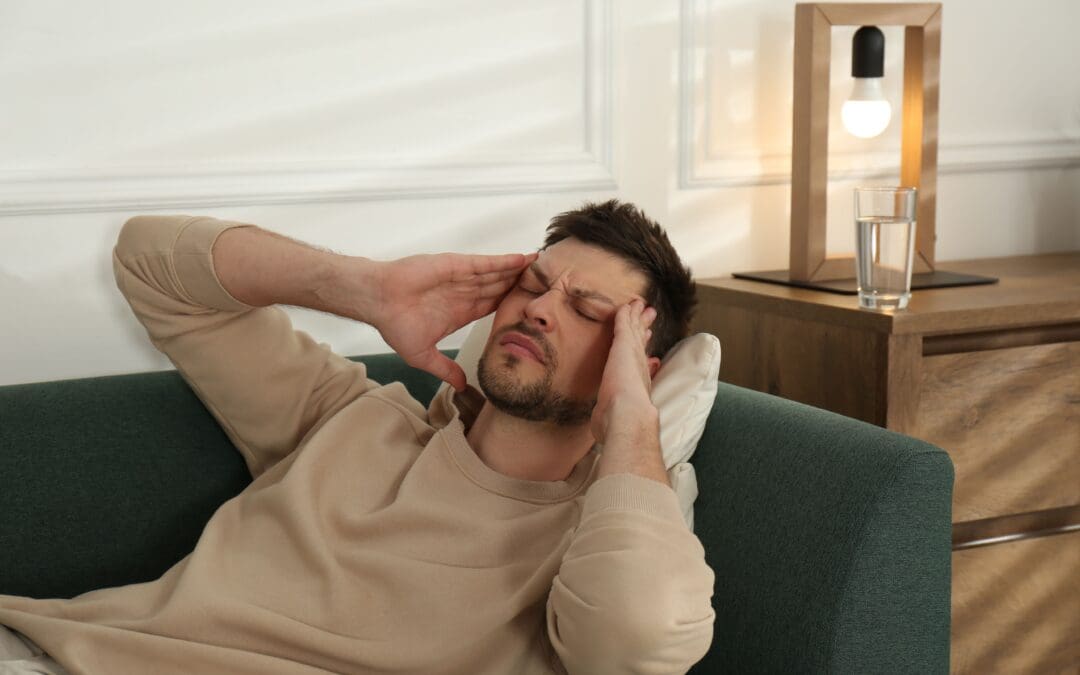
Discover how chiropractic rehabilitation for cluster headaches can provide relief and enhance your overall well-being with expert care.
Contents
Abstract
Cluster headaches represent one of the most severe forms of primary headache disorders, producing excruciating unilateral pain that profoundly disrupts neurological, autonomic, and circadian systems. This educational post explores the physiological mechanisms underlying these attacks, the full spectrum of symptoms, and the far-reaching effects on daily function, mental health, work, and relationships. It addresses the critical requirement of establishing medical and legal causation in personal injury courtroom cases involving post-traumatic or aggravated cluster headache phenotypes, emphasizing objective documentation, temporal linkage, and expert analysis. The discussion then examines chiropractic care as a non-surgical, evidence-informed intervention that targets upper cervical biomechanics, the trigeminocervical complex, and autonomic balance. Integrative approaches combining chiropractic adjustments, soft-tissue work, functional medicine, and rehabilitation are shown to reduce attack frequency, intensity, and associated comorbidities such as sleep disruption, anxiety, and cervical dysfunction. Clinical observations from practice illustrate how these methods provide insight into injury mechanisms and support recovery. Finally, the multidisciplinary model at Injury Medical Clinic PA in El Paso, Texas—where Dr. Alexander Jimenez, DC, APRN, FNP-BC, CFMP, IFMCP, ATN, CCST collaborates with Medical Director and Collaborative Physician Dr. Maria Guadalupe Cardenas, MD (Board Certified in Internal Medicine, NPI #1164426749, Texas MD License #J2933)—demonstrates coordinated care that safely integrates medical oversight with chiropractic, functional, and rehabilitative strategies for sustainable wellness.
Understanding Cluster Headaches and Their Profound Effects on the Body
Cluster headaches are classified among the trigeminal autonomic cephalalgias. They produce attacks of severe or very severe unilateral orbital, supraorbital, or temporal pain lasting 15 to 180 minutes when untreated, occurring from once every other day to eight times daily, and accompanied by ipsilateral cranial autonomic features or restlessness (Headache Classification Committee of the International Headache Society, 2018).
The hypothalamus plays a central role. Neuroimaging and clinical patterns show activation in the posterior hypothalamic gray matter during attacks. This region regulates the body’s biological clock, explaining the characteristic circadian timing—attacks often begin one to two hours after sleep onset—and circannual clustering (Mayo Clinic, 2025; Schindler & Burish, 2022). Hypothalamic dysfunction is thought to lower the threshold for trigeminal activation, allowing peripheral or environmental triggers to precipitate attacks during active bouts.
The trigeminovascular system becomes activated. Sensory neurons of the first division of the trigeminal nerve release neuropeptides, including calcitonin gene-related peptide (CGRP), substance P, and others, around cranial vessels and dura. Researchers have measured elevated CGRP levels in jugular venous blood during attacks, and intravenous CGRP infusion reliably provokes typical attacks in patients during an active episodic bout or with chronic cluster headache, but not during remission (Vollesen et al., 2018). This peripheral activation feeds into central pathways, amplifying pain perception.
Simultaneously, the trigeminal-autonomic reflex engages. Signals reach the superior salivatory nucleus, producing ipsilateral parasympathetic outflow that accounts for tearing, nasal congestion or rhinorrhea, eyelid edema, and conjunctival injection. Partial sympathetic impairment contributes to miosis and ptosis (partial Horner syndrome). The result is a tightly lateralized, dramatic autonomic picture that distinguishes cluster headache from most other headache types.
Vascular changes occur secondarily. Vasodilation follows neuropeptide release rather than initiating the attack. Central disinhibition of nociceptive and autonomic pathways, combined with genetic susceptibility (reported in a minority of cases) and lifestyle factors such as smoking, completes the current pathophysiological model (Frontiers in Neurology, 2024; Osmosis, 2026).
Comorbidities arise from these same systems. Repeated nocturnal attacks fragment sleep architecture, elevate sympathetic tone, and contribute to anxiety, depression, and, in some patients, suicidal ideation during bouts—the condition has long been called the “suicide headache.” Cervical somatic dysfunction frequently coexists, whether primary or secondary, because C1–C3 afferents converge densely with trigeminal second-order neurons in the trigeminocervical complex. Mechanical irritation or inflammation in the upper cervical joints, suboccipital muscles, or dura can lower the threshold for central sensitization and referred craniofacial pain.
Recognizing the Diverse Symptoms of Cluster Headaches
Attacks begin abruptly, often reaching peak intensity within five to ten minutes. Patients describe the pain as sharp, stabbing, drilling, or burning, localized behind or around one eye, and sometimes radiating to the temple, forehead, cheek, jaw, or neck. Side-locked laterality is typical within a bout, although side-shift between bouts can occur.
Ipsilateral autonomic signs are nearly universal:
- Conjunctival injection and/or lacrimation (present in approximately 84–91 percent of patients)
- Nasal congestion and/or rhinorrhea
- Eyelid edema
- Forehead and facial sweating or flushing
- Miosis and/or ptosis
- Sensation of fullness in the ear (recognized in alternative criteria)
Restlessness or agitation is a diagnostic criterion. Unlike migraine, in which patients prefer to lie still in a dark room, individuals with cluster headache pace, rock, or cannot remain seated (AAFP, 2022; StatPearls, 2023).
Circadian and circannual patterns are striking. Most attacks occur at night. Cluster periods (bouts) last weeks to months, followed by remissions of three months or longer in the episodic form. The chronic form persists for a year or more with remissions shorter than three months (ICHD-3 criteria). Common triggers during a bout include alcohol, nitrates, strong odors, heat, and, in some reports, trauma.
Pre-episode symptoms (prodromes) may include mild head or facial discomfort, restlessness, sleep disturbance, fatigue, or neck tightness in the days before a bout begins. After an attack, patients often feel exhausted yet pain-free until the next episode.
How Cluster Headaches Disrupt Day-to-Day Life and Affect the Individual
During an active bout, the functional impact is immediate and severe. Nighttime attacks repeatedly interrupt sleep, producing cumulative sleep debt, daytime fatigue, and impaired concentration. Work attendance and productivity decline; many patients miss days or reduce hours. Social and family roles suffer because the unpredictability and intensity of attacks lead to canceled plans, isolation, and fear of triggering an episode.
The psychological burden is substantial. Lifetime prevalence of depression is elevated compared with the general population. Anxiety about the next attack, the duration of the bout, and the possibility of chronification is common. Suicidal ideation occurs at higher rates than in the general population during severe bouts, although completed suicide remains rare (StatPearls, 2023; Frontiers in Neurology, 2024). Quality-of-life measures consistently show marked reductions in physical, emotional, and social domains.
Even between attacks within a bout, residual autonomic changes, mild background discomfort, or anticipatory anxiety can limit activity. In the chronic form, the near-continuous presence of attacks removes the restorative remissions that episodic patients eventually experience, amplifying disability.
Establishing Causation in Personal Injury Cases Involving Cluster Headaches
In a personal injury courtroom, the plaintiff must prove that the defendant’s negligence caused or materially contributed to the headache disorder or its aggravation. For cluster headache or a cluster phenotype of post-traumatic headache, causation analysis rests on both medical science and legal standards (typically “more likely than not” or material contribution).
The International Classification of Headache Disorders, 3rd edition, defines post-traumatic headache as one that develops within seven days of the trauma (or of regaining consciousness or of the ability to report pain). Delayed-onset variants are also recognized. When the phenotype meets full criteria for cluster headache and the temporal relationship is clear, the diagnosis of post-traumatic headache with cluster features can be made (Grangeon et al., 2020).
Key elements of justification include:
- Detailed pre- and post-injury headache diaries documenting onset, frequency, intensity, duration, laterality, and autonomic features.
- Medical records showing the absence of, or a different character of, headaches before the incident.
- Imaging and examination findings that exclude other secondary causes and document concurrent cervical or soft-tissue injury.
- Expert testimony linking the biomechanical forces of the trauma (for example, whiplash-type acceleration-deceleration) to upper cervical dysfunction capable of activating the trigeminocervical complex and lowering the threshold for hypothalamic or trigeminal dysregulation.
- Application of accepted causation frameworks (Hill criteria adapted for clinical use, or methodologies taught in orthopedic and neurological forums) that evaluate temporality, strength of association, biological plausibility, consistency, and dose-response.
Subjective symptoms such as headache require this supportive documentation; pure subjective complaints without temporal linkage or objective correlates are vulnerable to challenge (as illustrated in various appellate decisions involving pre-existing conditions). The “eggshell plaintiff” doctrine protects recovery for aggravation of a pre-existing susceptibility when the trauma materially worsens the condition. Thorough, contemporaneous records from a coordinated medical-chiropractic team strengthen the causal chain.
What Is Chiropractic Care and How It Integrates with Non-Surgical Treatments
Chiropractic care is a licensed health discipline focused on diagnosing, treating, and preventing neuromusculoskeletal disorders, with particular emphasis on spinal biomechanics and the nervous system. Doctors of chiropractic perform spinal manipulative therapy (adjustments), mobilizations, soft-tissue techniques, therapeutic exercise, and patient education. The goal is to restore joint mobility, reduce nociceptive input, improve proprioceptive signaling, and support the body’s intrinsic healing capacity.
In the context of headache, upper cervical and upper thoracic adjustments are commonly employed. Anatomical continuity between the rectus capitis posterior minor muscle, the ligamentum nuchae, and the spinal dura provides a plausible pathway for upper cervical dysfunction to influence intracranial structures. More importantly, convergence of C1–C3 afferents with trigeminal afferents in the trigeminocervical nucleus explains referred pain and the potential for cervical interventions to modulate craniofacial pain processing (Bogduk and others; multiple systematic reviews on cervicogenic headache).
Integrative chiropractic care fits naturally within non-surgical treatment pathways. It is combined with medical management (oxygen, triptans, transitional corticosteroids, verapamil, galcanezumab, or other CGRP-targeted agents when appropriate), physical rehabilitation, lifestyle modification, and functional-medicine strategies that address sleep, inflammation, and autonomic balance. The approach is individualized, evidence-informed, and coordinated under medical direction when complex comorbidities or pharmacologic needs exist.
How Chiropractic Care Reduces Cluster Headaches and Associated Comorbidities
While large randomized trials specific to primary cluster headache remain limited, mechanistic rationale and supportive clinical observations exist. Manual therapy and exercise programs have reduced attack frequency in small case series of patients with cluster headache who continued standard pharmacologic care (de-la-Puente-Ranea et al., 2021). Systematic reviews of spinal manipulative therapy for cervicogenic and tension-type headache, and selected migraine trials, demonstrate reductions in headache days, intensity, and disability, particularly when upper cervical and thoracic segments are addressed.
Proposed mechanisms include:
- Restoration of upper cervical joint mobility, reducing mechanical nociceptive drive into the trigeminocervical complex and thereby lowering central sensitization.
- Normalization of suboccipital muscle tone, decreasing dural tension and local inflammatory mediators.
- Modulation of autonomic outflow through improved cervical proprioception and reduced sympathetic hyperactivity.
- Improved sleep architecture once nocturnal attacks diminish and cervical comfort increases.
- Reduction of comorbid cervical pain, which itself amplifies overall disability and pain catastrophizing.
Comorbidities such as anxiety, depression, sleep disruption, and medication overuse are addressed concurrently. Decreased attack burden improves mood and sleep; functional-medicine evaluation can identify nutritional, inflammatory, or hormonal contributors that sustain hypothalamic or autonomic dysregulation. Soft-tissue techniques, postural re-education, and graded exercise further support long-term resilience.
Clinical reasoning dictates that chiropractic care is not a stand-alone cure for primary cluster headache but a valuable adjunct that targets modifiable cervical and musculoskeletal drivers, reduces overall nociceptive load, and improves quality of life. At the same time,e pharmacologic and neuromodulatory treatments address the core neurovascular and hypothalamic mechanisms.
Chiropractic Insights for Personal Injury Evaluation and Documentation
In the personal-injury setting, the chiropractic examination supplies objective, reproducible findings that complement imaging and neurological assessment. Restricted upper cervical motion, segmental tenderness, positive cervical flexion-rotation tests, and headache reproduction with sustained upper cervical mobilization provide clinical correlates. Pre- and post-treatment outcome measures (headache diaries, HIT-6, Neck Disability Index, pressure-pain thresholds) document change over time.
These data help establish:
- The presence of biomechanical injury consistent with the reported mechanism (for example, whiplash).
- A temporal relationship between the trauma, the onset or worsening of cluster-like attacks, and the cervical findings.
- Functional impairment that supports claims for medical expenses, lost wages, and pain and suffering.
- Response to conservative care, which demonstrates both the injury’s impact and the reasonableness of treatment.
When combined with medical records reviewed by an internal medicine physician, the file resists challenges that the complaints are purely subjective or unrelated.
Benefits of Integrative Chiropractic and Non-Surgical Approaches in Daily Health and Wellness Routines
Patients who incorporate regular chiropractic care, targeted exercise, sleep hygiene, trigger avoidance, and stress-management techniques into their routines often experience fewer and less severe bouts over time. Non-surgical options such as high-flow oxygen, non-invasive vagus-nerve stimulation, and CGRP monoclonal antibodies (galcanezumab approved for episodic cluster headache) can be layered with manual therapy. The combination reduces reliance on abortive medications, lowers the risk of medication-overuse headache, and supports overall autonomic and musculoskeletal health.
Wellness routines may include:
- Scheduled chiropractic visits during and between bouts to maintain cervical mobility.
- Daily suboccipital self-release and postural exercises.
- Consistent sleep-wake schedules to stabilize circadian rhythms.
- Nutritional strategies that address inflammation and vascular reactivity.
- Gradual return to aerobic activity once attacks are controlled.
These elements are sustainable, low-risk, and complementary to medical care.
The Multidisciplinary Team Approach at Injury Medical Clinic PA with Dr. Cardenas
At Injury Medical Clinic PA (also known as Mission Plaza Injury Medical Clinic) in El Paso, Texas, we deliver care through a coordinated multidisciplinary model. Dr. Maria Guadalupe Cardenas, MD, Board Certified in Internal Medicine, with more than 40 years of experience as an internist (NPI #1164426749, Texas MD License #J2933), serves as Medical Director and Collaborative Physician. She provides medical oversight, evaluates systemic contributors, coordinates diagnostic testing, and manages pharmacologic or interventional needs when indicated.
Dr. Alexander Jimenez, DC, APRN, FNP-BC, CFMP, IFMCP, ATN, CCST, directs the chiropractic, functional-medicine, and rehabilitation components. The dual credentials allow simultaneous assessment of neuromusculoskeletal drivers and medical aspects of headache within a single clinical relationship, while respecting the distinct roles of the collaborative physician. Additional services include soft-tissue therapies, spinal decompression when appropriate, nutritional counseling, and collaboration with physical therapists and fitness professionals.
This structure is common in integrative injury-care settings. It ensures that red-flag conditions are excluded, comorbidities are managed, and conservative interventions are applied safely and effectively. Patients benefit from seamless communication, reduced care fragmentation, and documentation that meets both clinical and medicolegal standards.
Clinical Observations from Dr Alexander Jimenez
In practice, patients presenting after motor-vehicle collisions frequently describe new or markedly worsened unilateral headaches with autonomic features that meet or approach cluster criteria. Cervical examination often reveals restricted upper cervical motion and suboccipital hypertonicity; restoring segmental mobility and reducing muscle tone correlate with decreased attack frequency, even when advanced imaging is unremarkable. Diary data and validated outcome measures document the improvement, supporting both clinical progress and causal linkage.
Patients with long-standing primary cluster headache who also carry cervical dysfunction frequently report fewer nocturnal attacks and improved sleep once upper cervical care is added to their existing medical regimen. The combination of medical direction from Dr. Cardenas and hands-on chiropractic and functional strategies has allowed many individuals to resume work, reduce emergency-department visits, and regain a sense of control over their condition.
These observations align with the broader literature on manual therapy for headache disorders and underscore the value of addressing every modifiable contributor—biomechanical, autonomic, inflammatory, and lifestyle—within a coordinated team.
Conclusion
Cluster headaches impose a severe physiological and personal burden through hypothalamic, trigeminovascular, and autonomic mechanisms. Accurate diagnosis, comprehensive symptom recognition, and attention to daily-life impact are essential. In personal-injury litigation, rigorous documentation of temporality, biomechanics, and clinical findings establishes the required causation. Integrative chiropractic care, delivered within a multidisciplinary framework that includes experienced internal-medicine oversight, offers a safe, non-surgical way to reduce attack burden, address comorbidities, and support long-term wellness. This collaborative, evidence-informed approach benefits patients and clinicians alike.
References
- American Academy of Family Physicians. (2022). Cluster headache: Rapid evidence review. American Family Physician. https://www.aafp.org/pubs/afp/issues/2022/0100/p24.html
- de-la-Puente-Ranea, L., Gil-Martínez, A., et al. (2021). Manual therapy and exercise for patients with cluster headache. EXCLI Journal. https://doi.org/10.17179/excli2021-3763
- Frontiers in Neurology. (2024). Cluster headache: Understanding current knowledge and directions for whole-process management. https://www.frontiersin.org/journals/neurology/articles/10.3389/fneur.2024.1456517/full
- Grangeon, L., et al. (2020). New insights in post-traumatic headache with cluster headache phenotype: A cohort study. Journal of Neurology, Neurosurgery & Psychiatry. https://jnnp.bmj.com/content/91/6/572
- Headache Classification Committee of the International Headache Society. (2018). The International Classification of Headache Disorders, 3rd edition. Cephalalgia. https://ichd-3.org/
- Mayo Clinic. (2025). Cluster headache – Symptoms and causes. https://www.mayoclinic.org/diseases-conditions/cluster-headache/symptoms-causes/syc-20352080
- Schindler, E. A. D., & Burish, M. J. (2022). Recent advances in the diagnosis and management of cluster headache. BMJ. https://www.bmj.com/content/376/bmj-2020-059577
- StatPearls. (2023). Cluster headache. National Center for Biotechnology Information. https://www.ncbi.nlm.nih.gov/books/NBK544241/
- Vollesen, A. L. H., et al. (2018). Effect of infusion of calcitonin gene-related peptide on cluster headache attacks: A randomized clinical trial. JAMA Neurology.
- Additional clinical context drawn from practice observations at Injury Medical Clinic PA and publicly available educational materials at https://elpasobackclinic.com/ and https://www.linkedin.com/in/dralexjimenez/.
SEO Tags
cluster headaches, cluster headache symptoms, how cluster headaches affect the body, cluster headache daily life impact, causation personal injury cluster headaches, chiropractic care for cluster headaches, non-surgical treatment cluster headaches, integrative chiropractic El Paso, Dr Alex Jimenez, Dr Maria Guadalupe Cardenas, Injury Medical Clinic PA, trigeminovascular system, hypothalamus cluster headache, CGRP cluster headache, post-traumatic headache, upper cervical chiropractic, wellness routine headaches, El Paso personal injury clinic
This post is intended for educational purposes and does not constitute medical or legal advice. Individual results vary; consult qualified healthcare and legal professionals.
General Disclaimer, Licenses, and Board Certifications *
Professional Scope of Practice *
The information herein on "Chiropractic Rehabilitation Insights on Cluster Headaches" is not intended to replace a one-on-one relationship with a qualified health care professional or licensed physician and is not medical advice. We encourage you to make healthcare decisions based on your research and partnership with a qualified healthcare professional.
Blog Information & Scope Discussions
Welcome to El Paso's Premier Wellness and Injury Care Clinic & Wellness Blog, where Dr. Alex Jimenez, DC, FNP-C, a Multi-State board-certified Family Practice Nurse Practitioner (FNP-BC) and Chiropractor (DC), presents insights on how our multidisciplinary team is dedicated to holistic healing and personalized care. Our practice aligns with evidence-based treatment protocols inspired by integrative medicine principles, similar to those on this site and on our family practice-based chiromed.com site, focusing on naturally restoring health for patients of all ages.
Our areas of multidisciplinary practice include Wellness & Nutrition, Chronic Pain, Personal Injury, Auto Accident Care, Work Injuries, Back Injury, Low Back Pain, Neck Pain, Migraine Headaches, Sports Injuries, Severe Sciatica, Scoliosis, Complex Herniated Discs, Fibromyalgia, Chronic Pain, Complex Injuries, Stress Management, Functional Medicine Treatments, and in-scope care protocols.
Our information scope is multidisciplinary, focusing on musculoskeletal and physical medicine; wellness; contributing etiological viscerosomatic disturbances within clinical presentations; associated somato-visceral reflex clinical dynamics; subluxation complexes; sensitive health issues; and functional medicine articles, topics, and discussions.
We provide and present clinical collaboration with specialists from various disciplines. Each specialist is governed by their professional scope of practice and licensure jurisdiction. We use functional health & wellness protocols to treat and support care for musculoskeletal injuries or disorders.
Our videos, posts, topics, and insights address clinical matters and issues that directly or indirectly relate to our clinical scope of practice.
Our office has made a reasonable effort to provide supportive citations and has identified relevant research studies that support our posts. We provide copies of supporting research studies upon request to regulatory boards and the public.
To discuss how these matters can assist in a specific care plan or treatment protocol, please contact Dr. Alex Jimenez, DC, APRN, FNP-BC, or reach out to us at 915-850-0900.
We are here to help you and your family.
Blessings
Dr. Alex Jimenez DC, MSACP, APRN, FNP-BC*, CCST, IFMCP, CFMP, ATN
Email: [email protected]
Multidisciplinary Licensing & Board Certifications:
Licensed as a Doctor of Chiropractic (DC) in Texas & New Mexico*
Chiropractic Licenses:
Texas DC License #: TX5807, Verified: TX5807
New Mexico DC License #: NM-DC2182, Verified: NM-DC2182
Nurse Practitioner Licenses:
Texas APRN License #: 1191402, Verified: 1191402 *
New Mexico CNP License #: 90560, Verified 90560
Florida APRN License #: 11043890, Verified: APRN11043890 *
Colorado License #: C-APN.0105610-C-NP, Verified: C-APN.0105610-C-NP
New York License #: N25929, Verified N25929
Georgia APRN License #: GAA-NP005701
Multi-State Advanced Practice Registered Nurse (APRN*) Texas & Multi-States
Multi-state Compact APRN License by Endorsement (43 States)
Compact Status: Multi-State License: Authorized to Practice in 43 States*
Nursing Licensure Compact: Updated Here
DEA Registration: (Drug Enforcement Agency Registered)
All medical (MDs) and family practice providers (FNP-APRN) are registered and licensed to offer various levels of medication.
Verify Providers Here
License Verification Link: Nursys License Verifier
* Prescriptive Authority Authorized (DEA Registered Providers). Call if Required
Board Certification:
ANCC FNP-BC: Board Certified Nurse Practitioner*
Education:
Graduate with Honors: ICHS: MSN-FNP (Family Nurse Practitioner Program)
Degree Granted. Master's in Family Practice, MSN Diploma (Cum Laude)
Dr. Alex Jimenez, DC, APRN, FNP-BC*, CFMP, IFMCP, ATN, CCST
(Board Certified: Family Practice Nurse Practitioner—Multistate)*
(Licensed Nurse Practitioner & Chiropractor - Multistate)*
Clinical Director
DC & FNP License (Review Above)
Digital Business Card
NPI: 1205907805
Dr. Maria Cardenas, MD
(Board Certified: Internal Medicine)
(Licensed Medical Doctor)
Medical Director, Clinical Director & Collaborative Physician
NPI # 1164426748
MD License #: J2933
Licenses and Board Certifications:
MD: Medical Doctor
DC: Doctor of Chiropractic
APRNP: Advanced Practice Registered Nurse
FNP-BC: Family Practice Specialization (Multi-State Board Certified)
FNP-BC: Family Practice Across Life Span (Neonatal to Geriatrics)
RN: Registered Nurse (Multi-State Compact License)
CFMP: Certified Functional Medicine Provider
MSN-FNP: Master of Science in Family Practice Medicine
MSACP: Master of Science in Advanced Clinical Practice
IFMCP: Institute of Functional Medicine
CCST: Certified Chiropractic Spinal Trauma
ATN: Advanced Translational Neutrogenomics
Family with Primary Care Focus (Family Nurse Practitioner or FNP)
- The Family Nurse Practitioner (FNP) promotes, maintains, and restores health for individuals and families across the lifespan. FNPs also identify health risks, promote wellness, and diagnose and manage acute and chronic illness.
- The FNP focuses on comprehensive primary care, promoting healthy lifestyles for patients across the lifespan in settings such as private practice, physician offices, and community health centers.
Memberships & Associations:
TCA: Texas Chiropractic Association: Member ID: 104311
TNA: Texas Nurse Association: Member ID: 06458222
TNP: Texas Nurse Practitioner Association ID: 2025091511
AANP: American Association of Nurse Practitioners: Member ID: 2198960
ANA: American Nurses Association: Member ID: 06458222 (District TX01)
| Primary Taxonomy | Selected Taxonomy | State | License Number |
|---|---|---|---|
| No | 111N00000X - Chiropractor | NM | DC2182 |
| Yes | 111N00000X - Chiropractor | TX | DC5807 |
| Yes | 363LF0000X - Nurse Practitioner - Family | TX | 1191402 |
| Yes | 363LF0000X - Nurse Practitioner - Family | FL | 11043890 |
| Yes | 363LF0000X - Nurse Practitioner - Family | CO | C-APN.0105610-C-NP |
| Yes | 363LF0000X - Nurse Practitioner - Family | NY | N25929 |
| Yes | 363LF0000X - Nurse Practitioner - Family | NM |
90560 |
| Yes | 363LF0000X - Nurse Practitioner - Family | GA | GAA-NP005701 |
Dr. Alex Jimenez, DC, APRN, FNP-BC*, CFMP, IFMCP, ATN, CCST
(Board Certified: Family Practice Nurse Practitioner—Multistate)*
(Primary Care Across Lifespan—Neonatal / Pediatric / Adult / Geriatrics)
(Licensed Nurse Practitioner & Chiropractor - Multistate)*
Clinical Director
Digital Business Card
NPI: 1205907805
Dr. Maria Cardenas, MD
(Board Certified: Internal Medicine)*
(Licensed Medical Doctor)*
Medical Director, Clinical Director & Collaborative Physician
NPI # 1164426748
MD License #: J2933
📆 Schedule Appointment: Schedule 24/7 (Click Here)