Fitness monitors, or biometric trackers — those wristwatch-looking devices worn by weekend warriors and gym rats — are now making their way into professional sports games. Major League Baseball has approved the first monitoring device for use by players during games, ESPN reports. That means players can now monitor their performance at the most critical times of their careers.
Already the National Football League, the National Basketball League, and others permit the use of performance monitors during practices, but the MLB will be the pioneer for use during games, according to ESPN.
The approved device, manufactured by Boston-based Whoop, tracks vitals such as body temperature, heart rate, and movement monitoring (which measures strain), and does so during rest and sleep cycles as well.
Whoop takes readings hundreds of times each second according the company’s website, and that data can be accessed via Bluetooth on most mobile devices. Apps can be downloaded that offer insights and advice as well. Since the goal of the device is constant monitoring, there’s no need to remove it (which would disrupt that monitoring) to charge it. There’s a slide-on battery pack, which itself is charged by micro USB. The Whoop device costs $1,200 per athlete per year and includes the dashboard to the analytics, according to ESPN. Consumers can get a Whoop 2.0 for about $500.
The device is more geared toward the professional athlete, rather than the average gym-goer, monitoring such categories as peak levels and recovery times during games.
So far the decision to wear the device is left up to individuals: ESPN says teams cannot force players to wear them and players themselves will decide if they want a monitor to collect information day and night about everything from heart rate to amount of sleep.
Whoop founder and CEO Will Ahmed wrote in a blog post that players and teams stand to gain a lot with such monitoring, and his company’s mission is to “unlock human performance. Athletes and competitors alike deserve data to help them better understand their bodies and ultimately perform at a higher level.”
Ahmed said his device will revolutionize sports much like a “Moneyball 2.0” — based on the 2003 book and 2011 film “Moneyball,” about Oakland A’s General Manger Bill Beane’s famous use of data analysis to field a competitive team.
According to Whoop’s website, last year, Whoop and MLB conducted what the company called “the largest performance study ever conducted by a professional sports league” and acquired “massive amounts of quantifiable data” regarding players’ strain, sleep, and recovery. The study also reported on the effects of travel injuries.
As players’ lucrative contracts soar to heights unimaginable even 20 years ago, such information will be critical and highly sought after, which could lead to hacking and behind-the-scenes bartering. Player stats will figure prominently during negotiations over pay and player longevity — already contentious issues for athletes and team coaches and owners. Players have a vested interest in maintaining their health and proving their mettle with hard data — and Whoop device could be the high-tech tool to do just that.
A Wal-Mart Stores Inc. supplier has recalled frozen pizzas available in 11 U.S. states due to concerns about possible listeria contamination, according to the retailer and the U.S. Department of Agriculture.
About 6,700 pizzas sold under Wal-Mart’s Marketside brand were affected by the recall, a representative of the supplier said on Thursday.
RBR Meat Company recalled about 21,220 pounds of Marketside Extra Large Supreme Pizza that were shipped to retail distribution centers in California, Nevada, Utah and Washington, the USDA said on Wednesday. The product carries the code 20547.
Wal-Mart and the USDA said they were unaware of illnesses linked to the pizzas.
The retailer said it started removing the products from its shelves and inventory as soon as it received notice of the recall from Rose & Shore, a food company affiliated with Vernon, California-based RBR.
The pizzas were available in California, Colorado, Nevada, Washington state, Idaho, Montana, Oregon, Utah, Wyoming, Alaska and Hawaii, Wal-Mart said. Sam’s Club was not affected.
People should not eat the pizzas, according to the USDA’s Food Safety and Inspection Service. It said RBR discovered the possible listeria contamination during routine sampling.
Listeriosis is a serious illness caused by eating food contaminated with listeria bacterium, according to the U.S. Centers for Disease Control and Prevention (CDC). The infection is most likely to sicken pregnant women and babies, adults older than 65, and people with weakened immune systems.
An estimated 1,600 people contract listeriosis each year and about 260 die, according to the CDC.
In an unrelated case, the CDC is investigating a multistate outbreak of listeriosis linked to the consumption of soft raw milk cheese made by Vulto Creamery that has led to two deaths.
According to the Center for Disease Control and Prevention, approximately 29 million type 2 diabetes cases have currently been diagnosed in the United States, where another 8.1 million cases are undiagnosed. Diabetes can have various serious complications, including the development of diabetic peripheral neuropathy.
The U.S. Department of Health and Human Services stated that between 60 and 70 percent of individuals diagnosed with diabetes have some form of neuropathy. Patients with diabetes often report experiencing symptoms of pain and discomfort, while other may report minor or no symptoms at all. Nerve damage can even manifest up to 10 years after being diagnosed with diabetes.
Causes of Neuropathy
Diabetic neuropathy can occur due to an extended period of elevated blood sugar levels. High, unregulated blood glucose can cause injury to the vessels that supply the body’s nerves with the proper nutrition and oxygen they require to function accordingly. Over time, the nerves can become damaged, impairing the nervous system’s ability to communicate effectively. The symptoms of peripheral neuropathy can vary greatly depending on the severity and extent of the nerve damage.
According to the U.S. Department of Health and Human Services, the majority of individuals with diabetes experience moderate to severe nerve injury. The symptoms of neuropathy generally manifest in the legs and feet, gradually manifesting in the arms and hands over time.
Symptoms of Neuropathy
Peripheral neuropathy is frequently identified by its set of characteristic symptoms, although each can differ from person to person. The symptoms experienced by the individual will depend largely on the location and severity of the nerve damage. The most common symptoms of neuropathy include: pain and discomfort, tingling sensations or numbness; burning sensations; loss of balance; sensitivity; and trouble sleeping. Each symptoms can also vary depending on the grade of severity and progression of the condition.
Pain and Discomfort
Many patients with diabetes commonly describe feeling sudden and sharp symptoms of pain shoot through their extremities. Other people may feel severe, cramping pain along their muscles. This variety of symptoms occur in the muscles of the feet, calves, hands and/or forearms. The pain and discomfort caused by diabetic neuropathy can also frequently result in muscle weakness, causing patients to struggle to hold items as a result of their symptoms.
Tingling Sensations or Numbness
Tingling sensations and numbness are also some of the most commonly reported symptoms of peripheral neuropathy in patients with diabetes. Tingling in the hands and/or feet can feel the same as when one of your limbs falls asleep. It may also feel as if you’re wearing a glove or sock when you’re not. Numbness results in the inability to feel your hands and feet. This can ultimately be a difficult situation for some people as this can often lead to puncture wounds in the feet when walking barefoot. The risk of foot injuries can be especially dangerous to patients diagnosed with diabetes because the presence of neuropathy as well as poor blood circulation can make wounds troublesome to heal. Wounds that don’t heal properly can be exposed to infections. In serious cases, these infections may lead to amputations.
Burning Sensations
Many diabetic neuropathy sufferers describe burning sensations, followed by several of the previously mentioned symptoms, especially in their feet. The burning pain is generally described as being bitten by fire ants or worse. Some patients report feeling as if their feet are on fire. Patients frequently soak their feet in an ice bath to achieve relief, however, the solution is unfortunately only temporary.
Loss of Balance
Loss of balance and coordination is another common sign of peripheral neuropathy caused by diabetes. This is the single largest complication which can result in life threatening accidents and injuries, especially among older adults. Muscle weakness may typically affect the strength, mobility and flexibility of the ankle, altering an individual’s gait.
Sensitivity to Touch
Diabetic neuropathy can often overload regular sensations, resulting in an extreme sensitivity to touch. Many patients with peripheral neuropathy describe being unable to tolerate the weight of their bed sheets against their legs, sometimes even the sensation of clothing against their skin can create tremendous discomfort. Holding a cup of warm coffee may feel painfully hot for some people with neuropathy or it could actually hurt if a person with cold hands touches their skin. Also, their hands or feet may feel hot or cold for no reason.
Difficulty Sleeping
Because the symptoms of peripheral neuropathy can often worsen at night, these can begin to interfere with a person’s ability to get a good night’s rest. This occurs due to a couple of reasons. Foremost, people who have been very active throughout the day can aggravate the inflammation on the nerves, increasing the pain, discomfort, and other symptoms of the condition. Subsequently, when settling down to sleep, the stimulus of the body decreases drastically, causing the signals of pain to become more pronounced than they were during the day. This can cause a person’s pain perception to be more intense, interrupting their capability to fall asleep or stay asleep.
Types of Neuropathy
There are several different types of neuropathy, or nerve damage, each with their own set of causes and symptoms, although the majority share most of the common characteristics associated with nerve injuries.
Peripheral Neuropathy
Peripheral neuropathy primarily affects the legs, feet, toes, arms and hands. When a person has developed type 2 diabetes, the damage to the nerves caused by this type of neuropathy will generally affect the legs and feet before it extends to the arms and hands. The symptoms of peripheral neuropathy largely depend on which area of the peripheral nerves, or central nerves, have suffered damage or injury.
Damage to the motor portion of the nerve can manifest as cramping, muscle weakness and/or muscle wasting. This can often lead to alterations in the patient’s balance, mobility and gait. Injury to the sensory portion of the nerve can manifest as tingling sensations, numbness, burning pain and/or sensitivity to touch, where many people describe being unable to tolerate bed sheets on their legs.
Autonomic Neuropathy
Autonomic neuropathy is associated with damage or injury to the nerves in charge of regulating the automatic and semi-automatic functions of the body, including digestion, bladder and bowel functions, heart function and sexual function. This type of neuropathy will affect the proper function of the automatic nerve responses in the body’s internal organs. Individuals who develop autonomic neuropathy due to type 2 diabetes may experience issues digesting food, breathing, urinating or incontinence and/or sexual problems, such as impotence.
Complications related with autonomic neuropathy can also make it difficult for medical professionals to determine when a patient’s blood sugar levels have become too low. Symptoms of hypoglycemia, such as sweating and heart palpitations can be easily detected, however, those symptoms can be concealed by nerve damage.
When autonomic neuropathy begins to affect the digestive system, individual’s can experience constipation, trouble swallowing or gastroparesis, a disorder which causes a delay in digestion. Gastroparesis can also gradually worsen over time, leading to debilitation caused by frequent nausea and vomiting. Delayed digestion can also make keeping track of glucose levels in the body a challenge. In more serious cases, gastroparesis can cause a patient to have to subsist on a liquid diet or be fed through a feeding tube.
Nerve damage to the cardiovascular system can alter a person�s heart rate and blood pressure. People with type 2 diabetics resulting in autonomic neuropathy may experience a drop in blood pressure after sitting or standing, causing them to feel light headed and dizzy.
Nerve injury to the urinary tract and sex organs can cause difficulty controlling urination and sexual functions. Neuropathy affecting the bladder may cause incontinence or can make it more difficult to fully empty. Autonomic neuropathy also decreases sexual function, leaving men without the ability to become erect and women with vaginal dryness and/ difficulty achieving orgasm.
Proximal Neuropathy
Proximal neuropathy can also commonly affect people with type 2 diabetes, especially older adults. It primarily affects the hips, thighs, buttocks or legs and generally develops on one side of the body. This type of neuropathy can weaken the legs. In serious cases, a person may lose sufficient muscle tone where they will no longer be able to stand from a sitting position without assistance. Proximal neuropathy is often described to be very painful.
What Can You do if You have Neuropathy?
Currently, about 29.1 million Americans have been diagnosed with diabetes in the United States. According to the Center for Disease Control and Prevention, or CDC, it’s estimated that approximately 38 percent of Americans may also have pre-diabetes. Of these million, about 70 percent can or may develop some form of neuropathy as a result of the condition. While these statistics can be shocking, there’s several steps you can take to increase and maintain your health and wellness once you’ve been diagnosed with diabetes or pre-diabetes.
Eat low glycemic index foods. This will allow your glucose levels to substantially decrease.
Minimize grain and other starch consumption to no more than 2 servings per day. For example, you may have a small serving of oatmeal for breakfast (men- 1 cooked cup / women 1/2 cup, cooked) and rice with lunch (same portion size as oatmeal). Eliminate any starches at dinner time. Eat only protein, non-starchy vegetables and good fat.
Avoid Trans fats (hydrogenated and partially hydrogenated oils) and vegetable oils (sunflower, safflower, soybean oil, corn oil, canola oil, peanut oil). Use Ghee (clarified butter), coconut oil or extra virgin olive oil.
Start exercising. You don�t necessarily have to find a gym. Start by walking around your neighborhood. If your balance and stability is poor, make sure to take your cane or walker with you and stay on even surfaces. Exercising will help increase your insulin sensitivity.
Get adequate sleep (7-8 hours). Even one night of inadequate sleep can raise your insulin resistance. This is because the stress hormone, cortisol, is elevated. This will cause you to crave more carbs, but even when you eat them, you will feel worse afterward because your glucose tolerance has been reduced. If you�ve had a poor nights sleep, it�s especially important to eat low glycemic index foods.
In addition to keeping blood sugar levels within a healthy range, research studies have demonstrated that controlling blood pressure to avoid complications from diabetes can be just as important. In 2010, the British Medical Journal stated, �In patients with type 2 diabetes, the risk of diabetic complications was strongly associated with raised blood pressure.� Any reduction in blood pressure is likely to reduce the risk of other issues, with the lowest risk being in those with systolic blood pressure less than 120 mm/Hg. If you follow the steps above, however, your blood pressure will naturally begin to decrease.
Diabetic Neuropathy Can Be Reversed
The reality is that the various forms of diabetic neuropathy don’t necessarily cause death. There are many clinical studies published in widely respected journals, such as the Journal of Neurology and the British Medical Journal, which show effective treatments that reverse the damage to peripheral nerves, including chiropractic care.
In the United States, millions of Americans have been diagnosed with pre-diabetes or diabetes, where a large percentage may develop neuropathy. Diabetes can cause damage to the nerves, which is the most common reason for the development of diabetic neuropathy. There are several types of neuropathies, each with their own set of symptoms.
For more information, please feel free to ask Dr. Jimenez or contact us at 915-850-0900 .
Ancient grains are getting a lot of attention these days as a healthy alternative to processed wheat products. But they’re not exactly a new health food fad. In fact, such grains – including buckwheat, quinoa, and spelt – have been around for thousands of years.
Unlike the cultivated, refined grains used in most conventional food products today, ancient grains are whole grains or wheats that provide higher nutritional value because they have remained largely unchanged in form for millennia.
Many of these are believed to be more effective than refined grains in helping to prevent heart disease, reduce aging, combat age-related mental decline, and lower diabetes risks.
“The nutritional benefits of whole grains and ancient grains absolutely outweigh refined grain products,” notes Kelly Toups, a nutrition specialist and program director of the Whole Grains Council.
“By removing the healthful bran and germ, refined grains lose about a quarter of their protein, and half to two-thirds or more of a score of nutrients, leaving the grain a mere shadow of its original self. Enrichment adds back fewer than a half-dozen of the many missing nutrients, and does so in proportions different than they originally existed.”
Dr. Mehmet Oz also endorses ancient grains, and has noted they are “packed with heart-friendly polyphenols, anti-inflammatories and nutrients.” Some examples include:
Amaranth.
Buckwheat.
Einkorn.
Kamut.
Millet.
Quinoa.
Spelt.
Black barley.
Red and black rice.
Whole grain oats.
Blue corn.
According to a 2015 review in the American Journal of Clinical Nutrition, which analyzed the results of 24 randomized controlled trials (involving 2,275 participants) researchers found eating whole grains correlates with lower levels of cholesterol (including the “bad” LDL form that raises heart disease risks).
In addition, the analysis showed that consuming whole grain oats led to the greatest reduction in cholesterol, compared to other grains.
Toups notes that such grains are typically found in the bulk bins at supermarkets and some whole food stores. You can add these grains to soup, cereal, oatmeal, yogurt, and cottage cheese.
She also recommends checking food labels to identify products, such as pasta varieties, made with ancient grains. Some pastas and other foods are made with them.
“Ancient grains are fairly affordable compared to other trendy ingredients or health foods, such as Greek yogurt, salmon, and avocados,” she adds.
In addition, she explains that a number of ancient and heirloom varieties of wheat are also good choices — including einkorn, farro, spelt, emmer, and kamut.
Troups explains that it’s easy to include ancient grains in home-cooked meals.
“Try starting your day with artisan, ancient grain toast topped with mashed avocado and chili flakes, or try a warm porridge of millet with apples, cinnamon, and honey,” she suggests.
“For lunch, [try] a freekeh salad with spring greens, chickpeas, tomatoes, radishes, and Greek dressing is a delicious option, while a chicken and vegetable stir fry is great with barley, sorghum, or quinoa as the base.”
A common gene variant has been discovered in about one-third of the population that may explain why some people’s brains age faster than others, US researchers said Wednesday.
The gene, known as TMEM106B, accelerates normal brain aging in older people by up to 12 years, said the report in the journal Cell Systems.
The gene generally starts to affect people around 65, particularly in the frontal cortex, which is responsible for higher mental processes like concentration, planning, judgment and creativity.
“If you look at a group of seniors, some will look older than their peers and some will look younger,” said co-author Asa Abeliovich, professor of pathology and neurology in the Taub Institute for Alzheimer’s Disease and the Aging Brain at Columbia University Medical Center.
“People who have two ‘bad’ copies of this gene have a frontal cortex that, by various biological measures, appears 12 years older that those who have two normal copies.”
Researchers found the gene by analyzing genetic data from autopsied human brain samples taken from 1,904 people without any apparent disease.
Until age 65, “everybody’s in the same boat, and then there’s some yet-to-be-defined stress that kicks in,” said Abeliovich.
“If you have two good copies of the gene, you respond well to that stress. If you have two bad copies, your brain ages quickly.”
Other individual genes have been previously found which raise the risk of neurodegenerative disorders, such as apolipoprotein E (APOE) for Alzheimer’s disease.
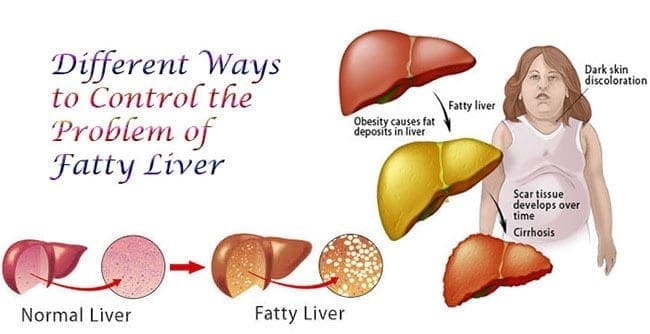
Each year, cases of liver disease developing without the instance alcohol abuse are increasing throughout the United States, the U.K, and Australia. Decades ago, fatty liver disease and cirrhosis were diagnosed due to excessive alcohol consumption. Currently, however, more and more adults and even children are diagnosed with non-alcoholic fatty liver disease, or NAFLD.
Non-alcoholic fatty liver disease is a medical condition that is characterized by an excessive accumulation of fats within liver cells. More precisely, NAFLD causes normal, healthy liver tissue to become partially replaced with fatty tissue. Although it’s common for the liver to have some fat, an accumulated amount of more than 5 to 10 percent of the individual’s liver weight can create complications. Excess fat can begin to invade the liver, eventually covering healthy regions of the liver and decreasing the amount of healthy liver tissue.
According to statistics, approximately 70 million Americans may have fatty liver disease and not even know it.
The Function of the Liver
The liver is one of the most active and highly functioning organs in the body, working hard and tirelessly to maintain the body’s overall health and wellness. The liver is in charge of regulating chemical levels and toxins in the blood as well as excreting bile. Bile is necessary to break down fats stored in the body. All of the blood which leaves the stomach and intestines must be filtered through the liver. The liver’s primary function is to detoxify the blood. Other essential functions of the liver include:
Detoxifies chemicals and metabolizes (breaks down) drugs.
Manufactures proteins important for the regulation of blood clotting
Breaks down excess hormones circulating in bloodstream
Produces cholesterol (necessary for vitamin D and hormone production and for healthy nerves)
Stores and releases glucose, as needed
Stores iron
Converts harmful ammonia to urea (urea is an end product of protein metabolism that gets excreted in the urine)
Clears the blood of alcohol, medications, drugs and other harmful chemicals
Produces immune factors and removes bacteria from the bloodstream
Clears and removes bilirubin (excessive buildup causes jaundice -yellowing of skin and eyes)
The liver is also responsible of processing and storing important nutrients, such as vitamins, minerals and iron, in order for these to be more effectively absorbed by the body.
Non-alcoholic fatty liver disease, or NAFLD, has become a prevalent condition in the United States and western Europe as weight gain, obesity, insulin resistance, diabetes and metabolic syndrome have dramatically increased over the population. It is now the most common cause of liver disorders in the United States as well as in other western countries, such as Australia and the U.K. Approximately 1 in 5 people, amounting up to 25 percent of the population in these regions have NAFLD.
While some research studies have demonstrated that non-alcoholic fatty liver disease most commonly develops due to excess weight and obesity, metabolic syndrome and diabetes, studies have also shown that the excessive use of prescribed medications and pain killers can lead to fatty liver disease as well.
Symptoms of Non-Alcoholic Fatty Liver Disease
NAFLD is referred to as a silent disease. People with non-alcoholic fatty liver disease may initially experience no symptoms from the disorder, where they will often live with the condition for many years, even decades without a diagnosis. Eventually, however, several signs and symptoms may begin to manifest. These symptoms include:
feeling tired
fatigue
weight loss
loss of appetite
weakness
nausea
confusion
trouble concentrating
pain in the center or right upper part of belly
enlarged liver
bloating and gas
dark urine
bruising easily
sweating, excessively
constipation
dry and dark patches on neck and under arms
If non-alcoholic fatty liver disease is left untreated for an extended period of time, it could eventually lead to the development of cirrhosis. Cirrhosis results when scar tissue develops in the liver, preventing the liver from functioning properly. This scar tissue can then block the normal flow of blood that passes through the liver and can also slow down the processing and absorption of nutrients, hormones, drugs and naturally produced toxins as well as the production of proteins and other substances produced by the liver. The symptoms of cirrhosis are usually severe and they include the buildup of fluid in the body, particularly in the abdominal cavity called ascites, muscle weakness, internal bleeding, yellowing of the skin and eyes, and liver failure.
Non-Alcoholic Fatty Liver Disease Diagnosis
Utilizing an abdominal ultrasound or a biopsy is the best way to diagnose fatty liver disease. Individuals with NAFLD often don’t have elevated levels of liver enzymes, which is why blood tests generally appear normal. Elevated levels of liver enzymes do however indicate that there may be some inflammation in the liver due to non-alcoholic fatty liver disase or another more serious condition known as NASH.
Causes and Risk Factors of Fatty Liver Disease
There are numerous risk factors which may increase your chances of having NAFLD, including:
Obesity
Gastric bypass surgery
High cholesterol
High levels of triglycerides in the blood
Type 2 diabetes
Metabolic syndrome
Medications
Sleep apnea
Polycystic ovary syndrome (PCOS)
Underactive thyroid (hypothyroidism)
Underactive pituitary gland (hypopituitarism)
Hemachromatosis (excess iron accumulation)
A research study published in the Journal of Clinical Gastroenterology in 2006 stated that NAFLD is commonly diagnosed in 84 to 96 percent of patients who are undergoing bariatric surgery. The study also recognized that the disease is most common in men but can increase with menopause in women.
Foods Which Can Lead to Fatty Liver Disease
High-Carbohydrate & Refined Foods
When we consume an excess of refined carbohydrates and other types of foods, insulin levels can spike significantly. Foods such as white bread and other carbs should be reduced or eliminated from your diet, even whole grains should be consumed in moderation as these can convert into sugar. Rice and corn should also be avoided. Insulin sensitivity is a major factor in the development of liver disease.
Sugary Beverages
Sports drinks, such as gatorade or powerade, soda, energy drinks and fruit juices, contain refined sugars and artificial sweeteners. When these substances are consumed in excess, they could eventually lead to fatty liver disease. The average 12-ounce can of soda, for instance, has about 10 teaspoons of sugar. The human body is not designed to be able to break down the elevated amounts of sugar the average American consumes on a daily basis and this can greatly impact the health of the liver. The average person consumes 20 tsp of sugar per day, equaling to about 66 pound of sugar per year.
The American Heart Association, or AHA, recommends that no more than 6 tsp of sugar per day for women and 9 tsp per day for men should be consumed. A child�s sugar intake should not exceed 3 tsp per day.
According to a research study conducted at Emory University School of Medicine in Atlanta, refined sugars, particularly fructose, are suspected to be a common contributor to the development of non-alcoholic fatty liver disease. Fructose has been demonstrated to cause extensive damage to liver cells. There have also been substantial connections between increased fructose consumption and obesity, dyslipidemia and insulin resistance.
Processed Foods
Refined sugars, hydrogenated oils, convenience foods and lunch meats can be toxic to your body in the long run. Nitrates and nitrites, for instance, are commonly found in processed foods and they have been closely associated to the development of serious conditions, including cancer. The high fructose corn syrup found in processed foods is the single biggest cause of fatty liver disease. It’s essential that you eliminate these products from your diet to heal liver disease.
Foods Which Can Improve Fatty Liver Disease
A research study published in the European Journal of Medicinal Chemistry revealed that natural enzymes found in fruits and vegetables as well as in plant extracts and herbs, can be utilized traditionally to treat various liver diseases. It’s essential to add these foods into your everyday diet. Fruits and vegetables can be easily added into your diet through juicing.
When the proper function of the liver is impaired due to non-alcoholic fatty liver disease and/or due to other liver conditions, juicing fruits and vegetables has the additional benefit of making these easier to digest for better absorption. Vegetables ideal for a liver detox include, kale, cabbage, lettuce, cauliflower, broccoli, Brussels sprouts, asparagus, beets and celery.
Beets
Beets can naturally cleanse and purify the blood, boosting the function of the liver and increasing nutrient production in the body. Beets are also rich in antioxidants, folate, iron, fiber and betaine, a natural digestive enzyme. Beets are great additions to juicing recipes and can also be added into smoothies. You can also daily shred some beets and toss them into your salads.
Broccoli
Broccoli and other members of the cruciferous family, such as brussel sprouts, cauliflower, arugula, cabbage, collard greens, kale and bok choy, are rich in fiber and glucosinolates, which help the liver naturally cleanse the body of carcinogens and other toxins.
Sweet Potatoes
Sweet potatoes, carrots, butternut squash and pumpkin are rich in beta-carotene, a natural anti-inflammatory. When an individual has a potassium deficiency, it can disrupt the proper function of the liver. �Sweet potatoes, which are naturally high in potassium, can be tremendously beneficial because they help support healthy liver function. One sweet potato contains nearly 700 milligrams of potassium. Sweet potatoes are also rich in vitamins B6, C, D, magnesium and iron. These are also easy to eat because they�re naturally sweet and their sugars are slowly released into the bloodstream through the liver, preventing blood sugar spikes.
Lemons
Lemons are great for your liver. They provide a variety of antioxidants and can help the liver produce more enzymes to give you more energy and help with digestion. Lemons are also naturally rich in electrolytes. Although lemons are acidic, once they enter the body they become alkaline, which helps neutralize toxins and excrete wastes. Juice 1 fresh lemon, daily and drink it undiluted on an empty stomach every morning to enjoy its wonderful benefits.
Bananas
With about 470 milligrams of potassium, bananas can also be great for cleansing the liver as well as for overcoming low levels of potassium in the body. In addition, bananas can help with digestion, helping to release toxins and heavy metals from the body, decreasing the liver’s work load.
Garlic, Whole Cloves
Garlic is high in allicin and selenium, two fundamental nutrients for the liver. These function by cleansing and nourishing the entire body, especially the blood. Selenium is a naturally detoxifying mineral and allicin helps counter immune system invaders, also assisting to decrease the load on the liver. Garlic also activates enzymes in the liver which aid digestion and flush out toxins. Use whole garlic cloves instead of processed minced garlic or powder.
Ginger Root
Ginger has powerful anti-inflamatory properties and it’s also an excellent antioxidant. For people diagnosed with non-alcoholic fatty liver disease, consuming ginger can be fundamental. Ginger root can also drastically lower blood sugar levels. Insulin resistance and elevated glucose levels are major factors in the development of NAFLD. You can make ginger tea by boiling slices of ginger in green tea or water. You can also add ginger to a stir-fry, salad or smoothie.
Leafy Greens
Consuming leafy greens are a huge part of a balanced nutrition as these can be beneficial for just about any type of health issue. Spinach, kale, chard, romaine, arugula, and collards are all some of the most nutrient dense leafy greens to enjoy. These are rich in chlorophyll, which assists in liver function by purifying the blood, alleviating toxins, decreasing inflammation and promoting the healing of wounds. Chlorophyll is also amazing at neutralizing heavy metals, toxic chemicals, and even pesticides that can burden liver function.
Supplements Which Can Improve Fatty Liver Disease
Dandelion Root
Dandelion root contains vitamins and nutrients which are important to help cleanse the liver in order to allow it to keep functioning properly. Dandelions have also been known to aid the digestive system by maintaining the proper flow of bile. Dandelion root is a natural diuretic and it allows the liver to eliminate toxins effectively. Dandelion stems which can be brewed in a tea are also rich in vitamin C, which can help with mineral absorption, reduces inflammation and prevents the overall development of many diseases.
Milk Thistle
Milk thistle is a powerful detoxifier, aiding and supporting proper liver function. This supplement helps rebuild liver cells and removes toxins from the body which have been processed through the liver. According to a research study published in Digestive Diseases and Sciences, milk thistle has the power to improve mortality rates in patients with liver failure as it is capable of naturally reversing the harmful effects of excessive alcohol consumption and that of pesticides in our food, heavy metals in water supply, pollution in the air we breathe in and even poisons. A 2010 study showed that milk thistle benefits treatments of alcoholic liver disease, acute and�chronic viral hepatitis as well as toxin-induced liver diseases.
Vitamin D
Recent research studies have shown that vitamin D deficiencies can often lead to NAFLD, or non-alcoholic fatty liver disease. Vitamin D deficiency has also been demonstrated to cause severe cases of NAFLD, including serious liver inflammation and liver fibrosis, or hardening of the liver. The research study also revealed that vitamin D deficiencies can lead to insulin resistance and metabolic syndrome. All of these factors can additionally play a considerable role in the development of peripheral neuropathy. Optimal vitamin D levels should be between 70-100 ng/ml for overall health and wellness.
Curcumin
Curcumin is the active component of turmeric and it’s considered to be the most powerful herb on the planet, effectively helping to treat and reverse disease naturally. Currently, there are over 6,000 published articles emphasizing on the amazing health benefits of curcumin. Other research studies have also demonstrated that curcumin could prevent the progression of liver disease, helping to reduce the inflammation of the liver and the body alike.
Black Seed Oil
Black seed oil can help speed up the healing process of people with fatty liver disease. A research study published in the European Review for Medical and Pharmaceutical Sciences measured black seed oil�s ability to restrict liver oxidative stress markers. The results of the research study indicated that black seed oil can benefit liver disease patients because it�s capable of decreasing issues associated with the gradual progression of liver disease.
Maintaining a healthy and balanced nutrition is the best course of action to treat fatty liver disease. Many people with liver disease are overweight and malnourished. A healthy diet can provide the body with essential vitamins and nutrients needed for the body to function. Weight loss along with a balanced diet can be an effective treatment for fatty liver disease as well. Exercising regularly for a minimum of 30 minutes a day and eating a healthy plant-based diet can ultimately help your overall well-being.
Can Fatty Liver Disease Cause Peripheral Neuropathy?
Nonalcoholic fatty liver disease, or NAFLD, is considered to be the most common liver disorder in the western region . It�s recognized as one of the most common forms of chronic liver disease across the world.
A research study published in the Journal of Gastroenterology and Hepatology in 2003 reported a connection between non-alcoholic fatty liver disease and peripheral neuropathy. The research revealed that 73 percent of people with NAFLD could develop peripheral nerve damage leading to the symptoms of peripheral neuropathy.
As if the development of peripheral neuropathy wasn’t bad enough, scientific evidence demonstrated that the longer you have NAFLD, the more likely it is to progress into liver fibrosis, or the accumulation of abnormal fibrous tissue, cirrhosis, or the accumulation of scar tissue in the liver, and NASH, or severe liver inflammation and cell damage.
Although, non-alcoholic fatty liver disease is most likely to occur in people who are overweight with metabolic syndrome or type 2 diabetes, recently there are more and more cases of children with NAFLD. This is a direct result of the standard American diet. Pediatric NAFLD has been reported in children as young as 3 years old.
If you have been diagnosed with NAFLD or are overweight, suffer from metabolic syndrome, insulin resistance or diabetes, it�s important to take action. The good news is, the liver is the only organ capable of fully regenerating itself. As long as at least 15 percent of your liver is working and functioning properly, your body can repair and regenerate your liver.
Liver disease is commonly diagnosed in people due to excessive alcohol consumption. While this instance can cause an accumulation of fats within liver tissue, each year, more adults even children are diagnosed with a specific type of condition, referred to as non-alcoholic fatty liver disease. NAFLD can occur for a variety of reasons.
For more information, please feel free to ask Dr. Jimenez or contact us at 915-850-0900 .
Neck pain is characterized as the most prevalent symptom after being involved in an automobile accident. During an auto collision, the body is exposed to a sheer amount of force due to the high speed impact, causing the head and neck to jolt abruptly back-and-forth as the rest of the body remains in place. This often results in the damage or injury of the cervical spine and its surrounding tissues, leading to neck pain and other common symptoms associated with whiplash-related disorders.
For the more than 68 percent of Americans who own smart phones, it’s difficult to imagine doing without them, especially when it comes to your health. Millions use them to keep track of the number of steps they take, the calories they consume, and even the medications or supplements taken each day.
To aid in this process, more than 165,000 healthcare applications have been developed for iPhones and androids — focusing on diet and fitness, as well as the management of heart disease, diabetes, cancer, and mental health.
“The technology in healthcare apps has exploded,” IT expert Sanket Shah tells Newsmax Health.
But with so many health apps on the market it can be challenging to chose the right app, says Shah, who specializes in helping people the right technology for healthcare services.
“There are thousands of apps out there and some of it can be overwhelming. Just like trying new hobby or picking out a new pair of pants, you need to see what works for you and what makes you the most comfortable,” says Shah, an instructor in the University of Illinois at Chicago Department of Biomedical and Health Sciences.
Shah recommends deciding beforehand what you plan to do with an app and chose only one (or more) that will be the most useful. Don’t just download apps that will sit on your phone without ever being accessed. Her recommendations:
Avoid the apps that bombard you with ads.
Consider how user-friendly the app is.
Read the reviews. Some of the best information can be found in them.
Realize that nothing is really free. In exchange for that so-called “free” app, you are usually asked to grant permission for your age, email, zip code, and other personal information to used internally, shared, or sold.
Be careful about add-ons. Many apps charge for additional content or enhanced experiences that require extra purchases and costs. Most apps require a credit card, which means yours is probably on file, so be careful not inadvertently purchase these features.
These are Shah’s top five health apps:
HealthTap (Health Tap)
Launched in 2010, this online service provides real-time answers to health questions from more than 107,000 doctors. In an era where Internet services provide thousands of vague results, HealthTap was designed to give patients direct access to health professionals, saving you time and money. You can also pay for a virtual consult to video or text chat with a primary care doctor 24/7 or a doctor of your choice during their “virtual office hours.”
Drink Water Reminder (Leap Fitness Group)
Dehydration can lead to serious health problems. This app lets you calculate your needs based on your gender, weight, and the climate where you live. Taking its lead from apps that remind you to take 10,000 steps a day, this app provides customized tracking and reminders to ensure that you are drinking enough water throughout the day.
Fooducate (Fooducate LTD)
Do you really know what’s in the food you eat? Nutritional labels may be misleading, so Fooducate takes all of the guesswork out by providing a grade instantly on the items you buy. Simply scan the UPC code from your mobile camera (over 250,000 items) and the app will grade the product and most importantly, explain why it is healthy or unhealthy, as well as provide alternative choices. A diet and weight loss goal tracker is also included.
Breath2Relax (National Center for Telehealth & Technology)
Oftentimes we focus on the physical aspects of health but our mental health is equally important. Focusing on the mind and taking some time to relax can provide tremendous benefits in your daily life This app provides a guide to simple breathing exercises to help relieve stress and relax.
Down Dog (Yoga Buddhi Co.)
Yoga is gaining in popularity, and there is a reason why this ancient practice has been around for centuries. Improving your mental state and also strengthening your core muscles is the goal of this app, designed for all levels. It provides easy-to-follow tutorials and all you really need to get started is a basic yoga mat.
IFM's Find A Practitioner tool is the largest referral network in Functional Medicine, created to help patients locate Functional Medicine practitioners anywhere in the world. IFM Certified Practitioners are listed first in the search results, given their extensive education in Functional Medicine