It’s estimated that as many as 27 million people in the United States have a thyroid issue, such as Hashimoto’s thyroiditis or Graves’ disease, and half of them don’t have any concept that they do. An under-active thyroid, or hypothyroidism, accounts for approximately 90 percent of all thyroid imbalances.
What is the thyroid gland?
A butterfly-shaped gland in your neck’s center gland, the thyroid gland, is the master gland of metabolism. Your thyroid gland is inter-related with each system in the human body. If your thyroid isn’t running optimally, then neither are you.
10 Signs of an Underactive Thyroid:
Fatigue after sleeping 8 to 10 hours a night or having to take a rest daily
Weight gain or the inability to lose weight
Mood issues such as mood swings, anxiety, or depression
Hormone imbalances such as PMS, irregular periods, infertility, and reduced sex drive
Muscle pain, joint pain, carpal tunnel syndrome, or tendonitis
Cold hands and feet, feeling cold when others aren’t, or having a body temperature consistently under 98.5
Dry or cracking skin, brittle nails and excess hair loss
Constipation
Head issues like brain fog, poor concentration, or poor memory
Neck swelling, snoring, or hoarse voice
How Does the Thyroid Gland Function?
Thyroid hormone production is regulated by a feedback loop involving the hypothalamus, pituitary gland, and the thyroid gland. Hypothalamic thyrotropin-releasing hormone (TRH) stimulates pituitary thyrotropin (TSH) secretion and synthesis. In turn, TSH stimulates release and production of T4 and T3 in the thyroid gland. It signals that there’s enough thyroid hormone in flow and not to generate more, when T4 is generated.
About 85 percent of this hormone produced by our thyroid gland is T4, which is an inactive form of the hormone. Once T4 is made, a little quantity of it is converted. For complicate matters, T3 also gets converted to either Free T3 (FT3) or Reverse T3 (RT3). It is the Free T3 that actually matters in all of this, as it is the only hormone that could attach to a receptor and cause your metabolism to increase its production, keep you warm, keep your bowels moving, keep your mind working, along with keeping other hormones in check. Reverse T3’s part isn’t well known, however, healthcare professionals have seen it increase under intense stress and in people who have allergies.
And finally, Hashimoto’s thyroiditis, an autoimmune disease, is the most common form of hypothyroidism and its numbers are increasing annually. An autoimmune disorder is one in which your body turns on itself and begins to attack a certain organ or tissue believing it’s foreign. Many healthcare professionals regularly screen patients for autoimmune thyroid disease by ordering Thyroid Peroxidase Antibodies (TPOAb) and Thyroglobulin Antibodies (TgAb) tests.
Why is Hypothyroidism So Under Recognized?
Many symptoms of thyroid imbalance are vague and most doctors spend only a few minutes talking with patients to sort out the cause of the complaint. Most conventional doctors use just a couple of tests (TSH and T4) to display for problems. They aren’t assessing the thyroid gland, RT3 , or FT3.
Most traditional doctors utilize the ‘normal’ laboratory reference range as their guide only. Rather than listening to their patients symptoms, they use ‘optimal’ laboratory values and temperature as their guide.
Which laboratory tests are better to ascertain if you’ve got a thyroid problem?
Healthcare professionals may check the below panel on patients. Make sure your doctor does the same for you.
TSH
Free T4
Free T3
Reverse T3
Thyroid Peroxidase Antibodies (TPOAb)
Thyroglobulin Antibodies (TgAb)
What are the Optimal Laboratory Values for Thyroid Tests?
In various clinics, it has been discovered that the below list are the ranges in which many patients flourish. These may have been recordeded taking how patients are feeling into account and listening to their patients.
TSH 1-2 UIU/ML or lower (Armour or compounded T3 can artificially suppress TSH)
FT4 >1.1 NG/DL
FT3 > 3.2 PG/ML
RT3 less than a 10:1 ratio RT3:FT3
TPO — TgAb — < 4 IU/ML or negative
10 Things to Improve Thyroid Function
Be certain that you are carrying a high quality multivitamin with Iodine, Zinc, Selenium, Iron, Vitamin D, and B vitamins.
Also make sure that your multivitamin contains adequate levels of iodine to aid with the FT4 to FT3 conversion.
Go gluten-free. In case you have Hashimoto’s thyroiditis, try going entirely grain and legume.
Deal with your stress and support your adrenal glands. The adrenal glands and thyroid work hand and hand. It’s necessary to deal with anxiety using healing yoga and adaptogenic herbs, which support the adrenal glands.
Get 8 to 10 hours of sleep per night.
Possessing a biological dentist safely remove any amalgam fillings you may have.
Watch your intake of cruciferous vegetables. There is a bit of a disagreement.
Get fluoride, bromide, and chlorine from your diet and surroundings.
Heal your gut. A correctly functioning digestive tract (gut) is essential to good health.
Locate a functional medicine doctor and have them operate the above mentioned laboratory test and work with you to find out the root cause of the thyroid imbalance.
Reverse Chronic Illnesses So You Can Take Back Your Health
Are you ready to conquer your symptoms, regain your energy, and feel like yourself again? When you have Hashimoto’s, Graves’, or any of the hundreds of other autoimmune disorders, it’s important for you to know that you CAN reverse your affliction. Simply follow a healthcare professional’s advice and take back your health.
The scope of our information is limited to chiropractic and spinal injuries and conditions. To discuss options on the subject matter, please feel free to ask Dr. Jimenez or contact us at 915-850-0900 .�
By Dr. Alex Jimenez
Additional Topics: Wellness
Overall health and wellness are essential towards maintaining the proper mental and physical balance in the body. From eating a balanced nutrition as well as exercising and participating in physical activities, to sleeping a healthy amount of time on a regular basis, following the best health and wellness tips can ultimately help maintain overall well-being. Eating plenty of fruits and vegetables can go a long way towards helping people become healthy.
According to the American Accreditation Organization, one in eight women will develop a thyroid disease during their life and as much as 60 percent of those with thyroid disease are unaware of their condition. Undiagnosed thyroid disease may put women at risk for certain acute conditions, such as cardiovascular diseases, infertility and obesity.
What are the risks of thyroid disease on women?
Pregnant women with undiagnosed or inadequately treated hypothyroidism have an elevated risk of miscarriage, preterm delivery, and severe developmental problems in their children.� The percentage of women who develop thyroid disease includes hyperthyroidism and thyroid cancer. Hypothyroidism, being the most common thyroid disorder.
What is Hypothyroidism?
Hypothyroidism is when your thyroid gland does not produce enough thyroid hormones. You may suspect you are hypothyroid. Or you may have an investigation. You may find out what to do about it besides taking drugs (thyroid replacement hormone). You might need drugs, but there are quite a few aspects of thyroid health to apply and to find out about. This is true for hypothyroid autoimmune disease, called Hashimoto’s thyroiditis.
To start with, what exactly are hypothyroid symptoms?
Other symptoms include:
Depression
Can’t conceive, or recurrent miscarriage
Sluggish metabolism and constipation
Other autoimmune problems: food intolerances (especially wheat), indigestion, bloating, gas
Obsessive-compulsive thoughts
Can’t lose weight with doing “all the Appropriate things”
Brain fog, can’t think straight
Skin rashes
Frequently getting sick
Muscle and joint pain
Menstruation is heavy, can be irregular, can wipe out you
Common misdiagnoses include:
Depression
Stress
Fibromyalgia
Unexplained infertility
Chronic Fatigue syndrome (CFS)
“It is all in your head!”
Thyroid Hormones Simplified
Your thyroid gland produces a hormone called thyroxine (T4). In addition, it creates some triiodothyronine (T3). T3 is the hormone that your cells utilize. Organs, all cells and cells in your body that is whole utilize T3. Most of the T3 comes into T3. TSH stands for thyroid stimulating hormone. Your pituitary gland, in mind, secretes TSH when thyroid hormones are low. TSH signals your thyroid to put together raw materials, like iodine and tyrosine.
Conventional Hypothyroid Diagnosis and Treatment
Most licensed medical professionals can dictate thyroid labs. Conventional professionals usually only test TSH and T4. Usually it’s your symptoms that warrant the lab investigation. It may be your gynecologist, or your general practitioner, who first tests your thyroid. If it is favorable these professionals can opt to manage your condition, or they may refer you to an endocrinologist. It is always good to have an endocrinologist in your team, to assess your thyroid.
In case you really do have thyroid disease symptoms, your healthcare practitioner might first take a “watch and wait” approach. She’ll prescribe thyroid replacement hormone, if needed. This is the standard care of treatment. The hormone is generally a synthetic T4 (levothyroxin). This treatment assumes that you simply convert T4 to T3 with no problem.
Your healthcare practitioner typically won’t offer you much education about the type of hypothyroidism you’ve got, or what to do about it besides just taking thyroid hormone replacement. This is where functional medicine comes in.
A Functional Medication Approach on Hypothyroid
When women visit a doctor with a hypothyroid identification, they first need to learn if they have autoimmune hypothyroidism (Hashimoto’s). More than 80% of the time, patients don’t understand. This is because they have not been tested for it, or they haven’t been told. The very first thing I do is find out, by testing thyroid antibodies.
In conventional medicine, it doesn’t matter whether or not you have unexplained hypothyroid or Hashimoto’s, because the therapy is the same for both: tracking thyroid hormones, and prescribing hormone replacement. In functional medicine, hypothyroid that is unexplained is a totally different state than Hashimoto’s.
Unexplained hypothyroidism is often straightforward. Functional medicine practitioners try to find the root cause(s), then cure them. You might not have to take thyroid hormones for the rest of your life. Many women are able to repair hypothyroidism and avoid long-term thyroid replacement hormones.
Hashimoto’s rheumatoid arthritis requires a totally different strategy. It is important that you know you can take steps go into remission, and perhaps to slow down the development. Because in case you have one, your odds of developing more of them increases, you are able to prevent further autoimmune diseases.
After finding out which type of hypothyroidism which you have, it is imperative to find out what to do. Women do not understand their thyroid condition. That’s why it’s important to seek professional help as soon as possible.
The scope of our information is limited to chiropractic and spinal injuries and conditions. To discuss options on the subject matter, please feel free to ask Dr. Jimenez or contact us at 915-850-0900 .�
By Dr. Alex Jimenez
Additional Topics: Wellness
Overall health and wellness are essential towards maintaining the proper mental and physical balance in the body. From eating a balanced nutrition as well as exercising and participating in physical activities, to sleeping a healthy amount of time on a regular basis, following the best health and wellness tips can ultimately help maintain overall well-being. Eating plenty of fruits and vegetables can go a long way towards helping people become healthy.
Undernutrition is insufficiently detected in in- and outpatients, and this is likely to worsen during the next decades. The increased prevalence of obesity together with chronic illnesses associated with fat-free mass (FFM) loss will result in an increased prevalence of sarcopenic obesity. In patients with sarcopenic obesity, weight loss and the body mass index lack accuracy to detect FFM loss. FFM loss is related to increasing mortality, worse clinical outcomes, and impaired quality of life. In sarcopenic obesity and chronic diseases, body composition measurement with dual-energy X-ray absorptiometry, bioelectrical impedance analysis, or computerized tomography quantifies the loss of FFM. It allows tailored nutritional support and disease-specific therapy and reduces the risk of drug toxicity. Body composition evaluation should be integrated into routine clinical practice for the initial assessment and sequential follow-up of nutritional status. It could allow objective, systematic, and early screening of undernutrition and promote the rational and early initiation of optimal nutritional support, thereby contributing to reducing malnutrition-induced morbidity, mortality, worsening of the quality of life, and global health care costs.
Introduction
Chronic undernutrition is characterized by a progressive reduction of the�fat-free mass (FFM) and fat mass (FM)�and �which has deleterious consequences on health. Undernutrition is insufficiently screened and treated in hospitalized or at-risk patients despite its high prevalence and negative impact on mortality, morbidity, length of stay (LOS), quality of life, and costs [1�4]. The risk of underestimating hospital undernutrition is likely to worsen in the next decades because of the increasing prevalence of overweight, obesity, and chronic diseases and the increased number of elderly subjects. These clinical conditions are associated with FFM loss (sarcopenia). Therefore, an increased number of patients with FFM loss and sarcopenic obesity will be seen in the future.
Sarcopenic obesity is associated with decreased survival and increased therapy toxicity in cancer patients [5�10], whereas FFM loss is related to decreased survival, a negative clinical outcome, increased health care costs [2], and impaired overall health, functional capacities, and quality of life [4�11]. Therefore, the detection and treatment of FFM loss is a major issue of public health and health costs [12].
Weight loss and the body mass index (BMI) lack sensitivity to detect FFM loss [13]. In this review, we support the systematic assessment of FFM with a method of body composition evaluation in order to improve the detection, management, and follow-up of undernutrition. Such an approach should in turn reduce the clinical and functional consequences of diseases in the setting of a cost- effective medico-economic approach (fig. 1). We discuss the main applications of body composition evaluation in clinical practice (fig. 2).
Fig. 1. Conceptualization of the expected impact of early use of body composition for the screening of fat-free loss and�under-nutrition in sarcopenic overweight and obese subjects. An increased prevalence of overweight and obesity is observed in all Western and emerging countries. Simultaneously, the aging of the population, the reduction of the level of physical activity, and the higher prevalence of chronic dis- eases and cancer increased the number of patients with or at risk of FFM impairment, i.e. sarcopenia. Thus, more patients are presenting with �sarcopenic over- weight or obesity�. In these patients, evaluation of nutritional status using anthropometric methods, i.e. weight loss and calculation of BMI, is not sensitive enough to detect FFM impairment. As a result, undernutrition is not detected, worsens, and negatively impacts morbidity, mortality, LOS, length of recovery, quality of life, and health care costs. On the contrary, in patients with �sarcopenic overweight or obesity�, early screening of undernutrition with a dedicated method of body composition evaluation would allow early initiation of nutritional support and, in turn, improvements of nutritional status and clinical outcome.
Rationale for a New Strategy for the Screening of Undernutrition
Screening of Undernutrition Is Insufficient
Academic societies encourage systematic screening of undernutrition at hospital admission and during the hospital stay [14]. The detection of undernutrition is generally based on measurements of weight and height, calculations of BMI, and the percentage of weight loss. Nevertheless, screening of undernutrition is infrequent in hospitalized or nutritionally at-risk ambulatory patients. For example, in France, surveys performed by the French Health Authority [15] indicate that: (i) weight alone, (ii) weight with BMI or percentage of weight loss, and (iii) weight, BMI,�and percentage of weight loss are reported in only 55, 30, and 8% of the hospitalized patients� records, respectively. Several issues, which could be improved by specific educational programs, explain the lack of implementation of nutritional screening in hospitals (table 1). In addition, the accuracy of the clinical screening of undernutrition could be limited at hospital admission. Indeed, patients with undernutrition may have the same BMI as sex- and age- matched healthy controls but a significantly decreased FFM hidden by an expansion of the FM and the total body water which can be measured by bioelectrical impedance analysis (BIA) [13]. This example illustrates that body composition evaluation allows a more accurate identification of FFM loss than body weight loss or BMI decrease. The lack of sensitivity and specificity of weight, BMI, and percentage of weight loss argue for the need for other methods to evaluate the nutritional status.
Changes in Patients� Profiles
In 2008, twelve and thirty percent of the worldwide adult population was obese or overweight; this is two times higher than in 1980 [16]. The prevalence of overweight and obesity is also increasing in hospitalized patients. A 10-year comparative survey performed in a European hospital showed an increase in patients� BMI, together with a shorter LOS [17]. The BMI increase masks undernutrition and FFM loss at hospital admission. The increased prevalence of obesity in an aging population has led to the recognition of a new nutritional entity: �sarcopenic obesity� [18]. Sarcopenic obesity is characterized by increased FM and reduced FFM with a normal or high body weight. The emergence of the concept of sarcopenic obesity will increase the number of situations associated with a lack of sensitivity of the calculations of BMI and�body weight change for the early detection of FFM loss. This supports a larger use of body composition evaluation for the assessment and follow-up of nutritional status in clinical practice (fig. 1).
Fig. 2. Current and potential applications of body composition evaluation in clinical practice. The applications are indicated in the boxes, and the body composition methods that could be used for each application are indicated inside the circles. The most used application of body composition evaluation is the measurement of bone mineral density by DEXA for the diagnosis and management of osteoporosis. Although a low FFM is associated with worse clinical outcomes, FFM evaluation is not yet implemented enough in clinical practice. However, by allowing early detection of undernutrition, body composition evaluation could improve the clinical outcome. Body composition evaluation could also be used to follow up nutritional status, calculate energy needs, tailor nutritional support, and assess fluid changes during perioperative period and renal insufficiency. Recent evidence indicates that�a low FFM is associated with a higher toxicity of some chemo- therapy drugs in cancer patients. Thus, by allowing tailoring of the chemotherapy doses to the FFM in cancer patients, body com- position evaluation should improve the tolerance and the efficacy of chemotherapy. BIA, L3-targeted CT, and DEXA could be used for the assessment of nutritional status, the calculation of energy needs, and the tailoring of nutritional support and therapy. Further studies are warranted to validate BIA as an accurate method for fluid balance measurement. By integrating body composition evaluation into the management of different clinical conditions, all of these potential applications would lead to a better recognition of nutritional care by the medical community, the health care facilities, and the health authorities, as well as to an increase in the medico-economic benefits of the nutritional evaluation.
Body Composition Evaluation For The Assessment Of Nutritional Status
Body composition evaluation is a valuable technique to assess nutritional status. Firstly, it gives an evaluation of nutritional status through the assessment of FFM. Secondly, by measuring FFM and phase angle with BIA, it allows evaluation of the disease prognosis and outcome.
Body Composition Techniques For FFM Measurement
Body composition evaluation allows measurement of the major body compartments: FFM (including bone mineral tissue), FM, and total body water. Table 2 shows indicative values of the body composition of a healthy subject weighing 70 kg. In several clinical situations, i.e. hospital admission, chronic obstructive pulmonary dis- ease (COPD) [21�23], dialysis [24�26], chronic heart failure [27], amyotrophic lateral sclerosis [28], cancer [5, 29], liver transplantation [30], nursing home residence [31], and Alzheimer�s disease [32], changes in body compartments are detected with the techniques of body composition evaluation. At hospital admission, body composition evaluation could be used for the detection of FFM loss and undernutrition. Indeed, FFM and the FFM index (FFMI) [FFM (kg)/height (m2)] measured by BIA are significantly lower in hospitalized patients (n = 995) than in age-, height-, and sex-matched controls (n = 995) [3]. Conversely, clinical tools of nutritional status assessment, such as BMI, subjective global assessment, or mini-nutritional assessment, are not accurate enough to estimate FFM loss and nutritional status [30, 32�34]. In 441 patients with non-small cell lung cancer, FFM loss deter- mined by computerized tomography (CT) was observed in each BMI category [7], and in young adults with all�types of cancer, an increase in FM together with a de- crease in FFM were reported [29]. These findings reveal the lack of sensitivity of BMI to detect FFM loss. More- over, the FFMI is a more sensitive determinant of LOS than a weight loss over 10% or a BMI below 20 [3]. In COPD, the assessment of FFM by BIA is a more sensitive method to detect undernutrition than anthropometry [33, 35]. BIA is also more accurate at assessing nutrition- al status in children with severe neurologic impairment than the measurement of skin fold thickness [36].
Body Composition For The Evaluation Of Prognosis & Clinical Outcome
FFM loss is correlated with survival in different clinical settings [5, 21�28, 37]. In patients with amyotrophic lateral sclerosis, an FM increase, but not an FFM in- crease, measured by BIA, was correlated with survival during the course of the disease [28]. The relation between body composition and mortality has not yet been demonstrated in the intensive care unit. The relation between body composition and mortality has been demonstrated with anthropometric methods, BIA, and CT. Measurement of the mid-arm muscle circumference is an easy tool to diagnose sarcopenia [38]. The mid-arm muscle circumference has been shown to be correlated with survival in patients with cirrhosis [39, 40], HIV infection [41], and COPD in a stronger way than BMI [42]. The relation between FFM loss and mortality has been extensively shown with BIA [21�28, 31, 37], which is the most used method. Recently, very interesting data suggest that CT could evaluate the disease prognosis in relation to muscle wasting. In obese cancer patients, sarcopenia as assessed by CT measurement of the total skeletal muscle cross-sectional area is an independent predictor of the survival of patients with bronchopulmonary [5, 7], gastrointestinal [5], and pancreatic cancers [6]. FFM assessed by measurement of the mid-thigh muscle cross- sectional area by CT is also predictive of mortality in COPD patients with severe chronic respiratory insufficiency [43]. In addition to mortality, a low FFMI at hospital admission is significantly associated with an in- creased LOS [3, 44]. A bicentric controlled population study performed in 1,717 hospitalized patients indicates that both loss of FFM and excess of FM negatively affect the LOS [44]. Patients with sarcopenic obesity are most at risk of increased LOS. This study also found that ex- cess FM reduces the sensitivity of BMI to detect nutritional depletion [44]. Together with the observation that the BMI of hospitalized patients has increased during the last decade [17], these findings suggest that FFM and�FFMI measurement should be used to evaluate nutritional status in hospitalized patients.
BIA measures the phase angle [45]. A low phase angle is related to survival in oncology [46�50], HIV infection/ AIDS [51], amyotrophic lateral sclerosis [52], geriatrics [53], peritoneal dialysis [54], and cirrhosis [55]. The phase angle threshold associated with reduced survival is variable: less than 2.5 degrees in amyotrophic lateral sclerosis patients [52], 3.5 degrees in geriatric patients [53], from less than 1.65 to 5.6 degrees in oncology patients [47�50], and 5.4 degrees in cirrhotic patients [55]. The phase angle is also associated with the severity of lymphopenia in AIDS [56], and with the risk of postoperative complications among gastrointestinal surgical patients [57]. The relation of phase angle with prognosis and disease severity reinforces the interest in using BIA for the clinical management of patients with chronic diseases at high risk of undernutrition and FFM loss.
In summary, FFM loss or a low phase angle is related to mortality in patients with chronic diseases, cancer (in- cluding obesity cancer patients), and elderly patients in long-stay facilities. A low FFM and an increased FM are associated with an increased LOS in adult hospitalized patients. The relation between FFM loss and clinical out- come is clearly shown in patients with sarcopenic obesity. In these patients, as the sensitivity of BMI for detecting FFM loss is strongly reduced, body composition evalua- tion appears to be the method of choice to detect under- nutrition in routine practice. Overall, the association between body composition, phase angle, and clinical outcome reinforces the pertinence of using a body com- position evaluation in clinical practice.
Which Technique Of Body Composition Evaluation Should Be Used For The Assessment Of Nutritional Status?
Numerous methods of body composition evaluation have been developed: anthropometry, including the 4-skinfold method [58], hydrodensitometry [58], in vivo neutron activation analysis [59], anthropogammametry from total body potassium-40 [60], nuclear magnetic resonance [61], dual-energy X-ray absorptiometry (DEXA) [62, 63], BIA [45, 64�66], and more recently CT [7, 43, 67]. DEXA, BIA, and CT appear to be the most convenient methods for clinical practice (fig. 2), while the other methods are reserved for scientific use.
Compared with other techniques of body composition evaluation, the lack of reproducibility and sensitivity of the 4-skinfold method limits its use for the accurate measurement of body composition in clinical practice [33,�34]. However, in patients with cirrhosis [39, 40], COPD [34], and HIV infection [41], measurement of the mid- arm muscle circumference could be used to assess sarcopenia and disease-related prognosis. DEXA allows non- invasive direct measurement of the three major components of body composition. The measurement of bone mineral tissue by DEXA is used in clinical practice for the diagnosis and follow-up of osteoporosis. As the clinical conditions complicated by osteoporosis are often associated with undernutrition, i.e. elderly women, patients with organ insufficiencies, COPD [68], inflammatory bowel diseases, and celiac disease, DEXA could be of the utmost interest for the follow-up of both osteoporosis and nutritional status. However, the combined evaluation of bone mineral density and nutritional status is difficult to implement in clinical practice because the reduced accessibility of DEXA makes it impossible to be performed in all nutritionally at-risk or malnourished patients. The principles and clinical utilization of BIA have been largely described in two ESPEN position papers [45, 66]. BIA is based on the capacity of hydrated tissues to conduct electrical energy. The measurement of total body impedance allows estimation of total body water by assuming that total body water is constant. From total body water, validated equations allow the calculation of FFM and FM [69], which are interpreted according to reference values [70]. BIA is the only technique which allows calculation of the phase angle, which is correlated with the prognosis of various diseases. BIA equations are valid for: COPD [65]; AIDS wasting [71]; heart, lung, and liver transplantation [72]; anorexia nervosa [73] patients, and elderly subjects [74]. However, no BIA-specific equations have been validated in patients with extreme BMI (less than 17 and higher than 33.8) and dehydration or fluid overload [45, 66]. Nevertheless, because of its simplicity, low cost, quickness of use at bedside, and high interoperator reproducibility, BIA appears to be the technique of choice for the systematic and repeated evaluation of FFM in clinical practice, particularly at hospital admission and in chronic diseases. Finally, through written and objective re- ports, the wider use of BIA should allow improvement of the traceability of nutritional evaluation and an increase in the recognition of nutritional care by the health authorities. Recently, several data have suggested that CT images targeted on the 3rd lumbar vertebra (L3) could strongly predict whole-body fat and FFM in cancer patients, as compared with DEXA [7, 67]. Interestingly, the evaluation of body composition by CT presents great practical significance due to its routine use in patient diagnosis, staging, and follow-up. L3-targeted CT images�evaluate FFM by measuring the muscle cross-sectional area from L3 to the iliac crest by use of Hounsfield unit (HU) thresholds (�29 to +150) [5, 7]. The muscles included in the calculation of the muscle cross-sectional area are psoas, paraspinal muscles (erector spinae, quadratus lumborum), and abdominal wall muscles (transversus abdominis, external and internal obliques, rectus ab- dominis) [6]. CT also provided detail on specific muscles, adipose tissues, and organs not provided by DEXA or BIA. L3-targeted CT images could be theoretically per- formed solely, since they result in X-ray exposition similar to that of a chest radiography.
In summary, DEXA, BIA, and L3-targeted CT images could all measure body composition accurately. The technique selection will depend on the clinical context, hard- ware, and knowledge availability. Body composition evaluation by DEXA should be performed in patients having a routine assessment of bone mineral density. Also, analysis of L3-targeted CT is the method of choice for body composition evaluation in cancer patients. Body composition evaluation should also be done for every abdominal CT performed in patients who are nutritionally at risk or undernourished. Because of its simplicity of use, BIA could be widely implemented as a method of body com- position evaluation and follow-up in a great number of hospitalized and ambulatory patients. Future research will aim to determine whether a routine evaluation of body composition would allow early detection of the in- creased FFM catabolism related to critical illness [75].
Body Composition Evaluation For The Calculation Of Energy Needs
The evaluation of FFM could be used for the calculation of energy needs, thus allowing the optimization of nutritional intakes according to nutritional needs. This could be of great interest in specific situations, such as severe neurologic disability, overweight, and obesity. In 61 children with severe neurologic impairment and intellectual disability, an equation integrating body composition had good agreement with the doubly labeled water method. It gave a better estimation of energy expenditure than did the Schofield predictive equation [36]. However, in 9 anorexia nervosa patients with a mean BMI of 13.7, pre- diction formulas of resting energy expenditure including FFM did not allow accurate prediction of the resting energy expenditure measured by indirect calorimetry [76]. In overweight or obese patients, the muscle catabolism in response to inflammation was the same as that observed�in patients with normal BMI. Indeed, despite a higher BMI, the FFM of overweight or obese individuals is similar (or slightly increased) to that of patients with normal BMI. Thus, the use of actual weight for the assessment of the energy needs of obese patients would result in over- feeding and its related complications. Therefore, the ex- perts recommend the use of indirect calorimetry or calculation of the energy needs of overweight or obese patients as follows: 15 kcal/kg actual weight/day or 20�25 kcal/kg ideal weight/day [77, 78], although these predictive formulas could be inaccurate in some clinical conditions [79]. In a US prospective study conducted in 33 ICU medical and surgical ventilated ICU patients, daily measurement of the active cell mass (table 2) by BIA was used to assess the adequacy between energy/protein intakes and needs. In that study, nutritional support with 30 kcal/ kg actual body weight/day energy and 1.5 g/kg/day protein allowed stabilization of the active cell mass [75]. Thus, follow-up of FFM by BIA could help optimize nutritional intakes when indirect calorimetry cannot be performed.
In summary, the measurement of FFM should help ad- just the calculation of energy needs (expressed as kcal/kg FFM) and optimize nutritional support in critical cases other than anorexia nervosa.
Body Composition Evaluation For The Follow-Up & Tailoring Of Nutritional Support
Body composition evaluation allows a qualitative assessment of body weight variations. The evaluation of body composition may help to document the efficiency of nutritional support during a patient�s follow-up of numerous clinical conditions, such as surgery [59], anorexia nervosa [76, 80], hematopoietic stem cell transplantation [81], COPD [82], ICU [83], lung transplantation [84], ulcerative colitis [59], Crohn�s disease [85], cancer [86, 87], HIV/AIDS [88], and acute stroke in elderly patients [89]. Body composition evaluation could be used for the follow-up of healthy elderly subjects [90]. Body composition evaluation allows characterization of the increase in body mass in terms of FFM and FM [81, 91]. After hematopoietic stem cell transplantation, the increase in BMI is the result of the increase in FM, but not of the increase in FFM [81]. Also, during recovery after an acute illness, weight gain 6 months after ICU discharge could be mostly related to an increase in FM (+7 kg) while FFM only increased by 2 kg; DEXA and air displacement plethysmography were used to measure the FM and FFM [91]. These two examples suggest that body composition evaluation could be helpful to decide the modification and/or the renewal of nutritional support. By identifying the patients gaining weight but reporting no or insufficient FFM, body composition evaluation could contribute to influencing the medical decision of continuing nutrition- al support that would have been stopped in the absence of body composition evaluation.
In summary, body composition evaluation is of the utmost interest for the follow-up of nutritional support and its impact on body compartments.
Body Composition Evaluation For Tailoring Medical Treatments
In clinical situations when weight and BMI do not reflect the FFM, the evaluation of body composition should be used to adapt drug doses to the FFM and/or FM absolute values in every patient. This point has been recently illustrated in oncology patients with sarcopenic obesity. FFM loss was determined by CT as described above. In cancer patients, some therapies could affect body com- position by inducing muscle wasting [92]. In patients with advanced renal cell carcinoma [92], sorafenib induces a significant 8% loss of skeletal muscular mass at 12 months. In turn, muscle wasting in patients with BMI less than 25 was significantly associated with sorafenib toxicity in patients with metastatic renal cancer [8]. In metastatic breast cancer patients receiving capecitabine treatment, and in patients with colorectal cancer receiving 5-fluorouracile, using the convention of dosing per unit of body surface area, FFM loss was the determinant of chemotherapy toxicity [9, 10] and time to tumor progression [10]. In colorectal cancer patients administered 5-fluoruracil, low FFM is a significant predictor of toxicity only in female patients [9]. The variation in toxicity between women and men may be partially explained by the fact that FFM was lower in females. Indeed, FFM rep- resents the distribution volume of most cytotoxic chemo- therapy drugs. In 2,115 cancer patients, the individual variations in FFM could change by up to three times the distribution volume of the chemotherapy drug per body area unit [5]. Thus, administering the same doses of chemotherapy drugs to a patient with a low FFM compared to a patient with a normal FFM would increase the risk of chemotherapy toxicity [5]. These data suggest that FFM loss could have a direct impact on the clinical outcome of cancer patients. Decreasing chemotherapy doses in case of FFM loss could contribute to improving cancer patients� prognosis through the improvement of the tolerance of chemotherapy. These findings justify the systematic evaluation of body composition in all cancer patients in order to detect FFM loss, tailor chemotherapy doses according to FFM values, and then improve the efficacy- tolerance and cost-efficiency ratios of the therapeutic strategies [93]. Body composition evaluation should also be used to tailor the doses of drugs which are calculated based on patients� weight, e.g. corticosteroids, immuno-suppressors (infliximab, azathioprine or methotrexate), or sedatives (propofol).
In summary, measurement of FFM should be implemented in cancer patients treated with chemotherapy. Clinical studies are needed to demonstrate the importance of measuring body composition in patients treated with other medical treatments.
Towards The Implementation Of Body Composition Evaluation In Clinical Practice
News Letter
The implementation of body composition evaluation in routine care presents a challenge for the next decades. Indeed the concomitant increases in elderly subjects and patients with chronic diseases and cancer, and in the prevalence of overweight and obesity in the population, will increase the number of patients nutritionally at risk or undernourished, particularly those with sarcopenic obesity. Body composition evaluation should be used to improve the screening of undernutrition in hospitalized patients. The results of body composition should be based on the same principle as BMI calculation, towards the systematic normalization for body height of FFM (FFMI) and FM [FM (kg)/height (m)2 = FM index] [94]. The results could be expressed according to previously de- scribed percentiles of healthy subjects [95, 96]. Body com- position evaluation should be performed at the different stages of the disease, during the course of treatments and the rehabilitation phase. Such repeated evaluations of body composition could allow assessment of the nutritional status, adjusting the calculation of energy needs as kilocalories/kilogram FFM, following the efficacy of nutritional support, and tailoring drug and nutritional therapies. BIA, L3-targeted CT, and DEXA represent the techniques of choice to evaluate body composition in clinical practice (fig. 2). In the setting of cost-effective and pragmatic use, these three techniques should be alternatively chosen. In cancer, undernourished, and nutritionally at-risk patients, an abdominal CT should be completed by the analysis of L3-targeted images for the evaluation of body composition.
In other situations, BIA appears to be the simplest most reproducible and less expensive method, while DEXA, if feasible, remains the reference method for clinical practice. By allowing earlier management of undernutrition, body composition evaluation can contribute to reducing malnutrition-induced morbidity and mortality, improving the quality of life and, as a consequence, increasing the medico-economic benefits (fig. 1). The latter needs to be demonstrated. Moreover, based on a more scientific approach, i.e. allowing for printing reports, objective initial assessment and follow-up of nutritional status, and the adjustment of drug doses, body composition evaluation would contribute to a better recognition of the activities related to nutritional evaluation and care by the medical community, health care facilities, and health authorities (fig. 2).
Conclusion
Screening of undernutrition is insufficient to allow for optimal nutrition care. This is in part due to the lack of sensitivity of BMI and weight loss for detecting FFM loss in patients with chronic diseases. Methods of body com- position evaluation allow a quantitative measurement of FFM changes during the course of disease and could be used to detect FFM loss in the setting of an objective, systematic, and early undernutrition screening. FFM loss is closely related to impaired clinical outcomes, survival, and quality of life, as well as increased therapy toxicity in cancer patients. Thus, body composition evaluation should be integrated into clinical practice for the initial assessment, sequential follow-up of nutritional status, and the tailoring of nutritional and disease-specific therapies. Body composition evaluation could contribute to strengthening the role and credibility of nutrition in the global medical management, reducing the negative impact of malnutrition on the clinical outcome and quality of life, thereby increasing the overall medico-economic benefits.
Acknowledgements
R. Thibault and C. Pichard are supported by research grants from the public foundation Nutrition 2000 Plus.
Disclosure Statement
Ronan Thibault and Claude Pichard declare no conflict of interest.
blank
References:
1 Pirlich M, Schutz T, Norman K, Gastell S,
L�bke HJ, Bischoff SC, Bolder U, Frieling
T, G�ldenzoph H, Hahn K, Jauch KW,
Schindler K, Stein J, Volkert D, Weimann A,
Werner H, Wolf C, Z�rcher G, Bauer P, Lochs
H: The German hospital malnutrition study.
Clin Nutr 2006;25:563�572.
2 Amaral TF, Matos LC, Tavares MM, Subtil
A, Martins R, Nazar� M, Sousa Pereira N:
The economic impact of disease-related malnutrition
at hospital admission. Clin Nutr
2007;26:778�784.
3 Pichard C, Kyle UG, Morabia A, Perrier A,
Vermeulen B, Unger P: Nutritional assessment:
lean body mass depletion at hospital
admission is associated with increased
length of stay. Am J Clin Nutr 2004;79:613�
618.
4 Capuano G, Gentile PC, Bianciardi F, Tosti
M, Palladino A, Di Palma M: Prevalence and
influence of malnutrition on quality of life
and performance status in patients with locally
advanced head and neck cancer before
treatment. Support Care Cancer 2010;18:
433�437.
5 Prado CM, Lieffers JR, McCargar LJ, Reiman
T, Sawyer MB, Martin L, Baracos VE: Prevalence
and clinical implications of sarcopenic
obesity in patients with solid tumours of the
respiratory and gastrointestinal tracts: a
population-based study. Lancet Oncol 2008;
9:629�635.
6 Tan BHL, Birdsell LA, Martin L, Baracos VE,
Fearon KC: Sarcopenia in an overweight or
obese patient is an adverse prognostic factor
in pancreatic cancer. Clin Cancer Res 2009;
15:6973�6979.
7 Baracos VE, Reiman T, Mourtzakis M,
Gioulbasanis I, Antoun S: Body composition
in patients with non-small cell lung cancer:
a contemporary view of cancer cachexia
with the use of computed tomography image
analysis. Am J Clin Nutr 2010;91(suppl):
1133S�1137S.
8 Antoun S, Baracos VE, Birdsell L, Escudier
B, Sawyer MB: Low body mass index and sarcopenia
associated with dose-limiting toxicity
of sorafenib in patients with renal cell carcinoma.
Ann Oncol 2010;21:1594�1598
9 Prado CM, Baracos VE, McCargar LJ,
Mourtzakis M, Mulder KE, Reiman T, Butts
CA, Scarfe AG, Sawyer MB: Body composition
as an independent determinant of 5-fluorouracil-based
chemotherapy toxicity. Clin
Cancer Res 2007;13:3264�3268.
10 Prado CM, Baracos VE, McCargar LJ, Reiman
T, Mourtzakis M, Tonkin K, Mackey JR,
Koski S, Pituskin E, Sawyer MB: Sarcopenia
as a determinant of chemotherapy toxicity
and time to tumor progression in metastatic
breast cancer patients receiving capecitabine
treatment. Clin Cancer Res 2009;15:2920�
2926.
11 Hofhuis JG, Spronk PE, van Stel HF, Schrijvers
GJ, Rommes JH, Bakker J: The impact of
critical illness on perceived health-related
quality of life during ICU treatment, hospital
stay, and after hospital discharge: a longterm
follow-up study. Chest 2008;133:377�
385.
12 Guest JF, Panca M, Baeyens JP, de Man F,
Ljungqvist O, Pichard C, Wait S, Wilson L:
Health economic impact of managing patients
following a community-based diagnosis
of malnutrition in the UK. Clin Nutr 2011;
30:422�429.
13 Kyle UG, Morabia A, Slosman DO, Mensi N,
Unger P, Pichard C: Contribution of body
composition to nutritional assessment at
hospital admission in 995 patients: a controlled
population study. Br J Nutr 2001;86:
725�731.
14 Kondrup J, Allison SP, Elia M; Vellas B,
Plauth M: Educational and Clinical Practice
Committee, European Society of Parenteral
and Enteral Nutrition (ESPEN): ESPEN
guidelines for nutrition screening 2002. Clin
Nutr 2003;22:415�421.
15 Haute Autorit� de Sant�: IPAQSS: informations.
2010. http://www.has-sante.fr/portail/
jcms/c_970427/ipaqss-informations.
16 World Health Organization: Obesity and
overweight: fact sheet No. 311. 2011. http://
www.who.int/mediacentre/factsheets/fs311/
en/index.html.
17 Thibault R, Chikhi M, Clerc A, Darmon P,
Chopard P, Picard-Kossovsky M, Genton L,
Pichard C: Assessment of food intake in hospitalised
patients: a 10 year-comparative
study of a prospective hospital survey. Clin
Nutr 2011;30:289�296.
18 Stenholm S, Harris TB, Rantanen T, Visser
M, Kritchevsky SB, Ferrucci L: Sarcopenic
obesity: definition, cause and consequences.
Curr Opin Clin Nutr Metab Care 2008;11:
693�700.
19 Pichard C, Kyle UG: Body composition measurements
during wasting diseases. Curr
Opin Clin Nutr Metab Care 1998;1:357�361.
20 Wang ZM, Pierson RN Jr, Heymsfield SB:
The five-level model: a new approach to organizing
body-composition research. Am J
Clin Nutr 1992;56:19�28.
21 Schols AM, Broekhuizen R, Weling-Scheepers
CA, Wouters EF: Body composition and
mortality in chronic obstructive pulmonary
disease. Am J Clin Nutr 2005;82:53�59.
22 Slinde F, Gronberg A, Engstrom CP, Rossander-Hulthen
L, Larsson S: Body composition
by bioelectrical impedance predicts
mortality in chronic obstructive pulmonary
disease patients. Respir Med 2005;99:1004�
1009.
23 Vestbo J, Prescott E, Almdal T, Dahl M, Nordestgaard
BG, Andersen T, Sorensen TI,
Lange P: Body mass, fat-free body mass, and
prognosis in patients with chronic obstructive
pulmonary disease from a random population
sample: findings from the Copenhagen
City Heart Study. Am J Respir Crit Care
Med 2006;173:79�83.
24 Segall L, Mardare NG, Ungureanu S, Busuioc
M, Nistor I, Enache R, Marian S, Covic A:
Nutritional status evaluation and survival in
haemodialysis patients in one centre from
Romania. Nephrol Dial Transplant 2009;24:
2536�2540.
25 Beddhu S, Pappas LM, Ramkumar N, Samore
M: Effects of body size and body composition
on survival in hemodialysis patients. J
Am Soc Nephrol 2003;14:2366�2372.
26 F�rstenberg A, Davenport A: Assessment
of body composition in peritoneal dialysis
patients using bioelectrical impedance and
dual-energy X-ray absorptiometry. Am J
Nephrol 2011;33:150�156.
27 Futter JE, Cleland JG, Clark AL: Body mass
indices and outcome in patients with chronic
heart failure. Eur J Heart Fail 2011;13:207�
213.
28 Marin B, Desport JC, Kajeu P, Jesus P, Nicolaud
B, Nicol M, Preux PM, Couratier P: Alteration
of nutritional status at diagnosis is
a prognostic factor for survival of amyotrophic
lateral sclerosis patients. J Neurol
Neurosurg Psychiatry 2011;82:628�634.
29 Janiszewski PM, Oeffinger KC, Church TS,
Dunn AL, Eshelman DA, Victor RG, Brooks
S, Turoff AJ, Sinclair E, Murray JC, Bashore
L, Ross R: Abdominal obesity, liver fat, and
muscle composition in survivors of childhood
acute lymphoblastic leukemia. J Clin
Endocrinol Metab 2007;92:3816�3821.
30 Wagner D, Adunka C, Kniepeiss D, Jakoby
E, Schaffellner S, Kandlbauer M, Fahrleitner-Pammer
A, Roller RE, Kornprat P, M�ller
H, Iberer F, Tscheliessnigg KH: Serum albumin,
subjective global assessment, body
mass index and the bioimpedance analysis in
the assessment of malnutrition in patients up
to 15 years after liver transplantation. Clin
Transplant 2011;25:E396�E400.
31 Kimyagarov S, Klid R, Levenkrohn S, Fleissig
Y, Kopel B, Arad M, Adunsky A: Body
mass index (BMI), body composition and
mortality of nursing home elderly residents.
Arch Gerontol Geriatr 2010;51:227�230.
32 Buffa R, Mereu RM, Putzu PF, Floris G,
Marini E: Bioelectrical impedance vector
analysis detects low body cell mass and dehydration
in patients with Alzheimer�s disease.
J Nutr Health Aging 2010;14:823�827.
33 Schols AM, Wouters EF, Soeters PB, Westerterp
KR: Body composition by bioelectricalimpedance
analysis compared with deuterium
dilution and skinfold anthropometry in
patients with chronic obstructive pulmonary
disease. Am J Clin Nutr 1991;53:421�424.
34 Thibault R, Le Gallic E, Picard-Kossovsky
M, Darmaun D, Chambellan A: Assessment
of nutritional status and body composition
in patients with COPD: comparison of several
methods (in French). Rev Mal Respir
2010;27:693�702.
35 Kyle UG, Janssens JP, Rochat T, Raguso CA,
Pichard C: Body composition in patients
with chronic hypercapnic respiratory failure.
Respir Med 2006;100:244�252.
36 Rieken R, van Goudoever JB, Schierbeek H,
Willemsen SP, Calis EA, Tibboel D, Evenhuis
HM, Penning C: Measuring body composition
and energy expenditure in children with
severe neurologic impairment and intellectual
disability. Am J Clin Nutr 2011;94:759�
766
37 Avram MM, Fein PA, Borawski C, Chattopadhyay
J, Matza B: Extracellular mass/body
cell mass ratio is an independent predictor of
survival in peritoneal dialysis patients. Kidney
Int Suppl 2010;117:S37�S40.
38 Frisancho AR: New norms of upper limb fat
and muscle areas for assessment of nutritional
status. Am J Clin Nutr 1981;34:2540�2545.
39 Caregaro L, Alberino F, Amodio P, Merkel C,
Bolognesi M, Angeli P, Gatta A: Malnutrition
in alcoholic and virus-related cirrhosis.
Am J Clin Nutr l996;63:602�609.
40 Alberino F, Gatta A, Amodio P, Merkel C, Di
Pascoli L, Boffo G, Caregaro L: Nutrition and
survival in patients with liver cirrhosis. Nutrition
2001;17:445�450.
41 Liu E, Spiegelman D, Semu H, Hawkins C,
Chalamilla G, Aveika A, Nyamsangia S,
Mehta S, Mtasiwa D, Fawzi W: Nutritional
status and mortality among HIV-infected
patients receiving antiretroviral therapy in
Tanzania. J Infect Dis 2011;204:282�290.
42 Soler-Cataluna JJ, Sanchez-Sanchez L, Martinez-Garcia
MA, Sanchez PR, Salcedo E,
Navarro M: Mid-arm muscle area is a better
predictor of mortality than body mass index
in COPD. Chest 2005;128:2108�2115.
43 Marquis K, Debigar� R, Lacasse Y, LeBlanc P,
Jobin J, Carrier G, Maltais F: Midthigh muscle
cross-sectional area is a better predictor
of mortality than body mass index in patients
with chronic obstructive pulmonary
disease. Am J Respir Crit Care Med 2002;15;
166:809�813.
44 Kyle UG, Pirlich M, Lochs H, Schuetz T, Pichard
C: Increased length of hospital stay in
underweight and overweight patients at hospital
admission: a controlled population
study. Clin Nutr 2005;24:133�142.
45 Kyle UG, Bosaeus I, De Lorenzo AD, Deurenberg
P, Elia M, G�mez JM, Heitmann
BL, Kent-Smith L, Melchior JC, Pirlich M,
Scharfetter H, Schols AM, Pichard C, Composition
of the ESPEN Working Group. Bioelectrical
impedance analysis. 1. Review of
principles and methods. Clin Nutr 2004;23:
1226�1243.
46 Santarpia L, Marra M, Montagnese C, Alfonsi
L, Pasanisi F, Contaldo F: Prognostic
significance of bioelectrical impedance
phase angle in advanced cancer: preliminary
observations. Nutrition 2009;25:930�931.
47 Gupta D, Lammersfeld CA, Vashi PG, King
J, Dahlk SL, Grutsch JF, Lis CG: Bioelectrical
impedance phase angle in clinical practice:
implications for prognosis in stage IIIB and
IV non-small cell lung cancer. BMC Cancer
2009;9:37.
48 Gupta D, Lis CG, Dahlk SL, Vashi PG,
Grutsch JF, Lammersfeld CA: Bioelectrical
impedance phase angle as a prognostic indicator
in advanced pancreatic cancer. Br J
Nutr 2004;92:957�962.
49 Gupta D, Lammersfeld CA, Burrows JL,
Dahlk SL, Vashi PG, Grutsch JF, Hoffman S,
Lis CG: Bioelectrical impedance phase angle
in clinical practice: implications for prognosis
in advanced colorectal cancer. Am J Clin
Nutr 2004;80:1634�1638.
50 Paiva SI, Borges LR, Halpern-Silveira D, Assun��o
MC, Barros AJ, Gonzalez MC: Standardized
phase angle from bioelectrical impedance
analysis as prognostic factor for
survival in patients with cancer. Support
Care Cancer 2010;19:187�192.
51 Schwenk A, Beisenherz A, R�mer K, Kremer
G, Salzberger B, Elia M: Phase angle from
bioelectrical impedance analysis remains an
independent predictive marker in HIV-infected
patients in the era of highly active antiretroviral
treatment. Am J Clin Nutr 2000;
72:496�501.
52 Desport JC, Marin B, Funalot B, Preux PM,
Couratier P: Phase angle is a prognostic factor
for survival in amyotrophic lateral sclerosis.
Amyotroph Lateral Scler 2008;9:273�
278.
53 Wirth R, Volkert D, R�sler A, Sieber CC,
Bauer JM: Bioelectric impedance phase angle
is associated with hospital mortality of
geriatric patients. Arch Gerontol Geriatr
2010;51:290�294.
54 Mushnick R, Fein PA, Mittman N, Goel N,
Chattopadhyay J, Avram MM: Relationship
of bioelectrical impedance parameters to nutrition
and survival in peritoneal dialysis patients.
Kidney Int Suppl 2003;87:S53�S56.
55 Selberg O, Selberg D: Norms and correlates
of bioimpedance phase angle in healthy human
subjects, hospitalized patients, and patients
with liver cirrhosis. Eur J Appl Physiol
2002;86:509�516.
56 Shah S, Whalen C, Kotler DP, Mayanja H,
Namale A, Melikian G, Mugerwa R, Semba
RD: Severity of human immunodeficiency
virus infection is associated with decreased
phase angle, fat mass and body cell mass in
adults with pulmonary tuberculosis infection
in Uganda. J Nutr 2001;131:2843�2847.
57 Barbosa-Silva MC, Barros AJ: Bioelectric impedance
and individual characteristics as
prognostic factors for post-operative complications.
Clin Nutr 2005;24:830�838.
58 Durnin JV, Womersley J: Body fat assessed
from total body density and its estimation
from skinfold thickness: measurements on
481 men and women aged from 16 to 72
years. Br J Nutr 1974;32:77�97.
59 Hill GL: Body composition research: implications
for the practice of clinical nutrition.
JPEN J Parenter Enter Nutr 1992;16:197�218.
60 Pierson RN Jr, Wang J, Thornton JC, Van
Itallie TB, Colt EW: Body potassium by fourpi
40K counting: an anthropometric correction.
Am J Physiol 1984;246:F234�F239.
61 Sohlstr�m A, Forsum E: Changes in total
body fat during the human reproductive cycle
as assessed by magnetic resonance imaging,
body water dilution, and skinfold thickness:
a comparison of methods. Am J Clin
Nutr 1997;66:1315�1322.
62 Leonard CM, Roza MA, Barr RD, Webber
CE: Reproducibility of DXA measurements
of bone mineral density and body composition
in children. Pediatr Radiol 2009;39:148�
154.
63 Genton L, Karsegard VL, Zawadynski S, Kyle
UG, Pichard C, Golay A, Hans DB: Comparison
of body weight and composition measured
by two different dual energy X-ray absorptiometry
devices and three acquisition
modes in obese women. Clin Nutr 2006;25:
428�437.
64 Jaffrin MY: Body composition determination
by bioimpedance: an update. Curr Opin
Clin Nutr Metab Care 2009;12:482�486.
65 Kyle UG, Pichard C, Rochat T, Slosman DO,
Fitting JW, Thiebaud D: New bioelectrical
impedance formula for patients with respiratory
insufficiency: comparison to dual-energy
X-ray absorptiometry. Eur Respir J 1998;
12:960�966.
66 Kyle UG, Bosaeus I, De Lorenzo AD, Deurenberg
P, Elia M, Manuel G�mez J, Lilienthal
Heitmann B, Kent-Smith L, Melchior
JC, Pirlich M, Scharfetter H, Schols AMWJ,
Pichard C, ESPEN: Bioelectrical impedance
analysis. 2. Utilization in clinical practice.
Clin Nutr 2004;23:1430�1453.
67 Mourtzakis M, Prado CM, Lieffers JR, Reiman
T, McCargar LJ, Baracos VE: A practical
and precise approach to quantification of
body composition in cancer patients using
computed tomography images acquired during
routine care. Appl Physiol Nutr Metab
2008;33:997�1006.
68 Bolton CE, Ionescu AA, Shiels KM, Pettit RJ,
Edwards PH, Stone MD, Nixon LS, Evans
WD, Griffiths TL, Shale DJ: Associated loss
of fat-free mass and bone mineral density in
chronic obstructive pulmonary disease. Am
J Respir Crit Care Med 2004;170:1286�1293.
69 Kyle UG, Genton L, Karsegard L, Slosman
DO, Pichard C: Single prediction equation
for bioelectrical impedance analysis in
adults aged 20�94 years. Nutrition 2001;17:
248�253.
70 Kyle UG, Genton L, Slosman DO, Pichard C:
Fat-free and fat mass percentiles in 5,225
healthy subjects aged 15 to 98 years. Nutrition
2001;17(7�8):534�541.
71 Kotler DP, Burastero S, Wang J, Pierson RN
Jr: Prediction of body cell mass, fat-free
mass, and total body water with bioelectrical
impedance analysis: effects of race, sex, and
disease. Am J Clin Nutr 1996;64:489S�497S.
72 Kyle UG, Genton L, Mentha G, Nicod L, Slosman
DO, Pichard C: Reliable bioelectrical
impedance analysis estimate of fat-free mass
in liver, lung, and heart transplant patients.
JPEN J Parenter Enteral Nutr 2001;25:45�51.
73 Mattar L, Godart N, Melchior JC, Falissard
B, Kolta S, Ringuenet D, Vindreau C, Nordon
C, Blanchet C, Pichard C: Underweight
patients with anorexia nervosa: comparison
of bioelectrical impedance analysis using
five equations to dual X-ray absorptiometry.
Clin Nutr 2011, E-pub ahead of print.
74 Genton L, Karsegard VL, Kyle UG, Hans DB,
Michel JP, Pichard C: Comparison of four
bioelectrical impedance analysis formulas in
healthy elderly subjects. Gerontology 2001;
47:315�323.
75 Robert S, Zarowitz BJ, Hyzy R, Eichenhorn
M, Peterson EL, Popovich J Jr: Bioelectrical
impedance assessment of nutritional status
in critically ill patients. Am J Clin Nutr 1993;
57:840�844.
76 Pichard C, Kyle UG, Slosman DO, Penalosa
B: Energy expenditure in anorexia nervosa:
can fat-free mass as measured by bioelectrical
impedance predict energy expenditure in
hospitalized patients? Clin Nutr 1996;15:
109�114.
77 Kreymann KG, Berger MM, Deutz NE, Hiesmayr
M, Jolliet P, Kazandjiev G, Nitenberg
G, van den Berghe G, Wernerman J, DGEM
(German Society for Nutritional Medicine),
Ebner C, Hartl W, Heymann C, Spies C, ESPEN:
ESPEN guidelines on enteral nutrition:
intensive care. Clin Nutr 2006;25:210�223.
78 Singer P, Berger MM, van den Berghe G, Biolo
G, Calder P, Forbes A, Griffiths R, Kreyman
G, Leverve X, Pichard C, ESPEN: ESPEN
guidelines on parenteral nutrition: intensive
care. Clin Nutr 2009;28:387�400.
79 Magnuson B, Peppard A, Auer Flomenhoft
D: Hypocaloric considerations in patients
with potentially hypometabolic disease
states. Nutr Clin Pract 2011;26:253�260.
80 Rigaud D, Boulier A, Tallonneau I, Brindisi
MC, Rozen R: Body fluid retention and body
weight change in anorexia nervosa patients
during refeeding. Clin Nutr 2010;29:749�
755.
81 Kyle UG, Chalandon Y, Miralbell R, Karsegard
VL, Hans D, Trombetti A, Rizzoli R,
Helg C, Pichard C: Longitudinal follow-up of
body composition in hematopoietic stem cell
transplant patients. Bone Marrow Transplant
2005;35:1171�1177.
82 Pison CM, Cano NJ, Cherion C, Caron F,
Court-Fortune I, Antonini M, GonzalezBermejo
J, Meziane L, Molano LC, Janssens
JP, Costes F, Wuyam B, Similowski T, Melloni
B, Hayot M, Augustin J, Tardif C,
Lejeune H, Roth H, Pichard C, the IRAD Investigators:
Multimodal nutritional rehabilitation
improves clinical outcomes of malnourished
patients with chronic respiratory
failure: a controlled randomised trial. Thorax
2011;66:953�960.
83 Pichard C, Kyle U, Chevrolet JC, Jolliet P,
Slosman D, Mensi N, Temler E, Ricou B: Lack
of effects of recombinant growth hormone
on muscle function in patients requiring
prolonged mechanical ventilation: a prospective,
randomized, controlled study. Crit
Care Med 1996;24:403�413.
84 Pichard C, Kyle UG, Jolliet P, Slosman DO,
Rochat T, Nicod L, Romand J, Mensi N,
Chevrolet JC: Treatment of cachexia with recombinant
growth hormone in a patient before
lung transplantation: a case report. Crit
Care Med 1999;27:1639�1642.
85 Leslie WD, Miller N, Rogala L, Bernstein
CN: Body mass and composition affect bone
density in recently diagnosed inflammatory
bowel disease: the Manitoba IBD Cohort
Study. Inflamm Bowel Dis 2009;15:39�46.
86 van der Meij BS, Langius JA, Smit EF,
Spreeuwenberg MD, von Blomberg BM,
Heijboer AC, Paul MA, van Leeuwen PA:
Oral nutritional supplements containing (n-
3) polyunsaturated fatty acids affect the nutritional
status of patients with stage III nonsmall
cell lung cancer during multimodality
treatment. J Nutr 2010;140:1774�1780.
87 Ryan AM, Reynolds JV, Healy L, Byrne M,
Moore J, Brannelly N, McHugh A, McCormack
D, Flood P: Enteral nutrition enriched
with eicosapentaenoic acid (EPA) preserves
lean body mass following esophageal cancer
surgery: results of a double-blinded randomized
controlled trial. Ann Surg 2009;249:
355�363.
88 Ndekha MJ, Oosterhout JJ, Zijlstra EE, Manary
M, Saloojee H, Manary MJ: Supplementary
feeding with either ready-to-use fortified
spread or corn-soy blend in wasted
adults starting antiretroviral therapy in Malawi:
randomised, investigator blinded, controlled
trial. BMJ 2009;338:b1867�b1875.
89 Ha L, Hauge T, Iversen PO: Body composition
in older acute stroke patients after treatment
with individualized, nutritional supplementation
while in hospital. BMC Geriatrics
2010;10:75.
90 Genton L, Karsegard VL, Chevalley T, Kossovsky
MP, Darmon P, Pichard C: Body
composition changes over 9 years in
healthy elderly subjects and impact of physical
activity. Clin Nutr 2011;30:436�442.
91 Reid CL, Murgatroyd PR, Wright A, Menon
DK: Quantification of lean and fat tissue repletion
following critical illness: a case report.
Crit Care 2008;12:R79.
92 Antoun S, Birdsel Ll, Sawyer MB, Venner P,
Escudier B, Baracos VE: Association of skeletal
muscle wasting with treatment with
sorafenib in patients with advanced renal
cell carcinoma: results from a placebo-controlled
study. J Clin Oncol 2010;28:1054�
1060.
93 Prado CM, Antoun S, Sawyer MB, Baracos
VE: Two faces of drug therapy in cancer:
drug-related lean tissue loss and its adverse
consequences to survival and toxicity. Curr
Opin Clin Nutr Metab Care 2011;14:250�
254.
94 Schutz Y, Kyle UG, Pichard C: Fat-free mass
index and fat mass index percentiles in Caucasians
aged 18�98 y. Int J Obes 2002;26:
953�960.
95 Kyle UG, Schutz Y, Dupertuis YM, Pichard
C: Body composition interpretation: contributions
of the fat-free mass index and the
body fat mass index. Nutrition 2003;19:597�
604.
96 Kyle UG, Piccoli A, Pichard C: Body composition
measurements: interpretation finally
made easy for clinical use. Curr Opin Clin
Nutr Metab Care 2003;6:387�393.
More than 29 million people in the United States have been previously diagnosed with diabetes, and unfortunately, that number grows by approximately 1.4 million annually. What’s the prevalence of diabetes today?
We all know someone who has diabetes. A lot of us even have family members who have been diagnosed with the condition. In the past, children who were often diagnosed with diabetes had Type 1 diabetes with Type 2 diabetes occurring during maturity. Today, snacks and processed foods which are high in simple carbs are eaten by kids on a regular basis. They additionally lead less physically active lifestyles. This has resulted in an increasing number of children being diagnosed with Type 2 diabetes than ever before in the United States.
Common Diabetes Medicine and its Effects
Many people who develop diabetes don’t even realize they have the disease. Of many of these individuals diagnoses, a good majority will probably be given one or more types of diabetes drugs. Some medications help the body become more sensitive to insulin. Others help the body make more insulin on its own.
Metformin is usually the first medication prescribed to treat Type 2 diabetes. Sometimes this drug is prescribed as a preventive measure for patients who are considered “borderline” diabetics. Metformin is regarded as the safest option in diabetes drugs and medications. However, it has been recorded to cause vomiting, nausea, breathing difficulty, irregular or slow heartbeat, severe stomach cramps, muscle pain, fatigue, and drowsiness.
Advanced Drugs Hold an Even Greater Risk of Side Effects
Modern medications designed to treat diabetes include:
Sulfonylureas, that help your body produce more insulin. These drugs can cause low blood sugar, hunger and weight gain, changes in urine color, upset stomach, and skin reactions.
Meglitinides, which stimulate the pancreas to increase insulin production but with faster acting results than with sulfonylureas. This category of drugs may lead to temporary hair loss, back pain, headache, cold or flu-like symptoms, diarrhea, nausea, and joint pain.
GLP-1 receptor agonists slow digestion to reduce blood glucose. These medications have minimal impact, so they are usually utilized in combination. GLP-1 medications may lead to gastrointestinal side effects.
Thiazolidinediones, which increase insulin sensitivity. These medications are linked to a rise in the risk of fractures and heart failure. Other negative effects include painful urination and/or blood in the urine, shortness of breath, stomach pain, swelling, chest pain, rapid weight reduction, and the sensation of being ill.
DPP-4 inhibitors, which lower blood sugar levels minimally. These medicines can cause flu-like symptoms, gastrointestinal problems, and debilitating skin reactions.
SGLT2 inhibitors, which cause sugar to be excreted in the urine rather than being absorbed by the kidneys. This category of drugs can lead to urinary tract infections, upper respiratory tract infections, an increase in high blood cholesterol, increased genital yeast infections, diabetic ketoacidosis, hypoglycemia, and urination.
Insulin, that is used less often for patients with Type 2 diabetes than with Type 1. In treating patients with Type 2 than with Type 1, insulin is usually regarded as a last resort. The side effects include severe hypoglycemia which could result in seizures, coma, permanent deficits, cardiac arrhythmia, and departure.
Invokana Diabetes Drug Effects and Risks
There is more to be concerned about compared to the known side effects of a drug. The SGLT-2 drug Invokana is a perfect illustration of the true hazards of diabetes medication. The Federal Drug Administration (FDA) has given the drug a Black Box Warning for the increased risk of leg and foot amputations linked to the drug’s use.
Research repeatedly shows that diabetes drugs may be more hazardous than the actual disease. Diabetes drugs work differently, but they’re all designed to treat the outward signs of the disease. Case studies and research have shown that staying active, eating a healthy diet, and correcting the root causes are the best approach to address and to stop type 2 diabetes. Diabetes medications, on the other hand, can cause acute side-effects while only treating the symptoms.
The scope of our information is limited to chiropractic and spinal injuries and conditions. To discuss options on the subject matter, please feel free to ask Dr. Jimenez or contact us at 915-850-0900 .�
By Dr. Alex Jimenez
Additional Topics: Wellness
Overall health and wellness are essential towards maintaining the proper mental and physical balance in the body. From eating a balanced nutrition as well as exercising and participating in physical activities, to sleeping a healthy amount of time on a regular basis, following the best health and wellness tips can ultimately help maintain overall well-being. Eating plenty of fruits and vegetables can go a long way towards helping people become healthy.
In 2010, diabetes was the seventh top cause of death in the US, according to the American Diabetes Association. During this year, over 69,000 death certificates of Americans listed diabetes.
The most current statistics shows that as of 2012, 29 million people have been diagnosed with either type 1 or type 2 diabetes. Also in 2012, 1.7 million people — ages 20 or older — were diagnosed with either type 1 or type 2 diabetes for the first time.
These surprising statistics show that diabetes is a significant problem in our society now. Together with statistics and the unhealthy eating habits of obesity in the United States, countless Americans are diagnosed with diabetes every year. But, patients still do not take this metabolic disorder as seriously as they should.
In actuality, the World Health Organization estimates that by the year 2030, the number of individuals living with diabetes will more than twice.
What is Diabetes?
Diabetes, also officially called diabetes mellitus, is a group of metabolic disorders. With diabetes, the affected person has high blood glucose (or blood glucose) due to one or both of the following reasons: their insulin production is insufficient, or their body’s cells don’t correctly respond to the insulin.
The pancreas, an organ located near your gut, is responsible for generating the hormone called insulin. Insulin is then accountable in receiving into your cells for aiding glucose. The majority is changed into glucose, or glucose, to be utilized as energy to our bodies. Therefore, individuals experience a build-up of sugar in their blood.
There are a few different types of diabetes: type 1 diabetes, type 2, and gestational diabetes. While the same basis is shared by all diseases, they do differ slightly from each other in their defects. Gestational diabetes is a form of high blood glucose that affects women.
Type 1 diabetes is a chronic condition in which the body generates little to no insulin. This kind of diabetes is typically diagnosed during youth.
Type 2 diabetes is a chronic condition which impacts the way the body processes the insulin produced. Their entire body becomes less sensitive to the insulin over time, although individuals suffering from type 2 diabetes still produce insulin in their pancreas. Type two diabetes is usually diagnosed in people over 40; however, it may still be diagnosed much earlier — even during childhood.
What is Prediabetes?
Prediabetes is when somebody has a blood glucose level which is higher than normal but is not yet large enough to be officially diagnosed with diabetes. A person diagnosed with prediabetes is much more likely to be diagnosed with type 2 diabetes. They are also more likely to suffer from serious health issues such as a stroke or heart disease.
Particular risk factors for prediabetes include era — especially someone older than 45 years of age — being obese or overweight, a family history of diabetes, and being physically active less than three times per week.
But, research demonstrates that in case you do suffer from prediabetes, there are ways that you can prevent a after diagnosis of type 2 diabetes: lose 5 to 7 per cent of your body weight and get at least 150 minutes of physical activity in each week — this can be something easy like brisk walking.
How is Diabetes Diagnosed?
Both type 1 and type 2 diabetes are diagnosed using a blood test that includes a hemoglobin A1C test, fasting blood glucose, and a glucose tolerance test.
Following a carbonated beverage is consumed, the glucose tolerance test measures the patient’s blood sugar. The hemoglobin A1C test will measure the average blood sugar level over the past couple of months. For an individual who doesn’t have diabetes, the A1C level ought to reflect less than 5.7 percent. However, if the evaluation results reveal 6.4 percent or greater on two distinct occasions, it suggests you’ve got diabetes. For your fasting blood sugar test, you are typically considered diabetic in case you have a sugar level of 126 mg/dL or even higher.
The immune system of someone with type 1 diabetes is likely to make antibodies, which then behave against the insulin-producing cells found in the pancreas. These antibodies can be detected by doctors .
Type 2 diabetes might be diagnosed according to suspicion due to relative symptoms and your risk factors, such as family history of diabetes and obesity.
Why is Diabetes Dangerous?
If not properly handled, diabetes has the potential to negatively impact virtually all organs and organs in your body. Improperly managed diabetes can lead to health issues and even death.
There are several complications that could arise as a result of improper maintenance of your diabetes. These include diabetic retinopathy, diabetic nephropathy (kidney disease), feet complications, stroke and heart attack, hyperosmolar hyperglycemic nonketotic syndrome (HHNS), and gastroparesis.
Diabetes also places you at double the chance of heart disease or a heart attack, compared to someone with diabetes. Other complications include stroke, cognitive loss, high blood pressure, kidney disease, higher cholesterol, foot ailments, eye issues and skin infections.
Below is a deeper look into a few typical complications as a result of diabetes:
Diabetic Retinopathy
People with diabetes are at risk for retinal injury because the sensitive eye tissue may be impacted by poor glucose control. The eye innermost layer is the retina. It is important to your vision. Your mind converts the light into signals, which can be sent for picture recognition in the mind and occurs in light.
Once the retina is affected, the blood vessels inside it are often ruined. This may affect your ability to decipher between images. Additionally, diabetics are at a higher risk of developing cataracts and glaucoma.
Diabetic Nephropathy
This term refers to kidney damage as a result of diabetes. Located in your kidneys are blood vessels which filter the waste within your blood. However the blood-sugar level that is high can cause damage to the blood vessels or perhaps lead to their own destruction. The kidneys cannot properly function. This may potentially result in kidney failure.
Foot Complications
Since diabetics often have nerve damage in their feet, even a simple callous or cut could pose a significant threat and result in serious complications. The blood circulation at a diabetic’s foot is poor, which also leads to inadequate feeling.
A diabetic might not believe a little cut on their foot because of a lack of feeling. Even a small cut could lead to a serious infection and even amputation, when combined with the factor of blood flow.
Stroke and Heart Attack
Diabetes is the strongest risk factor for cardiovascular disease, according to the Joslin Diabetes Center. 74 percent die from a stroke or heart attack. Also, adults have a 200 to 400 percent greater risk of suffering a stroke or heart attack, compared to individuals without diabetes.
Hyperosmolar Hyperglycemic Nonketotic Syndrome
Hyperosmolar hyperglycemic nonketotic syndrome (HHNS) is a condition which is most commonly seen in adults who are elderly and suffer with type 2 diabetes; however, it can be seen in those with type 1 diabetes as well.
This serious illness happens when the blood sugar levels in the body increase, and the body gets an attempt to quickly rid itself of this excess sugar through expulsion via pee. During this time, the affected person may need to use the restroom but they might quit going too often, and their urine will get dark. Since dehydration is such a threat for this condition, seizures, a diabetic coma, and even death are possible results if left untreated.
Gastroparesis
Gastroparesis occurs when the stomach takes longer than normal to empty the contents inside. The vagus nerve is responsible for controlling the movement of food through the gastrointestinal tract, however, in a person who has diabetes, this nerve becomes damaged due to the continuation of high glucose levels.
Once the vagus nerve becomes damaged, the intestines and muscles of the stomach no longer function correctly, slowing down the movement of food or quitting it. Gastroparesis can happen in someone. It can lead to nausea, vomiting, weight loss, heartburn, abdominal pain and much more.
What are the Signs of Diabetes Complications?
While the common indicators of developing diabetes can also be symptoms that diabetes complications might be arising, diabetes complications do have some indicators of their own.
Some signs of nerve damage related to diabetes include tingling of the limbs, rapid heartbeat, difficulty sleeping, proneness to falling or injury, changes in sweat and affects in senses. Some signs of skin-related diabetes complications include styes in the eyes and eyelids, acne, dermopathy, blisters and scales, and infections.
Eye-related diabetes complication symptoms include glaucoma, visiting spots, and cataracts.
How Do You Handle Diabetes?
With the proper health advice and proper lifestyle changes, diabetes could be monitored and controlled. A lot of people with type 2 diabetes can reverse and manage symptoms and their illness by enhancing their diet, increasing physical activity and managing sleep and stress levels. But, type 1 diabetes can be harder to tackle. However, symptoms may be managed by glucose levels and using the same approaches.
Educate yourself on the symptoms of diabetes, the causes of diabetes and also the most effective ways to prevent it. A few natural and easy Methods of handling and preventing diabetes are:
Normalize your omega-6 and omega-3 fatty acids. The average person consumes far too and much too. It is possible to locate omega-3 in fish like oil that is krill, fish oil, and salmon. Omega-6 is found in vegetable oils that were processed and most fried foods, too.
Eat a balanced diet plan. There is to keep your blood glucose A fantastic way to concentrate on eating unprocessed foods. Try to avoid things such as trans-fat, processed sugars and grains. When addressing your diet plan, among your focuses should be to restrict your intake of net carbs and protein. Instead, replace them with high amounts of high quality fats. The best, and only way, to handle your intake of protein and carbs is to keep a food diary.
Exercise frequently. Exercise is just one of the strategies to lessen your leptin and insulin resistance. Be mindful than needing to exercise altogether that excessive is dangerous, if not more damaging.
Get a great night’s sleep. Sleep is essential to your general well-being — this is. Getting at least eight hours of sleep every night can help normalize your system. Studies reveal sleep deprivation might be linked to insulin sensitivity.
Address anxiety or other inherent mental health issues. Nervousness anxiety, and depression put on your body down emotionally and physically. Physiological functions can be inhibited by this deterioration. It’s important to deal with all issues to alleviate pressure in your body.
Protect and treat your skin. High blood sugar levels can result in skin that is damaged. Always practice decent hygiene and utilize appropriate UV protection when spending time in the sun to avoid damaged and dry skin.
Keep your eyes safe. Diabetics are more likely to suffer with problems. To protect your eyes, receive a at the eye doctor and be sure to wear sunglasses when intending to be in sunlight for a while.
How Can You Prevent Diabetes?
A few lifestyle changes can help you prevent diabetes. Studies have found that exercise and weight loss that is moderate amongst adults may block or delay the diagnosis of type 2 diabetes.
Along with daily physical activity and weight loss, eating healthy can also help prevent or delay diabetes.
Want to learn more?
Diabetes is a common and potentially dangerous metabolic disease. Together with all of of the organs and systems, and the capacity to affect your limbs inside the body, diabetes might easily escape control. Unfortunately, if left unattended and not addressed correctly, diabetes may lead to a diabetic coma and even death.
However, this does not need to be the case. With good care and monitoring, you can handle and stop a diabetes diagnosis. It’s important to be aware of the causes and symptoms of diabetes to ensure prevention or appropriate attention of the disease.
The scope of our information is limited to chiropractic and spinal injuries and conditions. To discuss options on the subject matter, please feel free to ask Dr. Jimenez or contact us at 915-850-0900 .�
By Dr. Alex Jimenez
Additional Topics: Wellness
Overall health and wellness are essential towards maintaining the proper mental and physical balance in the body. From eating a balanced nutrition as well as exercising and participating in physical activities, to sleeping a healthy amount of time on a regular basis, following the best health and wellness tips can ultimately help maintain overall well-being. Eating plenty of fruits and vegetables can go a long way towards helping people become healthy.
Autoimmunity is a bit more complex than you might think. If you�re reading this you probably already have at least a little bit of an idea of what an autoimmune disease is: It�s when your body attacks itself. Unfortunately, that�s drastically oversimplifying the problem. There are little-known underlying causes of autoimmunity and much more complicated descriptions of what it really is.
Now � I�m not going to make it as complicated as it could be because it could be really complicated to explain. I�ll do my best to describe the things that you want to hear about autoimmunity in a way that you want to hear it. Let�s get started with the basics:
What is an autoimmune disease?
What causes autoimmune diseases?
What can you do to reduce autoimmunity?
What is autoimmunity, really?
As early as the beginning of the 20th-century scientists and doctors had such little knowledge about autoimmunity that they firmly believed that it either, 1. Did not exist, or 2. Could not develop to the point of becoming a full-on disease. Surprisingly, the modern understanding of autoimmune diseases did not become widely-spread until the 1950’s.
Understanding Autoimmune Disease
Like we�ve said before, in the simplest terms, autoimmunity is when your body�s cells attack friendly cells that shouldn�t be attacked. Your body is failing to recognize it�s own cells properly and identifies them as �intruders� that must be destroyed. To some degree, immune systems appear in every complex life form. In order for the immune system to function properly, though, it needs to be able to know which cells to destroy and which to let live.
One of the main components of the immune system in humans is the antibody. Antibodies are very specialized cell-killers; each antibody has but one purpose � to mark a single type of intruder to be killed by another white blood cell. For example, when you get a cold, your body produces antibodies which are specialized to kill only the bacteria that cause that cold. You would probably never get sick again from that same cold because now your body has defenders against it. However, once the bacteria that caused your cold mutates into a new disease, your old antibodies aren�t programmed to kill the new disease � and are therefore useless.
When autoimmunity starts in your body, your body is failing to determine which cell it should destroy, and it starts to develop antibodies which are directed to kill �self� cells. These antibodies are called autoantibodies.
Autoimmune diseases affect some 50 million Americans and there are over 80 different diseases that involve some level of autoimmunity. Some examples of autoimmune related diseases are as follows:
Celiac disease
AIDS
Diabetes (Type 1)
Hashimoto�s thyroiditis
Systemic Lupus Erythematosus
Rheumatoid Arthritis
Graves Disease
Psoriasis
Reactive Arthritis
Inflammatory bowel disease
Alright, so now we know what autoimmunity is (hopefully), so let�s get to our next topic.
What Causes Autoimmune Disease?
A Leaky Gut
Many of these diseases, like diabetes, arthritis, and thyroiditis, are closely associated with inflammation. This might seem like I�m going off topic, but I assure you I am not. Many new studies have been done linking autoimmunity to inflammation. Just where does this inflammation come from? Your gut.
An unhealthy gut leads to a scarcely spoken condition called leaky gut. Leaky gut is when toxins from your intestines that should have stayed in your intestines � start to leak into your bloodstream. When there is such a high volume of toxins and bacteria leaking into your bloodstream, your body throws the immune system into hyper overdrive. Essentially you start to form antibodies to kill too many things to try and defend yourself against what�s actually harmful.
It might be surprising for you to know that about 80% of your immune system is housed in your gut. If you really think about it, though, it makes sense � right? Your intestines are where all the nasty bacteria and toxins are.
A leaky gut is finally becoming recognized in studies to not just be related to a healthy gut in some mysterious way, but it is being proven that if you have an autoimmune disease your gut is already leaky.
Toxins and Infections
Beyond the toxins that your leaky gut is already pouring into your bloodstream if you have autoimmunity, other outside toxins may also be to blame. Unfortunately, we are almost surely being exposed to some level of toxins every day just from the meat we buy at a local grocery store. One main culprit of dangerous toxins that lead to autoimmunity is fish. Fish can contain mercury which is involved in many cases of autoimmunity and it is toxic (and can even deadly) to humans.
If your house or apartment has problems with mold, don�t treat it like it�s no big deal. Certain household molds produce mycotoxins which set out to mess up your immune system, sometimes causing it to attack itself. On the other hand, getting infections from bacteria or viruses such as herpes, mono, and E. Coli can also contribute to autoimmunity.
Stress
Stress is a natural response to things like injury, infections, and emotional trauma. In the case of physical injury, stress increases inflammation in the area in question and actually can provide help to the healing process. However, chronic stress is the kind of stress we are dealing with today. Work, family, and physical pressures keep our body in a constant state of stress. This type of stress maintains a level of inflammation in the body that is unnatural. The related inflammation damages the immune system and can actually contribute to autoimmunity.
Gluten
If you don�t already know you are �gluten intolerant� you might not think of gluten as anything diabolical or dangerous. Unfortunately, gluten signals the release of zonulin, which controls the tight junctions in your intestines and signals them to �open wide� and let the junctions in your gut to release the toxins into your bloodstream. It sounds a little unbelievable that something as simple as bread Can cause autoimmunity and an unhealthy gut, but if you don�t believe me, take a look at this scientific journal concerning zonulin.
Genetics and Gender
Here are some more unbelievable stats when it comes to autoimmunity:
About 75% of people who suffer from autoimmunity are women
The incidence of Hashimoto�s Thyroiditis (an autoimmune disease) for women to men, is 10 to 1
The incidence of Graves disease is 7 to 1 for women against men
The incidence for systemic lupus is 9 to 1
Rheumatoid arthritis is 5 to 2
These stats are pretty striking when it comes to women and autoimmune disease, but if you take into consideration genetics, you can understand why. Some studies are starting to uncover that certain autoimmune diseases could be the result of a malfunction in the X chromosome. Since men have only one X chromosome and women have two, it makes sense why they are suffering through more autoimmunity than men.
If you�re suffering from autoimmunity, then you might think all this information is interesting but is it really helpful? Probably not. So let�s move on to the question that you really want to be answered.
What can you do to help reduce autoimmunity?
There are a lot of voices out there saying they have a way to reduce autoimmunity. So let us organize these voices into an understandable condensed version.
Traditional Treatments
Traditional treatments for autoimmunity include immune system suppressors, anti-inflammatory medicines, or palliative treatments (which means basically they just focus on removing the pain without focusing on the condition).
The purpose of immune system suppressors is to limit the amount of damage your immune system will cause to your body; there is an extreme risk, though, alongside this type of treatment. When you suppress your entire immune system to defend it against itself, you leave your body open to other dangerous illnesses. In a short-sighted way, suppressing your immune system will alleviate your systems.
Dealing with inflammation is a very important aspect of truly treating (and even curing) your autoimmune disease. However, using medications to temporarily reduce inflammation is kind of like slapping a soggy band-aid over a wound. Maybe it helps to lessen the bleeding for a little while, but it doesn�t help in the long run. Treating inflammation as a symptom helps in the short run; however, it�s more important to treat the cause of your inflammation.
Palliative treatment may be necessary for many painful cases of autoimmune disease. It can be very painful to endure some treatments and diseases and pain management is an important part of recovery. On the other hand, if you heavily rely on pain management to the point that you are no longer bothered by your pain, it may lull you into apathy concerning your condition. I have seen this many times in my practice, patients with severe knee pain will be very good about caring for their joints until they are high on pain medications. Once they feel no more pain you would find them being far more active in activities that are unhealthy for their joints.
To review: It is very important to use palliative treatment in conjunction with other treatments that are focused on the source of the problem.
Nutrition
Improving your nutrition is one of the best ways to deal with autoimmunity. This seems like it�s hard to believe, but like I said earlier, good health starts with your gut. For this reason, the foods and supplements that we take into our body (and therefore intestines) are directly correlated with our autoimmune health. There are many foods you can take to reduce autoimmune response. Some things you can do are:
Pay Attention to Vitamin Intake
Important vitamins for autoimmune health are vitamin D, vitamin C, magnesium, and vitamin B. Vitamin D is a huge immune system regulator. It contributes to a healthy immune system, and with proper intake, you will see a marked improvement in autoimmunity. In order to increase your vitamin D levels you should make sure you get a good amount of sun exposure daily. Alternatively, you can find a high-quality vitamin D3 supplement.
If you want to increase your magnesium and B vitamin levels you can consume dark leafy greens or broccoli. You can also find supplements that have both vitamin B and magnesium.
Vitamin C is good for immune health for a different reason: It encourages bowel movements. Why is this important? Moving your bowels consistently when you are tackling an autoimmune disease can flush out toxins that would have otherwise leaked into your bloodstream from your leaky gut and caused inflammation, which, in turn, would have increased an autoimmune response.
Consume Probiotic Foods
Consuming foods with probiotics regulate your gut flora and encourage healthy bacteria to colonize your gut and assist in the destruction of bad bacteria before it causes an autoimmune response and inflammation. For someone with an unhealthy gut (which means anyone with an autoimmune disease), introducing probiotics into your gut is an important part of recovery. This is because your gut is probably overrun with bad bacteria that are perpetually damaging your digestive tract. As you take medications, make bowel movements, or disturb your gut in any other way, you should constantly be reintroducing good bacteria through probiotic foods.
Some foods you can eat that have probiotic properties are dark leafy-greens, kimchi, certain yogurts, miso soup, and sauerkraut. You can find more information on probiotic foods here.
Consume Anti-Inflammatory Foods
Since the gut houses so much of your immune system, and inflammation is at the root of autoimmune disease, it�s important to avoid foods that cause inflammation and consume foods that reduce it. Some foods that reduce inflammation are olive oil, leafy greens (again), almonds, walnuts, healthy fats (like you find in fish), tomatoes, and some fruits like blueberries strawberries and cherries. Find more information on fighting inflammation through food here.
Take the Right Supplements
Supplements can be beneficial for you if you are suffering from autoimmunity. Like we already mentioned, some vitamin supplements can be helpful in different ways � like vitamin C moving your bowels. Also, you can take probiotic supplements to improve your gut flora.
Treat Toxins and Diseases
Earlier, we mentioned that certain toxins like that of molds can contribute to your autoimmunity. Carefully remove any toxins from your living space and diet. One good way to do this is to avoid fish that are known to have mercury such as shark and some tuna. You should also avoid red meat injected with chemicals and hormones.
Manage Your Stress
Since stress is something that can dampen your immune system, increase inflammation, and encourage autoimmunity, it�s important to remove any extra stress from your life. Practice deep relaxation, breathing techniques, get a massage, anything that can relieve stress. Another thing you can do is make a concerted effort to get good sleep every night. A proper amount of sleep during the night can do a lot to alleviate persistent stress.
In Conclusion
Autoimmune disease affects millions of Americans. It�s important to know exactly what autoimmunity is, what causes it, and how you can stop it completely. Obviously, it might not be possible to completely cure every case of serious autoimmune diseases, but by following the recommendations above, you can at least manage it more efficiently.
The scope of our information is limited to chiropractic and spinal injuries and conditions. To discuss options on the subject matter, please feel free to ask Dr. Jimenez or contact us at 915-850-0900 .
By Dr. Alex Jimenez
Additional Topics: Wellness
Overall health and wellness are essential towards maintaining the proper mental and physical balance in the body. From eating a balanced nutrition as well as exercising and participating in physical activities, to sleeping a healthy amount of time on a regular basis, following the best health and wellness tips can ultimately help maintain overall well-being. Eating plenty of fruits and vegetables can go a long way towards helping people become healthy.
Many people with diabetes are extremely conscious about their health, for this reason, they are continuously looking for ways to handle their diabetes more efficiently. However,how can they make a difference if they do not even understand the disease they are currently suffering from? Some factors are thought to cause this and make it even worse.
Leaky gut is one of those ailments; some also theorize that without a leaky gut, you can’t actually have type 2 diabetes. Not only could it cause diabetes, but it may perpetually make it even worse.
What is Leaky Gut?
Leaky gut can be called “intestinal hyperpermeability”. In simpler terms, it means that toxins on your gut may pass through the intestines and also leak in your entire body. As can be anticipated, this causes lots of medical problems.
Basically, leaky gut occurs when your digestive tract is weak in the poor diet, among other factors. The intestines worn and are currently thinning down. The “good bacteria” which assist you in breaking down your food and eliminating toxins are not flourishing. Leaky gut allows toxins to reside in the body which should have been expelled quite quickly, causing symptoms such as these:
Inflammation (sometimes severe)
Inflammatory bowel disease (Crohn and ulcerative colitis)
Irritable bowel syndrome
Food allergies
Chronic fatigue
Hepatitis
Pancreatitis
Arthritis
Diarrhea
Joint pain
Skin rash
Diabetes
AIDS
With such a lengthy list of conditions related to your leaky gut, you might begin to think it is a super-disease or something. Do not worry, it is not. Though it contributes to or causes some messed up stuff inside your body, it’s avoidable and even reversible. Some professionals even believe you could reverse severe and chronic disease (such as diabetes) by preventing that leaky gut.
You won’t discover much about leaky gut from mainstream physicians. Most doctors do not even test this yet. It is really somewhat of a mystery to most medical professionals. Linda A. Lee, MD, a gastroenterologist in John Hopkins Integrative Medicine and Digestive Center says “We do not understand a good deal, but we know that it exists.” She proceeds. “In the absence of evidence, we do not know… what treatments may directly address it.”
Other specialists, such as Donald Kirby, MD, refer to a leaky gut as a “very grey area”. Itself is a diagnosis of a disorder, it means that more research needs to be done, and an individualized diagnosis has to be made. What exactly does that mean? It usually means that the root of leaky gut can be any number of items, so you want to discover the cause. On this note, let’s take a look at some of these triggers.
What Causes Leaky Gut?
To reiterate, there isn’t any one conclusive cause due to the shortage of research done. However, there are a number of items upon this could give rise to your intestines getting weak, ineffective, and leaky agreed. These include:
Excessive alcohol usage (which can irritate the intestinal wall)
Enzyme deficiency (like having lactose-intolerance)
Toxic metals
Aspirin, ibuprofen, and other anti-inflammatory drugs
Chemotherapy and radiation therapy
Your gut has a great deal of difficult work to do. Not only does it need to digest and break it down into nutrients to nourish your body, in addition, it has to guard you from toxins which would otherwise put in your bloodstream and of the waste products. This heavy responsibility warrants that we take care of our bowels. Unfortunately, the greater bulk of people today don’t even give a second thought.
Your typical American diet is filled with sugary soft drinks, white flour, and otherwise high tech, low-fiber foods. This leads to an unhealthy gut in which germs are useless and weak while bacteria flourish and harm your intestines. The walls of your intestines begin to neglect when the damage is too severe. They become permeable and start to permit the toxins and waste, so which was intended to remain right into your bloodstream.
Some of those other items on the above list, such as alcohol and some prescription and over-the-counter medications, also have a negative effect on the internal flora of your intestines. You have a harder time fighting the things that pass through it and digesting your food if the good bacteria is killed off in your gut. Your gut can begin to leak and becomes unhealthy as the good bacteria make way for bacteria.
How Exactly is Leaky Gut Connected to Diabetes?
To provide you the most shocking news first: new study suggests that you can have each of the genetic predispositions to diabetes in the world, however you’ll never really contract diabetes unless you’ve got a leaky gut also. This means (if this study is correct) for those who have diabetes, then you already have a leaky gut.
The largest link between migraines, leaky gut and diabetes is inflammation. Inflammation is involved with developing type 2 diabetes. In fact, many disorders are associated with inflammation such as:
Periodontal disease
Stroke
Heart disease
Insulin resistance and Type 2 diabetes
When toxins leak from your intestines and in your bloodstream, this causes an immune response from the human body. The modest cells that your body sends out do their best to remove toxins and the bacteria from inducing damage than inflammation could ever cause. Unfortunately, that’s just what happens. The war against germs waged by your immune system induces a whole lot of inflammation.
Continuous abnormal inflammation (like that caused by a leaky gut) changes your natural insulin levels and actions, contributing to diabetes. You eventually form, once your body starts to become insensitive to insulin. You are able to see the cycle here. The more inflammation. The more inflammation, the insulin resistance. If you add that on top of a continuously leaky gut isn’t far off.
Inflammation causing insulin resistance has been observed by Mario Kratz, Ph.D., in experiments involving mice also. Some of the mice were fat, which caused a constant inflammation. Insulin resistance was developed by the mice with this inflammation. This left the question: was it that the inflammation, or Was the fat causing the insulin resistance? To answer this question, scientists bred mice that lacked the ability to generate certain immune responses that cause inflammation. Then they proceeded to feed. What was the result? These mice didn’t have insulin resistance. What does this mean? It usually means that the insulin resistance came in the inflammation, not the fat cells themselves. This supports researcher’s claims that diabetes is contributed to by inflammation caused by a leaky gut.
Another experiment conducted on mice in 2012 took a different approach. The mice were given a drug called Tamoxifen to simulate bad gut feature, ruin their inner ecology and kill healthy bacteria. The researchers found similarities between the bowels of mice with mice and diabetes whose guts were ruined with Tamoxifen. The two groups of mice enhanced, when given insulin. To the scientists, this demonstrated that diabetes is strongly associated with gut health.
To outline, scientists do not know everything about leaky gut and how it results in diabetes, but they are starting to learn more. There is certainly more research but it is apparent that an unhealthy gut doesn’t only have an effect on digestion, but can have side effects for the health of the body.
How Would I Know if I Have a Leaky Gut?
The very first thing you might do is refer back to the indicators of a leaky gut which we already laid out for you (things such as skin rashes, joint pain, nausea, chronic fatigue, and IBS), but that might not help you as much as you’d believe. The potential symptoms includes side effects of another list of distinct ailments that have nothing to do with a leaky gut.
Some other things you can look at would be things such as:
Food Sensitivity
When radicals are continuously leaking into your blood due to a leaky gut, your body is overproducing trigger-happy antibodies, and those antibodies start to attack things which they would not normally. This causes food sensitivity, particularly to milk and gluten.
Malabsorption
As you can imagine, people with a degenerative digestive tract that’s leaking, also have difficulty absorbing nutrients. This can become evident through side-effects like fatigue.
Thyroid Issues
Leaky gut can directly contribute to chronic thyroiditis. This also leads to slow metabolism, constipation, chronic fatigue, and depression.
Tests To Identify & Diagnose Leaky Gut
It is difficult to link some other symptom straight with leaky gut due to the fact that the symptoms might be the result of almost anything else. There are a few tests that you could do in order to see whether you’ve got it. Here are some tests which could be done to identify leaky gut:
Lactulose/Mannitol test
This test involves drinking a sugary solution. A urine sample tested and is removed. If lactulose and mannitol are present, it could suggest a leaky gut.
Stool Evaluation
An expensive test that assesses for bacteria and yeast to see if your gut is infected. This evaluation isn’t likely to be covered by your insurance.
What Can I do to Prevent or Cure Leaky Gut?
We have to keep in mind the germs that reside inside your body make up a very important ecosystem that keeps your digestive tract healthy. So let us start thinking about how we could make that job easier, or at least enjoyable your intestines have a job.
Since we have mentioned several times by now, leaky gut has a lot to do with your internal germs or intestine flora. Minimize bacteria and you want to maximize the amount of bacteria that are good. This may be done through diet and exercise. It sounds simple, but there is more to it in this circumstance.
What sort of diet do you really require?
When it comes to diet, it takes more than a simple “eat healthier!” Recommendation to fight an already leaky gut. You have to imagine that your bacteria is entirely dead. To counteract your useless gut flora, you ought to think about “re-seeding” it using healthy bacteria from your diet plan. You can accomplish so by eating probiotic foods like “lassi” (a noodle drink), fermented vegetables like kimchi, or other probiotic foods such as sauerkraut, miso, or kombucha (locate a listing of probiotic foods here).
One more thing you can do is eat naturally anti-inflammatory foods to counteract the side-effects of leaky gut. Some of those foods are things like avocados, walnuts, healthy fats (such as omega-3 fatty acids), and olive oil (find out more about anti-inflammatory foods here).
Once you get started ingesting foods which will combat a leaky gut such as those mentioned previously, it is time to stop eating foods that give rise to inflammation. These foods are things such as red meat, fried foods (such as french fries — sorry!) , refined carbs (think white bread), margarine, cheese (as well as other calcium-rich dairies). These foods aren’t easy in your gut flora and tend to increase inflammation in the body.
It would also be a good idea to avoid any trans fats, and sugary foods altogether. Refined sugar contributes. In light of diabetes, anything to help improve insulin levels and a leaky gut ought to be considered.
As a review, you should replace as many processed foods as possible with organic possibilities, re-seed your gut with good bacteria by eating fermented foods, and avoid foods that give rise to inflammation or insulin resistance.
What about supplements and medications?
There are particular things that may be taken orally that affect your gut flora at a positive or a negative manner that isn’t necessarily considered a portion of your diet. So let’s talk about drugs and nutritional supplements.
You will find nutritional supplements you may take in the kind of probiotics. This certainly can help improve your digestive tract function by maintaining a healthy gut flora. Probiotics give a large dose of one type of bacteria to you for your intestines that promote good digestion, absorption, and inflammation.
On the other hand, there are lots of drugs that harm your gut flora. Taking antibiotics may be necessary when you’re sick, but don’t overuse them in pill form or perhaps in antibacterial soap. Over just bacteria are killed by antibiotics, they kill the bacteria that are good as well.
Other substances you might encounter that you may not think about are things like chlorinated water, agricultural chemicals located on non-toxic vegetables and fruits, and traces of antibiotics located in factory-farmed meat might also harm your internal flora.
In Overview: Key Takeaway
Leaky gut definitely results in, and potentially causes diabetes alongside any number of different illnesses. Thankfully, it is avoidable and curable; thus look after your intestines. If you eat healthy, exercise, and maintain your inner flora, you will be thanked by your gut personally, and you can potentially get an upper hand or even avoid it altogether.
The scope of our information is limited to chiropractic and spinal injuries and conditions. To discuss options on the subject matter, please feel free to ask Dr. Jimenez or contact us at 915-850-0900 .�
By Dr. Alex Jimenez
Additional Topics: Wellness
Overall health and wellness are essential towards maintaining the proper mental and physical balance in the body. From eating a balanced nutrition as well as exercising and participating in physical activities, to sleeping a healthy amount of time on a regular basis, following the best health and wellness tips can ultimately help maintain overall well-being. Eating plenty of fruits and vegetables can go a long way towards helping people become healthy.
IFM's Find A Practitioner tool is the largest referral network in Functional Medicine, created to help patients locate Functional Medicine practitioners anywhere in the world. IFM Certified Practitioners are listed first in the search results, given their extensive education in Functional Medicine





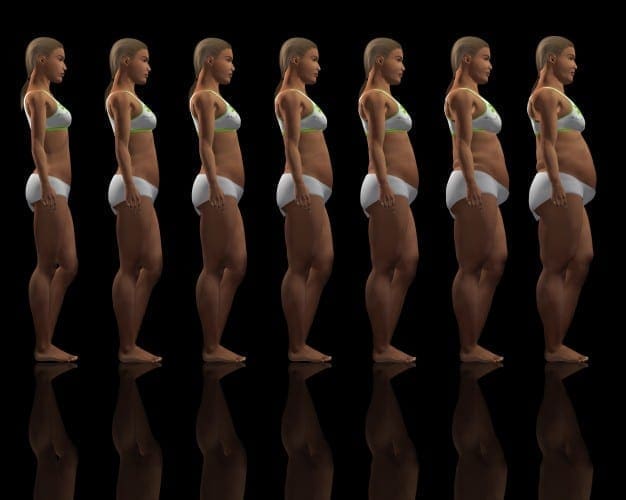
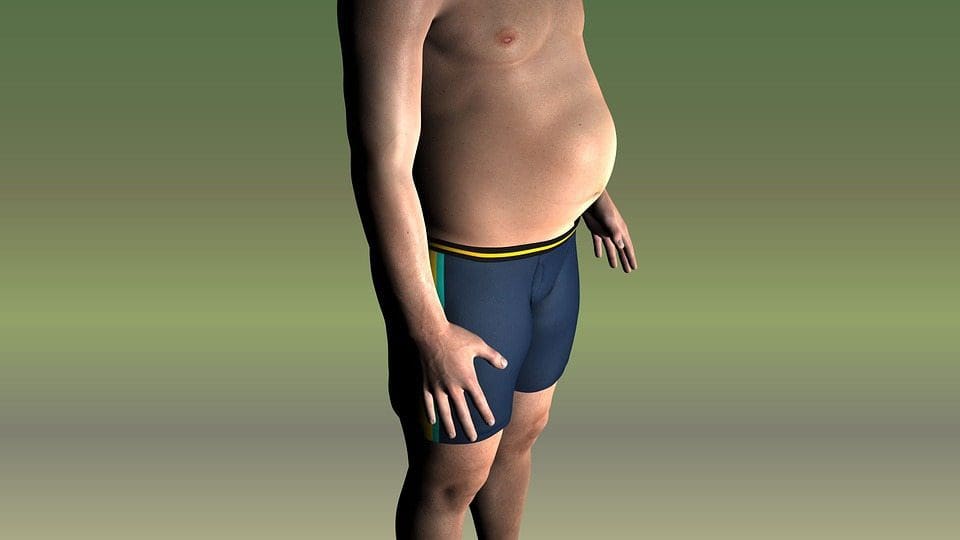 Chronic undernutrition is characterized by a progressive reduction of the�fat-free mass (FFM) and fat mass (FM)�and �which has deleterious consequences on health. Undernutrition is insufficiently screened and treated in hospitalized or at-risk patients despite its high prevalence and negative impact on mortality, morbidity, length of stay (LOS), quality of life, and costs [1�4]. The risk of underestimating hospital undernutrition is likely to worsen in the next decades because of the increasing prevalence of overweight, obesity, and chronic diseases and the increased number of elderly subjects. These clinical conditions are associated with FFM loss (sarcopenia). Therefore, an increased number of patients with FFM loss and sarcopenic obesity will be seen in the future.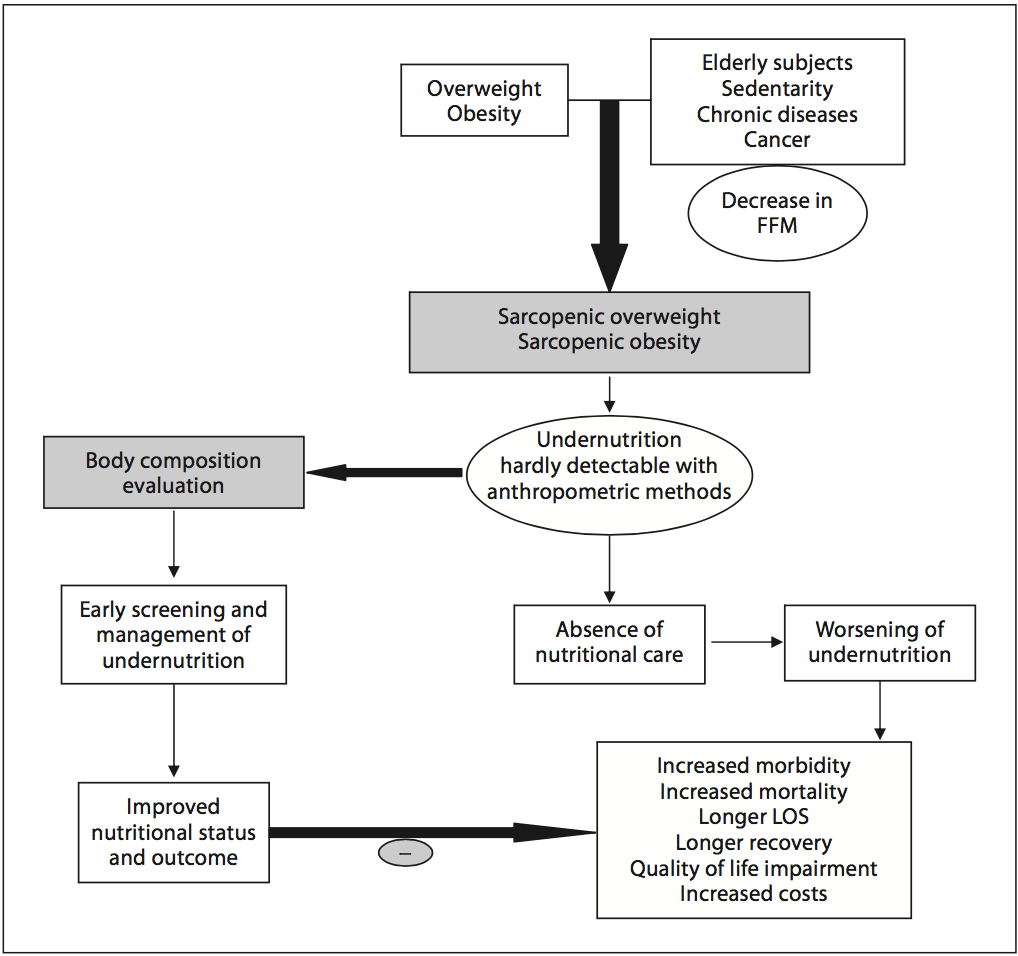
 Academic societies encourage systematic screening of undernutrition at hospital admission and during the hospital stay [14]. The detection of undernutrition is generally based on measurements of weight and height, calculations of BMI, and the percentage of weight loss. Nevertheless, screening of undernutrition is infrequent in hospitalized or nutritionally at-risk ambulatory patients. For example, in France, surveys performed by the French Health Authority [15] indicate that: (i) weight alone, (ii) weight with BMI or percentage of weight loss, and (iii) weight, BMI,�and percentage of weight loss are reported in only 55, 30, and 8% of the hospitalized patients� records, respectively. Several issues, which could be improved by specific educational programs, explain the lack of implementation of nutritional screening in hospitals (table 1). In addition, the accuracy of the clinical screening of undernutrition could be limited at hospital admission. Indeed, patients with undernutrition may have the same BMI as sex- and age- matched healthy controls but a significantly decreased FFM hidden by an expansion of the FM and the total body water which can be measured by bioelectrical impedance analysis (BIA) [13]. This example illustrates that body composition evaluation allows a more accurate identification of FFM loss than body weight loss or BMI decrease. The lack of sensitivity and specificity of weight, BMI, and percentage of weight loss argue for the need for other methods to evaluate the nutritional status.
 In 2008, twelve and thirty percent of the worldwide adult population was obese or overweight; this is two times higher than in 1980 [16]. The prevalence of overweight and obesity is also increasing in hospitalized patients. A 10-year comparative survey performed in a European hospital showed an increase in patients� BMI, together with a shorter LOS [17]. The BMI increase masks undernutrition and FFM loss at hospital admission. The increased prevalence of obesity in an aging population has led to the recognition of a new nutritional entity: �sarcopenic obesity� [18]. Sarcopenic obesity is characterized by increased FM and reduced FFM with a normal or high body weight. The emergence of the concept of sarcopenic obesity will increase the number of situations associated with a lack of sensitivity of the calculations of BMI and�body weight change for the early detection of FFM loss. This supports a larger use of body composition evaluation for the assessment and follow-up of nutritional status in clinical practice (fig. 1).
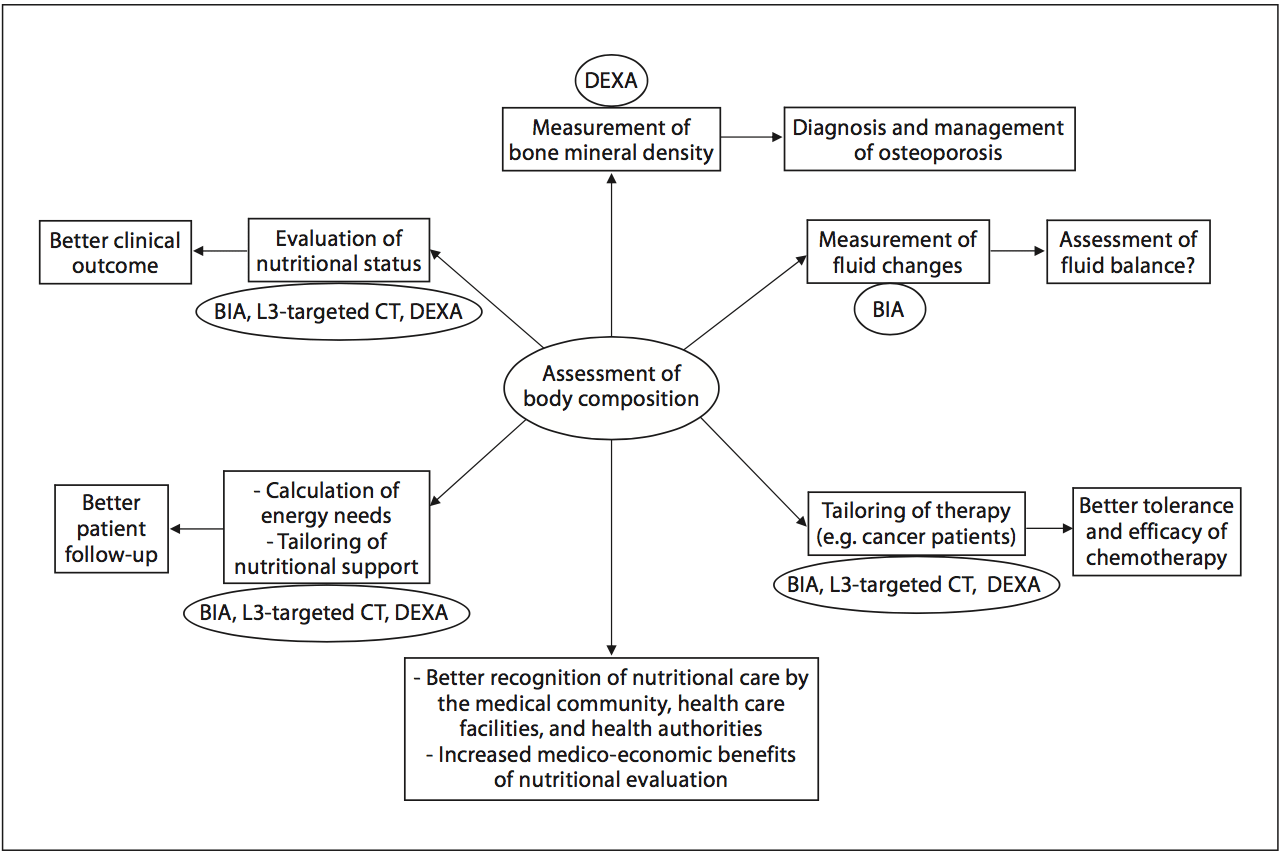 Fig. 2. Current and potential applications of body composition evaluation in clinical practice. The applications are indicated in the boxes, and the body composition methods that could be used for each application are indicated inside the circles. The most used application of body composition evaluation is the measurement of bone mineral density by DEXA for the diagnosis and management of osteoporosis. Although a low FFM is associated with worse clinical outcomes, FFM evaluation is not yet implemented enough in clinical practice. However, by allowing early detection of undernutrition, body composition evaluation could improve the clinical outcome. Body composition evaluation could also be used to follow up nutritional status, calculate energy needs, tailor nutritional support, and assess fluid changes during perioperative period and renal insufficiency. Recent evidence indicates that�a low FFM is associated with a higher toxicity of some chemo- therapy drugs in cancer patients. Thus, by allowing tailoring of the chemotherapy doses to the FFM in cancer patients, body com- position evaluation should improve the tolerance and the efficacy of chemotherapy. BIA, L3-targeted CT, and DEXA could be used for the assessment of nutritional status, the calculation of energy needs, and the tailoring of nutritional support and therapy. Further studies are warranted to validate BIA as an accurate method for fluid balance measurement. By integrating body composition evaluation into the management of different clinical conditions, all of these potential applications would lead to a better recognition of nutritional care by the medical community, the health care facilities, and the health authorities, as well as to an increase in the medico-economic benefits of the nutritional evaluation.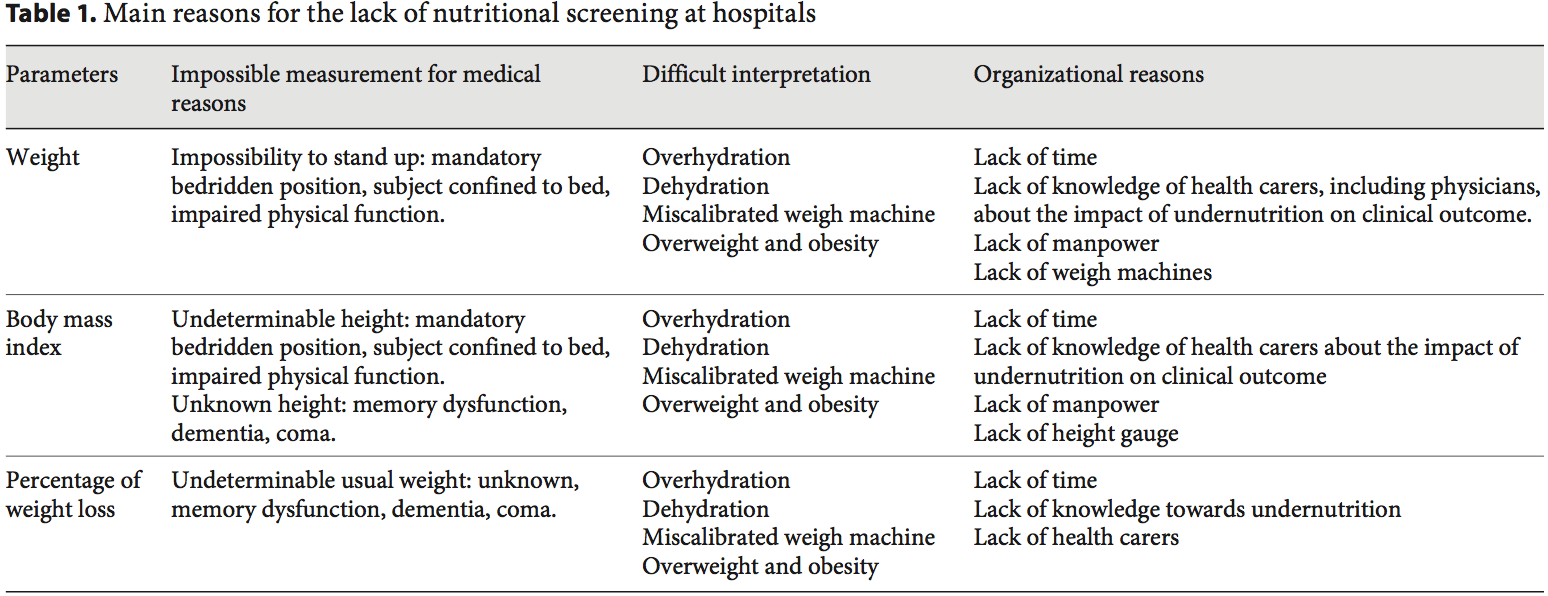
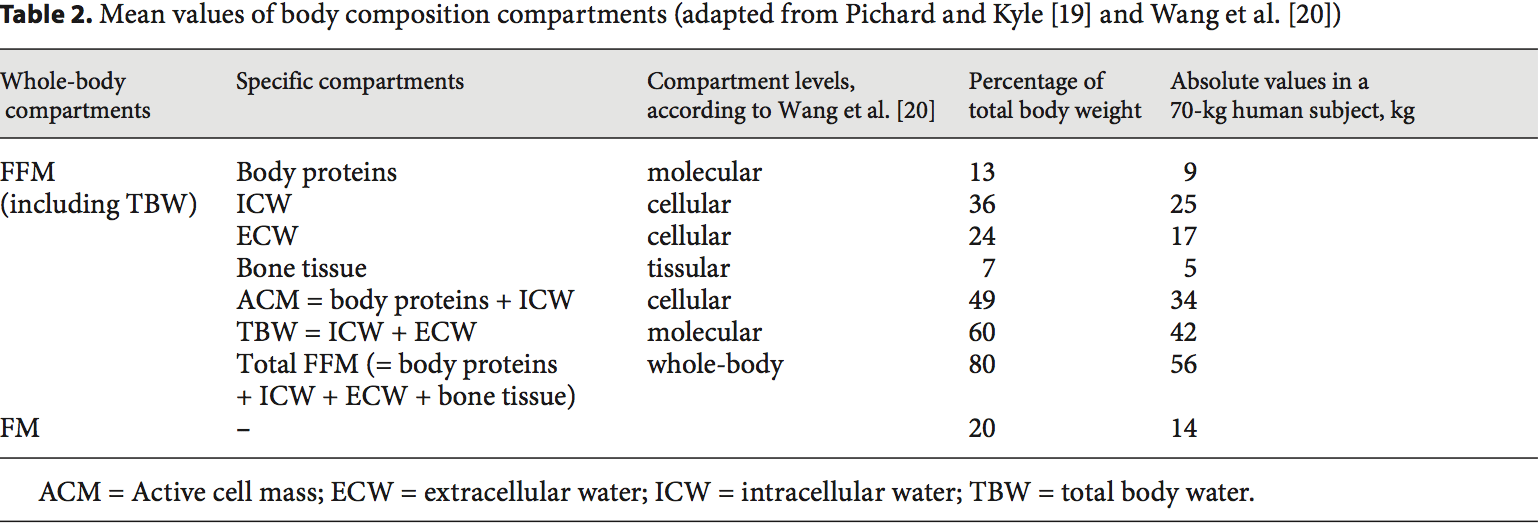 Body Composition Techniques For FFM Measurement
 Body composition evaluation allows measurement of the major body compartments: FFM (including bone mineral tissue), FM, and total body water. Table 2 shows indicative values of the body composition of a healthy subject weighing 70 kg. In several clinical situations, i.e. hospital admission, chronic obstructive pulmonary dis- ease (COPD) [21�23], dialysis [24�26], chronic heart failure [27], amyotrophic lateral sclerosis [28], cancer [5, 29], liver transplantation [30], nursing home residence [31], and Alzheimer�s disease [32], changes in body compartments are detected with the techniques of body composition evaluation. At hospital admission, body composition evaluation could be used for the detection of FFM loss and undernutrition. Indeed, FFM and the FFM index (FFMI) [FFM (kg)/height (m2)] measured by BIA are significantly lower in hospitalized patients (n = 995) than in age-, height-, and sex-matched controls (n = 995) [3]. Conversely, clinical tools of nutritional status assessment, such as BMI, subjective global assessment, or mini-nutritional assessment, are not accurate enough to estimate FFM loss and nutritional status [30, 32�34]. In 441 patients with non-small cell lung cancer, FFM loss deter- mined by computerized tomography (CT) was observed in each BMI category [7], and in young adults with all�types of cancer, an increase in FM together with a de- crease in FFM were reported [29]. These findings reveal the lack of sensitivity of BMI to detect FFM loss. More- over, the FFMI is a more sensitive determinant of LOS than a weight loss over 10% or a BMI below 20 [3]. In COPD, the assessment of FFM by BIA is a more sensitive method to detect undernutrition than anthropometry [33, 35]. BIA is also more accurate at assessing nutrition- al status in children with severe neurologic impairment than the measurement of skin fold thickness [36].
 FFM loss is correlated with survival in different clinical settings [5, 21�28, 37]. In patients with amyotrophic lateral sclerosis, an FM increase, but not an FFM in- crease, measured by BIA, was correlated with survival during the course of the disease [28]. The relation between body composition and mortality has not yet been demonstrated in the intensive care unit. The relation between body composition and mortality has been demonstrated with anthropometric methods, BIA, and CT. Measurement of the mid-arm muscle circumference is an easy tool to diagnose sarcopenia [38]. The mid-arm muscle circumference has been shown to be correlated with survival in patients with cirrhosis [39, 40], HIV infection [41], and COPD in a stronger way than BMI [42]. The relation between FFM loss and mortality has been extensively shown with BIA [21�28, 31, 37], which is the most used method. Recently, very interesting data suggest that CT could evaluate the disease prognosis in relation to muscle wasting. In obese cancer patients, sarcopenia as assessed by CT measurement of the total skeletal muscle cross-sectional area is an independent predictor of the survival of patients with bronchopulmonary [5, 7], gastrointestinal [5], and pancreatic cancers [6]. FFM assessed by measurement of the mid-thigh muscle cross- sectional area by CT is also predictive of mortality in COPD patients with severe chronic respiratory insufficiency [43]. In addition to mortality, a low FFMI at hospital admission is significantly associated with an in- creased LOS [3, 44]. A bicentric controlled population study performed in 1,717 hospitalized patients indicates that both loss of FFM and excess of FM negatively affect the LOS [44]. Patients with sarcopenic obesity are most at risk of increased LOS. This study also found that ex- cess FM reduces the sensitivity of BMI to detect nutritional depletion [44]. Together with the observation that the BMI of hospitalized patients has increased during the last decade [17], these findings suggest that FFM and�FFMI measurement should be used to evaluate nutritional status in hospitalized patients.
 Numerous methods of body composition evaluation have been developed: anthropometry, including the 4-skinfold method [58], hydrodensitometry [58], in vivo neutron activation analysis [59], anthropogammametry from total body potassium-40 [60], nuclear magnetic resonance [61], dual-energy X-ray absorptiometry (DEXA) [62, 63], BIA [45, 64�66], and more recently CT [7, 43, 67]. DEXA, BIA, and CT appear to be the most convenient methods for clinical practice (fig. 2), while the other methods are reserved for scientific use.
 The evaluation of FFM could be used for the calculation of energy needs, thus allowing the optimization of nutritional intakes according to nutritional needs. This could be of great interest in specific situations, such as severe neurologic disability, overweight, and obesity. In 61 children with severe neurologic impairment and intellectual disability, an equation integrating body composition had good agreement with the doubly labeled water method. It gave a better estimation of energy expenditure than did the Schofield predictive equation [36]. However, in 9 anorexia nervosa patients with a mean BMI of 13.7, pre- diction formulas of resting energy expenditure including FFM did not allow accurate prediction of the resting energy expenditure measured by indirect calorimetry [76]. In overweight or obese patients, the muscle catabolism in response to inflammation was the same as that observed�in patients with normal BMI. Indeed, despite a higher BMI, the FFM of overweight or obese individuals is similar (or slightly increased) to that of patients with normal BMI. Thus, the use of actual weight for the assessment of the energy needs of obese patients would result in over- feeding and its related complications. Therefore, the ex- perts recommend the use of indirect calorimetry or calculation of the energy needs of overweight or obese patients as follows: 15 kcal/kg actual weight/day or 20�25 kcal/kg ideal weight/day [77, 78], although these predictive formulas could be inaccurate in some clinical conditions [79]. In a US prospective study conducted in 33 ICU medical and surgical ventilated ICU patients, daily measurement of the active cell mass (table 2) by BIA was used to assess the adequacy between energy/protein intakes and needs. In that study, nutritional support with 30 kcal/ kg actual body weight/day energy and 1.5 g/kg/day protein allowed stabilization of the active cell mass [75]. Thus, follow-up of FFM by BIA could help optimize nutritional intakes when indirect calorimetry cannot be performed.
 Body composition evaluation allows a qualitative assessment of body weight variations. The evaluation of body composition may help to document the efficiency of nutritional support during a patient�s follow-up of numerous clinical conditions, such as surgery [59], anorexia nervosa [76, 80], hematopoietic stem cell transplantation [81], COPD [82], ICU [83], lung transplantation [84], ulcerative colitis [59], Crohn�s disease [85], cancer [86, 87], HIV/AIDS [88], and acute stroke in elderly patients [89]. Body composition evaluation could be used for the follow-up of healthy elderly subjects [90]. Body composition evaluation allows characterization of the increase in body mass in terms of FFM and FM [81, 91]. After hematopoietic stem cell transplantation, the increase in BMI is the result of the increase in FM, but not of the increase in FFM [81]. Also, during recovery after an acute illness, weight gain 6 months after ICU discharge could be mostly related to an increase in FM (+7 kg) while FFM only increased by 2 kg; DEXA and air displacement plethysmography were used to measure the FM and FFM [91]. These two examples suggest that body composition evaluation could be helpful to decide the modification and/or the renewal of nutritional support. By identifying the patients gaining weight but reporting no or insufficient FFM, body composition evaluation could contribute to influencing the medical decision of continuing nutrition- al support that would have been stopped in the absence of body composition evaluation.
 In clinical situations when weight and BMI do not reflect the FFM, the evaluation of body composition should be used to adapt drug doses to the FFM and/or FM absolute values in every patient. This point has been recently illustrated in oncology patients with sarcopenic obesity. FFM loss was determined by CT as described above. In cancer patients, some therapies could affect body com- position by inducing muscle wasting [92]. In patients with advanced renal cell carcinoma [92], sorafenib induces a significant 8% loss of skeletal muscular mass at 12 months. In turn, muscle wasting in patients with BMI less than 25 was significantly associated with sorafenib toxicity in patients with metastatic renal cancer [8]. In metastatic breast cancer patients receiving capecitabine treatment, and in patients with colorectal cancer receiving 5-fluorouracile, using the convention of dosing per unit of body surface area, FFM loss was the determinant of chemotherapy toxicity [9, 10] and time to tumor progression [10]. In colorectal cancer patients administered 5-fluoruracil, low FFM is a significant predictor of toxicity only in female patients [9]. The variation in toxicity between women and men may be partially explained by the fact that FFM was lower in females. Indeed, FFM rep- resents the distribution volume of most cytotoxic chemo- therapy drugs. In 2,115 cancer patients, the individual variations in FFM could change by up to three times the distribution volume of the chemotherapy drug per body area unit [5]. Thus, administering the same doses of chemotherapy drugs to a patient with a low FFM compared to a patient with a normal FFM would increase the risk of chemotherapy toxicity [5]. These data suggest that FFM loss could have a direct impact on the clinical outcome of cancer patients. Decreasing chemotherapy doses in case of FFM loss could contribute to improving cancer patients� prognosis through the improvement of the tolerance of chemotherapy. These findings justify the systematic evaluation of body composition in all cancer patients in order to detect FFM loss, tailor chemotherapy doses according to FFM values, and then improve the efficacy- tolerance and cost-efficiency ratios of the therapeutic strategies [93]. Body composition evaluation should also be used to tailor the doses of drugs which are calculated based on patients� weight, e.g. corticosteroids, immuno-suppressors (infliximab, azathioprine or methotrexate), or sedatives (propofol).
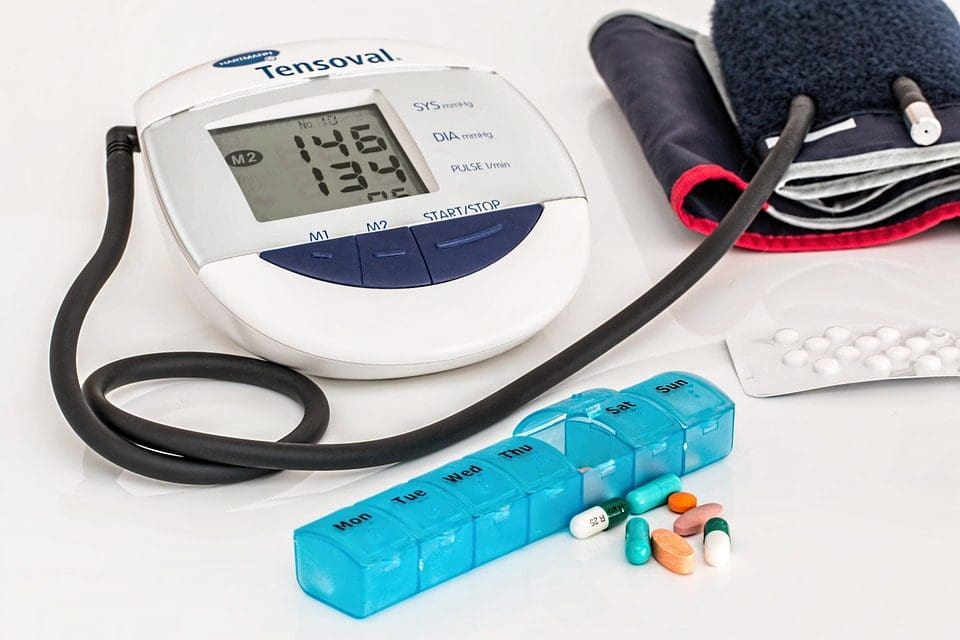 The implementation of body composition evaluation in routine care presents a challenge for the next decades. Indeed the concomitant increases in elderly subjects and patients with chronic diseases and cancer, and in the prevalence of overweight and obesity in the population, will increase the number of patients nutritionally at risk or undernourished, particularly those with sarcopenic obesity. Body composition evaluation should be used to improve the screening of undernutrition in hospitalized patients. The results of body composition should be based on the same principle as BMI calculation, towards the systematic normalization for body height of FFM (FFMI) and FM [FM (kg)/height (m)2 = FM index] [94]. The results could be expressed according to previously de- scribed percentiles of healthy subjects [95, 96]. Body com- position evaluation should be performed at the different stages of the disease, during the course of treatments and the rehabilitation phase. Such repeated evaluations of body composition could allow assessment of the nutritional status, adjusting the calculation of energy needs as kilocalories/kilogram FFM, following the efficacy of