by Dr Alex Jimenez DC, APRN, FNP-BC, CFMP, IFMCP | Health, Nutrition, Wellness
Alcohol In Moderation�Has A Reputation For Being Healthy For The Heart
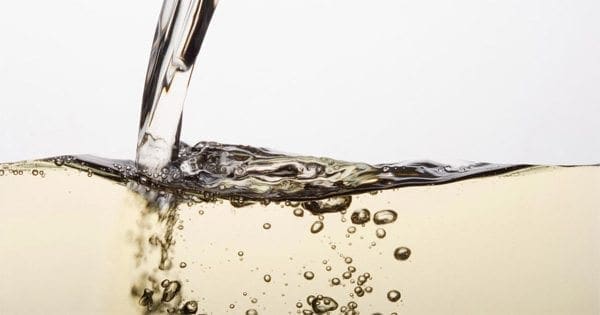
Drinking about a glass of wine for women per day, and two glasses for men, is linked to a lower risk of heart attack, stroke and death from heart disease. (Drinking too much, of course, negates these benefits and increases the risk of heart problems.)
Now, a new study of nearly two million people published in The BMJ adds more evidence that moderate amounts of alcohol appear to be healthy for most heart conditions�but not all of them.
The researchers analyzed the link between alcohol consumption and 12 different heart ailments in a large group of U.K. adults. None of the people in the study had cardiovascular disease when the study started.
People who did not drink had an increased risk for eight of the heart ailments, ranging from 12% to 56%, compared to people who drank in moderation. These eight conditions include the most common heart events, such as heart attack, stroke and sudden heart-related death. Non-drinkers had a 33% higher risk of unstable angina�a condition in which the heart doesn�t get enough blood flow�and a 56% higher risk of dying unexpectedly from heart disease, compared to people who drank a glass or two of alcohol a day.
RELATED:�How Alcohol Affects Your Body
But alcohol does not seem to provide protection against four less common heart problems: certain types of milder strokes, which result from brief periods when blood flow to parts of the brain are blocked, and cases of bleeding in the brain.
The study�s findings are particularly interesting because the researchers separated drinkers into categories that are typically lumped together in these kinds of studies. �Non-drinkers� often include people who have never drank, as well as those who quit drinking (who may have been heavy drinkers in the past, and so may have a higher risk of heart problems). This may have inflated the risk of non-drinkers; in some cases, grouping people this way might make drinking alcohol look better for the heart than it actually is.
It�s not clear from the current study why alcohol lowers the risk of some heart conditions and not others. But Steven Bell, a genetic epidemiologist at University of Cambridge and the study�s lead author, says that another study designed to answer that question is currently underway. �We are unpacking how different risk factors are associated with each different disease,� he says. Future studies will also tease apart whether different types of alcohol�wine versus beer or spirits, for example�have varying effects on the risk of heart disease.
In the meantime, Bell says that the results should reassure people who drink a few glasses of alcohol each week. But it shouldn�t compel people who don�t currently drink to pick up the habit in order to stave off heart disease. Because alcohol carries a risk of liver disease, there are safer ways to lower risk, he says, such as quitting smoking, exercising regularly and eating a healthy diet.

Call Today!

by Dr Alex Jimenez DC, APRN, FNP-BC, CFMP, IFMCP | Health, Nutrition, Wellness
Every year, certain ingredients and dishes emerge as trendy �must-haves��even if it�s something we�ve been eating for centuries. Just a few years ago, for example, no one had even heard of quinoa (which has been around for at least 5,000 years), and now not a day goes by when we don�t see it on a menu.
These Foods &�Aren�t Just Being Whipped Up By Chefs Or Served In Popular Restaurants
They�ve become mainstream amongst home cooks across America, and thousands of eaters are also ordering them through delivery services. UberEATS has seen a surge in fresh, nutritious delivery orders (so long, pizza and burgers), so they compiled a list of the top 20 healthy food trends for 2017. The data is based on UberEATS order patterns so far this year.
RELATED:�9 Healthy Kitchen Staples That Cost Under $1 Per Serving
Unsurprisingly, avocado is at the top of the list�it seems this trend is here to stay. According to their data, the fruit is the most popular healthy food in more than 16 cities across the country. Kale has dropped to number 8 on the list, making way for poke (a Hawaiian raw fish salad), edamame, radishes, and pickles. Bulgur and brown rice have replaced quinoa as the resident grains/seeds in the top 20.
The fact that tofu rounds out the top 10 is a nod to people re-thinking the amount of meat they consume�and how it appears on their plates. More and more, in home kitchens, restaurants, and new cookbooks, we�re seeing veggies take center stage with meat as a side, or a garnish. Check out the full list below, and use it as an opportunity to try out some new healthy ingredients this year.
- Avocado
- Poke
- Edamame
- Radish
- Pickles
- Cucumber
- Celery
- Kale
- Pho
- Tofu
- Carrots
- Broccoli
- Asparagus
- Bulgur
- Chickpea
- Cabbage
- Coconut
- Brown Rice
- Bok Choy
- Bone Broth
Call Today!

by Dr Alex Jimenez DC, APRN, FNP-BC, CFMP, IFMCP | Diets, Fitness
Regular exercise is potent medicine for older adults with heart disease, a new American Heart Association scientific statement says.
Physical activity should be a key part of care for older adults with heart disease who want to reduce their symptoms and build their stamina, said geriatric cardiologist Dr. Daniel Forman. He’s chair of the panel that wrote the new statement.
“Many health-care providers are focused only on the medical management of diseases — such as heart failure, heart attacks, valvular heart disease and strokes — without directly focusing on helping patients maximize their physical function,” Forman said in a heart association news release.
Yet, after a heart attack or other cardiac event, patients need to gain strength. Their independence may require the ability “to lift a grocery bag and to carry it to their car,” said Forman, a professor of medicine at the University of Pittsburgh Medical Center and VA Pittsburgh Healthcare System.
“Emphasizing physical function as a fundamental part of therapy can improve older patients’ quality of life and their ability to carry out activities of daily living,” he added.
And, no one is too old to get moving. “Patients in their 70s, 80s and older can benefit,” Forman said.
Cardiac rehabilitation is a crucial tool for elderly patients, providing exercise counseling and training to promote heart health, and manage stress and depression. But Forman said it’s not prescribed often enough.
“When treating cardiac patients in their 70s, 80s and 90s, health-care providers often stress medications and procedures without considering the importance of getting patients back on their feet, which is exactly what cardiac rehabilitation programs are designed to do,” he noted.
Daily walking and tackling more chores at home also can be helpful, Forman said. Resistance training and balance training can help prevent falls. Tai chi and yoga employ strength, balance and aerobic features, he explained.
The statement also outlines ways for heart doctors to assess patients’ levels of physical functioning.
The statement was published March 23 in the journal Circulation.
Heart disease in older Americans is a growing concern because the number of people 65 and older in the United States is expected to double between 2010 and 2050.

by Dr Alex Jimenez DC, APRN, FNP-BC, CFMP, IFMCP | Diets, Fitness
Pediatricians have long suggested that fruit juice may prompt weight gain in children, but a new review finds it harmless when consumed in moderation.
“Based on the current evidence, we didn’t find that consuming one serving [of 100 percent fruit juice] a day contributes to weight gain in children,” said study author Dr. Brandon Auerbach. He is acting instructor of medicine at the University of Washington, in Seattle.
To come to that conclusion, the investigators analyzed the results of eight published studies involving over 34,000 children that looked at fruit juice intake and the effect on weight.
Children under the age of 6 who drank a serving a day gained a small amount of weight, but not enough to be clinically significant, the findings showed.
The amount was truly tiny, less than a pound over a year’s time, Auerbach noted. And the review did not prove that fruit juice consumption caused the weight gain.
In addition, children aged 7 to 18 who drank a serving a day saw no clinical effects on weight, the researchers said.
The younger children favored apple juice, while the older ones were more likely to drink orange juice. The study authors explained that orange juice, which has a lower glycemic index, may be linked with less weight gain. Food and drink with a lower glycemic index are linked with lower and slower rises in blood sugar levels.
The researchers stressed that their report specifically focused on 100-percent fruit juice, not fruit-flavored drinks or fruit sodas.
Senior study author, Dr. James Krieger, is executive director of Healthy Food America. He said, “The evidence on weight gain, diabetes [risk] and other health conditions for [drinking] sugar-sweetened beverages — like soda and fruit drinks — is very solid.”
What has been debated, according to Krieger, is whether sugar in 100-percent fruit juice is linked with the same health effects.
For now, Krieger and Auerbach said, they advise parents to follow the American Academy of Pediatrics’ recommendations for 100-percent fruit juice consumption: 4 to 6 ounces a day for children aged 6 and younger, and 8 to 12 ounces a day for kids aged 7 to 18.
Connie Diekman, director of university nutrition for Washington University in St. Louis, said that the new findings put the issue in perspective.
“Concerns around childhood obesity have caused many to try to find ‘the food’ that is the cause,” Diekman explained.
“This study did a nice job in assessing the impact of 100-percent fruit juice on weight, a food often blamed for the growing incidence of childhood obesity,” she said.
“As a registered dietitian, this study reinforces the messages I provide my clients: 100-percent fruit juice — not fruit drinks or beverages — can fit into a healthful eating plan. But it is important, as with all foods, to learn portion sizes,” Diekman stressed.
“In addition, I always remind people that whole fruit — whether fresh, frozen or canned — can provide more satiety since we don’t seem to recognize fullness from liquids, while we do from solids,” she said.
The study was published online March 23 in the journal Pediatrics.

by Dr Alex Jimenez DC, APRN, FNP-BC, CFMP, IFMCP | Health, Integrative Functional Wellness, Integrative Medicine, Nutrition, Wellness
Let’s face it, sometimes there’s nothing better at the end of a long day than a glass of wine. But sipping much more than that can wreak havoc with your shape, and not just by adding hundreds of calories to your diet. Alcohol temporarily keeps your body from burning fat, explains integrative medicine specialist Pamela M. Peeke, MD, author of The Hunger Fix. The reason is that your body can’t store calories from alcohol for later, the way it does with food calories. So when you drink, your metabolic system must stop what it’s doing (like, say, burning off calories from your last meal) to get rid of the booze.
“Drinking presses ‘pause’ on your metabolism, shoves away the other calories, and says, ‘Break me down first!'” Dr. Peeke explains. The result is that whatever you recently ate gets stored as fat.
What’s worse: “Research has uncovered that alcohol especially decreases fat burn in the belly,” Dr. Peeke adds. “That’s why you never hear about ‘beer hips,’ you hear about a ‘beer belly.'”
So can a girl ever enjoy a drink without putting on pounds? Absolutely, if you imbibe the right way. In fact, large, long-term studies published in the Archives of Internal Medicine and International Journal of Obesity found that middle-aged and older women who drank moderately (about one drink a day) gained less weight over time than those who never imbibed at all; they were also less likely to become obese.
It’s a complex topic, but JoAnn Manson, MD, professor of medicine at Harvard Medical School and co-author of the studies, says that the moderate drinkers appeared to be more likely to compensate for the occasional drinks by taking in fewer calories from other sources and also tended to be a little more physically active. (In other words, they didn’t get blitzed on margaritas, then dive in to a bowl of fried ice cream.) What else beyond basic exercise and calorie-counting can keep happy hour from turning into hefty hour? Health dug into the research and grilled the experts on how you can have your sips and jeans that still zip.
Rule #1: Always eat when you drink
While the Harvard research suggests it’s wise to factor in those cocktail calories, it’s actually more important to eat right than to eat less, the experts stress. Skimping on food in order to “make room” for drinks will only backfire and send you straight to the bottom of the candied nut bowl. Here’s why: Most cocktails are loaded with simple carbohydrates, “so during a night of drinking, people end up with soaring blood sugar, followed by a ‘crash’ that leaves them ravenous,” says Jason Burke, MD, an anesthesiologist and hangover researcher who runs a hangover treatment clinic in (where else?) Las Vegas.
You can help counteract that effect by nibbling foods that provide long-lasting energy. “Before you go out, have dinner or a snack with protein, fiber, and healthy fat,” says Karlene Karst, RD, author of The Full-Fat Solution. “They stabilize your blood-sugar levels without slowing down your metabolism.” Karst recommends Greek yogurt with berries, almond or hemp butter with an apple, or a protein shake. An added benefit of grabbing a bite beforehand, she says, is that that Pinot or appletini will be absorbed more slowly into the bloodstream, minimizing its diet-damaging effects.
In addition to revving your appetite, tippling also makes you lose your eating inhibitions (“I only live once�I’ll have the steak frites!”). “It temporarily impairs the prefrontal cortex, the smarty-pants part of the brain that allows you to think clearly and rein in impulsivity,” Dr. Peeke says. “So after a certain amount of alcohol (and it’s different for everyone), you’re going to feel yourself not caring and letting it rip with food and probably drinks.” A cocktail (or three) can make you forgetful, too�as in, forgetting that the Death by Chocolate dessert is not on your eating plan.
The trick is to have an easy-to-follow strategy in place before you take that first sip. Scout out the bar or restaurant menu ahead of time and note your picks on your phone. Then set an alert to remind you to order wisely�that way you won’t have to think too much (or rely on that alcohol-impaired prefrontal cortex!) to stay on track.
As with your pre-partying meal, go for something with fiber, protein, and a little bit of healthy fat to help control blood-sugar levels and make you feel satisfied, Karst says.
Rule #2: Know that some drinks make you hungrier than others
When it comes to waist-friendly cocktails, the simpler the drink, the better. Not only do the sweet-and-fancy ones tend to have more calories, but the additional sugar can make you even hungrier: Your blood sugar skyrockets higher than it does on beer, wine, or a shot of something, making the plummet (and the resulting cravings) worse.
And then there are the calories! Booze has 7 calories per gram, making it the second-most calorie-dense macronutrient. (That’s just below pure fat, which has 9 calories per gram.) This means a measly 1.5-ounce jigger of vodka has almost 100 calories. Mix that up with some club soda and lime, and it’s a reasonable tipple, but when you start tossing together a whole bunch of different liquors�whether it’s a hipster fizz made with bourbon, elderflower liqueur, and house-made bitters, or a dive-bar Long Island iced tea loaded with vodka, rum, tequila, and gin�it really adds up (to the tune of 300 calories, in the case of a Long Island).
Even simple mixed drinks like rum-and-Cokes and screwdrivers pack extra calories because of the sugary soda and juice. “So if you’re going to drink, have something straight up and simple like wine or beer,” Dr. Peeke advises. Any wine or beer works, but to trim about 10 calories per glass, choose a ros� or white wine instead of a heavier red. A whole pint of a dark beer is around only 170 calories (compared with 195 for the same amount of regular beer) and may leave you feeling fuller than, say, Champagne, because it’s so starchy and rich, Karst notes. Vodka, gin, or bourbon with club soda and a twist are pretty good bets, too. Club soda is calorie- and sugar-free and dilutes the alcohol and its effect on your cravings. Avoid juices, liqueurs (which are sweet and syrupy), colas, tonics, and super-sugary bottled mixes like the ones for a lot of bar-made margaritas and daiquiris.
Rule #3: Stick to a drink or two, tops
One drink a day is the widely accepted definition of moderate drinking for women, but there’s a misconception among some bar-hoppers that you can go without alcohol all week and save your seven drinks for the weekend. “That’s the worst thing you can possibly do for your weight,” Dr. Peeke says. (And, of course, for your health.) “It has a much bigger effect than one drink a day.”
When you down three or four drinks in one night, your body has many hundreds of alcohol calories to process before it can continue to break down food calories or stored fat. Plus, all those drinks throw your blood sugar even more out of whack so you’re hungry as heck�and because you’re tipsy, your prefrontal cortex is misfiring and you now have zero compunction about ordering the fried mozzarella sticks with a side of ranch (and keeping them all for yourself). The extra calories alone are enough to pile on the pounds; have four drinks every Saturday night and you’ll be up about 10 pounds in a year.
Rule #4: Beware that gnawing, starving feeling the next day
The morning after poses a new diet challenge. As if a hangover weren’t punishment enough, you’re fighting cravings for large amounts of cheesy, greasy fast food. Part of the problem is that you’re dehydrated (don’t forget, alcohol is a diuretic), and that can make you feel even hungrier, Karst notes. But that’s not the only thing at play. “The body needs energy to resolve the effects of a big night of drinking, so it wants the richest source of energy it can find, which is fat,” Dr. Burke says. “Also, greasy foods tend to settle the stomach a bit.”
To avoid that: When you’re out, drink a big glass of water for every drink you have. Then, before going to bed, have some more, along with a snack that is high in fiber and protein such as high-fiber cereal or oatmeal, Dr. Burke suggests. “You’ll get important nutrients into the body that were lost during alcohol consumption,” he adds. “Plus, foods rich in fiber stay in the stomach longer, so you’ll be less prone to hunger in the morning.” With any luck, you’ll also be less likely to overdo it in the a.m., ensuring your figure won’t have to pay the price for a night out.
by Dr Alex Jimenez DC, APRN, FNP-BC, CFMP, IFMCP | Health, Nutrition, Wellness
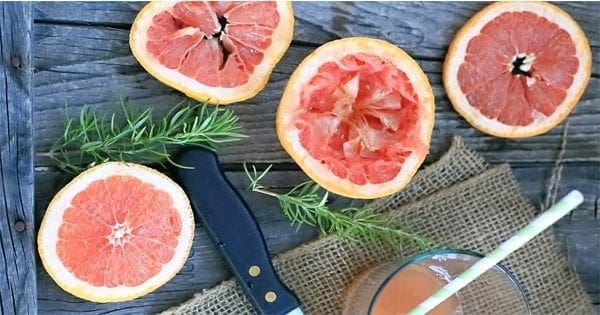
Grapefruit
Even if you changed nothing else about your diet, eating half a grapefruit before each meal may help you lose up to a pound a week!
A compound in the tangy fruit can lower insulin, a fat-storage hormone, and that can lead to weight loss. It’s also a good source of protein, and because it’s at least 90% water, it can fill you up so you eat less.
Try this recipe: Ginger-Citrus Fruit Salad
by Dr Alex Jimenez DC, APRN, FNP-BC, CFMP, IFMCP | Health, Nutrition, Wellness
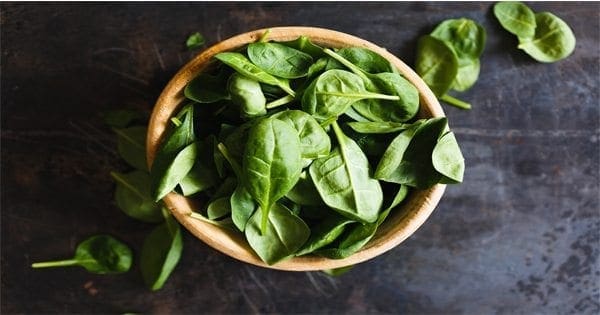
Spinach
Tender and flavorful, this leafy green is rich in iron, folic acid, and vitamin K. It also contains disease-fighting antioxidants beta-carotene and vitamin C, as well as the phytochemical lutein, which protects eyes against age-related macular degeneration. Use as a substitute for lettuce in salad, lightly saut� with shredded carrot, sliced mushrooms, and garlic for a savory omelet filling, or try this simple Seasoned Spinach recipe for a quick and nutritious side dish.

Call Today!