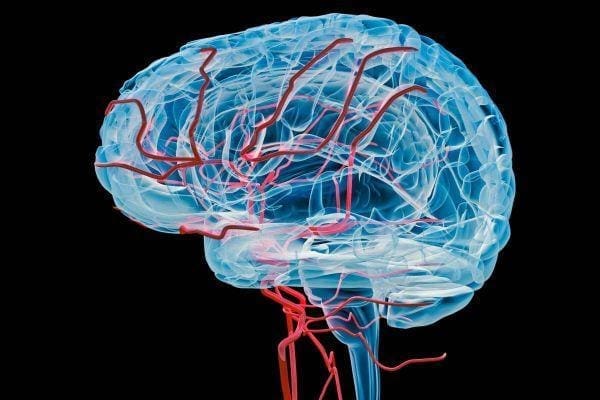
According to the National Institute of Mental Health (NIH), approximately 20 percent of the population in the United States are diagnosed with a brain health issue every year, with depression and phobias being the most common types of diagnosable mental health issues. Moreover, the Centers for Disease Control and Prevention (CDC) reported that the suicide rate in the United States had reached 13 for every 100,000 people in 2014, which is the highest it had ever been since 1986. Scientists are starting to associate brain health issues with inflammation and its effects on the blood-brain barrier. �
The blood-brain barrier (BBB) is a connection of blood vessels that protect the brain against harmful free radicals in the bloodstream. However, the blood-brain barrier is so effective at protecting the brain from these “harmful” components in the bloodstream, that it can ultimately even prevent drugs and/or medications from penetrating this security system to treat brain health issues. A research study published in Psychotherapy and Psychosomatics demonstrated that the effectiveness of antidepressants is only slightly more effective compared to placebos in the treatment of mental health issues. �
What Causes a Leaky Brain?
Scientists continue to analyze ways to effectively penetrate the blood-brain barrier to treat brain health issues. Several research studies have also determined that inflammation may reduce the function of brain cells in the frontal lobe of people diagnosed with depression. Other scientists are starting to believe that antidepressants and medicines used to treat depression are ineffective because these don’t necessarily treat inflammation in the brain. When the blood-brain barrier is damaged or injured, harmful components can enter the brain through the bloodstream and cause neurodegenerative symptoms. �
A “leaky brain” is a well-known term that is increasingly being used to describe blood-brain barrier permeability. A variety of blood tests, including those that measure the levels of the proteins occludin and zonulin, can be used to determine a leaky brain. Immunoglobulin levels may also be measured. Scientists also measure the levels of a molecule, known as microRNA-155, which increases with inflammation. MicroRNAs (miRNAs) play the fundamental role of regulating immune reactions, with miR-155 as a biomarker for inflammation in the brain due to a leaky blood-brain barrier. According to various research studies, this molecule can cause small gaps to develop in the BBB which can ultimately cause inflammation and lead to a leaky brain. �
Several different research studies have also discussed how inflammation on the blood-brain barrier can eventually cause a leaky brain. Meanwhile, other research studies have demonstrated a link between inflammation and a variety of psychiatric disorders. Scientists also demonstrated that pro-inflammatory cytokines can increase and cause increased blood-brain barrier permeability. Many harmful components can also affect the structure of the mitochondria and the blood-brain barrier. Microglial cells in the brain may also trigger and activate the release of molecules that can further affect the BBB. �
Further evidence has also associated blood-brain barrier dysfunction with a leaky gut. Scientists have suggested treating an underlying leaky gut to help treat a leaky brain. According to research studies, intestinal permeability, or a �leaky gut�, may ultimately be associated with blood-brain barrier permeability. Bacteria, small molecules, and toxins in the blood are commonly found in celiac disease, a well-known problem caused by gluten sensitivity or intolerance. Although true celiac disease is considered to be rare, a leaky gut associated with celiac disease and brain health issues are considered to be more common. �
One research study discusses the connection between the gut microbiome, inflammation, and the integrity of the blood-brain barrier. The scientists of a different research study discussed how a variety of treatments used to help improve the biodiversity of the gut microbiome, including a healthy diet and lifestyle modifications, fecal microbiota transplantation, prebiotics, and probiotics, have demonstrated to support the function of the gut-brain axis. Scientists believe it will be possible to use the gut microbiome to improve brain and mental health issues as well as to prevent further complications. �
Too much inflammation may cause a variety of brain and mental health issues associated with blood-brain barrier permeability. Because many research studies have suggested the connection between a leaky gut and a leaky brain, maintaining a healthy gut microbiome may be an effective treatment for brain and mental health. Although the brain is protected by the blood-brain barrier, this security system can frequently prevent drugs and/or medications from being able to effectively treat many brain and mental health issues. Scientists have started working towards developing successful ways to allow treatments to penetrate the blood-brain barrier.� – Dr. Alex Jimenez D.C., C.C.S.T. Insight
As previously mentioned, the National Institute of Mental Health (NIH) states that about 20 percent of Americans are diagnosed with a mental health issue every year, where depression and phobias are considered to be the most common types of diagnosable brain health issues. Furthermore, the Centers for Disease Control and Prevention (CDC) recorded that the suicide rate in the United States reached 13 for every 100,000 people in 2014, which is the highest it has ever been since 1986. Scientists associate mental health issues with brain inflammation and how it causes a “leaky” blood-brain barrier. �
The blood-brain barrier (BBB) is a group of blood vessels that protect the brain against “harmful” components in the bloodstream. However, because the blood-brain barrier can be so effective at protecting the brain from these harmful free radicals in the bloodstream, it can ultimately prevent drugs and/or medications from successfully penetrating the BBB to treat mental health issues. Research studies published in Psychotherapy and Psychosomatics determined that the effectiveness of certain medicines can only be slightly more effective, compared to placebos, in the treatment of brain health issues. �
The scope of our information is limited to chiropractic, musculoskeletal, and nervous health issues or functional medicine articles, topics, and discussions. We use functional health protocols to treat injuries or disorders of the musculoskeletal system. Our office has made a reasonable attempt to provide supportive citations and has identified the relevant research study or studies supporting our posts. We also make copies of supporting research studies available to the board and or the public upon request. To further discuss the subject matter above, please feel free to ask Dr. Alex Jimenez or contact us at 915-850-0900.�
Curated by Dr. Alex Jimenez �
References:
Figeley, Melanie. �Do You Have A Leaky Brain?� Biotics NW Inc., Biotics NW Inc., 15 Jan. 2019, www.bioticsnw.com/blogs/news/do-you-have-a-leaky-brain.
Neurotransmitter Assessment Form
The following Neurotransmitter Assessment Form can be filled out and presented to Dr. Alex Jimenez. The following symptoms listed on this form are not intended to be utilized as a diagnosis of any type of disease, condition, or any other type of health issue. �
Additional Topic Discussion: Chronic Pain
Sudden pain is a natural response of the nervous system which helps to demonstrate possible injury. By way of instance, pain signals travel from an injured region through the nerves and spinal cord to the brain. Pain is generally less severe as the injury heals, however, chronic pain is different than the average type of pain. With chronic pain, the human body will continue sending pain signals to the brain, regardless if the injury has healed. Chronic pain can last for several weeks to even several years. Chronic pain can tremendously affect a patient’s mobility and it can reduce flexibility, strength, and endurance. �
Neural Zoomer Plus for Neurological Disease
�
Dr. Alex Jimenez utilizes a series of tests to help evaluate neurological diseases. The Neural ZoomerTM Plus is an array of neurological autoantibodies which offers specific antibody-to-antigen recognition. The Vibrant Neural ZoomerTM Plus is designed to assess an individual�s reactivity to 48 neurological antigens with connections to a variety of neurologically related diseases. The Vibrant Neural ZoomerTM Plus aims to reduce neurological conditions by empowering patients and physicians with a vital resource for early risk detection and an enhanced focus on personalized primary prevention. �
Food Sensitivity for the IgG & IgA Immune Response
�
Dr. Alex Jimenez utilizes a series of tests to help evaluate health issues associated with food sensitivities. The Food Sensitivity ZoomerTM is an array of 180 commonly consumed food antigens that offers very specific antibody-to-antigen recognition. This panel measures an individual�s IgG and IgA sensitivity to food antigens. Being able to test IgA antibodies provides additional information to foods that may be causing mucosal damage. Additionally, this test is ideal for patients who might be suffering from delayed reactions to certain foods. Utilizing an antibody-based food sensitivity test can help prioritize the necessary foods to eliminate and create a customized diet plan around the patient�s specific needs. �
Gut Zoomer for Small Intestinal Bacterial Overgrowth (SIBO)
�
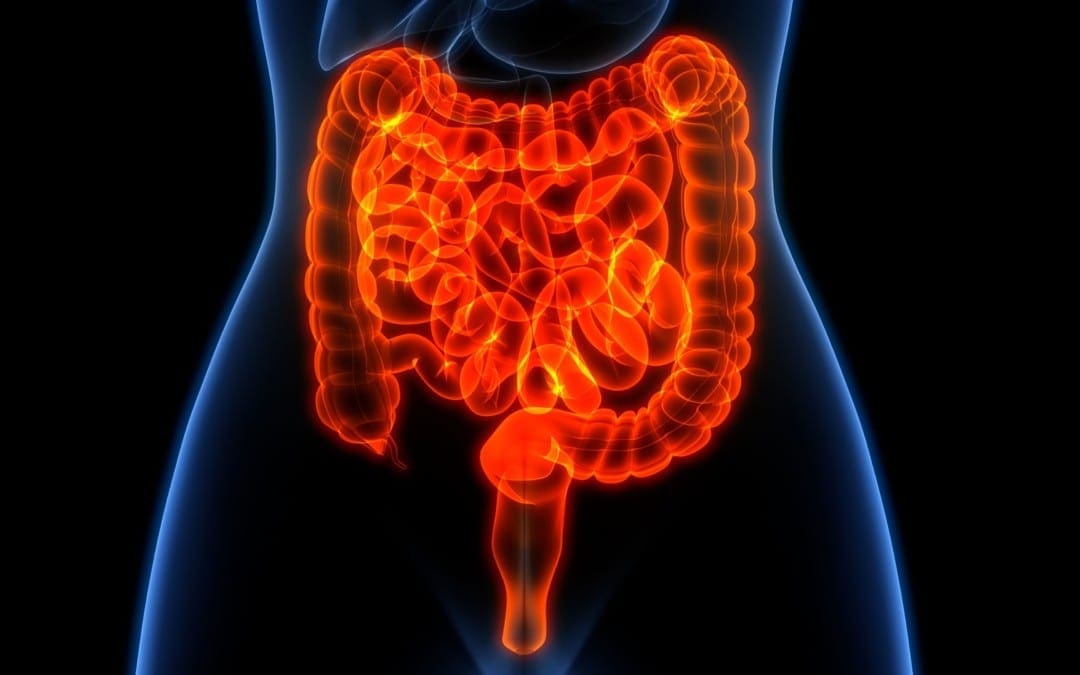
Dr. Alex Jimenez utilizes a series of tests to help evaluate gut health associated with small intestinal bacterial overgrowth (SIBO). The Vibrant Gut ZoomerTM offers a report that includes dietary recommendations and other natural supplementation like prebiotics, probiotics, and polyphenols. The gut microbiome is mainly found in the large intestine and it has more than 1000 species of bacteria that play a fundamental role in the human body, from shaping the immune system and affecting the metabolism of nutrients to strengthening the intestinal mucosal barrier (gut-barrier). It is essential to understand how the number of bacteria that symbiotically live in the human gastrointestinal (GI) tract influences gut health because imbalances in the gut microbiome may ultimately lead to gastrointestinal (GI) tract symptoms, skin conditions, autoimmune disorders, immune system imbalances, and multiple inflammatory disorders. �
Formulas for Methylation Support
� XYMOGEN�s Exclusive Professional Formulas are available through select licensed health care professionals. The internet sale and discounting of XYMOGEN formulas are strictly prohibited.
Proudly,�Dr. Alexander Jimenez makes XYMOGEN formulas available only to patients under our care.
Please call our office in order for us to assign a doctor consultation for immediate access.
If you are a patient of Injury Medical & Chiropractic�Clinic, you may inquire about XYMOGEN by calling 915-850-0900.
�
For your convenience and review of the XYMOGEN products please review the following link. *XYMOGEN-Catalog-Download �
* All of the above XYMOGEN policies remain strictly in force. �
How often do you feel agitated, easily upset, and nervous between meals? How often do you have difficulty concentrating before eating? How often does your energy level drop in the afternoon? Inflammation associated with a leaky blood-brain barrier can cause a variety of brain health issues. Our brain is a complex organ that controls various structures and functions of our body, from our memory to our breathing, muscle movements, and hormones. �
Unfortunately, brain health issues are common in our society. According to the National Institute of Mental Health, approximately 20 percent of adults in the United States have a brain health issue and American adults spend about $113 billion on treatment every year. Additionally, these statistics don’t even include the treatment cost of autoimmune brain health issues, such as Alzheimer’s disease, Parkinson’s disease, multiple sclerosis, and autism. In the article below, we will discuss how inflammation is associated with a “leaky” blood-brain barrier and what you can do to improve a variety of brain health issues. �
“Leaky” Blood-Brain Barriers and Inflammation
Scientists have previously discussed how leaky gut syndrome, a well-known digestive health issue that affects the lining of the gastrointestinal (GI) tract, can be associated with various health issues. However, current research studies have shown that leaky gut syndrome may also be associated with a leaky blood-brain barrier or the breakdown of the blood-brain barrier.�The gut-brain connection ultimately suggests that a “leaky gut” may cause a “leaky brain”. �
Biomarkers using the proteins occludin and zonulin can help determine the presence of leaky gut syndrome and a leaky blood-brain barrier. Scientists have demonstrated that increased antibodies against occludin and zonulin are one way to determine leaky brain syndrome. Scientists have also demonstrated that a molecule known microRNA-155 can increase with inflammation. MicroRNA-155 can ultimately cause microscopic gaps to develop in the blood-brain barrier that permitted passage to “harmful” components. This permeability can trigger the brain’s immune system and cause brain inflammation. �
Various research studies from the cytokine model of cognitive function evaluated how brain inflammation and a leaky blood-brain barrier may be associated with cases of anxiety, depression, brain fog, and autoimmune brain health issues. By way of instance, scientists evaluated how inflammation can decrease the activation of brain cells in the frontal lobe of people with depression. In cases of brain inflammation, using drugs and/or medications, such as antidepressants, are frequently ineffective because they aren’t treating the underlying brain inflammation. If a patient suffers from anxiety, depression, brain fog, or autoimmune brain health issues, many healthcare professionals may suggest the presence of a leaky brain or a leaky blood-brain barrier. �
8 Steps to Improve a Leaky Blood-Brain Barrier
Inflammation and a leaky blood-brain barrier may ultimately cause a variety of bran health issues if it’s misdiagnosed and left untreated. If you suspect you may have anxiety, depression, brain fog, or autoimmune brain health issues due to inflammation associated with a leaky blood-brain barrier, it’s important to talk to a healthcare professional to receive proper diagnosis and treatment. Fortunately, there are steps you can take to improve a leaky blood-brain barrier:� �
Evaluate your blood-brain barrier by conducting labs for blood-brain barrier proteins, which can show BBB permeability, occludin and zonulin, which can show the antibodies against these proteins, homocysteine, which shows blood-brain barrier damage or injury through the increased levels of this amino acid, and brain agers like inflammation, which can accelerate the aging of the brain. High blood sugar may also show BBB permeability.
Determine a “leaky” blood-brain barrier by conducting microbiome labs. A “leaky gut” can cause a “leaky brain”. Understanding the gut-brain axis can help determine the presence of any underlying brain health issues. Bacterial imbalances and yeast overgrowths can cause neurological symptoms. By way of instance, anxiety and depression are associated with the bacteria known as Lactobacillus helveticus and Bifidobacterium longum.
Prevent yourself from eating foods, such as processed, refined and sugary foods as well as other toxins, that can cause a leaky blood-brain barrier.
Regulate stress for overall brain health. Research studies ultimately suggest that acute stress can increase the breakdown of the blood-brain barrier. Tai chi, yoga, and mindfulness meditation are several effective ways to help manage stress for the overall well-being of the human brain.
Take natural compounds, such as apigenin, baicalein, catechins, curcumin, luteolin, resveratrol, and rutin, that have all been suggested to reduce brain inflammation. However, because the correct dosage will be different for everyone, make sure to talk to a doctor before taking natural medicine.
Participate in exercise and physical activity that can help increase a brain-derived neurotrophic factor, BDNF, which helps promote brain health.
Reduce your consumption of alcohol. Alcohol can stress the brain and several research studies suggest that it can affect the blood-brain barrier.
Consider visiting a functional medicine practitioner to improve a leaky blood-brain barrier. While there’s no immediate fix for many chronic brain health issues, functional medicine customizes diagnostics and natural protocols based on your unique needs to help promote overall well-being.
The brain is protected by the blood-brain barrier, however, this security system can frequently prevent drugs and/or medications from being able to effectively treat brain health issues. Scientists have started working towards developing successful ways to allow treatments to penetrate the blood-brain barrier. Other research studies have demonstrated that the aging brain or neurodegeneration can cause the breakdown of the blood-brain barrier. However, research studies have demonstrated ways to restore and even reverse leaky blood-brain barriers and several brain health issues. Patients can take several steps to help improve a leaky blood-brain barrier. – Dr. Alex Jimenez D.C., C.C.S.T. Insight
How often do you feel agitated, easily upset, and nervous between meals? How often do you have difficulty concentrating before eating? How often does your energy level drop in the afternoon? Inflammation associated with a leaky blood-brain barrier can cause a variety of brain health issues. Our brain is a complex organ that controls various structures and functions of our body, from our memory to our breathing, muscle movements, and hormones. �
Unfortunately, brain health issues are common in our society. According to the National Institute of Mental Health, approximately 20 percent of adults in the United States have a brain health issue and American adults spend about $113 billion on treatment every year. Additionally, these statistics don’t even include the treatment cost of autoimmune brain health issues, such as Alzheimer’s disease, Parkinson’s disease, multiple sclerosis, and autism. In the article above, we discussed how inflammation is associated with a “leaky” blood-brain barrier and what you can do to improve a variety of brain health issues. �
The scope of our information is limited to chiropractic, musculoskeletal, and nervous health issues or functional medicine articles, topics, and discussions. We use functional health protocols to treat injuries or disorders of the musculoskeletal system. Our office has made a reasonable attempt to provide supportive citations and has identified the relevant research study or studies supporting our posts. We also make copies of supporting research studies available to the board and or the public upon request. To further discuss the subject matter above, please feel free to ask Dr. Alex Jimenez or contact us at 915-850-0900.�
Curated by Dr. Alex Jimenez �
References:
Cole, William. �Signs You Might Have A �Leaky Brain� + What To Do About It.� Mindbodygreen, Mindbodygreen, 22 July 2015, www.mindbodygreen.com/0-20800/signs-you-might-have-a-leaky-brain-what-to-do-about-it.html.
Neurotransmitter Assessment Form
The following Neurotransmitter Assessment Form can be filled out and presented to Dr. Alex Jimenez. The following symptoms listed on this form are not intended to be utilized as a diagnosis of any type of disease, condition, or any other type of health issue. �
Additional Topic Discussion: Chronic Pain
Sudden pain is a natural response of the nervous system which helps to demonstrate possible injury. By way of instance, pain signals travel from an injured region through the nerves and spinal cord to the brain. Pain is generally less severe as the injury heals, however, chronic pain is different than the average type of pain. With chronic pain, the human body will continue sending pain signals to the brain, regardless if the injury has healed. Chronic pain can last for several weeks to even several years. Chronic pain can tremendously affect a patient’s mobility and it can reduce flexibility, strength, and endurance. �
Neural Zoomer Plus for Neurological Disease
Dr. Alex Jimenez utilizes a series of tests to help evaluate neurological diseases. The Neural ZoomerTM Plus is an array of neurological autoantibodies which offers specific antibody-to-antigen recognition. The Vibrant Neural ZoomerTM Plus is designed to assess an individual�s reactivity to 48 neurological antigens with connections to a variety of neurologically related diseases. The Vibrant Neural ZoomerTM Plus aims to reduce neurological conditions by empowering patients and physicians with a vital resource for early risk detection and an enhanced focus on personalized primary prevention. �
Food Sensitivity for the IgG & IgA Immune Response
Dr. Alex Jimenez utilizes a series of tests to help evaluate health issues associated with food sensitivities. The Food Sensitivity ZoomerTM is an array of 180 commonly consumed food antigens that offers very specific antibody-to-antigen recognition. This panel measures an individual�s IgG and IgA sensitivity to food antigens. Being able to test IgA antibodies provides additional information to foods that may be causing mucosal damage. Additionally, this test is ideal for patients who might be suffering from delayed reactions to certain foods. Utilizing an antibody-based food sensitivity test can help prioritize the necessary foods to eliminate and create a customized diet plan around the patient�s specific needs. �
Gut Zoomer for Small Intestinal Bacterial Overgrowth (SIBO)
Dr. Alex Jimenez utilizes a series of tests to help evaluate gut health associated with small intestinal bacterial overgrowth (SIBO). The Vibrant Gut ZoomerTM offers a report that includes dietary recommendations and other natural supplementation like prebiotics, probiotics, and polyphenols. The gut microbiome is mainly found in the large intestine and it has more than 1000 species of bacteria that play a fundamental role in the human body, from shaping the immune system and affecting the metabolism of nutrients to strengthening the intestinal mucosal barrier (gut-barrier). It is essential to understand how the number of bacteria that symbiotically live in the human gastrointestinal (GI) tract influences gut health because imbalances in the gut microbiome may ultimately lead to gastrointestinal (GI) tract symptoms, skin conditions, autoimmune disorders, immune system imbalances, and multiple inflammatory disorders. �
Formulas for Methylation Support
� XYMOGEN�s Exclusive Professional Formulas are available through select licensed health care professionals. The internet sale and discounting of XYMOGEN formulas are strictly prohibited.
Proudly,�Dr. Alexander Jimenez makes XYMOGEN formulas available only to patients under our care.
Please call our office in order for us to assign a doctor consultation for immediate access.
If you are a patient of Injury Medical & Chiropractic�Clinic, you may inquire about XYMOGEN by calling 915-850-0900.
�
�
For your convenience and review of the XYMOGEN products please review the following link. *XYMOGEN-Catalog-Download �
* All of the above XYMOGEN policies remain strictly in force. �
Our digestive health depends on the composition of our healthy gut microbiome or the bacteria in our gastrointestinal (GI) tract. This probiotic profile plays a fundamental role in our immune system and these can ultimately affect our inflammatory response. Also, the foods we eat, hormones, neurotransmitters, and even our adrenal and mitochondrial status can influence our digestive health. Abnormal or excess bacteria can cause many digestive health issues. Researchers and healthcare professionals have found that “fasting” can help promote a healthy gut microbiome and support overall digestive health. �
Several studies have shown that consuming enough fiber and foods that increase the amount of bacteria in the gastrointestinal (GI) tract is associated with improved insulin sensitivity as well as reduced immune reactions and inflammation, among many other health benefits. These same studies also demonstrated that fasting can have these same health benefits. Different types of fasting can be used as a treatment approach for a variety of digestive health issues. As a matter of fact, other studies have shown that fasting can help improve digestive health issues like SIBO, IBS, and leaky gut. �
An Experiment on Fasting and Digestive Health
Mike Hoaglin, former clinical director for the Dr. Oz show and current clinical lead for uBiome, a biotechnology company that helps healthcare professionals and patients understand how the gut microbiome affects overall health and wellness, demonstrated the importance of the bacteria in our gastrointestinal (GI) tract by sharing the outcome measures of an experiment he tried on himself. Biotechnology companies like uBiome can determine a patient’s probiotic profile, including “healthy” and pathogenic microorganisms which may be associated with digestive health issues like Crohn’s disease and ulcerative colitis. �
After learning how fasting can help improve your immune system, activate stem cells, and reduce your risk of developing many types of cancers, Mike became motivated to do his own five-day water fast to see how this strategic way of eating would affect his gut microbiome. He was also inspired to know how fasting could affect his energy levels as well as his mental acuity and brain fog. By submitting a stool sample, he determined the spectrum of bacteria in his gastrointestinal (GI) tract before starting the fasting process. Mike Hoaglin was under the supervision of his functional medicine practitioner. �
Understanding the Effects of Fasting
According to his uBiome probiotic profile test results, Mike had dysbiosis, an imbalance in the composition of his gut microbiome associated with decreased biodiversity of “healthy” bacteria and increased “harmful” bacteria known for causing inflammation. Mike Hoaglin scheduled five days in his schedule to start the fasting process after he talked to his functional medicine practitioner. As many people have described during the first several days of fasting, Mike had a very difficult time going without eating any food. He described feeling cranky and hungry, however, he was still able to sleep. �
Mike’s hunger had thankfully subsided by day three of the fasting process and, although he still had several days left of the treatment approach, the understood that the rest of the fasting process wasn’t going to be as challenging as it had been for the first two days, despite his blood glucose, or sugar, being low. Mike Hoaglin felt an increase in his energy levels by day four of the fasting process. He felt more mental clarity as his digestive system started using fat as energy instead of using sugar, or glucose. He immediately recognized that his stem cells had activated during day four of the fasting process. �
Mike ended the fasting process on day five at 5:00 pm by consuming a cup of bone broth. Bone broth is one of the most recommended type of foods to help people transition from fasting because it has essential amino acids, such as glutamine and glycine, that provide nutrition to the gastrointestinal (GI) tract as soon as it starts digesting food once again. Moreover, adding some Himalayan salt to your bone broth can also provide your cells with added minerals. Mike continued to transition from fasting by eating fiber-rich plant foods, healthy fats, and small amounts of lean protein, in easily digestible variations. �
Mike Hoaglin tested his gut microbiome following his fasting process and he was pleasantly surprised with the outcome measures of his probiotic profile. According to the uBiome test, fasting had practically “reset” Mike’s gut microbiome, or the bacteria in the gastrointestinal (GI) tract. The results demonstrated a balanced composition of his gut microbiome and he had increased the biodiversity of “healthy” bacteria and decreased “harmful” bacteria. After completing his experiment, Mike Hoaglin became more aware of how the type of foods we eat can ultimately affect our digestive health. �
Fasting is a well-known, strategical way of eating which can have a variety of digestive health benefits for many people. Many people can tremendously benefit from fasting. Fasting can activate autophagy, or the natural cellular detoxification process, to help sweep excess bacteria and undigested food debris away for elimination as waste, also activating anti-inflammatory processes to reduce inflammation and oxidative stress. During an experiment, fasting was shown to have tremendous benefits on overall digestive health. However, it’s important to keep in mind that fasting may not be for everyone. Make sure to talk to a qualified and experienced doctor before attempting any fasting approaches. – Dr. Alex Jimenez D.C., C.C.S.T. Insight
The following Neurotransmitter Assessment Form can be filled out and presented to Dr. Alex Jimenez. The following symptoms listed on this form are not intended to be utilized as a diagnosis of any type of disease, condition, or any other type of health issue. �
Our digestive health depends on the composition of our healthy gut microbiome or the bacteria in our gastrointestinal (GI) tract. This probiotic profile plays a fundamental role in our immune system and these can ultimately affect our inflammatory response. Also, the foods we eat, hormones, neurotransmitters, and even our adrenal and mitochondrial status can influence our digestive health. Abnormal or excess bacteria can cause many digestive health issues. Researchers and healthcare professionals have found that “fasting” can help promote a healthy gut microbiome and support overall digestive health. � Several studies have shown that consuming enough fiber and foods that increase the amount of bacteria in the gastrointestinal (GI) tract is associated with improved insulin sensitivity as well as reduced immune reactions and inflammation, among many other health benefits. These same studies also demonstrated that fasting can have these same health benefits. Different types of fasting can be used as a treatment approach for a variety of digestive health issues. As a matter of fact, other studies have shown that fasting can help improve digestive health issues like SIBO, IBS, and leaky gut. �
The scope of our information is limited to chiropractic, musculoskeletal, and nervous health issues or functional medicine articles, topics, and discussions. We use functional health protocols to treat injuries or disorders of the musculoskeletal system. Our office has made a reasonable attempt to provide supportive citations and has identified the relevant research study or studies supporting our posts. We also make copies of supporting research studies available to the board and or the public upon request. To further discuss the subject matter above, please feel free to ask Dr. Alex Jimenez or contact us at 915-850-0900.�
Curated by Dr. Alex Jimenez �
References:
�The Impact of Fasting on Your Microbiome.� Naomi Whittel, 12 Mar. 2019, www.naomiwhittel.com/the-impact-of-fasting-on-your-microbiome/.
Additional Topic Discussion: Chronic Pain
Sudden pain is a natural response of the nervous system which helps to demonstrate possible injury. By way of instance, pain signals travel from an injured region through the nerves and spinal cord to the brain. Pain is generally less severe as the injury heals, however, chronic pain is different than the average type of pain. With chronic pain, the human body will continue sending pain signals to the brain, regardless if the injury has healed. Chronic pain can last for several weeks to even several years. Chronic pain can tremendously affect a patient’s mobility and it can reduce flexibility, strength, and endurance. �
Neural Zoomer Plus for Neurological Disease
Dr. Alex Jimenez utilizes a series of tests to help evaluate neurological diseases. The Neural ZoomerTM Plus is an array of neurological autoantibodies which offers specific antibody-to-antigen recognition. The Vibrant Neural ZoomerTM Plus is designed to assess an individual�s reactivity to 48 neurological antigens with connections to a variety of neurologically related diseases. The Vibrant Neural ZoomerTM Plus aims to reduce neurological conditions by empowering patients and physicians with a vital resource for early risk detection and an enhanced focus on personalized primary prevention. �
Food Sensitivity for the IgG & IgA Immune Response
Dr. Alex Jimenez utilizes a series of tests to help evaluate health issues associated with food sensitivities. The Food Sensitivity ZoomerTM is an array of 180 commonly consumed food antigens that offers very specific antibody-to-antigen recognition. This panel measures an individual�s IgG and IgA sensitivity to food antigens. Being able to test IgA antibodies provides additional information to foods that may be causing mucosal damage. Additionally, this test is ideal for patients who might be suffering from delayed reactions to certain foods. Utilizing an antibody-based food sensitivity test can help prioritize the necessary foods to eliminate and create a customized diet plan around the patient�s specific needs. �
Gut Zoomer for Small Intestinal Bacterial Overgrowth (SIBO)
�
Dr. Alex Jimenez utilizes a series of tests to help evaluate gut health associated with small intestinal bacterial overgrowth (SIBO). The Vibrant Gut ZoomerTM offers a report that includes dietary recommendations and other natural supplementation like prebiotics, probiotics, and polyphenols. The gut microbiome is mainly found in the large intestine and it has more than 1000 species of bacteria that play a fundamental role in the human body, from shaping the immune system and affecting the metabolism of nutrients to strengthening the intestinal mucosal barrier (gut-barrier). It is essential to understand how the number of bacteria that symbiotically live in the human gastrointestinal (GI) tract influences gut health because imbalances in the gut microbiome may ultimately lead to gastrointestinal (GI) tract symptoms, skin conditions, autoimmune disorders, immune system imbalances, and multiple inflammatory disorders. �
Formulas for Methylation Support
XYMOGEN�s Exclusive Professional Formulas are available through select licensed health care professionals. The internet sale and discounting of XYMOGEN formulas are strictly prohibited.
Proudly,�Dr. Alexander Jimenez makes XYMOGEN formulas available only to patients under our care.
Please call our office in order for us to assign a doctor consultation for immediate access.
If you are a patient of Injury Medical & Chiropractic�Clinic, you may inquire about XYMOGEN by calling 915-850-0900.
�
For your convenience and review of the XYMOGEN products please review the following link. *XYMOGEN-Catalog-Download �
* All of the above XYMOGEN policies remain strictly in force. �
Scientists and healthcare professionals are starting to shine a light on the importance of the composition of our gut microbiome, or the population of “healthy” bacteria in our gastrointestinal (GI) tract. According to research studies, abnormal or excess amounts of gut bacteria can be one of the most common causes of a variety of digestive health issues, including SIBO and IBS. Our ancestors have included fermented foods like yogurt, kimchi, and sauerkraut as an important part of their traditional diet to regulate and manage the composition of their “healthy” bacteria: the gut microbiome. �
Finding ways to naturally improve our digestive health by maintaining a “healthy” probiotic profile has been a popular topic for many generations. As a result, eating fermented foods like those previously listed above, including other food groups with additional probiotics, and taking probiotic supplements has tremendously increased in popularity in recent years. Another way to naturally improve digestive health that has recently become more popular is fasting, strategic abstinence or reduction from several or all foods for a certain period of time. Fasting can ultimately help improve overall digestive health. �
Fasting can help support the healthy composition of our gut microbiome and it can be used as a treatment approach for a variety of conditions and diseases, such as headaches, migraines, eczema, metabolic syndrome, and obesity. Scientists and healthcare professionals have determined that fasting can stress the human body in a beneficial way. This stress benefits the healthy bacteria in the gastrointestinal (GI) tract because it helps activate autophagy or the natural cellular detoxification process. In the following article, we will discuss how fasting and autophagy can promote digestive health. �
Fasting and Autophagy Overview
Our gastrointestinal (GI) tract can often have a difficult job trying to repair our cells while sweeping undigested debris away to eliminate as waste because many people are constantly eating throughout the entire day. Many people are completely against the idea of fasting, or willingly skipping one or two meals per day, despite its benefits towards our digestive health. Because there are a variety of different methods and techniques for fasting, many people can follow this strategic way of eating and still take advantage of all its digestive health benefits. Fasting, however, may ultimately not be for everyone. �
Historically, many religious and spiritual practices used fasting as an important element in their culture to promote overall digestive health. There are currently a wide variety of fasting methods and techniques that are used to support natural well-being. Moreover, the treatment benefits of fasting are now being readily recognized in numerous research studies. The different types of fasting can ultimately vary from eating very little or nothing for a certain amount of time to drinking only water for a specific period of time, occasionally for up to five days, as a way to naturally improve digestive health. �
Intermittent fasting, a strategic way of eating that follows switching between unrestricted eating and restricted eating for a certain period of time, is one of the most common and practical fasting approaches for everyone. Scientists consider intermittent fasting to be safe and effective because you only go without eating any food for short periods of time. Research studies have demonstrated that using intermittent fasting for a total of 16 hours every day is enough to create the caloric restriction necessary to experience the benefits of fasting as well as to activate autophagy to help restore digestive health. �
The 5:2 diet is the strategic way of eating where a person consumes an average diet for five days and then greatly reduces their consumption of food to one-quarter of that of their normal diet for the other two days of the week. Every fasting approach is different but the purpose of abstinence or reduction from foods is to give our gut microbiome a break from digestion so they can focus on repairing our cells while sweeping undigested debris and excess bacteria away to eliminate as waste. Research studies suggest that the 16:8 diet may be the simplest fasting method or technique for people to follow. �
How Fasting and Autophagy Support Digestive Health
Our pancreas commonly triggers the release of glucagon when we have low blood glucose while the release of insulin is triggered to help reduce high blood glucose levels. Insulin decreases and glucagon increases during fasting which has been demonstrated to help promote improved metabolism as well as provide energy, mood changes, and weight loss. Fasting also helps promote the “healthy” composition of our gut microbiome or the population of “healthy” bacteria in our gastrointestinal (GI) tract. Scientists have associated fasting with the activation of the gene that supports overall digestive health. �
Optimal digestive health and “healthy” gut bacteria are important to help protect us from abnormal or excess bacteria, toxins, and other compounds that can trigger the immune system. Finally, fasting can help restore the integrity of the intestinal lining by managing inflammation that can ultimately help protect the human body against the variety of conditions and diseases associated with inflammation. The main benefit of fasting is that it can increase autophagy or the natural cellular detoxification process. With fasting, your gut health improves and you reduce your risk for a variety of digestive health issues. �
Fasting is a well-known, strategical way of eating which can have a variety of digestive health benefits for many people. Many people can tremendously benefit from fasting. Fasting can activate autophagy, or the natural cellular detoxification process, to help sweep excess bacteria and undigested food debris away for elimination as waste, also activating anti-inflammatory processes to reduce inflammation and oxidative stress. However, it’s important to keep in mind that fasting may not be for everyone. Make sure to talk to a qualified and experienced doctor before attempting any fasting approaches. – Dr. Alex Jimenez D.C., C.C.S.T. Insight
The following Neurotransmitter Assessment Form can be filled out and presented to Dr. Alex Jimenez. The following symptoms listed on this form are not intended to be utilized as a diagnosis of any type of disease, condition, or any other type of health issue. �
The scope of our information is limited to chiropractic, musculoskeletal, and nervous health issues or functional medicine articles, topics, and discussions. We use functional health protocols to treat injuries or disorders of the musculoskeletal system. Our office has made a reasonable attempt to provide supportive citations and has identified the relevant research study or studies supporting our posts. We also make copies of supporting research studies available to the board and or the public upon request. To further discuss the subject matter above, please feel free to ask Dr. Alex Jimenez or contact us at 915-850-0900.�
Curated by Dr. Alex Jimenez �
References:
�The Impact of Fasting on Your Microbiome.� Naomi Whittel, 12 Mar. 2019, www.naomiwhittel.com/the-impact-of-fasting-on-your-microbiome/.
Additional Topic Discussion: Chronic Pain
Sudden pain is a natural response of the nervous system which helps to demonstrate possible injury. By way of instance, pain signals travel from an injured region through the nerves and spinal cord to the brain. Pain is generally less severe as the injury heals, however, chronic pain is different than the average type of pain. With chronic pain, the human body will continue sending pain signals to the brain, regardless if the injury has healed. Chronic pain can last for several weeks to even several years. Chronic pain can tremendously affect a patient’s mobility and it can reduce flexibility, strength, and endurance. �
Neural Zoomer Plus for Neurological Disease
�
Dr. Alex Jimenez utilizes a series of tests to help evaluate neurological diseases. The Neural ZoomerTM Plus is an array of neurological autoantibodies which offers specific antibody-to-antigen recognition. The Vibrant Neural ZoomerTM Plus is designed to assess an individual�s reactivity to 48 neurological antigens with connections to a variety of neurologically related diseases. The Vibrant Neural ZoomerTM Plus aims to reduce neurological conditions by empowering patients and physicians with a vital resource for early risk detection and an enhanced focus on personalized primary prevention. �
Food Sensitivity for the IgG & IgA Immune Response
�
Dr. Alex Jimenez utilizes a series of tests to help evaluate health issues associated with food sensitivities. The Food Sensitivity ZoomerTM is an array of 180 commonly consumed food antigens that offers very specific antibody-to-antigen recognition. This panel measures an individual�s IgG and IgA sensitivity to food antigens. Being able to test IgA antibodies provides additional information to foods that may be causing mucosal damage. Additionally, this test is ideal for patients who might be suffering from delayed reactions to certain foods. Utilizing an antibody-based food sensitivity test can help prioritize the necessary foods to eliminate and create a customized diet plan around the patient�s specific needs. �
Gut Zoomer for Small Intestinal Bacterial Overgrowth (SIBO)
Dr. Alex Jimenez utilizes a series of tests to help evaluate gut health associated with small intestinal bacterial overgrowth (SIBO). The Vibrant Gut ZoomerTM offers a report that includes dietary recommendations and other natural supplementation like prebiotics, probiotics, and polyphenols. The gut microbiome is mainly found in the large intestine and it has more than 1000 species of bacteria that play a fundamental role in the human body, from shaping the immune system and affecting the metabolism of nutrients to strengthening the intestinal mucosal barrier (gut-barrier). It is essential to understand how the number of bacteria that symbiotically live in the human gastrointestinal (GI) tract influences gut health because imbalances in the gut microbiome may ultimately lead to gastrointestinal (GI) tract symptoms, skin conditions, autoimmune disorders, immune system imbalances, and multiple inflammatory disorders. �
Formulas for Methylation Support
�
XYMOGEN�s Exclusive Professional Formulas are available through select licensed health care professionals. The internet sale and discounting of XYMOGEN formulas are strictly prohibited.
Proudly,�Dr. Alexander Jimenez makes XYMOGEN formulas available only to patients under our care.
Please call our office in order for us to assign a doctor consultation for immediate access.
If you are a patient of Injury Medical & Chiropractic�Clinic, you may inquire about XYMOGEN by calling 915-850-0900.
�
For your convenience and review of the XYMOGEN products please review the following link. *XYMOGEN-Catalog-Download �
* All of the above XYMOGEN policies remain strictly in force. �
For many people, fasting, or the concept of willingly skipping meals for a specific period of time, may not seem like a very appealing way to improve digestive health. Because most people also eat about 3 meals a day, skipping one or two meals a day can ultimately cause them to feel moody, tired, and fatigued. However, for people with digestive health issues, such as SIBO, IBS, or leaky gut, they may already be feeling these symptoms, even after eating their 3 meals a day. In this article, we will discuss how fasting can be beneficial for some patients and how it can help improve their digestive health. �
Understanding the Digestive System
The digestive system starts the process of breaking down food from the moment we eat in order to absorb nutrients, such as vitamins and minerals. The digestive system will use approximately 25 percent of the calories we consume to even start the process of digestion. Digesting food requires tremendous effort from the human body because it alters many of its main functions and pulls many resources away from other structures to simply perform it. The immune system also activates every time we eat food in order to protect the gastrointestinal, or GI, tract from anything and everything that passes through. �
When fasting, however, the digestive system can start to heal and restore the human body. During a fast, the human body will utilize fat instead of sugar as the main source of energy fuel. An average person only has about 2,500 Kcal of glycogen to use as glucose for energy while the average person has about 100,000 Kcal of fat for energy. Moreover, it may take time for the human body to become adjusted to utilizing fat instead of sugar as the main source of energy fuel, which is why many people may not feel well until several days after they’ve started fasting. Fasting can also ultimately have other benefits. �
Inflammation
Inflammation is one of the main causes of a variety of chronic conditions and diseases, including digestive health issues. According to researchers and healthcare professionals, inflammation is the common cause of SIBO, small intestinal bacterial overgrowth, IBS, inflammatory bowel syndrome, and leaky gut. Environmental factors, such as toxins, processed foods, drugs and/or medications, alcohol, and food sensitivities or intolerances can all cause inflammation. Furthermore, stress can also cause inflammation and it can tremendously affect the process of digestion and overall digestive health. �
No food will ultimately pass through the gastrointestinal, or GI, tract during a fast. With the exception of water, fasting reduces the consumption of inflammatory compounds, further reducing inflammation in the human body. Anti-inflammatory cytokines become activated while pro-inflammatory cytokines become less active when fasting. The digestive system knows when we aren’t eating and it’ll ultimately trigger these structural and functional changes. Inflammation is also closely associated with oxidative stress. Oxidative stress and inflammation can affect our overall digestive health. �
Oxidative Stress
Fasting can help reduce inflammation and oxidative stress through our genes. Oxidative stress refers to the damage that happens to the cells and tissues of the human body when exposed to a variety of environmental factors, such as toxins. Proteins, lipids, and even the DNA of our cells can be affected by inflammation and oxidative stress, altering the structure and function of the cells. Eating antioxidants can help reduce inflammation and oxidative stress. It’s essential you make sure you consume enough antioxidants when you’re not fasting in order to prevent cell damage from inflammation and oxidative stress.
Fasting and the MMC for Digestive Health
Researchers and healthcare professionals have suggested that the development of several digestive health issues, including SIBO, IBS, and leaky gut, is associated with increased levels of oxidative enzymes as well as decreased amounts of antioxidant enzymes. However, the main source of these digestive health issues ultimately involves the gut microbiome or the bacteria in the gut. Small intestinal bacterial overgrowth, or SIBO, is a digestive health issue caused by the excess growth of the bacteria in the small intestine, eventually leading to leaky gut or intestinal permeability, among other problems. �
According to research studies and clinical trials, fasting can help change the population of the gut microbiome, encouraging the regulation of “healthy” bacteria. This digestive process is ultimately controlled by the migrating motor complex or the MMC. The MMC is a digestive process which regulates and maintains gastrointestinal, or GI, tract contractions throughout a period of time. The migrating motor complex helps sweep bacteria and undigested debris out for elimination as waste. Neurohormonal signals, such as somatostatin, serotonin, motilin, and ghrelin, control the MMC when eating and fasting. �
MMC activity triggers when we are fasting or in between meals. Once we consume food, however, nutrients like vitamins and minerals can affect the activation of the migrating motor complex, ultimately decreasing when MMC activity triggers, and essentially starting the digestive process once again. If we allow the MMC to complete its work during fasting, it can become much more difficult for food, undigested debris, and excess bacteria to stay in the gastrointestinal, or GI, tract. This is why fasting has been recommended as a treatment for SIBO. However, fasting may not be suitable for everyone. Although fasting can have a variety of digestive health benefits, make sure to contact a doctor before starting any fasting treatment plan or program. �
Fasting is a well-known, strategical way of eating which can have a variety of digestive health benefits for many people. Several digestive health issues, such as SIBO, IBS, and leaky gut, may tremendously benefit from fasting. Small intestinal bacterial overgrowth, or SIBO, is a severe health issue that causes excess bacteria to grow in the small intestine. Fasting can promote the migrating motor complex, or the MMC, to activate, sweeping excess bacteria and undigested debris away for elimination as waste, also triggering anti-inflammatory processes to reduce inflammation and oxidative stress. However, fasting may not be for everyone. Make sure to talk to a qualified and experienced healthcare professional before fasting. – Dr. Alex Jimenez D.C., C.C.S.T. Insight
Neurotransmitter Assessment Form
The following Neurotransmitter Assessment Form can be filled out and presented to Dr. Alex Jimenez. The following symptoms listed on this form are not intended to be utilized as a diagnosis of any type of disease, condition, or any other type of health issue. �
For many people, fasting, or the concept of willingly skipping meals for a specific period of time, may not seem like a very appealing way to improve digestive health. Because most people also eat about 3 meals a day, skipping one or two meals a day can ultimately cause them to feel moody, tired, and fatigued. However, for people with digestive health issues, such as SIBO, IBS, or leaky gut, they may already be feeling these symptoms, even after eating their 3 meals a day. In this article, we discussed how fasting can be beneficial for some patients and how it can help improve their digestive health. �
The scope of our information is limited to chiropractic, musculoskeletal, and nervous health issues or functional medicine articles, topics, and discussions. We use functional health protocols to treat injuries or disorders of the musculoskeletal system. Our office has made a reasonable attempt to provide supportive citations and has identified the relevant research study or studies supporting our posts. We also make copies of supporting research studies available to the board and or the public upon request. To further discuss the subject matter above, please feel free to ask Dr. Alex Jimenez or contact us at 915-850-0900.�
Curated by Dr. Alex Jimenez �
References:
Rory. �How To Heal Your Gut With Fasting.� Chewsomegood, MSc Personalised Nutrition, 9 Aug. 2018, www.chewsomegood.com/fasting-ibs/.
Additional Topic Discussion: Chronic Pain
Sudden pain is a natural response of the nervous system which helps to demonstrate possible injury. By way of instance, pain signals travel from an injured region through the nerves and spinal cord to the brain. Pain is generally less severe as the injury heals, however, chronic pain is different than the average type of pain. With chronic pain, the human body will continue sending pain signals to the brain, regardless if the injury has healed. Chronic pain can last for several weeks to even several years. Chronic pain can tremendously affect a patient’s mobility and it can reduce flexibility, strength, and endurance. �
Neural Zoomer Plus for Neurological Disease
Dr. Alex Jimenez utilizes a series of tests to help evaluate neurological diseases. The Neural ZoomerTM Plus is an array of neurological autoantibodies which offers specific antibody-to-antigen recognition. The Vibrant Neural ZoomerTM Plus is designed to assess an individual�s reactivity to 48 neurological antigens with connections to a variety of neurologically related diseases. The Vibrant Neural ZoomerTM Plus aims to reduce neurological conditions by empowering patients and physicians with a vital resource for early risk detection and an enhanced focus on personalized primary prevention. �
Food Sensitivity for the IgG & IgA Immune Response
Dr. Alex Jimenez utilizes a series of tests to help evaluate health issues associated with food sensitivities. The Food Sensitivity ZoomerTM is an array of 180 commonly consumed food antigens that offers very specific antibody-to-antigen recognition. This panel measures an individual�s IgG and IgA sensitivity to food antigens. Being able to test IgA antibodies provides additional information to foods that may be causing mucosal damage. Additionally, this test is ideal for patients who might be suffering from delayed reactions to certain foods. Utilizing an antibody-based food sensitivity test can help prioritize the necessary foods to eliminate and create a customized diet plan around the patient�s specific needs. �
Gut Zoomer for Small Intestinal Bacterial Overgrowth (SIBO)
�
Dr. Alex Jimenez utilizes a series of tests to help evaluate gut health associated with small intestinal bacterial overgrowth (SIBO). The Vibrant Gut ZoomerTM offers a report that includes dietary recommendations and other natural supplementation like prebiotics, probiotics, and polyphenols. The gut microbiome is mainly found in the large intestine and it has more than 1000 species of bacteria that play a fundamental role in the human body, from shaping the immune system and affecting the metabolism of nutrients to strengthening the intestinal mucosal barrier (gut-barrier). It is essential to understand how the number of bacteria that symbiotically live in the human gastrointestinal (GI) tract influences gut health because imbalances in the gut microbiome may ultimately lead to gastrointestinal (GI) tract symptoms, skin conditions, autoimmune disorders, immune system imbalances, and multiple inflammatory disorders. �
Formulas for Methylation Support
XYMOGEN�s Exclusive Professional Formulas are available through select licensed health care professionals. The internet sale and discounting of XYMOGEN formulas are strictly prohibited.
Proudly,�Dr. Alexander Jimenez makes XYMOGEN formulas available only to patients under our care.
Please call our office in order for us to assign a doctor consultation for immediate access.
If you are a patient of Injury Medical & Chiropractic�Clinic, you may inquire about XYMOGEN by calling 915-850-0900.
�
For your convenience and review of the XYMOGEN products please review the following link. *XYMOGEN-Catalog-Download �
* All of the above XYMOGEN policies remain strictly in force. �
Do you experience bloating after eating a meal? While many people may not experience this symptom, it’s important to understand that any amount of bloating is generally abnormal and it can be a sign of gut inflammation. If you regularly experience bloating, or you have irritable bowel syndrome (IBS), there�s a chance that you may have small intestinal bacterial overgrowth (SIBO). In the following article, we will discuss the top 10 red flags of SIBO. �
What is Small Intestinal Bacterial Overgrowth (SIBO)?
Small intestinal bacterial overgrowth (SIBO) is a digestive health issue that happens when there is excess bacteria in the small intestine. The bacteria in the gastrointestinal (GI) tract plays a fundamental role in the immune system and overall health and wellness. As a matter of fact, research studies have shown that the gut microbiome has tens of trillions of microorganisms, including more than 1,000 different species of bacteria with over 3 million genes. �
Most of the gut bacteria are found in the large intestine and colon, where they ultimately help break down food, synthesize vitamins or minerals, and eliminate waste. However, if the healthy bacteria commonly found in the large intestine and colon start to grow excessively in the small intestine, SIBO can occur. Small intestinal bacterial overgrowth can also be caused by an excess growth of “healthy” bacteria found in the small intestine itself. �
With SIBO, the excess bacteria may start to consume the undigested food in the small intestine, causing it to ferment and produce hydrogen. Moreover, hydrogen can “feed” single-celled microorganisms commonly found in the small intestine, known as archaea, which may then produce methane. Patients with SIBO have increased levels of hydrogen and/or methane in their digestive system. This formula can cause a variety of digestive health issues. �
Furthermore, patients with SIBO may also develop a variety of symptoms depending on which type of gas is predominantly produced in their gut. Hydrogen-dominant SIBO, by way of instance, generally causes diarrhea while methane-dominant SIBO, by way of instance, generally causes constipation. Small intestinal bacterial overgrowth doesn’t simply cause a variety of digestive health issues, SIBO can also cause a wide array of symptoms, including: �
10 Red Flags You May Have SIBO
Gas, bloating, and/or diarrhea
Abdominal pain, discomfort, and/or cramping
Constipation
Irritable bowel syndrome (IBS) or inflammatory bowel disease (IBD)
Vitamin and mineral deficiencies (vitamins A, B12, D, and E)
Fat malabsorption (pale, bulky, and malodorous stools)
Rosacea and/or skin rashes
Leaky gut or intestinal permeability
Because there are many symptoms that can show that you may have small intestinal bacterial overgrowth, occasionally showing none of the red flags listed above, SIBO may frequently go undiagnosed. Approximately 6 to 15 percent of “healthy”, asymptomatic people, and about 80 percent of people with irritable bowel syndrome (IBS), may actually be suffering from SIBO. If you experience any of the previous symptoms, make sure to see a doctor immediately. �
What Causes Small Intestinal Bacterial Overgrowth (SIBO)?
When enzymes start to break down the food we eat, our gastrointestinal (GI) tract depends on the proper function of nerves, muscles, and neurotransmitters to move the food accordingly throughout our digestive system, from the stomach to the small intestine and to the colon. In a healthy gut, bacteria pass through the gastrointestinal (GI) tract together with the food we eat into the colon. Symptoms and health issues may start when this process is affected. �
Damaged or injured nerves and/or muscles in the gut can ultimately cause leftover bacteria to stay longer in the small intestine, increasing the risk of SIBO. By way of instance, diabetes mellitus and scleroderma are two health issues that can both affect the muscles in the gut, causing SIBO to develop. �
Physical obstructions in the gut, such as scarring from surgeries or Crohn�s disease, can also cause excess bacteria to grow in the small intestine. Diverticuli, tiny pouches that can develop in the wall of the small intestine, can also start to collect bacteria instead of passing it to the colon. �
Drugs and/or medications that can affect or interrupt our healthy gut microbiome. This can include antibiotics, acid-blocking medicine, and steroids. In addition, it’s essential to mention that one of the most common causes of small intestinal bacterial overgrowth (SIBO) is a poor diet that is high in sugar, refined carbohydrates, and alcohol. If you suspect you may have SIBO, make sure you talk to a healthcare professional for diagnosis and treatment. �
Small intestinal bacterial overgrowth (SIBO) is a serious health issue which usually occurs because of an underlying chronic health issue. Several common symptoms may ultimately help determine the presence of SIBO. Several red flags may ultimately suggest the presence of small intestinal bacterial overgrowth but, because some people may not experience any symptoms, it can often go undiagnosed. Proper diagnosis is fundamental. SIBO, or small intestinal bacterial overgrowth is treatable. Patients should contact a healthcare professional immediately if they suspect they have SIBO so that they can begin treatment right away. – Dr. Alex Jimenez D.C., C.C.S.T. Insight
Neurotransmitter Assessment Form
The following Neurotransmitter Assessment Form can be filled out and presented to Dr. Alex Jimenez. The following symptoms listed on this form are not intended to be utilized as a diagnosis of any type of disease, condition, or any other type of health issue. �
Do you experience bloating after eating a meal? While many people may not experience this symptom, it’s important to understand that any amount of bloating is generally abnormal and it can be a sign of gut inflammation. If you regularly experience bloating, or you have irritable bowel syndrome (IBS), there�s a chance that you may have small intestinal bacterial overgrowth (SIBO). In the article above, we discussed the top 10 red flags of SIBO.
The scope of our information is limited to chiropractic, musculoskeletal, and nervous health issues or functional medicine articles, topics, and discussions. We use functional health protocols to treat injuries or disorders of the musculoskeletal system. Our office has made a reasonable attempt to provide supportive citations and has identified the relevant research study or studies supporting our posts. We also make copies of supporting research studies available to the board and or the public upon request. To further discuss the subject matter above, please feel free to ask Dr. Alex Jimenez or contact us at 915-850-0900.�
Curated by Dr. Alex Jimenez �
References:
Myers, Amy. �10 Signs You Have Small Intestinal Bacterial Overgrowth (SIBO).� Amy Myers MD, 12 Nov. 2019, www.amymyersmd.com/2018/04/10-signs-small-intestinal-bacterial-overgrowth-sibo/.
Additional Topic Discussion: Chronic Pain
Sudden pain is a natural response of the nervous system which helps to demonstrate possible injury. By way of instance, pain signals travel from an injured region through the nerves and spinal cord to the brain. Pain is generally less severe as the injury heals, however, chronic pain is different than the average type of pain. With chronic pain, the human body will continue sending pain signals to the brain, regardless if the injury has healed. Chronic pain can last for several weeks to even several years. Chronic pain can tremendously affect a patient’s mobility and it can reduce flexibility, strength, and endurance. �
Neural Zoomer Plus for Neurological Disease
�
Dr. Alex Jimenez utilizes a series of tests to help evaluate neurological diseases. The Neural ZoomerTM Plus is an array of neurological autoantibodies which offers specific antibody-to-antigen recognition. The Vibrant Neural ZoomerTM Plus is designed to assess an individual�s reactivity to 48 neurological antigens with connections to a variety of neurologically related diseases. The Vibrant Neural ZoomerTM Plus aims to reduce neurological conditions by empowering patients and physicians with a vital resource for early risk detection and an enhanced focus on personalized primary prevention. �
Food Sensitivity for the IgG & IgA Immune Response
�
Dr. Alex Jimenez utilizes a series of tests to help evaluate health issues associated with food sensitivities. The Food Sensitivity ZoomerTM is an array of 180 commonly consumed food antigens that offers very specific antibody-to-antigen recognition. This panel measures an individual�s IgG and IgA sensitivity to food antigens. Being able to test IgA antibodies provides additional information to foods that may be causing mucosal damage. Additionally, this test is ideal for patients who might be suffering from delayed reactions to certain foods. Utilizing an antibody-based food sensitivity test can help prioritize the necessary foods to eliminate and create a customized diet plan around the patient�s specific needs. �
Gut Zoomer for Small Intestinal Bacterial Overgrowth (SIBO)
Dr. Alex Jimenez utilizes a series of tests to help evaluate gut health associated with small intestinal bacterial overgrowth (SIBO). The Vibrant Gut ZoomerTM offers a report that includes dietary recommendations and other natural supplementation like prebiotics, probiotics, and polyphenols. The gut microbiome is mainly found in the large intestine and it has more than 1000 species of bacteria that play a fundamental role in the human body, from shaping the immune system and affecting the metabolism of nutrients to strengthening the intestinal mucosal barrier (gut-barrier). It is essential to understand how the number of bacteria that symbiotically live in the human gastrointestinal (GI) tract influences gut health because imbalances in the gut microbiome may ultimately lead to gastrointestinal (GI) tract symptoms, skin conditions, autoimmune disorders, immune system imbalances, and multiple inflammatory disorders. �
Formulas for Methylation Support
� XYMOGEN�s Exclusive Professional Formulas are available through select licensed health care professionals. The internet sale and discounting of XYMOGEN formulas are strictly prohibited.
Proudly,�Dr. Alexander Jimenez makes XYMOGEN formulas available only to patients under our care.
Please call our office in order for us to assign a doctor consultation for immediate access.
If you are a patient of Injury Medical & Chiropractic�Clinic, you may inquire about XYMOGEN by calling 915-850-0900.
�
�
For your convenience and review of the XYMOGEN products please review the following link. *XYMOGEN-Catalog-Download �
* All of the above XYMOGEN policies remain strictly in force. �
Do you have difficulty digesting protein-rich foods? Do you have difficulty digesting starch-rich foods? Do you have difficulty digesting fatty or greasy foods? Do you experience abdominal distention after meals? Do you have abdominal pain and inflammation? If so, you may be having SIBO symptoms. �
Small intestinal bacterial overgrowth (SIBO) is a gastrointestinal (GI) tract health issue that can become a persistent problem if it’s not managed accordingly, especially if it’s ultimately left untreated. For many people suffering from chronic gas, bloating, constipation, and/or diarrhea, they may have also already had a diagnosis of irritable bowel syndrome (IBS). However, research studies have shown that one of the main causes of IBS may be SIBO. �
SIBO is a digestive health issue where there are too many bacteria in the small intestine. Bacterial overgrowth can also cause IBS. Although there are many treatment options for SIBO, one of the most important treatments for SIBO is doing everything we can to help keep SIBO from coming back. The purpose of the following article is to discuss how understanding the migrating motor complex (MMC) can help treat small intestinal bacterial overgrowth (SIBO). �
What is the Migrating Motor Complex?
The migrating motor complex (MMC) refers to the collection of electrical waves that occur in the gut. The MMC helps regulate several important functions of the gut, such as sweeping out the stuff we no longer need in there and moving it down to the colon where it can then be excreted by the human body. �
Phases of the Migrating Motor Complex
The MMC is how the digestive system eliminates waste from the human body. The MMC cycle includes four phases, including:� �
The first phase is a period of calmness that lasts 45 to 60 minutes where rare action potentials and contractions occur.
The second phase is a period of about 30 minutes where peristaltic contractions occur and gradually increase in frequency. Peristalsis starts in the stomach and continues throughout the small intestine.
The third phase lasts 5 to 15 minutes and it’s made-up of rapid, evenly spaced out peristaltic contractions. The pylorus stays open during these peristaltic contractions which allow many indigestible materials to pass into the small intestine.
The fourth and final phase is a period of transition between the contractions from the third phase and the inactivity from the first phase.
Gastric, biliary, and pancreatic secretion increases during the MMC to further with the digestion process as well as to help decrease bacteria in the gastrointestinal (GI) tract. Healthcare professionals believe that motilin, the enteric hormone, regulates the MMC. Because eating food can interrupt the MMC, fasting between meals is important to help complete the four phases. Moreover, the well-known �growling” sounds you generally hear when you are hungry may be the migrating motor complex performing its job functions accordingly, such as cleaning your bowels of waste and excessive bacteria. �
Migrating Motor Complex (MMC) Health Issues
If the migrating motor complex (MMC) isn’t working properly, the foods we consume may ultimately remain in the stomach and small intestine longer than what is generally considered to be healthy, which can make us feel a heaviness after eating or it can make us feel too-full, even if you’ve only had a small meal. Furthermore, a slow MMC can also cause bacteria to stay in the gastrointestinal (GI) tract for too long, which can also lead to SIBO. � Approximately 70 percent of people with SIBO also have MMC health issues. Research studies have shown that reduced MMC function may be associated with excess methane and/or hydrogen gasses produced by the excess bacteria in the gut. SIBO can also increase inflammation and intestinal permeability. �
Other research studies have shown that utilizing acid-reducing medications or an H. pylori infection can affect MMC function. Lack of exercise, grazing, and constipation can also affect MMC. Stress can also affect MMC function. Finally, thyroid problems and adrenal fatigue can also affect MMC function. �
Research studies have shown that people with IBS can frequently have decreased MMC function although researchers still don’t understand how these changes occur. Several researchers believe that food poisoning and other bacterial infections can affect the gut microbiome which then changes how the gut microbiome signals the MMC to start and stop. Eating inflammatory foods or foods that you�re sensitive and/or allergic to can also cause nerve damage in the gut. Subsequently, these damaged nerves then can�t properly signal the MMC to function accordingly, leading to SIBO and other health issues. �
Small intestinal bacterial overgrowth (SIBO) is a serious health issue which usually occurs because of an underlying chronic health issue. Several common symptoms may ultimately help determine the presence of SIBO. In addition, research studies have demonstrated that poor migrating motor complex (MMC) function, or the collection of electrical waves that help regulate several important functions of the gut, can ultimately cause SIBO and other digestive system health issues if left untreated. SIBO, or small intestinal bacterial overgrowth is treatable. Patients should contact a healthcare professional immediately if they suspect they have SIBO so that they can begin treatment right away. – Dr. Alex Jimenez D.C., C.C.S.T. Insight
The following Neurotransmitter Assessment Form can be filled out and presented to Dr. Alex Jimenez. The following symptoms listed on this form are not intended to be utilized as a diagnosis of any type of disease, condition, or any other type of health issue. �
Do you have difficulty digesting protein-rich foods? Do you have difficulty digesting starch-rich foods? Do you have difficulty digesting fatty or greasy foods? Do you experience abdominal distention after meals? Do you have abdominal pain and inflammation? If so, you may be having SIBO symptoms. �
Small intestinal bacterial overgrowth (SIBO) is a gastrointestinal (GI) tract health issue that can become a persistent problem if it’s not managed accordingly, especially if it’s ultimately left untreated. For many people suffering from chronic gas, bloating, constipation, and/or diarrhea, they may have also already had a diagnosis of irritable bowel syndrome (IBS). However, research studies have shown that one of the main causes of IBS may be SIBO. �
SIBO is a digestive health issue where there are too many bacteria in the small intestine. Bacterial overgrowth can also cause IBS. Although there are many treatment options for SIBO, one of the most important treatments for SIBO is doing everything we can to help keep SIBO from coming back. The purpose of the article above was to discuss how understanding the migrating motor complex (MMC) can help treat small intestinal bacterial overgrowth (SIBO).
The scope of our information is limited to chiropractic, musculoskeletal, and nervous health issues or functional medicine articles, topics, and discussions. We use functional health protocols to treat injuries or disorders of the musculoskeletal system. Our office has made a reasonable attempt to provide supportive citations and has identified the relevant research study or studies supporting our posts. We also make copies of supporting research studies available to the board and or the public upon request. To further discuss the subject matter above, please feel free to ask Dr. Alex Jimenez or contact us at 915-850-0900.�
Curated by Dr. Alex Jimenez �
References:
Albina, Victoria. �SIBO Begone: 5 Easy Ways to Keep Your SIBO From Coming Back.� Victoria Albina, Victoria Albina, 26 Mar. 2019, victoriaalbina.com/sibo/.
Brisson, John. �Migrating Motor Complex (MMC) and Digestive Health.� Fix Your Gut, Fix Your Gut, 13 Dec. 2014, www.fixyourgut.com/mmc-digestive-health/.
Additional Topic Discussion: Chronic Pain
Sudden pain is a natural response of the nervous system which helps to demonstrate possible injury. By way of instance, pain signals travel from an injured region through the nerves and spinal cord to the brain. Pain is generally less severe as the injury heals, however, chronic pain is different than the average type of pain. With chronic pain, the human body will continue sending pain signals to the brain, regardless if the injury has healed. Chronic pain can last for several weeks to even several years. Chronic pain can tremendously affect a patient’s mobility and it can reduce flexibility, strength, and endurance. �
Neural Zoomer Plus for Neurological Disease
Dr. Alex Jimenez utilizes a series of tests to help evaluate neurological diseases. The Neural ZoomerTM Plus is an array of neurological autoantibodies which offers specific antibody-to-antigen recognition. The Vibrant Neural ZoomerTM Plus is designed to assess an individual�s reactivity to 48 neurological antigens with connections to a variety of neurologically related diseases. The Vibrant Neural ZoomerTM Plus aims to reduce neurological conditions by empowering patients and physicians with a vital resource for early risk detection and an enhanced focus on personalized primary prevention. �
Food Sensitivity for the IgG & IgA Immune Response
Dr. Alex Jimenez utilizes a series of tests to help evaluate health issues associated with food sensitivities. The Food Sensitivity ZoomerTM is an array of 180 commonly consumed food antigens that offers very specific antibody-to-antigen recognition. This panel measures an individual�s IgG and IgA sensitivity to food antigens. Being able to test IgA antibodies provides additional information to foods that may be causing mucosal damage. Additionally, this test is ideal for patients who might be suffering from delayed reactions to certain foods. Utilizing an antibody-based food sensitivity test can help prioritize the necessary foods to eliminate and create a customized diet plan around the patient�s specific needs. �
Gut Zoomer for Small Intestinal Bacterial Overgrowth (SIBO)
�
Dr. Alex Jimenez utilizes a series of tests to help evaluate gut health associated with small intestinal bacterial overgrowth (SIBO). The Vibrant Gut ZoomerTM offers a report that includes dietary recommendations and other natural supplementation like prebiotics, probiotics, and polyphenols. The gut microbiome is mainly found in the large intestine and it has more than 1000 species of bacteria that play a fundamental role in the human body, from shaping the immune system and affecting the metabolism of nutrients to strengthening the intestinal mucosal barrier (gut-barrier). It is essential to understand how the number of bacteria that symbiotically live in the human gastrointestinal (GI) tract influences gut health because imbalances in the gut microbiome may ultimately lead to gastrointestinal (GI) tract symptoms, skin conditions, autoimmune disorders, immune system imbalances, and multiple inflammatory disorders. �
Formulas for Methylation Support
� XYMOGEN�s Exclusive Professional Formulas are available through select licensed health care professionals. The internet sale and discounting of XYMOGEN formulas are strictly prohibited.
Proudly,�Dr. Alexander Jimenez makes XYMOGEN formulas available only to patients under our care.
Please call our office in order for us to assign a doctor consultation for immediate access.
If you are a patient of Injury Medical & Chiropractic�Clinic, you may inquire about XYMOGEN by calling 915-850-0900.
�
For your convenience and review of the XYMOGEN products please review the following link. *XYMOGEN-Catalog-Download �
* All of the above XYMOGEN policies remain strictly in force. �
IFM's Find A Practitioner tool is the largest referral network in Functional Medicine, created to help patients locate Functional Medicine practitioners anywhere in the world. IFM Certified Practitioners are listed first in the search results, given their extensive education in Functional Medicine

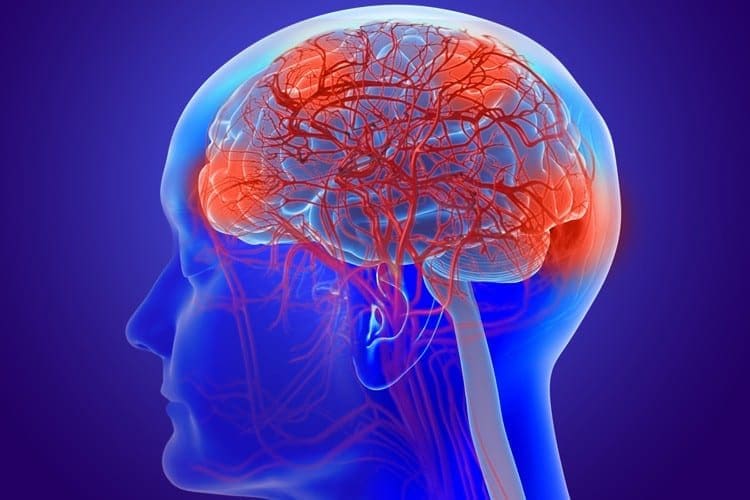

 �
� �
� �
�